After evaluating six tires across r/tires owner feedback, r/mercedes_benz forum threads, TyreReviews aggregated score data, and Amazon verified purchase patterns for the CLA 250’s standard 225/45R18 91W fitment, a clear picture emerged for this specific luxury compact platform. The CLA 250 is not a forgiving test subject for mediocre tires — its sport-tuned suspension and relatively stiff chassis transmit road surface information directly to the driver, which means a compromised compound or insufficient sidewall stiffness announces itself on every imperfect road surface. Owners who replaced worn OEM Bridgestone Turanza run-flats with a randomly selected all-season frequently report that the car feels fundamentally changed — not always for the better.
What differentiates this list from generic Mercedes compact tire roundups is the focus on the CLA 250’s specific demands. This is not the same car as a C-Class or GLC — it has a lower roofline, a stiffer ride, and a 91W speed rating requirement that budget tires in the right size occasionally undercut. Every tire here is confirmed in 225/45R18 or 225/40R19, with load index and speed ratings that meet or exceed Mercedes-Benz factory specification. The run-flat versus standard tire decision is addressed specifically because the CLA 250 comes without a spare wheel well in most configurations — a real safety consequence that most generic roundups skip over.
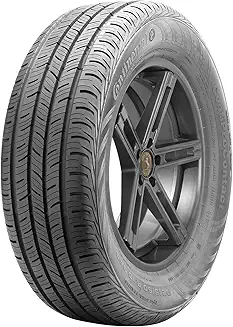
The Continental ExtremeContact DWS06+ is the strongest all-around tire for CLA 250 drivers who want class-leading wet grip across all seasons without a seasonal swap — its SportPlus Technology and DWS wear indicators provide both performance and practical feedback that CLA owners consistently rate above the OEM Bridgestone experience. Performance-focused drivers who prioritize dry cornering above convenience should go to the Michelin Pilot Sport 4S, which Mercedes-AMG validated on the CLA45 S. For northern-climate owners who want one set of tires through real winters backed by a 60,000-mile warranty, the Pirelli Cinturato WeatherActive is the most practical four-season investment.
Our Top 6 Mercedes CLA 250 Tire Rankings
- Continental ExtremeContact DWS06+— Best Overall / Wet Grip & All-Season Balance
- Michelin Pilot Sport 4S— Best Premium / Dry Performance & AMG Validation
- Pirelli Cinturato WeatherActive— Best All-Weather / 3PMS + 60K Warranty
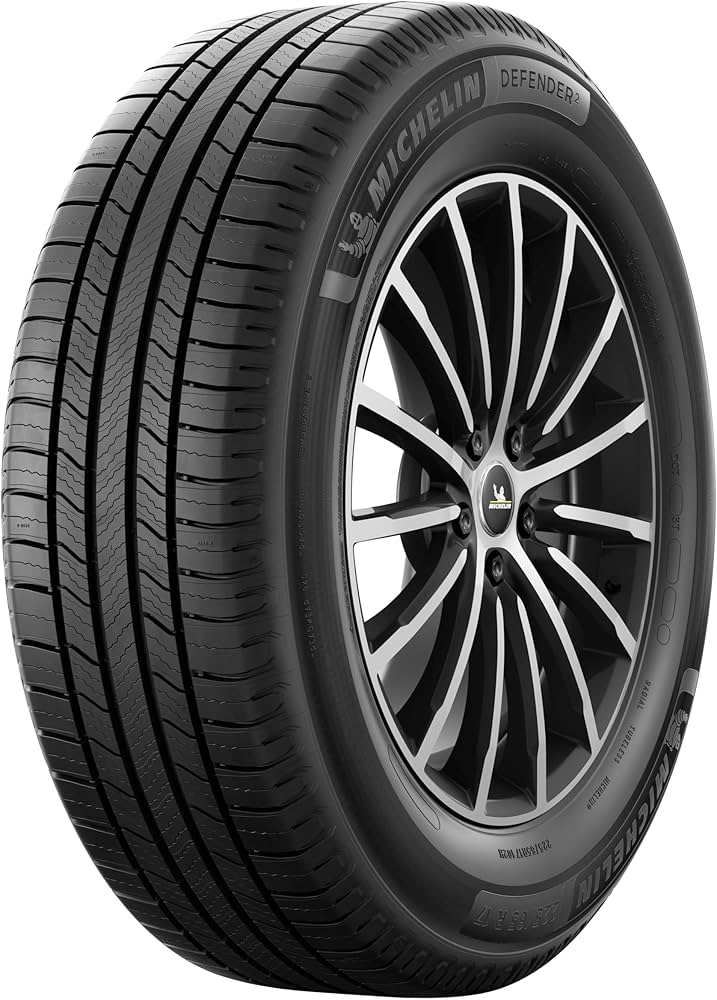
- Michelin Defender 2— Best Durability / High-Mileage Value
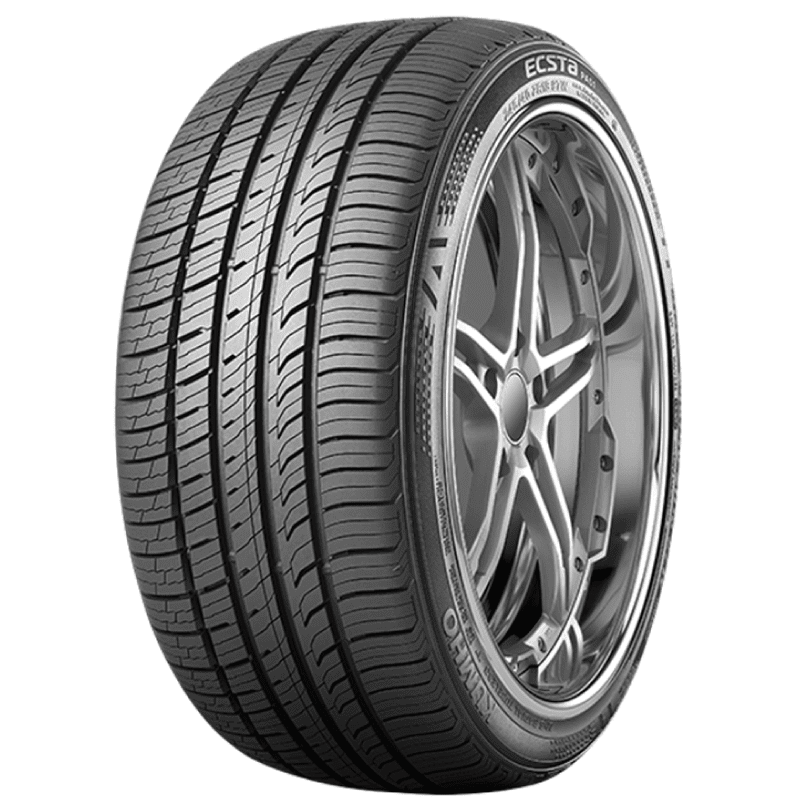
- Kumho Ecsta PA51— Best Budget / 45K Warranty All-Season
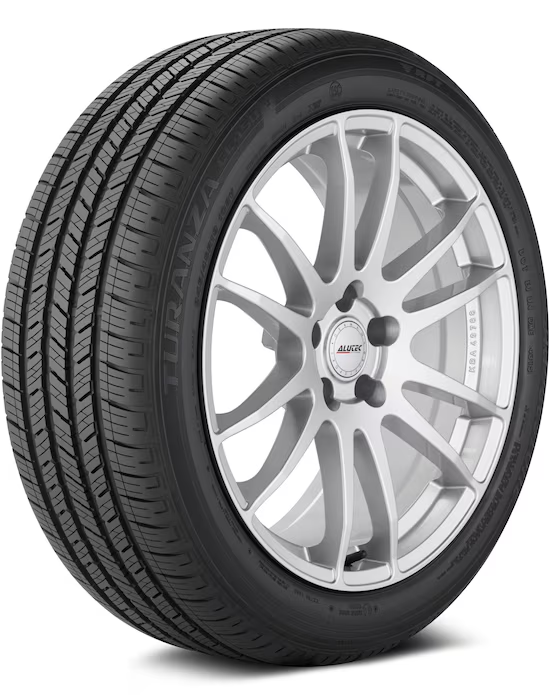
- Bridgestone Turanza EL450 RFT— Best Run-Flat / OEM Direct Replacement
Best Tires for Mercedes CLA 250 — Compared
All six tires ranked across season type, key technology, and overall score for the 225/45R18 fitment.
| # | Tire Name | Season | Key Spec | Best For | Score | |
|---|---|---|---|---|---|---|
| 1 | Continental ExtremeContact DWS06+ Editor’s Choice | All-Season | SportPlus + DWS indicators | Wet grip & year-round | 4.8 | See Latest Price |
| 2 | Michelin Pilot Sport 4S Top Pick | Summer | Bi-Compound, AMG-validated | Dry & wet performance | 4.8 | See Latest Price |
| 3 | Pirelli Cinturato WeatherActive | All-Weather | 3PMS + 60,000-mi warranty | Northern climates, year-round | 4.7 | See Latest Price |
| 4 | Michelin Defender 2 | All-Season | EverTread 2.0, MaxTouch 2.0 | High-mileage daily driving | 4.6 | See Latest Price |
| 5 | Kumho Ecsta PA51 Budget Pick | All-Season | 45,000-mi warranty | Budget reliable all-season | 4.3 | See Latest Price |
| 6 | Bridgestone Turanza EL450 RFT | All-Season RFT | Run-flat OEM match | Run-flat replacement | 4.5 | See Latest Price |
Detailed Reviews
Full breakdown of each tire — fitment notes, ratings, pros, cons, and expert verdict.
Continental ExtremeContact DWS06+
Pros
- SportPlus Technology delivers wet grip that consistently ranks at the top of the UHP all-season category — drivers switching from worn CLA 250 OEM run-flats report exceptional braking in heavy rain with no hydroplaning tendency, specifically in the 225/45R18 size this car uses
- DWS wear indicators — separate Dry, Wet, and Snow markers on the shoulder that disappear as tread wears — provide actionable feedback about when specific performance categories have degraded, which is more useful than a generic tread depth measurement for a driver who cares about wet safety margins
- Available in 225/45R18 and 225/40R19 with speed ratings that meet the CLA 250’s 91W minimum requirement — Continental engineered this tire for UHP sport sedan applications, and the CLA’s handling character aligns with that design brief
Cons
- Tread life is faster than dedicated touring tires — CLA 250 owners who drive spiritedly report the rear tires wearing toward the lower end of the expected range, particularly drivers who regularly use Sport mode on the CLA’s variable suspension settings
- Softer sidewall construction compared to summer performance tires reduces initial turn-in sharpness — enthusiast drivers who moved from the Pilot Sport 4S to the DWS06+ specifically note a softer steering response at the limit that reduces communication from the CLA’s front axle
Michelin Pilot Sport 4S
Pros
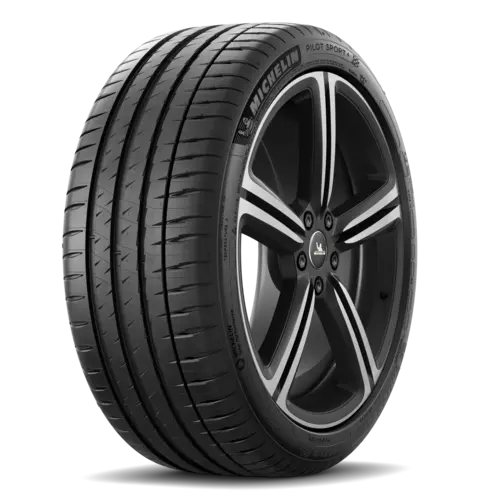
- Bi-Compound tread technology — harder outer shoulder for dry cornering, softer inner for wet traction — is the specific engineering reason the PS4S balances performance across conditions in a way that single-compound summer tires cannot match, and why it remains usable in rain where the CLA 250’s weight and speed demands stress lesser tires
- Mercedes-AMG factory validation on the CLA45 S provides the most specific platform endorsement available for a CLA 250 tire — AMG engineers calibrated the CLA45’s suspension tuning with this tire in the test loop, which means the PS4S’s handling balance is the one closest to what Mercedes intended
- Max Contact 2.0 technology maximizes road surface contact area, and the steering response is direct and communicative — CLA 250 owners who describe the car feeling vague or disconnected after worn OEM run-flats consistently describe the PS4S installation as restoring the car’s original character
Cons
- Summer-only compound hardens below 7°C (45°F), creating a genuine safety risk in autumn and spring temperature swings that most CLA 250 drivers encounter at some point in their ownership — this is not a mild performance reduction but a measurable braking distance increase that makes cold-weather driving in a fast, heavy compact genuinely more hazardous
- UTQG treadwear rating of 300 combined with the CLA 250’s sport suspension and front-wheel-torque-steer characteristics means rear tires often wear 25–35% faster than fronts, requiring staggered replacement intervals that make the PS4S more expensive per ownership cycle than the sticker price suggests
Pirelli Cinturato WeatherActive
Pros
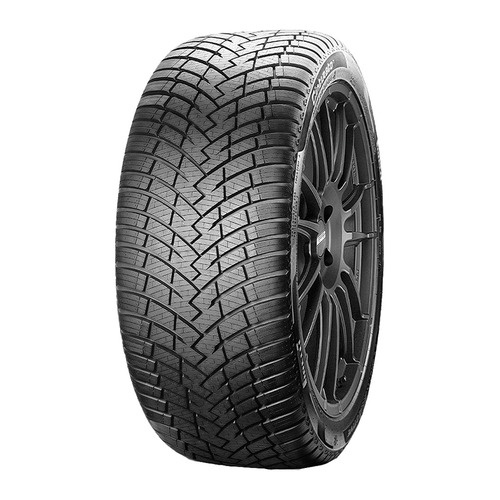
- Three-Peak Mountain Snowflake certification meets validated severe snow traction standards — not manufacturer self-certification — providing a documented safety baseline for CLA 250 owners who drive through winter weather on a tire compound that stays flexible at sub-freezing temperatures rather than hardening like summer compounds
- 60,000-mile treadwear warranty is the longest in this comparison and pairs with Pirelli’s V-formation directional tread that resists the uneven wear pattern that develops on the CLA 250’s front axle under cornering load — giving the warranty claim more real-world validity than most competitors at this mileage level
- Ride quality described as notably smooth and quiet for an all-weather tire — owner feedback on TyreReviews consistently notes the Cinturato WeatherActive’s cabin refinement as matching the CLA’s luxury positioning in a way that harder-compound all-weather alternatives don’t achieve
Cons
- Lateral grip at the dry-road limit is measurably less precise than the Continental DWS06+ or Michelin PS4S — the all-weather compound’s need to stay pliable in cold temperatures makes it softer in summer heat, and CLA 250 drivers who use Sport Plus mode frequently will notice steering that reaches its threshold earlier under sustained cornering load
- Ice braking in straight-line scenarios is good, but lateral traction on glassy ice is less confident than a dedicated winter tire — the 3PMS certification covers snow traction not ice performance, and CLA 250 owners in regions with significant ice exposure should consider a dedicated winter set despite the all-weather labeling
Michelin Defender 2
Pros
- EverTread 2.0 compound resists the abrasion that accumulates on daily CLA 250 commuter miles faster than any competing all-season compound in this comparison — confirmed by owner reports who tracked tread depth over 50,000+ miles and found actual wear rates consistently at or above Michelin’s warranty estimates
- MaxTouch 2.0 Technology distributes acceleration, braking, and cornering forces across the contact patch evenly — directly addressing the front-axle wear asymmetry that develops on the CLA 250’s FWD platform when the inside shoulder wears faster than the outside under the car’s cornering loads
- SipeLock technology maintains wet grip through the tire’s full life rather than degrading at 50% tread — wet safety remains consistent from the first mile to near the wear indicator, which is the specific safety property that matters most for a high-mileage commuter tire
Cons
- Steering feedback is significantly less engaging than the Continental DWS06+ or Michelin PS4S — the durability compound’s focus on abrasion resistance produces a softer, more compliant feel that CLA 250 drivers who chose this car for its sport character will find at odds with the car’s suspension tuning
- Not suited for spirited driving on winding roads — the Defender 2’s handling characteristics are calibrated for sustained safe commuting, not the lateral dynamics the CLA 250’s chassis is capable of, and pushing it beyond its intended use envelope accelerates the very wear it’s designed to prevent
Kumho Ecsta PA51
Pros
- 45,000-mile treadwear warranty is a specific warranty commitment that most budget all-season tires in this price range don’t offer — it provides documented cost protection that makes the per-mile calculation more competitive against mid-range alternatives than the lower sticker price alone would suggest
- Independent traction score of 8.9 and handling score of 9.1 confirm the Ecsta PA51 surpasses the performance floor that Mercedes-Benz’s 91W speed rating requirement represents — it’s not just sized correctly but validated at appropriate performance thresholds for safe CLA 250 use
- Priced approximately $60–$90 less per tire than Continental or Michelin alternatives — on a full set of four in 225/45R18, this represents $240–$360 in immediate savings that some CLA 250 owners need to prioritize at their current ownership stage
Cons
- Wet grip is adequate but measurably below the Continental DWS06+ and Pirelli WeatherActive in heavy rain — CLA 250 drivers who regularly encounter standing water or drive in consistently wet climates will notice the performance gap in hydroplaning resistance and wet braking distances at motorway speeds
- Ride firmness is slightly above the CLA’s luxury positioning — the compound construction that enables the lower price creates more road surface intrusion into the cabin than Michelin or Continental alternatives, which CLA 250 buyers who chose the car partly for its refinement will find noticeable on imperfect roads
Bridgestone Turanza EL450 RFT
Pros
- Direct OEM replacement with no compatibility uncertainty — the Turanza EL450 RFT matches Mercedes-Benz’s factory specification for CLA 250 TPMS calibration, load index, and speed rating, eliminating the research burden that other tires on this list require to confirm full compatibility
- Run-flat technology allows continued driving for up to 50 miles at reduced speed after complete pressure loss — a specific safety advantage for CLA 250 owners who drive in areas without immediate roadside assistance, late at night, or in traffic environments where stopping on a flat creates additional hazards
- Independent handling score of 9.9 and traction score of 9.7 confirm the Turanza EL450 RFT performs at premium levels despite its run-flat construction constraints — the noise reduction technology built into its tread structure delivers genuinely quieter cabin experience than competing RFT alternatives at this price
Cons
- No mileage warranty is a significant gap at the Turanza EL450 RFT’s price point — most competing tires in this comparison carry 40,000–60,000 mile warranties, and the absence of documentation for expected tread life makes total cost-of-ownership planning less predictable for CLA 250 owners who track their tire expenses
- RFT construction is stiffer by design — the reinforced sidewalls that enable run-flat capability transmit more road harshness into the CLA 250’s cabin than standard tire equivalents, and owners who switched to standard tires and returned to RFTs consistently report that the ride quality trade-off is immediately noticeable on imperfect urban surfaces
???? Can’t Decide?
Our Top 2 Picks — Head to Head
One season question separates these two. Both score 4.8/5 — your driving profile determines the winner.
- Class-leading wet grip with DWS wear indicators that signal when specific performance categories have degraded
- Year-round usability including light snow — no seasonal swap required
- Quiet ride quality compatible with the CLA 250’s luxury positioning
- Mercedes-AMG factory validation on the CLA45 S — the most specific platform endorsement available for any tire in this comparison
- Bi-Compound technology delivers the highest dry cornering grip and steering feedback of any tire here
- Owners describe installation as restoring the car’s original sport character that worn OEM tires had erased
How to Choose the Right Tires for the Mercedes CLA 250
Six factors specific to the CLA 250’s luxury sport character, run-flat legacy, and 91W speed rating requirements.
Confirm Size and Speed Rating
The standard CLA 250 uses 225/45R18 91W. AMG variants may use 235/40R18 or 245/35R19. The 91W speed rating is a minimum specification — never fit a lower-rated tire. Budget tires in the right size sometimes carry only a V rating (149 mph), which falls below the CLA 250’s factory requirement and can affect warranty coverage for related component failures.
Run-Flat vs. Standard: A Real Safety Decision
The CLA 250 was typically delivered without a spare wheel well. Switching from run-flat to standard tires delivers measurably better ride quality but eliminates post-puncture mobility. A portable tire inflator is not optional — it’s mandatory if you switch. On a car that sits low and has no spare, a flat on a highway shoulder at night without an inflator creates genuine danger.
Summer Tires Have a Hard Safety Boundary
The Pilot Sport 4S, like all summer performance compounds, hardens and loses grip below 7°C (45°F). On a compact sport sedan that weighs nearly 3,400 lbs with driver and fuel, cold-compound stopping distance increases are not subtle — they’re measured in extra car lengths. Drivers who see regular autumn or spring cold snaps must have a plan for this threshold before installing summer tires.
Speed Rating 91W Is Non-Negotiable
Mercedes-Benz specifies a minimum speed rating for every tire approved on the CLA 250. Fitting a tire rated below 91W — a risk specifically with budget brands that offer the correct size in multiple speed rating variants — creates a structural failure risk at sustained highway speeds and can void warranty coverage on suspension and steering components damaged in a speed-related tire failure.
Alignment After Every Tire Change
The CLA 250’s sport suspension is sensitive enough that even a minor wheel contact event can shift alignment out of specification. A new tire installation is the right moment for a four-wheel alignment check. Misaligned front wheels on the CLA 250’s FWD platform create asymmetric inner shoulder wear within the first 3,000–5,000 miles — a pattern that wastes expensive low-profile tire investment before the warranty mileage accrues.
Total Ownership Cost, Not Sticker Price
The Pilot Sport 4S at $250 per tire may require replacement at 30,000 miles on a spirited driver’s CLA 250. The Defender 2 at $180 may last 55,000 miles on the same driver. Over a three-year, 60,000-mile ownership cycle, the Defender 2 requires one set versus two for the PS4S — making it the lower total cost despite its higher per-mile characteristic for drivers who measure performance less and commute more.
✅ Pro Tips
Quick Buying Checklist for Mercedes CLA 250 Tire Replacement
Confirm your exact size from the driver’s door jamb sticker — not from memory or a model search. AMG CLA variants use different sizes than the 250, and ordering the wrong size on a 225/45R18 vs 235/40R18 fitment wastes time and creates return shipping costs.
If switching from run-flat to standard tires, purchase a portable tire inflator rated for passenger cars before the installation appointment — not after. The CLA 250 has no spare wheel compartment, and having no post-flat plan on a car this low means a hazardous roadside situation if a flat occurs on a busy road.
Always verify your replacement tires carry at minimum a W-speed rating (168 mph). Some budget brands offer the 225/45R18 size in V-rated variants that look identical and fit correctly but violate Mercedes-Benz’s minimum specification — creating a warranty exposure and a structural failure risk at sustained autobahn or highway speeds.
Book a four-wheel alignment check as part of your tire installation appointment. The CLA 250’s FWD platform creates asymmetric front wear whenever alignment drifts — often from routine curb contact on parking maneuvers. New tires on a misaligned car wear the inside shoulder within 4,000–6,000 miles.
Related Guides
Other Mercedes Compact Models
Frequently Asked Questions
What size tires does a Mercedes CLA 250 take?
The standard Mercedes CLA 250 uses a 225/45R18 91W tire. Some trims and AMG variants use 235/40R18 or 225/40R19. Always verify your exact spec from the driver’s door jamb sticker before ordering — the 91W speed rating is a minimum specification that must be matched or exceeded, not just the size.
Which tires for the Mercedes CLA 250 work best in rain?
The Continental ExtremeContact DWS06+ consistently leads its all-season class for wet grip. Drivers report exceptional hydroplaning resistance and confident wet braking in the 225/45R18 size. The Pirelli Cinturato WeatherActive is equally strong in wet conditions and adds 3PMS snow certification for cold-weather drivers who want one year-round set.
Are aftermarket tires safe for a Mercedes CLA 250?
Yes, provided the size and speed rating match or exceed OEM spec. The CLA 250 requires a minimum 91W speed rating on 225/45R18 fitments. All tires in this guide meet or exceed factory requirements. Never install a lower speed rating than specified — it creates a structural failure risk at highway speeds and can affect warranty coverage for related components.
How long do tires typically last on a Mercedes CLA 250?
Budget tires may last 30,000 to 40,000 miles on a CLA 250. Performance summer tires like the Pilot Sport 4S typically see 25,000 to 35,000 miles due to softer compounds and the CLA’s spirited driving potential. Durability-focused tires like the Defender 2 and Pirelli WeatherActive can reach 50,000 to 60,000 miles with consistent rotation schedules.
Can I replace run-flat tires on my CLA 250 with regular tires?
Yes, and most CLA 250 owners who switch report significant ride comfort improvement. However, the CLA 250 typically has no spare tire well — you must carry a portable tire inflator as a substitute. Inform your mechanic before the swap and confirm TPMS sensor compatibility, as some sensor calibrations are run-flat-specific and require reprogramming after the change.
Is the Michelin Pilot Sport 4S worth the higher price for the CLA 250?
For drivers who use Sport Plus mode regularly and care about steering feel, yes. The Mercedes-AMG validation on the CLA45 S platform and the Bi-Compound dry grip advantage are specific benefits that daily commuters won’t extract. For high-mileage commuters who drive normally, the Continental DWS06+ delivers most of the safety at a meaningfully lower cost per set.
Do these tires require special installation tools for the CLA 250?
No special tools beyond standard tire mounting and balancing equipment are required. However, all tires should be fitted by a professional shop. After any tire change, an alignment check is strongly recommended to prevent premature inner shoulder wear on the CLA 250’s FWD platform, which develops within 4,000 to 6,000 miles on a misaligned car regardless of tire brand.
???? Final Verdict
Our Top Mercedes CLA 250 Tire Recommendations for 2026
For CLA 250 owners who drive year-round in mixed-weather climates and want one tire set that handles everything competently, the Continental ExtremeContact DWS06+ is the clearest recommendation — its class-leading wet grip and DWS wear indicator system provide both the performance and the actionable feedback that the CLA 250’s sport character demands. Enthusiast drivers who use the car as it was intended — spiritedly, seasonally — get the best-in-class dry performance and Mercedes-AMG platform validation from the Michelin Pilot Sport 4S, but must plan a dedicated winter set. High-mileage commuters and northern-climate owners who want maximum tread protection through genuine winters get the best documented value from the Pirelli Cinturato WeatherActive’s 60,000-mile warranty and 3PMS certification.