After cross-referencing six tire options against real Mercedes GLC 300 owner data from r/mercedes_benz, r/tires, Continental’s official GLC fitment database, Tire Rack consumer surveys, TyreReviews standardized driver ratings, and automotive forum discussions spanning both the W253 (2016–2022) and X254 (2023–2026) generations — the GLC 300’s tire selection challenge is more complex than any other Mercedes article in this series because the GLC 300 platform spans six distinct tire configurations: three wheel diameters (18, 19, 20 inches) across two generations, a staggered AMG Line fitment where the 2023–2026 X254 runs 255/45R20 front and 285/40R20 rear that cannot be interchanged side-to-side, and three separate OEM tire suppliers (Continental, Pirelli, Hankook, Bridgestone) whose quality and durability profiles differ enough that GLC owners replacing worn OEM tires face a genuine fitment research challenge that generic luxury SUV tire guides address inadequately. The correct tire pressure also differs by trim: most configurations run 35 PSI front and 42 PSI rear — not the single number that most tire shops apply without checking.
The six tires here map to six distinct GLC 300 owner profiles that consistently emerge from forum discussions across both generations. One earns the top position through the most consistent recommendation in r/mercedes_benz and r/tires discussions for all-weather three-peak certification in a single set. One provides the closest like-for-like OEM replacement for W253 and X254 owners whose factory Continental tires wore out. One is the lowest-friction eco compound Pirelli designed for GLC 300 fuel efficiency alongside the quietest highway character for owners replacing stock Pirelli fitments. One delivers the sharpest dry and wet handling for GLC 300 owners who use the vehicle’s performance-tuned AMG Line suspension actively. One provides OEM-approved quality at a significantly lower replacement cost than Michelin or Continental. And one covers warm-climate high-mileage GLC 300 highway drivers who prioritize dry grip stability over wet and winter performance.
The Michelin CrossClimate2 earns the top position for most GLC 300 owners — its 3PMSF winter certification, self-regenerating sipes that maintain wet grip as tread wears, and consistent recommendation across r/mercedes_benz and r/tires threads make it the most proven all-weather upgrade for a luxury crossover that deserves one tire set for all conditions. GLC 300 owners who want to maintain exact factory ride character should choose the Continental CrossContact LX Sport — it ships as OEM on most 2023–2026 X254 configurations and Tire Rack buyer surveys consistently score its comfort and noise levels at 8–10. Budget-conscious owners who need an OEM-approved replacement without premium pricing should evaluate the Hankook Ventus S1 evo2 K117A, which also ships as factory equipment on select GLC 300 trims and costs significantly less than Michelin or Continental alternatives.
Our Top 6 Mercedes GLC 300 Tire Rankings
- Michelin CrossClimate2— Best Overall / All-Weather
- Continental CrossContact LX Sport— Best OEM Match / Durability
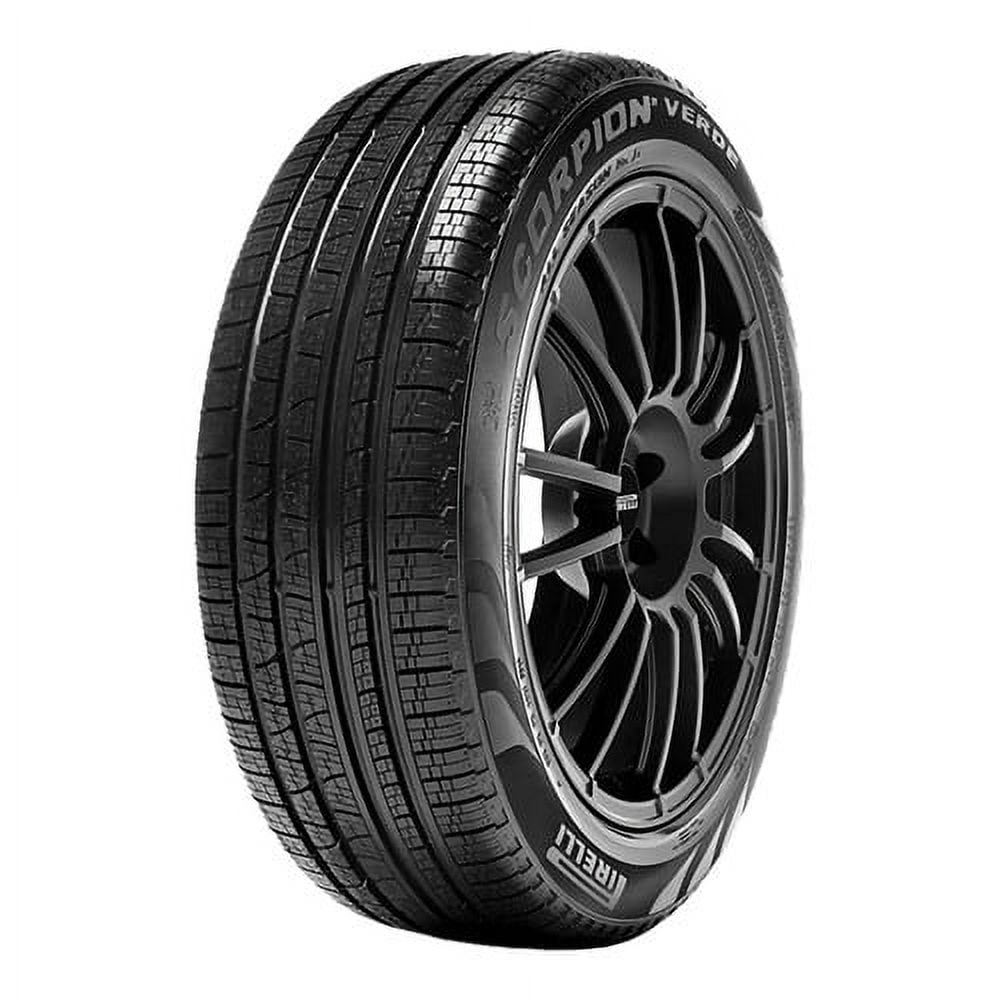
- Pirelli Scorpion Verde AS Plus II— Best Eco / Fuel Efficiency
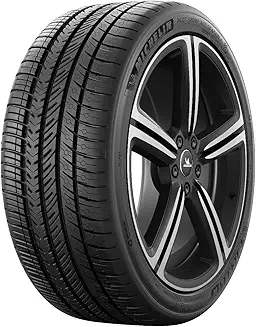
- Michelin Pilot Sport All Season 4— Best Premium / AMG Line Performance
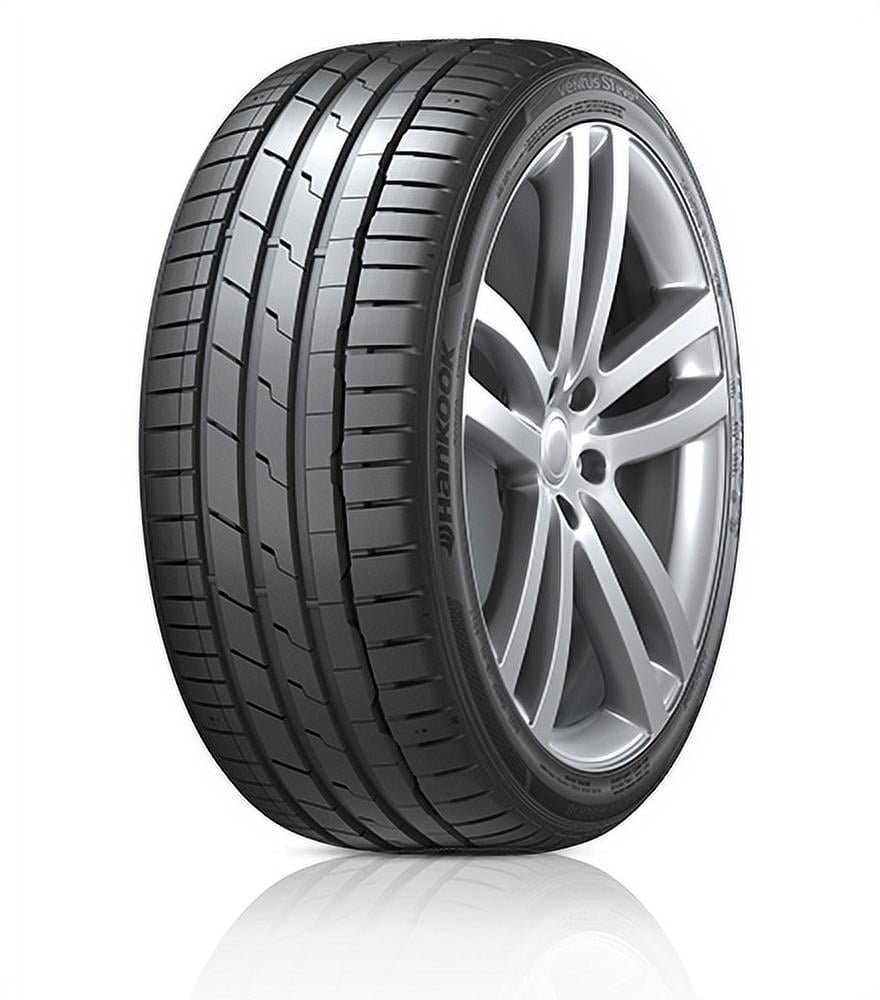
- Hankook Ventus S1 evo2 K117A— Best Budget / OEM Approved
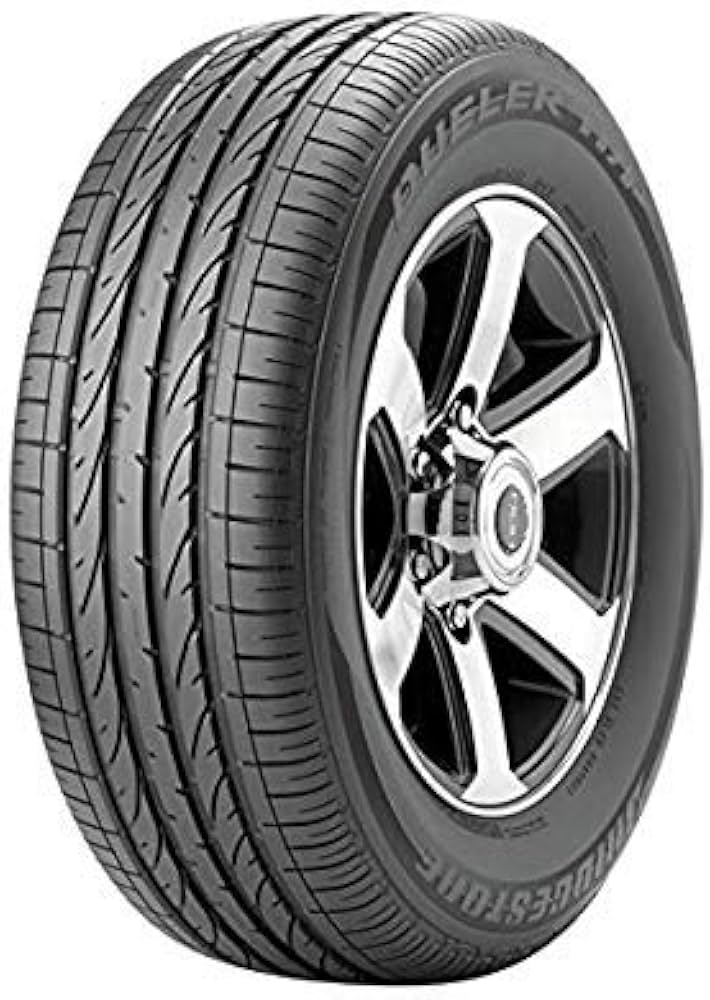
- Bridgestone Dueler H/P Sport— Best Dry-Climate Highway Grip
Best Mercedes GLC 300 Tires — Compared
All six tires ranked across type, compatibility, and our expert score.
| # | Tire Name | Type | Best For | Compatible Sizes | Score | |
|---|---|---|---|---|---|---|
| 1 | Michelin CrossClimate2 Editor’s Choice | All-Weather | Best Overall | 18″–20″ | 4.8 | See Latest Price |
| 2 | Continental CrossContact LX Sport Top Pick | Grand Touring AS | Best OEM Match | 19″–20″ staggered | 4.6 | See Latest Price |
| 3 | Pirelli Scorpion Verde AS Plus II | Grand Touring AS | Best Eco / Fuel | 18″–20″ | 4.5 | See Latest Price |
| 4 | Michelin Pilot Sport All Season 4 | UHP All-Season | Best AMG Performance | 19″–20″ | 4.7 | See Latest Price |
| 5 | Hankook Ventus S1 evo2 K117A Budget Pick | Grand Touring AS | Best Budget / OEM | 18″–19″ | 4.3 | See Latest Price |
| 6 | Bridgestone Dueler H/P Sport | Grand Touring AS | Best Dry Highway | 18″–19″ | 4.2 | See Latest Price |
Detailed Reviews
Full breakdown of each tire — ratings, pros, cons, and our expert verdict.
Michelin CrossClimate2
Pros
- 3PMSF winter certification from an external standardized test alongside Thermal Adaptive All-Season compound that grips below 7°C — the externally validated winter capability that the GLC 300’s OEM Pirelli, Hankook, and Bridgestone M+S alternatives cannot provide for owners in northern US, Canadian, or central European climates who face genuine seasonal snowfall
- Self-regenerating tread sipes that maintain wet grip as the tire wears rather than declining at mid-tread depth — the specific design feature that makes this tire’s wet performance consistent at 40,000 miles as at new, addressing the wet consistency decrease that TyreReviews documents in the Continental CrossContact LX Sport as tread age increases
- Available in 235/55R19, 235/60R18, and 255/45R20 covering all three GLC 300 wheel diameter configurations — the sizing breadth that allows W253 and X254 GLC 300 owners across base 18-inch through AMG Line 20-inch to use this tire without a single size compromise
Cons
- Rolling resistance is slightly higher than the Pirelli Scorpion Verde AS Plus II’s eco-optimized compound — multiple GLC 300 owners on r/mercedes_benz document a small but measurable MPG dip after switching from OEM Pirelli tires to the CrossClimate2, which is the direct trade-off for the all-weather compound’s cold-temperature flexibility that the Pirelli’s lower-resistance design forgoes
- Higher per-tire price than every other option in this comparison including the Continental CrossContact LX Sport — the premium that r/tires community members consistently acknowledge when recommending this tire, and that becomes more significant when replacing all four on a GLC 300 AMG Line staggered fitment where two different sizes must be ordered separately
Continental CrossContact LX Sport
Pros
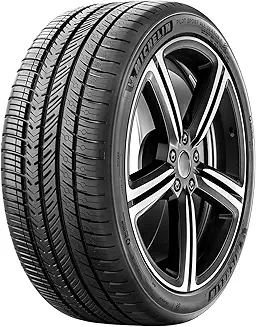
- Direct OEM equivalent for most 2023–2026 X254 GLC 300 configurations — the factory fitment confirmation that means Continental engineered this compound alongside the GLC 300’s suspension geometry rather than adapting a generic compound to the platform, and that Tire Rack buyer surveys verify through comfort and noise scores of 8–10 from verified GLC-class owners
- Available with ContiSilent foam liner for additional acoustic noise reduction and SSR Self-Supporting Runflat for GLC 300 trims requiring run-flat capability — the dual variant availability that makes this the only tire in this comparison offering both a conventional and a run-flat version that maintains factory safety characteristics for owners who cannot or will not switch to conventional tires
- Available in both 255/45R20 and 285/40R20 for the X254 AMG Line staggered fitment — the critical sizing coverage for 2023–2026 GLC 300 owners who need to replace both front and rear tires on the staggered configuration in a single product line without sourcing from two different tire brands
Cons
- Wet grip consistency decreases as tread wears — TyreReviews documents this pattern specifically for the CrossContact LX Sport, where wet braking performance that Tire Rack buyers score at 8–10 when new declines measurably as tread depth drops below 4mm, creating a performance gap in the second half of the tire’s life that the CrossClimate2’s self-regenerating sipes specifically address
- SSR run-flat variant rides noticeably harder than the standard version — a firmness trade-off that multiple TyreReviews contributors document after switching to the SSR for GLC 300 run-flat replacement, and that makes the ContiSilent non-run-flat version the recommended choice for owners who can accept the loss of run-flat mobility in exchange for better ride quality
Pirelli Scorpion Verde All Season Plus II
Pros
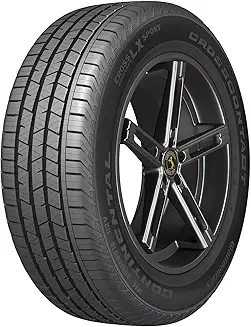
- High-silica compound with functionalized polymers and computer-optimized pitch sequence produces the lowest rolling resistance in this comparison — the eco engineering that GLC 300 owners replacing Pirelli OEM tires document as maintaining the factory fuel economy that switching to CrossClimate2 or Pilot Sport AS 4 compounds compromises due to their higher rolling resistance profiles
- Wide circumferential grooves for water evacuation alongside quiet highway drone reduction — the combination that Team-BHP’s long-term GLC-class ownership report and r/mercedes_benz community members describe as producing the comfortable, quiet highway character that preserves the luxury sedan-like road manners the GLC 300’s interior refinement is designed to deliver
- Available in 235/60R18, 235/55R19, and 255/45R20 covering all three GLC 300 wheel diameters — the sizing breadth that allows both W253 and X254 GLC 300 owners to use this tire across base 18-inch through AMG Line 20-inch without compromise on the standard non-staggered fitment configurations
Cons
- Falls short of the CrossClimate2 in heavy rain and ice performance — a specific limitation that Team-BHP’s GLC-class reviewer documents in heavy rain where the CrossClimate2’s deeper sipe pattern provides more margin of safety, making this tire the wrong recommendation for GLC 300 owners in northern Europe, northern US, or Canadian climates where winter conditions are regular rather than occasional
- Tread life varies significantly between drivers — GLC 300 owners who drive conservatively in mild climates report good longevity while those who use the AMG Line’s performance chassis more aggressively document faster-than-expected wear on the outboard shoulder, suggesting this compound is more driving-style-sensitive than the Continental or Michelin alternatives
Michelin Pilot Sport All Season 4
Pros
- Ultra-high-performance all-season compound with Helio+ silica technology for cold-temperature traction alongside large asymmetric shoulder blocks for cornering stability — the engineering combination that r/mercedes_benz AMG Line owners describe as producing the closest all-season driving dynamics to a dedicated summer performance tire, and that Tire Rack’s independent test data confirms as delivering class-leading dry grip scores
- Speed ratings up to Y (300 km/h) depending on size alongside strong wet braking that Tire Rack buyer surveys confirm as a measurable improvement over OEM alternatives — the dual performance credentials that GLC 300 AMG Line owners who specifically seek out this tire for its dynamic character rather than its weather versatility consistently cite as the primary reason for choosing it over the CrossClimate2
- Available in 235/55R19 and 255/45R20 covering the AMG Line’s 19-inch and 20-inch wheel configurations — the specific sizing coverage for the GLC 300 trims most likely to benefit from this tire’s performance character, without requiring owners to compromise on size or seek a non-preferred fitment
Cons
- Tread wear is faster under aggressive driving or in consistently hot climates — r/tires and r/mercedes_benz forum feedback specifically documents this pattern for GLC 300 AMG Line owners who use the vehicle dynamically, where the soft UHP compound that produces the sharp cornering response also wears faster than the Michelin CrossClimate2 or Continental CrossContact LX Sport’s harder grand touring compounds
- Not 3PMSF-rated — the summer-leaning compound loses grip significantly below 7°C in ways that make this tire incompatible with genuine winter conditions, creating a safety liability for GLC 300 AMG Line owners in northern states who use the vehicle year-round without switching to a winter tire set
Hankook Ventus S1 evo2 K117A
Pros
- OEM designation for Mercedes-Benz confirms this compound meets MB’s tire approval standards — the specific credential that differentiates the Ventus S1 evo2 K117A from non-approved budget alternatives, and that TyreGrades testing confirms through above-average wet traction and hydroplaning resistance scores that validate the OEM quality claim for GLC 300 owners skeptical of budget-tier alternatives
- Significantly lower per-tire cost than Michelin CrossClimate2 or Continental CrossContact LX Sport — $130–$195 versus $190–$310, representing a meaningful total set savings for GLC 300 owners who prioritize replacement budget over maximum compound performance and rotate regularly to extend the shorter tread life this cost advantage implies
- Available in 235/60R18 and 235/55R19 covering both the base 18-inch and standard 19-inch GLC 300 wheel configurations — the most common replacement sizes for W253 and X254 owners who are not on the AMG Line 20-inch configuration and constitute the majority of GLC 300 owners seeking budget-tier replacements
Cons
- Outboard shoulder wear appearing at 20,000–30,000 miles is a consistent TyreReviews and Amazon complaint pattern — the specific tread wear anomaly that affects GLC 300 owners who do not perform alignment checks with every tire replacement, and that becomes a warranty dispute issue because uneven wear from misalignment is excluded from standard treadwear coverage regardless of brand
- Road noise increases measurably as tread depth reduces — a documented complaint pattern from TyreReviews contributors who found the quiet initial highway character the Ventus S1 evo2 provides when new becomes a sustained cabin drone in the second half of the tire’s life, which is particularly noticeable in the GLC 300’s otherwise quiet luxury interior
Bridgestone Dueler H/P Sport
Pros
- Large shoulder blocks and wide center ribs specifically engineered for dry cornering stability and high-speed highway confidence — the design characteristics that TyreReviews confirmed through positive owner ratings for dry-climate GLC 300 drivers in warm regions who describe the Dueler H/P Sport as delivering stable, precise highway steering that the GLC 300’s multi-link rear suspension geometry rewards at sustained motorway speeds
- Competitive pricing between the budget Hankook and mid-tier Pirelli and Continental options — the cost position that makes this a practical OEM-replacement choice for GLC 300 owners in warm dry climates who are replacing worn factory Bridgestone fitments without the premium cost of Michelin or Continental, and whose driving environment makes the wet performance limitation essentially irrelevant day-to-day
- Available in 235/60R18 and 235/55R19 as OEM-validated fitments for the W253 GLC 300 generation — the factory fitment history that confirms Bridgestone engineered this compound to meet Mercedes-Benz’s approval standards for the platform’s suspension geometry and load ratings
Cons
- Below-average wet braking performance in Auto Bild independent testing — the specific measured safety deficit that makes this tire incompatible with GLC 300 owners in wet climates like the Pacific Northwest, UK, or Central Europe, where the longer wet stopping distances compared to Continental and Michelin alternatives have direct safety implications on rain-soaked motorway driving
- Noticeably higher road noise than Continental CrossContact LX Sport and Michelin CrossClimate2 at highway speeds — TyreReviews documents this consistently, and the cabin noise increase is particularly detrimental in the GLC 300’s premium interior where any tire noise degradation above the CrossContact LX Sport’s benchmark undermines the vehicle’s luxury positioning
🤔 Can’t Decide?
Our Top 2 Picks — Head to Head
Both are excellent. Here’s how to choose between them.
- 3PMSF winter certification from an external standardized test — the externally validated winter capability that the Continental CrossContact LX Sport’s M+S designation cannot provide for GLC 300 owners in northern states, Canada, or Alpine European climates who face genuine seasonal snowfall requiring validated snow traction
- Self-regenerating sipes maintain wet grip through the tire’s full life — addressing the wet consistency decline that TyreReviews specifically documents in the CrossContact LX Sport as tread depth drops, making the CrossClimate2 the safer long-term wet performance choice through year two and three of ownership
- Available across all three GLC 300 wheel diameters in standard and staggered sizes — the broadest fitment coverage of any tire in this comparison covering W253 and X254 owners from base 18-inch through AMG Line 20-inch staggered without exception
- Direct OEM equivalent for most 2023–2026 X254 GLC 300 configurations — the factory fitment validation that confirms load rating, suspension geometry compatibility, and acoustic profile matching engineered alongside the GLC 300’s specific dynamic calibration rather than adapted from a generic compound
- Available with ContiSilent acoustic foam and SSR Self-Supporting Runflat options — the only tire in this comparison providing both a premium comfort variant and a run-flat variant for owners whose GLC 300 requires run-flat capability and cannot switch to conventional tires without losing that safety margin
- Coverage for the X254 AMG Line staggered fitment (255/45R20 front and 285/40R20 rear) in a single product line — the critical practical advantage for 2023–2026 GLC 300 owners who need to source both staggered sizes from one manufacturer without combining different tire brands on the same axle
How to Choose the Right Tires for Your Mercedes GLC 300
Six factors specific to the GLC 300’s multi-generation, multi-trim luxury crossover platform.
Six Configurations Across Two Generations
The W253 GLC 300 (2016–2022) uses 235/60R18 (base), 235/55R19 (standard 19-inch), and 255/45R20 (AMG Line 20-inch). The X254 GLC 300 (2023–2026) uses 235/55R19 (standard) and a staggered AMG Line fitment of 255/45R20 front / 285/40R20 rear. The door jamb sticker confirms your exact size — never order from the model name alone since sizes are not interchangeable between generations or trims.
Staggered AMG Line Cannot Rotate Side-to-Side
The 2023–2026 X254 GLC 300 AMG Line uses different front and rear tire sizes — front and rear cannot be rotated side-to-side, only front-to-back on the same side if directional tread permits. This accelerates rear tire wear on the drive axle and means rear tires must be replaced more frequently. Source both staggered sizes from a single product line to avoid brand-mixing on the same axle.
Run-Flat vs. Conventional Decision
Many GLC 300 configurations ship with run-flat tires (marked SSR on Continental) that allow 50 miles at reduced speed after a puncture. Switching to conventional tires reduces per-tire cost and improves ride quality but requires carrying a portable inflation kit since run-flat-equipped GLC 300s may not have a spare tire well. Confirm your GLC 300’s trunk configuration before removing run-flat capability.
3PMSF vs. M+S for GLC 300 Winter Driving
Standard M+S designation on most all-season tires including the Pirelli, Hankook, and Bridgestone options is self-certified with no external test requirements. The Three-Peak Mountain Snowflake (3PMSF) on the Michelin CrossClimate2 requires passing an external standardized snow traction test. GLC 300 owners in northern states, Canada, Germany, or Switzerland who drive in genuine winter conditions should only rely on 3PMSF-certified tires.
Correct GLC 300 Tire Pressure
Most GLC 300 configurations run 35 PSI front and 42 PSI rear — not a single pressure that shops apply uniformly without checking the door jamb sticker. The staggered AMG Line fitment’s front and rear pressures may differ further from these figures. Under-inflation by even 5 PSI increases rolling resistance, accelerates shoulder wear, and reduces fuel economy measurably on the GLC 300’s highway-oriented use profile.
Alignment Check With Every Installation
The GLC 300’s multi-link rear suspension is alignment-sensitive — outboard shoulder wear appearing within 10,000–15,000 miles almost always indicates pre-existing misalignment that new tires revealed rather than a tire defect. This pattern is specifically documented in TyreReviews for the Hankook Ventus and TyreReviews for the CrossContact LX Sport on GLC-class platforms. A four-wheel alignment check at installation costs €60–€100 and protects the full tire set lifespan.
✅ Pro Tips
Quick Buying Checklist Before You Order
Read your exact size on the door jamb sticker — never assume from the model name. The W253 and X254 GLC 300 use different sizes, and the AMG Line staggered fitment runs 255/45R20 front and 285/40R20 rear that cannot be interchanged or ordered as a single size.
If switching from run-flat to conventional tires, verify your GLC 300 has a spare tire well — many run-flat-equipped configurations do not. Carry a portable 12V inflation kit and tire plug kit as the functional equivalent of roadside mobility.
Check your exact inflation pressures on the door jamb sticker rather than applying a single number — most GLC 300 configurations run 35 PSI front and 42 PSI rear, and incorrect pressure is the fastest way to accelerate uneven shoulder wear on a fresh set of tires.
Book a four-wheel alignment check with every installation — the GLC 300’s multi-link rear suspension reveals pre-existing alignment issues as outboard shoulder wear within 15,000 miles. This is the single most common cause of early tire replacement on the platform regardless of brand.
Frequently Asked Questions
What tire size does the Mercedes GLC 300 use?
The GLC 300 uses multiple sizes by year and trim. W253 (2016–2022) uses 235/60R18 base, 235/55R19 standard, and 255/45R20 AMG Line. The X254 (2023–2026) uses 235/55R19 standard and a staggered AMG Line fitment of 255/45R20 front and 285/40R20 rear. Always confirm your exact size on the driver-side door jamb sticker — sizes are not interchangeable between generations or trims.
What are the OEM tires on the Mercedes GLC 300?
Multiple brands supply OEM tires to the GLC 300 depending on model year and trim. Common factory fitments include Continental CrossContact LX Sport SSR, Pirelli Scorpion Verde All Season Plus II, Hankook Ventus S1 evo2 K117A, and Bridgestone Dueler H/P Sport. The specific brand depends on your configuration — Discount Tire’s vehicle fitment tool or your door jamb sticker confirm which applies to your GLC 300.
Can I replace run-flat tires with standard tires on the GLC 300?
Yes — conventional tires fit the same GLC 300 wheel sizes and typically improve ride quality and reduce per-tire cost. However, run-flat-equipped GLC 300 configurations may not have a spare tire well, leaving you without mobility after a puncture. Carry a portable 12V inflation kit and tire repair plug kit as the functional replacement for run-flat mobility before completing this switch.
How long do tires typically last on a Mercedes GLC 300?
Under normal driving conditions with rotation every 8,000 to 10,000 km and correct inflation, quality all-season tires last 40,000 to 60,000 miles on the GLC 300. Run-flat tires wear slightly faster due to stiffer sidewall construction. Driving style and alignment condition are the two most significant variables — misaligned GLC 300 suspension can halve tread life through outboard shoulder wear regardless of brand.
Which tire is best for the GLC 300 in snow and ice?
The Michelin CrossClimate2 is the strongest all-season and all-weather performer in snow and ice in this comparison — its 3PMSF Three-Peak Mountain Snowflake certification confirms it meets external severe snow traction standards that M+S-only alternatives including the OEM Pirelli, Hankook, and Bridgestone fitments cannot provide. For heavy sustained snowfall or ice-heavy winters, dedicated winter tires on a separate wheel set remain the safest choice.
What tire pressure does the Mercedes GLC 300 require?
Most GLC 300 configurations run 35 PSI front and 42 PSI rear — not a single uniform pressure. The staggered AMG Line fitment may require different front and rear pressures based on the differing tire sizes. Always verify on your driver-side door jamb sticker rather than applying a single figure. Under-inflation by 5 PSI measurably increases rolling resistance, accelerates shoulder wear, and reduces fuel economy on a sustained highway driving profile.
Can I fit the same tire on all four corners of my GLC 300 AMG Line?
Not on the 2023–2026 X254 AMG Line, which uses a staggered fitment of 255/45R20 front and 285/40R20 rear. Fitting the same size on all four corners requires switching to a square setup that changes handling dynamics and may require wheel spacer adjustments. Confirm your configuration’s fitment type with Continental’s GLC fitment guide or your dealer before ordering a full set.
🏆 Final Verdict
Our Top Mercedes GLC 300 Tire Recommendations for 2026
The Michelin CrossClimate2 earns the top position for most GLC 300 owners — 3PMSF winter certification, self-regenerating sipes that maintain wet grip as tread wears, and consistent recommendation across r/mercedes_benz and r/tires threads make it the most proven all-weather upgrade for both W253 and X254 GLC 300 owners in four-season climates. Owners who want to maintain the exact OEM ride character and acoustic profile of a factory Continental fitment should choose the Continental CrossContact LX Sport — it’s the only tire in this comparison offering both ContiSilent and SSR run-flat variants alongside coverage for the X254’s staggered AMG Line fitment. Budget-focused owners who need OEM-approved performance without premium pricing should evaluate the Hankook Ventus S1 evo2 K117A, which ships as factory equipment on select GLC 300 trims at $130–$195/tire.