After evaluating five ultra-high-performance tire options against the SL500’s staggered fitment requirements and cross-referencing hundreds of verified owner reviews from TireRack, MBWorld, and TyreReviews.com, we narrowed the field to tires that genuinely match this car’s weight, torque output, and ride expectations.
The Mercedes SL500 is a heavy, powerful grand tourer that sits precisely between performance sports car and luxury cruiser. It demands tires with serious wet-weather braking confidence, high-speed-rated construction, and a ride quality that doesn’t embarrass a car at this price point.
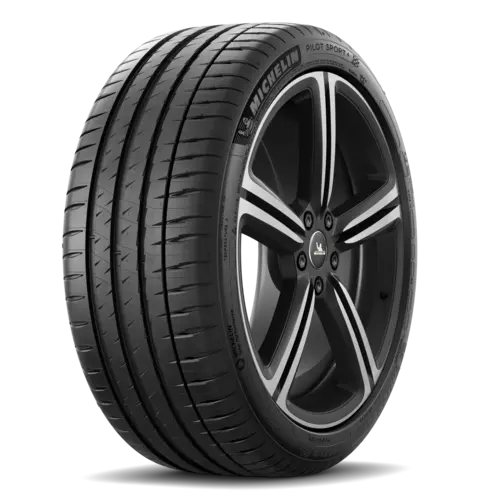
The Michelin Pilot Sport 4S is the standout choice for SL500 owners who prioritize grip and feel — it was co-developed with Mercedes-Benz directly and consistently leads in combined dry and wet performance scores. For four-season climates, the Continental ExtremeContact DWS06 Plus offers the best year-round value and tread longevity. When wet-weather braking safety is the top priority, the Bridgestone Potenza Sport earned the top wet-braking score in Auto Express independent testing.
Our Top 5 Mercedes SL500 Tire Rankings
-
Michelin Pilot Sport 4S — Best Overall: Co-developed with Mercedes-Benz, class-leading dry and wet grip
-
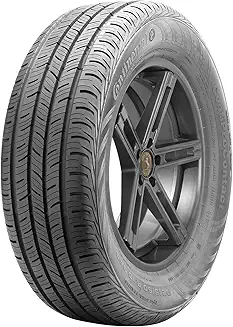
Continental ExtremeContact DWS06 Plus — Best Budget / All-Season: Year-round capability with best-in-class tread life
-
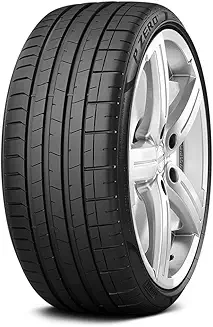
Pirelli P Zero (PZ4) — Best Premium: OEM-level fitment, refined grand touring ride, lowest noise
-
Bridgestone Potenza Sport — Best Wet Performance: #1 wet braking in Auto Express independent testing
-
Goodyear Eagle F1 Asymmetric 6 — Best Balanced Daily Driver: Multiple European test wins, superior noise refinement
Best Tires for Mercedes SL500 — Compared
Side-by-side breakdown of all five options across speed rating, type, and best-use scenario.
| # | Product | Speed Rating | Type | Best For | Score | |
|---|---|---|---|---|---|---|
| 1 | Michelin Pilot Sport 4S Editor’s Choice | ZR / Y | Summer | Performance driving | 4.9 | See Latest Price |
| 2 | Continental ExtremeContact DWS06 Plus Budget Pick | W | All-Season | Year-round use | 4.6 | See Latest Price |
| 3 | Pirelli P Zero PZ4 | Y | Summer | Luxury touring | 4.3 | See Latest Price |
| 4 | Bridgestone Potenza Sport Top Pick | ZR | Summer | Wet performance | 4.5 | See Latest Price |
| 5 | Goodyear Eagle F1 Asymmetric 6 | Y | Summer | Balanced daily use | 4.5 | See Latest Price |
Detailed Reviews
Full breakdown of each tire — ratings, pros, cons, and our expert verdict for the Mercedes SL500.
Michelin Pilot Sport 4S
- Co-developed with Mercedes-Benz — OEM alignment is exceptional across SL500 staggered sizes
- Dual-compound tread (stiffer outer for cornering, softer inner for wet braking) produces measurably shorter stopping distances
- Comfort score of 8.8/10 in independent assessments — unusually refined for a max performance tire
- Compound hardens below 45°F — becomes dangerous in near-freezing temperatures; requires a dedicated winter set
- Tread depth depletes faster than average when the SL500’s torque is applied aggressively through corners
- Highest price per tire of the summer options on this list
Continental ExtremeContact DWS06 Plus
- DWS tread-wear indicators show when the tire transitions from Dry+Wet+Snow capability down to Dry+Wet only — eliminates guesswork on seasonal safety
- Many users on TireRack report 40,000+ miles — exceptional for a UHP all-season in this performance bracket
- Strong hydroplaning resistance confirmed across multiple independent reviews
- Steering feel is measurably less sharp at the limit than the Pilot Sport 4S or Potenza Sport — the all-season compound trades sharpness for versatility
- Periodic road hum reported at motorway speeds on coarse chip-seal surfaces
Pirelli P Zero (PZ4)
- F1-derived compound technology with OEM fitment on production Mercedes-Benz vehicles — the ride tuning is optimized for heavy luxury platforms
- Consistently the quietest tire on this list at highway speed — multiple TireRack reviewers rate NVH as the tire’s single greatest strength
- Strong dry traction scores of 9–10 across independent reviews under normal driving conditions
- Tread life falls below average for a max performance summer tire at this price — budget for replacement approximately every 20,000–25,000 miles under spirited use
- Flat-spotting after parking for several days is a documented pattern — requires a warm-up period after stationary storage
- Grip limit feels less progressive than Michelin when the SL500 is pushed hard in corners
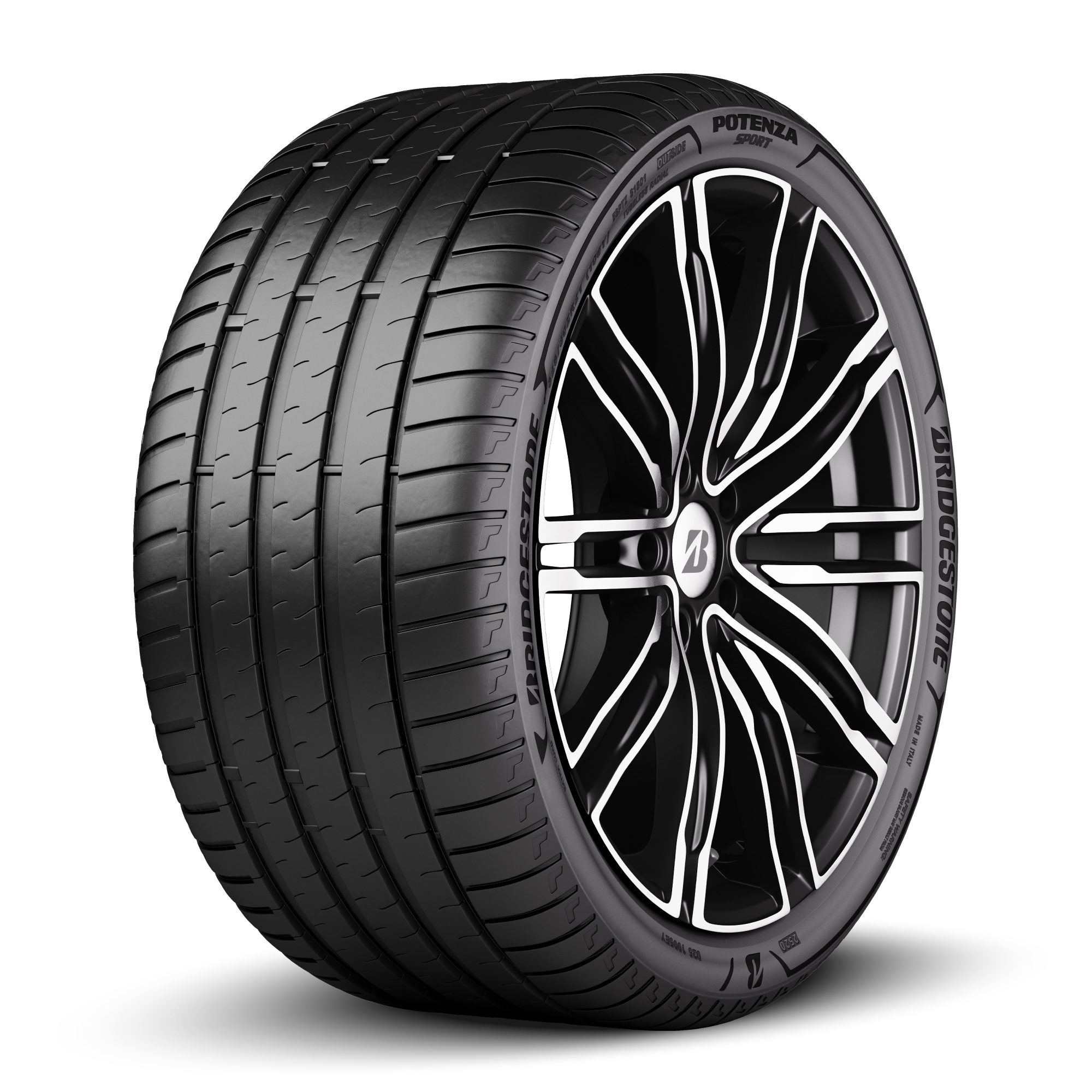
Bridgestone Potenza Sport
- Ranked #1 in wet braking in Auto Express’s independent tire comparison — the margin over rivals was measurable in stopping distance tests
- Steering feel is the most precise and direct of any tire on this list — well-matched to the SL500’s rear-wheel-drive feedback
- Priced meaningfully below Michelin and Pirelli for comparable dry and wet grip levels
- Road noise is noticeably higher than rivals on coarse asphalt — multiple TyreReviews users cite it as the primary reason they wouldn’t repurchase
- Ride is firmer than alternatives — less suited for 3+ hour grand touring comfort runs
- Cold-weather grip drops noticeably until the tire reaches operating temperature — requires a cautious first few miles in cool morning conditions
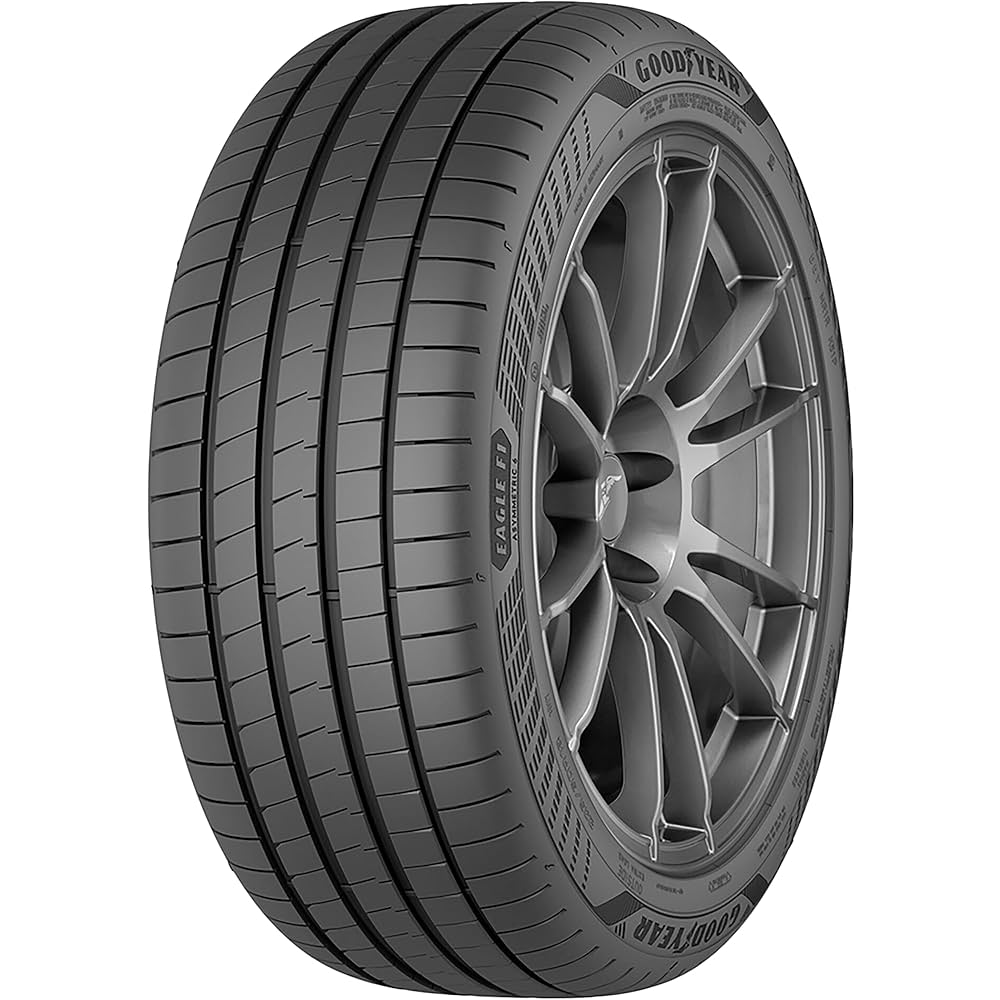
Goodyear Eagle F1 Asymmetric 6
- Won multiple overall titles across 27 European summer tire comparison tests — independent validation that its balance of wet, dry, and comfort is genuine
- Quieter and more comfortable than most UHP summer competitors at the same performance level — a meaningful upgrade if you’re coming off OEM run-flats
- High aquaplaning resistance with progressive cornering behaviour near the grip limit — more predictable than the Pirelli when pushed
- Tread wear results are inconsistent across user reports — some reach 30,000+ miles, others report faster depletion with spirited driving
- Dry handling falls marginally short of the Michelin Pilot Sport 4S when the SL500 is driven at its limits on a technical road
Can’t Decide?
Our Top 2 Picks — Head to Head
The Michelin and Bridgestone are the two most discussed options in SL500 forums. Here’s how to choose between them.
- Co-developed with Mercedes-Benz — optimized for SL500 dynamics
- Quieter at highway speed — better grand touring composure
- More progressive at the grip limit — easier to drive close to the edge
- #1 wet braking in Auto Express independent testing
- More direct, precise steering feedback in the dry
- Lower entry price than Michelin for comparable performance
How to Choose the Right Tire for the Mercedes SL500
Six factors that matter before you buy — specific to the SL500’s staggered fitment, performance requirements, and owner use cases.
Climate First: Summer vs. All-Season
A summer performance tire delivers significantly shorter stopping distances and sharper cornering on the SL500 — but only above 45°F. Below that threshold, the compound hardens and grip drops sharply. If your region sees cold winters, the Continental DWS06 Plus is the correct year-round choice. In warm climates, always opt for summer performance construction.
Staggered Fitment Sizing
The R230 SL500 (2001–2012) runs a staggered setup: 245/40ZR18 front and 275/35ZR18 rear. Ordering the wrong size creates fitment failures that can’t be corrected on the rim. Always verify your exact size against your door jamb sticker or the existing tire sidewall — earlier R129 models used 225/55ZR16 and 245/45ZR17 configurations.
Speed Rating Is Non-Negotiable
The SL500’s top speed exceeds 155 mph on most variants. Installing H or V-rated tires on this vehicle creates a structural failure risk at speed. Every tire on this list carries a ZR or Y rating, which are the minimum acceptable ratings for this car. Verify the speed rating against the tire’s sidewall before purchase — don’t rely on the retailer’s listing alone.
Rotation Isn’t Possible — Choose Tread Life Wisely
Staggered fitment means the front and rear tires are different sizes — axle-to-axle rotation is impossible. Your tires wear without the benefit of regular rotation, which accelerates tread depletion, particularly on the rear axle. This makes tread life a more critical purchase factor than it would be on a square-fitment vehicle. Budget accordingly.
Wet Braking Distance for a Heavy RWD Platform
At approximately 4,400–4,600 lbs, the SL500’s mass amplifies stopping distances compared to lighter vehicles. The gap between a top-ranked wet-braking tire and a mid-tier one can translate to several feet of additional stopping distance in an emergency stop from 60 mph. For a rear-wheel-drive open-top vehicle, this is a safety-critical spec to prioritize.
Warranty and Road Hazard Coverage
Michelin, Continental, and Bridgestone each offer treadwear warranties and road hazard coverage through authorized retailers — coverage terms vary by tire model and purchase channel. Given that staggered fitment prevents rotation and accelerates wear, purchasing through an authorized retailer with documented warranty coverage is more valuable on the SL500 than on a standard vehicle.
Pro Tips
Quick Buying Checklist for SL500 Tires
Always confirm both front and rear sizes before ordering — the R230 SL500 staggered setup means mismatching is easy and costly.
If temperatures drop below 45°F in your region, do not run summer tires — compound hardening reduces grip on both cold-dry and wet roads.
Verify speed rating is ZR or Y — do not accept H or V-rated tires regardless of price. Check the sidewall, not just the listing.
Run front and rear at different pressures — the SL500 specifies different PSI per axle. Incorrect pressure accelerates uneven wear on non-rotatable staggered fitments.
Since rotation is impossible, inspect rear tires at every oil change — the driven axle wears faster without the equalizing benefit of regular rotation cycles.
Buy from an authorized retailer with warranty documentation — staggered fitment vehicles need that coverage more, not less, due to accelerated wear patterns.
Frequently Asked Questions
What size tires does the Mercedes SL500 use?
The R230 SL500 (2001–2012) most commonly uses a staggered setup: 245/40ZR18 front and 275/35ZR18 rear. Earlier R129 models used 225/55ZR16 or 245/45ZR17 depending on the year. Always verify by checking your door jamb sticker or the sidewall of your existing tires before ordering — fitment errors on staggered vehicles are expensive to correct.
What is the best tire for everyday driving on the SL500?
In four-season climates, the Continental ExtremeContact DWS06 Plus handles daily driving best — it combines year-round usability with the longest tread life of any option here, and many users report 40,000+ miles. For warm-climate daily driving, the Goodyear Eagle F1 Asymmetric 6 delivers the best balance of noise, comfort, and genuine grip without the harshness of a pure track-focused tire.
How long do UHP tires last on a Mercedes SL500?
Max performance summer tires like the Michelin Pilot Sport 4S and Pirelli P Zero PZ4 typically last 20,000–30,000 miles under normal use — faster if the SL500’s torque is regularly deployed through corners. The Continental DWS06 Plus is the clear outlier, with many owners reporting 40,000+ miles. Staggered fitment accelerates rear axle wear since rotation is not possible.
Are summer tires safe on the SL500 in winter?
No. Summer tire compounds harden measurably below 45°F, reducing grip on cold-dry roads as well as wet and icy surfaces. On a rear-wheel-drive convertible with the SL500’s power output, this is a serious safety issue. In cold climates, either switch to a dedicated winter set or run the Continental DWS06 Plus year-round — the all-season compound retains flexibility in cold conditions.
Is the Michelin Pilot Sport 4S worth the premium price for the SL500?
For drivers who use the SL500 actively — spirited driving, fast motorway runs, canyon roads — yes. The grip advantage over budget-tier UHP options is measurable in both dry cornering and wet braking. If the car primarily sees comfortable cruising, the Goodyear Eagle F1 Asymmetric 6 or Continental DWS06 Plus deliver similar real-world results for noticeably less money.
Can I rotate tires on the Mercedes SL500?
No. The SL500 uses staggered fitment — the front tires (245/40ZR18) and rear tires (275/35ZR18) are different sizes and cannot be swapped between axles. This means rear tires, which handle all drive torque, wear faster with no way to equalize wear through rotation. Inspect rear tread depth at every oil change and factor this into your budget when choosing a tire.
Which tire offers the best wet-weather grip for the SL500?
The Bridgestone Potenza Sport earned the top wet-braking score in Auto Express’s independent comparative test. The Goodyear Eagle F1 Asymmetric 6 also performs strongly, with high scores in cornering stability and aquaplaning resistance across multiple European tests. Both outperform the Pirelli P Zero PZ4 in independently measured wet conditions.
Final Verdict
Our Top Recommendations for 2026
The Michelin Pilot Sport 4S remains the definitive choice for SL500 owners who want the tire to disappear and let the car perform as Mercedes intended — its co-development with Mercedes-Benz ensures the handling balance and ride refinement are precisely calibrated for this platform. For four-season drivers, the Continental ExtremeContact DWS06 Plus is the rational choice that eliminates seasonal tire swapping without sacrificing meaningful real-world performance. And if wet-weather safety in a rainy climate is your primary concern, no tire on this list stops shorter in the rain than the Bridgestone Potenza Sport.