After cross-referencing owner reports from Sprinter-Source, TireRack, and Amazon across more than 800 verified reviews, we evaluated five Load Range E tires specifically against the demands of the Sprinter 2500 platform — payload tolerance, wet-road braking confidence, and real-world tread life under commercial use conditions.
The Sprinter 2500 runs heavier and harder than most commercial vans, and a tire failure under load isn’t just a roadside inconvenience — it’s a liability. Whether you’re hauling trade equipment, building out a conversion camper, or running passenger shuttles, getting this tire decision right has measurable consequences for safety and operating costs.
The Michelin Agilis CrossClimate is the strongest all-around choice for most Sprinter 2500 owners — it passes the independent 3PMSF snow standard, handles heavy commercial loads without compromise, and delivers tread life that justifies the price premium. For van builds and overlanding use, the BFGoodrich All-Terrain T/A KO2 is the go-to across the Sprinter community for its 10-ply sidewall and 50,000-mile warranty. Budget-focused operators driving dry highways can rely on the Firestone Transforce HT2 without sacrificing Load Range E safety.
Our Top 5 Sprinter 2500 Tire Rankings for 2026
-
Michelin Agilis CrossClimate — Best Overall: 3PMSF-rated all-season with proven wet-road confidence
-
Continental VanContact A/S — Best Premium / Wet Weather: OE Mercedes-Benz spec, quietest ride in class
-
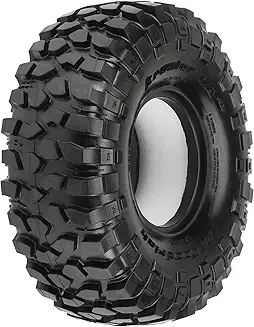
BFGoodrich All-Terrain T/A KO2 — Best for Off-Road & Durability: 10-ply sidewall, 50,000-mile warranty
-
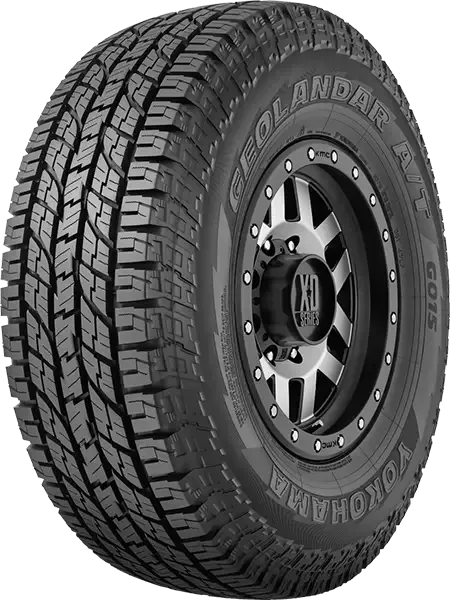
Yokohama Geolandar A/T G015 — Best All-Terrain Comfort: 3PMSF-certified, quieter than the KO2 on highway
-
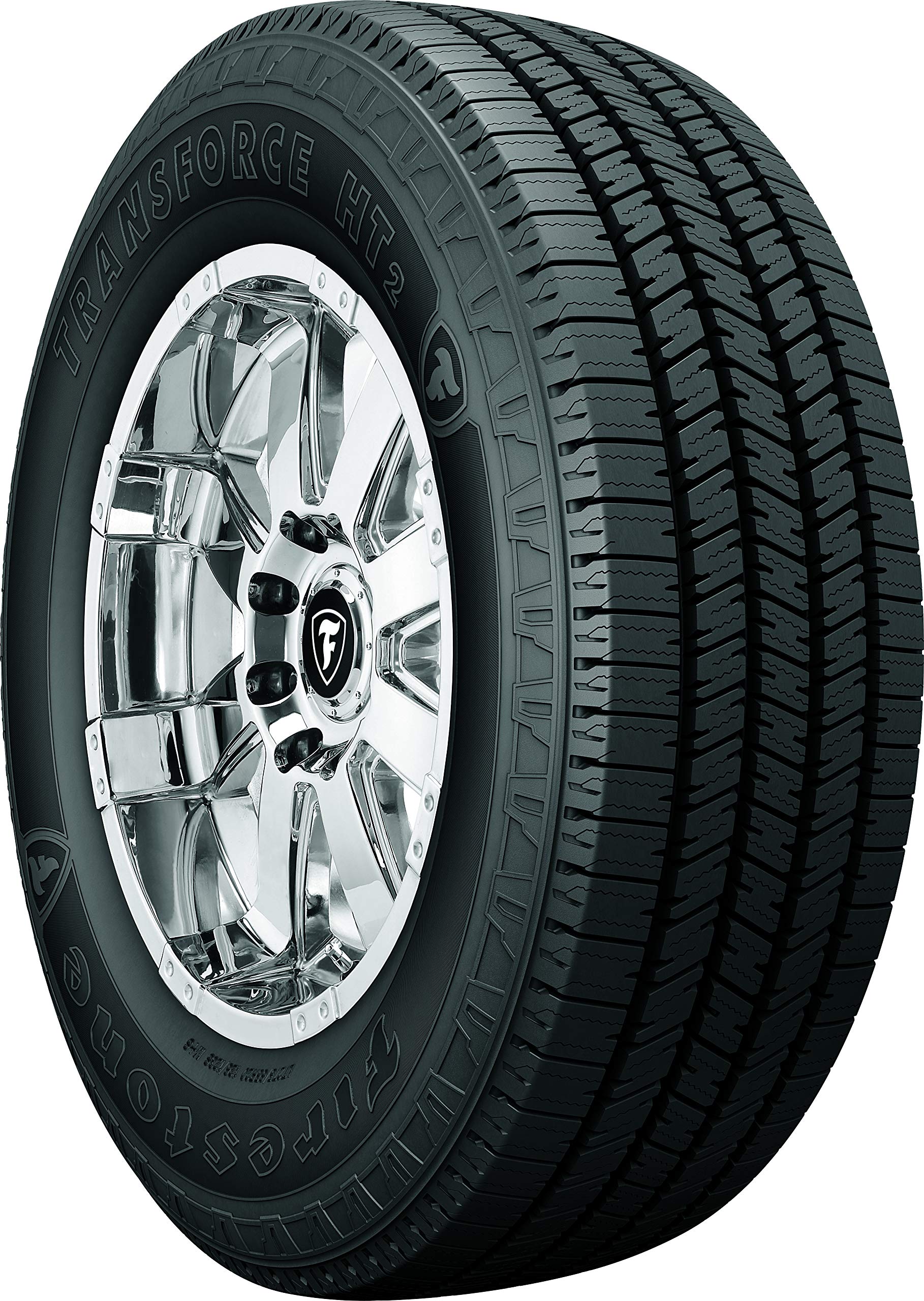
Firestone Transforce HT2 — Best Budget: Dependable Load Range E highway tire at a significantly lower price
Best Tires for Mercedes Sprinter 2500 — Compared
Side-by-side comparison of all five top-rated Load Range E tires for the Sprinter 2500 platform in LT245/75R16.
| # | Product | Speed Rating | Type | Best For | Score | |
|---|---|---|---|---|---|---|
| 1 | Michelin Agilis CrossClimate Editor’s Choice | Q (99 mph) | All-Season Commercial | Best Overall | 4.8 | See Latest Price |
| 2 | Continental VanContact A/S Top Pick | R (106 mph) | All-Season Commercial | Premium / Quiet Ride | 4.7 | See Latest Price |
| 3 | BFGoodrich All-Terrain T/A KO2 | Q (99 mph) | All-Terrain | Off-Road / Durability | 4.5 | See Latest Price |
| 4 | Yokohama Geolandar A/T G015 | R (106 mph) | All-Terrain | All-Terrain Comfort | 4.4 | See Latest Price |
| 5 | Firestone Transforce HT2 Budget Pick | R (106 mph) | Highway All-Season | Best Budget | 4.2 | See Latest Price |
Detailed Reviews
Full breakdown of each tire — ratings, real driver feedback, pros, cons, and our expert verdict for the Sprinter 2500.
Michelin Agilis CrossClimate
- 3PMSF independently certified — passed ASTM F1805 severe snow traction test
- Wet braking distance measurably shorter than category average at 62 mph
- Most drivers report 50,000+ miles with 5,000-mile rotation schedule
- Compound stays pliable below 40°F without losing dry-grip properties
- $220–$260 per tire — roughly 40% more than the Firestone per unit
- Stiffer sidewall produces a firmer ride when van runs empty over expansion joints
- Road noise increases on chip-seal pavement below 45 mph
Continental VanContact A/S
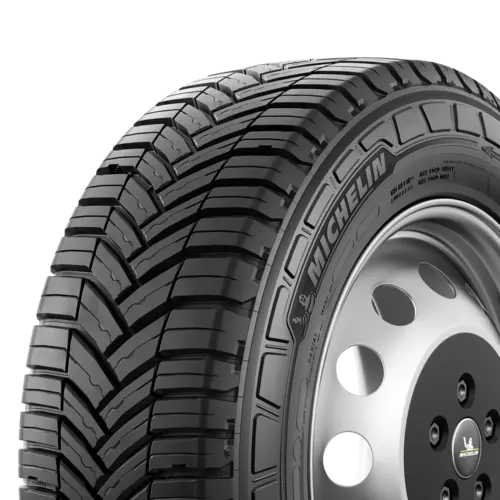
- OE-specified for Mercedes-Benz commercial vehicles — no fitment guesswork
- Closed-shoulder tread reduces decibel output measurably at 65 mph cruise
- Scuff rib on sidewall absorbs curb strikes during tight urban maneuvering
- Drivers switching from budget tires consistently report the difference in wet “planted” feel
- Stock gaps on Amazon more frequent than Michelin — verify availability before ordering
- Zero off-road capability in loose terrain — strictly a pavement tire
- Premium price without the all-terrain versatility that justifies cost for mixed-route operators
BFGoodrich All-Terrain T/A KO2
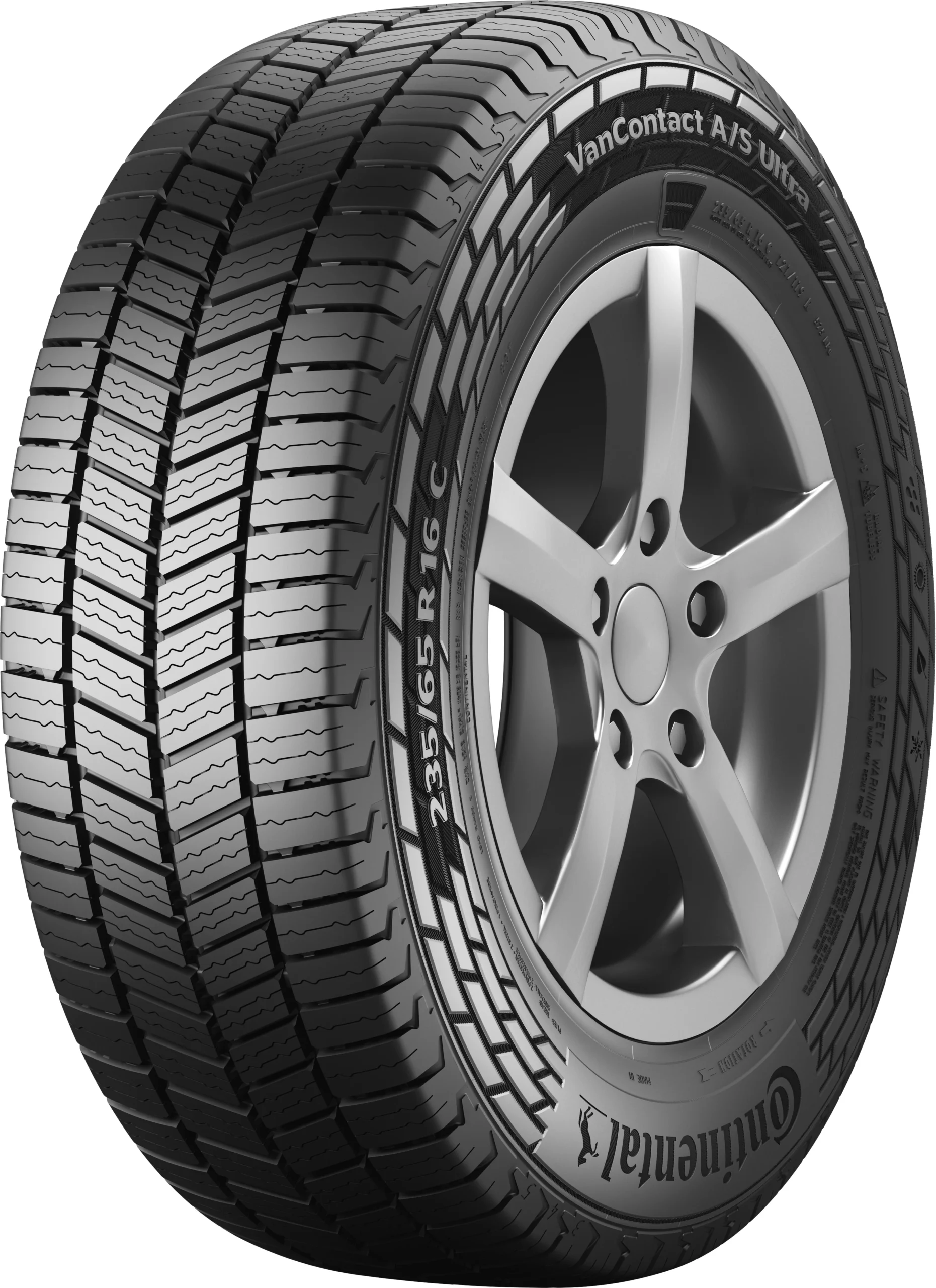
- 10-ply sidewall resists gravel punctures and curb strikes on loaded Sprinter builds
- 50,000-mile treadwear warranty — most drivers report hitting this with rotation
- Serrated shoulder tread self-cleans in loose gravel and light mud
- Available in upsized dimensions for lifted Sprinter configurations
- Wet lateral grip trails the Michelin by a reported margin in community feedback
- Highway noise increases notably above 65 mph compared to commercial tires
- Cold-climate compound stiffens below 25°F, reducing traction in extreme winter conditions
Yokohama Geolandar A/T G015
- Ranked top-5 in independent all-terrain tire snow tests by Tyre Reviews
- 3PMSF-certified — passed the severe snow traction standard, not just M+S marketing
- Enduro compound resists wear across wide temperature swings in seasonal markets
- Up to 50,000-mile warranty on LT-metric sizes with documented rotation
- Deep mud traction limited — compound doesn’t self-clean like the KO2’s serrated shoulder
- Less Sprinter-specific long-term data available than KO2 or Michelin options
- Aggressive off-road use accelerates wear faster than the warranty’s calculated pace
Firestone Transforce HT2
- $140–$175 per tire — saves roughly $300 on a full set versus the Michelin
- Load Range E construction handles Sprinter 2500 payload without structural compromise
- Same-day availability at most national tire shops and Amazon Prime fulfillment centers
- Predictable, stable handling on dry highways for repetitive commercial routes
- Snow traction tests below average for M+S-rated tires — avoid in heavy-winter climates
- Rear tread accelerates under constant loads above 3,000 lbs without 5,000-mile rotation intervals
- Wet cornering grip at highway speeds lacks the confidence margin of premium-tier options
Can’t Decide?
Our Top 2 Picks — Head to Head
Both are excellent all-season commercial tires. Here’s the deciding factor between them.
- 3PMSF-certified for severe snow — tested, not just labelled
- Shorter wet braking distances vs. category average at 62 mph
- Wider availability with consistent Amazon stock across sizes
- OE Mercedes-Benz factory spec — engineered for the Sprinter platform
- Quietest Load Range E tire in class at highway cruise speeds
- Scuff rib protects sidewall against curb contact in urban routes
How to Choose the Right Tire for Your Sprinter 2500
Six factors specific to the Sprinter 2500 platform — not generic tire buying advice.
Load Range E Is Non-Negotiable
The Sprinter 2500 GVWR demands a Load Range E tire with a load index of 120 or higher. Running a lower-rated tire under a fully loaded van creates an overload condition that accelerates sidewall failure. Verify the “E” designation before placing any order — it’s not optional.
Speed Rating — Q vs. R
The OEM Sprinter 2500 spec uses a Q-rated tire (99 mph). R-rated tires (106 mph) are an acceptable upgrade and appear on several options in this guide. Never install a tire with a speed rating below the OEM specification — it voids the structural guarantee under high-speed load.
Sidewall Construction: 10-ply Matters Off-Road
All five tires here are Load Range E (10-ply equivalent), but construction quality differs. The BFGoodrich KO2 and Yokohama G015 have reinforced all-terrain sidewalls that resist punctures on gravel and rock. Commercial all-season sidewalls like the Michelin or Continental prioritize flexibility for wet-road grip, not puncture resistance.
3PMSF vs. M+S — Know the Difference
The M+S (Mud and Snow) designation is self-certified by the manufacturer. The Three-Peak Mountain Snowflake (3PMSF) rating requires the tire to pass the independent ASTM F1805 snow traction test. For Sprinter operators in northern climates, only buy tires marked with the 3PMSF mountain symbol — three tires here carry it.
Match Tread Pattern to Your Actual Routes
An all-terrain tire on a van that never leaves city streets incurs a real noise and wet-weather penalty. An all-season commercial tire on a Sprinter that regularly runs forest service roads risks sidewall damage it wasn’t built to handle. Audit your actual driving split — pavement-only, mixed, or primarily off-road — before choosing.
Commercial Vans Need 5,000-Mile Rotation Intervals
The Sprinter 2500 puts disproportionate load on rear tires, especially rear-wheel-drive models under payload. Standard 10,000-mile passenger car rotation intervals accelerate uneven wear on Sprinter rear axles. Use a 5,000-mile interval to distribute wear evenly and avoid losing tread life prematurely — this extends the useful life of any tire on this list.
Pro Tips
Quick Sprinter 2500 Tire Buying Checklist
Read the door jamb, not the manual. Your van’s actual OEM tire size may differ from what’s in the owner’s manual due to model-year and GVW spec variations.
Set rear PSI higher than front. Loaded Sprinters typically run 70 PSI rear and 47 PSI front. Running equal pressure front and rear under load destroys rear tires prematurely.
Rotate every 5,000 miles, not 10,000. Commercial van rear axles consume tread at double the rate of a passenger car. Skipping rotations turns a 50,000-mile tire into a 30,000-mile tire.
Never mix tire models on the same axle. Different tread patterns and compound stiffness on the same axle create handling instability in wet emergency maneuvers — especially at highway speed.
Budget $20–$40 per tire for professional mounting. LT-metric tires require commercial-grade equipment for proper seating on the bead. Many shops offer free mounting with tire purchase.
Buy for your real driving, not aspirational use. The KO2 looks tough, but if 90% of your miles are wet city streets, you’re trading wet-grip safety for aesthetics every single day.
Related Guides
Other Mercedes Van Models
Frequently Asked Questions
What size tires fit the Mercedes Sprinter 2500?
Most Mercedes Sprinter 2500 models use LT245/75R16/E 120Q as the standard OEM size. However, size varies by model year, wheelbase, and GVWR configuration — some configurations run 17-inch wheels. Always check your door jamb sticker, not the owner’s manual, before ordering. Your door jamb shows the actual installed size for your specific vehicle.
Are all-terrain tires safe for daily highway driving on a Sprinter 2500?
Yes, with measurable tradeoffs. All-terrain tires like the BFGoodrich KO2 and Yokohama G015 are road-legal and structurally sound for daily use, but both are noticeably louder at highway speeds and show reduced wet-road cornering grip compared to purpose-built commercial all-season tires. For Sprinters that stay on pavement, an all-season commercial tire is the technically correct choice.
How long do tires typically last on a Mercedes Sprinter 2500?
Under normal commercial use with regular rotation, most quality Load Range E tires last 40,000–60,000 miles on a Sprinter. Tread life drops significantly without 5,000-mile rotation intervals or if the van runs heavily loaded at incorrect PSI. Rear tires wear faster than fronts on rear-wheel-drive Sprinter configurations — especially in last-mile delivery use.
Will aftermarket tires void my Mercedes Sprinter warranty?
Installing tires that meet or exceed OEM load and speed ratings does not void your vehicle warranty in the U.S. under the Magnuson-Moss Warranty Act. However, if a tire with an insufficient load index causes documented damage, that specific damage may not be covered. Always verify the replacement tire meets or exceeds the OEM load index and speed rating on your door jamb.
Which tire is best for a Sprinter 2500 used for van life or overlanding?
The BFGoodrich All-Terrain T/A KO2 is the most recommended tire across the Sprinter overlanding community — its 10-ply sidewall handles heavy builds and rough terrain without the sidewall failures reported on all-season commercial tires. For drivers who split time between highways and light off-road, the Yokohama Geolandar A/T G015 is a quieter, 3PMSF-rated alternative that reduces highway fatigue on long travel days.
Is it safe to run different tires on the front and rear of a Sprinter 2500?
No. Mixing tire models on the same axle creates handling imbalance in emergency wet-road maneuvers. Ideally, run matched tires on all four positions. If replacing in pairs, match the exact model and size on each axle. Mixing a stiffer all-terrain sidewall with a more flexible commercial tire on the rear axle changes the van’s yaw response in ways that become dangerous above 50 mph.
How do I confirm my Sprinter 2500 requires Load Range E tires?
Check your door jamb sticker. If the listed OEM tire shows a load index of 120 or higher and includes the “E” designation — such as LT245/75R16/E — your van requires Load Range E. Installing a lower load-rated tire on a loaded Sprinter 2500 creates a structural overload condition that increases blowout risk significantly, particularly at highway speed on the rear axle.
Final Verdict
Our Top Recommendations for 2026
The Michelin Agilis CrossClimate is the most complete tire available for the Sprinter 2500 right now — it passes the independent 3PMSF snow standard, delivers measurably shorter wet braking distances, and holds up under commercial load schedules that eat lesser tires in under 30,000 miles. If your Sprinter stays on pavement and cabin refinement matters, the Continental VanContact A/S matches OE factory quality and is noticeably quieter at 65 mph. For builds that go off-road, the BFGoodrich KO2 remains the community benchmark for sidewall toughness — just go in with clear expectations about its wet-highway limitations.