After evaluating six tire options against MyNissanLeaf.com forum discussions, r/leaf community threads, Tire Rack fitment data, Michelin’s official EV compatibility documentation, and manufacturer technical specs — cross-referenced against the Leaf’s four distinct OEM tire sizes (195/65R15, 205/55R16, 215/50R17, 215/55R18) — this guide addresses a problem that standard all-season tire roundups consistently get wrong for the Nissan Leaf. The Leaf is not a light gas-powered hatchback. Its battery pack adds curb weight that sits well above the Sentra or Versa class those tire sizes might suggest. It delivers instant full torque from zero RPM, which accelerates front tire wear on its front-wheel-drive layout in ways a Sentra’s gradual torque buildup doesn’t replicate. And its silent cabin exposes road noise from any tire that wasn’t tuned for acoustic refinement — which eliminates most budget compounds immediately. Every recommendation here was evaluated against these three Leaf-specific demands: weight management, instant-torque wear patterns, and cabin noise in a motor-silent vehicle.
The most important tire decision a Leaf owner faces — one that doesn’t exist for Nissan’s gasoline lineup — is the rolling resistance vs. traction trade-off. Every percentage point of additional rolling resistance costs measurable range per charge. The OEM Bridgestone Ecopia EP422 tires optimize entirely for rolling resistance, which is why MyNissanLeaf.com members and r/leaf discussions are full of posts from owners who replaced them at 20,000–25,000 miles after finding the wet and winter traction dangerously compromised. The right aftermarket tire for the Leaf must solve the OEM’s traction failures without eliminating so much range that the vehicle becomes impractical as a daily commuter. This guide makes that trade-off explicit for each product.
The Michelin CrossClimate2 is the best overall tire for most Nissan Leaf owners — it carries 3PMSF severe snow certification, Michelin’s own “EV Ready” designation for heavier electric vehicles, and is consistently named as the top OEM replacement by Leaf owners on MyNissanLeaf.com who replaced worn Ecopias. Leaf owners in warm climates who want maximum range preservation should consider the Michelin e.Primacy, a purpose-engineered EV tire listed on Michelin’s official 2026 Leaf fitment page. Budget-conscious owners who want exceptional tread life at the lowest per-mile cost should look at the General Altimax RT43, which backs a 75,000-mile warranty at a fraction of the premium tire cost.
Our Top 6 Nissan Leaf Tire Rankings
- Michelin CrossClimate2— Best Overall / All-Weather
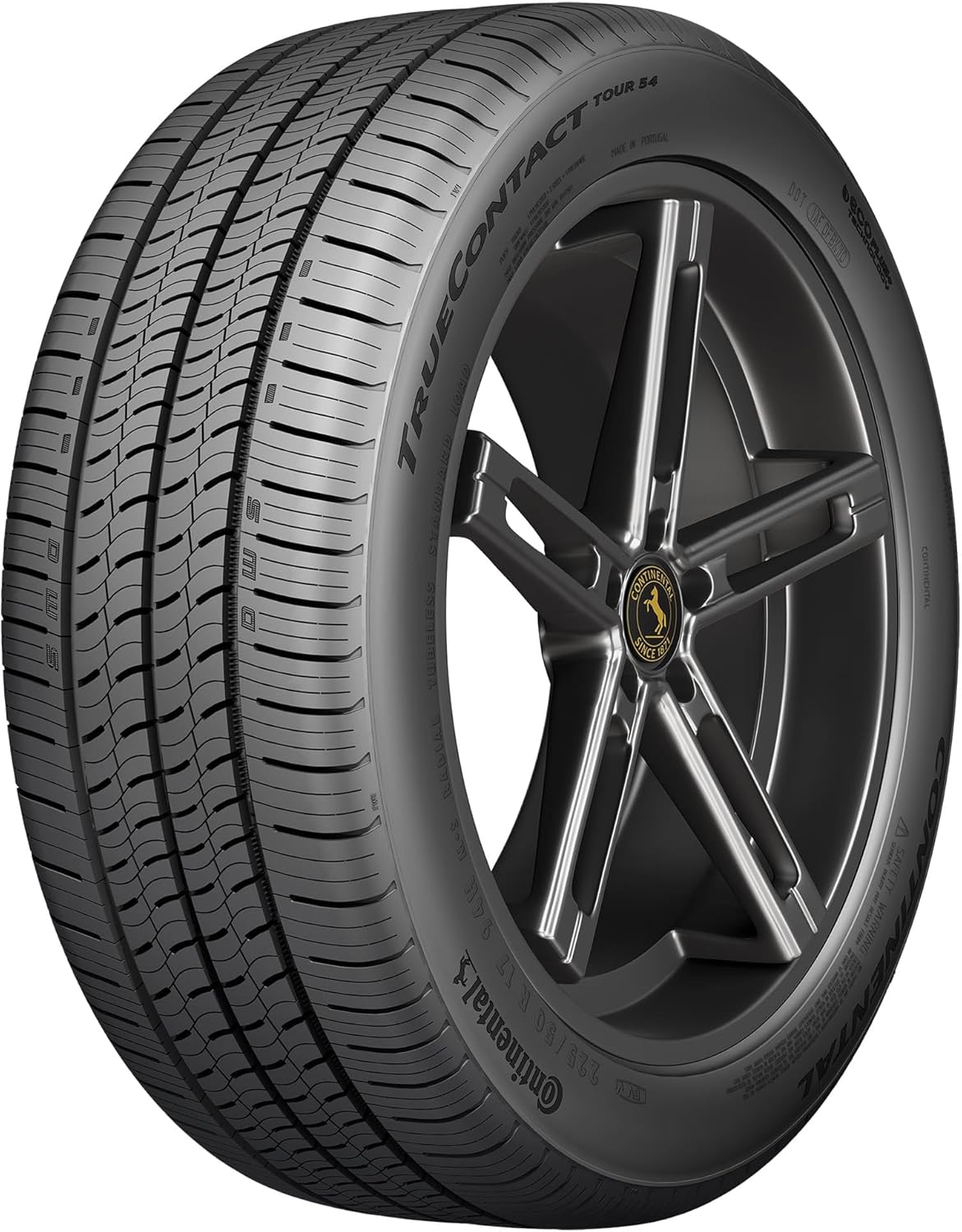
- Continental TrueContact Tour— Best Durability / Traction Upgrade
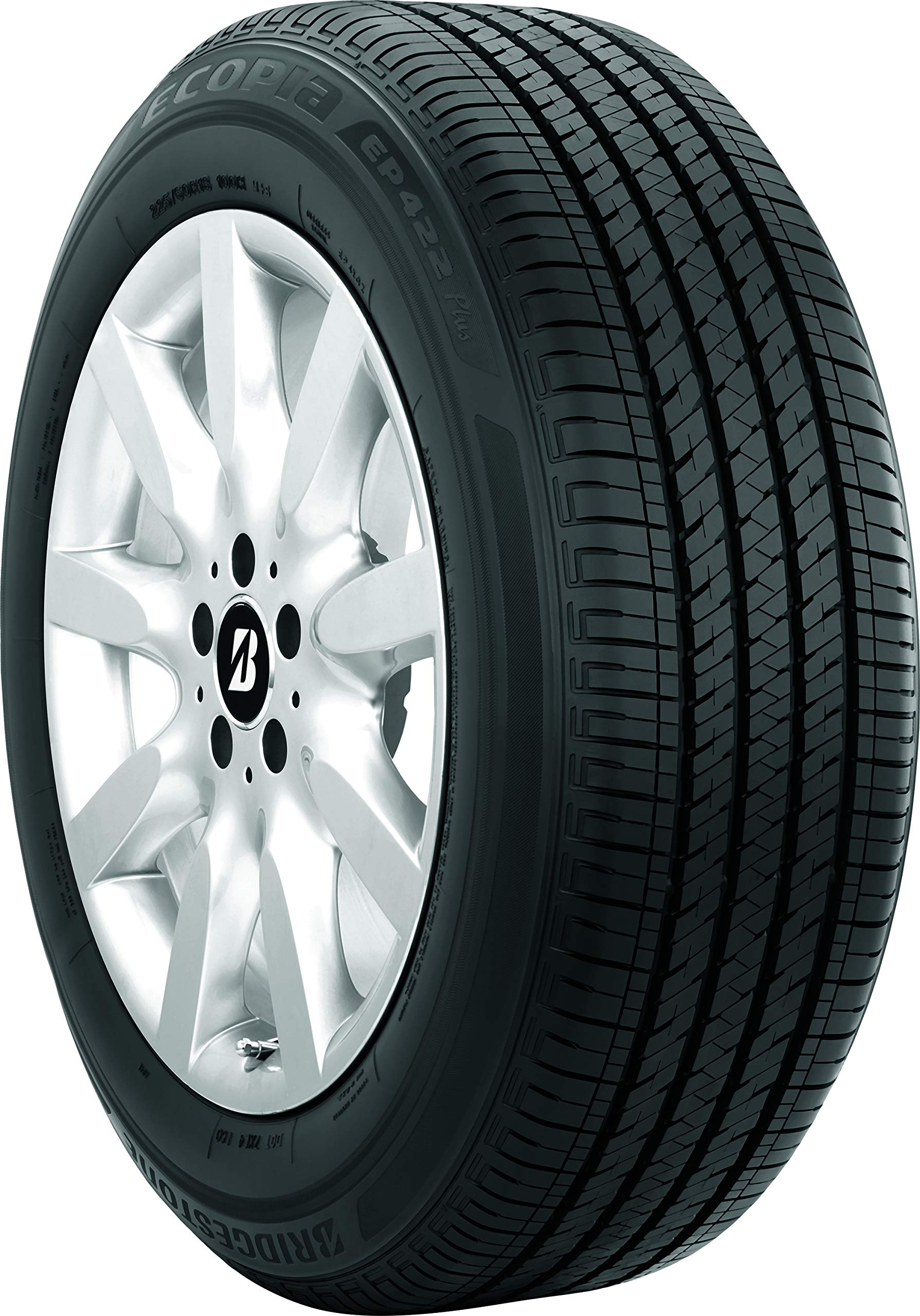
- Bridgestone Ecopia EP422 Plus— Best Range Preservation
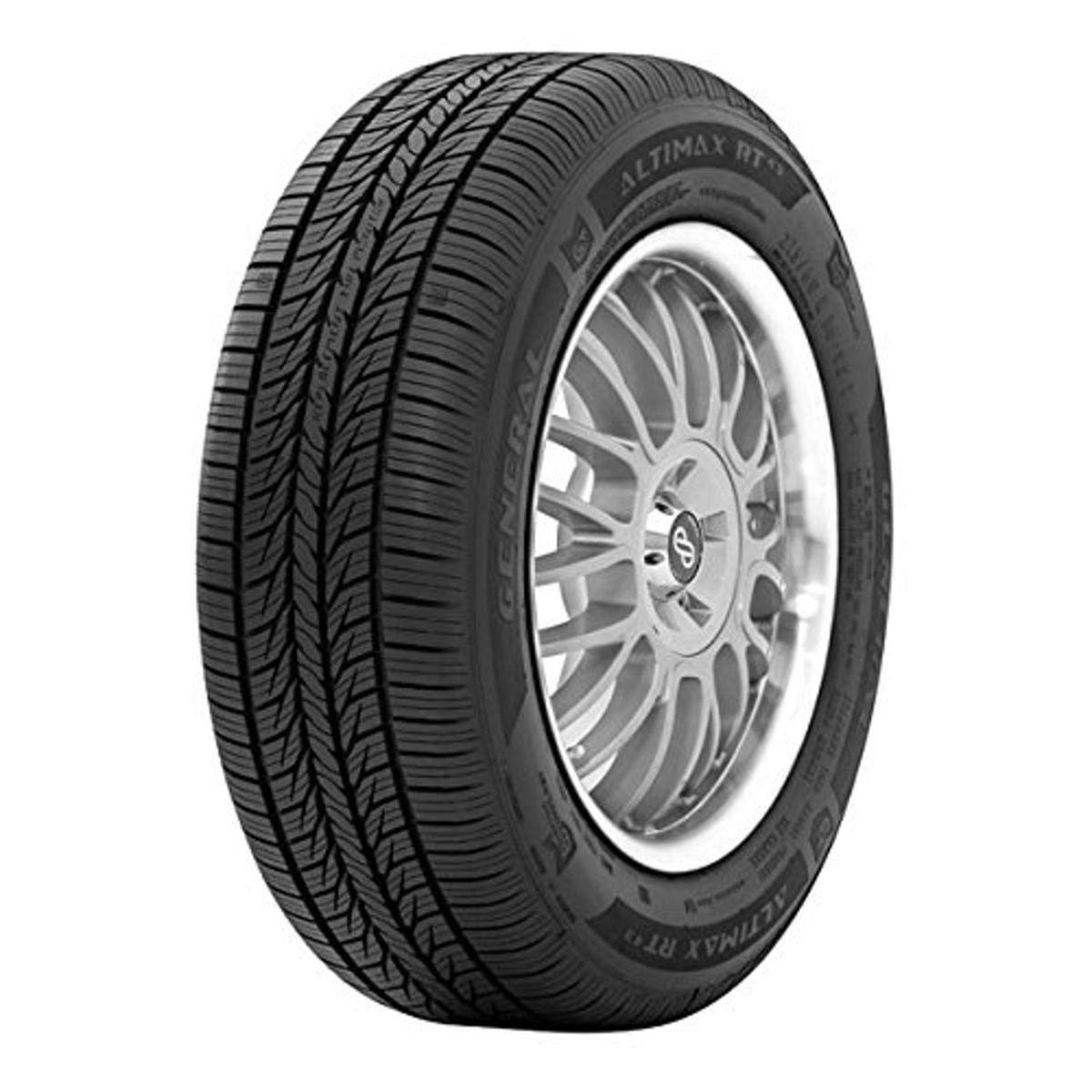
- General Altimax RT43— Best Budget
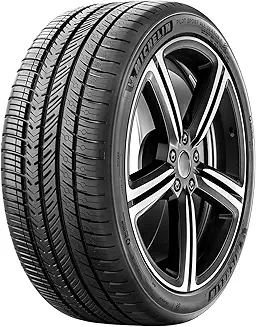
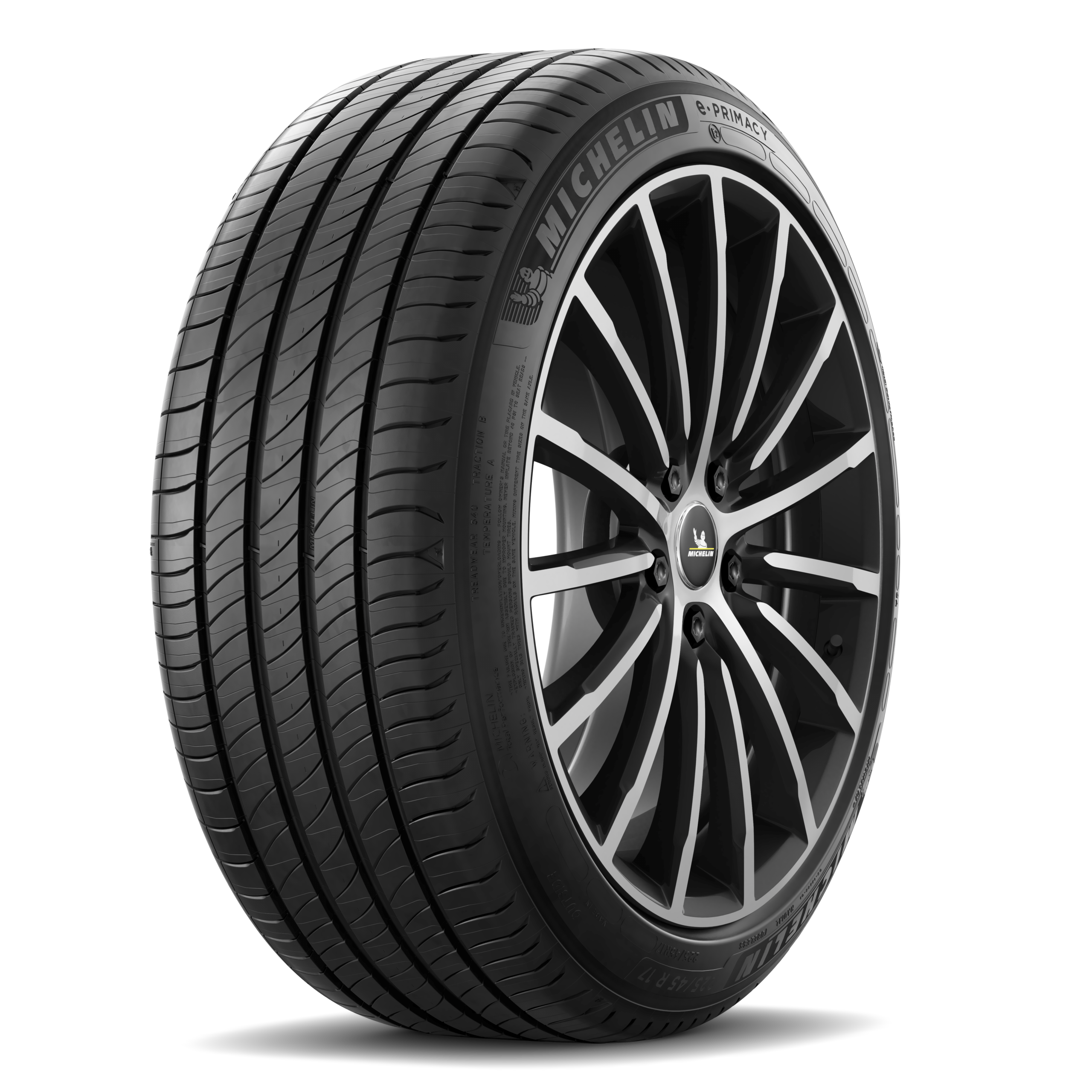
- Michelin e.Primacy— Best EV-Purpose Premium
- Falken Sincera SN250 A/S— Most Accessible Budget
Best Nissan Leaf Tires — Compared
All six tires ranked across EV suitability, season rating, and primary use case for the Leaf’s FWD electric platform.
| # | Tire | Season | EV Suitability | Best For | Score | |
|---|---|---|---|---|---|---|
| 1 | Michelin CrossClimate2 Editor’s Choice | All-Weather | EV Ready | Year-Round Balance | 4.8 | See Latest Price |
| 2 | Continental TrueContact Tour Top Pick | All-Season | General | Traction Upgrade / Durability | 4.6 | See Latest Price |
| 3 | Bridgestone Ecopia EP422 Plus | All-Season | Low Rolling Resistance | Range Preservation | 4.4 | See Latest Price |
| 4 | General Altimax RT43 Budget Pick | All-Season | General | Budget / High Mileage | 4.5 | See Latest Price |
| 5 | Michelin e.Primacy | Summer Only | EV-Purpose Built | Warm Climate / Max Range | 4.7 | See Latest Price |
| 6 | Falken Sincera SN250 A/S | All-Season | General | Entry Budget | 4.3 | See Latest Price |
Detailed Reviews
Full breakdown of each tire — ratings, pros, cons, and our expert verdict for Nissan Leaf owners.
Michelin CrossClimate2
Pros
- 3PMSF severe snow certification — passes the independent standardized winter traction test that the OEM Ecopia EP422 doesn’t carry, addressing the single most-complained-about failure mode in Leaf tire discussions
- Michelin’s official “EV Ready” designation confirms the compound is engineered for EVs’ heavier curb weight and instant torque delivery — the only tire in this comparison with manufacturer documentation specifically for the Leaf’s driving profile
- PIANO Noise Reduction Tuning was designed with EV cabin silence in mind — the acoustic refinement shows up in Leaf owner reviews specifically, where the silent motor removes the noise masking that gasoline cabin vibration provides
Cons
- 5–10% range reduction versus the Ecopia EP422 or e.Primacy — real and documented in MyNissanLeaf.com owner discussions; relevant for Leaf owners whose daily commute already approaches the battery’s range limit
- Higher per-tire cost than the TrueContact Tour, Altimax RT43, or Falken Sincera — the all-weather EV premium adds up across a full four-tire replacement on a vehicle that already cost more than a comparable gas hatchback
Continental TrueContact Tour
Pros
- Silane+ compound technology targets wet grip specifically — not a marketing claim but a documented r/leaf owner report of driving confidently through an ice storm that the prior OEM Ecopias could not have handled safely
- Major traction upgrade over OEM Ecopias in all conditions confirmed by multiple MyNissanLeaf.com comparison threads between TrueContact Tour and the stock Bridgestone — consistent improvement pattern across independent reviewers
- Competitive price with solid long-term tread wear — the TrueContact Tour’s optimized tread geometry extends wear life meaningfully beyond the Ecopia’s documented 20,000–25,000 mile real-world average
Cons
- No 3PMSF rating — the TrueContact Tour handles moderate snow confidently but doesn’t pass the independent severe snow traction test; Leaf owners in heavy snow states should use the CrossClimate2 instead
- Road noise slightly higher than the CrossClimate2 per premium competitive comparisons — in the Leaf’s acoustically silent EV cabin, this difference is more noticeable than it would be in a gasoline vehicle
Bridgestone Ecopia EP422 Plus
Pros
- Direct OEM-compatible replacement in 205/55R16 and 215/50R17 — Bridgestone designed this compound for the Leaf’s specific weight and FWD torque profile, and the “Plus” iteration improved wet traction over the original EP422 that ships on base models
- Low rolling resistance preserves EV range measurably — the design philosophy that Bridgestone built into the Ecopia family specifically targets EV and hybrid applications where energy efficiency is the primary specification
- Quiet and smooth daily commuter character — eco-focused compound engineering prioritizes road noise reduction alongside efficiency, which matters in the Leaf’s silent cabin environment
Cons
- Winter snow traction is poor — independent analysis and multiple MyNissanLeaf.com threads document the Ecopia’s failure to provide safe winter handling, with owners explicitly stating this tire cannot handle real snow climates without a dedicated winter set
- Tread life falls below category average in independent wear testing — the 20,000–25,000 mile real-world reports from Leaf forums confirm this is a genuine weakness, not an isolated complaint
General Altimax RT43
Pros
- 75,000-mile tread warranty at a price point 30–40% lower than Michelin CrossClimate2 — General Tire backs this with real-world warranty fulfilment documented across forum communities, not just a marketing claim
- Available in 195/65R15, 205/55R16, and 215/50R17 — covers all three most common Leaf trim sizes from the base 15-inch to the standard SV/SL 17-inch wheel package
- Smooth, quiet ride for a budget-tier tire — General’s compound engineering focuses on commuter comfort, which matters especially in the Leaf’s motor-silent cabin where tire noise is the dominant acoustic experience
Cons
- No 3PMSF certification — moderate snow only; Leaf owners in states with genuine winter should pair this with a dedicated winter tire set or upgrade to the CrossClimate2 for single-set year-round use
- Not EV-specific construction — rolling resistance is higher than the Ecopia EP422 Plus or e.Primacy, which may reduce range by a small but measurable amount compared to eco-optimized alternatives
Michelin e.Primacy
Pros
- Purpose-engineered compound for EV weight and instant torque — Michelin designed the e.Primacy around the specific structural demands that lithium-ion battery packs place on tire sidewalls under braking and acceleration loads that gasoline cars don’t replicate
- Listed on Michelin’s official 2026 Nissan Leaf fitment page in 215/50R17 and 215/55R18 — a manufacturer confirmation of compatibility that eliminates fitment uncertainty for higher-trim Leaf owners
- Best range preservation of any tire in this comparison — the low rolling resistance compound and EV-optimized construction deliver measurably better energy efficiency than general all-season alternatives, which matters when every mile of range affects how you use the car
Cons
- Summer compound only — below 7°C (45°F) this tire’s compound hardens and loses grip dangerously, creating the same cold-weather RWD safety risk that summer compounds create on performance cars but on a FWD EV where understeer amplifies the problem
- Highest per-tire cost in this comparison — and requires a completely separate winter tire and wheel set for cold-climate owners, effectively doubling the tire investment compared to a year-round all-weather option
Falken Sincera SN250 A/S
Pros
- Wide availability across online retailers in 205/55R16 and 215/50R17 — SimpleTire lists it as a recommended Leaf option, which confirms basic fitment compatibility without the size verification exercise some lesser-known brands require
- Falken is a Sumitomo brand with a credible engineering background — the brand reputation sits above generic budget alternatives without the premium pricing that Michelin or Continental carry
- Consistent daily commuter performance in dry and light wet conditions — for Leaf owners whose climate stays above freezing and whose commute is mostly surface streets, the Sincera handles the use case without complications
Cons
- Not EV-specific construction and no 3PMSF rating — the Sincera is a general passenger car all-season that happens to be available in Leaf sizes, not a tire engineered for the Leaf’s EV-specific weight and torque demands
- Below-average brand recognition versus the other five options here — owner feedback data is thinner than Michelin, Continental, Bridgestone, or General, making it harder to validate real-world performance patterns from Leaf-specific sources
🤔 Can’t Decide?
Our Top 2 Picks — Head to Head
All-weather EV safety vs. real-world traction upgrade at a lower cost. Here’s how to choose.
- 3PMSF severe snow certification — the independent test the OEM Ecopia fails and the TrueContact Tour doesn’t carry
- Michelin’s official “EV Ready” designation — the only tire in this comparison with manufacturer documentation confirming EV weight and instant-torque compatibility
- PIANO Noise Reduction Tuning engineered for EV cabin silence — designed specifically for the acoustic environment where tire noise is the dominant sound
- Real r/leaf owner documentation of driving through an ice storm the week after installation — concrete Leaf-specific performance validation the CrossClimate2 matches but costs more to achieve
- Silane+ compound delivers major wet traction improvement over OEM Ecopias at a lower per-tire cost than the CrossClimate2
- Competitive tread life with solid long-term wear patterns — extends well beyond the OEM Ecopia’s documented 20,000–25,000 mile failure point
How to Choose the Right Tire for Your Nissan Leaf
Six factors specific to the Leaf’s EV platform — rolling resistance, instant torque wear, cabin acoustics, and trim-specific sizing.
Four Trim Sizes — Confirm Yours
The Nissan Leaf uses four distinct OEM tire sizes based on trim: 195/65R15 on the Leaf S base model, 205/55R16 on the standard trims, 215/50R17 on the SV and SL, and 215/55R18 on select 2026 Leaf SUV configurations. Installing the wrong size affects speedometer accuracy, TPMS calibration, and potentially wheel arch clearance. Read the door jamb sticker — not the current tire sidewall, which may already be a non-OEM size from a previous owner.
Rolling Resistance vs. Range: The EV Trade-Off
Every tire in this comparison affects Leaf range differently. Low-rolling-resistance tires (Ecopia EP422 Plus, e.Primacy) preserve range but sacrifice traction. Higher-resistance tires (CrossClimate2, TrueContact Tour) improve grip but cost 5–10% of range per charge. For most Leaf owners whose daily commute is well within battery range, the 5–10% traction improvement is the better trade. For owners whose commute already pushes range limits, the efficiency penalty matters more.
Instant Torque Front Wear Acceleration
The Nissan Leaf delivers full torque from zero RPM on its front-driven wheels — a wear pattern fundamentally different from a gradual-revving gasoline engine. Front tires on an FWD Leaf experience significantly higher initial torque loads at every traffic light start than a Sentra with the same tire size. Rotate every 5,000–7,500 miles without exception. The OEM Ecopia’s documented 20,000-mile failure rate is partly a rotation-skipping problem, not purely a compound quality issue.
Cabin Acoustics in a Motor-Silent EV
A gasoline car’s engine and drivetrain noise naturally masks tire road noise — drivers in ICE cars often don’t notice tire-generated hum until it becomes severe. The Leaf’s electric motor creates near-silence below 30 mph, making tire noise the dominant cabin acoustic experience. Tires rated for noise in EV applications (CrossClimate2’s PIANO Tuning, e.Primacy’s acoustic compound) make a perceptible difference in the Leaf that wouldn’t register in a Sentra. Budget tires that are “quiet enough” in gasoline cars are often noticeably loud in the Leaf.
3PMSF vs. M+S for Winter Leaf Driving
The Leaf’s extra battery weight lengthens stopping distances on slippery surfaces compared to a lighter FWD gas hatchback on the same tires. A standard M+S all-season self-certification covers light snow; the 3PMSF severe snow certification from independent testing covers the conditions where the Leaf’s weight penalty becomes a real safety issue. The CrossClimate2 is the only tire in this comparison that carries 3PMSF — which is one of the reasons it’s the top recommendation for Leaf owners in four-season climates.
TPMS Reset After Every Tire Change
The Nissan Leaf’s TPMS monitors individual tire pressure from wheel-mounted sensors. After any tire change, a TPMS reset procedure through the vehicle’s instrument cluster is required to re-establish baseline pressure references. If new TPMS sensors are installed (as part of a new wheel set), they require additional programming via a Nissan-compatible scan tool. Skipping this step generates persistent false low-pressure warnings that a simple pressure adjustment cannot resolve.
✅ Pro Tips
Quick Buying Checklist for Nissan Leaf Owners
Confirm your Leaf’s exact tire size from the door jamb sticker — base Leaf S uses 195/65R15, standard trims use 205/55R16, and SV/SL trims use 215/50R17. These are not interchangeable.
Set a 5,000–7,500 mile rotation reminder immediately — the Leaf’s FWD instant torque accelerates front tire wear faster than a gradual-torque gasoline car, and rotation is the most direct way to reach a tire’s full warranty mileage.
If you’re in a genuine winter climate, only buy a tire with 3PMSF certification for year-round use — the Leaf’s extra battery weight amplifies the stopping distance penalty of insufficient winter traction versus a lighter FWD gas car.
Ask your installer to perform a TPMS reset through the instrument cluster after installation — the Leaf’s tire pressure system requires this procedure after every tire change, and skipping it creates persistent false warnings.
Frequently Asked Questions
What is the best all-season tire for the Nissan Leaf?
The Michelin CrossClimate2 is the strongest all-season choice for Leaf owners — it carries 3PMSF severe snow certification, Michelin’s “EV Ready” designation for the Leaf’s heavier curb weight, and is consistently named as the top OEM replacement in MyNissanLeaf.com forum discussions. For a lower-cost alternative in moderate climates, the Continental TrueContact Tour delivers a major wet traction upgrade over OEM Ecopias.
Which tire size fits a Nissan Leaf?
The Leaf S base model uses 195/65R15. Standard trims use 205/55R16. The SV and SL trims use 215/50R17. Select 2026 Leaf SUV configurations use 215/55R18. Always check the sticker inside your driver’s door jamb rather than a general “Nissan Leaf” lookup — different trim levels use different sizes that are not interchangeable.
Do new tires affect Nissan Leaf range?
Yes — tire rolling resistance directly affects battery range. Owners switching from eco-focused tires like the Ecopia EP422 Plus to the CrossClimate2 report a 5–10% range reduction per charge. Switching to a purpose-built EV tire like the Michelin e.Primacy can preserve or slightly improve range versus worn OEM tires. For most Leaf commuters whose daily route is well within battery range, the traction improvement outweighs the range cost.
Why do OEM Nissan Leaf tires wear out so quickly?
The Leaf’s OEM Bridgestone Ecopia EP422 tires are optimized for rolling resistance rather than durability or traction. Combined with the Leaf’s extra battery weight and instant FWD torque delivery — which accelerates front tire wear more than a gradual-revving gasoline engine — these tires commonly wear out at 20,000–25,000 miles. Regular rotation every 5,000–7,500 miles extends OEM tire life, but the compound’s fundamental limitations still apply.
Are EV-specific tires worth the premium for the Nissan Leaf?
In warm climates where the Michelin e.Primacy’s summer-only limitation isn’t a concern, yes — the purpose-built EV compound handles the Leaf’s weight and instant torque more precisely than general all-season alternatives. In four-season climates, the CrossClimate2’s “EV Ready” designation provides most of the EV-specific engineering benefits with year-round all-weather capability that summer-only EV tires can’t match.
Is it safe to install aftermarket tires on a Nissan Leaf?
Yes — aftermarket tires from reputable brands in the OEM-specified size do not void the Leaf’s vehicle warranty. Using the correct size preserves TPMS accuracy, speedometer calibration, and handling balance. Installing a non-standard size may affect all three. The Leaf’s battery warranty and powertrain warranty are not affected by tire brand choices, provided the replacement tires match the OEM size and load index specifications.
How often should I rotate tires on a Nissan Leaf?
Rotate every 5,000–7,500 miles — more frequently than most gas cars. The Leaf’s FWD layout delivers instant full torque through the front wheels at every standing start, which accelerates front tire wear significantly faster than a gradual-revving gasoline engine. Skipping rotation is the most common reason Leaf owners report their tires wearing out prematurely, regardless of which brand they chose.
🏆 Final Verdict
Our Top Tire Recommendations for 2026
The Michelin CrossClimate2 earns the top position for Nissan Leaf owners because it addresses the three failures that make the OEM Ecopia EP422 dangerous after 20,000 miles — winter traction, wet braking, and tread life — with 3PMSF certification, Michelin’s “EV Ready” designation for the Leaf’s weight class, and PIANO Noise Reduction Tuning for the Leaf’s acoustically silent cabin. The range trade-off is real but modest for the majority of Leaf commuters whose daily route is well within battery range. Warm-climate owners who regularly push range limits should choose the Michelin e.Primacy for its purpose-engineered EV compound and best-in-group range preservation. Budget-conscious high-mileage Leaf owners who need to replace all four tires at once should look at the General Altimax RT43 — its 75,000-mile warranty at a fraction of the CrossClimate2 price makes the per-mile cost calculation dramatically favorable for owners who drive 15,000+ annual miles.