Finding the best tires for Nissan Rogue takes more than picking a name brand. The Rogue runs in three main size families — 225/65R17, 235/60R18, and 235/55R19 — depending on trim level and year. The right tire depends on your climate, driving habits, and how long you expect them to last. Getting this decision wrong means premature wear, excess road noise, or poor wet-weather grip on a vehicle built for daily dependability.
These picks draw from Amazon review patterns, Reddit’s r/NissanRogue and r/tires threads, Tire Rack user scores, and automotive forums tracking real Rogue owner feedback. Each tire was assessed across traction, tread life, ride comfort, Rogue-specific fitment, and true value per mile.
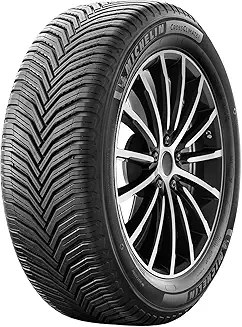
The Michelin CrossClimate 2 is the strongest all-around choice for most Rogue drivers — it carries a Three-Peak Mountain Snowflake rating and delivers genuine four-season capability that most all-season tires cannot match. For daily comfort and best-in-class tread life at mid-range pricing, the Continental CrossContact LX25 is the smart value pick. Budget buyers who still want a real warranty should start with the Firestone Destination LE3 and its 70,000-mile coverage.
Our Top 6 Nissan Rogue Tire Rankings
- Michelin CrossClimate 2— Best Overall / Four-Season
- Continental CrossContact LX25— Best Value All-Rounder
- Firestone Destination LE3— Best Budget Pick
- General AltiMAX RT45— Best for Durability
- Pirelli Scorpion AS Plus 3— Best for Comfort
- Michelin Defender LTX M/S— Best Long-Haul Premium
Best Tires for Nissan Rogue — Compared
All six reviewed tires side-by-side, ranked by score and ideal use case.
| # | Tire | Warranty | Type | Best For | Score | |
|---|---|---|---|---|---|---|
| 1 | Michelin CrossClimate 2 Editor’s Choice | 60,000 mi | All-Weather | Best Overall | 4.8 | See Latest Price |
| 2 | Continental CrossContact LX25 Top Pick | Best-in-class | All-Season SUV | Value All-Rounder | 4.7 | See Latest Price |
| 3 | Firestone Destination LE3 Budget Pick | 70,000 mi | All-Season SUV | Best Budget | 4.5 | See Latest Price |
| 4 | General AltiMAX RT45 | 75,000 mi | Grand Touring | Best Durability | 4.6 | See Latest Price |
| 5 | Pirelli Scorpion AS Plus 3 | 70,000 mi | All-Season SUV | Best Comfort | 4.7 | See Latest Price |
| 6 | Michelin Defender LTX M/S | 70,000 mi | All-Season SUV | Best Long Haul | 4.7 | See Latest Price |
Detailed Reviews
Full breakdown of each tire — ratings, pros, cons, and our expert verdict.
Michelin CrossClimate 2
Pros
- 3PMSF certified — tests near winter-tire levels in snow and slush
- One tire for all four seasons — no storage, no seasonal swaps needed
- Noticeably quieter and smoother than most OEM Goodyear or Pirelli stock fitments
Cons
- Wet braking distance lags behind class leaders, particularly as tread wears
- Premium pricing sits at the top of the segment
Continental CrossContact LX25
Pros
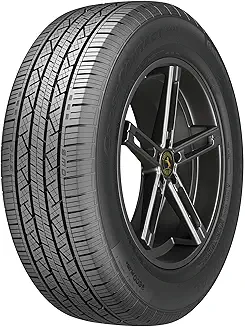
- Best-in-class tread life for its price segment — backed by over 22 million real-world miles of data
- Strong wet traction and hydroplaning resistance confirmed by Rogue owners in heavy rain
- EcoPlus Technology reduces rolling resistance and improves fuel efficiency
Cons
- Not 3PMSF rated — handles light snow only; not a replacement for winter tires
- Steering response is comfort-oriented, not suited to spirited cornering
Firestone Destination LE3
Pros
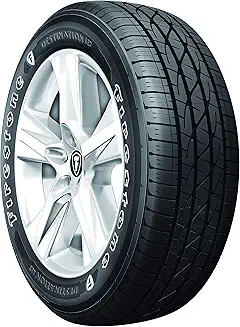
- 70,000-mile limited tread warranty at the lowest price on this list
- Full-depth 3D sipes retain traction as the tire wears — not just when new
- Built by Bridgestone Americas with strong SUV-specific engineering lineage
Cons
- Dry cornering lacks the crispness of Continental or Michelin options
- Not 3PMSF rated — light snow only, not suited to heavy winter conditions
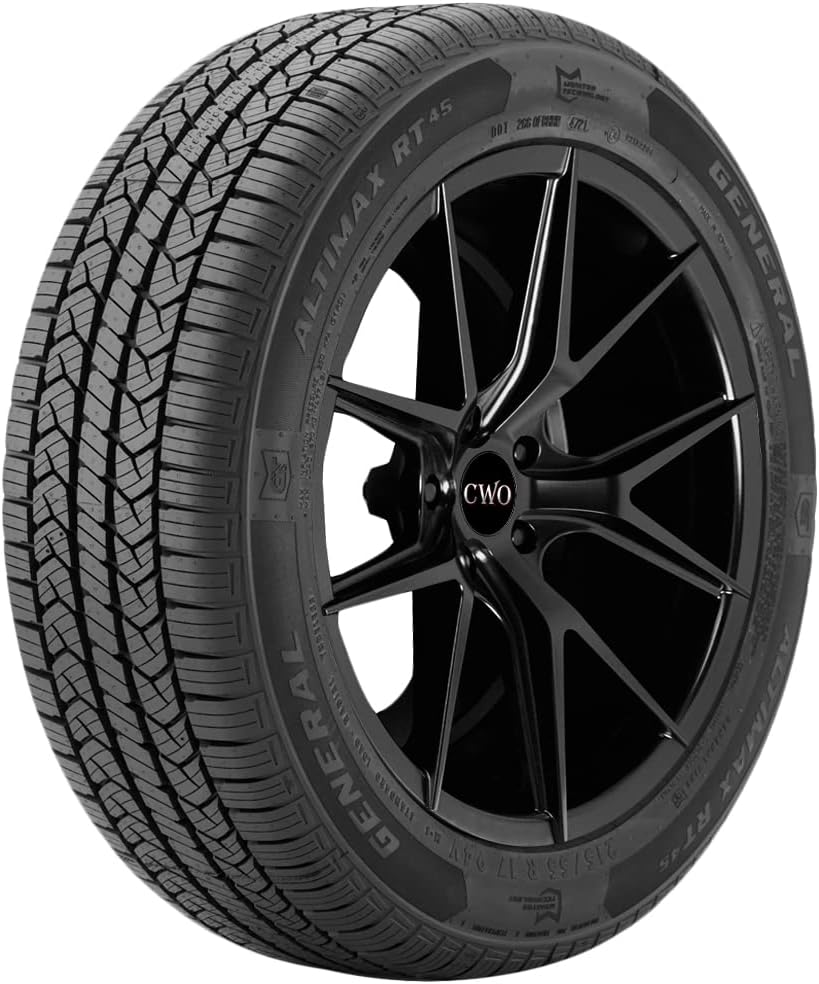
General AltiMAX RT45
Pros
- 75,000-mile tread warranty — the longest in this roundup — with real-world longevity to match
- Replacement Tire Monitor (RTM) and Visual Alignment Indicators (VAI) simplify wear tracking
- Fuel efficiency improvement noted by multiple Rogue owners after installation
Cons
- Not 3PMSF rated — handles light snow adequately but not heavy winter conditions
- Dry handling is competent but not sporty — comfort-oriented steering feel
Pirelli Scorpion AS Plus 3
Pros
- Among the quietest SUV all-season tires available — sequence-tuned shoulder blocks minimize tread noise
- Excellent wet traction and strong hydroplaning resistance in heavy rain
- Smooth, composed ride on both city roads and long highway stretches
Cons
- Ice traction is below average — a few owners noted reduced grip on black ice
- Premium pricing with fewer size options for older Rogue S trim fitments
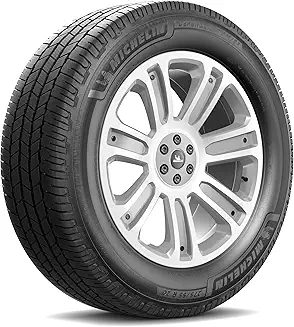
Michelin Defender LTX M/S
Pros
- UTQG treadwear rating of 800 — one of the highest in its class; real-world longevity confirmed at 60,000+ miles
- MaxTouch Construction promotes even tread wear across the full contact patch
- Broad compatibility across all Rogue year and trim size variations
Cons
- Not 3PMSF rated — handles light snow but not a winter-driving replacement
- Higher upfront cost than mid-range alternatives; payoff is realized over long mileage
🤔 Can’t Decide?
Our Top 2 Picks — Head to Head
Both are excellent choices for the Rogue. Here’s exactly how to choose.
- 3PMSF certified — meets government standards for severe snow service; no other tire in this list qualifies
- One tire for all four seasons — eliminates winter tire storage and seasonal installation costs
- Noticeably quieter and smoother than most OEM Rogue stock tires straight out of the box
- Best-in-class tread life for its price tier — backed by 22 million real-world miles of fleet data
- EcoPlus compound reduces rolling resistance and protects fuel economy better than the CrossClimate 2
- Above-average wet traction and hydroplaning resistance, with a more precise steering feel
How to Choose the Right Tires for Your Nissan Rogue
Six factors that matter before you buy — explained simply.
Match the Size First
The third-generation Rogue (2021–present) uses 225/65R17 on the S trim, 235/60R18 on SV, and 235/55R19 on Platinum. Older models may use P215/70R16 or P225/60R17. Always confirm your exact size on the driver’s side door jamb — never guess from a previous fitment.
Match the Tire to Your Climate
If you live in a snow belt, choose a 3PMSF-rated tire like the Michelin CrossClimate 2. For mild winters with occasional rain, the Continental CrossContact LX25 or Pirelli Scorpion AS Plus 3 will serve you better. Never use a dedicated snow tire year-round — it wears rapidly above 45°F.
Calculate Cost Per Mile
Sticker price is misleading. A $180/tire with a 75,000-mile warranty costs less per mile than a $130/tire that wears out in 45,000 miles. The General AltiMAX RT45 and Michelin Defender LTX M/S both offer strong cost-per-mile value compared to their upfront price.
Check Warranty Terms Closely
Tread warranties require documented rotation every 5,000–7,500 miles to remain valid. The Firestone Destination LE3 and General AltiMAX RT45 both include road hazard coverage on top of tread warranties — a meaningful bonus that most budget tires do not offer.
Installation and Alignment
Tires bought online require a local installer for mounting and balancing. Budget $20–$30 per tire at most national shops. Always request an alignment check with a new set — a misaligned Rogue eats through even the best tires unevenly within 10,000 miles.
Understand Your Warranty Rights
Under the U.S. Magnuson-Moss Warranty Act, a Nissan dealer cannot void your vehicle warranty simply because you installed aftermarket tires. Use the correct size and load rating, and you have no warranty risk from the vehicle side.
✅ Pro Tips
Quick Buying Checklist
Rotate every 5,000–7,500 miles without skipping. Most warranty claims are denied when owners cannot provide rotation records — and uneven wear on an AWD Rogue is expensive to fix.
Don’t buy based on price alone. A budget tire with no tread warranty replaced at 40,000 miles can cost more over five years than a warrantied tire lasting 70,000 miles. Do the math before checkout.
Always verify size on the door jamb before ordering online. A 235/60R18 will not mount on a Rogue trimmed for 225/65R17 wheels — returns on mounted tires are not accepted.
Always get tires balanced after installation. Unbalanced tires cause steering vibration and accelerate Rogue suspension wear. Balancing costs $10–$20 per tire and is non-negotiable for long-term tire health.
Frequently Asked Questions
🏆 Final Verdict
Our Top Tire Recommendations for Nissan Rogue (2026)
For Rogue drivers in mixed-climate or snow-belt regions, the Michelin CrossClimate 2 is the clearest answer — four-season capability, 3PMSF snow certification, and a smooth, quiet ride all in one set. For daily commuters who want the best cost-per-mile value without spending top-tier money, the Continental CrossContact LX25 covers nearly everything the CrossClimate 2 does at a lower price point. Budget buyers with a need for warranty coverage should go straight to the Firestone Destination LE3, and high-mileage drivers who want to minimize replacement frequency belong on the Michelin Defender LTX M/S.