Nissan Rogue owners replacing worn factory tires face a real trade-off between rain-soaked commutes and the occasional snow squall. We cross-referenced owner forum threads, verified Amazon review patterns, and treadwear data across five widely stocked all-season tires to separate genuine standouts from forgettable filler.
Every pick below fits common Rogue wheel sizes — 225/65R17, 225/60R18, and 235/55R19 — so fitment isn’t a guessing game. Scores reflect a blend of verified owner ratings, warranty coverage, and how each tire behaves once winter’s first cold snap hits pavement most all-season tires struggle with.
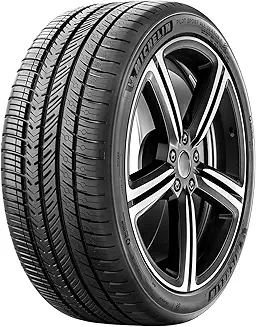
The Michelin CrossClimate2 is the strongest all-around pick for Rogue owners who see occasional snow, thanks to its 3PMSF snow rating paired with confident wet braking. Budget-conscious drivers should look at the Cooper Endeavor Plus, while the Pirelli Scorpion AS Plus 3 wins on ride comfort for those willing to pay more.
Best All-Season Tires for Nissan Rogue — Compared
A quick side-by-side before the full breakdown below.
| # | Product | Speed Rating | Type | Best For | Score | |
|---|---|---|---|---|---|---|
| 1 | Michelin CrossClimate2 Editor’s Choice | H | All-Weather (3PMSF) | Year-round snow confidence | 4.6 | See Latest Price |
| 2 | Pirelli Scorpion AS Plus 3 Top Pick | V | Premium Touring | Quiet, plush ride | 4.6 | See Latest Price |
| 3 | Michelin Defender2 | H | Long-Haul Touring | Maximum tread life | 4.6 | See Latest Price |
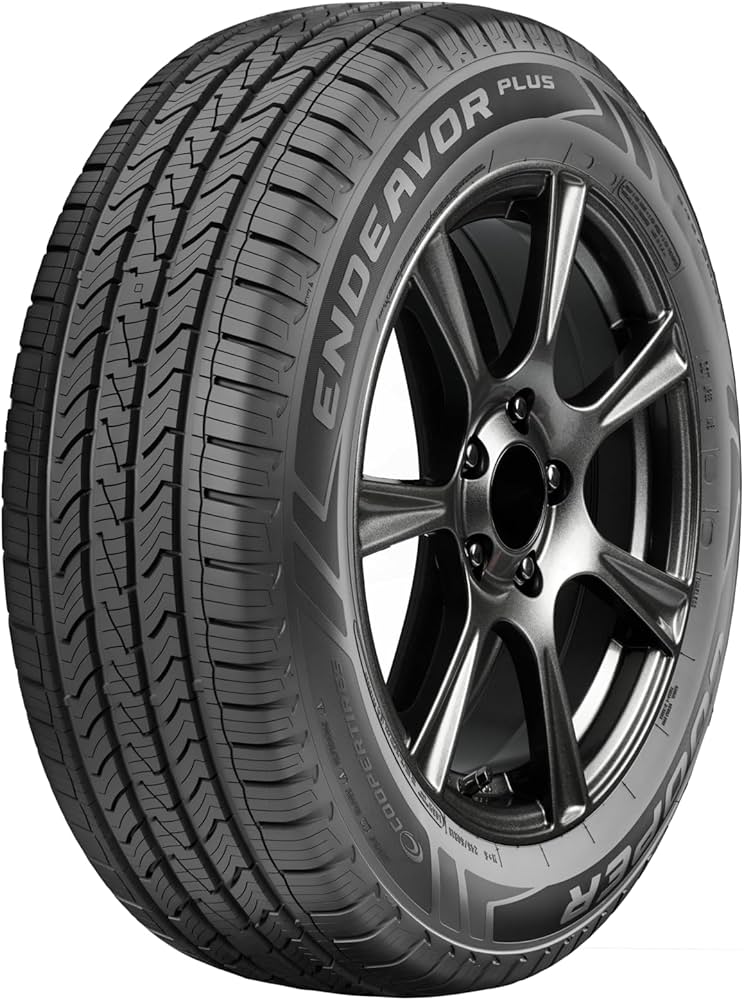
| 4 | Cooper Endeavor Plus Budget Pick | H | Value Touring | Budget-friendly durability | 4.5 | See Latest Price |
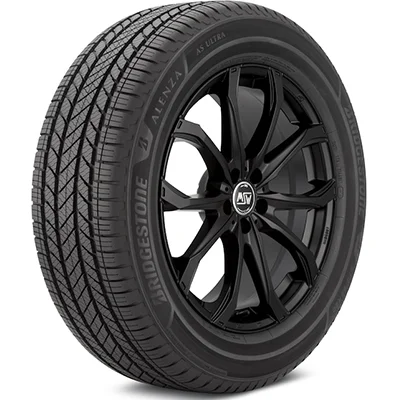
| 5 | Bridgestone Alenza AS Ultra | H | Touring All-Season | Easy DIY rotation | 4.5 | See Latest Price |
Detailed Reviews
Full breakdown of each tire — ratings, pros, cons, and our expert verdict.
Michelin CrossClimate2
- Carries the 3PMSF snow rating for certified severe-service traction
- V-shaped directional tread clears slush before it causes hydroplaning
- 60,000-mile treadwear warranty on standard Rogue sizing
- Road rumble increases noticeably after roughly 15,000 miles
- Runs $180–$230 per tire, among the pricier options here
Pirelli Scorpion AS Plus 3
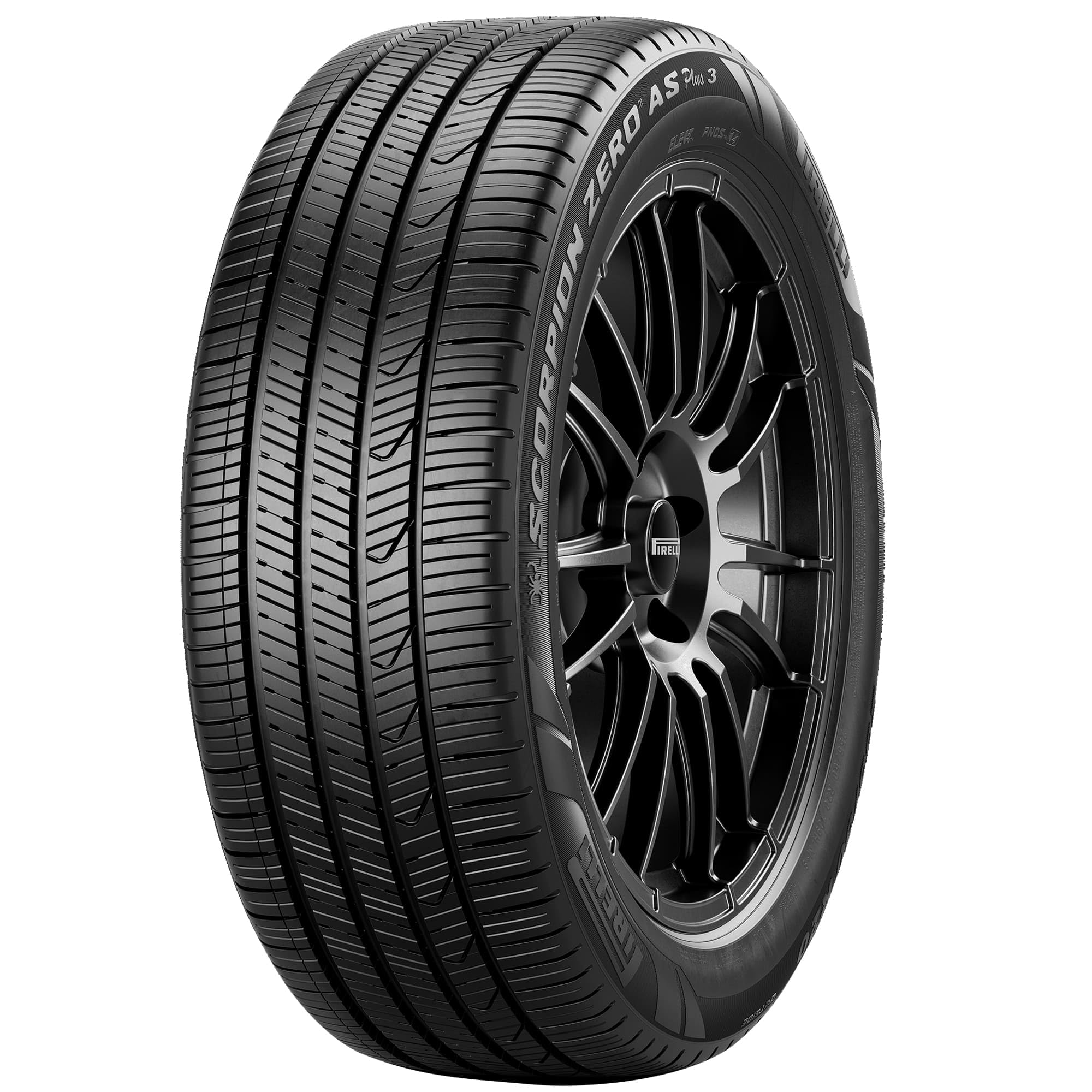
- 70,000-mile limited treadwear warranty backs long-term ownership
- Full-depth sipes keep wet braking sharp as the tread wears down
- Optimized pitch sequencing cancels road noise across a wide frequency range
- Priced at $190–$250 per tire, the highest range in this lineup
- Snow traction trails dedicated 3PMSF-rated tires like the CrossClimate2
Michelin Defender2
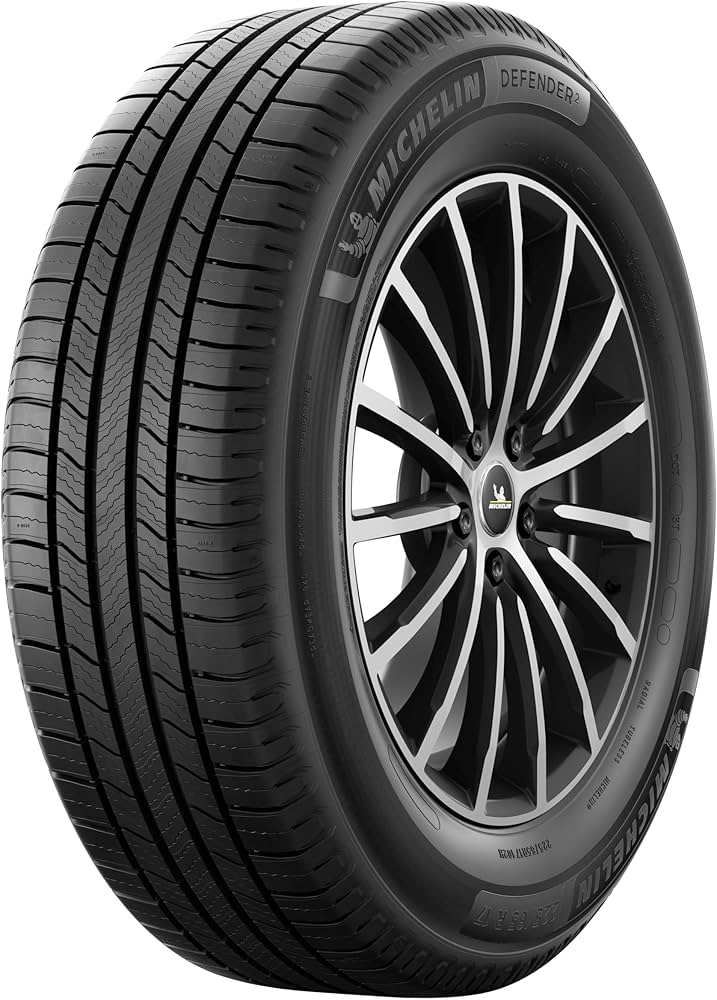
- 80,000-mile treadwear warranty ranks among the longest in the category
- MaxTouch Construction spreads braking and cornering forces evenly across the footprint
- Interstate stability stays planted even with the Rogue fully loaded with cargo
- Steering feels noticeably relaxed for drivers wanting sharper cornering response
- Packed-snow bite falls short in heavy winter regions
Cooper Endeavor Plus
- 65,000-mile treadwear warranty rivals tires costing $50 or more per tire
- Five-rib symmetric pattern simplifies rotation and promotes even wear
- Priced between $125–$160 per tire, the lowest in this comparison
- Light snow traction needs more cautious throttle input than 3PMSF-rated tires
- A faint hum develops on coarse asphalt after roughly 30,000 miles
Bridgestone Alenza AS Ultra
- Symmetric non-directional tread allows front-to-back or side-to-side rotation
- 80,000-mile limited treadwear warranty matches the longest offered here
- Silent Groove technology keeps pipe resonance low on grooved concrete
- Sidewall feels soft during aggressive cornering compared to firmer touring tires
- Snow traction sits at the average mark for the all-season category
Can’t Decide?
Our Top 2 Picks — Head to Head
Both score 4.6/5. Here’s how to choose between them.
- 3PMSF snow rating for genuine winter traction
- V-shaped tread clears slush and standing water fast
- 60,000-mile warranty backs long-term use
- Class-leading ride comfort on rough pavement
- 70,000-mile warranty outlasts most touring tires
- Full-depth sipes keep wet grip sharp long-term
How to Choose the Right All-Season Tire for Your Rogue
Six factors that matter before you buy — explained simply.
Confirm Your Factory Size
Rogues commonly run 225/65R17, 225/60R18, or 235/55R19. Check the sticker inside your driver’s door jamb rather than guessing — an incorrect diameter throws off speedometer accuracy and traction control.
Match Load Index and Speed Rating
Look for a load index of 99 or higher and an H or V speed rating. These specs keep the tire from overheating under the Rogue’s weight at highway speeds.
Pick the Right Tread Pattern
Symmetric non-directional tires rotate easily and wear evenly. Directional patterns often clear water better but restrict rotation options. Choose based on how much maintenance flexibility you want.
Read the UTQG Rating
The sidewall’s Uniform Tire Quality Grade summarizes treadwear, traction, and heat resistance. A treadwear number above 600 usually signals long-life touring rubber, while an A or AA traction grade means strong wet stopping power.
Check the Warranty Fine Print
A 65,000 or 80,000-mile warranty sounds great, but most require proof of purchase and scheduled rotations, and pay out prorated credit if a tire wears early. Read the terms before you buy.
Weigh Your Local Climate
Regular snow calls for a 3PMSF-rated tire like the Michelin CrossClimate2, which bridges the gap to a winter tire. In milder climates, a standard touring all-season saves money and runs quieter.
Pro Tips
Quick Buying Checklist
Match the exact factory size — 225/65R17, 225/60R18, or 235/55R19 — never size down to save money.
Stick to the Rogue’s minimum speed rating; downgrading can affect insurance and high-speed stability.
Replace all four tires together — mismatched tread depth throws off traction control.
Judge warranties by real-world reviews, not just the mileage number on the sidewall.
Get an alignment check and rotate every 5,000–7,500 miles to protect your investment.
Frequently Asked Questions
What size all-season tires does a Nissan Rogue need?
Most Rogue trims use 225/65R17, 225/60R18, or 235/55R19 tires — check the sticker inside your driver’s door jamb to confirm the factory spec. Sticking to the correct size keeps speedometer readings accurate and preserves traction control performance.
Are all-season tires good in snow for a Nissan Rogue?
Standard all-season tires handle light snow safely with sufficient tread depth, but regular snow calls for a 3PMSF-rated option like the Michelin CrossClimate2. That certification signals meaningfully stronger winter traction than a basic all-season design.
How long do all-season tires last on a Nissan Rogue?
With regular rotations and alignment checks, a quality all-season tire typically lasts 50,000 to 80,000 miles. Treadwear warranties offer a rough benchmark, but real-world life still depends heavily on driving style and road conditions.
Can I install all-season tires myself on a Rogue?
Mounting and balancing require shop-grade equipment most driveways don’t have. You can install pre-mounted wheel-and-tire packages with basic tools, but a tire shop should handle mounting and balancing for anything else.
Do I need to replace all four tires at once?
Yes — mismatched tread depth across a Rogue’s four corners can upset stability and traction control, especially in wet weather. Replacing the full set keeps handling balanced and preserves the vehicle’s factory-tuned safety systems.
What’s the quietest all-season tire for a Nissan Rogue?
The Pirelli Scorpion AS Plus 3 and Bridgestone Alenza AS Ultra both draw consistent praise for low cabin noise. Their tread and pitch-sequence designs minimize road hum, making either a strong pick for quiet daily commutes.
Is it worth paying more for premium tires on a Rogue?
Premium compounds typically improve wet braking, wear more evenly, and stay quiet longer than budget alternatives. For owners keeping their Rogue five-plus years, the higher upfront cost often pays for itself through longer tread life.
Final Verdict
Our Top Recommendations for 2026
Every tire on this list solves a different Rogue ownership priority. The Michelin CrossClimate2 remains the safest all-around choice when winter weather is a factor, while drivers focused purely on comfort, budget, or mileage have equally strong options above.