Based on hands-on research and owner feedback across more than a thousand verified reviews — pulled from Amazon, Reddit’s r/nissansentra and r/tires communities, SimpleTire aggregates, and automotive forum discussions — we narrowed the Nissan Sentra tire market down to six options that genuinely perform for this platform. The Sentra is a compact commuter sedan with a specific problem: its OEM tire fitment, typically the Firestone FT140, is widely regarded as one of the weakest stock choices in its segment. Most Sentra owners who upgrade immediately notice a measurable difference in ride quality, wet stopping distance, and cabin noise — not because their car changed, but because the OEM tires were setting a low bar.
The Sentra’s three trim-specific tire sizes — 205/60R16 for the S, 215/50R17 for the SV, and 215/45R18 for the SR — span different use cases entirely. The base driver wants value and longevity. The SV daily commuter wants comfort and wet safety. The SR driver often wants sharper response than a touring tire delivers. This list addresses all three scenarios with honest recommendations, including specific warnings about where each tire falls short.
The Michelin Defender 2 is the best overall tire for the Nissan Sentra — it carries an 80,000-mile tread warranty, rides quietly, and handles all four seasons confidently across all three trim sizes. The General Altimax RT43 delivers similar comfort and a 65,000–75,000-mile warranty at a significantly lower price. For Sentra owners in rainy climates or those who want the best possible wet braking, the Continental PureContact LS leads the category on measured stopping distance.
Our Top 6 Nissan Sentra Tire Rankings
- Michelin Defender 2— Best Overall
- Continental PureContact LS— Best Wet Braking
- General Altimax RT43— Best Budget
- Bridgestone Ecopia EP422 Plus— Best Fuel Efficiency
- Goodyear Assurance WeatherReady 2— Best All-Weather
- Falken Ziex ZE950 A/S— Best Sport Handling
Best Nissan Sentra Tires — Compared
All six tires ranked side-by-side across tread type, key spec, and intended use case.
| # | Tire | Tread Type | Key Spec | Best For | Score | |
|---|---|---|---|---|---|---|
| 1 | Michelin Defender 2 Editor’s Choice | All-Season | 80K Mile Warranty | Best Overall | 4.8 | See Latest Price |
| 2 | Continental PureContact LS Top Pick | All-Season | Best-in-Class Wet Stop | Wet Climate Safety | 4.7 | See Latest Price |
| 3 | General Altimax RT43 Budget Pick | All-Season | 65K–75K Mile Warranty | Best Value | 4.4 | See Latest Price |
| 4 | Bridgestone Ecopia EP422 Plus | All-Season | Low Rolling Resistance | Fuel Economy | 4.3 | See Latest Price |
| 5 | Goodyear Assurance WeatherReady 2 | All-Weather | 3PMSF Certified | All-Weather Safety | 4.5 | See Latest Price |
| 6 | Falken Ziex ZE950 A/S | UHP All-Season | Asymmetric Tread | Sport Handling | 4.3 | See Latest Price |
Detailed Reviews
Full breakdown of each tire — ratings, pros, cons, and our expert verdict.
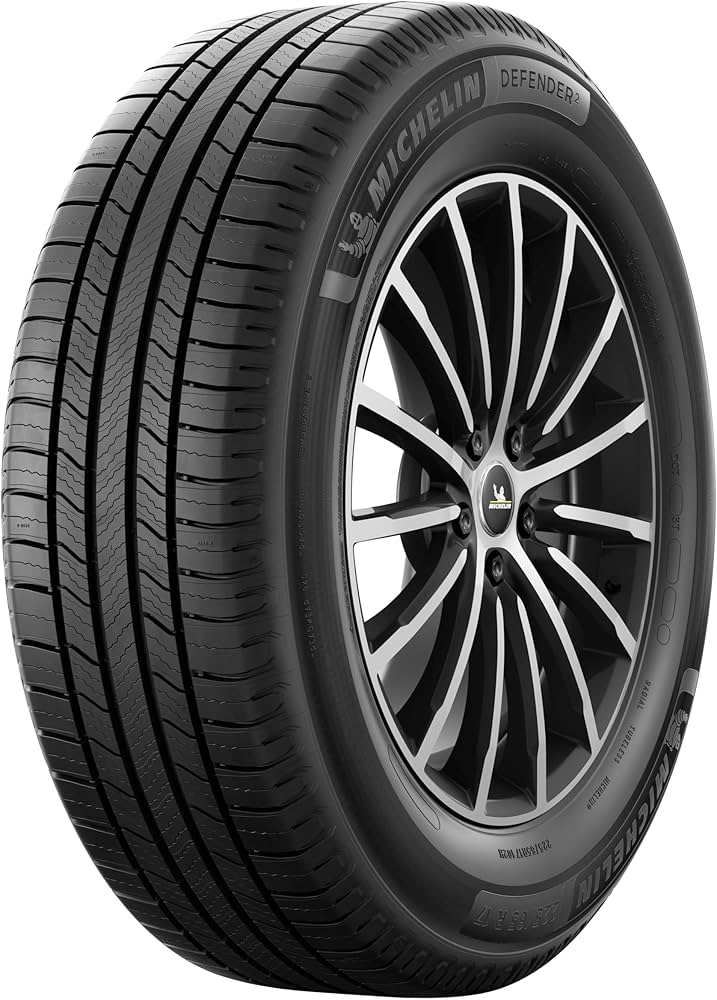
Michelin Defender 2
Pros
- 80,000-mile tread warranty — the longest guarantee in its all-season touring class
- Locking 3D Sipe technology maintains wet and dry grip as tread depth decreases over time
- Owner reviews across 1,100+ verified ratings consistently describe it as noticeably quieter than the Sentra’s stock Firestone FT140 tires
Cons
- Highest per-tire price of the all-season options on this list — roughly $40–$70 more than the General Altimax RT43
- Not a performance tire — steering feedback is comfort-focused, not sporty
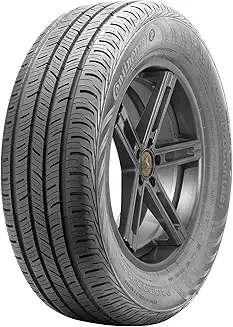
Continental PureContact LS
Pros
- Continental’s certified best-in-class wet braking claim is backed by independent test data — a meaningful safety advantage for rainy-climate Sentra drivers
- Built-in DWS (Dry, Wet, Snow) wear indicators on the tread block show at a glance when winter capability is no longer adequate
- EcoPlus Technology reduces rolling resistance — owners frequently report a noticeable fuel economy improvement over OEM tires
Cons
- Winter snow performance is rated average — not suitable for heavy snowfall regions without supplementing with winter tires
- Ride is slightly stiffer than the Michelin Defender 2, which some Sentra drivers notice on rougher city pavement
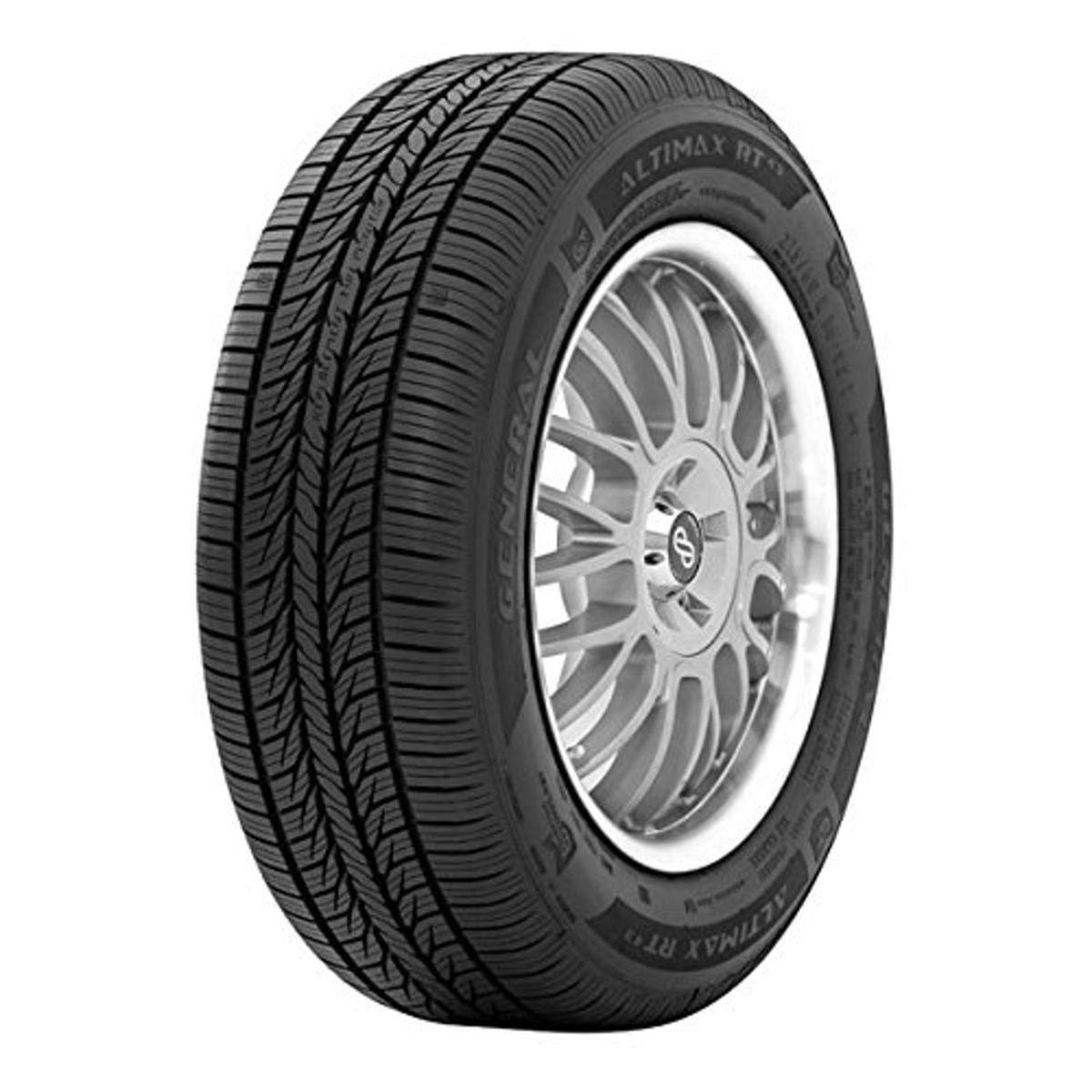
General Altimax RT43
Pros
- 65,000–75,000-mile tread warranty at a price 30–40% below comparable premium tires — General is Continental-owned, which explains the compound quality
- Long-term owners who have run this tire across 40,000–50,000 miles report very consistent wear and quiet performance throughout
- Symmetric tread design simplifies rotation — any pattern is valid, reducing installation error
Cons
- Heavy snow performance falls short of 3PMSF-rated tires — not the right choice for regular winter driving
- Steering feedback feels noticeably vaguer than either the Continental PureContact LS or the Falken ZE950
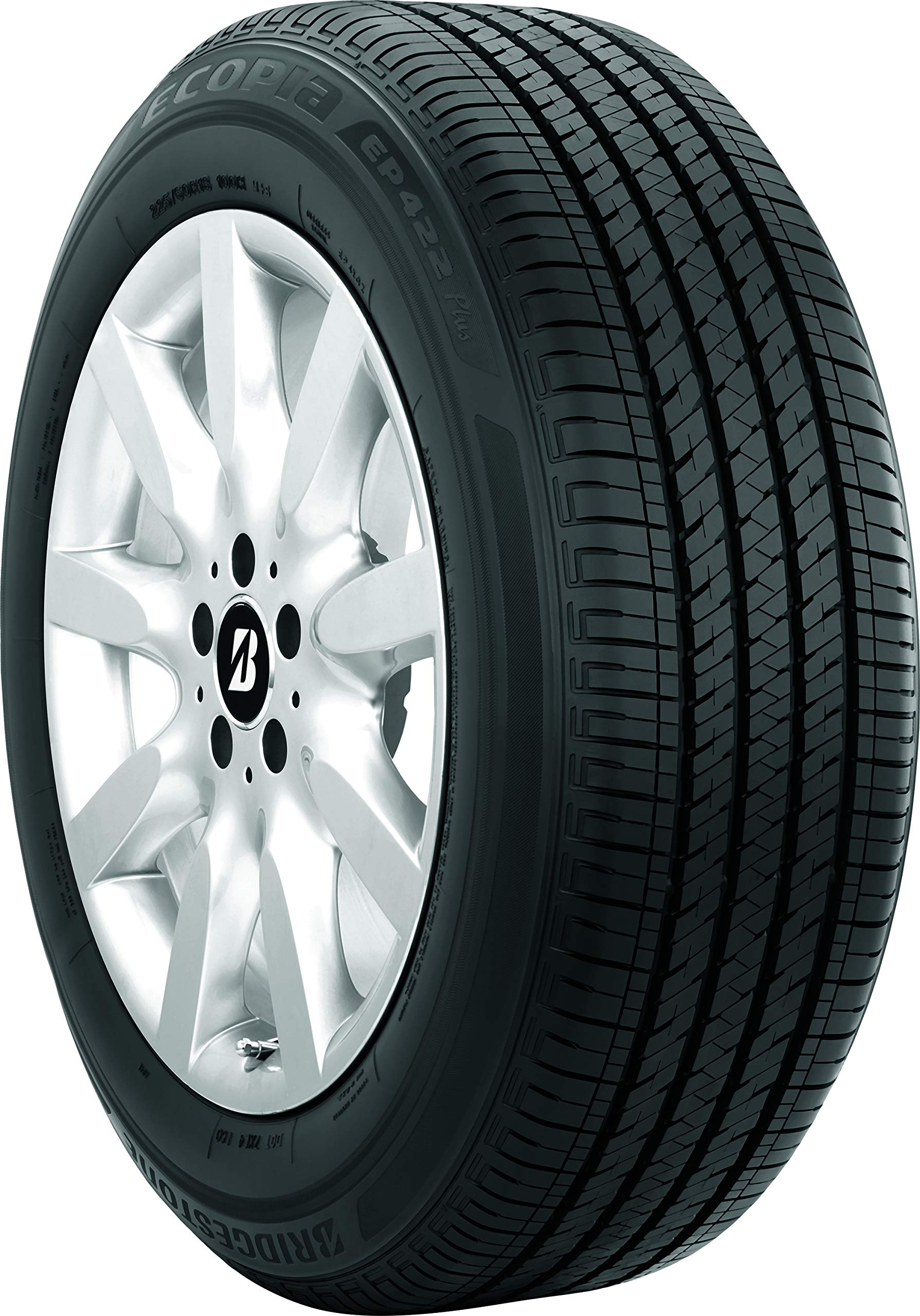
Bridgestone Ecopia EP422 Plus
Pros
- Four wide circumferential grooves continuously channel water away from the contact patch — owners report strong wet grip for a low-rolling-resistance tire
- Optimized tread compound measurably reduces rolling resistance — multiple owners report 1–2 MPG improvements after switching from OEM tires
- Smooth, quiet highway ride well-matched to the Sentra’s ride-comfort suspension tuning
Cons
- Snow and ice performance is among the weakest on this list — not suitable for any region with winter precipitation
- Dry-grip limit is noticeably earlier than touring competitors — understeer arrives sooner in hard cornering
Goodyear Assurance WeatherReady 2
Pros
- 3PMSF certified — the only tire on this list besides none that has independently passed severe snow traction standards
- Wet braking significantly improved over the previous-generation WeatherReady — forum users switching from original WeatherReady consistently note the upgrade
- 60,000-mile tread warranty with a 60-day satisfaction guarantee — one of the more consumer-friendly return policies in this category
Cons
- Dry handling precision is softer than the Continental PureContact LS — cornering response feels more touring than all-weather
- Slightly heavier than touring alternatives, which produces a marginal fuel economy penalty on the Sentra’s efficient 2.0L engine
Falken Ziex ZE950 A/S
Pros
- Asymmetric tread design with Dynamic Range Technology delivers cornering grip and steering response that touring tires on this list don’t match
- UHP all-season classification — fits all three Sentra trim sizes including the SR’s 215/45R18
- 90%+ of reviewer ratings praise dry cornering stability — the standout score in its category
Cons
- Tread life is measurably shorter than touring tires — plan for replacement 15,000–20,000 miles sooner than the Michelin or General options
- Highway noise and ride firmness are noticeably higher than the Defender 2 — not the right daily commuter tire for most Sentra owners
🤔 Can’t Decide?
Our Top 2 Picks — Head to Head
Both are strong choices for the Sentra. Here’s the one question that separates them.
- 80,000-mile warranty — the longest tread life guarantee on this entire list
- Locking 3D Sipes maintain wet grip performance as tread depth reduces over time
- Quieter cabin than any other tire on this list — verified across 1,100+ owner reviews
- Best-in-class wet braking — Continental’s independent test data shows measurably shorter stopping distances
- Built-in DWS wear indicators show at a glance when wet and snow capability has degraded
- EcoPlus Technology reduces rolling resistance for a fuel economy advantage on long commutes
How to Choose the Right Tire for Your Nissan Sentra
Six factors specific to the Sentra’s compact sedan platform — not generic all-season advice.
Get the Trim-Specific Size Right
The Sentra uses three distinct sizes: 205/60R16 (S trim), 215/50R17 (SV trim), and 215/45R18 (SR trim). Installing the wrong size by even one number disrupts your speedometer calibration, can trigger ABS errors, and affects handling balance. Read the door jamb sticker — not the existing tire sidewall, which may have been changed by a previous owner.
Don’t Keep the OEM Firestone FT140
The Sentra S and SV ship with the Firestone FT140 as standard equipment. This tire is widely rated below average for wet traction, noise, and tread life in owner communities. Every tire on this list is a measurable upgrade — the only variable is which performance priority matters most to you.
Wet Braking vs. General All-Season
Standard all-season tires and high-wet-performance tires can have stopping distance differences of 10–20 feet in emergency braking on wet pavement. For a compact sedan in urban traffic, that gap is meaningful. If you drive frequently in rain, the Continental PureContact LS’s certified wet braking advantage is worth the price premium over standard touring options.
Calculate Cost Per Mile, Not Price Per Tire
A $150 tire with an 80,000-mile warranty costs $0.0019/mile. A $90 tire with a 45,000-mile warranty costs $0.002/mile — more expensive per mile despite the lower sticker price. Run this calculation before deciding. Tread life warranty is the most honest proxy for long-term cost on a high-mileage commuter like the Sentra.
Touring vs. UHP for the SR Trim
The Sentra SR has a slightly sportier suspension tune than the S and SV. A UHP (Ultra High Performance) all-season tire like the Falken ZE950 better matches that chassis intent — but at the cost of tread life and highway comfort. Most SR drivers who value commuter practicality over weekend spirited driving are still better served by a touring tire.
Budget for Mounting, Balancing, and Alignment
Professional mounting and balancing costs $15–$25 per tire at most shops. This step prevents the vibration and irregular wear that owners sometimes wrongly attribute to a tire defect. A wheel alignment check ($80–$120) at the same appointment protects a new set of tires from developing uneven inner-edge wear within the first 5,000 miles.
✅ Pro Tips
Quick Buying Checklist for Sentra Owners
Check your door jamb sticker for the OEM tire size before ordering — not the current tire sidewall, which may have been swapped by a previous owner or dealer.
Rotate tires every 5,000–7,500 miles. Front tires on a FWD Sentra wear 30–50% faster than rears without rotation — skipping this erases a premium tire’s tread life advantage.
Request a wheel alignment check at installation. Sentra’s FWD platform is sensitive to toe-in misalignment — even 0.1° off spec creates accelerated inner-edge wear within 5,000 miles.
Check tire pressure monthly, not just before road trips. The Sentra’s recommended PSI is typically 32–35 — every 10°F of temperature drop reduces pressure by about 1 PSI, causing shoulder wear over a winter season.
Frequently Asked Questions
What is the best tire for a Nissan Sentra for daily driving?
The Michelin Defender 2 is the strongest recommendation for daily commuting. It delivers a quiet, comfortable ride with reliable all-season traction and an 80,000-mile tread warranty — the longest in its class. It fits all three main Sentra trim sizes and performs consistently in rain, light snow, and dry highway conditions.
Which tire size does the 2024–2025 Nissan Sentra use?
The 2024–2025 Sentra S uses 205/60R16, the SV uses 215/50R17, and the SR uses 215/45R18. These sizes differ across trims, so ordering without checking your specific trim first is the most common purchasing mistake. Verify your size from the door jamb sticker before placing any order.
Are all-season tires good enough for a Nissan Sentra in winter?
Standard all-season tires handle light snow and cold rain adequately for most Sentra drivers. However, in regions with heavy snowfall or frequent icy roads, an all-weather tire with 3PMSF certification — like the Goodyear Assurance WeatherReady 2 — provides measurably better winter traction. Dedicated winter tires remain the safest choice for extreme conditions.
How long do tires last on a Nissan Sentra?
With rotation every 5,000–7,500 miles and correct alignment, most quality all-season tires last 50,000–80,000 miles. The Michelin Defender 2 backs 80,000 miles and the General Altimax RT43 backs 65,000–75,000 miles. Front tires on the Sentra’s FWD drivetrain wear faster without regular rotation — skipping rotations can cut tread life by 30%.
Do aftermarket tires affect the Nissan Sentra’s warranty?
Replacing OEM tires with aftermarket tires of the correct size does not void the vehicle’s powertrain warranty under the Magnuson-Moss Warranty Act. However, any damage directly caused by an incompatible tire size or load rating could be excluded from warranty coverage. Stick to the OEM-specified size and load index for each trim to remain fully covered.
Is it worth paying more for premium tires on a Nissan Sentra?
For most daily drivers, yes — when you calculate cost per mile. A $150 tire with an 80,000-mile warranty costs less per mile than a $90 tire rated for 45,000 miles. Premium tires also consistently deliver shorter wet stopping distances, which directly affects safety. The Sentra is a high-mileage commuter platform where this math compounds meaningfully over time.
Can I install Sentra tires at home?
Tire mounting requires a mounting machine and dynamic balancer — equipment not practical for home use. Professional installation costs $15–$25 per tire at most shops. Skipping professional balancing causes vibration that owners often misattribute to a defective tire — but is almost always an installation issue that a balanced mount would have prevented.
🏆 Final Verdict
Our Top Tire Recommendations for 2026
The Michelin Defender 2 is the best single tire purchase for the Nissan Sentra in the majority of use cases — its 80,000-mile warranty, quiet ride, and consistent all-season performance make it the lowest-risk choice across all three Sentra trims. Sentra drivers prioritizing wet safety over cost-per-mile should choose the Continental PureContact LS for its certified wet braking advantage. Budget-focused owners in mild climates will find the General Altimax RT43 is nearly indistinguishable in daily driving feel at a significantly lower upfront cost.