
After cross-referencing owner threads on r/Nissan and r/tires with tread-life data across a dozen touring tire lines, five all-season options stood out as the ones that actually hold up to a Sentra’s daily grind of stop-and-go traffic and long commuter stretches.
Factory tires on a Sentra rarely impress anyone — they transmit road noise straight into a cabin with less sound-deadening than larger sedans, and they wear down faster than owners expect. The right replacement has to fix both problems without pushing the cost per mile too high.
The Michelin CrossClimate2 is the strongest all-around choice for a Nissan Sentra, combining true all-weather traction with a 60,000-mile warranty and a quiet daily ride. Budget-focused commuters do just as well with the General AltiMAX RT43, while the Michelin Defender T+H is the pick for maximum tread life.
Best All-Season Tires for Nissan Sentra — Compared
Every size listed here fits common Sentra fitments: 205/55R16, 215/45R17, and 205/50R17.
| # | Product | Speed Rating | Type | Best For | Score | |
|---|---|---|---|---|---|---|
| 1 | Michelin CrossClimate2 Editor’s Choice | H/V | All-Weather (3PMSF) | Rain & light snow | 4.6 | See Latest Price |
| 2 | Michelin Defender T+H Top Pick | T/H | All-Season Touring | High-mileage driving | 4.7 | See Latest Price |
| 3 | Bridgestone Turanza QuietTrack | H/V | Grand Touring All-Season | Quiet highway cruising | 4.5 | See Latest Price |
| 4 | General AltiMAX RT43 Budget Pick | T/H | Standard Touring All-Season | Budget commuting | 4.5 | See Latest Price |
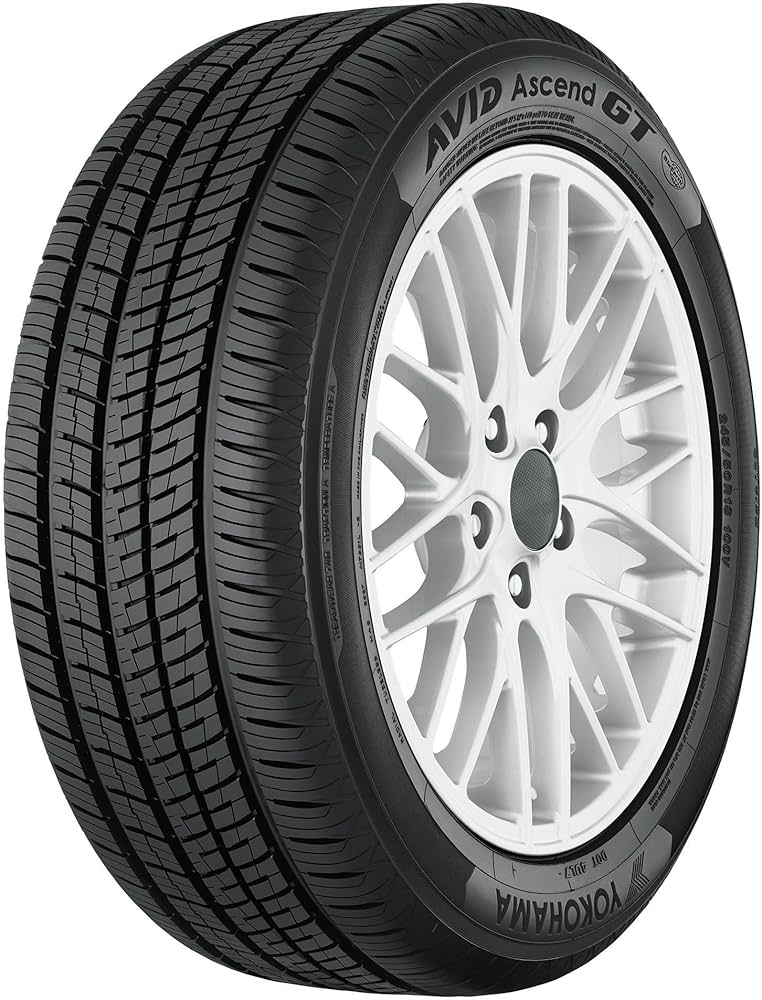
| 5 | Yokohama Avid Ascend GT | H | Standard Touring All-Season | Easy shop balancing | 4.4 | See Latest Price |
Detailed Reviews
Full breakdown of each tire — real owner feedback, ratings, pros, cons, and our verdict for Sentra drivers.
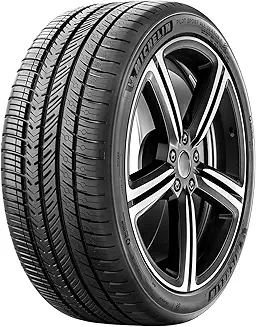
Michelin CrossClimate2
On a Sentra, the CrossClimate2 does something most all-season tires can’t: it behaves like a genuine winter tire the moment temperatures drop, then goes back to acting like a standard all-season the rest of the year. Owners who’ve dealt with a compact sedan sliding on a wet on-ramp describe this tire as the fix that finally made the car feel planted.
BEST FOR: All-Weather Confidence- Carries the 3PMSF symbol for certified snow traction, rare on a year-round tire
- 60,000-mile treadwear warranty holds up well against Sentra commuter mileage
- Directional tread clears standing water fast, cutting hydroplaning risk on wet ramps
- Costs meaningfully more per tire than the AltiMAX RT43 or Avid Ascend GT
- Directional pattern limits rotation to front-to-back only
- A faint highway hum appears above 65 mph on coarse asphalt
Michelin Defender T+H
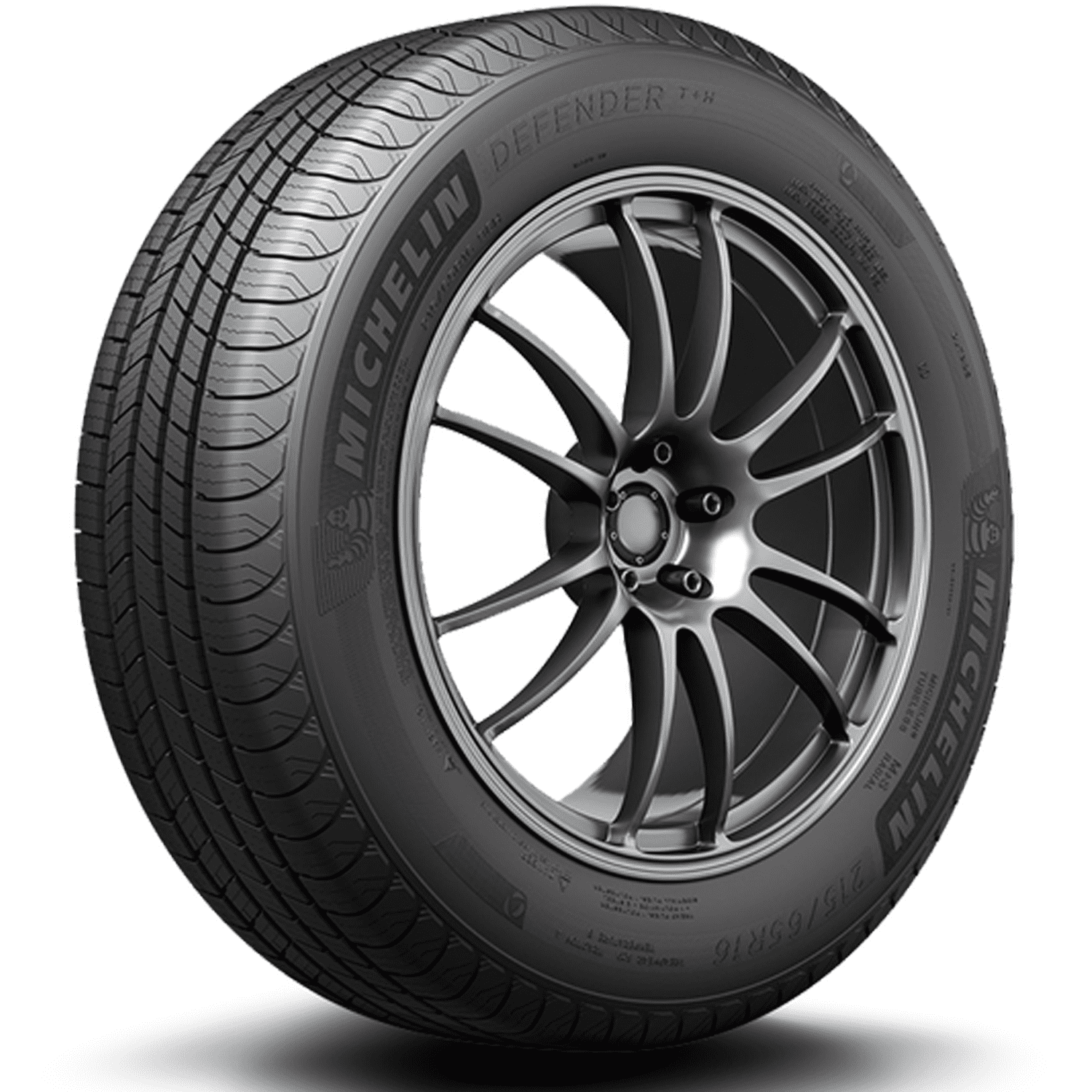
Michelin built the Defender T+H for the owner who does the math on cost per mile before buying anything. A Sentra logging 15,000 commuter miles a year chews through a soft touring tire in three seasons; this compound is engineered specifically to resist that shoulder and center wear pattern for years longer.
BEST FOR: Long-Term Durability- 80,000-mile treadwear warranty is the longest in this comparison
- MaxTouch Construction spreads braking and cornering forces evenly across the tread
- IntelliSipe biting edges stay effective even as the tire nears the end of its life
- Needs a few hundred miles of break-in before full grip develops
- Ride sits noticeably firmer than the Turanza QuietTrack over sharp bumps
- Snow traction is only adequate, not a substitute for an all-weather tire
Bridgestone Turanza QuietTrack
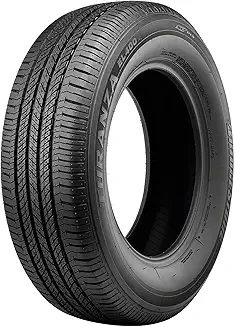
A Sentra’s cabin lets in more road roar than owners expect from a compact sedan, and Bridgestone built this tire specifically to close that gap. The ComfortCruise casing and in-groove ridges work together to swallow noise before it reaches the driver, which shows up most clearly on an hour-long highway commute.
BEST FOR: Quietest Highway Ride- QuietTrack tread design measurably cuts highway drone versus standard touring tires
- 80,000-mile treadwear warranty matches Michelin’s longest-lasting option here
- Full-depth sipes keep wet grip consistent late into the tire’s tread life
- Priced at the top of the grand touring segment for a compact sedan
- Steering response stays relaxed rather than sporty through quick direction changes
- Rolling resistance runs slightly higher than the factory tires it replaces
General AltiMAX RT43
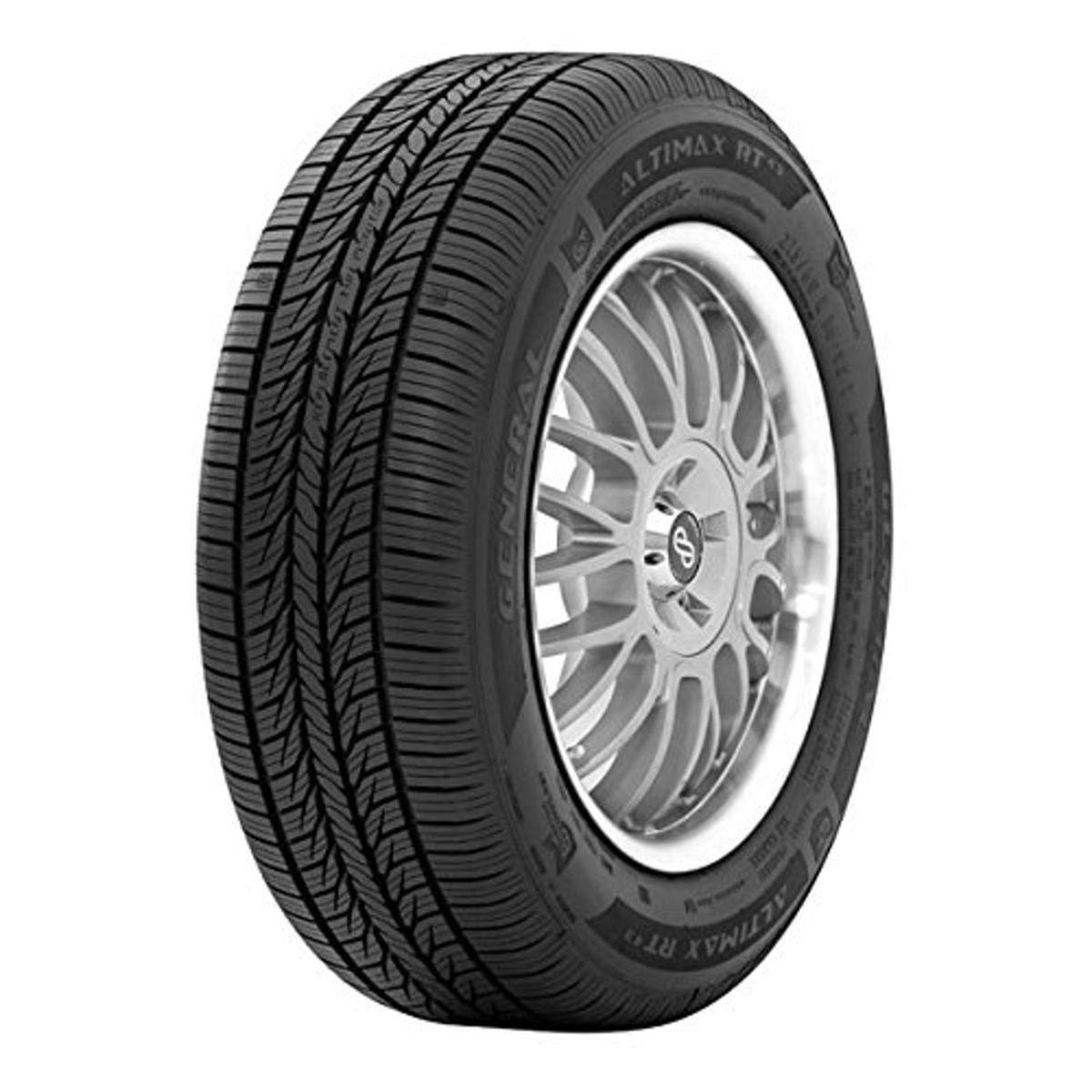
The AltiMAX RT43 exists for the Sentra owner who wants the factory tires gone without spending touring-tire money to do it. General’s twin cushioning layers absorb the sharp hits a compact sedan takes from potholes and expansion joints, and the treadwear warranty undercuts pricier rivals by tens of thousands of miles’ worth of value.
BEST FOR: Best Value for Commuters- Up to 75,000-mile treadwear warranty on T-rated sizes at a budget price
- Twin cushioning layers absorb pothole and expansion-joint impacts well
- Optimized tread block sequencing keeps pattern noise low at cruising speed
- Snow traction only handles light dustings, not real winter weather
- Wet braking distances stretch out once tread drops below 4/32 inch
- Steering feels numb on-center compared to sportier touring tires
Yokohama Avid Ascend GT
Shops notice the Avid Ascend GT the moment they mount a set — it consistently needs fewer wheel weights than comparably priced tires on the same lift. For a Sentra owner who’s dealt with steering-wheel shimmy from a poorly balanced set before, that manufacturing consistency shows up as a smoother first drive home.
BEST FOR: Effortless Installation- TriBlend silica-and-orange-oil compound stays flexible for consistent wet grip
- Shops consistently report needing minimal balancing weights at installation
- 65,000-mile treadwear warranty is competitive for its price tier
- Road noise increases noticeably after roughly 30,000 miles of wear
- Snow traction is average, not a strong point for the tire
- Wet braking trails premium Michelin options in the same comparison
Can’t Decide?
Our Top 2 Picks — Head to Head
Both score highest in this lineup for a Nissan Sentra, but they solve different problems. Here’s how to choose between them.
- 3PMSF-certified for real snow traction
- 60,000-mile treadwear warranty
- Confident grip on wet highway on-ramps
- 80,000-mile treadwear warranty, the longest here
- MaxTouch Construction resists uneven wear
- Built for owners who track cost per mile
How to Choose the Right All-Season Tires for Your Nissan Sentra
Six factors that matter before you buy — explained simply.
Match Your Factory Size Across Sentra Trims
Sentra trims don’t all share one tire size — base models often run 205/55R16 while higher trims step up to 215/45R17 or 205/50R17. Check your driver’s door placard rather than assuming the size on the car matches the original spec, since a previous owner may have already swapped it.
Rolling Resistance and Fuel Economy
A Sentra owner commuting daily notices fuel economy swings more than someone driving occasionally. Lower rolling-resistance tires can add a small but real mpg gain over a year of commuting, though the difference is modest — usually under one mile per gallon — next to keeping tires properly inflated.
3PMSF Rating and Front-Wheel-Drive Limits
A front-wheel-drive Sentra already has less inherent traction in snow than an all-wheel-drive vehicle, which makes the tire’s winter capability matter more, not less. Only tires stamped with the Three-Peak Mountain Snowflake symbol, like the CrossClimate2, are certified for real snow traction rather than just carrying an all-season label.
Treadwear Warranty vs. Cost Per Mile
Divide a tire’s price by its treadwear warranty mileage to get a real cost-per-mile comparison instead of judging by sticker price alone. A cheaper tire with a shorter warranty can end up costing more over time than a pricier tire like the Defender T+H that simply lasts twice as long.
Noise Transmission in a Compact Cabin
Compact sedans like the Sentra generally carry less sound-deadening material than larger cars, so road noise differences between tires are more noticeable inside the cabin. Look for named noise-reduction technology, like Bridgestone’s ComfortCruise, rather than assuming any all-season tire will feel quiet by default.
Alignment After Curb and Pothole Impacts
City driving means more curb strikes and pothole hits than highway-only commuting, and a Sentra’s tires show that abuse fast if the alignment drifts out of spec. Get an alignment check whenever you install new tires, and again anytime you hit a pothole hard enough to feel it through the wheel.
Pro Tips
Quick Buying Checklist
Check your driver’s door placard for the exact size — Sentra trims don’t all share the same wheel diameter.
Rotate every 5,000 to 7,000 miles to keep wear even and protect your treadwear warranty.
Divide price by warranty mileage to compare true cost per mile, not just the sticker price.
Get an alignment check anytime you hit a pothole or curb hard enough to feel it through the wheel.
Look for the 3PMSF snowflake symbol if you drive a front-wheel-drive car through real winter weather.
Ask your installer how many wheel weights a tire needs — fewer weights usually means better manufacturing uniformity.
Frequently Asked Questions
What tire sizes fit a Nissan Sentra?
Sentra trims commonly use 205/55R16, 215/45R17, or 205/50R17 depending on the model year and trim level. Always confirm your exact size, load index, and speed rating on the placard inside the driver’s door jamb rather than assuming based on the wheel size alone.
Do all-season tires affect fuel economy on a compact sedan like the Sentra?
Slightly. Lower rolling-resistance tires can add a small mpg improvement over a year of commuting, though the effect is usually under one mile per gallon. Keeping tires properly inflated typically matters more for fuel economy than the specific tire model you choose.
Is the Michelin CrossClimate2 worth the extra cost over a standard all-season tire?
For Sentra owners who see real rain and occasional snow, yes — the 3PMSF certification and directional tread provide a safety margin standard all-season tires don’t match. Drivers in consistently dry, mild climates may not need to pay the premium.
Does front-wheel drive change which all-season tire is the safer winter choice?
Yes. A front-wheel-drive Sentra already has less inherent traction in snow than an all-wheel-drive vehicle, so the tire’s winter rating matters more. A 3PMSF-certified tire like the CrossClimate2 helps compensate for that traction disadvantage.
How long should all-season tires last on a Sentra used mostly for commuting?
Most quality all-season tires in this lineup last between 50,000 and 80,000 miles under typical commuter conditions. The Michelin Defender T+H frequently exceeds 70,000 miles when owners rotate on schedule and keep the alignment in spec.
Is the General AltiMAX RT43 actually as safe as pricier options?
For dry and moderately wet conditions, yes — its wet braking and treadwear numbers hold up well against pricier rivals. It simply doesn’t match the snow traction of a 3PMSF-rated tire like the CrossClimate2 once winter weather turns serious.
Which tire keeps a Sentra’s cabin quietest during highway commutes?
The Bridgestone Turanza QuietTrack consistently ranks as the quietest option in this comparison. Its tread pattern and internal construction are specifically engineered to reduce the road drone a compact sedan’s cabin otherwise lets through on long highway stretches.
Final Verdict
Our Top Recommendations for 2026
Five tires, five different priorities for a Sentra. If you want one tire that handles rain, frost, and light snow without a seasonal swap, the Michelin CrossClimate2 is the safest bet. Prioritize mileage, quiet, or price instead, and the Defender T+H, Turanza QuietTrack, or AltiMAX RT43 each cover that need specifically.