Tires are the single contact point between your 4Runner and the road — or trail. The right set improves traction, reduces stopping distance, and handles everything from wet highway slabs to rocky mountain trails. The wrong set leaves you sliding on rain-slicked pavement or getting stuck 10 miles from the trailhead.
Toyota 4Runner owners face a specific challenge: the 4Runner serves as a daily commuter and a weekend off-road machine at the same time. Most owners want a tire that handles both roles without compromise — meaning strong on-road manners, solid off-road traction, acceptable road noise, and a tread compound that lasts. We tested and researched six top-rated options from real 4Runner driver reviews, forums, and independent test data so you don’t have to guess.
The Falken Wildpeak AT3W is the best all-around tire for most 4Runner drivers — 3PMSF winter-rated, confident off-road, and priced below comparable rivals. Highway commuters who want maximum longevity should look at the Michelin Defender LTX M/S2 (90k+ miles documented). Hard-core trail runners will want the BFGoodrich All-Terrain T/A KO2 for its battle-tested sidewall durability.
Our Top 6 Toyota 4Runner Tire Rankings
- Falken Wildpeak AT3W— Best Overall
- Michelin Defender LTX M/S2— Best Premium / Tread Life
- BFGoodrich All-Terrain T/A KO2— Best Durability
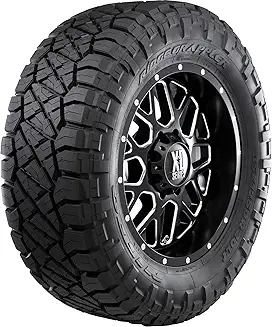
- Nitto Ridge Grappler— Best Hybrid AT/MT
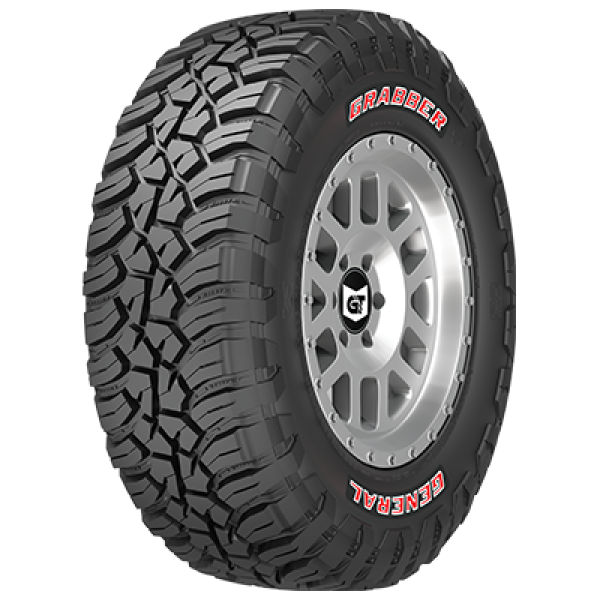
- General Grabber X3— Best Mud Terrain
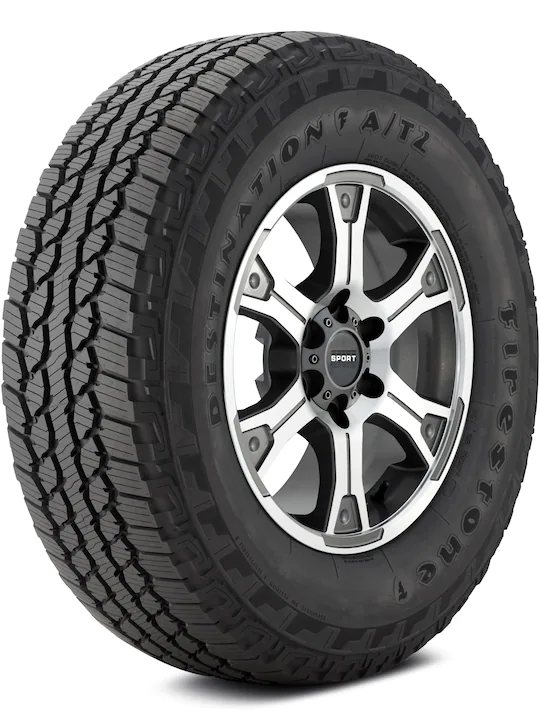
- Firestone Destination AT2— Best Budget
Best Tires for Toyota 4Runner — Compared
All six tires ranked side-by-side across key specs, tire type, and our expert score.
| # | Tire Name | Type | Common Size | Best For | Score | |
|---|---|---|---|---|---|---|
| 1 | Falken Wildpeak AT3W Editor’s Choice | All-Terrain | LT265/70R17 | Best Overall | 4.8 | See Latest Price |
| 2 | Michelin Defender LTX M/S2 Top Pick | All-Season HT | 265/70R17 | Best Premium | 4.9 | See Latest Price |
| 3 | BFGoodrich All-Terrain T/A KO2 | All-Terrain | LT285/70R17 | Best Durability | 4.7 | See Latest Price |
| 4 | Nitto Ridge Grappler | Hybrid AT/MT | LT275/70R17 | Best Hybrid | 4.7 | See Latest Price |
| 5 | General Grabber X3 | Mud-Terrain | LT285/70R17 | Best Mud Terrain | 4.6 | See Latest Price |
| 6 | Firestone Destination AT2 Budget Pick | All-Terrain | LT265/70R17 | Best Budget | 4.4 | See Latest Price |
Detailed Reviews
Full breakdown of each tire — ratings, pros, cons, and our expert verdict.
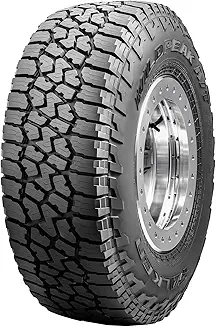
Falken Wildpeak AT3W
Pros
- 3PMSF-rated for legally recognized winter use in many states
- Competitive pricing versus BFG KO2 with similar capability
- Aggressive sidewall lugs protect rims and add off-road bite
Cons
- Tread life disappoints highway-heavy drivers compared to premium options
- Slightly louder than touring tires on smooth asphalt
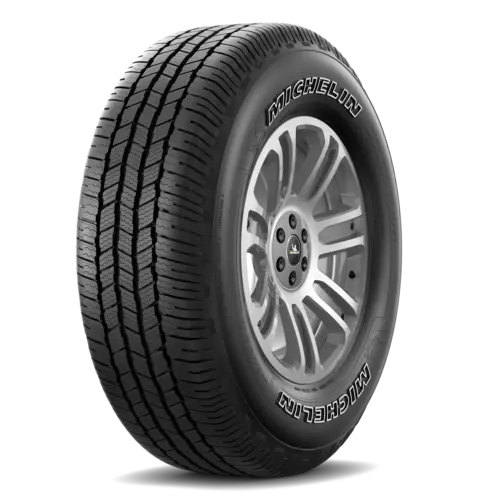
Michelin Defender LTX M/S2
Pros
- Best documented tread life in this roundup — 90k+ miles verified by real owners
- Smooth, quiet ride that rivals luxury SUV tires at highway speed
- Outstanding hydroplaning resistance and wet grip in heavy rain
Cons
- No three-peak snowflake (3PMSF) rating — not ideal for severe winter regions
- Limited off-road capability; not suited for aggressive trail use
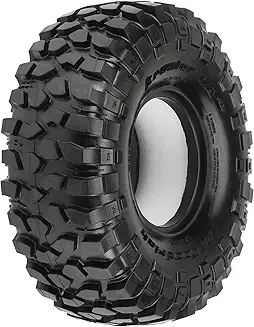
BFGoodrich All-Terrain T/A KO2
Pros
- Industry benchmark for durability with deep 15/32″ tread — more material than most competitors
- CoreGard sidewall technology specifically engineered for rock crawling
- 3PMSF-rated and made in the USA — a selling point for many 4Runner owners
Cons
- Priced higher than similarly performing competitors like the Falken Wildpeak
- Highway ride feels rougher with E-load rating on unladen 4Runners
Nitto Ridge Grappler
Pros
- Best highway-to-trail balance in this roundup — stable, quiet at 70–80 mph
- Aggressive sidewall aesthetic without the full MT noise penalty
- Strong wet highway traction with dynamic hybrid sipes
Cons
- Not 3PMSF rated on all sizes — verify before purchasing for winter use
- Deep mud traction falls short of full mud-terrain tires
General Grabber X3
Pros
- Best wet off-road and muddy trail traction in this entire roundup
- Stone bumpers prevent debris drilling into tread grooves on rocky trails
- Competitive pricing for a genuine mud-terrain tire
Cons
- Noticeably loud on pavement — significantly more than any AT tire in this list
- On-road steering feel is vague and imprecise compared to AT options
Firestone Destination AT2
Pros
- Best price-per-performance ratio in this roundup — delivers ~80% of premium tire results
- Quiet and smooth for an all-terrain; owners consistently praise daily comfort
- Widely available at major retailers for easy mounting and replacement
Cons
- Tread wears faster under heavy off-road use compared to BFG KO2 or Falken
- No 3PMSF certification on most sizes limits winter versatility
🤔 Can’t Decide?
Our Top 2 Picks — Head to Head
Both are excellent. Here’s how to choose between them.
- 3PMSF-rated for genuine winter traction
- Aggressive sidewall lugs for off-road confidence
- Significantly lower price than BFG KO2
- Documented 90,000+ mile tread life from real owners
- Whisper-quiet highway ride — rivals luxury SUV tires
- Superior hydroplaning resistance in heavy rain
How to Choose the Right Tire for Your Toyota 4Runner
Six factors that matter before you buy — explained simply.
Match Tire to Real Use
Be honest about how you actually use your 4Runner. Identify your 70% use case first — daily highway commuter or weekly trail machine — then choose a tire that excels there. Most owners overestimate their off-road needs.
Understand Load Range
Load Range E provides higher capacity and tougher sidewalls but delivers a stiffer ride at higher pressure. Load Range C suits stock or mildly lifted 4Runners better. Only choose E if you regularly tow near max capacity or carry heavy overland gear.
Know Your Wheel Size
Most 4Runners use 17-inch wheels. The most common sizes are LT265/70R17 (stock-ish), LT275/70R17, and LT285/70R17 (popular for lifted builds). Exceeding 285 on a stock vehicle usually requires trimming — always verify clearance before ordering.
Check 3PMSF Rating
The three-peak mountain snowflake (3PMSF) symbol is a legal winter tire rating required in some states and Canadian provinces. The Falken Wildpeak AT3W and BFG KO2 carry it; the Michelin Defender LTX M/S2 does not. Always verify by specific size — ratings can vary within a model line.
Calculate Cost Per Mile
A $180/tire set lasting 30,000 miles costs more per mile than a $270/tire set lasting 80,000 miles. For highway-focused drivers, Michelin’s longevity pays for itself over the lifetime of the tire. Budget picks win for off-road drivers who wear tread faster regardless.
Plan for Alignment & Rotation
New tires on a misaligned 4Runner wear unevenly within the first 5,000 miles. Always get an alignment check after installation. Schedule 5,000–6,000 mile rotation intervals — a consistent 5-wheel rotation (including spare) can add 10,000–15,000 miles of tread life.
✅ Pro Tips
Quick Buying Checklist Before You Order
Order tires online and ship to a local shop — this often saves $50–$100 per set versus buying at the dealership or chain retailer.
Verify the specific size you need carries the 3PMSF snowflake — ratings vary by size even within the same tire model line.
Never skip wheel alignment after mounting new tires — misalignment is the single biggest cause of premature, uneven wear on 4Runner all-terrain tires.
Test for clearance at full steering lock before buying any tire larger than 285/70R17 on a stock or lightly lifted 4Runner to avoid fender rubbing.
Frequently Asked Questions
🏆 Final Verdict
Our Top Tire Recommendations for 2026
For the vast majority of Toyota 4Runner owners, the Falken Wildpeak AT3W is the tire to buy — it excels across every terrain category, holds a 3PMSF winter rating, and costs less than comparable competitors. Highway commuters who want maximum longevity will find their money best spent on the Michelin Defender LTX M/S2, while true off-road enthusiasts building out a trail rig should look at the BFGoodrich KO2 or General Grabber X3 depending on terrain type.