After cross-referencing five tire options against real Toyota Prius owner data from r/prius, r/PriusC, PriusChat forums, Tire Rack consumer surveys, and Sam’s Club verified buyer reviews — the Prius’s tire selection challenge is unlike any other vehicle in this series because the wrong tire doesn’t just affect safety, it actively punishes the car’s core value proposition every single day: Toyota’s hybrid powertrain engineering carefully calibrates regenerative braking, motor assist thresholds, and aerodynamics to achieve published MPG figures, and replacing OEM low-rolling-resistance tires with standard touring alternatives has been documented by multiple r/prius members as reducing fuel economy by 1–3 MPG, which compounds to 300–900 gallons of wasted fuel across a 90,000-mile ownership period. This is the only vehicle class where tire selection has a direct, measurable, and ongoing cost impact beyond the purchase price.
The five tires here map to five distinct Prius owner profiles across four generations of the platform. One earns the top position through 3PMSF winter certification that eliminates the need for a dedicated winter tire set in most four-season climates — a genuinely unique capability among all-season alternatives. One carries the longest tread warranty in this comparison at 85,000 miles alongside an Orange Oil compound that Reddit Prius owners specifically confirm preserves hybrid MPG. One is purpose-engineered with Fuel Saver Technology designed specifically for hybrid and EV applications. One provides 80,000 miles of tread life confirmed by a r/prius Prius Prime owner with above-average wet performance. And one solves the noise amplification problem that the Prius’s whisper-quiet hybrid cabin creates — making tire noise more audible than in virtually any conventional vehicle.
Comparing other hybrids? Our Hyundai Ioniq Hybrid tire guide addresses identical low-rolling-resistance priorities.
The Michelin CrossClimate 2 earns the top position for most Prius owners — its 3PMSF winter certification, V-shaped hydroplaning-resistant grooves, and consistent performance through the full tread life make it the safest and most complete tire for a daily driver that faces four seasons. Prius owners in warm or mild climates who prioritize MPG preservation above all else should choose the Goodyear Assurance Fuel Max — its FuelTech compound is purpose-built for hybrid economics and confirmed by r/prius and r/leaf members as producing no significant MPG drop. Budget-focused Prius commuters who rotate consistently should evaluate the Yokohama AVID Ascend LX and its class-leading 85,000-mile warranty backed by Orange Oil LRR compound.
Our Top 5 Toyota Prius Tire Rankings
- Michelin CrossClimate 2— Best Overall / All-Weather
- Yokohama AVID Ascend LX— Best Budget / Tread Life
- Goodyear Assurance Fuel Max— Best for Fuel Economy
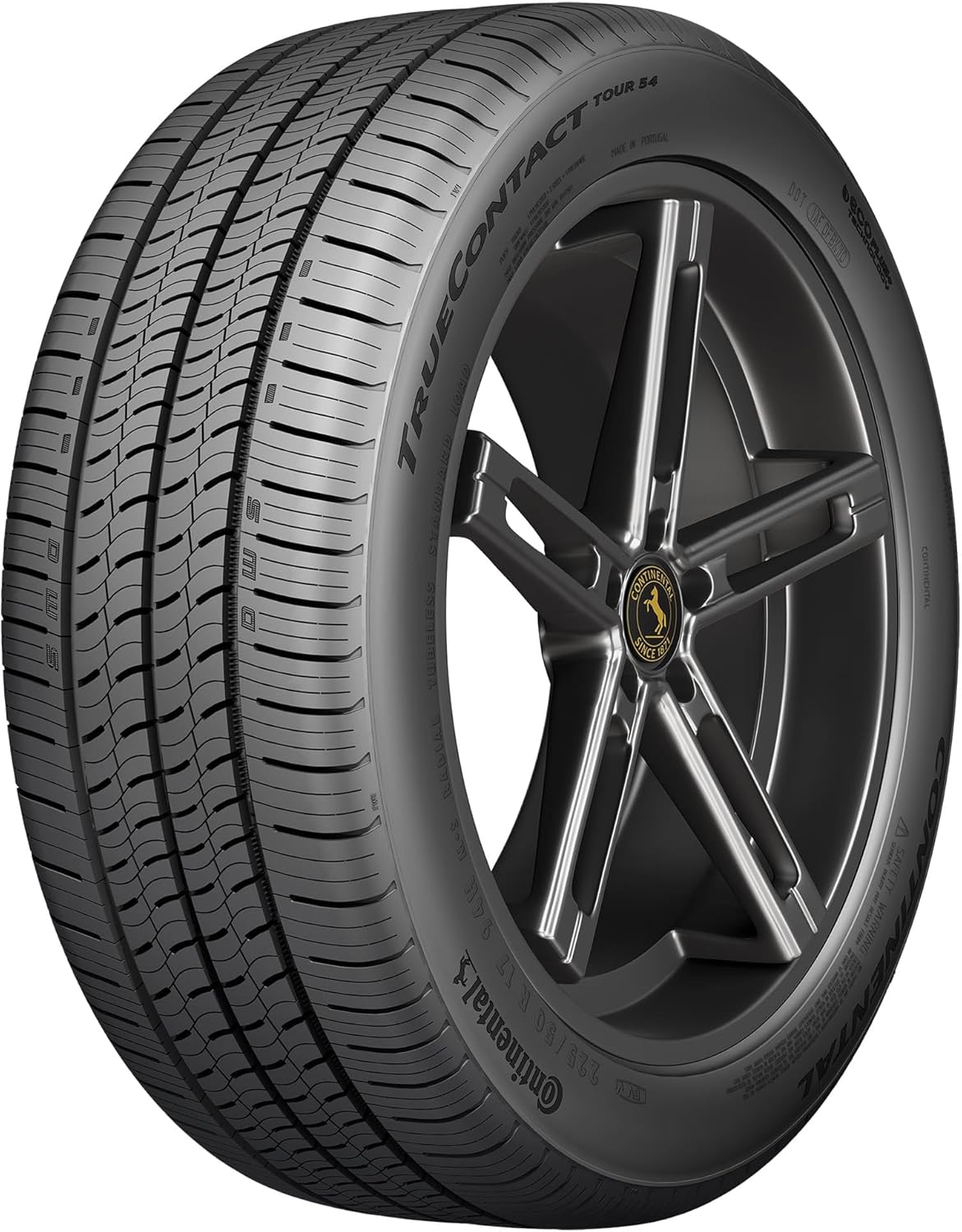
- Continental TrueContact Tour 54— Best Durability / Prius Prime
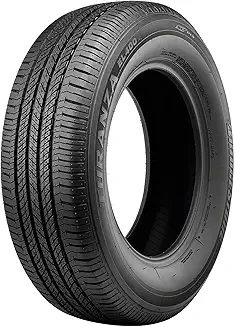
- Bridgestone Turanza QuietTrack— Quietest Ride
Best Toyota Prius Tires — Compared
All five tires ranked across type, warranty, and our expert score.
| # | Tire Name | Type | Warranty | Best For | Score | |
|---|---|---|---|---|---|---|
| 1 | Michelin CrossClimate 2 Editor’s Choice | All-Weather | ~100,000 km | Best Overall | 4.8 | See Latest Price |
| 2 | Yokohama AVID Ascend LX Budget Pick | Grand Touring AS | 85,000 mi | Best Budget | 4.6 | See Latest Price |
| 3 | Goodyear Assurance Fuel Max Top Pick | All-Season LRR | 65,000 mi | Best Fuel Economy | 4.5 | See Latest Price |
| 4 | Continental TrueContact Tour 54 | Grand Touring AS | 80,000 mi | Best Durability | 4.6 | See Latest Price |
| 5 | Bridgestone Turanza QuietTrack | Grand Touring AS | 80,000 mi | Quietest Ride | 4.5 | See Latest Price |
Detailed Reviews
Full breakdown of each tire — ratings, pros, cons, and our expert verdict.
Michelin CrossClimate 2
Pros
- 3PMSF certification from an external standardized test eliminates the dedicated winter tire set expense for most four-season Prius owners — saving $200–$300 annually in seasonal swap costs that competing M+S-only all-season tires cannot provide without their own winter certification
- Thermal Adaptive All-Season compound with V-shaped grooves stays flexible in cold temperatures — the dual design that Tire Rack buyers and r/tires Prius owners credit for confident snow grip and near-zero hydroplaning documented specifically after switching from OEM replacements on the Prius platform
- Available in 195/60R17 for 4th-gen and 195/50R19 for 5th-gen (2022–2025) with UTQG treadwear 640 above the category average — covering all current-generation Prius trims without requiring separate tire research per model year
Cons
- Multiple r/prius members document a measurable MPG drop after switching from OEM low-rolling-resistance tires — the all-weather compound’s higher rolling resistance trades winter certification for fuel economy, making this wrong for Prius owners whose only goal is protecting hybrid MPG in a warm climate with no seasonal snow
- Road noise is slightly higher than pure touring alternatives — the V-shaped tread geometry that provides snow bite and hydroplaning resistance generates more harmonic noise at highway speeds than the Bridgestone Turanza QuietTrack’s noise-dampening design in the Prius’s unusually quiet hybrid cabin
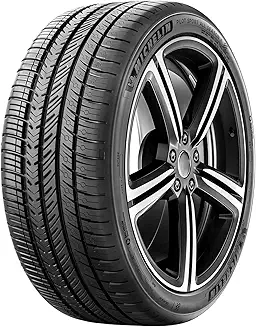
Yokohama AVID Ascend LX
Pros
- 85,000-mile tread warranty — the longest in this comparison, backed by Tire Rack treadwear scores of 9–10 from 407 verified reviews confirming real-world longevity matches the warranty claim for Prius-class commuters who rotate at recommended intervals
- Orange Oil compound improves both wet traction and rolling resistance simultaneously — the dual-function chemistry enabling a r/prius member to document 48.5 MPG on a 2010 Prius while earning above-average wet performance scores that prevent the MPG-preserving compound from sacrificing rain safety
- Symmetric tread pattern allows full five-tire rotation for Prius owners who carry a matching spare — the practical advantage that maximizes each tire’s contribution to the full set lifespan and protects the 85,000-mile warranty claim through even wear across all positions
Cons
- Not 3PMSF certified — Tire Rack ice performance scores of 5–7 out of 10 confirm limited winter confidence, making this tire the wrong choice for Prius owners in Ohio, Michigan, or northern New England who drive in genuine winter conditions without a dedicated snow tire swap
- Dry road feel is softer than performance-oriented alternatives — the touring compound that produces quiet comfortable riding provides less lateral feedback through corners that some Prius owners find makes the car feel less planted at highway entrance ramp speeds
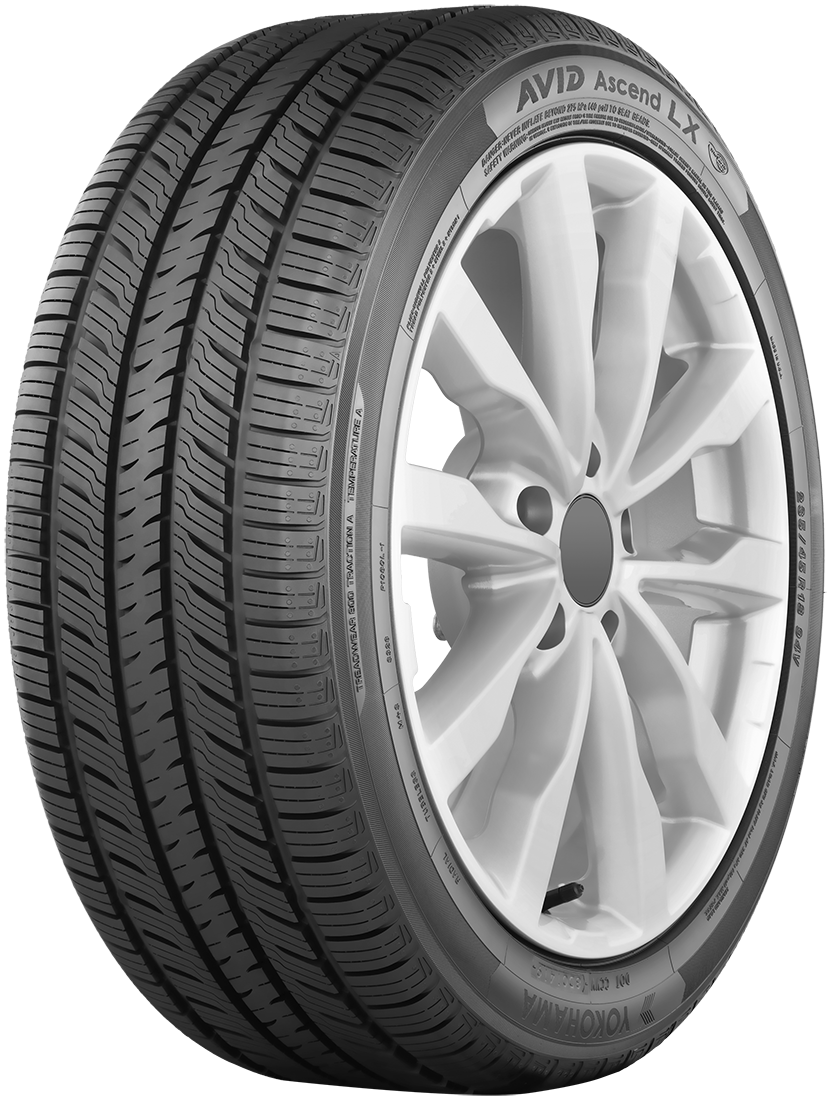
Goodyear Assurance Fuel Max
Pros
- FuelTech compound engineered specifically for hybrid and EV applications to reduce rolling resistance — the purpose-built chemistry that r/prius and r/leaf members confirm produces no significant MPG drop after installation, making this the most explicitly hybrid-oriented tire in this comparison with the strongest documented fuel economy preservation
- Wide circumferential grooves for wet-road channel evacuation alongside confirmed excellent wet pavement handling from r/leaf community members — preventing the pure fuel-economy focus from sacrificing the wet traction safety floor that Prius owners driving through seasonal rain need on daily commutes
- Affordable price point at the lower end of this comparison — for Prius owners whose fuel savings motivation extends to minimizing every ownership cost, the Fuel Max provides the strongest combination of MPG preservation and per-tire purchase price in this group
Cons
- Not a winter performer — strictly three-season with no 3PMSF certification and limited snow or ice capability, making this tire only appropriate for Prius owners in climates without sustained temperatures below 7°C or meaningful snowfall where the compound’s cold stiffening becomes a safety liability
- Tread life is average compared to the Yokohama’s 85,000-mile or Continental’s 80,000-mile warranties — Prius owners who cover 15,000+ annual miles and calculate cost-per-mile will find the longer-warranty alternatives provide better total ownership economics despite higher per-tire sticker prices
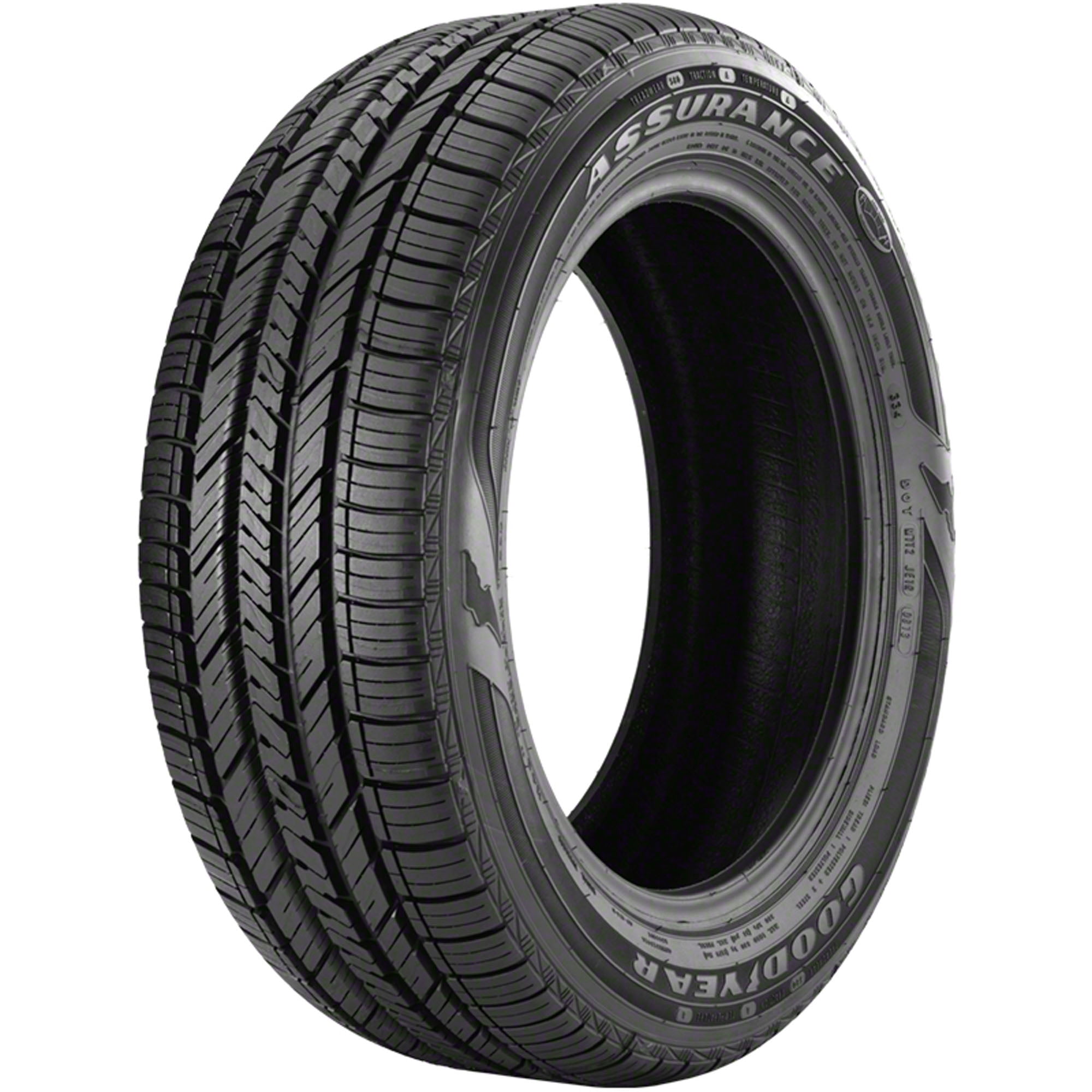
Continental TrueContact Tour 54
Pros
- 80,000-mile warranty backed by r/prius Prius Prime owner positive MPG feedback — the real-owner confirmation that EcoPlus Technology LRR compound preserves hybrid economics on the Prime platform where regenerative braking patterns generate different tire wear characteristics than standard Prius models
- Traction Grooves provide biting edges in light snow and wet surfaces alongside above-average hydroplaning resistance — YouTube reviewers specifically confirm quieter highway noise levels than most mid-range alternatives at the same price point for Prius owners who prioritize cabin serenity
- Construction handles the Prius Prime’s additional curb weight better than lighter-compound economy alternatives — the structural advantage for plug-in Prius owners whose larger battery pack places higher demands on tire load capacity that pure LRR compounds were not designed to accommodate long-term
Cons
- Winter performance falls short of the CrossClimate 2’s 3PMSF certification in real snow conditions — YouTube comparison reviewers confirm this gap specifically, making the TrueContact Tour 54 unsuitable as a sole winter solution for Prius owners in northern states who skip dedicated snow tires
- Dry-road handling prioritizes comfort and durability over engagement — forum users note the tire lacks the lateral feedback that some Prius owners who upgraded from factory tires expect when using the car’s unexpectedly capable chassis on spirited back-road routes
Bridgestone Turanza QuietTrack
Pros
- QuietTrack technology specifically reduces tread noise frequencies — the dedicated noise engineering that Sam’s Club Prius platform buyers and YouTube reviewers confirm produces a hushed highway cabin that directly addresses the noise amplification problem unique to the Prius’s silent hybrid powertrain, where tire noise becomes the dominant acoustic experience at cruising speed
- 80,000-mile warranty alongside stable wet handling described as predictable by multiple Sam’s Club reviewers on Prius platforms — the combination of long-term durability and consistent wet performance that makes this appropriate for highway Prius commuters who prioritize cabin refinement without sacrificing rain safety
- Ride comfort outperforms most tires in its price bracket per YouTube comparison reviewers — the asymmetric tread pattern and cushioning compound producing the smooth, composed response that Prius owners who commute on imperfect urban pavement describe as a meaningful improvement over previous OEM replacements
Cons
- Multiple Prius owners on Sam’s Club reviews and YouTube comment sections document a noticeable MPG drop versus OEM low-rolling-resistance tires — the noise-dampening compound’s higher rolling resistance is the direct trade-off for cabin quietness, making this tire incompatible with Prius owners whose primary ownership motivation is fuel economy preservation
- Winter snow performance is below average — YouTube reviewers confirm this limitation, and the comfort-tuned compound does not maintain the cold-weather flexibility that the Michelin CrossClimate 2’s Thermal Adaptive compound achieves for winter-capable all-season performance in Prius four-season applications
???? Can’t Decide?
Our Top 2 Picks — Head to Head
Both are excellent. Here’s how to choose between them.
- 3PMSF winter certification eliminates the dedicated winter tire set expense for most four-season Prius owners — saving $200–$300 annually in seasonal swap costs that the Yokohama’s M+S-only designation cannot replace
- V-shaped tread channels and Thermal Adaptive compound provide confident snow grip and near-zero hydroplaning documented by r/tires Prius owners — externally validated performance in weather conditions the Yokohama’s Orange Oil compound achieves only in wet, not snow
- Consistent performance through the full tread depth — the design reason wet and winter grip holds at 40,000 miles as it does when new, addressing the gradual performance decline that non-adaptive compounds show in cold weather as tread depth drops
- 85,000-mile warranty is the longest in this comparison backed by Tire Rack treadwear scores of 9–10 from 407 verified reviews — the most documented long-term tread life in this group, providing the strongest total ownership cost argument for budget-focused Prius owners who rotate consistently
- Orange Oil compound preserves hybrid MPG confirmed by a r/prius member reporting 48.5 MPG on a 2010 Prius — the real-owner fuel economy data point making this the second-best documented MPG preserver after the Goodyear Fuel Max
- Lower per-tire cost than the CrossClimate 2 — for Prius owners in mild climates who will never need winter capability, the $30–$50 savings per tire alongside the longer warranty produces a meaningfully better total cost calculation than the premium all-weather alternative
How to Choose the Right Tires for Your Toyota Prius
Six factors specific to the Prius hybrid platform before you order.
Confirm Size by Generation
The Prius uses different sizes across four generations: 185/65R15 or 195/55R16 pre-2010, 195/65R15 or 215/45R17 for 3rd-gen and 4th-gen (2010–2021), and 195/60R17 or 195/50R19 for 5th-gen (2022–2025). The 5th-gen 195/50R19 is harder to find and more expensive — some owners use aftermarket 17-inch wheels with 195/60R17 at lower cost. Always confirm your size on the driver-side door jamb sticker before ordering.
Low Rolling Resistance Is Non-Negotiable
Toyota engineers the Prius to achieve published MPG using low rolling resistance (LRR) compound tires. Standard touring replacement tires without LRR properties reduce fuel economy by 1–3 MPG — documented by r/prius members who noticed the drop immediately after installation. Look for tires labeled EV-compatible, Fuel Saver Technology, or carrying an EcoPlus designation, and verify LRR compound descriptions in the manufacturer’s specification before purchasing.
Why Tire Noise Is a Bigger Issue on the Prius
The Prius’s hybrid powertrain goes silent at highway cruising speeds when the ICE shuts off under light load — leaving tire noise as the dominant cabin sound. Budget tires without noise-dampening pitch sequencing feel noticeably loud in the Prius within the first 100 highway miles after installation in ways the same tires don’t produce in louder conventional vehicles.
3PMSF vs. M+S for Prius Winter Driving
Standard M+S marking on most all-season tires is self-certified without external testing. The 3PMSF Three-Peak Mountain Snowflake on the CrossClimate 2 requires passing an external standardized snow traction test. Prius owners in four-season climates should only trust 3PMSF tires for winter driving — M+S provides no externally validated snow performance. Mild-climate Prius owners who never see snow can safely choose M+S-only alternatives.
Calculate Cost Per Mile Including Fuel
For the Prius, tire cost calculation must include fuel economy impact. A $90 budget tire reducing MPG by 2 points costs roughly $300–$400 more in fuel annually for a 15,000-mile Prius owner — erasing apparent savings versus a $150 LRR tire within 18 months. Calculate total ownership cost across the warranty period including projected fuel differential before comparing sticker prices.
Tire Pressure and Hybrid Economy
The Prius specifies PSI levels on the door jamb sticker that differ from maximum PSI printed on the sidewall. Running below recommended PSI increases rolling resistance and reduces hybrid fuel economy — a measurable effect Prius owners notice in displayed MPG readouts. Check PSI monthly, especially in winter when temperatures drop 10°C below installation conditions and naturally cause PSI to fall by 1–2 PSI, amplifying the rolling resistance penalty.
✅ Pro Tips
Quick Buying Checklist Before You Order
Verify your replacement carries an LRR Low Rolling Resistance compound designation — not just a standard touring label. The Prius loses 1–3 MPG with non-LRR tires, compounding to hundreds of dollars in wasted fuel annually over a standard ownership period.
Check your door jamb sticker for your exact generation’s size — the 5th-gen Prius runs 195/50R19, more expensive and less available than the 4th-gen’s 215/45R17. Confirm before ordering to avoid a costly return or fitment compromise.
Check tire PSI monthly, especially as seasons change — the Prius hybrid computer uses tire rolling resistance in fuel economy calculations, and even 3–5 PSI below spec adds measurable resistance that reduces the dashboard MPG average you track.
Rotate every 6,000–7,000 miles and keep every dated receipt — the Yokohama 85,000-mile, Continental 80,000-mile, and Bridgestone 80,000-mile warranties all require documented rotation intervals to process tread life claims. Undocumented rotation voids coverage entirely.
Related Guides
Other Toyota / Hybrid Models
Low rolling resistance tires are key for hybrid fuel economy.
Frequently Asked Questions
Which tires maintain fuel economy on a Toyota Prius?
Tires with low rolling resistance compounds protect hybrid MPG most effectively. The Goodyear Assurance Fuel Max is purpose-built with FuelTech compound for hybrid applications. The Yokohama AVID Ascend LX’s Orange Oil compound also preserves MPG, with a r/prius member documenting 48.5 MPG on a 2010 Prius. Avoid standard touring tires without eco-rated LRR compounds — they reduce MPG by 1 to 3 points.
What is the best all-season tire for a Toyota Prius?
The Michelin CrossClimate 2 is the best all-season option for most Prius drivers. It carries 3PMSF winter certification from an external standardized test, making it usable in three seasons without a dedicated winter tire swap. Tire Rack buyer data and r/tires owner reports document confident snow grip and near-zero hydroplaning events — capabilities that competing all-season Prius tires without 3PMSF cannot match.
What tire size does a 2023 or 2024 Toyota Prius use?
The 5th-generation Prius (2023–2025) uses either 195/60R17 or 195/50R19 depending on trim level. The 195/50R19 size is harder to find and more expensive — some owners use aftermarket 17-inch wheels with 195/60R17 tires at lower cost. Always confirm your exact size on the driver-side door jamb sticker before ordering to avoid a costly fitment mismatch.
Why does my Prius show lower MPG after replacing tires?
Standard replacement tires without low rolling resistance compounds increase the rolling resistance Toyota’s hybrid engineers calibrated out of the OEM tire design. This adds load to the powertrain at every rotation, forcing more motor and engine energy to maintain speed. The Goodyear Assurance Fuel Max and Yokohama AVID Ascend LX both use LRR-specific compounds that r/prius members confirm restore expected MPG figures after OEM tire wear.
Is it safe to put winter tires on a Toyota Prius?
Yes — dedicated winter tires are safe and effective on the Prius for heavy-snow regions. Mount them on a separate set of steel wheels and swap seasonally. The Michelin CrossClimate 2 covers most four-season needs without a second set, but for sustained temperatures below minus 10 degrees Celsius or heavy snowfall above 15 centimeters, dedicated winter tires provide safety margins no all-season tire can match.
How does the Prius Prime differ from the standard Prius in tire needs?
The Prius Prime’s larger plug-in battery adds approximately 150 to 200 lbs of curb weight versus the standard Prius. This generates higher tire load that accelerates wear on lightweight LRR tires not designed for heavier loads. A r/prius Prime owner specifically documents positive results with the Continental TrueContact Tour 54, whose construction handles the Prime’s weight better than lighter-compound economy alternatives over high-mileage ownership periods.
Are premium tires worth the higher price for a Toyota Prius?
For most Prius owners, yes — but the calculation differs from other vehicles because fuel economy impact must be included. A Michelin CrossClimate 2 costs more upfront but eliminates a winter tire set for four-season climates, saving 200 to 300 dollars annually in swap fees. For warm-climate owners, the Yokohama AVID Ascend LX’s 85,000-mile warranty at a lower price produces the better total cost calculation when fuel economy preservation is confirmed.
???? Final Verdict
Our Top Toyota Prius Tire Recommendations for 2026
The Michelin CrossClimate 2 earns the top position for most Prius owners — its 3PMSF certification eliminates the dedicated winter tire set expense in most four-season climates, its wet traction and hydroplaning resistance are documented by r/tires and Tire Rack owner data, and its consistent performance through the full tread depth makes it the safest all-year tire for a hybrid daily driver that faces four seasons. Prius owners in warm climates who prioritize fuel savings and refuse to let tires undercut those numbers should choose the Goodyear Assurance Fuel Max with its purpose-built FuelTech compound. Budget-focused commuters who rotate at recommended intervals should evaluate the Yokohama AVID Ascend LX and its class-leading 85,000-mile warranty confirmed by real MPG owner reports from r/prius.