After evaluating six tires across BimmerPost’s G07 X7 owner forum, Reddit’s r/bmwx7 community, Tire Rack consumer survey data, and verified Amazon reviews — and specifically filtering for feedback from X7 drivers rather than general SUV owners — we built this list around the challenges unique to this platform. The BMW X7 weighs over 5,500 lbs, uses at least five distinct tire size configurations across its trim range, and presents a run-flat vs. standard tire debate that has divided its ownership community since the model launched. A generic SUV tire roundup doesn’t serve X7 owners — trim-specific size incompatibility, staggered fitment cost implications, and BMW’s own OEM tire choices all require a platform-specific lens.
The X7’s size range spans from the base 275/50R20 through the M60i’s staggered 275/35R22 front and 315/30R22 rear — a range where a tire that performs brilliantly on one trim simply doesn’t exist in the right size for another. This list prioritizes tires with broad size availability across X7 configurations, honest tread life data from real owners, and clear guidance on which trims each recommendation actually fits. We excluded any tire without confirmed X7 fitment data and any product without sufficient owner reviews to establish real-world performance patterns.
The Michelin Pilot Sport All Season 4 is the best overall tire for most BMW X7 owners — it delivers sport-oriented dry and wet grip with all-season capability across all trim sizes. For X7 owners in genuine winter climates who want a single year-round set, the Michelin CrossClimate 2 adds 3PMSF snow certification that the Pilot Sport AS4 doesn’t carry. Owners prioritizing maximum tread life and OEM-validated durability should look at the Bridgestone Alenza Sport A/S, which the X7 ships with from the factory and which multiple owners report running past 40,000 miles.
Our Top 6 BMW X7 Tire Rankings
- Michelin Pilot Sport All Season 4— Best Overall
- Continental CrossContact RX— Best Premium Comfort
- Bridgestone Alenza Sport A/S— Best Tread Life / OEM
- Michelin CrossClimate 2— Best All-Weather
- Pirelli P Zero All Season Plus— Best Sport Trim Performance
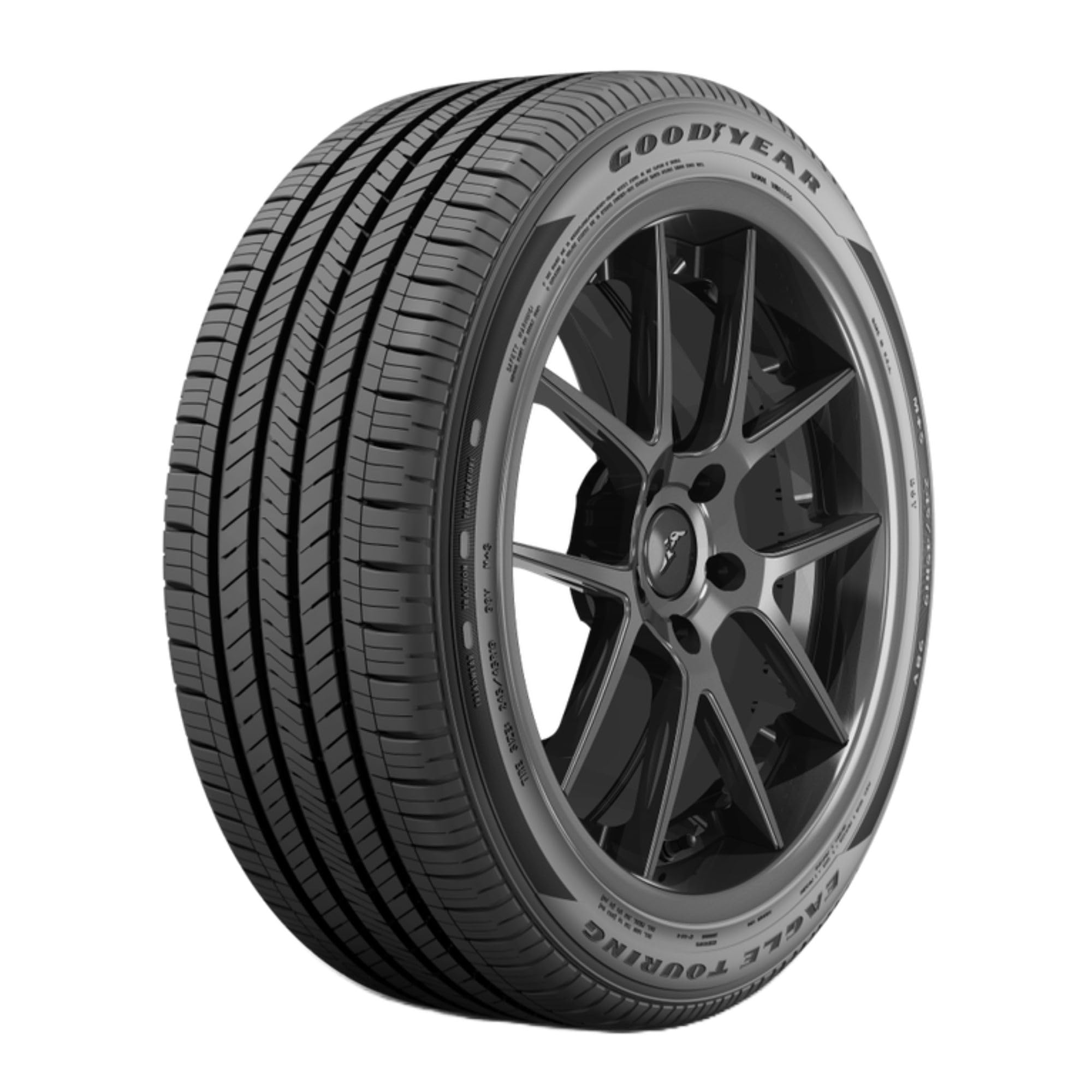
- Goodyear Eagle Touring— Best Budget
Best BMW X7 Tires — Compared
All six tires ranked across type, key technology, and primary use case for the X7 platform.
| # | Tire | Type | Key Tech | Best For | Score | |
|---|---|---|---|---|---|---|
| 1 | Michelin Pilot Sport All Season 4 Editor’s Choice | UHP All-Season | Heliumbib Compound | Overall Performance | 4.8 | See Latest Price |
| 2 | Continental CrossContact RX Top Pick | All-Season | ContiSilent + ContiSeal | Comfort Priority | 4.7 | See Latest Price |
| 3 | Bridgestone Alenza Sport A/S | All-Season | OEM-Validated Compound | Tread Life & Durability | 4.6 | See Latest Price |
| 4 | Michelin CrossClimate 2 | All-Weather | 3PMSF + Thermal Adaptive | Four-Season Safety | 4.7 | See Latest Price |
| 5 | Pirelli P Zero All Season Plus | UHP All-Season | Asymmetric UHP Tread | M Sport / M60i Handling | 4.5 | See Latest Price |
| 6 | Goodyear Eagle Touring Budget Pick | Grand Touring All-Season | Quiet Tread Design | Budget Commuter | 4.3 | See Latest Price |
Detailed Reviews
Full breakdown of each tire — ratings, pros, cons, and our expert verdict for the BMW X7.
Michelin Pilot Sport All Season 4
Pros
- 3PMSF certified for light-to-moderate snow — confirmed severe snow traction standard that standard all-season tires don’t meet
- Heliumbib compound engineered for SUV loads — reinforced shoulder blocks maintain even wear under the X7’s above-average curb weight
- X7 owners consistently report shorter wet braking distances versus OEM tires across forum posts and Amazon reviews
Cons
- Not the right choice for heavy, consistent snowfall — in serious winter climates, dedicated winter tires on a second wheel set remain the safer option
- Premium pricing compounds significantly on staggered 22-inch M Sport and M60i fitments where front and rear sets are priced separately
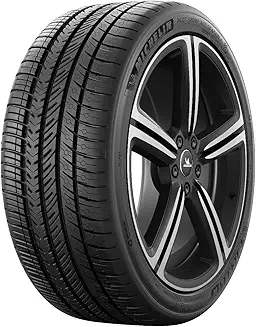
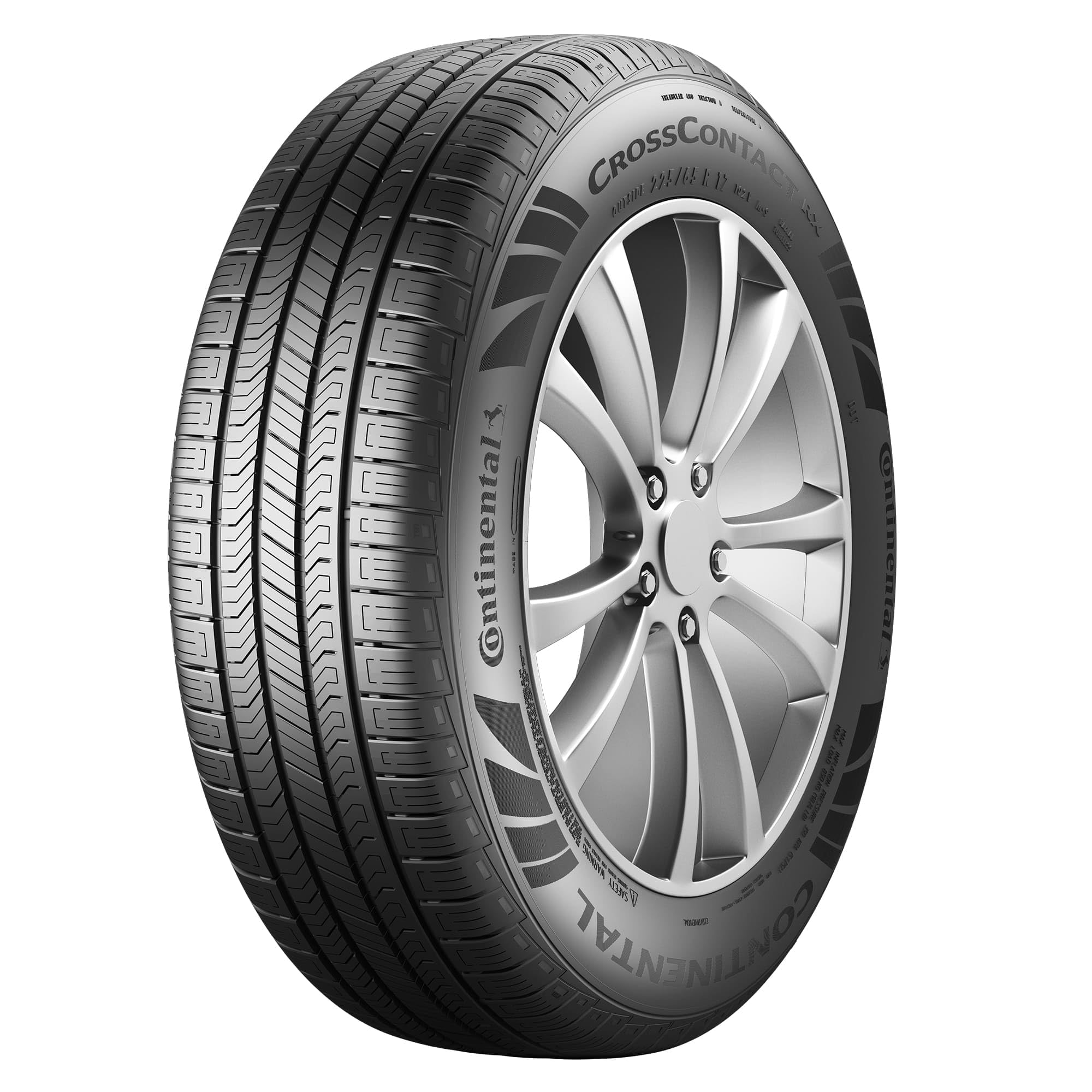
Continental CrossContact RX
Pros
- ContiSilent acoustic foam liner embedded inside the tire reduces cavity resonance — drivers switching from OEM Pirellis or Bridgestone run-flats notice the noise reduction within the first mile
- ContiSeal self-sealing layer handles punctures up to 5mm automatically — multiple X7 owners report continuing to drive normally after a nail penetration without pressure loss
- Deep water evacuation channels in the asymmetric tread provide strong hydroplaning resistance under the X7’s heavy wheel load
Cons
- A specific harmonic vibration at 70–82 mph has been reported on 22-inch fitments in multiple X7 forum threads — worth checking if yours falls in that range before committing
- Rear tires wear faster on heavily loaded X7 trims due to rear-weight bias — especially on the three-row configuration with rear passengers and cargo
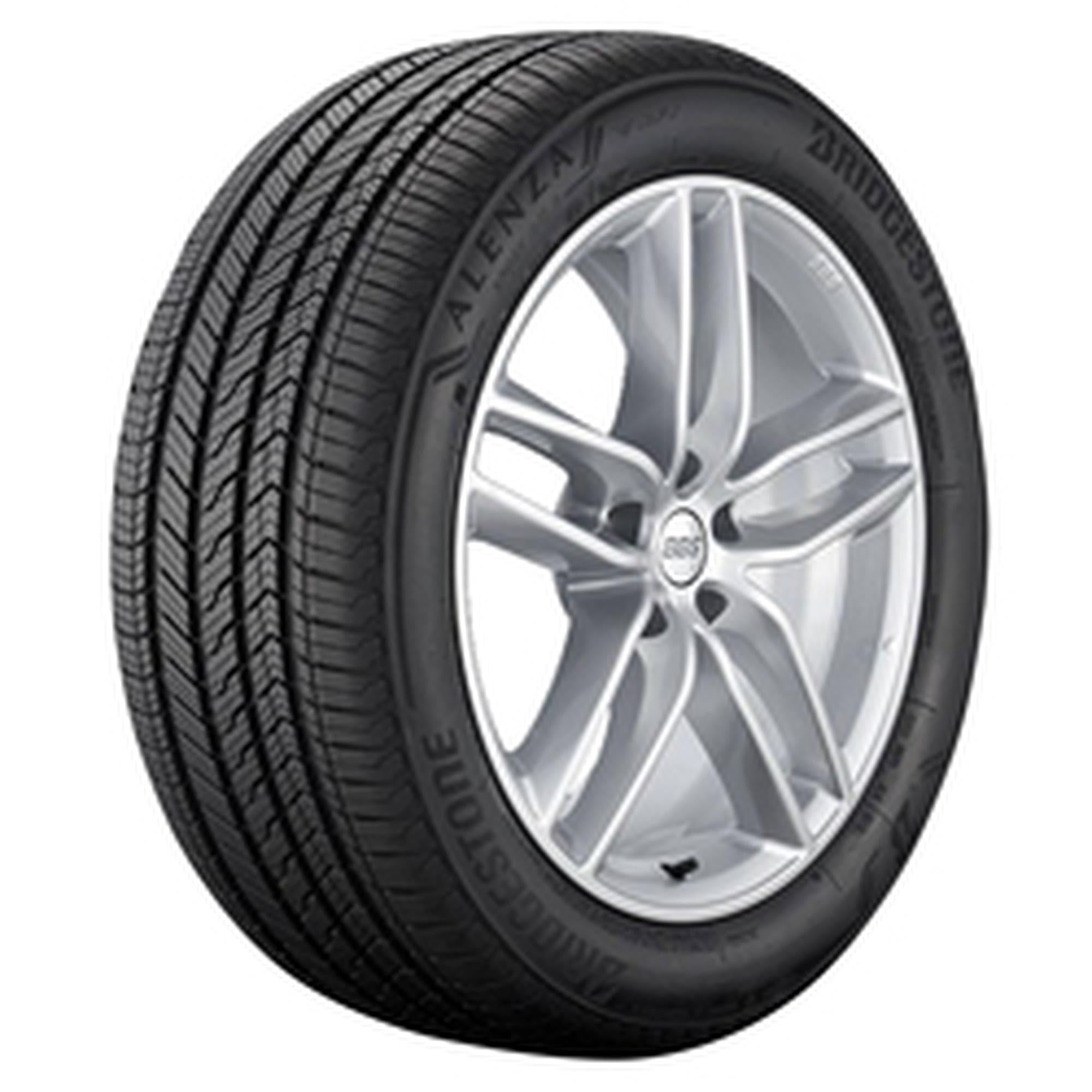
Bridgestone Alenza Sport A/S
Pros
- OEM fitment on BMW X7 — selected by BMW’s tire engineers after validation testing against the X7’s suspension geometry, load distribution, and TPMS calibration
- Multiple BimmerPost G07 owners confirm 40,000–50,000 miles with usable tread remaining — the longest real-world tread life report of any tire on this list
- Available in both standard and run-flat (RFT) construction, covering owners who want to maintain no-spare capability and those who want to switch to standard
Cons
- Light snow traction is average — below-freezing grip degrades noticeably, and Reddit threads from northern-climate X7 owners specifically flag this limitation
- Steering feedback and cornering sharpness are below the Pilot Sport AS4 and Pirelli P Zero — engineered for comfort and durability over sport handling
Michelin CrossClimate 2
Pros
- 3PMSF certified — passes the standardized severe snow traction test that the Bridgestone Alenza and Goodyear Eagle Touring both fail to meet
- Thermal adaptive compound stays pliable from well below freezing through summer pavement temperatures — no compound hardening that limits cold-weather grip
- r/bmwx7 community members in snowy climates describe it with language like “best tire I’ve ever owned” — rare consensus for a tire forum discussion
Cons
- Steering response is softer than the Pilot Sport AS4 in dry summer conditions — the expected performance trade-off for a tire engineered to work across extreme temperature ranges
- Road noise at sustained highway speeds is marginally higher than the CrossContact RX with ContiSilent — a real difference for X7 owners who prioritize cabin refinement
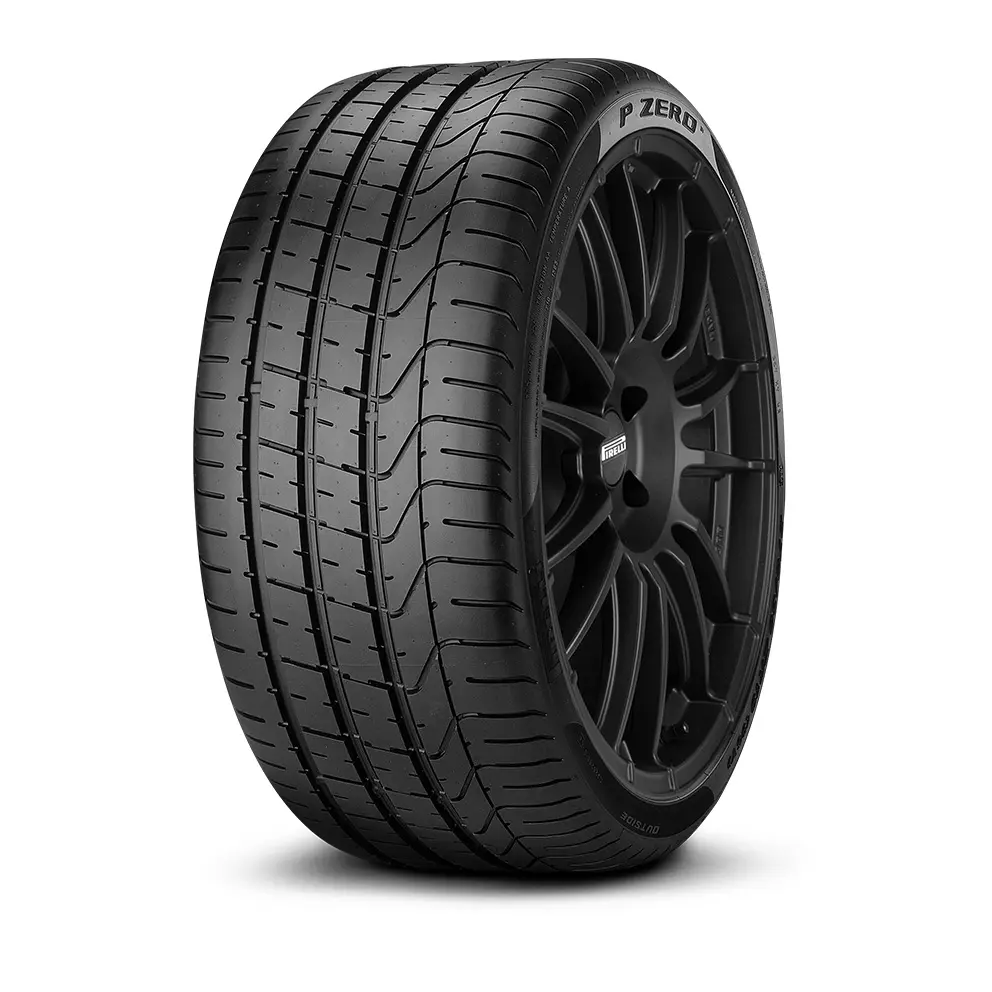
Pirelli P Zero All Season Plus
Pros
- Sharpest steering response and most precise cornering feedback of any tire on this list — M Sport X7 drivers report noticeably improved turn-in versus OEM Bridgestone Alenza
- Asymmetric UHP tread handles M Sport and M60i lateral forces at higher cornering speeds without the tire squirm that softer compound tires exhibit under load
- Available in Elect variant with optimized load rating for the heavier battery configurations of electrified X7 variants
Cons
- Tread life of 30,000–40,000 miles is significantly shorter than the Bridgestone Alenza — on a staggered 22-inch setup where fronts and rears are replaced separately, this compounds into higher annual tire costs
- Ride is noticeably firmer than the CrossContact RX or Bridgestone Alenza — a real comfort trade-off that X7 owners used to the factory suspension tuning will feel on rough urban pavement
Goodyear Eagle Touring
Pros
- Noticeably lower per-tire price than any other option on this list — on a square 20-inch X7 setup, the total four-tire cost savings versus Michelin can exceed $400
- Quiet on smooth pavement — grand touring compound tread pitch sequencing reduces airborne cabin noise in a way comparable to ContiSilent at lower speed ranges
- Included Goodyear replacement warranty covers premature wear, a protection absent from most performance tire lines
Cons
- Not available in all X7 22-inch staggered sizes — M Sport and M60i owners may find this tire simply doesn’t exist in their rear 315-series configuration
- Cornering grip at the limit is the weakest of any tire in this comparison — on a 5,500-lb SUV in emergency lane changes, the gap versus premium alternatives is measurable
???? Can’t Decide?
Our Top 2 Picks — Head to Head
Both are strong choices for the X7. One question decides it: is comfort or performance your priority?
- 3PMSF certified for light-to-moderate snow — all-season capability with verified severe snow traction standard
- Heliumbib SUV compound with reinforced shoulders maintains grip and even wear under the X7’s 5,500-lb curb weight
- Most consistently recommended tire in X7 owner communities for the broadest balance of wet grip, dry handling, and light snow capability
- ContiSilent foam liner reduces cavity resonance — the measurable noise difference versus Pilot Sport AS4 is noticeable on extended motorway drives
- ContiSeal self-sealing layer handles punctures up to 5mm automatically — real-world puncture prevention reported by multiple X7 owners
- Deep water evacuation channels provide strong hydroplaning resistance under the X7’s heavy wheel loading in heavy rain
How to Choose the Right Tire for Your BMW X7
Six factors specific to the X7’s full-size luxury SUV platform — staggered fitments, run-flat decisions, and weight-specific demands included.
Know Your Exact Size — Five Configurations Exist
The X7 uses at least five distinct tire sizes: base xDrive40i runs 275/50R20; M Sport runs 285/45R21 or a staggered 275/40R22 front / 315/35R22 rear; M60i runs a staggered 275/35R22 front / 315/30R22 rear. Always verify from the door jamb placard — ordering the wrong size on a staggered setup creates fitment failures and TPMS calibration errors that require dealer correction.
Staggered Fitments Have Real Cost Implications
M Sport and M60i X7s run different front and rear widths — these tires cannot be rotated axle-to-axle. Rear tires on a rear-loaded X7 wear faster with no remedy. This means you may replace rear tires twice for every front tire replacement. Calculate total annual tire cost across the staggered set before comparing prices, not just the per-tire price of any single position.
Run-Flat vs. Standard — Understand the Trade-Off
Factory X7 run-flat tires (RFT) allow driving 50 miles at reduced speed after a puncture with no spare. They ride stiffer, wear faster, and cost more per tire. Switching to standard tires improves ride quality significantly — but requires a TPMS recalibration at a BMW dealer or specialist shop, and you should carry a portable inflator for roadside emergencies since the X7 carries no spare.
3PMSF vs. Standard All-Season for a 5,500-lb SUV
The X7’s curb weight amplifies the consequences of inadequate cold-weather traction. A standard all-season tire (M+S rated only) on a 5,500-lb SUV in snow creates longer stopping distances than on a lighter car. The 3PMSF symbol — carried by the Michelin CrossClimate 2 and Pilot Sport AS4 — confirms the tire passed an independent severe snow traction test, not a manufacturer self-certification.
BMW Star-Marked Tires: What the * Means
Some Bridgestone and Michelin tires carry a BMW star (*) marking — confirming they passed BMW’s vehicle-specific validation testing for suspension geometry, load distribution, and noise characteristics. The Bridgestone Alenza Sport A/S carries this marking for X7 fitments. Star-marked tires are specifically tuned for BMW platforms and are worth prioritizing when your size is available in the star variant versus the generic non-BMW version.
Alignment and TPMS After Every Tire Change
The X7’s size and weight make it particularly sensitive to alignment drift — minor front or rear toe errors create accelerated inner-edge wear that appears within the first 5,000 miles on a 5,500-lb vehicle. Budget for a four-wheel alignment check ($80–$120) at every tire change. If switching from run-flat to standard tires, TPMS sensor thresholds need adjustment — a BMW dealer or independent BMW specialist handles this in under an hour.
✅ Pro Tips
Quick Buying Checklist for BMW X7 Owners
Confirm front and rear sizes separately on staggered trims — a wrong rear size on the M60i’s 315/30R22 fitment cannot be corrected at home and requires dealer intervention.
If switching to standard tires, buy a quality portable inflator before your first drive — the X7 carries no spare, and the ContiSeal or Pilot Sport AS4 won’t save you from a sidewall failure.
On staggered setups, calculate total annual replacement cost — not per-tire price. Rear tires wear 40–60% faster with no rotation possible, making tread life the most important cost variable.
Request a TPMS calibration check whenever switching between run-flat and standard tires — uncalibrated TPMS sensors on standard tires trigger false low-pressure warnings that persist until dealer correction.
Related Guides
Other BMW X-Series SUVs
Frequently Asked Questions
What are the best tires for BMW X7 in snow?
The Michelin CrossClimate 2 is the top choice for X7 drivers facing genuine winter conditions — it’s the only tire in this comparison carrying 3PMSF certification alongside the Pilot Sport AS4. For very heavy snow regions, dedicated winter tires on a separate wheel set remain the safest option. The Bridgestone Alenza and Goodyear Eagle Touring both lack 3PMSF certification and are not suitable for consistent winter driving.
Which BMW X7 tire size do I need?
Your size depends on your trim. Base xDrive40i uses 275/50R20. M Sport trims run 285/45R21 or a staggered 275/40R22 front / 315/35R22 rear. M60i uses a staggered 275/35R22 front / 315/30R22 rear. Always verify against the door jamb placard on your specific vehicle before ordering — never order from memory or a general trim list.
How long do BMW X7 tires typically last?
Tread life depends heavily on the tire model and driving style. The Bridgestone Alenza Sport A/S regularly achieves 40,000–50,000 miles on X7 platforms based on BimmerPost owner reports. The Pirelli P Zero All Season Plus typically runs 30,000–40,000 miles. Staggered rear tires wear significantly faster than fronts since they cannot be rotated — plan for rear-only replacements between full sets.
Are run-flat tires worth keeping on a BMW X7?
For most X7 owners, switching to standard tires noticeably improves ride quality and reduces per-tire replacement cost. Run-flats make practical sense if you regularly drive remote routes where roadside assistance is far away. If you switch to standard tires, TPMS recalibration is required and you should carry a portable inflator — the X7 has no spare wheel provision.
Is it safe to mix all-season and summer tires on a BMW X7?
No — and this is more critical on the X7 than on lighter vehicles. Mixing tire types across axles on a 5,500-lb SUV creates unpredictable handling in emergency braking situations where the weight differential amplifies the grip mismatch. Always fit the same tire model on all four corners of the vehicle, or at minimum the same type on both wheels of any given axle.
Will aftermarket tires void my BMW X7 warranty?
In most markets, a tire change does not void a BMW vehicle warranty. However, if an incorrect tire choice directly causes mechanical damage — such as an oversized tire rubbing and damaging suspension components — BMW could decline that specific repair claim. Always stick to factory-specified dimensions, load ratings, and speed ratings to remain fully covered under warranty terms.
Why do premium tires justify higher prices on the BMW X7 specifically?
The X7’s 5,500-lb curb weight creates longer stopping distances than lighter vehicles at every speed — and budget tire compounds amplify this gap versus premium alternatives in wet emergency braking. The X7 also uses staggered fitments on performance trims where rear wear is unavoidable, making tread life and per-mile cost the most important long-term financial variable rather than per-tire sticker price.
???? Final Verdict
Our Top Tire Recommendations for 2026
The Michelin Pilot Sport All Season 4 earns the top position for the BMW X7 because it delivers the broadest performance balance across wet grip, dry handling, and 3PMSF snow traction — without sacrificing the steering response that makes a 5,500-lb luxury SUV feel more composed than its weight suggests. X7 owners who spend long hours on motorways and want cabin refinement above all else should choose the Continental CrossContact RX for its ContiSilent foam liner and ContiSeal puncture protection. Owners who want BMW-validated longevity and the lowest cost-per-mile on the platform should consider the Bridgestone Alenza Sport A/S — the tire BMW chose for the X7 themselves, with owner reports regularly exceeding 40,000 miles.