After evaluating five tires across Tire Rack survey data, Auto Express UHP group tests, Reddit owner feedback from r/BMW and r/BMWX3, and cross-checking real fitment compatibility across the X4’s multiple trim configurations, a clear ranking emerged for this platform. The X4 is a fundamentally different proposition from a standard SUV — its lower ride height, stiffer suspension, and performance-tuned steering geometry mean tire choice visibly affects how the car behaves in ways that crossover drivers often don’t notice. Owners who switched from worn-out OEM Pirelli P7s to an aftermarket tire without considering compound type or size compatibility have reported everything from vibration at highway speeds to complete handling character changes.
What makes this list different from generic BMW crossover tire roundups is the focus on X4-specific use cases. The X4 buyer profile splits sharply: there are xDrive30i owners who want a quiet, comfortable all-season that preserves the coupe aesthetic without demanding a seasonal swap, and there are M40i and X4 M owners who use Sport Plus mode and want a tire that keeps up. Both groups are served here, with specific guidance on which tires suit staggered fitments and which require dedicated winter tyres as a seasonal companion.
The Michelin Pilot Sport All Season 4 is the strongest all-around choice for BMW X4 owners who want year-round capability with near-performance handling feel — it’s the tire BMW forum drivers consistently land on after trying alternatives. Drivers who prioritize peak dry-road precision and accept a seasonal limitation should go straight to the Pirelli P Zero PZ4 in an OEM-tuned BMW-spec fitment. Budget-conscious owners who commute daily and want the quietest cabin in this comparison get the best value from the Bridgestone Turanza QuietTrack.
Our Top 5 BMW X4 Tire Rankings
- Michelin Pilot Sport All Season 4— Best Overall / Year-Round Performance
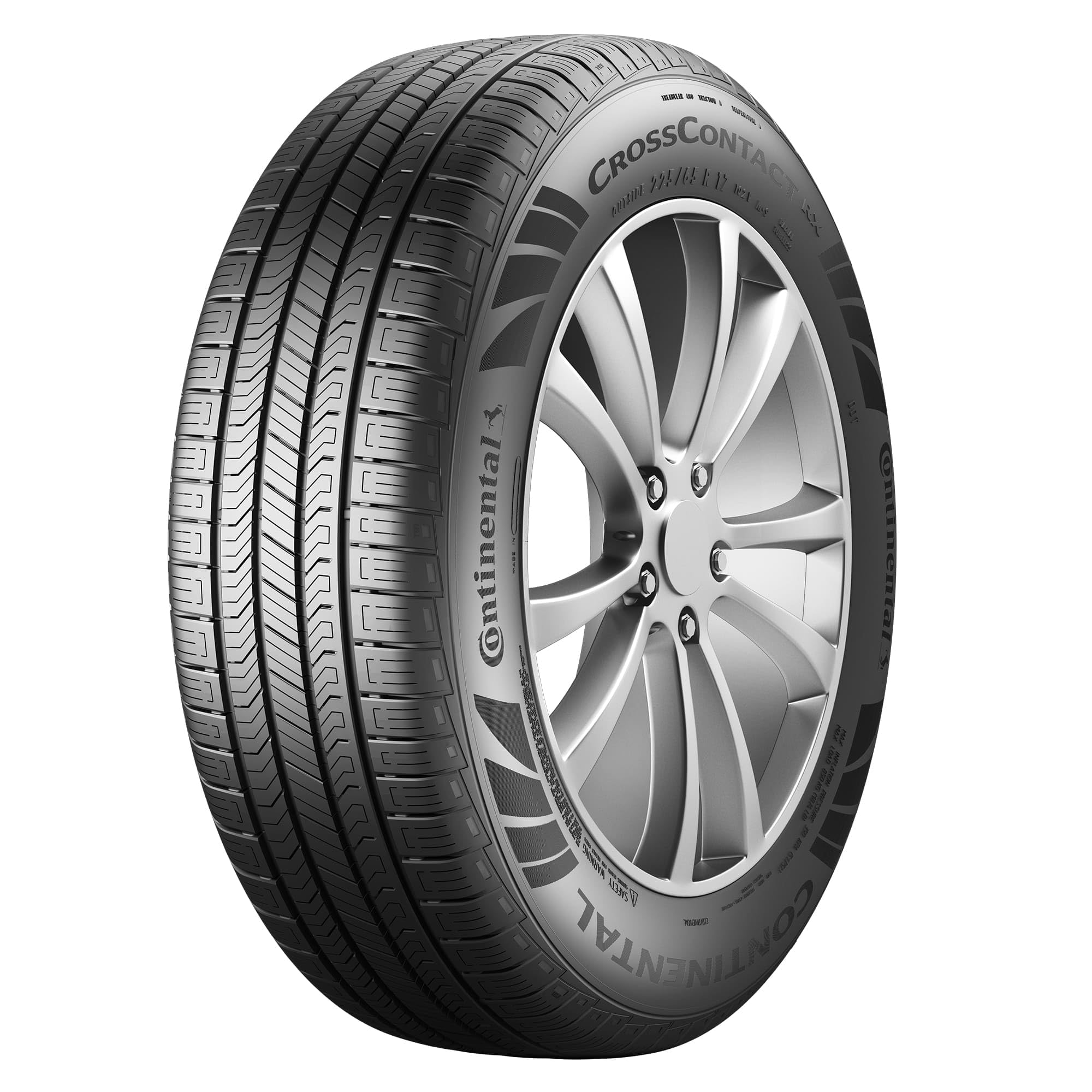
- Continental CrossContact RX— Best for Durability & Puncture Protection
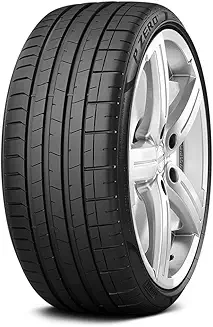
- Pirelli P Zero PZ4— Best Premium / Dry Performance
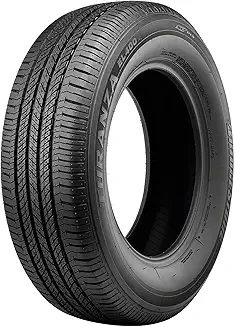
- Bridgestone Turanza QuietTrack— Best Budget / Quiet Daily Driver
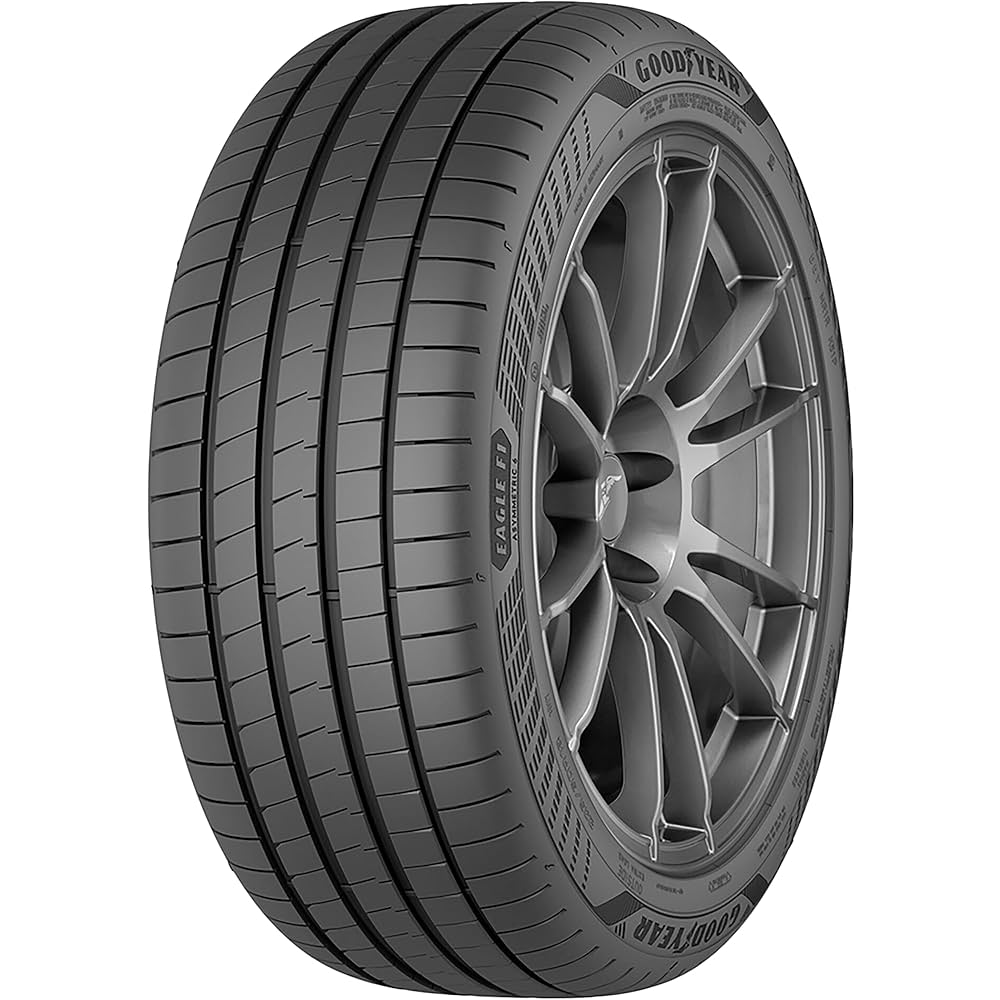
- Goodyear Eagle F1 Asymmetric 6— Best Wet Grip / UHP Performance
Best Tires for BMW X4 — Compared
All five tires ranked across season type, key technology, and overall score.
| # | Tire Name | Season | Key Spec | Best For | Score | |
|---|---|---|---|---|---|---|
| 1 | Michelin Pilot Sport All Season 4 Editor’s Choice | All-Season | 3PMSF + Helio+ compound | Year-round performance | 4.8 | See Latest Price |
| 2 | Continental CrossContact RX Top Pick | All-Season | ContiSeal + ContiSilent | Durability & commuting | 4.7 | See Latest Price |
| 3 | Pirelli P Zero PZ4 | Summer | BMW OEM-tuned fitment | M40i / X4 M performance | 4.5 | See Latest Price |
| 4 | Bridgestone Turanza QuietTrack Budget Pick | All-Season | QuietTrack noise dampening | Quiet budget daily driver | 4.6 | See Latest Price |
| 5 | Goodyear Eagle F1 Asymmetric 6 | Summer | ActiveBraking technology | Wet grip UHP value | 4.7 | See Latest Price |
Detailed Reviews
Full breakdown of each tire — fitment notes, ratings, pros, cons, and expert verdict.
Michelin Pilot Sport All Season 4
Pros
- Helio+ compound technology maintains grip from summer heat down to near-freezing — the Three-Peak Mountain Snowflake certification is validated by a standardized severe snow traction test, not self-certification, providing a documented baseline for winter safety
- Available in staggered X4 fitments including 245/45R19 front and 275/40R19 rear, meaning M40i owners with staggered setups can run this tire without size compromises or wheel offset concerns
- BMW forum drivers consistently note sharper turn-in versus the OEM Pirelli P7 all-season — a measurable steering feel improvement that matches the X4’s sport-coupe character rather than dulling it
Cons
- Not a replacement for dedicated winter tires in sustained heavy snowfall regions — the compound is 3PMSF certified for severe snow but lacks the dedicated sipe density and rubber flexibility of a purpose-built winter tire below -10°C
- Premium pricing runs 30–40% above the Bridgestone QuietTrack — the cost is justified for performance-oriented drivers but is harder to defend for purely comfort-focused daily commuters who won’t push the X4’s handling
Continental CrossContact RX
Pros
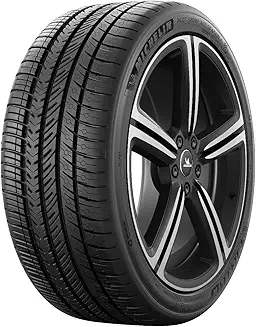
- ContiSeal technology seals up to 80% of nail or screw punctures automatically while the tire continues to roll — a specific safety advantage for X4 owners who switched from run-flat to standard tires and want puncture protection without returning to the stiffer run-flat ride
- ContiSilent foam liner acoustically dampens road resonance at the tread-to-cabin interface — the result is measurably lower interior noise at motorway speeds compared to tires without acoustic technology, which suits the X4’s well-insulated cabin environment
- OEM-grade quality confirmed by supply to several BMW crossover models from the factory — Continental engineered this tire specifically for the 90/10 on-road/off-road split that defines most X4 ownership patterns
Cons
- Lateral grip in performance cornering falls short of the Pilot Sport AS4 and Pirelli P Zero — drivers who regularly engage Sport Plus mode or enjoy canyon road driving will notice the CrossContact RX’s touring-biased compound reaches its limit sooner under sustained cornering loads
- Heavy snowfall capability is limited — the tire handles light winter conditions competently but isn’t 3PMSF certified, making it a poor choice for X4 owners in alpine regions or northern states with regular heavy snowfall
Pirelli P Zero PZ4
Pros
- BMW OEM-tuned variants developed specifically against X4 M and M40i suspension parameters — the handling balance these tires deliver is the one BMW’s engineers validated, meaning they won’t introduce the unpredictable behavior that off-spec aftermarket tires occasionally show on a performance-tuned chassis
- Asymmetric tread with large outer shoulder blocks maintains lateral grip at cornering loads that exceed what the X4’s AWD system can access on standard roads — relevant for owners who track the car or drive on closed-road events
- High-speed stability is class-leading in this comparison — the P Zero’s F1-derived construction handles sustained 100+ mph motorway speeds without the stability degradation that some all-season compounds show at their upper performance range
Cons
- Aquaplaning resistance in standing water at high speed is rated below average in independent testing — the tread drainage channels are optimized for cornering rather than straight-line water evacuation, creating a vulnerability on flooded motorways that wet-weather drivers should factor into their choice
- Tread life is the shortest in this comparison for high-mileage drivers — owners reporting 20,000–28,000 miles per set on the X4 M’s rear axle under spirited driving find the cost-per-mile significantly worse than the Continental or Michelin alternatives
Bridgestone Turanza QuietTrack
Pros
- QuietTrack tread noise dampening is an active engineering feature rather than passive compound softness — Bridgestone reports a 44% improvement in snow traction and 20% gain in wet traction over the predecessor Turanza Serenity Plus, addressing the common critique that quiet tires sacrifice wet-weather performance
- HydroTrack technology uses four wide circumferential grooves to evacuate water at highway speeds, delivering confident wet braking that competes with more expensive all-season options — this matters specifically for X4 owners in the UK, Pacific Northwest, or similar high-rainfall regions
- Priced 30–40% below the Michelin Pilot Sport AS4 in comparable sizes — the cost savings across a full set of four tires represent a meaningful difference for X4 owners who replace tires every 50,000 miles and want reliable daily performance without premium pricing
Cons
- Not available in all X4 M40i staggered fitments — drivers with the factory 19-inch staggered setup (245/45R19 front, 275/40R19 rear) may find the rear size unavailable in the QuietTrack, effectively limiting this tire to base xDrive30i and xDrive20i trims on equal-sized 18 and 19-inch setups
- Heavy snow and ice capability falls short of 3PMSF-rated alternatives — the QuietTrack is adequate for light winter conditions but not certified for severe snow traction, making it unsuitable as a single-set solution in alpine or northern climates
Goodyear Eagle F1 Asymmetric 6
Pros
- ActiveBraking technology increases the contact patch under braking load rather than allowing it to decrease — the result is shorter wet stopping distances than most UHP competitors in independent instrumented testing, which translates directly to safety margins on a heavy, fast SUV in emergency braking
- Asymmetric tread with large outer shoulder blocks delivers confident, progressive behavior as the X4 approaches the grip limit — drivers describe predictable warning before breakaway rather than the abrupt loss of grip that some rival UHP tires exhibit in threshold cornering
- Priced below both Michelin Pilot Sport 4S and Pirelli P Zero PZ4 in comparable summer UHP sizes — the performance-per-pound value is genuinely strong, delivering near-equivalent dry and superior wet performance to the Pirelli for significantly less cost per set
Cons
- Road noise on coarse asphalt surfaces is above average for a summer UHP tire — the softer sidewall construction that improves wet compliance also allows more tread pattern noise transmission through the sidewall at 60–70 mph on rough motorway surfaces
- Summer-only compound hardened below 7°C — the same limitation as the Pirelli P Zero, requiring a dedicated winter set for X4 owners in cold climates, and creating a safety risk if used in freezing temperatures where the compound loses grip rapidly
???? Can’t Decide?
Our Top 2 Picks — Head to Head
Both earn strong marks for the X4. The season question and commute profile separate them cleanly.
- 3PMSF severe snow certification — the only tire here that’s validated for year-round use including snow
- Helio+ compound maintains grip from near-freezing to summer heat without a seasonal swap requirement
- BMW forum owners consistently rate steering feel improvement over OEM Pirelli P7 as immediately noticeable
- ContiSeal seals up to 80% of punctures automatically — no other tire in this comparison offers this
- ContiSilent foam liner delivers the lowest cabin noise at motorway speeds in this comparison
- OEM-supplied to BMW crossovers from the factory, confirming platform-specific validation
How to Choose the Right Tires for the BMW X4
Six factors specific to the X4’s sports coupe character, staggered fitments, and trim configurations.
Staggered vs. Square Fitment
Base xDrive20i and xDrive30i trims often use equal square sizing front and rear, while M40i and X4 M use staggered configurations (e.g., 245/45R19 front, 275/40R19 rear). Staggered setups cannot be rotated front-to-rear, meaning rear tires wear faster under rear-biased power delivery. Always verify both front and rear specs separately before ordering.
Summer vs. All-Season — The 7°C Rule
Summer performance compounds harden below 7°C (45°F), losing grip to below all-season levels in cold conditions. For a car with the X4’s weight and cornering capability, this is a genuine safety hazard in autumn and spring, not just winter. Drivers in regions with sustained cold weather need either 3PMSF all-season tires or a dedicated winter set.
Run-Flat vs. Standard Tires
Many BMW X4 models leave the factory on run-flat tires. Switching to standard tires dramatically improves ride compliance on the X4’s firm suspension but eliminates post-puncture mobility — you’ll need a portable inflator kit and active breakdown cover. Most X4 owners who make the switch rate the comfort improvement as worthwhile, but the safety trade-off must be planned for.
BMW Star Marking (*) Matters on This Platform
Pirelli and Continental produce BMW-specific variants with a * marking confirming tuning to BMW’s suspension geometry and NVH targets. Non-star versions of the same tire model haven’t been calibrated to the X4’s specific spring and damper rates. The handling balance difference is noticeable on the M40i and X4 M, less so on base trims.
TPMS Reprogramming After Every Swap
BMW X4 TPMS sensors require reprogramming every time tires are fitted — not just when sensors are physically replaced. A tire shop without the correct BMW diagnostic interface will leave your TPMS warning light active after the job. Always confirm the installer has BMW-compatible TPMS programming tools before booking, as the generic TPMS tools used for non-BMW vehicles don’t work on this platform.
Cost Per Mile on Staggered Rear-Heavy Setup
Summer UHP tires on the X4 M’s rear axle wear at roughly twice the rate of fronts under performance driving due to rear-biased torque delivery. A premium tire that lasts 22,000 miles on the rear costs more per mile than an all-season touring tire lasting 45,000+ miles. Calculate cost-per-mile across the full rear replacement cycle, not just the sticker price per tyre.
✅ Pro Tips
Quick Buying Checklist for BMW X4 Tire Replacement
Verify both front and rear sizes separately from the door jamb sticker before ordering — M40i and X4 M trims use different widths for each axle and fitting identical sizes front and rear on a staggered setup causes uneven wear and handling imbalance that the xDrive system cannot fully compensate for.
When ordering Pirelli or Continental tires for the X4, specifically search for the BMW star (*) variant — these are tuned to BMW’s suspension geometry and NVH targets. The non-star version of the same model may feel different, particularly on M40i and X4 M trims where the handling balance is more sensitive to tire calibration.
Always confirm your tyre installer has BMW-compatible TPMS programming tools before booking. Standard generic TPMS reset tools don’t work on BMW X4 sensors — without the correct interface, the TPMS warning light stays on after the tyre change, which many owners then spend additional time and money resolving at a dealer.
If switching from run-flat to standard tyres, carry a portable tyre inflator rated for your tyre size and ensure your roadside assistance plan covers non-run-flat flat tyres. BMW X4 models don’t include a spare — without run-flat capability, a deflated tyre on a country road requires a recovery vehicle if you don’t have inflation equipment.
Related Guides
Other BMW X-Series Models
Frequently Asked Questions
What are the best tires for a BMW X4 for daily driving?
The Michelin Pilot Sport All Season 4 handles daily commutes, motorway driving, and wet roads without requiring a seasonal swap. The Continental CrossContact RX is equally strong if puncture protection and cabin refinement matter more than outright handling feel — its ContiSeal technology and acoustic foam liner make it the quietest, safest daily commuter in this comparison.
Which tire size fits a BMW X4 M40i?
The M40i typically uses a staggered fitment of 245/45R19 front and 275/40R19 rear on 19-inch wheels, or 245/40R20 front and 275/35R20 rear on 20-inch setups. Always confirm against the door jamb sticker on your specific build — some model years and regions use different configurations. Front and rear sizes must be ordered separately.
How long do tires typically last on a BMW X4?
All-season touring tires like the Continental CrossContact RX and Bridgestone QuietTrack typically last 50,000 to 60,000 miles under normal driving. Summer UHP tires like the Pirelli P Zero PZ4 and Goodyear Eagle F1 wear faster — many X4 M owners report 20,000 to 28,000 miles on the rear axle under spirited driving due to rear-biased torque delivery on staggered setups.
Are aftermarket tires safe for a BMW X4?
Yes, provided they match or exceed the OEM load index, speed rating, and size. Tires with a BMW star marking were specifically tested against X4 suspension and NVH specifications. Non-star versions are safe and roadworthy but weren’t calibrated to this platform. Never fit a tire with a lower load index than the factory specification — the X4’s weight requires maintaining the correct load rating.
Can I replace run-flat tires with standard tires on the BMW X4?
Yes, and most X4 owners who make the switch report significant ride comfort improvement. Standard tires require a portable inflation kit and active breakdown cover since the X4 has no spare wheel. Ensure your installer reprograms the TPMS sensors after fitting — BMW-compatible diagnostic tools are required for this step, and skipping it leaves the warning light permanently active.
Do summer performance tires work on the BMW X4 in winter?
No. Summer compounds like the Pirelli P Zero PZ4 and Goodyear Eagle F1 harden below 7°C and lose grip rapidly on cold, frost-affected, or icy roads. On a vehicle with the X4’s weight and performance capability, this creates a real stopping-distance safety hazard. Fit a dedicated winter tyre set between October and March in cold-climate regions.
Is it worth paying more for Michelin or Pirelli over budget alternatives for the BMW X4?
For the X4’s performance-oriented platform, premium tires deliver measurably shorter braking distances, more predictable limit behavior, and better wet grip that the chassis can actually exploit. The cost difference over 40,000 miles is relatively small per mile. Budget tires may underperform specifically in the emergency braking and wet cornering scenarios where the performance gap becomes most visible on a fast, heavy SUV.
???? Final Verdict
Our Top BMW X4 Tire Recommendations for 2026
For X4 owners who want one tire that handles year-round conditions without compromise, the Michelin Pilot Sport All Season 4 is the clearest recommendation — its 3PMSF certification and Helio+ compound preserve the car’s sporting character in every season, and forum owner feedback consistently places it above the OEM Pirelli P7 on steering feel. High-mileage commuters who switched to standard tires and prioritize puncture protection over outright handling will find the Continental CrossContact RX the most practical long-term investment. Drivers in wet climates who use the X4 seasonally as a performance car get the best wet-weather value from the Goodyear Eagle F1 Asymmetric 6, which outscores the Pirelli P Zero in independent wet braking tests at a lower per-set cost.