After evaluating six of the most widely purchased replacement tires across BimmerPost forums, Tire Rack verified buyer data, Amazon review patterns, and Reddit automotive communities — assessed against every BMW X1 generation from the E84 through the current U11 — the most consistent pattern isn’t about tire brands at all: it’s about run-flats. The single most common reason BMW X1 owners replace tires before 30,000 miles is that OEM run-flats ride harder, wear faster, and generate more cabin noise than the platform deserves. Most are replacing them on principle, not necessity.
What separates this comparison from a generic compact SUV tire roundup is the BMW-specific detail it doesn’t skip. The X1 spans four distinct tire sizes across trim levels — from the 225/55 R17 on the base E84-generation sDrive to the 245/40 R20 on the current M35i — and the right tire for a base commuter in the southeast is completely wrong for an M35i driver who sees mountain passes in February. This list accounts for those differences: generation, trim, climate, and whether you’re retaining run-flat capability or switching to conventional construction.
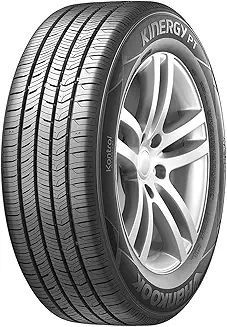
The Michelin CrossClimate 2 is the most versatile choice for the widest range of BMW X1 owners — 3PMSF snow certification, BMW OE approval on select sizes, and the longest verified tread life in its category make it the right call for four-season drivers who want one set of tires year-round. X1 owners who must retain run-flat capability should look at the Pirelli Cinturato P7 All Season Run-Flat, which delivers the closest match to BMW’s OEM ride and noise targets. Drivers in predominantly dry climates on a tighter budget will get surprising value from the Hankook Kinergy PT H737, which outperforms its price tier on quietness and tread longevity.
Our Top 6 BMW X1 Tire Rankings
-
Michelin CrossClimate 2 — Best Overall
-
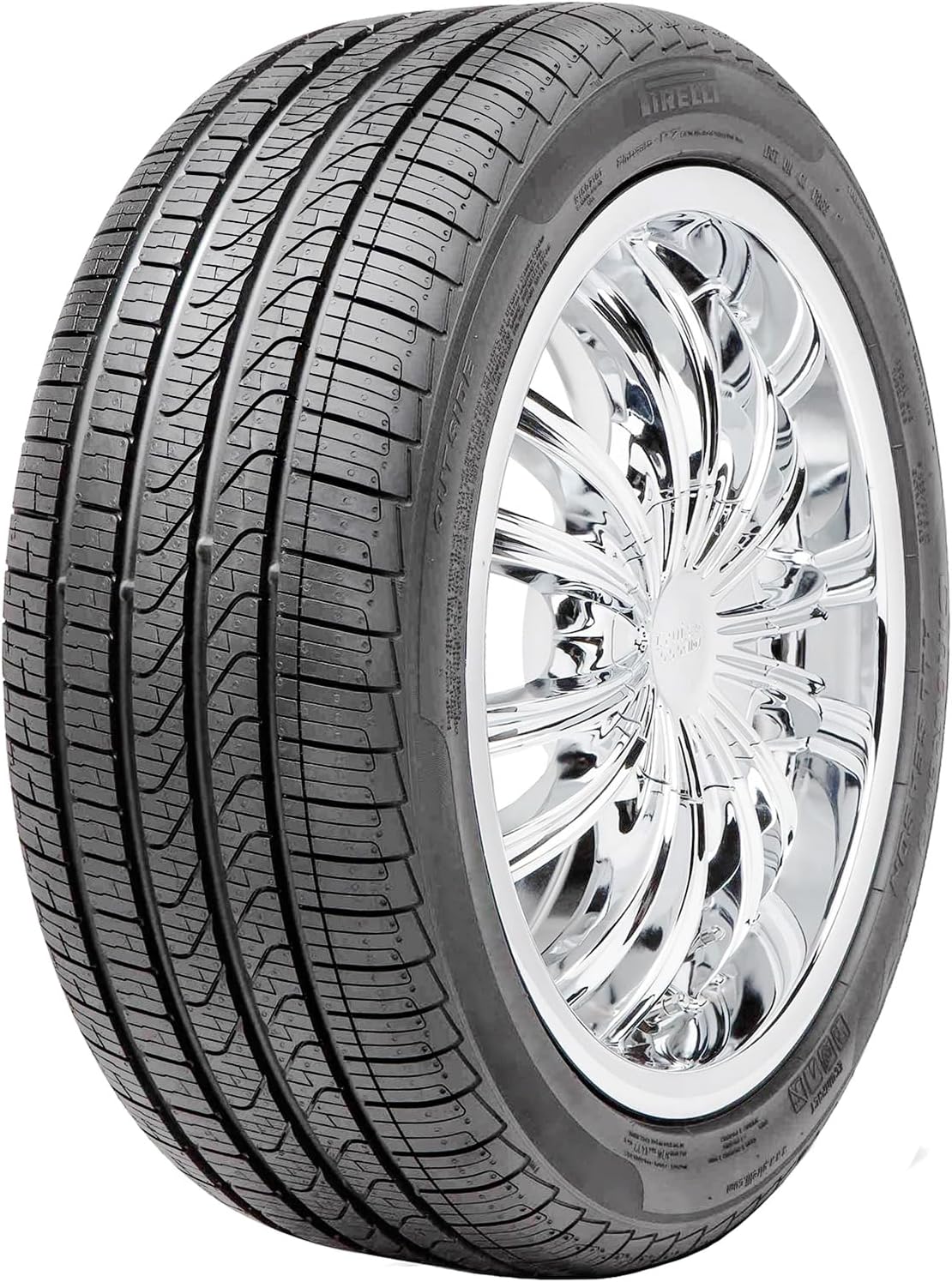
Pirelli Cinturato P7 All Season Run-Flat — Best Premium / Run-Flat
-
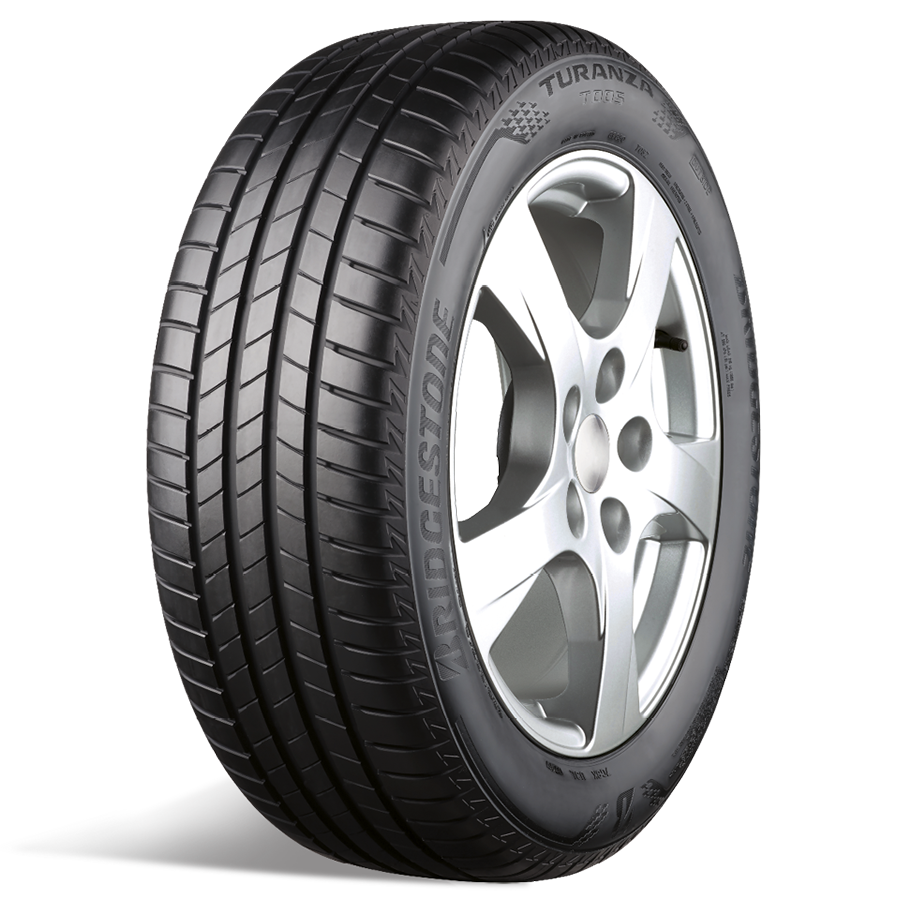
Bridgestone Turanza T005 — Best Durability / Wet Performance
-
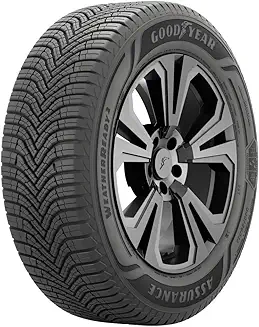
Goodyear Assurance WeatherReady 2 — Best All-Weather Value
-
Continental PureContact LS — Best Comfort / Low Noise
-
Hankook Kinergy PT H737 — Best Budget Pick
Best BMW X1 Tires — Compared
All six reviewed across type, 3PMSF status, run-flat availability, and overall score.
| # | Tire | Type | 3PMSF | Run-Flat | Score | |
|---|---|---|---|---|---|---|
| 1 | Michelin CrossClimate 2 Editor’s Choice | All-Weather | ✓ Yes | No | 4.8 | See Latest Price |
| 2 | Pirelli Cinturato P7 All Season Run-Flat Top Pick | Grand Touring A/S | ✗ No | ✓ Yes | 4.6 | See Latest Price |
| 3 | Bridgestone Turanza T005 | Grand Touring A/S | ✗ No | Optional | 4.6 | See Latest Price |
| 4 | Goodyear Assurance WeatherReady 2 | All-Weather | ✓ Yes | No | 4.5 | See Latest Price |
| 5 | Continental PureContact LS | Grand Touring A/S | ✗ No | No | 4.5 | See Latest Price |
| 6 | Hankook Kinergy PT H737 Budget Pick | Grand Touring A/S | ✗ No | No | 4.4 | See Latest Price |
Detailed Reviews
Full breakdown of each tire — ratings, pros, cons, and our expert verdict.
Michelin CrossClimate 2
Pros
- 3PMSF severe snow certification — the only tire in this comparison besides the Goodyear WeatherReady 2 that passed standardized snow traction testing, which specifically matters for X1 drivers who cross mountain highway chain-control zones in winter
- UTQG treadwear rating of 640 significantly exceeds most competing all-weather tires — BMW SUV drivers report minimal wear at 18,000+ miles, making the per-mile cost lower than cheaper tires that wear faster
- BMW OE-approval on select 225/55 R18 sizes confirms Michelin engineered this compound against X1 suspension geometry — BimmerPost forum owners note noticeably quieter cabin noise versus stock Bridgestone run-flats immediately after switching
Cons
- Higher rolling resistance than standard all-season compounds results in a modest fuel economy decrease — verified Michelin reviews flag this as the primary trade-off for four-season capability in a single tire
- No run-flat construction — switching from OEM run-flats requires purchasing and storing a tire inflation kit in the boot, since the BMW X1 does not include a spare wheel
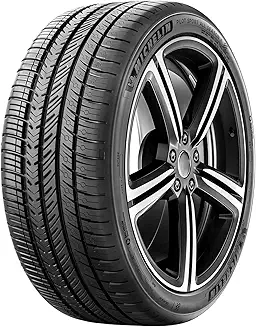
Pirelli Cinturato P7 All Season Run-Flat
Pros
- Pirelli Noise Cancelling System (PNCS) foam insert reduces resonance frequencies that run-flat reinforced sidewalls typically amplify — Tire Rack BMW X1 owners describe a noticeably quieter motorway experience versus the OEM Goodyear run-flat they replaced
- BMW OEM homologation ensures compound stiffness and contact patch geometry were validated against X1 suspension geometry — no TPMS compatibility uncertainty, no handling recalibration period after installation
- Available in 225/55 R17, 225/50 R18, and 225/45 R19 covering every non-M35i X1 trim — one of the few premium run-flats with this breadth of X1-specific sizing
Cons
- Ride firmness is measurably higher than any conventional tire in this comparison — BimmerPost forum members switching from run-flat to conventional specifically cite this as the reason, and the trade-off is real regardless of PNCS noise reduction
- Some city-road owners report faster-than-expected wear — the stiff run-flat compound resists deformation well at highway speed but generates more heat and friction stress in stop-start urban driving patterns
Bridgestone Turanza T005
Pros
- B-Silent technology reduces road noise at all speeds — Blackcircles and f48.bimmerpost forum owners rate it among the quieter touring replacements for OEM X1 run-flats, particularly on smooth motorway surfaces where noise was the primary OEM complaint
- Multiple BMW OEM approvals across the X1 size range in standard and run-flat variants — available in both construction types, allowing X1 owners to choose their ride quality preference without switching brands
- High-speed stability compound rated to Y-rated 300 km/h+ variants provides a meaningful safety margin beyond what the X1’s xDrive system will ever demand in normal driving
Cons
- Below-average snow and ice traction — no 3PMSF certification, and forum owners in snow-prone regions report limited confidence below freezing; this is a warm and wet climate tire, not a four-season choice
- Run-flat version carries the same ride firmness penalty as all reinforced sidewall tires — owners who switch to the standard construction version report noticeably improved ride quality on poorly surfaced urban roads
Goodyear Assurance WeatherReady 2
Pros
- 3PMSF severe snow certification satisfies chain-control zone legal requirements — one of only two tires in this comparison with this certification, and available at a per-tire price $30–$50 below the Michelin CrossClimate 2 in common X1 sizes
- Evolving traction grooves expand as tread wears, maintaining grip longer into the tire’s life — Tire Rack verified buyers report consistently strong hydroplaning resistance even at 40%+ tread wear, unlike most all-season compounds that degrade linearly
- UTQG 700 treadwear rating on select sizes provides better cost-per-mile economics than OEM run-flats, which typically reach replacement at 25,000–35,000 miles due to stiffer compound wear patterns
Cons
- Moderate tread growl on coarser motorway surfaces — not as refined as the Continental PureContact LS or Pirelli Cinturato P7, which specifically target low-noise profiles for luxury compact SUV applications
- In moderate snow, the tire requires more active steering correction than dedicated winter compounds — adequate for daily winter driving but not a substitute for proper winter tires if the X1 regularly crosses severe alpine passes
Continental PureContact LS
Pros
- Continental’s OEM BMW supplier relationship means the PureContact LS compound calibration was developed with direct knowledge of how X1 suspension frequencies interact with tire acoustic behavior — drivers report it as the quietest grand touring replacement in this comparison
- 70,000-mile treadwear warranty on eligible sizes is the strongest coverage in this comparison by a significant margin — X1 owners who switch from run-flats at 28,000 miles and replace them with this tire can reasonably expect to reach 90,000+ vehicle miles before the next replacement
- +Silane compound improves wet traction while reducing rolling resistance simultaneously — an unusual combination that allows the PureContact LS to improve fuel economy over the CrossClimate 2 while maintaining competitive rain performance
Cons
- No 3PMSF certification — X1 owners who see winter snowfall even occasionally are not candidates for this tire, and installing it in a snow region and then needing chains on a mountain highway is both dangerous and legally problematic in chain-control jurisdictions
- Some drivers report modest tread growl on coarser motorway surfaces — the noise suppression excels on smooth pavement but is less effective on chip-and-seal or deteriorated highway surfaces common in certain regions
Hankook Kinergy PT H737
Pros
- UTQG 700 treadwear rating and multiple owner reports of 50,000+ miles under mixed driving confirm this tire costs less per mile than any other option in this comparison — meaningful for X1 owners who were burned by OEM run-flat replacement costs under 30,000 miles
- Cabin noise levels are described as “surprisingly quiet” in BobIsTheOilGuy forum reviews, which specifically tested it against higher-cost alternatives — relevant because the X1’s lightweight body panels amplify tire noise more than some competing luxury compact SUVs
- Made in the USA on eligible sizes — a spec point that matters to some BMW owners who want supply chain accountability alongside the budget pricing
Cons
- Dry cornering precision is noticeably reduced compared to premium options — X1 owners who enjoy the vehicle’s responsive steering character through curves and motorway on-ramps will feel the compound’s reduced lateral stiffness in fast changes of direction
- No 3PMSF snow certification and limited heavy-weather performance — a budget tire in any climate with genuine winter conditions creates a safety mismatch with the X1’s xDrive capability that can give drivers false confidence in deteriorating conditions
???? Can’t Decide?
Our Top 2 Picks — Head to Head
Both are excellent — but they serve different X1 owners. Here’s how to pick.
- 3PMSF certification handles severe snow — passes standardized traction tests the Pirelli does not
- UTQG 640 treadwear rating with real-world 18,000+ mile minimal wear reports from BMW owners
- BMW OE-approved on select 225/55 R18 sizes — validated against X1 suspension geometry
- Run-flat construction maintains the OEM safety system — no need to carry an inflation kit or worry about being stranded
- PNCS noise-cancelling foam insert measurably reduces cabin noise versus standard run-flat alternatives
- BMW OEM homologation across all major X1 sizes confirms factory-spec ride and handling calibration
How to Choose the Right Tire for Your BMW X1
Six factors specific to the X1’s generation differences, run-flat system, and xDrive requirements.
Confirm Size by Generation
The X1 uses four distinct tire sizes across its production history. The 2016–2022 sDrive/xDrive28i uses 225/55 R17. The M Sport Package from the same era uses 225/45 R19. The 2023–2026 xDrive28i and iX1 use 225/55 R18. The M35i High Performance uses 245/40 R20. The door jamb sticker is authoritative — online fitment guides occasionally conflate the F48 and U11 generations.
Run-Flat vs. Conventional Decision
BMW X1 models carry no spare tire. Run-flats allow 50 miles of driving at 50 mph after a puncture loss. Switching to conventional construction improves ride quality and reduces noise — but requires purchasing and storing a tire inflation kit in the boot before driving. Once you make the switch, you cannot revert to run-flats without replacing the tires again.
3PMSF for Chain-Control Zones
Standard M+S all-season tires are self-certified with no independent test. The Three-Peak Mountain Snowflake requires passing a standardized snow traction test. In California, Colorado, Washington, and many European countries, only 3PMSF-certified tires legally substitute for chains in winter chain-control zones. The CrossClimate 2 and Assurance WeatherReady 2 both carry this certification; the other four tires in this comparison do not.
Minimum Speed Rating: H
BMW X1 requires a minimum H-rated tire (210 km/h). Most tires in this comparison carry V (240 km/h) or W (270 km/h) ratings. Never install a tire below H on any BMW. The M35i specifically demands W-rated tires. Installing a T- or S-rated budget tire on a BMW is both a safety issue and a warranty risk that invalidates tire coverage if a blowout is linked to speed overage.
TPMS Reset via iDrive
BMW X1 uses an indirect TPMS system that monitors tire pressure through wheel speed sensor comparisons rather than physical pressure sensors. After any tire change — same size or different — the TPMS requires a reset through the iDrive menu or workshop scan tool. Skipping this step generates persistent dashboard warnings and causes the system to report inaccurate comparative pressure readings that mask real changes.
xDrive Requires Matched Sets
The BMW X1 xDrive all-wheel-drive system continuously monitors and adjusts torque between all four wheels based on traction differences. Running mismatched tire brands, compounds, or wear states creates torque distribution errors the system cannot compensate for. Always replace all four tires simultaneously, or at minimum replace both tires on the same axle with identical specifications. Mixed pairs on different axles create unpredictable AWD behavior in emergency situations.
✅ Pro Tips
Quick Checklist Before You Order BMW X1 Tires
Read the driver’s door jamb sticker for your exact tire size — don’t rely on year/model fitment guides that sometimes conflate the F48 (2016–2022) and U11 (2023–2026) X1 generations.
If switching from run-flats to conventional tires, purchase a tire inflation and repair kit before driving. The X1 has no spare wheel, and a conventional tire puncture without a kit leaves the car immobile.
Ask the shop to reset TPMS via the iDrive menu after installation — the X1’s indirect system requires calibration after any tire change to prevent persistent dashboard warnings masking real pressure issues.
Replace all four tires simultaneously on xDrive models — mismatched wear states between axles create torque distribution errors in the AWD system that produce unpredictable handling in emergency braking on mixed-grip surfaces.
Related Guides
Other BMW X-Series Models
Frequently Asked Questions
What tire size does the BMW X1 use?
The correct size depends on model year and trim. The 2023–2026 xDrive28i uses 225/55 R18. The 2016–2022 sDrive28i uses 225/55 R17. M Sport trims from that era typically use 225/45 R19, and the current M35i uses 245/40 R20. Always check the sticker on your driver’s door jamb — online fitment guides sometimes mix up the F48 and U11 generations.
Can I replace run-flat tires on my BMW X1 with regular tires?
Yes, and many X1 owners report significant improvements in ride comfort and cabin noise after making this switch. However, the X1 carries no spare tire, so switching to conventional construction requires purchasing and carrying a tire inflation and repair kit in the boot. You must also reset the TPMS system through the iDrive menu after installation.
How long do tires typically last on a BMW X1?
Good-quality all-season tires last 40,000 to 60,000 miles on the X1 under normal mixed driving. OEM run-flat tires typically reach replacement at 25,000 to 35,000 miles due to their stiffer compound wear pattern. Conventional replacements like the Michelin CrossClimate 2 and Hankook Kinergy PT consistently show longer documented tread life in BMW owner reports.
Why do BMW X1 run-flat tires wear out so fast?
Run-flat tires use reinforced sidewall compounds that are significantly stiffer than conventional tire construction. This stiffness generates more heat and friction stress during normal driving, accelerating tread wear — especially in city stop-start patterns. The rigid sidewall also provides less flex to absorb road imperfections, which is why most X1 owners switching to conventional tires report immediate improvements in both ride quality and tread longevity.
Which BMW X1 tire is best for wet road driving?
The Bridgestone Turanza T005 earns the highest wet braking scores from both independent testing and verified buyer data in this comparison. The Michelin CrossClimate 2 is a strong second and adds the advantage of 3PMSF winter certification. For wet-climate X1 drivers who also face occasional snow, the Michelin is the stronger year-round choice despite the Bridgestone’s wet braking edge.
Do new tires affect the BMW X1’s fuel economy?
Yes. Run-flat tires have higher rolling resistance than conventional construction, and switching to standard tires often improves fuel economy measurably. Among conventional options, the Continental PureContact LS and Pirelli Cinturato P7 use low-rolling-resistance compounds that maintain or improve stock fuel economy. The Michelin CrossClimate 2’s all-weather compound carries slightly higher rolling resistance and modestly reduces fuel efficiency versus eco-focused alternatives.
Does the BMW X1 require a specific speed rating?
Yes. The BMW X1 requires a minimum H speed rating at 210 km/h. Most quality replacement tires carry V at 240 km/h or W at 270 km/h, which exceed this minimum. Never install T- or S-rated tires on the X1 — this falls below BMW’s specification, creates a safety risk at sustained motorway speeds, and voids the tire warranty if a failure is linked to a speed above the rating.
???? Final Verdict
Our Top Recommendations for 2026
The Michelin CrossClimate 2 is the strongest tire for the widest range of BMW X1 owners — its 3PMSF certification, BMW OE approval, and UTQG 640 treadwear rating combine to deliver year-round confidence with the longest documented tread life in this comparison. X1 owners who cannot give up run-flat capability should choose the Pirelli Cinturato P7 All Season Run-Flat, which delivers the quietest and most refined run-flat experience available for the X1 platform. Budget-focused X1 owners in mild climates will be surprised by the Hankook Kinergy PT H737’s noise levels and 50,000+ mile tread life at nearly half the Michelin’s per-tire cost.