After evaluating six of the most widely purchased replacement tires across Amazon verified reviews, Tire Rack consumer surveys, Jeep Wagoneer owner forums, and real-world trail and towing reports — matched against the Wagoneer’s three distinct factory size configurations (275/65R18, 275/55R20, and 285/45R22) — the finding that separates this comparison from generic full-size SUV tire roundups is the Wagoneer’s weight problem. At over 5,500 lbs curb weight on fully loaded trims, the Wagoneer outweighs most mid-size SUVs by 1,000+ lbs, and this mass differential accelerates tire wear, increases stopping distances, and punishes low-load-index tires in ways that reviews written for lighter vehicles simply don’t capture. Most tire advice written for SUVs doesn’t account for the Wagoneer’s specific load demands.
What makes this comparison different is its focus on the three tire scenarios that define Wagoneer ownership: premium highway cruising on 22-inch wheels where ride refinement and fuel economy matter most, mixed on/off-road use where trail capability and pavement manners must coexist, and towing applications where sidewall durability under sustained load is the deciding factor. Each tire here is matched to the Wagoneer driver who will actually benefit from it — not positioned as generically suitable for a vehicle that spans a wide range of use cases across its Series I through Carbide trim levels.
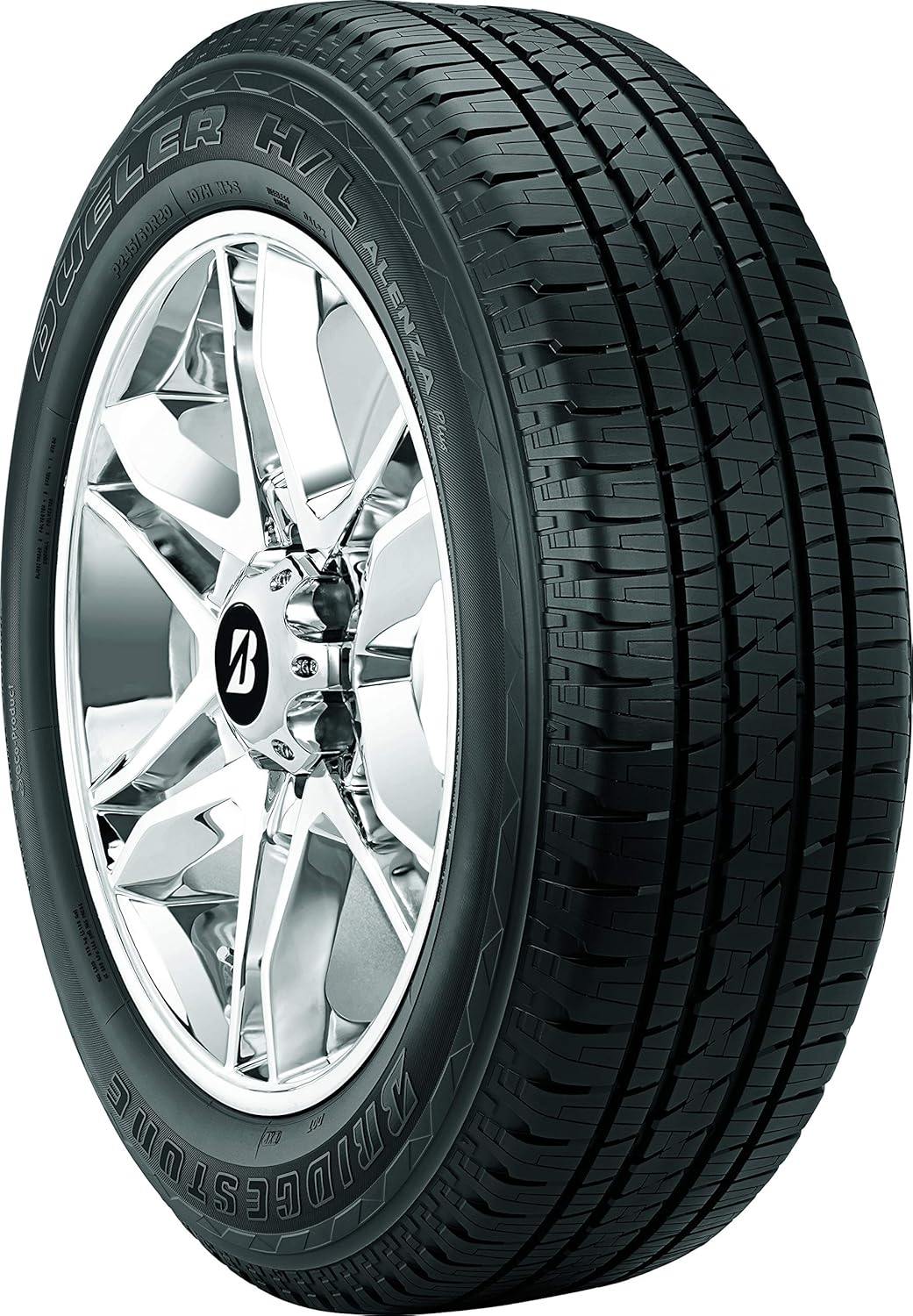
The Bridgestone Dueler H/L Alenza Plus is the strongest highway tire for most Jeep Wagoneer owners — its industry-leading 80,000-mile warranty, fuel-efficient rolling resistance compound, and documented quiet ride directly match the Wagoneer’s position as a premium daily highway cruiser. For Wagoneer owners who regularly trail drive or need proven sidewall protection for off-road use, the BFGoodrich All-Terrain T/A KO2‘s CoreGard Technology delivers 20% tougher sidewalls than the previous generation. Owners seeking the best balance of off-road capability and pavement manners at a lower price point will find the Falken Wildpeak AT4W quieter on highway than any comparable all-terrain alternative.
Our Top 6 Jeep Wagoneer Tire Rankings
- Bridgestone Dueler H/L Alenza Plus— Best Overall / Highway
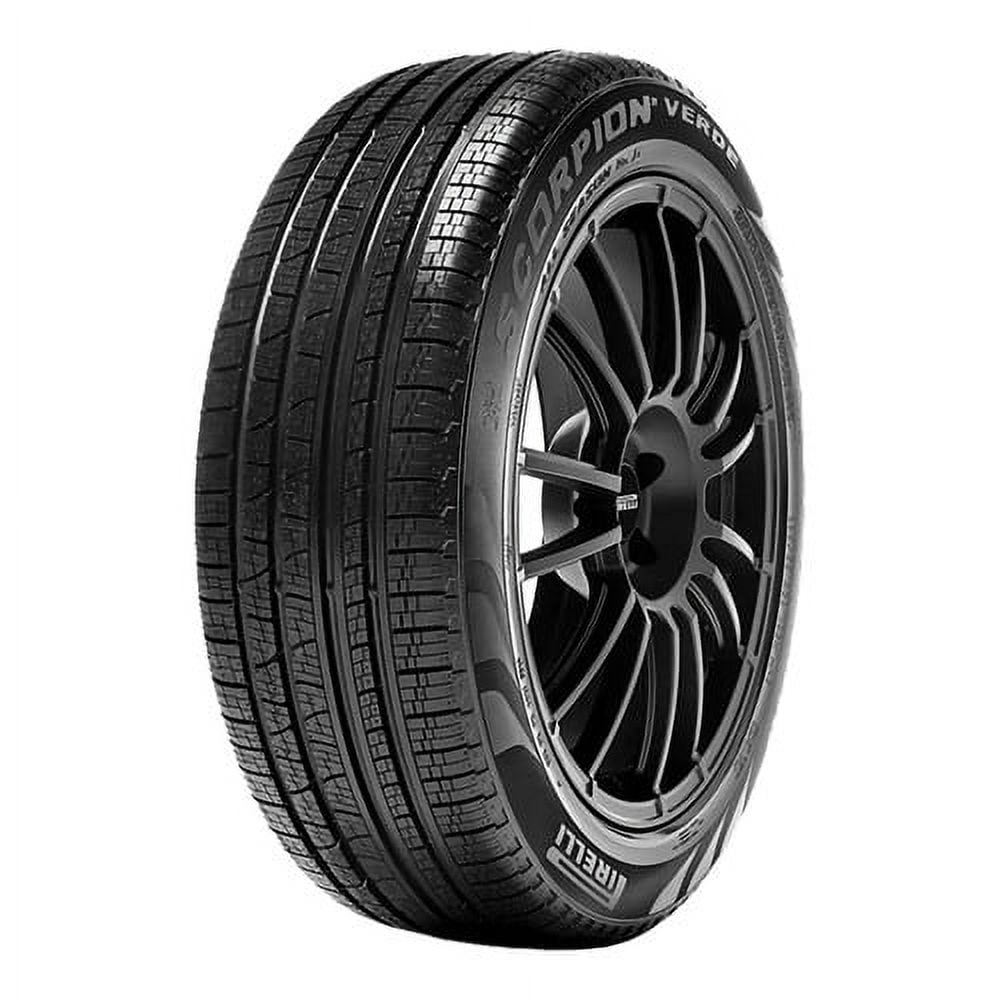
- Pirelli Scorpion Verde All Season— Best Premium / 22-inch OEM
- Falken Wildpeak AT4W— Best All-Terrain Value
- BFGoodrich All-Terrain T/A KO2— Best Durability / Off-Road
- Goodyear Wrangler All-Terrain Adventure w/ Kevlar— Best OEM Replacement
- Michelin LTX A/T 2— Best Snow / Northern Climate
Best Jeep Wagoneer Tires — Compared
All six reviewed across type, 3PMSF certification, OEM fitment status, and overall score.
| # | Tire | Type | 3PMSF | Best For | Score | |
|---|---|---|---|---|---|---|
| 1 | Bridgestone Dueler H/L Alenza Plus Editor’s Choice | Grand Touring A/S | ✗ No | Highway / Long Miles | 4.6 | See Latest Price |
| 2 | Pirelli Scorpion Verde All Season Top Pick | Grand Touring A/S | ✓ Yes | Premium / 22-inch OEM | 4.5 | See Latest Price |
| 3 | Falken Wildpeak AT4W | All-Terrain | ✓ Yes | All-Terrain Value | 4.7 | See Latest Price |
| 4 | BFGoodrich All-Terrain T/A KO2 | All-Terrain | ✓ Yes | Durability / Off-Road | 4.7 | See Latest Price |
| 5 | Goodyear Wrangler All-Terrain Adventure w/ Kevlar OEM Pick | All-Terrain | ✓ Yes | OEM Replacement | 4.4 | See Latest Price |
| 6 | Michelin LTX A/T 2 | All-Terrain | ✗ No (some sizes) | Snow / Northern Climate | 4.3 | See Latest Price |
Detailed Reviews
Full breakdown of each tire — ratings, pros, cons, and our expert verdict.
Bridgestone Dueler H/L Alenza Plus
Pros
- 80,000-mile treadwear warranty is the highest in this comparison and among the highest in its class — Tire Rack verified buyers on premium SUVs consistently report dry and wet handling scores of 9–10 out of 10, with many reporting tread that exceeds 50,000 miles with documented regular rotation
- Advanced Tread Polymer Technology specifically formulated for heavy vehicle applications — the Wagoneer’s 5,500-lb curb weight accelerates wear on standard all-season compounds, and Bridgestone’s OEM engineering for this size range accounts for that load in ways competitors’ general-catalog tires do not
- Symmetric tread pattern tuned for highway noise reduction delivers a quiet cabin at interstate speeds — multiple Wagoneer forum owners switching from OEM tires report noticeably lower road noise, which matters specifically on a full-size luxury SUV whose cabin insulation expectations are higher than a mid-size crossover
Cons
- Ice traction is consistently flagged as below average in Tire Rack consumer surveys — Wagoneer owners in northern climates who encounter regular black ice cannot rely on this tire for safe winter stopping distances on a 5,500-lb vehicle where stopping distances are already extended versus lighter SUVs
- Not suitable for deep mud, rocky trails, or unpaved towing roads — the highway-touring compound that delivers the 80,000-mile longevity provides inadequate sidewall protection and traction depth for the Wagoneer’s off-road heritage uses
Pirelli Scorpion Verde All Season
Pros
- Factory OEM fitment confirmation for 285/45R22 Wagoneer higher trims — Pirelli’s direct relationship with Stellantis means the compound hardness and asymmetric tread geometry were calibrated against the Wagoneer Carbide’s air suspension, eliminating the fitment uncertainty that comes with aftermarket alternatives in this unusual 22-inch size
- 3PMSF severe snow certification confirmed for the 285/45R22 size — a meaningful capability addition over the standard M+S designation that most highway-touring alternatives carry, providing chain-control zone legal compliance for Wagoneer owners who occasionally cross mountain passes in winter
- Four wide circumferential grooves and silica-enhanced compound deliver hydroplaning resistance that Tire Rack buyer surveys score at 7–10 out of 10 — the wet traction performance is particularly relevant on a 5,500-lb vehicle where the consequences of hydroplaning at highway speed are greater than on lighter SUVs
Cons
- Ice grip variability is a consistent theme across Tire Rack reviews — scoring 3–8 out of 10 depending on conditions and temperature, which is a wide range that makes this tire unreliable for Wagoneer owners in regions with sustained sub-freezing temperatures and regular black ice formation
- Premium per-tire pricing in the 285/45R22 size regularly makes a four-corner replacement the most expensive option in this comparison — the premium over the Bridgestone Dueler is substantial, though the 22-inch fitment’s limited alternatives in this size partially justify the cost
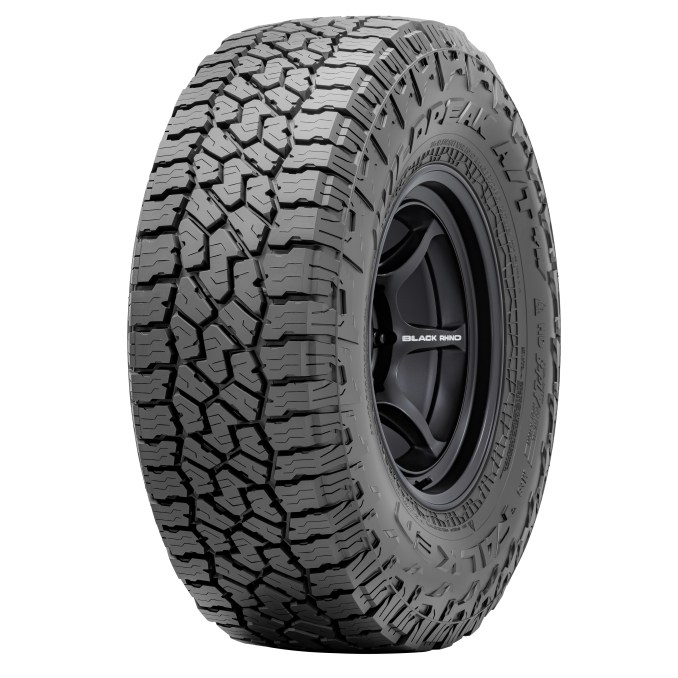
Falken Wildpeak AT4W
Pros
- 3PMSF severe snow certification alongside three-ply DURASPEC sidewall construction — the combination that makes the AT4W genuinely capable on Wagoneer winter mountain drives and light rocky trails simultaneously, unlike competitors that carry 3PMSF certification but lack the sidewall protection for technical terrain
- TyreReviews independent testing places the AT4W above comparable all-terrain competitors for wet road stopping distances — a non-obvious finding for a tire category typically evaluated only on off-road merit, and specifically relevant on a 5,500-lb Wagoneer where wet stopping distances are longer in absolute terms than on lighter SUVs
- 65,000-mile treadwear warranty at a per-tier price meaningfully below the BFGoodrich KO2 — making the full 275/65R18 Wagoneer four-corner replacement several hundred dollars less expensive while delivering comparable off-road and winter capability
Cons
- Ice braking and slushy city traction draw recurring criticism in TyreReviews user feedback — the 3PMSF certification covers packed snow performance, not black ice stopping distances, which means the AT4W is appropriate for Wagoneer mountain pass use but not for sustained urban winter driving on glazed roads
- Size-specific vibration reports at highway speeds exist for some AT4W variants — not universal, but consistent enough in larger sizes to recommend requesting precise wheel balancing weights at installation rather than accepting quick-balance from a shop unfamiliar with this tire’s weight distribution
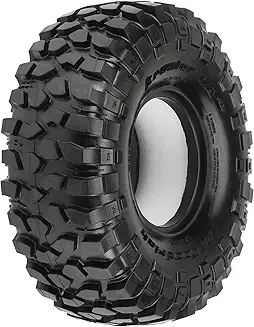
BFGoodrich All-Terrain T/A KO2
Pros
- CoreGard Technology derived from BFGoodrich’s Baja race tire program — the split-and-bruise-resistant sidewall rubber is documented at 20% tougher than the previous KO generation, and BFGoodrich’s owner community across Jeep platforms confirms no sidewall failures on sharp rocky terrain where competing tires have failed under the Wagoneer’s significant weight
- Interlocking tread elements for stability on loose surfaces combined with serrated shoulder blocks for self-cleaning in mud — BFGoodrich owner reports from Canada and cold-climate markets document durability exceeding 100,000 km on trucks and large SUVs with regular 5,000–6,000 mile rotations
- 3PMSF severe snow certification alongside interlocking tread and serrated shoulders — the combination that makes the KO2 genuinely capable across rocky terrain, loose gravel, deep snow, and mud simultaneously without requiring Wagoneer owners to compromise on any single condition type
Cons
- Highway noise at freeway speeds is clearly audible — a consistent finding across MotorTrend road tests and owner communities, and particularly noticeable inside the Wagoneer’s premium cabin where noise expectations are higher than in a truck or work vehicle where the KO2 is also commonly used
- Premature wear occurs when rotation is delayed beyond 6,000 miles — BFGoodrich’s own owner community flags this specifically for heavier applications, and the Wagoneer’s 5,500-lb weight makes the rotation schedule more consequential than on lighter vehicles running the same tire
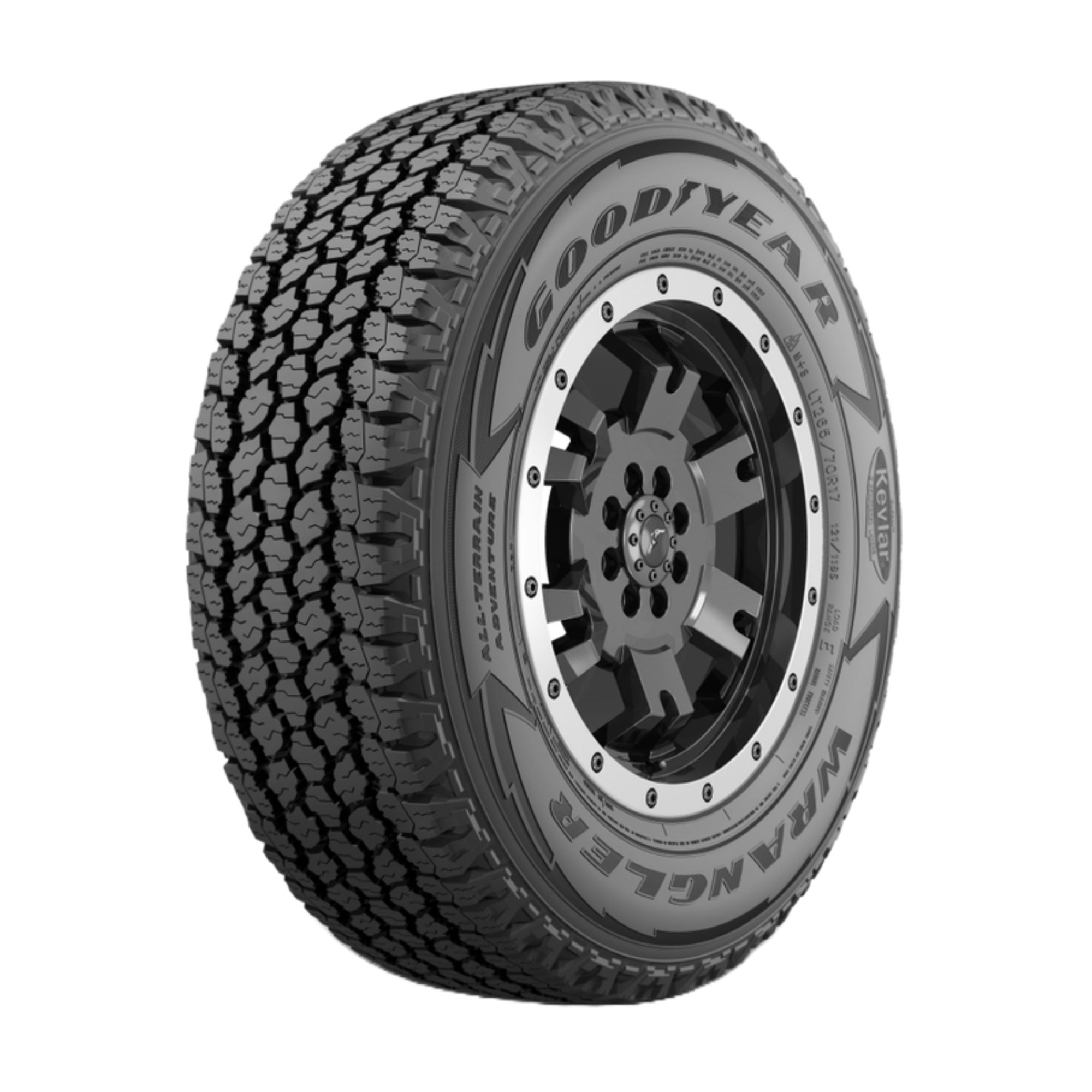
Goodyear Wrangler All-Terrain Adventure w/ Kevlar
Pros
- DuPont Kevlar reinforcement in LT sizes adds 30% more steel to the construction — specifically relevant for Wagoneer towing applications where sustained load at highway speed creates heat and deformation stress in the sidewall that standard all-terrain construction manages less reliably
- Durawall Technology combined with OEM fitment status for multiple Jeep platforms means installation is straightforward — the same specs as factory, no load-rating recalculation required, and the TPMS relearn procedure follows the standard OEM protocol without custom sensor programming
- 3PMSF severe snow certification combined with low road noise for an all-terrain tire — owner reviews consistently note it as quieter on highway than the BFGoodrich KO2, making it the better choice for Wagoneer owners who want all-terrain capability without the constant drone penalty
Cons
- Tread wear accelerates faster than the KO2 or AT4W when rotation is delayed — multiple Wagoneer and truck owners report premature wear at 35,000–40,000 miles when rotating every 7,500 miles instead of the recommended 5,000–6,000 miles, a consequence of the Wagoneer’s weight class that makes the rotation schedule critical
- Mud traction falls short of the BFGoodrich KO2 and Falken AT4W in deep or sticky mud — the tread design is optimized for loose gravel and light trails rather than the sustained mud-clearing that more aggressive compound patterns provide for serious off-road Wagoneer use
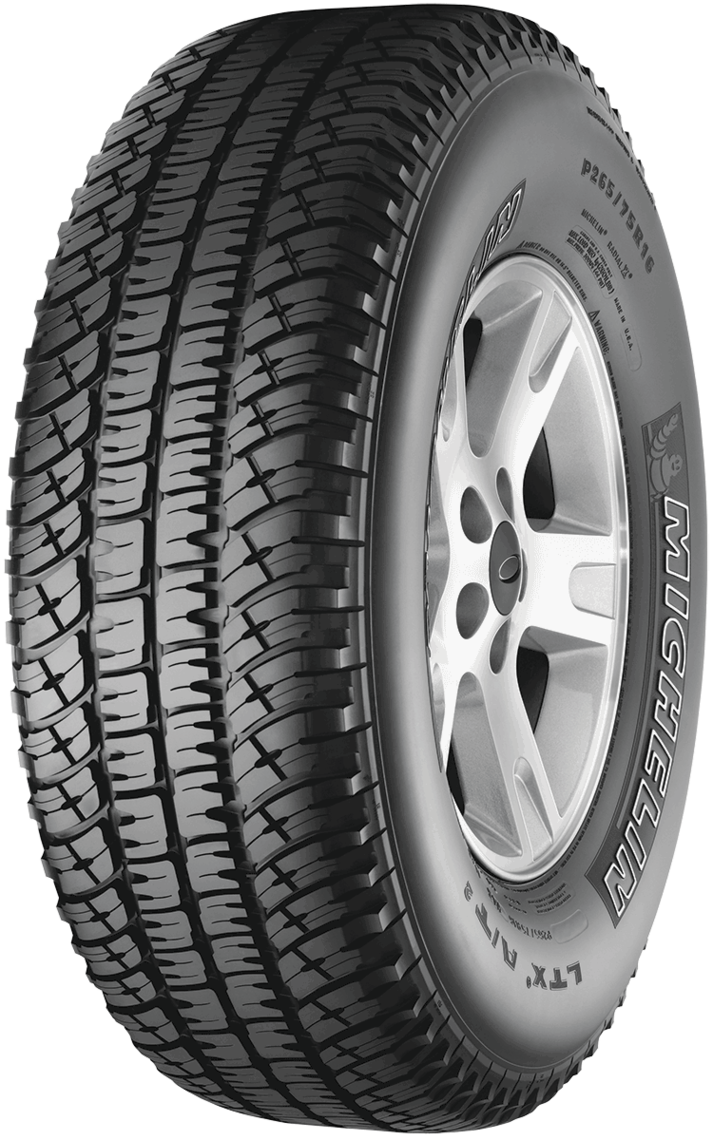
Michelin LTX A/T 2
Pros
- Deep snow and slush handling earns the highest specific praise in cold-weather Tire Rack markets of any tire in this comparison — the rugged all-terrain tread with deep grooves specifically addresses the kind of sustained winter driving that northern Wagoneer owners experience, not just the occasional snowstorm that other tires’ 3PMSF claims cover
- Dry and wet highway traction consistently scores 9–10 out of 10 in Tire Rack consumer data — the Michelin compound delivers strong pavement confidence that justifies its place in the comparison despite the tread life concerns, particularly for Wagoneer owners who want strong wet-road braking on a vehicle where stopping distances are already extended by weight
- 60,000-mile treadwear warranty backed by Michelin’s established claims support infrastructure — the brand’s reputation for honoring warranty commitments on premium SUV applications provides a meaningful assurance that smaller-brand equivalents with similar warranty language don’t match in practice
Cons
- Premature tread wear on heavy SUVs is a recurring documented pattern in Michelin’s own review section — heavier vehicles like the Wagoneer accelerate wear faster than the 60,000-mile warranty’s conditions anticipate, and multiple Wagoneer-class vehicle owners report replacement well before the warranty mileage even with regular rotation
- Ice traction variability is a persistent complaint in colder climates — the same cold-climate Tire Rack buyers who praise the LTX A/T 2 in deep snow flag inconsistent grip on black ice as a limitation, which matters specifically for Wagoneer owners in urban northern markets where black ice formation is more frequent than deep snow driving
???? Can’t Decide?
Our Top 2 Picks — Head to Head
Both are excellent for the Wagoneer — but they serve completely different owners.
- 80,000-mile warranty — the highest tread life coverage in this comparison, specifically engineered for heavy premium SUV weight classes
- Quiet cabin at highway speeds — Wagoneer forum owners switching from OEM tires consistently report lower road noise
- Fuel-efficient rolling resistance compound helps offset the Wagoneer’s significant fuel consumption at highway speeds
- Direct OEM fitment for 285/45R22 — the only tire in this comparison confirmed for higher Wagoneer trim sizes
- 3PMSF certified — adds genuine winter capability for mountain pass use that the Bridgestone lacks
- Silica compound calibrated against Wagoneer’s air suspension tuning at the factory level
How to Choose the Right Tire for Your Jeep Wagoneer
Six factors specific to the Wagoneer’s three factory sizes, 5,500-lb weight class, and premium SUV use cases.
Three Distinct Factory Sizes
The Jeep Wagoneer uses 275/65R18 on base models, 275/55R20 on mid-level trims (Series I–III), and 285/45R22 on higher trims including the Carbide. These are not interchangeable — the 22-inch size in particular has limited aftermarket alternatives, and ordering the wrong size for this vehicle creates fitment, TPMS, and speedometer calibration problems. Always verify the door jamb sticker before purchasing any replacement tire.
Load Index at 5,500+ lbs
The Wagoneer weighs over 5,500 lbs on fully loaded higher trims — significantly more than the midsize SUVs most tire reviews target. Any replacement tire must match or exceed the factory load index from the door jamb sticker. LT-rated tires in appropriate sizes carry heavier loads than P-metric equivalents. Installing a tire with an insufficient load index creates tread deformation, heat buildup, and failure risk under towing or passenger load that P-metric tires on lighter vehicles don’t experience.
CoreGard vs. Standard Sidewalls for Trails
The Wagoneer’s weight creates higher sidewall contact force on rocks and trail obstacles than lighter SUVs. Standard all-terrain sidewall construction that survives routine off-road use on a 4,500-lb mid-size SUV can fail on a 5,500-lb Wagoneer under identical conditions because the kinetic energy pressing the tire against a sharp edge is proportional to vehicle weight. BFGoodrich’s CoreGard and Goodyear’s Kevlar reinforcement both address this specific risk — standard all-terrain construction does not.
Rolling Resistance and Fuel Economy
The Wagoneer’s EPA fuel economy figures already reflect OEM tire rolling resistance. Switching from a highway touring compound like the Pirelli Scorpion or Bridgestone Dueler to an all-terrain compound like the KO2 or AT4W increases rolling resistance and reduces fuel economy by a measurable amount — typically 1–2 MPG in real-world highway driving. For a vehicle that already prioritizes fuel economy as a premium feature, this rolling resistance penalty is worth factoring into the lifetime operating cost comparison between tire categories.
5,000-Mile Rotation on Heavy SUVs
Every tire on this list shows faster wear on heavy vehicles when rotation intervals exceed 7,500 miles. On the Wagoneer’s 5,500-lb platform, a 5,000–6,000 mile rotation schedule is necessary to approach warranty mileage — not 7,500 miles as commonly recommended for lighter vehicles. This is documented in the Michelin LTX A/T 2 and Goodyear Wrangler reviews, and it applies to every tire in this comparison. Factor the cost of more frequent rotations into the total ownership calculation.
TPMS Relearn After Installation
The Jeep Wagoneer uses a direct TPMS system with pressure sensors inside each wheel. Any tire change requires a TPMS relearn procedure at a shop with the appropriate scan tool — this is true even when replacing with the exact same size and brand. Wagoneer dealers and most tire shops handle this as part of standard installation. Confirm the shop performs the relearn before leaving, as persistent TPMS warning lights after installation prevent accurate pressure monitoring on a vehicle whose weight makes tire pressure management more consequential than on lighter SUVs.
✅ Pro Tips
Quick Checklist Before You Order Jeep Wagoneer Tires
Verify your exact size on the door jamb sticker — the Wagoneer uses three different factory sizes across trims and model years, and the 285/45R22 size on higher trims has limited alternatives that make ordering errors particularly costly to correct.
Confirm the replacement tire’s load index meets or exceeds OEM spec — at 5,500+ lbs, the Wagoneer punishes undertated load indices in ways that lighter SUVs don’t, particularly under towing loads at sustained highway speeds.
Set a 5,000–6,000 mile rotation schedule immediately — not 7,500 miles. The Wagoneer’s weight class accelerates tread wear faster than the standard SUV rotation recommendation, and most warranty denials on this vehicle come from delayed rotations.
Confirm the shop performs the TPMS relearn procedure before you leave — the Wagoneer’s direct sensor system requires registration after every tire change, and an unresolved TPMS warning prevents the system from alerting you to real pressure changes on a heavy vehicle where underinflation consequences are significant.
Related Guides
Other Jeep Full-Size SUV Models
Frequently Asked Questions
What tire size fits the Jeep Wagoneer?
The Jeep Wagoneer uses three common sizes: 275/65R18 on base models, 275/55R20 on mid-level trims (Series I through III), and 285/45R22 on higher trims like the Carbide. Always check the tire placard on your driver’s door jamb to confirm your specific fitment before ordering, as the three sizes are not interchangeable and affect handling, TPMS calibration, and load capacity.
Which tires for Jeep Wagoneer are best for off-road driving?
The BFGoodrich All-Terrain T/A KO2 is the top pick for serious off-road use. Its CoreGard sidewall technology offers 20% tougher sidewalls than the previous generation — specifically relevant on a 5,500-lb Wagoneer where sidewall contact force on rocks is significantly higher than on lighter SUVs. The Falken Wildpeak AT4W is a close second for mixed on- and off-road driving at a lower price.
Are all-terrain tires louder than highway tires on the Jeep Wagoneer?
Generally yes, and the difference is more noticeable in the Wagoneer’s premium cabin than in a standard truck. The BFGoodrich KO2 produces audible highway drone that is clearly perceptible at interstate speeds. The Falken Wildpeak AT4W is notably quieter than most comparable all-terrain alternatives, reducing this trade-off for Wagoneer owners who want off-road capability without a constant noise penalty.
How long do tires typically last on a Jeep Wagoneer?
The Wagoneer’s 5,500-lb weight accelerates tire wear faster than most SUV tire estimates assume. The Bridgestone Dueler carries an 80,000-mile warranty and achieves near that figure with regular 5,000-mile rotations. All-terrain tires typically deliver 50,000 to 65,000 miles. Rotating every 5,000 to 6,000 miles rather than the standard 7,500-mile interval is critical for Wagoneer owners to reach warranty mileage.
Will installing aftermarket tires affect my Jeep Wagoneer warranty?
Installing tires in the correct OEM size and load rating does not void your Jeep warranty under the Magnuson-Moss Warranty Act. Dealers cannot deny warranty claims solely because you changed to aftermarket tires of matching specifications. If you change tire size significantly, some TPMS calibration and suspension clearance may require adjustment, which could affect component-specific warranty claims in those areas.
Why does load index matter more on the Jeep Wagoneer than on other SUVs?
The Wagoneer weighs over 5,500 lbs fully loaded — more than most mid-size SUVs by 1,000 lbs or more. A tire with a load index below OEM spec deforms and generates heat under the Wagoneer’s weight, particularly during towing at highway speed. This accelerates wear, degrades handling, and creates failure risk that doesn’t appear on lighter vehicles running the same undertated tire.
Do Jeep Wagoneer tires require TPMS reset after replacement?
Yes. The Wagoneer uses a direct TPMS system that reads pressure from sensors physically mounted inside each wheel. After mounting new tires, the shop must use a TPMS scan tool to relearn sensor positions and register sensor IDs — even when replacing with the exact same size. This is standard in any professional installation and typically adds no extra charge at a tire shop or dealer.
???? Final Verdict
Our Top Recommendations for 2026
The Bridgestone Dueler H/L Alenza Plus is the strongest highway tire for most Jeep Wagoneer owners — its 80,000-mile warranty, fuel-efficient compound, and documented quiet ride specifically address the challenges of running a premium all-season tire on a 5,500-lb full-size SUV platform. Wagoneer owners who regularly trail drive or need protection against rocky terrain should choose the BFGoodrich All-Terrain T/A KO2, whose CoreGard sidewall technology addresses the specific failure mode that the Wagoneer’s weight creates on sharp trail surfaces. Mixed-use drivers who want all-terrain capability with significantly less highway noise at a lower price should seriously consider the Falken Wildpeak AT4W, which consistently outperforms its price tier on both off-road grip and pavement manners.