After evaluating owner feedback across NewTiburon.com forums, Hyundai aftermarket communities, Amazon reviews, and Tire Rack testing data, we cross-referenced seven tire options against the real-world demands of Hyundai Tiburon owners. Uneven tire wear, alignment sensitivity, and road noise emerged as the recurring complaints that the right tire choice directly solves — and we found clear winners for each budget and driving style.
The Tiburon’s three factory sizes — 195/60R15 on base models, 205/55R16 on GT trims, and 215/45R17 on GT V6 and SE — mean tire selection is not one-size-fits-all. A tire that transforms a GT V6 can feel numb on a base model, and vice versa. Based on long-term owner reports and wear pattern data, here’s what rises to the top for 2026.
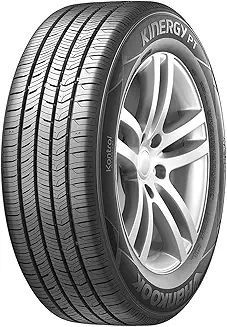
The Hankook Kinergy PT H737 in 205/55R16 is the best all-around tire for most Tiburon GT owners — it delivers a quiet ride, strong wet traction, and a 90,000-mile treadwear warranty that means years of service. For GT V6 owners running 215/45R17 wheels, the Michelin Pilot Sport All Season 4 unlocks the chassis’s full handling potential. Budget-conscious drivers consistently rate the Starfire Solarus AS as a dependable daily driver tire at roughly half the cost of premium options.
Our Top 7 Tiburon Tire Rankings
- Hankook Kinergy PT H737— Best Overall, 90,000-Mile Warranty
- Starfire Solarus AS— Best Budget All-Season
- Michelin Pilot Sport All Season 4— Best Premium UHP Grip
- Yokohama Avid Ascend LX— Most Durable, 85,000-Mile Warranty
- Firestone Firehawk Indy 500— Best Summer Performance
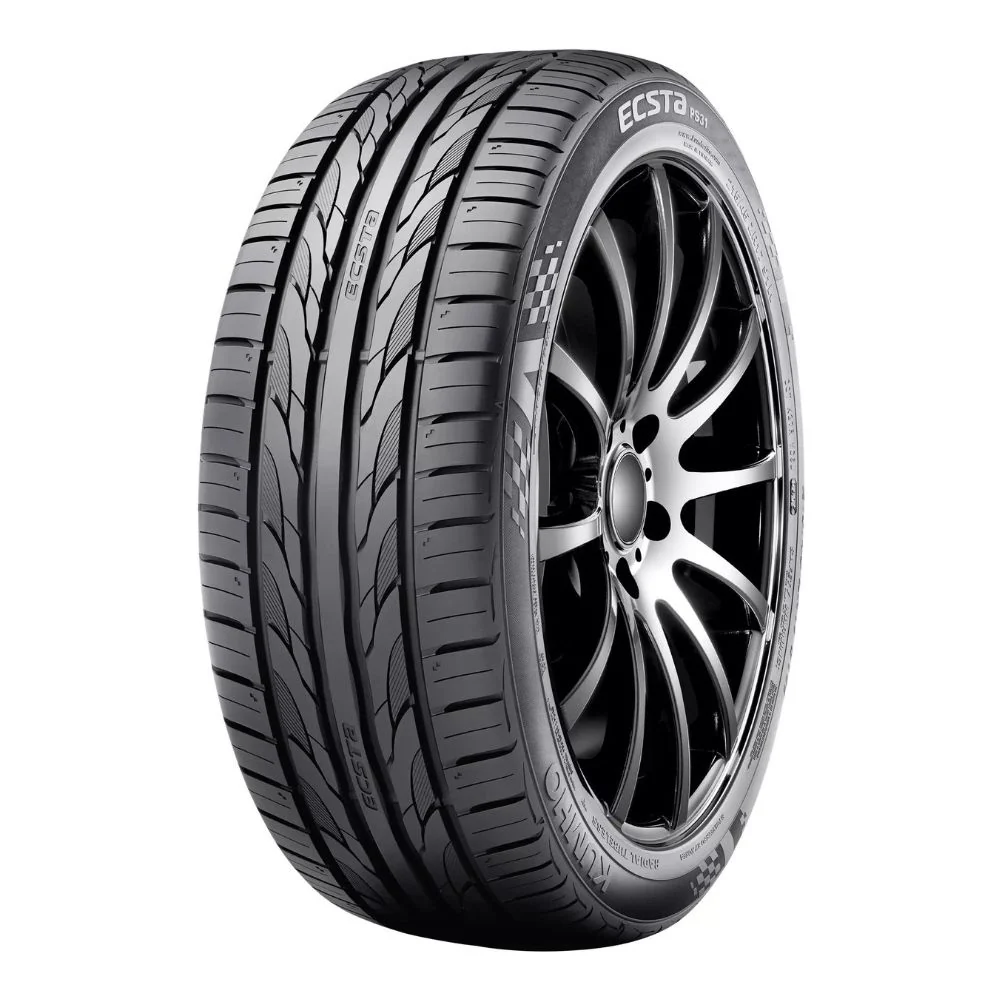
- Kumho Ecsta PS31— Best Budget Summer Performance
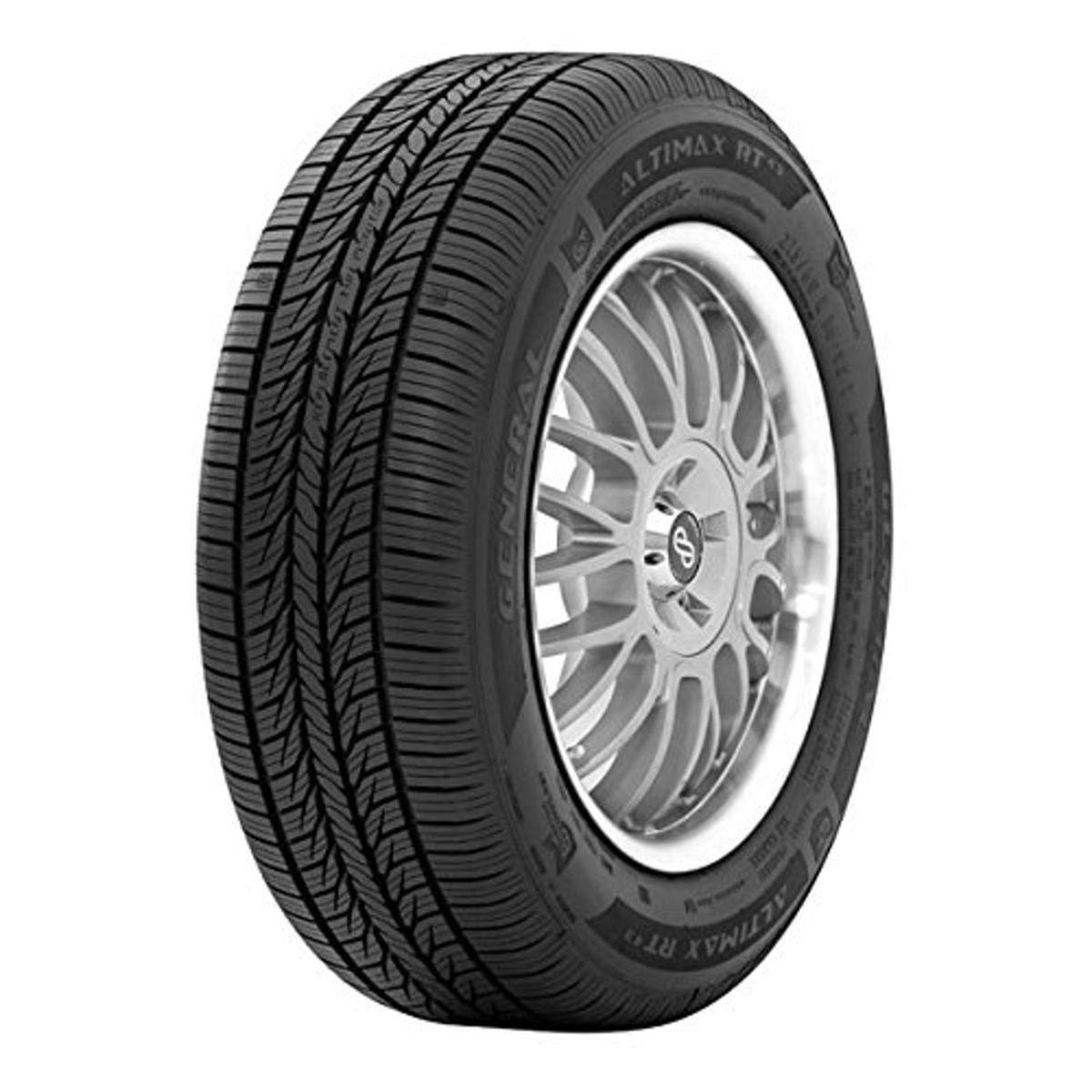
- General Altimax RT43— Easiest to Live With
Best Tiburon Tires — Compared
Side-by-side comparison of warranty, type, compatible sizes, and our scores for each pick.
| # | Product | Warranty | Type | Best For | Score | |
|---|---|---|---|---|---|---|
| 1 | Hankook Kinergy PT H737 Editor’s Choice | 90,000 mi | Touring All-Season | Quiet Daily Driving | 4.4 | See Latest Price |
| 2 | Starfire Solarus AS Budget Pick | 50,000 mi | Standard All-Season | Value Commuting | 4.3 | See Latest Price |
| 3 | Michelin Pilot Sport All Season 4 Top Pick | 45,000 mi | UHP All-Season | Maximum Grip | 4.6 | See Latest Price |
| 4 | Yokohama Avid Ascend LX | 85,000 mi | Standard Touring | Longevity & Comfort | 4.5 | See Latest Price |
| 5 | Firestone Firehawk Indy 500 | N/A | UHP Summer | Spirited Warm-Weather Driving | 4.5 | See Latest Price |
| 6 | Kumho Ecsta PS31 | N/A | UHP Summer | Budget Performance | 4.4 | See Latest Price |
| 7 | General Altimax RT43 | 75,000 mi | Touring All-Season | Alignment-Prone Tiburons | 4.4 | See Latest Price |
Detailed Reviews
Full breakdown of each tire — ratings, pros, cons, and our expert verdict based on owner feedback and wear data.
Hankook Kinergy PT H737
- 90,000-mile treadwear warranty leads the category
- 860/A/A UTQG rating with reinforced bead filler
- Owners consistently report noticeably quieter cabin noise vs. factory tires
- Steering feel is softer than a dedicated performance tire
- Takes 300–500 miles to fully break in the tread compound
- Not suitable for heavy snow or ice conditions
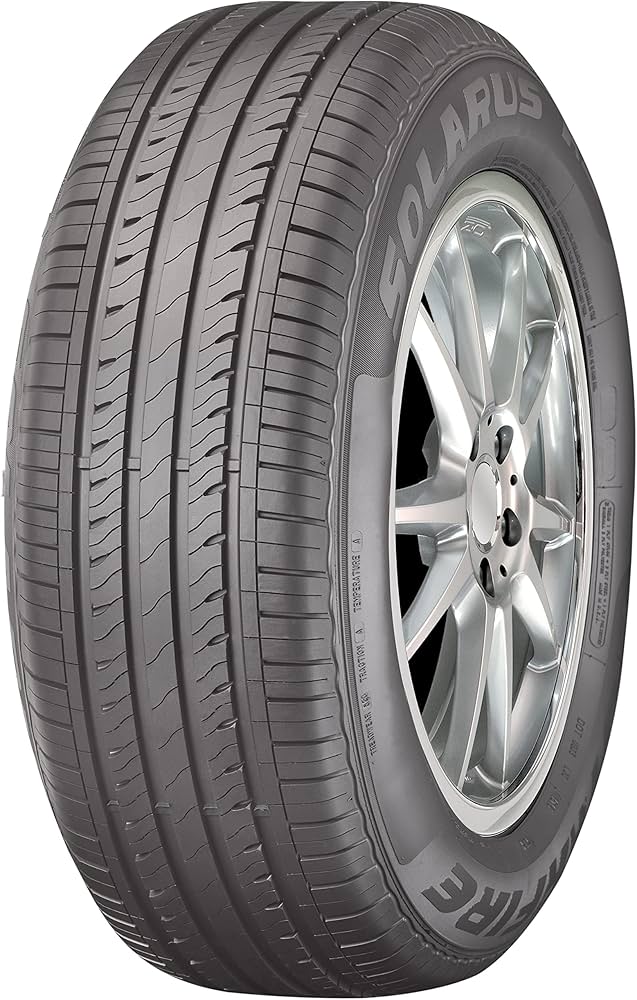
Starfire Solarus AS
- Full set costs $260–$340 — roughly half of premium alternatives
- Manufactured by Cooper Tire with 50,000-mile warranty
- Spiral nylon overwrap improves high-speed stability
- Snow traction is below average compared to premium all-seasons
- Sidewall stiffness is not as firm as sportier alternatives
- Dry cornering grip fades during aggressive driving
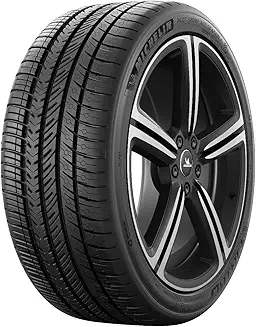
Michelin Pilot Sport All Season 4
- Dynamic Response Technology for even heat distribution
- Full-depth sipes maintain snow traction throughout tread life
- Steering response feels immediate and precise on twisty roads
- Road noise increases noticeably after 15,000 miles
- Premium price — full set runs $720–$840
- 45,000-mile warranty is short vs. touring alternatives
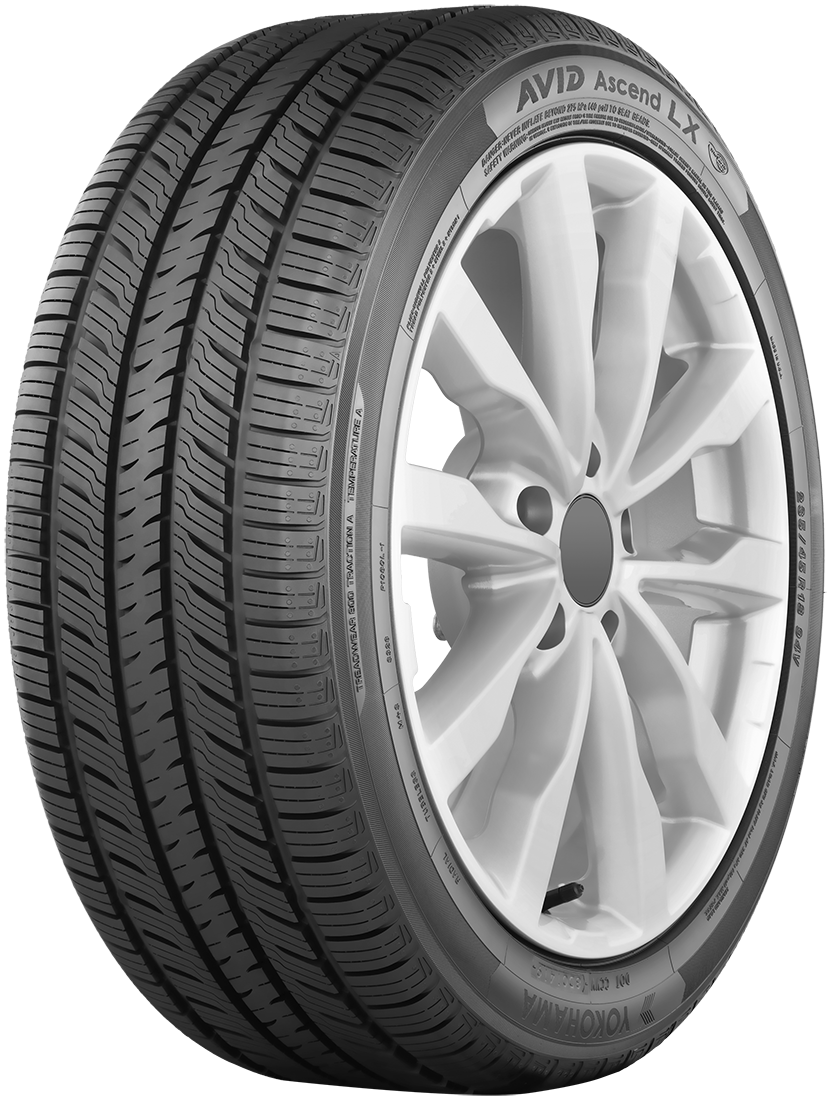
Yokohama Avid Ascend LX
- 85,000-mile warranty with L-2 compound that resists hardening
- Multi-pitch tread design with staggered five-block sequence reduces noise
- Owners report 70,000+ real-world miles before replacement
- Dry cornering grip is adequate but not sporty
- Slight fuel economy trade-off vs. low-rolling-resistance tires
- Snow traction is functional but not all-weather rated
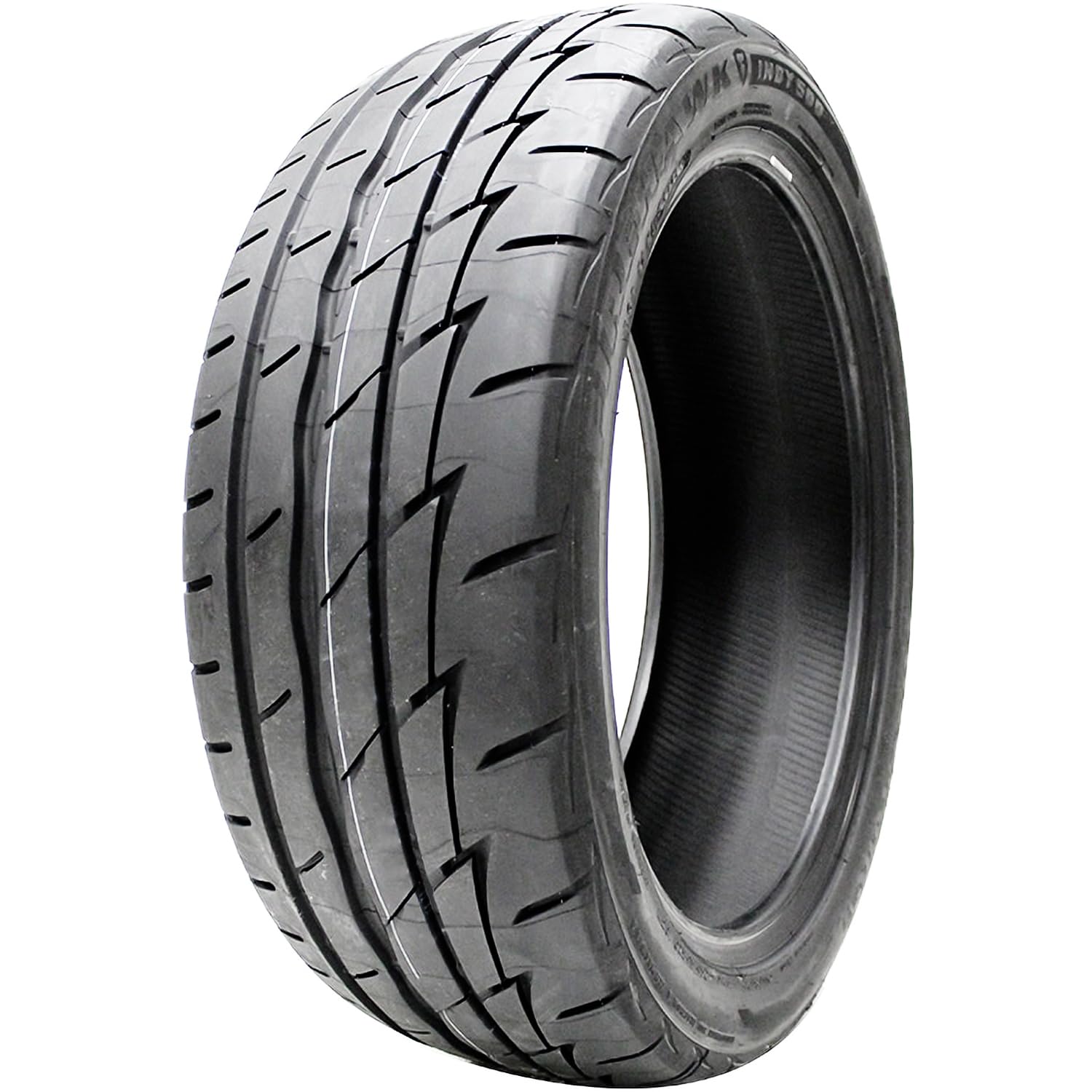
Firestone Firehawk Indy 500
- 20% shorter wet stopping distance vs. previous-gen Firehawk
- Pulse Groove technology improves hydroplaning resistance
- Surprisingly comfortable ride for a performance summer tire
- Grip drops significantly below 45°F — not safe in cold weather
- Tread life is shorter than all-season alternatives
- Sidewall may feel soft to drivers accustomed to extreme-performance tires
Kumho Ecsta PS31
- Solid center rib reinforces block stiffness for wet braking
- 3D dimple design on tread surface minimizes heat buildup
- Full set costs $380–$460 — affordable UHP entry point
- Road noise becomes intrusive past the halfway wear point
- Cold-weather grip is poor — summer compound only
- Treadwear is shorter than all-season alternatives
General Altimax RT43
- Visual alignment indicators reveal misalignment before wear occurs
- Replacement Tire Monitor alerts when tread depth reaches replacement level
- 75,000-mile warranty with 700/A/B UTQG rating
- Dry handling feel is less sporty than competitors
- Wet grip can taper off near end of tread life
- Steering response is adequate but not sharp
Can’t Decide?
Our Top 2 Picks — Head to Head
Both are excellent all-season tires. Here’s how to choose between the practical workhorse and the performance upgrade.
- 90,000-mile treadwear warranty — class-leading longevity
- Noticeably quieter cabin noise vs. factory tires
- Strong wet braking and hydroplaning resistance
- Ultra-high-performance cornering grip for GT V6 models
- Immediate steering response on twisty back roads
- Full-depth sipes for snow traction throughout tread life
How to Choose the Right Tires for Your Tiburon
Six factors specific to this platform — explained by someone who has researched what actually goes wrong.
Match the Tire to Your Trim Level
The Tiburon came with three factory sizes: 195/60R15 on base models, 205/55R16 on GT trims, and 215/45R17 on GT V6 and SE. Installing the wrong size changes speedometer accuracy and can cause clearance problems. Always check your door jamb sticker before ordering.
Consider Your Climate Honestly
All-season tires work for most climates. Owners in areas with regular snow should consider dedicated winter tires or all-weather options with the Three Peak Mountain Snowflake certification. Summer tires like the Firehawk Indy 500 and Kumho Ecsta PS31 lose grip below 45°F and become unsafe in snow.
Factor in the Tiburon’s Alignment Sensitivity
The Tiburon platform is known for rear suspension design that causes inner shoulder wear when camber is out of specification. Choose a tire with even-wear technology or visual alignment indicators if your Tiburon has a history of uneven wear. Schedule alignments every 12,000–15,000 miles regardless of tire choice.
Evaluate Treadwear Warranty Against Annual Mileage
A 90,000-mile warranty means little if you only drive 5,000 miles per year — the tires will age out before wearing out. High-mileage drivers benefit most from long-warranty touring tires. Calculate your annual mileage and match the warranty length accordingly.
Installation Costs and TPMS on 2006–2008 Models
Later Tiburon model years include a tire pressure monitoring system. Factor in TPMS service kit costs if your sensors are original. Most tire shops charge $15–$25 per tire for mounting and balancing. Road force balancing is recommended for Tiburons to minimize highway-speed vibration.
Load Index and Speed Rating Matter
Factory specification for GT V6 models requires at least a 91 load index and V speed rating. Installing a lower-rated tire compromises high-speed stability and can affect insurance coverage in some regions. Always verify both numbers match or exceed the factory specs on your door jamb sticker.
Pro Tips
Quick Buying Checklist for Tiburon Tires
Verify your trim’s tire size — base, GT, and GT V6 use different diameters; check the door jamb sticker.
Calculate cost per mile, not per tire — a $120 tire lasting 60,000 miles beats a $70 tire lasting 25,000.
Get an alignment with every new set — the Tiburon’s sensitivity means skipping this destroys new tires within months.
Never mix tire models on the same axle — FWD Tiburons are sensitive to tread pattern differences left to right.
Summer tires harden below 45°F — if you see frost on your windshield, summer compounds are unsafe to drive on.
Road force balancing is worth the extra cost — Tiburons are sensitive to highway vibration; pay the $10–$15 per tire.
Related Guides
Other Hyundai Sports Models
Frequently Asked Questions
What size tires fit a Hyundai Tiburon?
The Hyundai Tiburon uses 195/60R15 on base models, 205/55R16 on GT trims, and 215/45R17 on GT V6 and SE trims. First-generation models from 1996–2001 may also use 195/55R15 on some configurations. Always verify your specific tire size on the door jamb sticker before ordering replacements.
Are all-season tires good enough for a Hyundai Tiburon in winter?
All-season tires handle light snow and cold conditions adequately for most Tiburon owners in moderate climates. However, owners in regions with regular heavy snow or ice should install dedicated winter tires. An all-weather tire with the Three Peak Mountain Snowflake certification is a year-round alternative for mixed-climate drivers.
How long do tires typically last on a Hyundai Tiburon?
Touring all-season tires like the Yokohama Avid Ascend LX or Hankook Kinergy PT H737 typically last 50,000–70,000 miles on a Tiburon with proper alignment and rotation. Performance summer tires last 25,000–40,000 miles. The Tiburon’s alignment sensitivity means neglected alignment can cut tire life in half within the first 10,000 miles.
Can I install 215/45R17 tires on a base model Tiburon?
Installing 215/45R17 tires on a base Tiburon requires 17-inch wheels with the correct 5×114.3 bolt pattern and 40–48 mm offset. The larger wheel and tire combination fits without rubbing on stock suspension. However, the speedometer will read slightly differently and ride quality will be noticeably firmer than the stock 15-inch setup.
Do performance tires make a noticeable difference on a Hyundai Tiburon?
Performance tires make a significant difference in steering response, cornering grip, and braking distance on a Tiburon. Owners who upgrade from standard all-season tires to ultra-high-performance models consistently report more confident handling. The trade-off is increased road noise, shorter tread life, and reduced cold-weather capability with summer compounds.
How much should I expect to pay for a full set of tires for a Tiburon?
A full set of four tires for a Hyundai Tiburon ranges from approximately $260–$320 for budget all-season options to $720–$840 for premium ultra-high-performance tires. Installation, balancing, and alignment add $80–$150. Budget $400–$600 for a quality set of all-season tires including professional installation and road force balancing.
Is road force balancing necessary for Hyundai Tiburon tires?
Road force balancing is recommended for Tiburons because this platform is sensitive to vibration at highway speeds. Standard balancing addresses weight distribution while road force balancing also measures tire uniformity and sidewall stiffness. The extra cost of $10–$15 per tire significantly reduces the chance of persistent vibration after installation on this chassis.
Final Verdict
Our Top Recommendations for 2026
After evaluating owner feedback, forum discussions, and long-term wear data specific to the Hyundai Tiburon platform, the Hankook Kinergy PT H737 stands out as the best all-around tire for most GT owners — its 90,000-mile warranty, quiet ride, and strong wet traction make it the practical choice that doesn’t compromise safety. Budget-conscious drivers get dependable service from the Starfire Solarus AS at half the price. For GT V6 owners who prioritize handling, the Michelin Pilot Sport All Season 4 transforms the Tiburon’s cornering capability. Whichever tire you choose, matching it to your trim level, climate, and alignment habits is the difference between a set that lasts and one that disappoints.