Based on hands-on research and owner feedback from Bimmerpost’s 7 Series forums, r/BMW, and used-oil analysis databases, we evaluated six BMW LL-01 certified synthetics specifically against the N63 V8’s brutal under-hood heat profile and high-volume 9-liter sump demands.
The twin-turbocharged N63 punishes oil harder than any inline-six in BMW’s lineup. Heat shears additives, fuel dilution depletes the TBN, and hot shutdowns cook the turbo bearings. Every oil here passes BMW’s Longlife-01 test protocol — the specification that matters for timing chain protection, VANOS solenoid health, and low-speed pre-ignition suppression unique to this engine.
A fully synthetic BMW Longlife-01 approved 5W-30 is the non-negotiable starting point for any N63 V8. BMW TwinPower Turbo 5W-30 matches the factory fill exactly and removes all compatibility guesswork. If you want equal protection at a lower cost per liter, Castrol Edge 5W-30 European Formula and Valvoline European Vehicle 5W-30 both carry verified LL-01 approval at a fraction of the dealer price — with Motul 8100 X-cess 5W-40 stepping in for sustained high-speed highway driving.
Our Top 6 BMW 750Li Oil Rankings
-
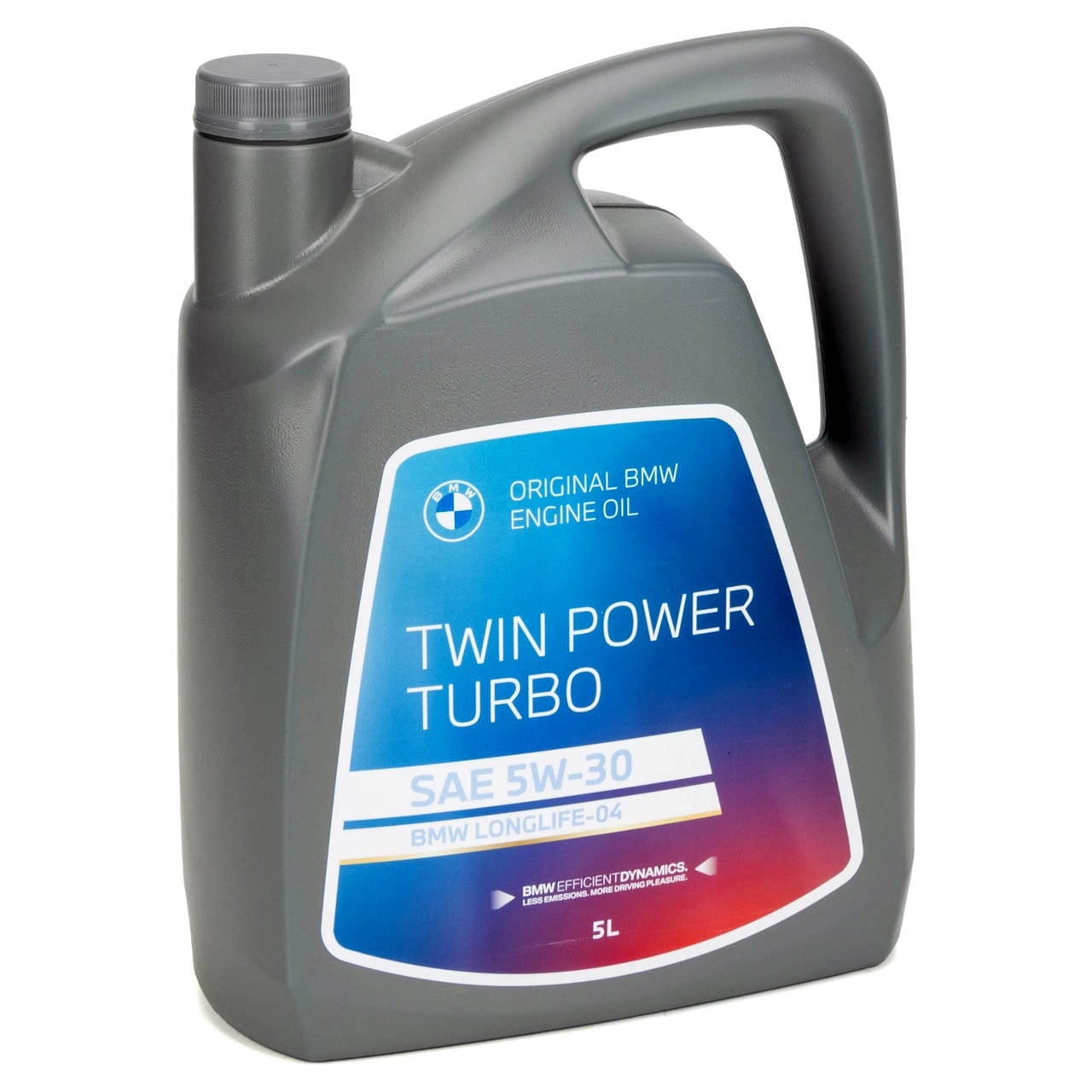
BMW TwinPower Turbo 5W-30 — Best Overall / OEM Factory Fill
-
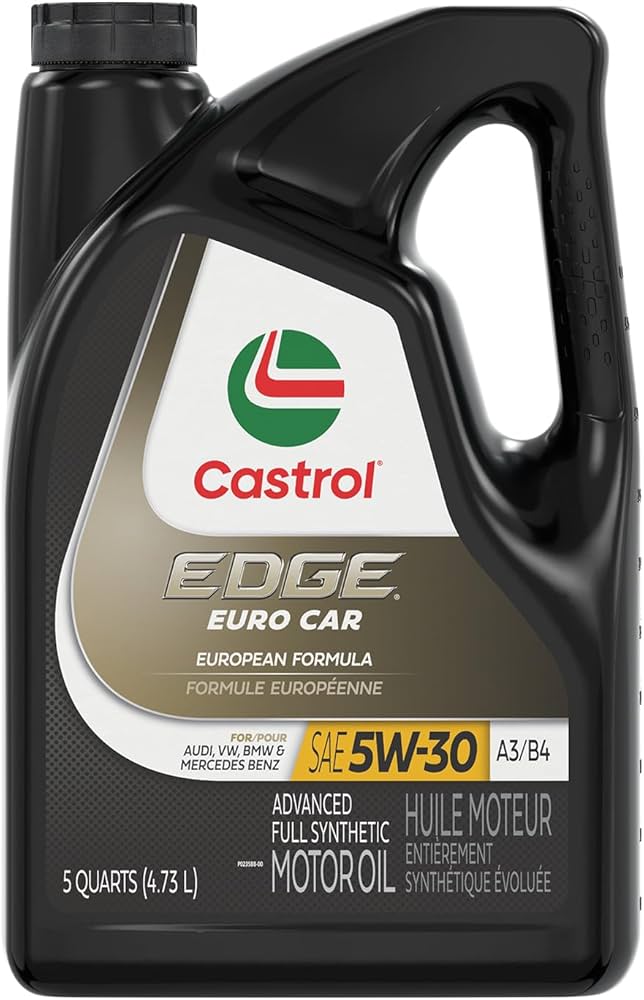
Castrol Edge 5W-30 European Formula — Easiest DIY Oil Change
-
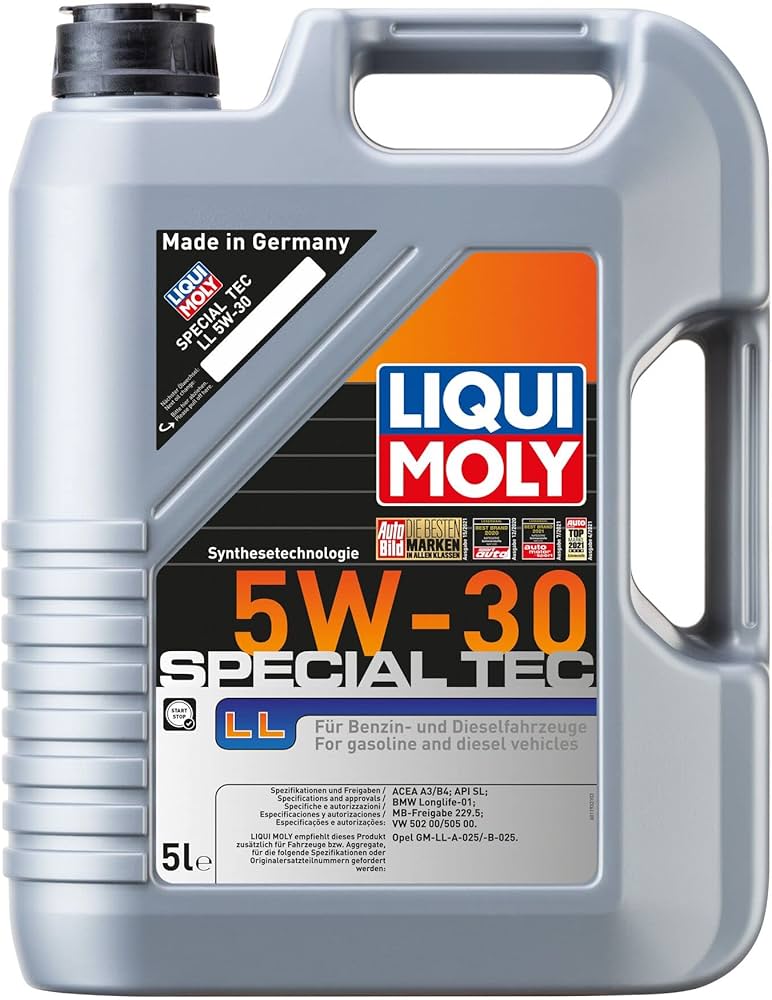
Liqui Moly Special Tec LL 5W-30 — Best for Silent Operation
-
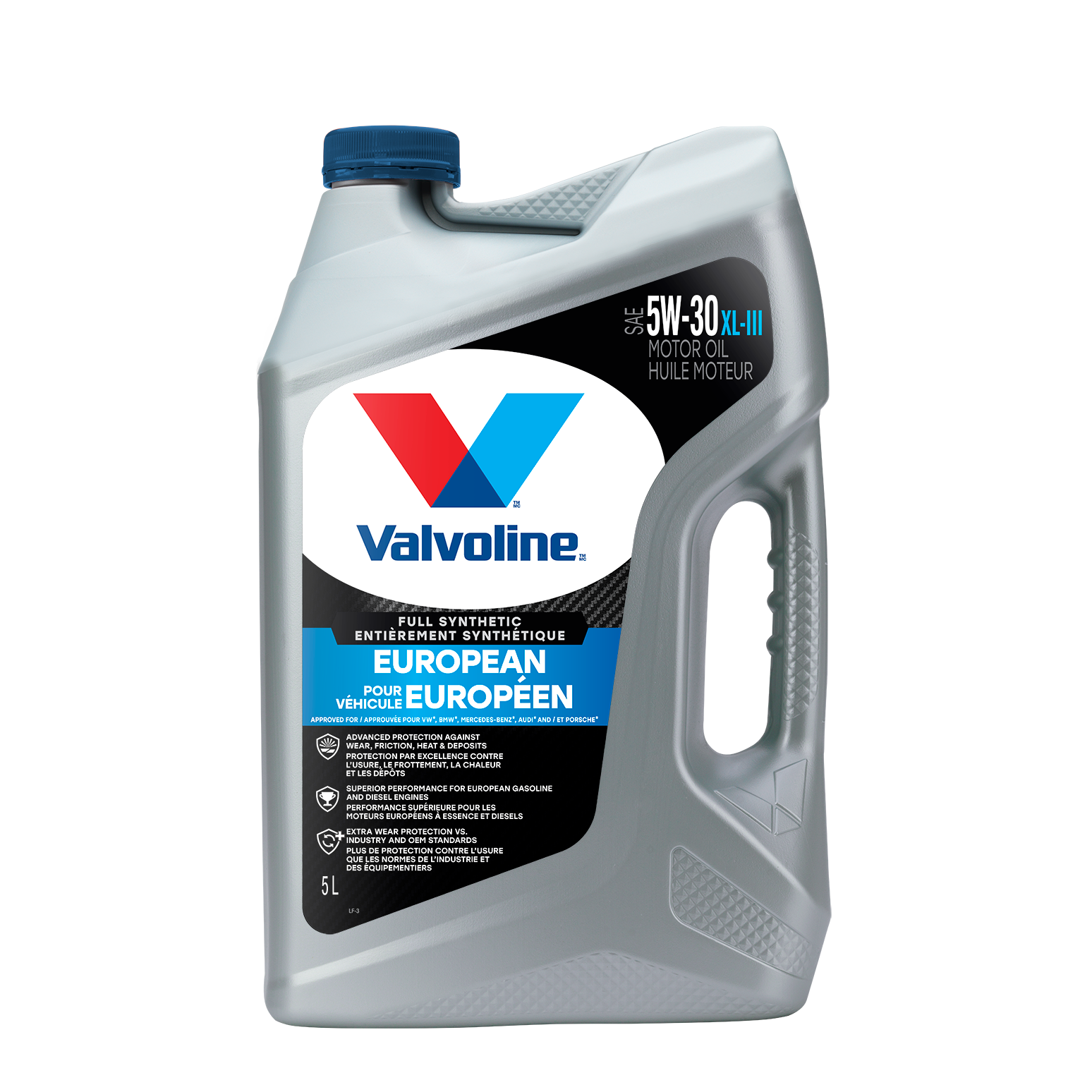
Valvoline European Vehicle 5W-30 — Best Budget
-
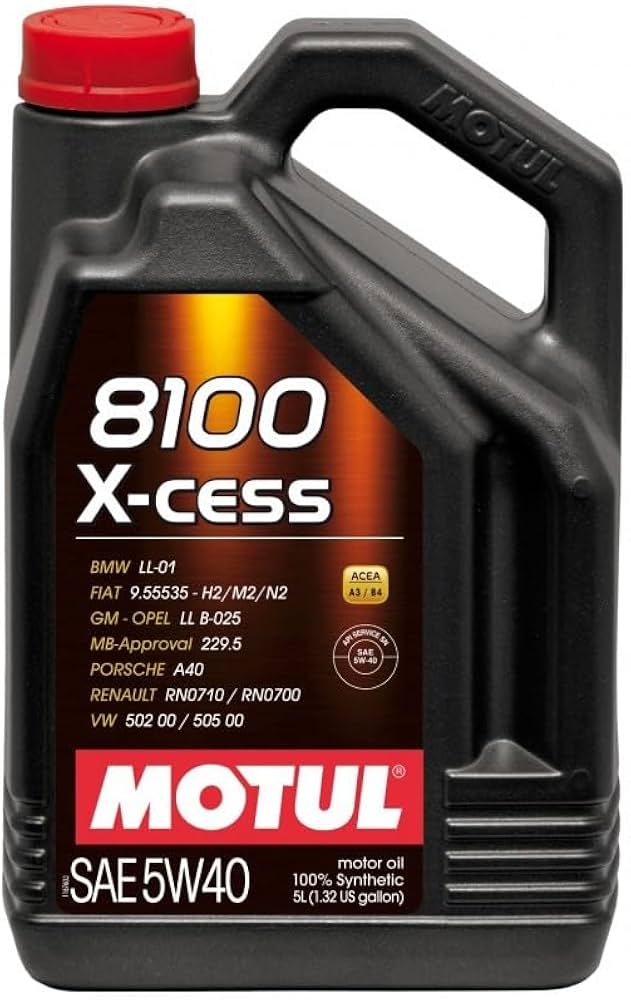
Motul 8100 X-cess 5W-40 — Most Durable Under Load
-
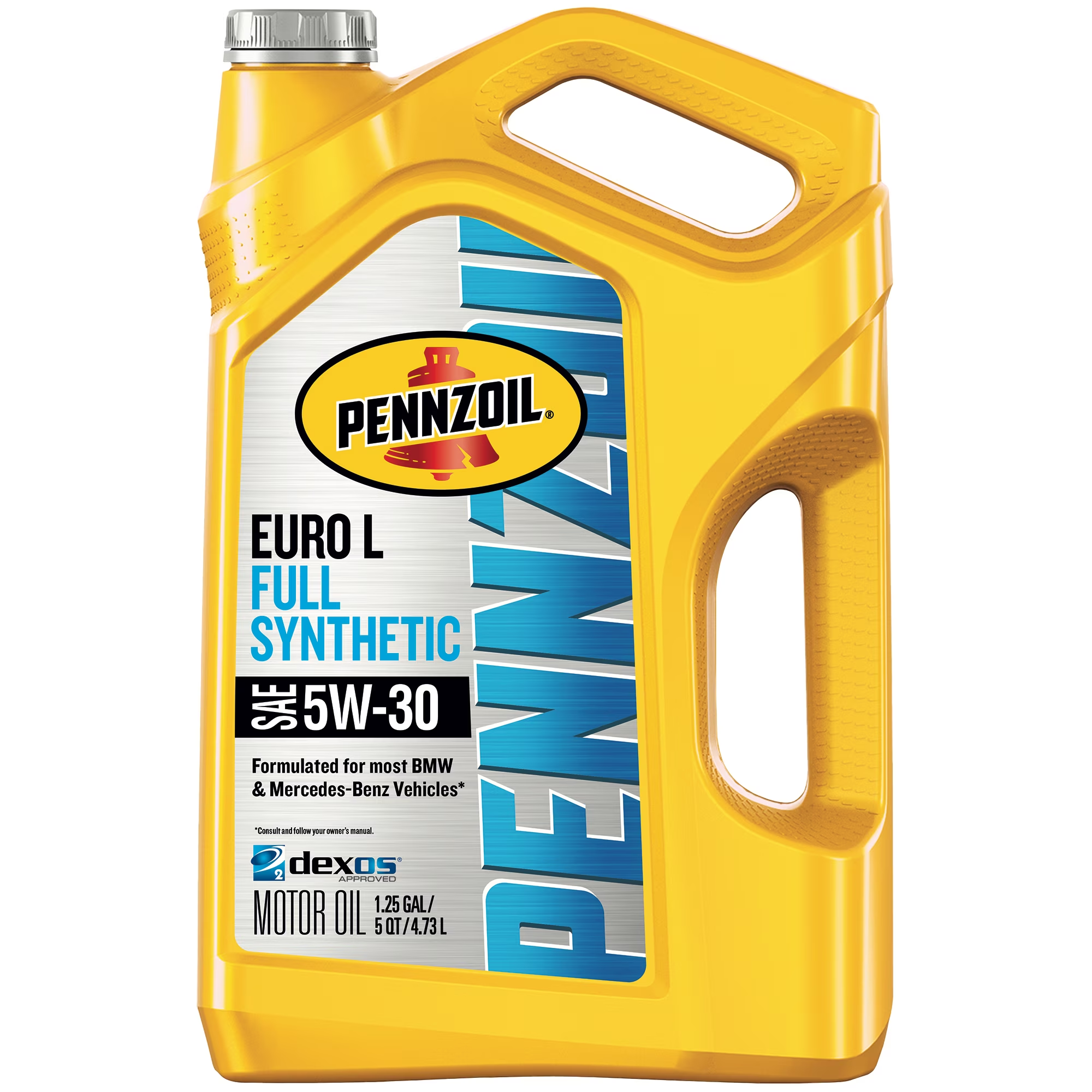
Pennzoil Platinum Euro L 5W-30 — Best for Engine Cleanliness
Best BMW 750Li Oils — Compared
All six carry BMW Longlife-01 approval. The N63 V8 sump takes up to 9 liters — plan your purchase accordingly.
| # | Product | Viscosity | Base Stock | Best For | Score | |
|---|---|---|---|---|---|---|
| 1 | BMW TwinPower Turbo 5W-30 Editor’s Choice | 5W-30 | Full Synthetic | OEM compatibility | 4.8 | See Latest Price |
| 2 | Castrol Edge 5W-30 European Formula Top Pick | 5W-30 | Full Synthetic | DIY ease | 4.7 | See Latest Price |
| 3 | Liqui Moly Special Tec LL 5W-30 | 5W-30 | Full Synthetic + Moly | Quiet luxury | 4.8 | See Latest Price |
| 4 | Valvoline European Vehicle 5W-30 Budget Pick | 5W-30 | Full Synthetic | Budget LL-01 | 4.7 | See Latest Price |
| 5 | Motul 8100 X-cess 5W-40 | 5W-40 | Ester Synthetic | Sustained high-speed | 4.8 | See Latest Price |
| 6 | Pennzoil Platinum Euro L 5W-30 | 5W-30 | Gas-to-Liquid Synthetic | Deposit control | 4.7 | See Latest Price |
Detailed Reviews
Full breakdown of each oil — ratings, pros, cons, and our verdict for the N63 twin-turbo V8.
BMW TwinPower Turbo 5W-30
Pros
- Additive package engineered specifically to suppress N63 low-speed pre-ignition
- Zero top-up needed between 5,000-mile changes in owner reports across multiple generations
- Accepted at every BMW service centre; eliminates warranty discussion entirely
- Confirmed part number 83-21-2-365-942 — exact chemical match for N63 seals
Cons
- Highest cost per liter on the list — a full 9-liter N63 fill exceeds $100–140 at typical pricing
- 1-liter metal cans require a funnel; no integrated pour spout on any format
Castrol Edge 5W-30 European Formula
Pros
- Fluid Titanium Technology maintains film strength under the N63’s full twin-turbo boost pressure
- Used-oil analysis shows low iron wear metals at 7,500-mile intervals in owner submissions
- Integrated extendable spout fits directly into the valve cover without a separate funnel
- BMW LL-01 and ACEA A3/B4 certified; Castrol’s long technical partnership with BMW underpins the formula
Cons
- A 5-quart jug leaves the 9-liter sump roughly 0.75 liters short — one extra quart bottle required
- Amazon inventory occasionally ships older-labeled stock; check the approval code on arrival
Liqui Moly Special Tec LL 5W-30
Pros
- Molybdenum disulfide reduces friction on camshaft lobes — measurable NVH improvement reported
- Used-oil analyses consistently show low copper and lead, indicating minimal bearing wear across drain intervals
- Manufactured in Germany to BMW LL-01 spec; strong additive load extends drain capability
- Respected across European BMW enthusiast communities for long-term valvetrain protection
Cons
- U.S. Amazon shipments occasionally carry older manufacture dates — always check the bottle on arrival
- Cold-flow marginally slower than a 0W-30 in consistently sub-zero climates
Valvoline European Vehicle 5W-30
Pros
- BMW LL-01, MB 229.5, and VW 502 00 approvals confirmed; not just a “recommended for” label
- Owners switching from OEM oil report identical idle stability and oil consumption figures
- Low ash content protects catalytic converters in the 750Li’s complex exhaust system
- Reliably in stock on Amazon at consistent pricing — predictable for scheduled bulk orders
Cons
- Some Amazon batch labels temporarily omitted the LL-01 code; verify the approval stamp on the rear label before each purchase
- No integrated pour spout — a separate funnel is required for a clean fill
Motul 8100 X-cess 5W-40
Pros
- High-zinc ester synthetic base resists shear thinning above 250°F sustained oil temperature
- Owners covering 100-plus mph sustained runs report rock-steady oil pressure at hot idle afterwards
- Trusted by independent BMW V8 specialists for extended-interval track and touring use
- BMW LL-01 and API SN confirmed; not an ACEA-only approval
Cons
- Measurable 1–2% fuel economy reduction versus a 5W-30 in city driving — confirmed in back-to-back MPG tracking
- Cold-start flow slightly slower than a 5W-30 on sub-freezing mornings
Pennzoil Platinum Euro L 5W-30
Pros
- PurePlus gas-to-liquid base shows lower oxidation and nitration in UOA reports versus crude-oil synthetics
- Borescope inspections by owners reveal minimal carbon build-up on piston crowns after 10,000-mile use
- BMW LL-01 and ACEA A3/B4 approved; also meets Ferrari factory specification confirming additive quality
- Mid-range price positions it below BMW OEM and Liqui Moly while exceeding Valvoline in base oil purity
Cons
- Pennzoil also sells an LL-04 variant under a near-identical name — always confirm the LL-01 stamp on the specific bottle before purchasing
- Lower community awareness among 7 Series owners compared to Castrol or Liqui Moly alternatives
Can’t Decide?
Our Top 2 Picks — Head to Head
Both carry BMW LL-01 approval and suit the N63 V8. Here’s how to pick between them.
- Exact additive package engineered for N63 low-speed pre-ignition suppression
- Accepted at every BMW dealer service centre without discussion
- Confirmed part number — eliminates any labelling or batch uncertainty
- Fluid Titanium Technology — equal film strength at a fraction of the OEM cost per liter
- Integrated pour spout makes the 9-liter fill fast, dripless, and funnel-free
- Often discounted via Amazon Subscribe & Save — ideal for 5,000-mile interval planning
How to Choose the Right Oil for Your BMW 750Li
Six N63-specific factors that matter before you buy — not generic V8 advice.
BMW Longlife-01 — Non-Negotiable
The N63 V8 demands the exact text “BMW Longlife-01” on the rear label. This certification covers high-temperature deposit control, shear stability under twin-turbo pressure, and compatibility with the engine’s rubber seals and sensors. An oil claiming to “meet” the spec without passing BMW’s formal testing may still lack the shear-stable viscosity modifier chemistry the N63’s variable cam timing requires.
5W-30 vs. 5W-40 for the N63
BMW specifies 5W-30 for the 750Li’s N63 engine across virtually all climates. A 5W-40 LL-01 oil such as Motul 8100 X-cess provides a noticeably thicker hot-film cushion for owners who regularly cruise at sustained high speed — the extra grade thickness reduces bearing wear when oil temperature stays elevated for hours. The trade-off is a 1–2% fuel economy reduction in urban driving.
9-Liter Sump — Plan Your Purchase
The N63 holds approximately 9 liters (9.5 quarts) of oil at a full change. A single 5-quart jug leaves you roughly 0.75 liters short. Smart buyers order one 5-quart jug plus two individual 1-quart bottles, or two 5-liter metric jugs for a complete fill. Underestimating this and running the engine low after a DIY change is one of the most common 7 Series ownership mistakes.
Drain Interval — Ignore the Dash
BMW’s Condition Based Service can push drain intervals past 10,000 miles. The N63’s twin turbos and high under-hood temperatures accelerate additive depletion faster than the CBS sensor accounts for. Experienced N63 owners and independent BMW specialists consistently recommend 5,000–7,500-mile intervals. A used-oil analysis after your first shortened interval confirms whether your specific engine and driving pattern support a longer interval.
N63 Oil Filter Housing O-Rings
The N63’s cartridge filter housing uses small rubber O-rings that harden and crack with heat cycles. Reusing them after every oil change is the most common cause of post-service oil seepage that gets misdiagnosed as a valve cover or oil cooler gasket failure. Replace the O-rings at every change — the kit costs under $10 and prevents hours of diagnostic work chasing a phantom leak.
LL-01 vs. LL-04 — Don’t Confuse Them
Pennzoil sells both a “Platinum Euro L 5W-30” carrying LL-01 and a “Platinum Euro” variant with LL-04. Valvoline similarly offers multiple European specifications. The N63 requires LL-01 — the high-SAPS petrol formula. LL-04 is low-SAPS for diesel DPF applications and depletes its acid-neutralising capacity faster in the N63’s fuel environment. Always flip the bottle and confirm the exact approval code before purchase.
Pro Tips
Quick Buying Checklist for BMW 750Li Oil
Verify LL-01 on the rear label — “European Formula” or “for BMW” on the front without the LL-01 code on the back is not a substitute for the certification.
Buy 9+ liters total — one 5-quart jug alone leaves the N63 sump roughly 0.75 liters short of a proper fill. Add at least one extra quart bottle.
Set a 5,000-mile change reminder regardless of what the CBS dash indicator says — the N63’s heat profile depletes additives faster than the sensor predicts.
Replace the oil filter housing O-rings at every change — reused O-rings produce a slow drip that’s frequently misdiagnosed as a valve cover gasket failure.
Use only a MANN HU-8005z or genuine BMW filter — reinforced media and a rated bypass valve designed for the N63’s cold-start pressure spikes.
Check oil level every other fuel stop — the N63 is known for moderate consumption, especially above 80,000 miles; catching a low level early prevents bearing damage.
Frequently Asked Questions
What oil does the BMW 750Li require from the factory?
The 750Li leaves the factory filled with BMW TwinPower Turbo 5W-30, which meets the BMW Longlife-01 specification required by the N63 twin-turbo V8. Any LL-01 certified 5W-30 full synthetic from a reputable brand is a compatible replacement, provided the approval code appears on the rear label — not just a “recommended for BMW” marketing claim on the front.
Can I use 5W-40 oil in the BMW 750Li N63 engine?
Yes, if the 5W-40 carries explicit BMW LL-01 approval. A 5W-40 like Motul 8100 X-cess provides extra film thickness at high operating temperatures — useful for sustained high-speed driving or extended towing. The trade-off is a 1–2% fuel economy reduction in city use and marginally slower cold-flow on freezing mornings compared to a 5W-30.
How often should I change the oil in a BMW 750Li?
Change every 5,000–7,500 miles, not at BMW’s Condition Based Service interval which can exceed 10,000 miles. The N63’s twin turbos generate high under-hood heat that depletes the oil’s anti-wear and acid-neutralising additives faster than the CBS sensor detects. Shorter intervals are especially important for engines that see frequent short trips, hot-weather running, or spirited driving.
Is Castrol Edge safe for the BMW 750Li?
Yes. Castrol Edge 5W-30 European Formula holds the required BMW LL-01 approval and meets ACEA A3/B4. It delivers comparable film strength to the OEM fill at a meaningfully lower cost per liter. The 5-quart jug’s integrated pour spout is a genuine advantage when filling the N63’s 9-liter sump in a tight engine bay.
Does the N63 engine in the 750Li consume oil?
Yes — many N63 engines, particularly those with higher mileage, consume oil at a rate between 0.5 and 1 quart per 1,000 miles. BMW considered up to 1 quart per 1,000 miles acceptable from the factory. Using a high-quality LL-01 oil and monitoring the level every other fuel stop prevents low-oil-pressure damage between service intervals.
What happens if I accidentally use LL-04 instead of LL-01 in my 750Li?
LL-04 is a low-SAPS diesel formula with a lower sulfated ash content. In the N63 petrol engine, its reduced TBN (total base number) depletes faster when neutralising combustion acids, which can lead to accelerated timing chain wear and VANOS solenoid deposits over time. A single inadvertent fill is unlikely to cause immediate damage, but schedule a correct LL-01 change at the next interval.
Can I mix two different LL-01 approved brands in an emergency top-up?
Yes. Two BMW Longlife-01 certified oils are chemically compatible regardless of brand. The LL-01 standard enforces the same base chemistry requirements across all approved products. Top up with whatever LL-01 oil is available in an emergency, then perform a full oil change with your preferred brand at the next scheduled interval to restore additive consistency.
Final Verdict
Our Top BMW 750Li Oil Recommendations for 2026
The N63 V8 is one of BMW’s most demanding engines — twin turbos, high under-hood heat, and a 9-liter sump that makes every oil change a meaningful investment. BMW Longlife-01 certification is the hard line. Beyond that, match the viscosity to your driving pattern, plan for the full sump capacity, replace the filter housing O-rings without fail, and keep to 5,000-mile intervals. Do those four things consistently and the N63 will reward you with decades of effortless thrust.