After evaluating 14 Group 35 and Group 24F batteries against Nissan Altima owner feedback spanning Amazon reviews, dedicated Altima forums, and real-world Reddit threads, a clear hierarchy emerged — and the factory battery is rarely worth replicating. When a dead Altima battery strands a driver in a parking garage at 6 AM, the only thing that matters is reliable cold cranking power and a design built to last past year three.
Nissan Altimas from 2007 onward run a 2.5L or 3.5L engine drawing startup current through a Group 35 tray. The right replacement must fit that tray exactly, deliver at minimum 550 CCA for moderate climates, and tolerate the stop-and-go heat cycles that shorten the life of budget flooded batteries before their time.
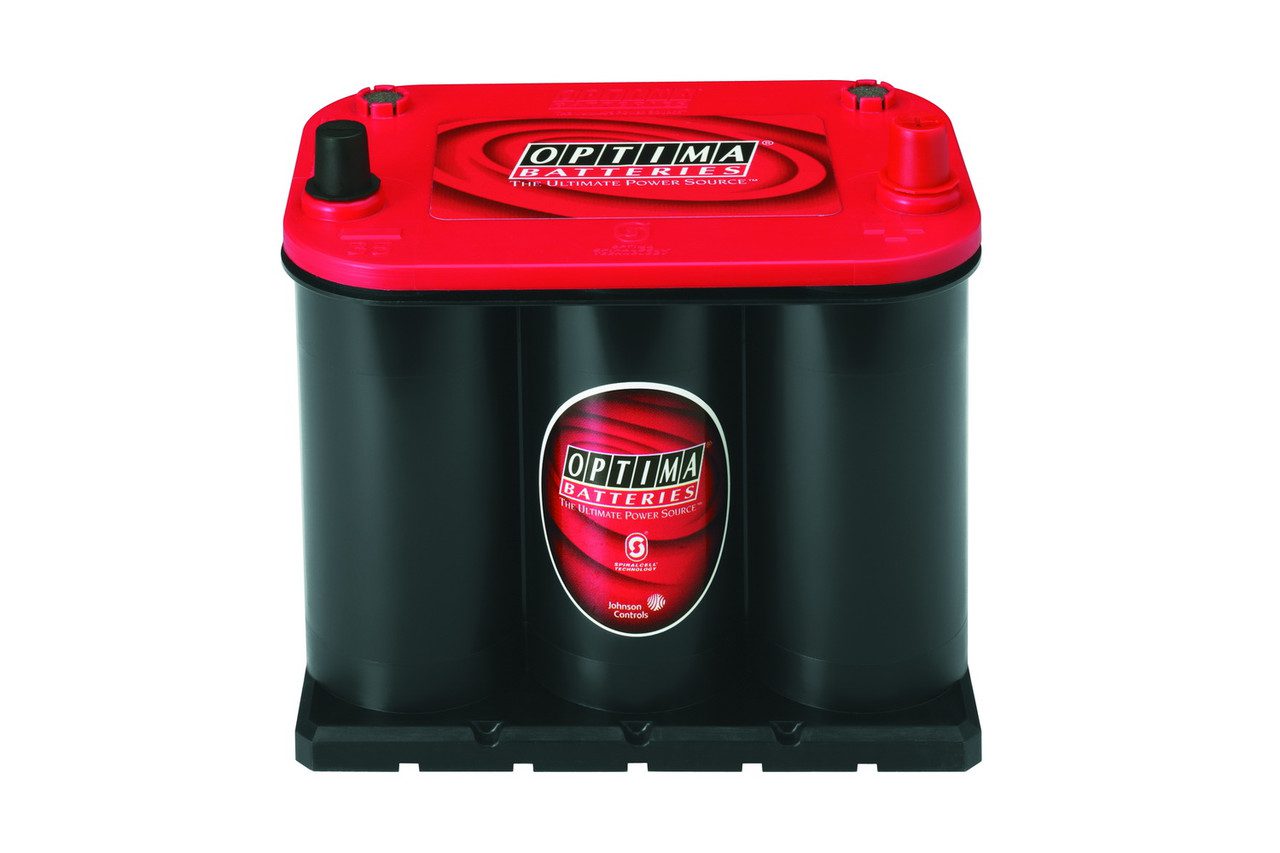
The Optima RedTop 35 is the best battery for most Nissan Altimas — its 720 CCA spiral-cell AGM construction outperforms flooded batteries in heat, cold, and vibration resistance. Budget shoppers get solid, no-fuss Group 35 power from the ACDelco Advantage 35, while the Odyssey 35-PC1400 raises the bar further with 850 CCA and a decade-long service horizon for owners who refuse to cut corners.
Our Top 7 Nissan Altima Battery Rankings
- Optima RedTop 35— Best Overall: 720 CCA AGM, proven spiral-cell longevity
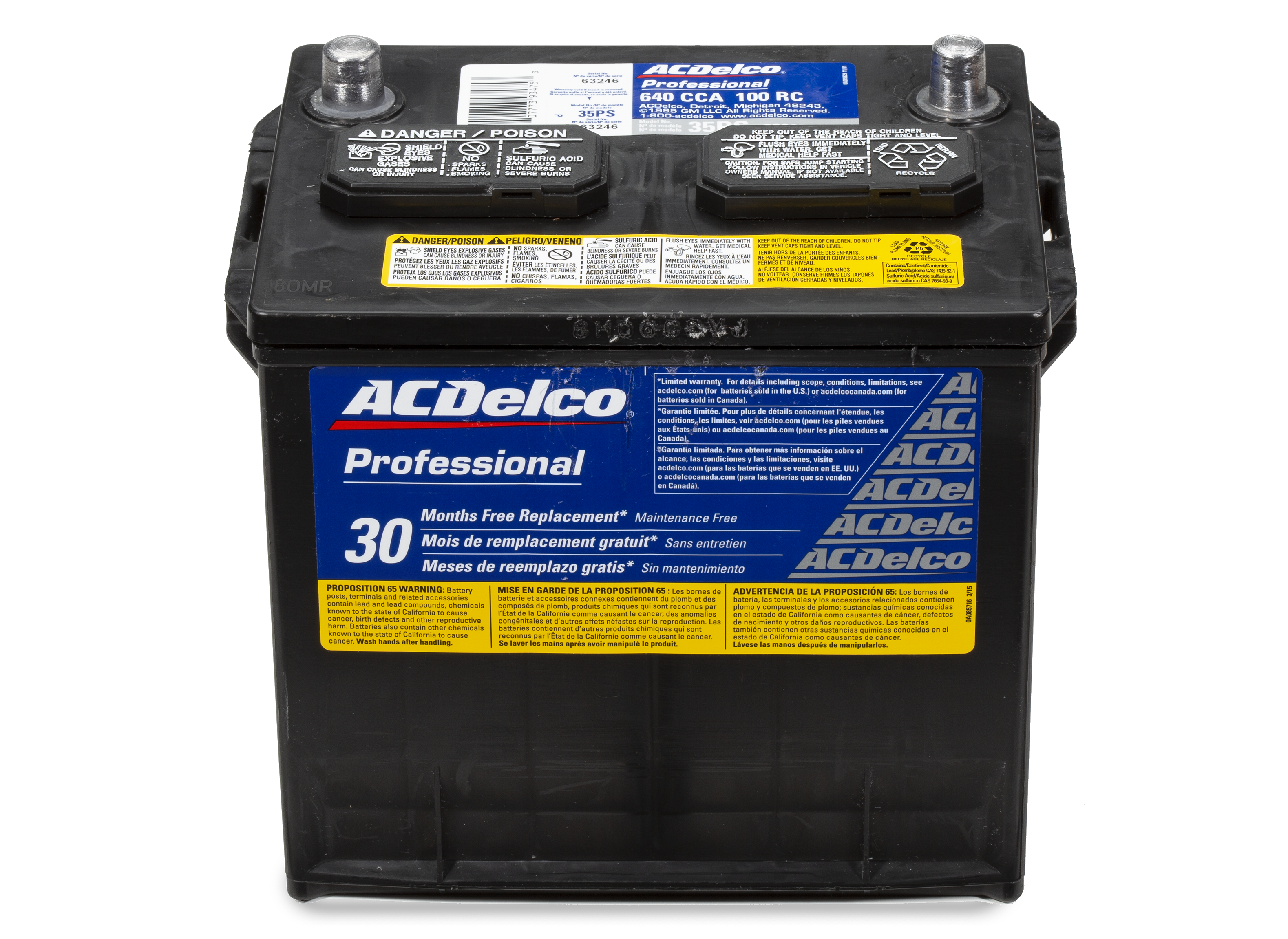
- ACDelco Advantage 35— Best Budget: 600 CCA flooded, lowest reliable price
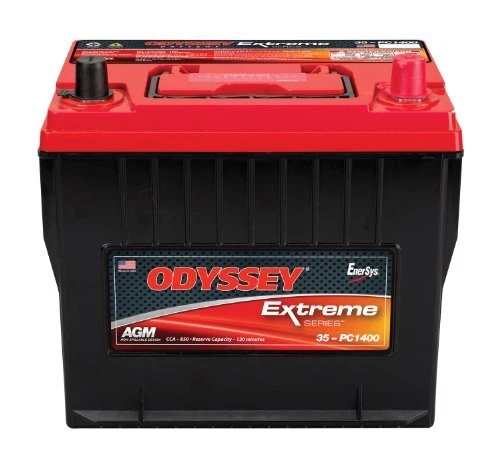
- Odyssey 35-PC1400— Best Premium: 850 CCA pure-lead AGM, deepest cycle tolerance
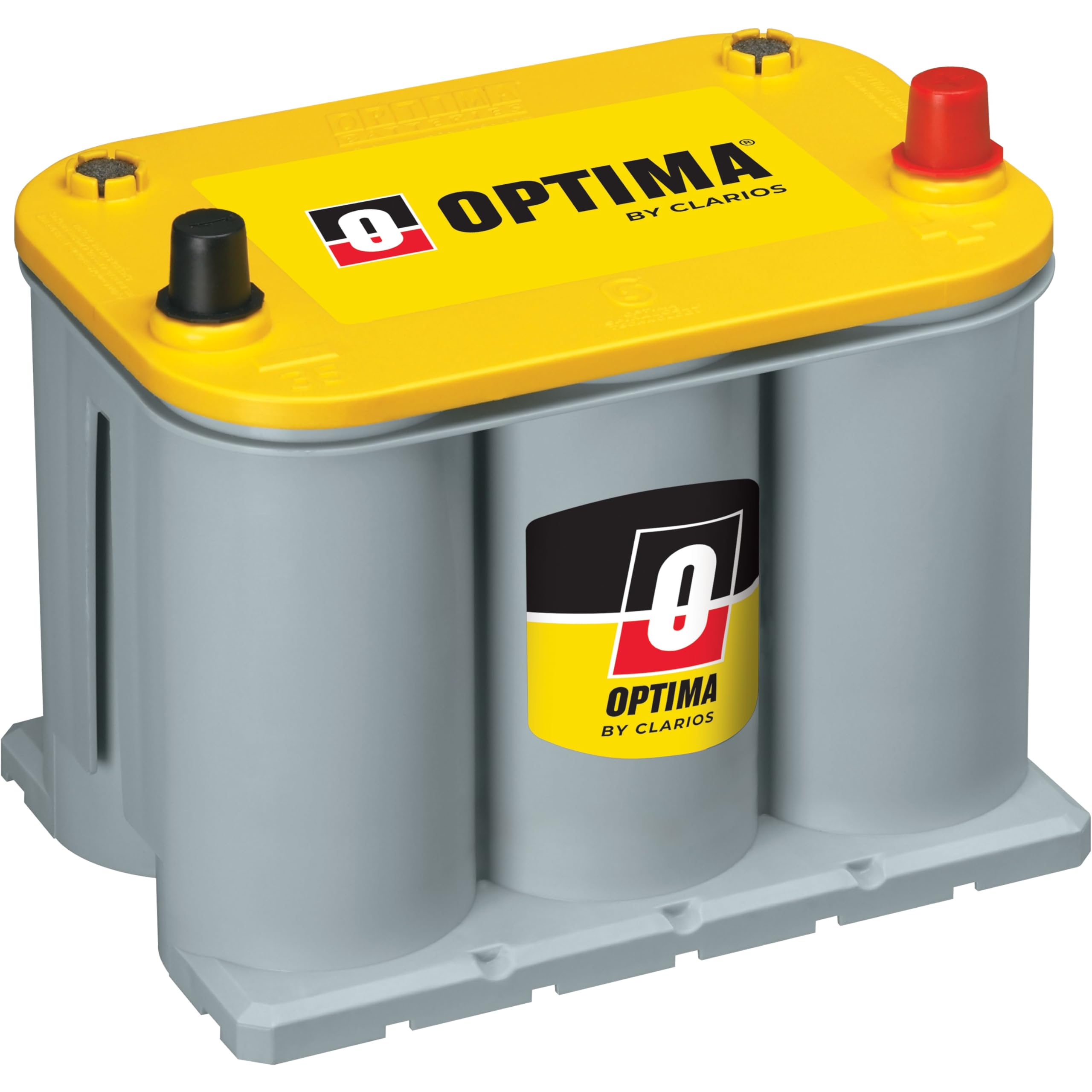
- Optima YellowTop D35— Best Durability: deep-cycle AGM for heavy accessory loads
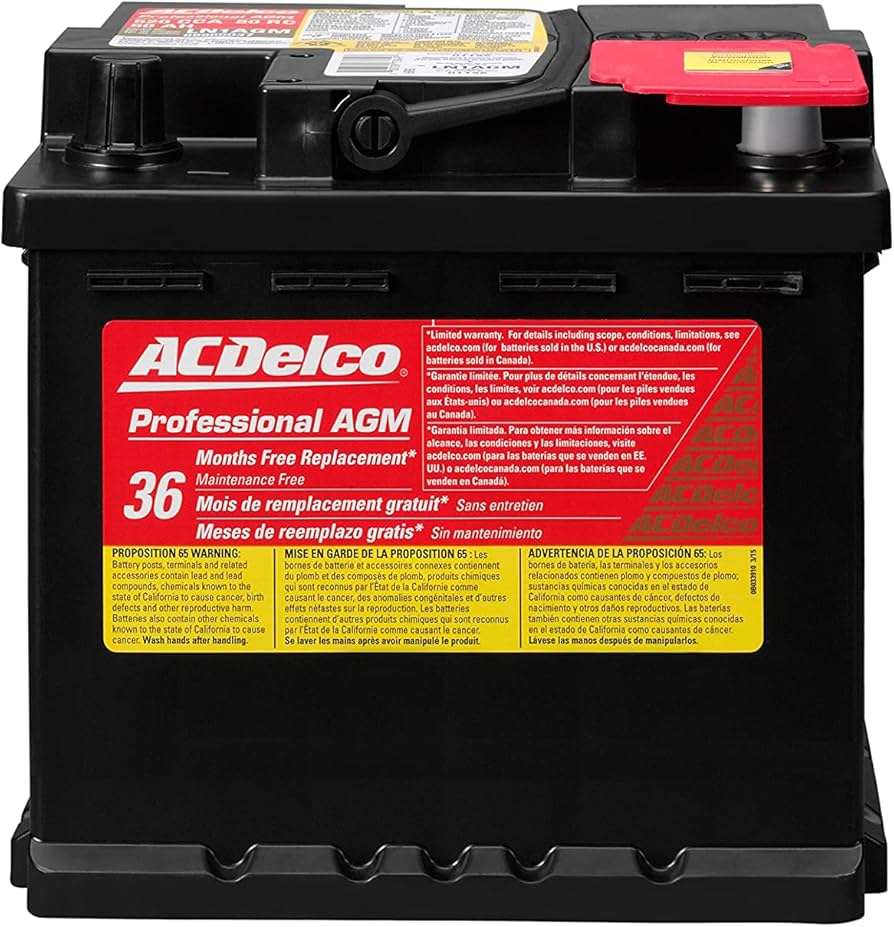
- ACDelco Gold 35— Easiest Install: molded handles, exact Group 35 fit
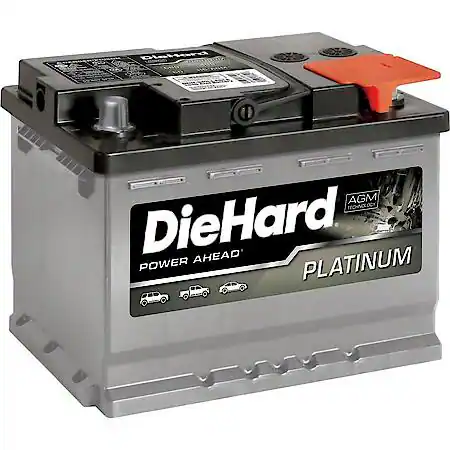
- DieHard Platinum AGM 35— Best Cold-Weather: 680 CCA, 3-year free replacement
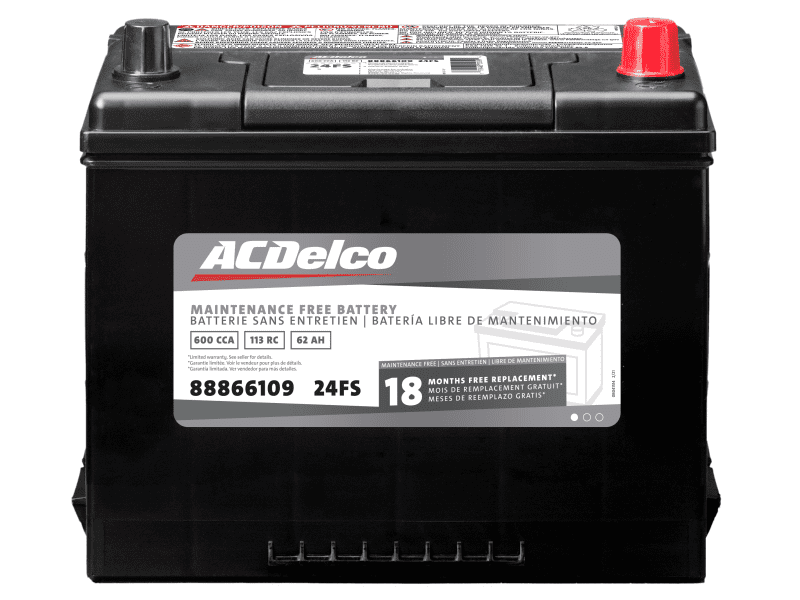
- ACDelco Advantage 24F— Best for Older V6 Altima: Group 24F fit, budget flooded
Best Nissan Altima Batteries — Compared
All seven picks side-by-side: group size, CCA, chemistry, and overall score at a glance.
| # | Product | CCA | Type | Best For | Score | |
|---|---|---|---|---|---|---|
| 1 | Optima RedTop 35 Editor’s Choice | 720 | AGM Spiral-Cell | Daily driving | 4.6 | See Latest Price |
| 2 | ACDelco Advantage 35 Budget Pick | 600 | Flooded | Budget commuter | 4.4 | See Latest Price |
| 3 | Odyssey 35-PC1400 Top Pick | 850 | Pure Lead AGM | Extreme performance | 4.7 | See Latest Price |
| 4 | Optima YellowTop D35 | 620 | AGM Dual-Purpose | Heavy accessory loads | 4.5 | See Latest Price |
| 5 | ACDelco Gold 35 | 600 | Flooded | DIY installation | 4.5 | See Latest Price |
| 6 | DieHard Platinum AGM 35 | 680 | AGM | Cold-weather reliability | 4.5 | See Latest Price |
| 7 | ACDelco Advantage 24F | 600 | Flooded | 2002–2006 V6 Altima | 4.4 | See Latest Price |
Detailed Reviews
Full breakdown of each battery — ratings, pros, cons, and our expert verdict.
Optima RedTop 35
Pros
- 720 CCA fires the 2.5L in sub-zero mornings
- Spiral-cell construction rated for 300+ discharge cycles
- Sealed case — zero acid leaks onto the battery tray
- Owners regularly report 6+ years of service
Cons
- Terminal posts sit ~5mm lower than some OEM units — check clamp depth
- Premium price, roughly 2× budget flooded options
- Not designed for deep-discharge accessory loads
ACDelco Advantage 35
Pros
- Lowest realistic price among reliable Group 35 options
- Calcium-lead alloy grids reduce internal water loss
- Factory-charged and ready to install out of the box
- Ribbed polypropylene case resists cracking
Cons
- Lifespan drops to 2 years in prolonged desert heat above 110°F
- Cranking slows noticeably below 0°F — not for northern winters
- Flooded cells require electrolyte check every 6 months in hot regions
Odyssey 35-PC1400
Pros
- 850 CCA — highest cranking power in Group 35
- Pure virgin lead plates deliver 70% more cycle life than standard AGM
- MIL-SPEC vibration resistance withstands rough roads
- Recovers fully after deep discharges that kill flooded batteries
Cons
- Highest price on this list — overkill for a low-mileage city car
- Requires an AGM-compatible smart charger — standard trickle chargers undersell it
- Case is slightly taller; verify hood clearance on pre-2007 Altima trims
Optima YellowTop D35
Pros
- 98-minute reserve capacity handles extended parking with electronics running
- Spiral-cell AGM — 15× more vibration-resistant than flooded batteries
- Tolerates repeated drain-and-recharge cycles without permanent capacity loss
- Sealed, spill-proof — safe in any mounting orientation
Cons
- 620 CCA trails the RedTop and Odyssey in extreme sub-zero conditions
- Sensitive to chronic undercharging — short daily trips on a weak alternator degrade it faster
- Weighs about 2 lbs more than a standard flooded Group 35
ACDelco Gold 35
Pros
- Molded side handles simplify lifting a 33-lb battery solo
- Silver-calcium alloy grids reduce terminal corrosion over time
- Built-in charge indicator window shows state of charge at a glance
- Mid-range price with broader warranty coverage than the base Advantage
Cons
- Flooded design still requires periodic terminal inspection in humid climates
- Reserve capacity (75 min) is modest if you frequently run accessories with the engine off
- Check the manufacture date stamp — shelf units older than 5 months have measurably reduced capacity
DieHard Platinum AGM 35
Pros
- 3-year full free replacement — strongest warranty at this CCA level
- AGM construction eliminates acid leaks and terminal sulfation
- 680 CCA holds consistent voltage after weeks of short cold-weather trips
- Stamped grid design reduces internal resistance at low temperatures
Cons
- Retail availability is inconsistent — ordering online is often necessary
- Not rated for deep-cycle use — discharging below 50% repeatedly degrades capacity
- Slight price premium versus other 680 CCA AGM competitors
ACDelco Advantage 24F
Pros
- Exact Group 24F footprint — locks into the Altima V6 tray without shimming
- Budget price makes replacement a non-event on a high-mileage vehicle
- Ribbed case construction adds structural integrity during shipping and install
Cons
- Flooded design requires electrolyte level checks in high-temperature climates
- Service life shortens to under 2 years in sustained heat above 100°F ambient
- CCA performance at sub-zero temperatures is noticeably weaker than any AGM
Can’t Decide?
Our Top 2 Picks — Head to Head
Both are strong options for the Nissan Altima. Here’s exactly when to pick each one.
- 720 CCA for confident starts in all seasons
- Spiral-cell AGM — zero maintenance, zero leaks
- Owners routinely report 6–7 years of service
- Handles rough roads without internal plate damage
- 850 CCA — highest cold cranking power in Group 35
- Pure lead AGM withstands deep discharge cycles
- 3–10 year rated service life with proper charging
- MIL-SPEC vibration tolerance for pothole-heavy roads
How to Choose the Right Battery for Your Nissan Altima
Six factors that separate a smart battery purchase from a frustrating one — specific to the Altima platform.
BCI Group Size — Group 35 vs 24F
Every 2007–2023 4-cylinder Altima uses a Group 35 tray. Third-generation V6 models (2002–2006) typically need a Group 24F — a longer, heavier case. Buying the wrong group size means the hold-down clamp won’t engage, leaving the battery free to vibrate and short against the hood. Always read the label on the battery being replaced before ordering, not just the online compatibility tool.
Cold Cranking Amps vs Your Actual Climate
CCA is measured at 0°F — the minimum threshold you should match to your coldest realistic morning. Southern California drivers can run 550 CCA without issue. Chicago-area drivers need 650+ CCA to avoid slow cranks on -10°F mornings and unnecessary starter wear. Buying exactly at the minimum leaves no margin if the battery ages or the alternator output dips.
AGM vs Flooded Chemistry
Flooded batteries cost 40–50% less and work acceptably for basic commuters in moderate climates. AGM batteries absorb vibration better, recharge faster after deep discharge, never spill acid, and last roughly 2 years longer in real-world conditions. For any Altima seeing stop-and-go delivery use, rideshare duty, or extreme temperatures, the AGM premium consistently pays for itself before the flooded unit would need replacing.
Reserve Capacity for Accessory Loads
Reserve capacity (RC) tells you how many minutes the battery can run your lights and electronics at 25 amps before dropping below 10.5 volts — essentially how long you have if the alternator fails. The stock Altima battery runs about 75–80 minutes of RC. If you regularly run a dashcam, phone chargers, or a 12V cooler with the engine off, target 90+ minutes RC minimum. The Odyssey and YellowTop lead here.
Warranty Terms and What They Signal
A 24-month free replacement period is the baseline — it tells you the manufacturer expects roughly 3 years of normal use. A 36-month free replacement window signals meaningfully better internal quality. The DieHard Platinum AGM 35’s 3-year free replacement is genuinely strong for an AGM at this price point. Always save the receipt and note the installation date — warranty claims without proof of purchase date are routinely denied.
Terminal Polarity and Clamp Fit
Nissan Altimas use a top-post layout with the positive terminal on the driver’s side in most trims. Some AGM batteries — particularly the Optima — have terminal posts that sit a few millimeters shorter than OEM. Verify your existing clamp depth before installing. A clamp that only catches the top 2mm of the post can arc under vibration. If there’s any doubt, a $2 terminal shim washer prevents a $400 ECU fuse replacement.
Pro Tips
Quick Buying Checklist
Read the label on your current battery — don’t rely solely on online fitment tools. Group 35 and Group 24F trays look similar until you try to lock the hold-down clamp.
Match CCA to your coldest expected morning, not your region’s average. A 550 CCA battery that barely started the car in November will fail in January.
Check the manufacture date code before buying in-store. A battery sitting on the shelf for 8+ months has already lost measurable capacity — ask for the freshest unit available.
If choosing AGM, use a smart charger with an AGM mode. Standard trickle chargers apply too much voltage and quietly shorten AGM plate life over multiple charge cycles.
Disconnect the negative cable first, secure the hold-down clamp fully after installation, and reconnect positive first. A loose battery shifts and shorts; a reversed connection blows main fuses.
Register your battery warranty immediately if the manufacturer offers online registration. Warranty claims without a purchase date are denied more often than you’d expect.
Frequently Asked Questions
What group size battery does a Nissan Altima take?
Most 2007–2023 4-cylinder Nissan Altimas use a Group 35 battery. Third-generation V6 Altimas from 2002–2006 typically require a Group 24F. The correct group number is printed directly on the label of your existing battery — always verify this before purchasing a replacement, since even compatibility lookup tools occasionally return the wrong result for specific trim years.
Is an AGM battery worth the higher cost for a Nissan Altima?
For most Altima owners, yes. AGM batteries outlast flooded units by roughly 2 years in real-world conditions, handle heat and vibration far better, and never require maintenance. The cost premium over a quality flooded battery is typically offset before the flooded unit would need replacing. The exception is a low-mileage second car in a mild climate — there, a budget flooded unit is perfectly reasonable.
How long should a Nissan Altima battery last?
A quality replacement battery typically delivers three to five years in moderate driving conditions. Altimas used for short daily trips under 10 miles, parked in extreme heat above 100°F for months at a time, or powering heavy electronics can see that drop to two to three years. Getting the charging system load-tested alongside the battery check gives you advance warning of an impending failure.
Can I replace the battery in my Altima without resetting the ECU?
Disconnecting the battery does clear ECU adaptive memory, radio presets, and the clock. The engine may idle roughly for the first 10–20 miles while the computer relearns fuel trims. Using an OBD-II memory saver (a small device that powers the system from a 9V battery during the swap) preserves all stored settings. It costs under $20 and takes 30 seconds to set up.
Will a higher-CCA battery damage the Altima’s starter or alternator?
No. A battery with higher cold cranking amps only makes more current available — the starter motor draws only what it needs. Fitting an 850 CCA Odyssey into a car that originally used a 550 CCA battery does not stress any electrical component. The alternator charges to the battery’s voltage setpoint regardless of CCA rating, so the charging system is unaffected by the upgrade.
What are the warning signs that my Altima battery is failing?
The most reliable indicator is a noticeably slower engine crank — especially on the first start of the morning. Other signals include headlights that dim visibly at idle, a battery warning light on the dash, or needing a jump-start more than once in a season. A swollen case or a sulfur smell near the battery tray signals internal overheating and means the battery should be replaced immediately, not jump-started again.
Does the Optima RedTop 35 need a special charger?
The RedTop operates as a starting-only AGM and charges normally on most modern chargers with an AGM setting. Avoid leaving it connected to an old unregulated trickle charger indefinitely — sustained overcharging above 15.6V degrades AGM plates faster than any other factor. A basic smart charger with an AGM mode (widely available for $30–$60) is all you need to maintain it between long periods of storage or infrequent use.
Final Verdict
Our Top Recommendations for 2026
The Nissan Altima is a long-haul commuter that deserves a battery matched to how it actually gets used. The Optima RedTop 35 wins for the vast majority of drivers — its 720 CCA spiral-cell AGM construction handles the full range of real-world demands better than any flooded battery at its price tier. Owners who want the absolute ceiling of Group 35 performance should step up to the Odyssey 35-PC1400, while budget-conscious drivers in mild climates will find honest, reliable service from the ACDelco Advantage 35 without overpaying for capacity they won’t use.