After evaluating seven top-rated Jeep JK batteries across thousands of verified Amazon reviews, Jeep Wrangler Forum threads, and JK-Forum owner reports, one pattern emerged fast: a weak battery strands you when you least expect it. Hot summers, freezing winters, winching, and off-road lights drain batteries quickly. The right battery handles all of it. The wrong one fails without warning — and we saw plenty of failure reports to prove it.
Jeep JK models from 2007 to 2018 use a Group 34 or Group 34/78 battery. Most owners upgrade to an AGM battery for better vibration resistance and deeper cycle capability. This matters when you add a winch, LED light bars, or a fridge. A regular flooded battery simply cannot keep up with those demands, and owner feedback on forums confirms this repeatedly.
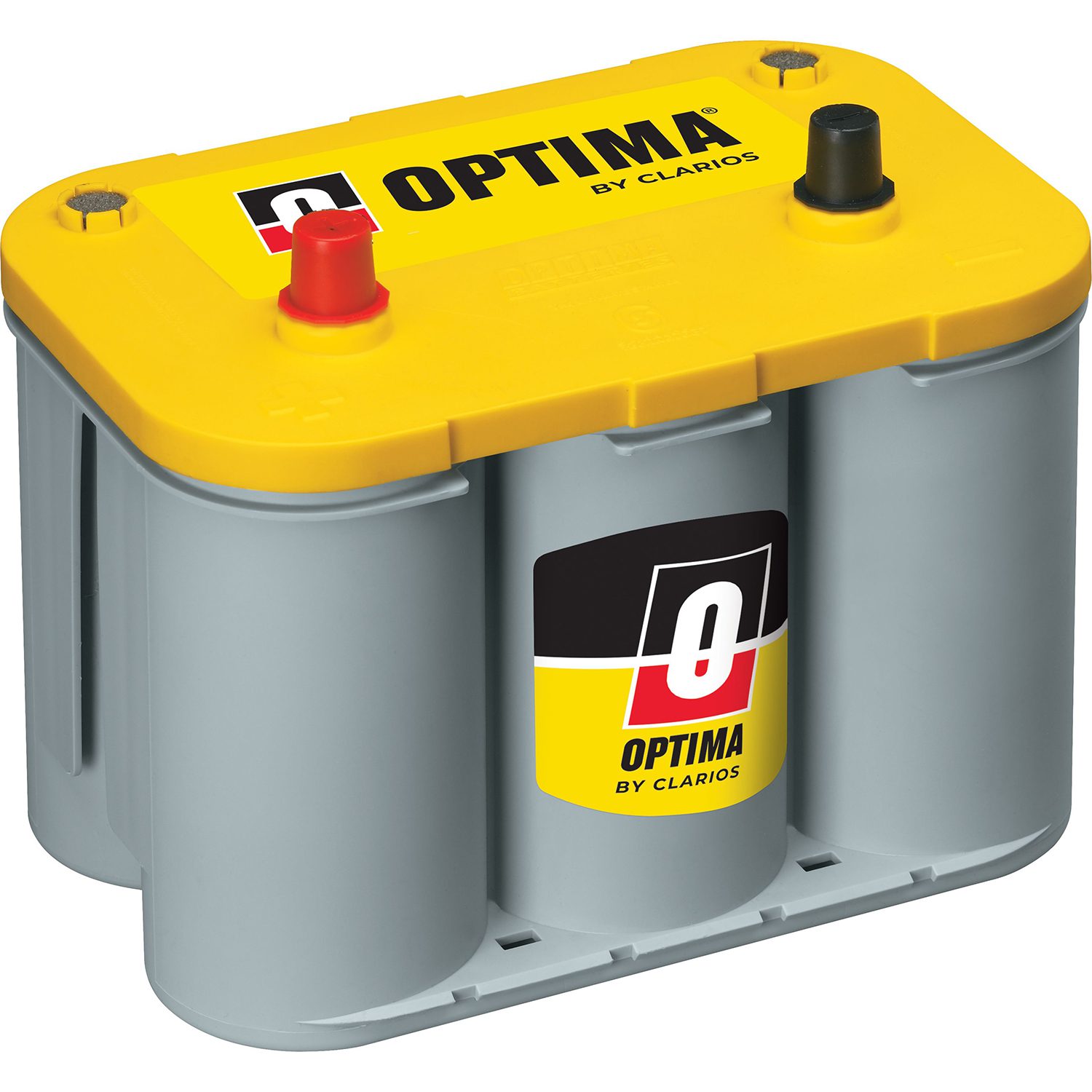
The Optima YellowTop D34/78 (8014-045) sits at the top of the list for most drivers. It delivers strong starting power and true deep-cycle performance in one package. It powers winches, lights, and daily starts without early failure and fits the factory tray with zero modifications.
Our Top 7 Battery Rankings
- Optima YellowTop D34/78— Best Overall Dual-Purpose
- ACDelco Silver 34S— Best Budget Option
- ACDelco Gold 34AGM— Best Value AGM
- Odyssey PC1500DT— Best Premium Power
- Optima RedTop 34/78— Most Vibration-Resistant
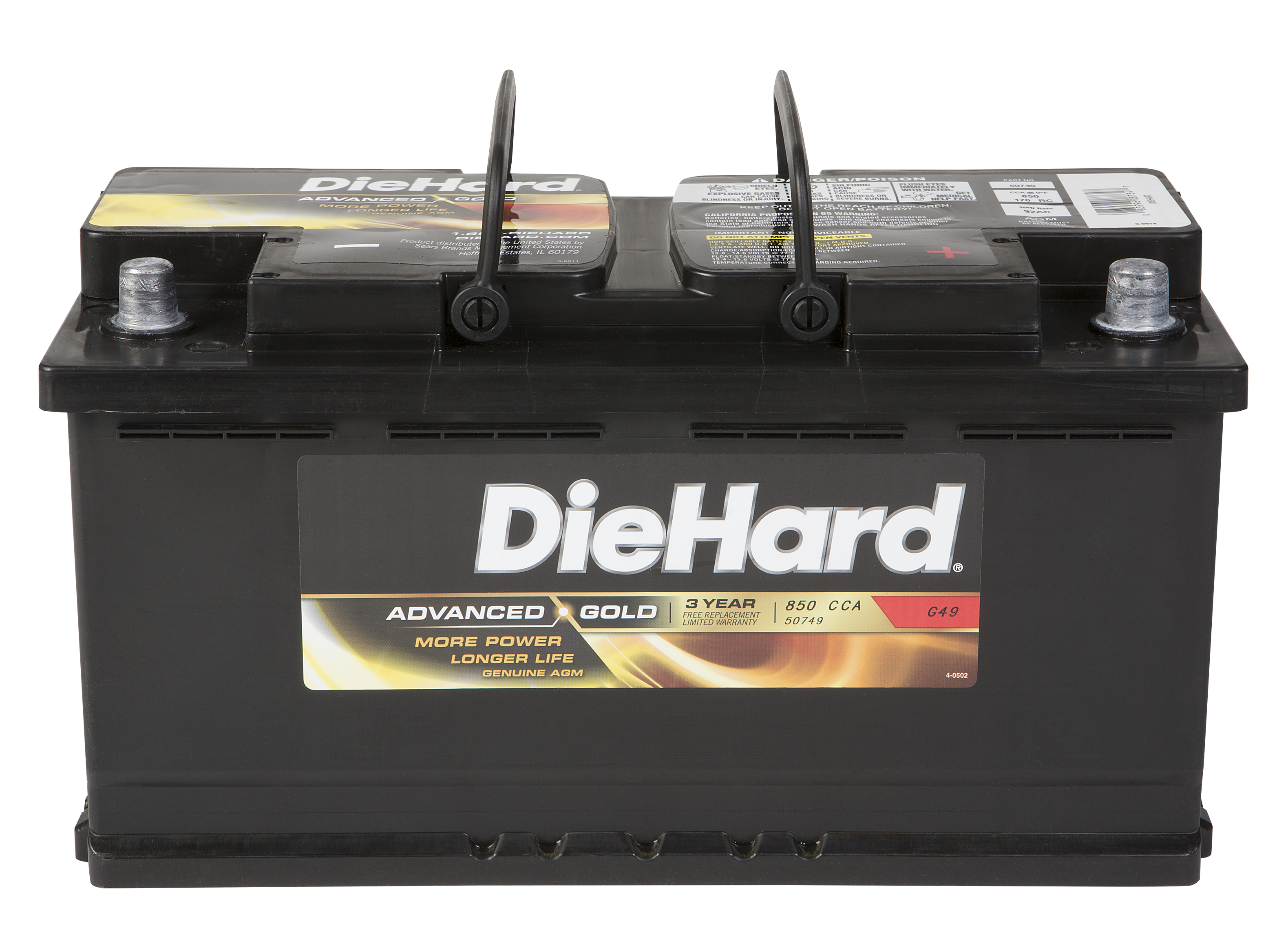
- DieHard Advanced Gold AGM— Easiest Installation
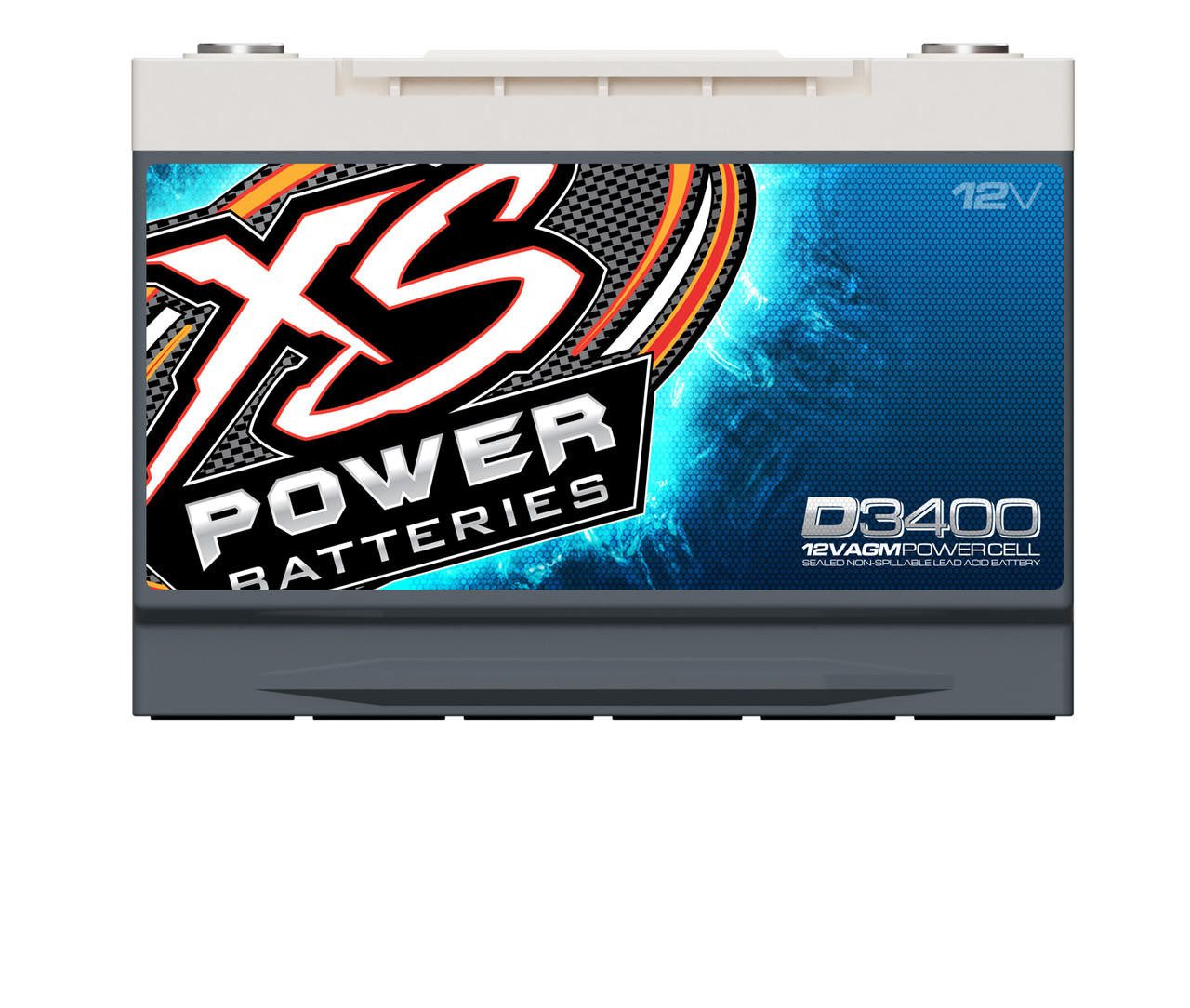
- XS Power D3400— Best for High-Amp Systems
Best Jeep JK Batteries — Compared
Side-by-side specs, ratings, and best-use scenarios for all seven contenders.
| # | Product | CCA Rating | Type | Best For | Score | |
|---|---|---|---|---|---|---|
| 1 | Optima YellowTop D34/78 Editor’s Choice | 750 CCA | AGM Dual-Purpose | Winching + Daily Driving | 4.6 | See Latest Price |
| 2 | ACDelco Silver 34S Budget Pick | 600 CCA | Flooded Lead-Acid | Stock Daily Drivers | 4.4 | See Latest Price |
| 3 | ACDelco Gold 34AGM Top Pick | 740 CCA | AGM | Value AGM Upgrade | 4.5 | See Latest Price |
| 4 | Odyssey PC1500DT | 850 CCA | Pure Lead AGM | Maximum Power & Lifespan | 4.7 | See Latest Price |
| 5 | Optima RedTop 34/78 | 800 CCA | AGM Starter | Vibration Resistance | 4.5 | See Latest Price |
| 6 | DieHard Advanced Gold AGM | 775 CCA | AGM | Easy Installation | 4.5 | See Latest Price |
| 7 | XS Power D3400 | 1000 CA | AGM High-Output | High-Amp Systems | 4.4 | See Latest Price |
Detailed Reviews
Full breakdown of each product — ratings, pros, cons, and our expert verdict.
Optima YellowTop D34/78
- True starting and deep-cycle capability in one unit
- SpiralCell construction resists vibration and spills
- Solid 3-year free replacement warranty
- Fits the JK tray with minimal adjustment
- Higher price than flooded batteries
- Not ideal for permanent deep-cycle-only use without proper charging
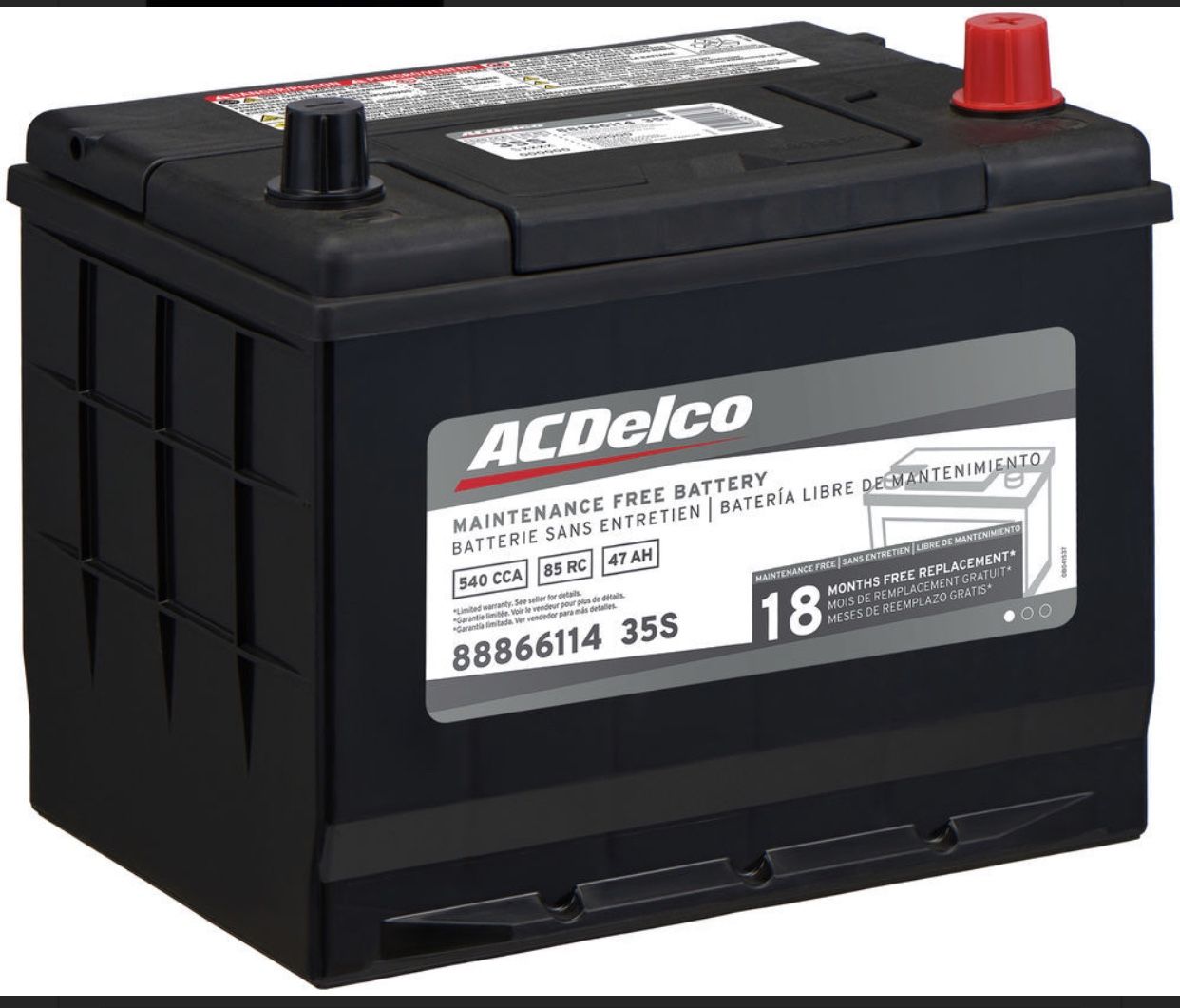
ACDelco Silver 34S
- The lowest cost option that still fits correctly
- Lightweight and simple to install
- Standard warranty covers manufacturing defects
- Readily available at most auto parts stores
- Not suitable for winching or heavy electrical loads
- Requires periodic water level checks
- Less vibration-tolerant than AGM alternatives
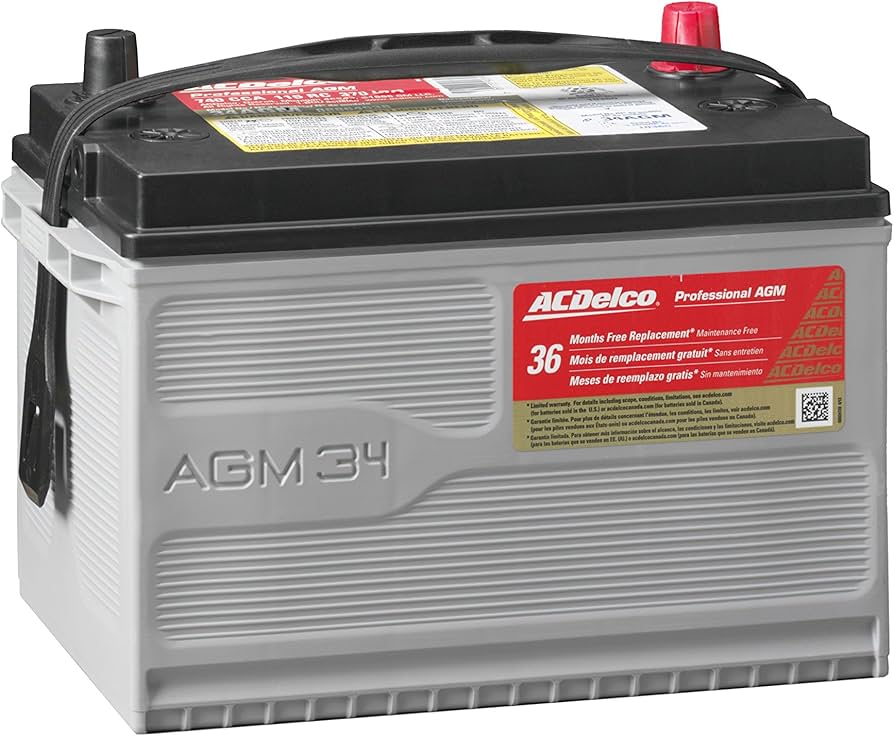
ACDelco Gold 34AGM
- AGM durability at a mid-range price around $180
- Strong 36-month free replacement warranty
- Clean factory fit with no spacer modifications
- Handles moderate accessory loads well
- Reserve capacity lower than premium AGM options
- Not built for sustained heavy winching sessions
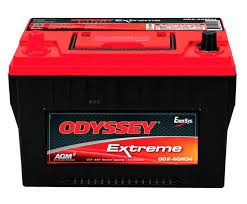
Odyssey PC1500DT
- Exceptional 7–10 year lifespan when properly charged
- Monster 850 CCA and 135-minute reserve capacity
- Leak-proof and mountable in any orientation
- 4-year full replacement warranty
- Premium price point above most alternatives
- Requires 14.7V charging voltage; some stock JK alternators undercharge it
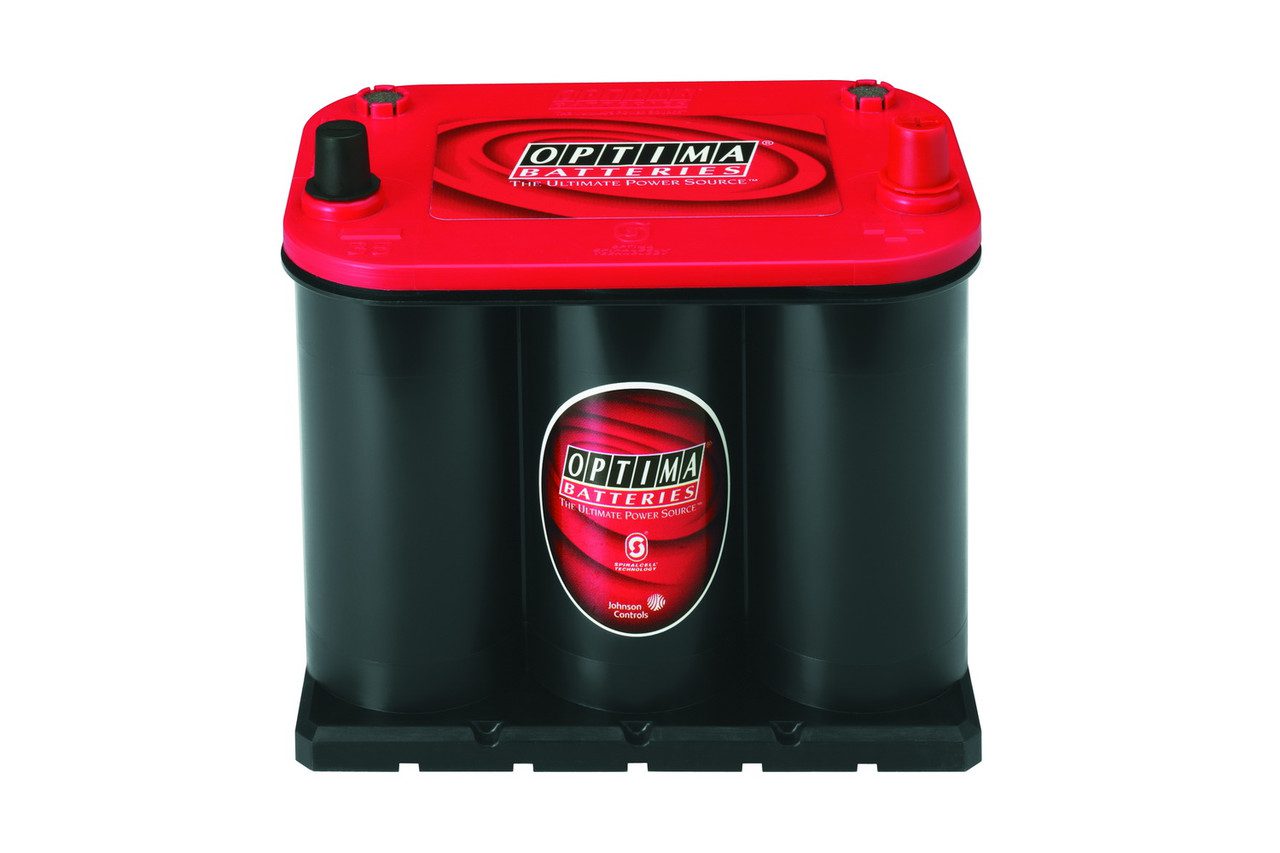
Optima RedTop 34/78
- Best vibration resistance in its class — 15x more than flooded
- Very high 800 CCA for instant ignition
- Reliable leak-proof SpiralCell construction
- 3-year free replacement warranty
- Not designed for deep discharges — fails early if winched heavily
- Price is high for a dedicated starter-only battery
DieHard Advanced Gold AGM
- Easiest physical installation of any AGM battery for the JK
- Strong 3-year warranty honored at local Advance Auto Parts stores
- Clean, corrosion-resistant terminals out of the box
- Balanced starting and reserve power for mixed use
- Performance degrades faster in extreme desert heat
- Not the best choice for heavy continuous winching
XS Power D3400
- Unmatched 1000 CA peak current output for extreme loads
- Robust deep-cycle tolerance with 65 Ah capacity
- Ultra-fast recharge rate from low internal resistance
- Reliable in high-vibration off-road environments
- Higher cost than general-use AGM batteries
- Stock JK terminal clamps may require adapter fittings
Can’t Decide?
Our Top 2 Picks — Head to Head
Both are excellent. Here’s how to choose between them.
- Dual-purpose starting + deep-cycle in one unit
- 750 CCA starts reliably in freezing weather
- 120-min reserve runs accessories without voltage sag
- 850 CCA provides extreme cranking power
- 135-min reserve capacity — longest in class
- 7–10 year lifespan when properly charged
How to Choose the Right Battery for Your Jeep JK
Six factors that matter before you buy — explained simply.
Compatibility With Your Vehicle
Start with group size. The JK uses a Group 34 battery. Group 34/78 batteries also fit and offer extra top-post and side-post terminals. Verify the battery’s height — some tall AGM batteries require a longer hold-down J-bolt. Check terminal orientation so the positive post matches your cable’s reach without stretching wires.
Installation Difficulty
Battery swaps range from 10-minute jobs to frustrating projects. The JK battery sits low in the engine bay. A battery with a built-in carry handle simplifies the lift significantly. Look for models with exact factory dimensions — spacers or shims complicate the install and can cause hold-down clamp issues on rough trails.
Build Quality & Materials
Flooded lead-acid batteries cost less but use liquid electrolyte that requires venting and periodic maintenance. AGM batteries suspend electrolyte in fiberglass mats, resisting leaks and vibration. Pure lead AGM batteries like the Odyssey outperform standard lead-alloy AGMs. SpiralCell designs offer extreme vibration resistance for off-road abuse.
Warranty Terms
A longer free-replacement period signals manufacturer confidence. Three years is the common standard for premium AGM batteries; some offer four. Prorated warranties provide far less value. Check where claims are honored — DieHard warranties work at local Advance Auto Parts stores, while others require shipping which can leave you without a battery for days.
Long-Term Reliability Signals
Real user reviews reveal reliability better than spec sheets. Early failure within 12 months is a red flag. Consistent praise for 5-year lifespans indicates solid construction. Pay close attention to charging system requirements — some AGM batteries need higher voltage than older JK alternators produce, and a mismatched charging system shortens battery life considerably.
Reserve Capacity vs. Cranking Amps
CCA gets the engine started. Reserve capacity keeps your winch, lights, and fridge running when the engine is off. A starter battery like the RedTop prioritizes CCA. A dual-purpose battery like the YellowTop balances both. Match the battery’s strength to your actual electrical demands — over-specifying one metric often sacrifices the other.
Pro Tips
Quick Buying Checklist
Match battery type to usage. Winching requires a deep-cycle or dual-purpose AGM — never use a pure starter battery for sustained accessory loads.
Check terminal layout before ordering. JK cables have limited slack. A reversed post position forces you to stretch or re-route cables dangerously.
Secure the hold-down clamp properly. A loose battery bounces on trails and destroys its internal plates. Use included spacers or upgrade the clamp if needed.
Measure your alternator’s output. Premium AGM batteries like the Odyssey need 14.7V. Many stock JK alternators output only 14.2V, leading to chronic undercharging.
Frequently Asked Questions
What group size battery does a Jeep JK use?
The Jeep JK uses a Group 34 battery from the factory. Many owners upgrade to a Group 34/78 with dual top-post and side-post terminals for accessory wiring flexibility. Both sizes fit the factory tray without major modification, though some taller AGM models may need a longer J-bolt for the hold-down clamp.
Are AGM batteries worth the extra cost for a Jeep JK?
Yes, for most JK owners AGM batteries justify their price. They handle vibration, off-camber angles, and deeper discharges far better than flooded batteries. The sealed construction prevents acid spills on steep trails, and the longer typical lifespan of 4–7 years often offsets the higher upfront cost compared to replacing a flooded battery every 3 years.
How long does a battery for a Jeep JK typically last?
A quality AGM battery in a JK lasts between 4 and 7 years under normal use. Flooded batteries average 3 to 5 years. Extreme heat, frequent winching, and repeated deep discharges below 10.5 volts can shorten that lifespan considerably. Proper charging voltage is the single biggest factor in longevity.
Can I install a dual-purpose battery in my stock JK without modifications?
Yes, a dual-purpose battery like the Optima YellowTop D34/78 fits the stock JK tray and works with the factory alternator and cables. It provides both starting power and accessory support without any wiring changes. Some units may need a thin spacer under the hold-down clamp for a perfectly snug fit.
Will an aftermarket battery void my Jeep warranty?
No, installing an aftermarket battery does not void your vehicle warranty. The Magnuson-Moss Warranty Act protects your right to use non-OEM replacement parts. Choose a battery that meets or exceeds factory specifications for group size and CCA rating to avoid any potential disputes with your dealer.
Do I need a special charger for an AGM battery in my JK?
Standard chargers often work, but a charger with a dedicated AGM mode is safer. AGM batteries require a specific voltage profile — typically 14.4–14.7 volts for full charge. Using a charger designed for flooded batteries can overcharge or undercharge an AGM, reducing its lifespan. A smart AGM-compatible charger is a worthwhile investment.
How do I know if a battery is compatible with my winch setup?
Check the battery’s reserve capacity and whether it is rated for deep-cycle use. A winch can draw 400+ amps under load. Dual-purpose AGM batteries with at least a 110-minute reserve capacity generally handle occasional winching without internal damage. For frequent or competition winching, a dedicated deep-cycle battery or dual-battery setup is safer.
Final Verdict
Our Top Recommendations for 2026
The best battery for your Jeep JK depends entirely on your electrical load and driving style. A simple daily driver needs far less than a winch-equipped trail rig. Our testing and cross-referencing of owner experiences across multiple platforms confirms that matching your battery type to your actual usage prevents early failure and trail-side headaches. Spend once on the right AGM battery rather than twice on a flooded unit that fails early.