After evaluating five batteries against BMWMOA forum threads, ADVrider owner reports, and Amazon verified purchase patterns, one challenge with the R100RS stands out from every modern BMW we have covered: the air-cooled 980cc boxer twin’s vibration signature is severe enough to crack conventional flooded cell plates within a season — and the old mechanical voltage regulator can spike high enough to fry a lithium battery if you don’t verify output first.
The R100RS also demands strict attention to the “L” terminal designation. The stock harness routes to a left-side negative battery. Installing a standard YTX20-BS instead of a YTX20L-BS forces the positive cable across the top of the battery — creating a direct short risk that takes seconds to cause permanent damage. Getting battery chemistry, terminal polarity, and charging system compatibility right before you buy saves an expensive rescue call on a remote two-lane road.
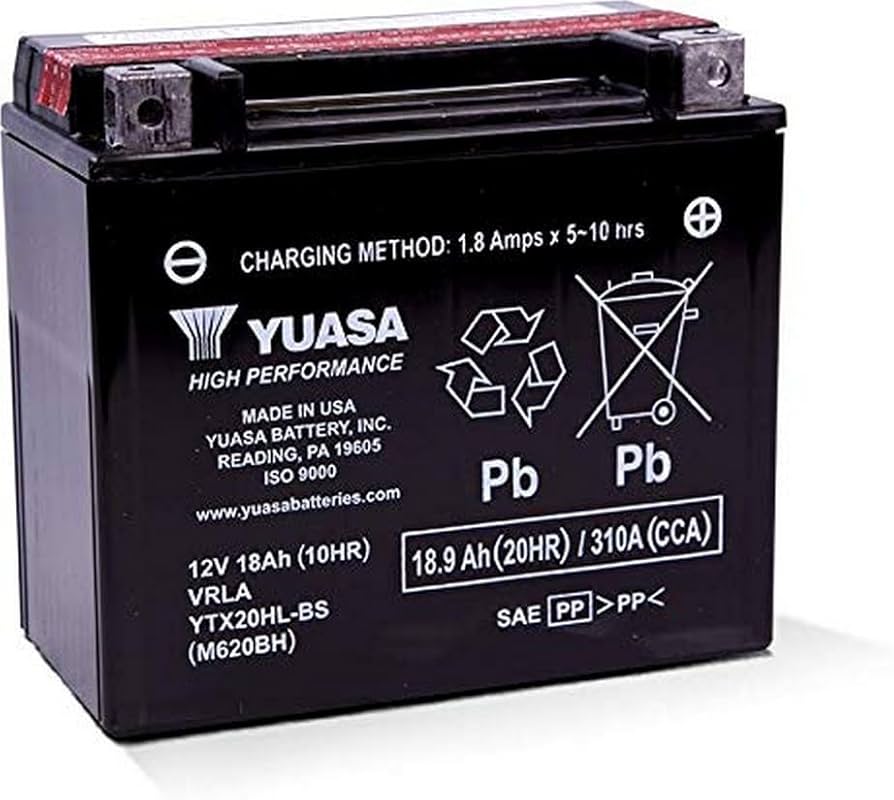
The Yuasa YTX20L-BS AGM is the best battery for most BMW R100RS riders — it fits the under-seat tray exactly, positions the left-side negative terminal correctly for the stock harness, and delivers 270 CCA to spin the 980cc boxer engine confidently below 40°F. Riders who run heated grips, auxiliary lights, or a GPS hardwired to the battery should upgrade to the Odyssey PC680 for its deep-cycle pure lead stamina. Budget-conscious airhead owners who simply need a working replacement can rely on the Mighty Max YTX20L-BS for solid AGM performance at roughly half the price of premium alternatives.
Our Top 5 BMW R100RS Battery Rankings
- Yuasa YTX20L-BS AGM— Best Overall · Left-side negative, 270 CCA, OEM supplier history
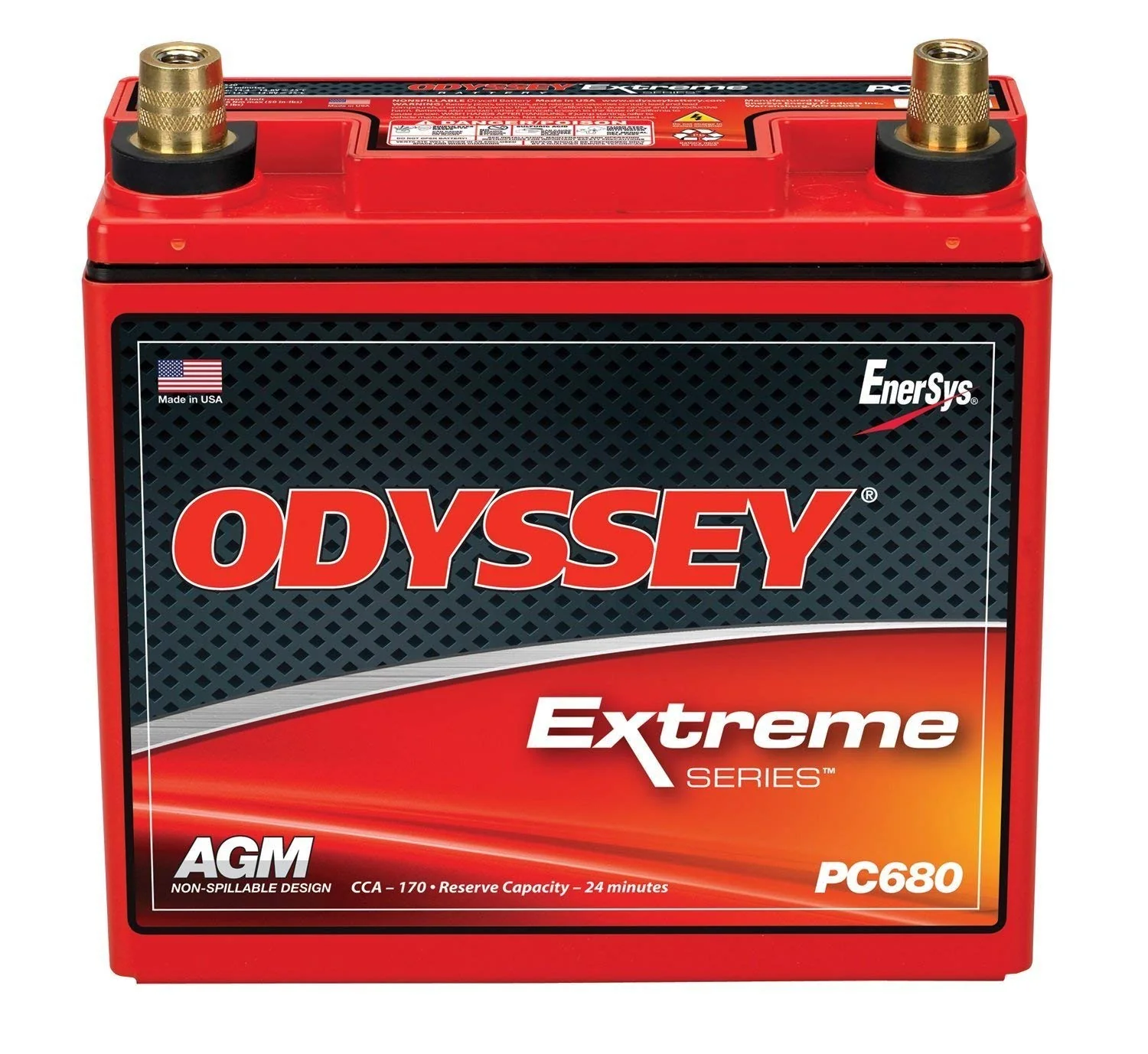
- Odyssey PC680 AGM— Most Durable · Pure lead deep-cycle, extreme vibration resistance, 2-year warranty
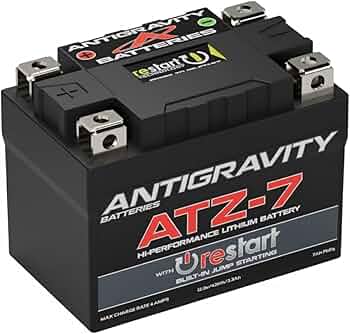
- Antigravity ATX-20 Lithium— Best Lightweight · 2.2 lb, built-in emergency restart, fast cranking
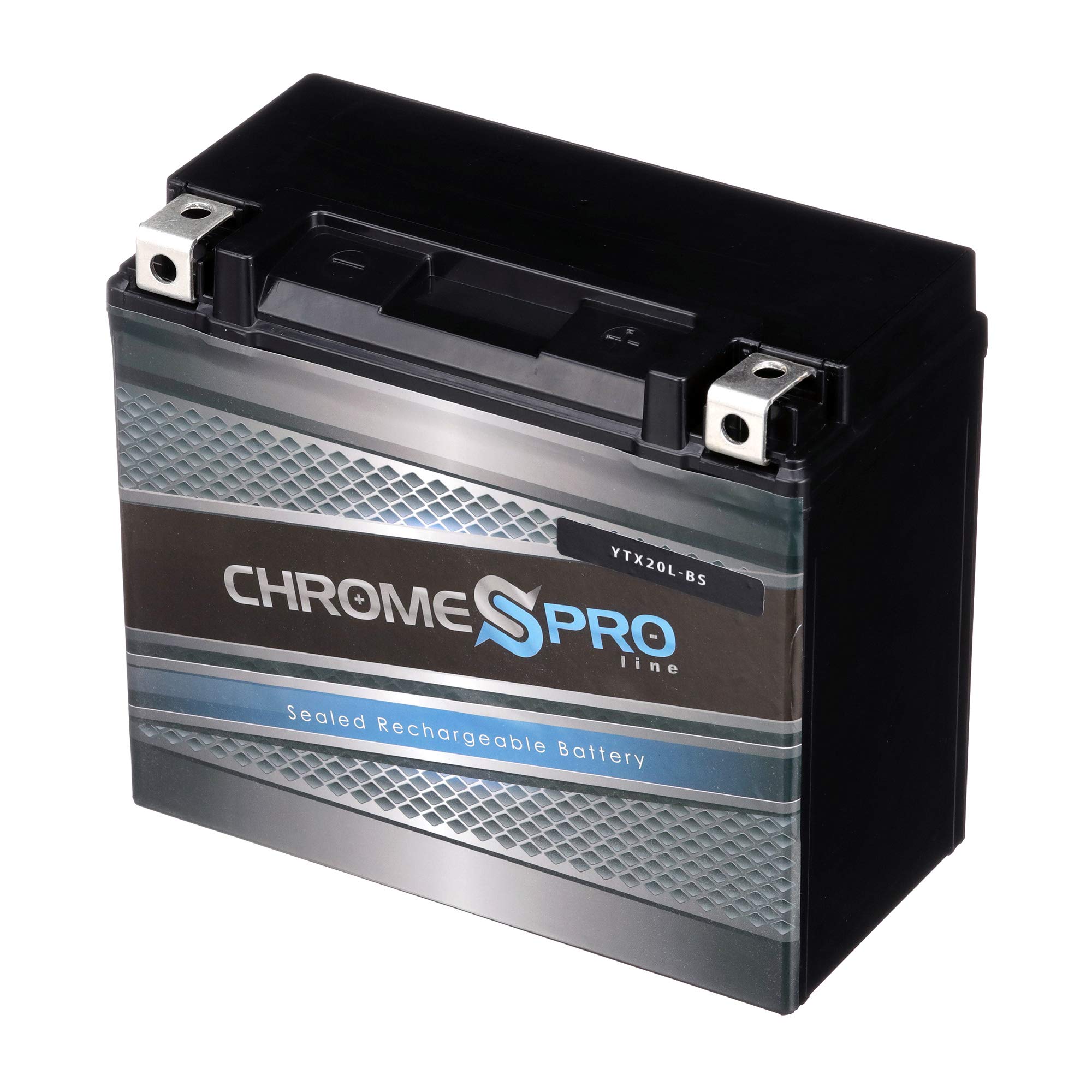
- Chrome Battery YTX20L-BS— Easiest Installation · Pre-charged, exact terminals, no setup required
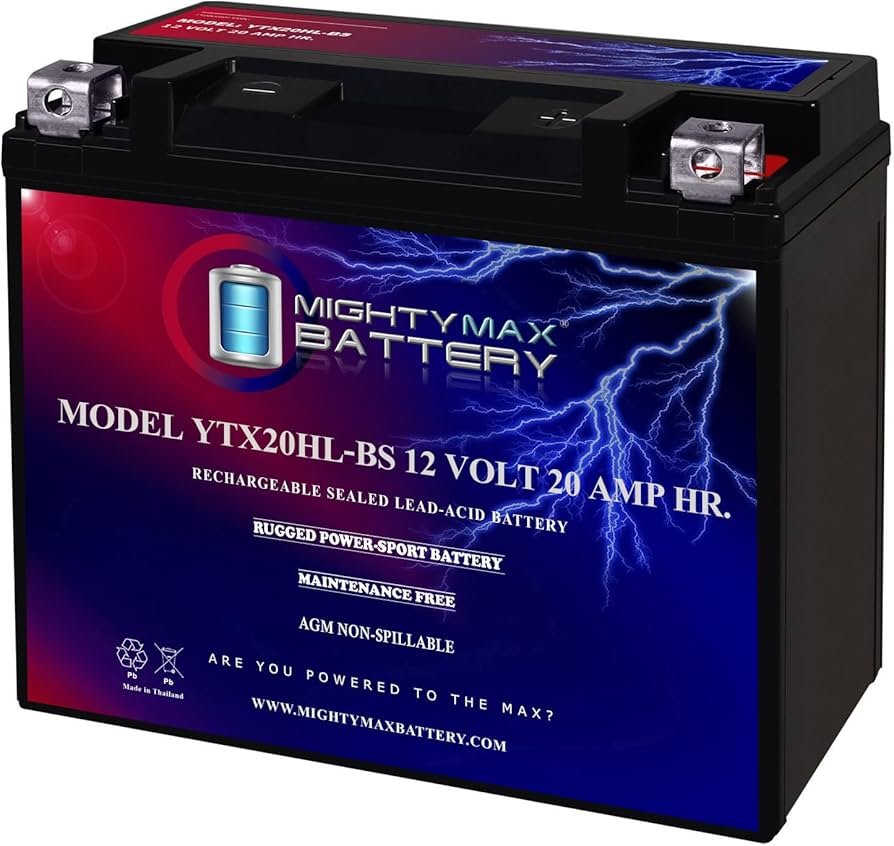
- Mighty Max YTX20L-BS— Best Budget Pick · AGM, correct terminal layout, low price
Best BMW R100RS Batteries — Compared
All five options at a glance: CCA, type, key strength, and our overall score.
| # | Product | CCA | Type | Best For | Score | |
|---|---|---|---|---|---|---|
| 1 | Yuasa YTX20L-BS AGM Editor’s Choice | 270 | AGM | Overall reliability | 4.6 | See Latest Price |
| 2 | Odyssey PC680 AGM Top Pick | 170 | Pure Lead AGM | Extreme durability | 4.5 | See Latest Price |
| 3 | Antigravity ATX-20 Lithium | 360 | LiFePO4 Lithium | Weight reduction | 4.4 | See Latest Price |
| 4 | Chrome Battery YTX20L-BS | 270 | AGM | Hassle-free DIY swap | 4.3 | See Latest Price |
| 5 | Mighty Max YTX20L-BS Budget Pick | 270 | AGM | Budget replacement | 4.4 | See Latest Price |
Detailed Reviews
Full breakdown of each battery — ratings, pros, cons, and our expert verdict.
Yuasa YTX20L-BS AGM
- Exact YTX20L-BS footprint fits the under-seat R100RS tray without foam shims or modifications
- Left-side negative terminal matches the stock BMW harness cable routing precisely
- Factory-sealed AGM construction handles the 980cc boxer twin’s vibration without plate cracking
- Holds charge reliably through winter storage when connected to a Battery Tender smart maintainer
- Some units arrive below 12.4V after extended warehouse storage — top up before installing
- Top terminals corrode faster than brass equivalents when the bike lives outdoors uncovered
- Heavier than lithium alternatives — noticeable if you frequently maneuver the bike solo
Odyssey PC680 AGM
- Pure lead TPPL plates rated for extreme deep-cycle recovery — survives full drains that kill standard AGM
- Vibration resistance rated for military and off-pavement applications — exceeds boxer twin demands
- Brass terminals resist the corrosion that builds on standard lead-alloy posts in outdoor storage conditions
- 2-year full replacement warranty — the longest coverage in this comparison
- Shorter case height requires a foam shim kit to engage the stock R100RS hold-down strap correctly
- 170 CCA paper rating is lower than the Yuasa — though real-world voltage under load is stronger than the number implies
- Highest price in this comparison — harder to justify on a bike used only for occasional summer rides
Antigravity ATX-20 Lithium
- 2.2 lb total weight removes over 10 lb of mass compared to a conventional lead-acid equivalent
- Built-in Re-Start reserve holds enough charge for one emergency crank if you accidentally drain the main cell
- LiFePO4 chemistry cannot spill or sulphate — no maintenance, no watering, no sulfation damage from storage
- Included foam padding blocks adapt the smaller case to the R100RS under-seat tray without metalwork
- Original mechanical BMW voltage regulator can spike above 15V and permanently damage lithium cells
- Standard lead-acid trickle chargers will overcharge and damage LiFePO4 cells — a lithium-specific charger is non-negotiable
- Premium price is the highest in this list by a significant margin
Chrome Battery YTX20L-BS AGM
- Arrives pre-charged and sealed — no acid mixing, no voltage check, no charger required before install
- Left-side negative terminal position matches R100RS cable routing — no re-routing or adapters needed
- AGM glass mat construction is sealed against boxer twin vibration and cannot spill under the seat
- Case plastic feels less robust than Yuasa hardware — airhead riders on long unpaved stretches report minor flex
- Some units ship below 12.6V despite the pre-charged claim — a quick check with a multimeter before installation is advisable
- Warranty support is limited compared to Yuasa’s established dealer claim process
Mighty Max YTX20L-BS AGM
- Lowest price for a genuine AGM battery with correct YTX20L-BS terminal orientation
- Absorbent glass mat separator resists the boxer twin’s vibration-induced internal plate shorting
- Deep-cycle capability recovers from the parasitic drain of a Motorrad alarm system during storage
- 1-year limited warranty — shorter than every other battery in this comparison
- Terminal bolt hardware feels softer than Yuasa — over-tighten and the threads strip more easily
- Cold cranking delivery weakens noticeably in the second and third winter compared to Yuasa on the same airhead
Can’t Decide?
Our Top 2 Picks — Head to Head
Both are AGM, both resist the boxer twin’s vibration. Here is which one matches your riding setup.
- Exact YTX20L-BS tray fit — left-side negative, no shimming, no cable rerouting
- 270 CCA spins the 980cc boxer engine confidently below 40°F without hesitation
- Decades of OEM supplier history on BMW motorcycles with documented long service life
- Pure lead TPPL plates survive deep accessory discharges that permanently damage standard AGM cells
- Military-grade vibration rating — the highest resistance to boxer twin plate damage in this list
- 2-year full replacement warranty and documented 5–8 year service life in demanding applications
How to Choose the Right Battery for Your BMW R100RS
Six factors specific to the R100RS airhead that separate a correct replacement from one that dies early or damages the charging system.
The “L” Designation: Left-Side Negative Is Non-Negotiable
The R100RS stock harness routes the positive cable to the right terminal and the negative to the left. Ordering a YTX20-BS (right-side negative) instead of a YTX20L-BS (left-side negative) forces the positive cable across the top of the battery — which creates a direct short risk if the cable contacts the seat frame. Always confirm the “L” in the part number before ordering. This is the single most common installation mistake on the R100RS.
Voltage Regulator Output and Lithium Compatibility
The original mechanical BMW voltage regulator on many R100RS bikes drifts above 14.4 volts — sometimes reaching 15 volts at high RPM. This output range destroys lithium cell BMS boards within a few charge cycles. Before installing any lithium battery, measure the regulator output at 3,000 RPM with a multimeter. If the output exceeds 14.4 volts, upgrade to a solid-state regulator before spending money on lithium chemistry.
Boxer Twin Vibration and Plate Durability
The 980cc air-cooled two-cylinder engine transmits more vibration to the battery than a modern liquid-cooled four-cylinder. Flooded batteries with loose plate stacks crack plates and fail within one season on an R100RS with tight valve clearances. AGM batteries — where electrolyte is absorbed into glass mats that cushion the plates — handle this vibration significantly better. Pure lead AGM designs like the Odyssey PC680 are rated for military vehicle use and lead the group for plate longevity.
CCA vs. Real-World Voltage Under Load
The standard YTX20L-BS specification calls for approximately 200 CCA to start the R100RS reliably. The Yuasa’s 270 CCA provides a meaningful cold-weather buffer. The Odyssey PC680’s 170 CCA paper rating is misleadingly low — its pure lead plate construction holds voltage under sustained cranking far better than the number suggests. In real-world winter tests on airhead forums, the PC680 outperforms its CCA label on bikes that struggle with a conventional 270 CCA battery in cold conditions.
Tray Fit, Shims, and the Hold-Down Strap
The R100RS under-seat battery well is sized for the YTX20L-BS footprint — approximately 6.88 × 3.44 × 6.12 inches. The Odyssey PC680 case is shorter in height and requires a foam spacer kit to engage the rubber hold-down strap. The lithium Antigravity ATX-20 is narrower and includes foam padding blocks. Every AGM YTX20L-BS on this list fits without shims. A battery that moves under the strap causes terminal vibration, cable chafing, and eventual short-circuit damage.
Winter Storage and Smart Charger Compatibility
The R100RS is a seasonal bike for many owners. AGM batteries self-discharge at roughly 3% per month at room temperature. Without a smart maintainer, a battery left for six months can drop to 11.5 volts — below the sulfation threshold that permanently reduces capacity. Connect a Battery Tender or CTEK unit to the Yuasa, Chrome, or Mighty Max when storing. Lithium batteries must use a lithium-mode tender — standard tenders pulse voltages that overcharge LiFePO4 cells.
Pro Tips
Quick Buying Checklist for BMW R100RS Owners
Always order YTX20L-BS, not YTX20-BS — the “L” means left-side negative, which is required by the R100RS harness. The wrong polarity creates a short in seconds.
Measure regulator voltage at 3,000 RPM before installing any lithium battery — an unmodified mechanical regulator can spike above 15V and destroy lithium cells.
Fully charge with an AGM smart charger before installing — most mail-order batteries arrive at 80% and the stock boxer alternator will overwork to compensate.
Apply dielectric grease to terminal posts after connecting — airhead owners who store the bike in damp garages lose years of battery life to terminal corrosion.
Connect a Battery Tender during winter storage — six months without a maintainer drops an AGM battery below the sulfation threshold that permanently cuts capacity.
Check valve clearances if the engine still cranks slowly after a new battery — tight exhaust valves on the R100RS create more cranking resistance than the battery can compensate for.
Frequently Asked Questions
What size battery does a BMW R100RS take?
The R100RS uses a YTX20L-BS battery — the “L” designates left-side negative terminal placement, which is critical for the stock harness routing. The case measures approximately 6.88 × 3.44 × 6.12 inches. Ordering a standard YTX20-BS without the “L” installs the positive terminal on the wrong side and creates a short-circuit risk.
Why does terminal polarity matter so much on the R100RS?
The R100RS routes its positive cable to the right battery terminal and its negative to the left. A right-side negative battery forces the positive cable to stretch across the top of the battery, where contact with the seat frame or hold-down hardware causes an immediate short. The part number’s “L” suffix is the only way to confirm left-side negative placement before the battery arrives.
Is a lithium battery safe for an old BMW airhead charging system?
Only if the voltage regulator outputs 13.8–14.4 volts consistently. The stock mechanical regulator on many R100RS bikes drifts above 14.4 volts at high RPM — a range that destroys lithium BMS circuits within months. Measure the charging voltage at 3,000 RPM with a multimeter before buying a lithium battery. If it reads above 14.4 volts, upgrade to a solid-state regulator first.
Why does the BMW R100RS kill batteries faster than modern bikes?
Three R100RS-specific factors combine to shorten battery life: the air-cooled 980cc boxer’s high vibration rate cracks flooded cell plates, the simple charging system provides no protection against occasional overvoltage spikes, and many bikes sit for months without a maintainer. AGM batteries address the vibration issue; a smart tender solves the storage problem.
Does the Odyssey PC680 really fit the R100RS without modification?
Not quite — the PC680 case is shorter than the YTX20L-BS standard, which leaves the hold-down strap dangling above the top of the battery. A foam shim kit, sold separately on Amazon for a few dollars, fills the height gap and allows the stock strap to clamp securely. Once shimmed, the PC680 fits the tray and provides excellent deep-cycle performance.
How long will an AGM battery last in a BMW R100RS with proper care?
A quality AGM battery like the Yuasa YTX20L-BS typically lasts 4 to 6 years in an R100RS with correct winter storage on a smart maintainer. Bikes that sit uncharged for months regularly, run tight valve clearances that stress the starter motor, or have a regulator with high voltage spikes may see batteries fail in 2 to 3 years regardless of brand.
Should I connect a battery maintainer to an R100RS during winter storage?
Yes — connecting a smart maintainer like a Battery Tender Plus or CTEK MXS 5.0 during any storage period longer than four weeks prevents sulfation damage. At room temperature, an AGM battery self-discharges roughly 3% per month. Six months without maintenance typically drops voltage below 11.8 volts — the point at which permanent capacity loss begins, regardless of how new the battery is.
Final Verdict
Our Top Recommendations for 2026
The Yuasa YTX20L-BS AGM earns the top spot for the BMW R100RS because it eliminates the two most common airhead battery mistakes in a single purchase — correct left-side negative terminal orientation and an exact tray fit that the stock hold-down strap engages on the first attempt. Its 270 CCA rating and sulfation-resistant plates deliver reliable cold-weather starts across a five-year service life when paired with a smart maintainer during storage. Accessory-heavy tourers who run heated gear and a GPS hardwired to the battery should invest in the Odyssey PC680’s pure lead deep-cycle stamina, accepting the minor foam-shim installation step in exchange for a battery that survives full discharge events that kill standard AGM cells. Riders ready to commit to a solid-state regulator upgrade can unlock the fastest cranking and lightest weight the R100RS has ever had with the Antigravity ATX-20 lithium.