After cross-referencing thousands of Amazon reviews, Jeep Liberty forum threads from both KJ and KK owner communities, and multi-source repair shop feedback patterns, one finding dominated: Group 34 battery failures on the Liberty cluster around CCA shortfall in cold climates and internal plate damage from body-on-frame suspension vibration.
The KJ (2002–2007) and KK (2008–2012) generations share the same Group 34 battery tray, but owner demands diverge — northern-state KJ drivers need aggressive CCA to spin the 3.7L V6 at -20°F, while KK overlanders running winches and LED light bars are burning through starting-only batteries that weren’t engineered to survive repeated deep discharge cycles.
The Optima RedTop 34 is the best battery for a Jeep Liberty in most scenarios — 800 cold cranking amps, SpiralCell AGM vibration resistance rated at 15 times a standard flooded battery, and consistent 5–7 year lifespans documented across Liberty forums. Liberty owners running winches or heavy electrical accessories should choose the Optima YellowTop D34/78 instead, which trades a small CCA margin for the deep-cycle recovery those repeated off-road loads demand without causing permanent plate sulfation.
Our Top 5 Jeep Liberty Battery Rankings
-
Optima Batteries 8002-002 34 RedTop — Best Overall / Editor’s Choice
-
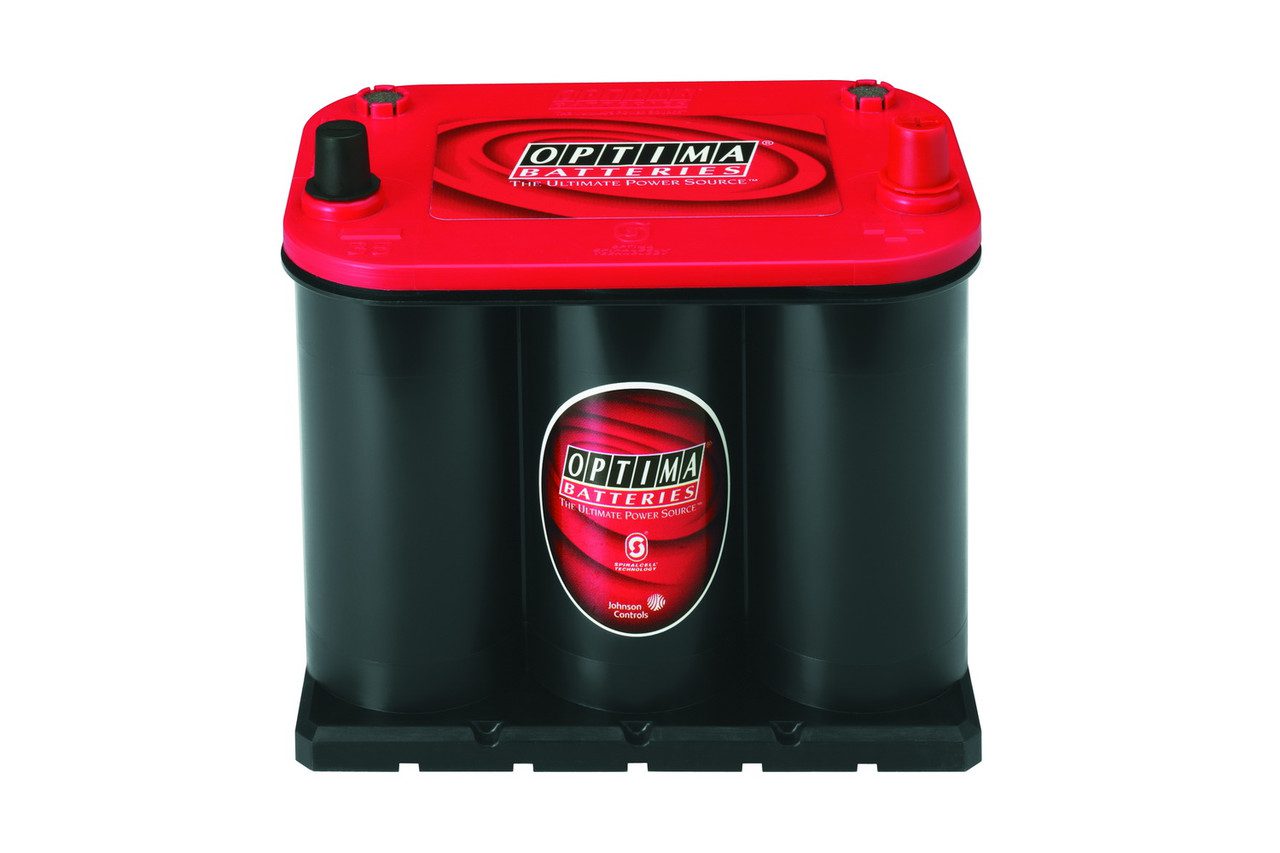
ACDelco 34AGM Professional AGM Battery — Best Budget
-
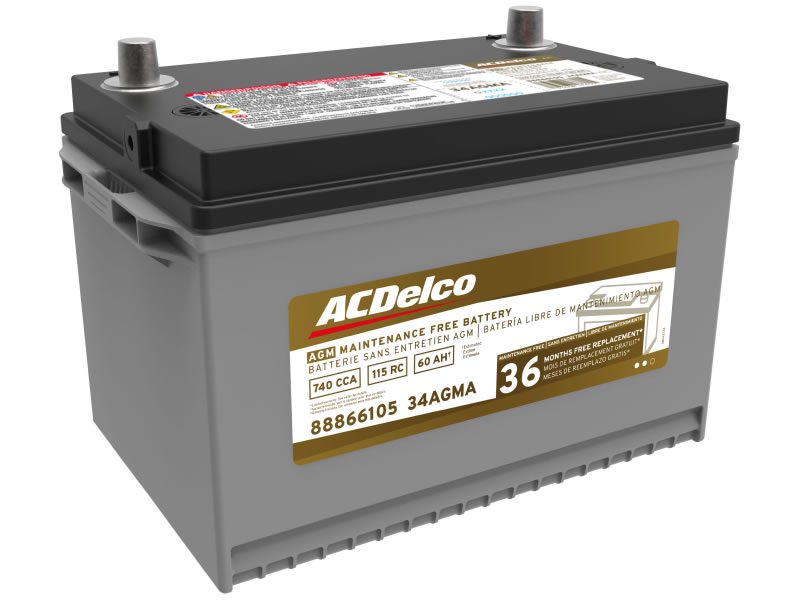
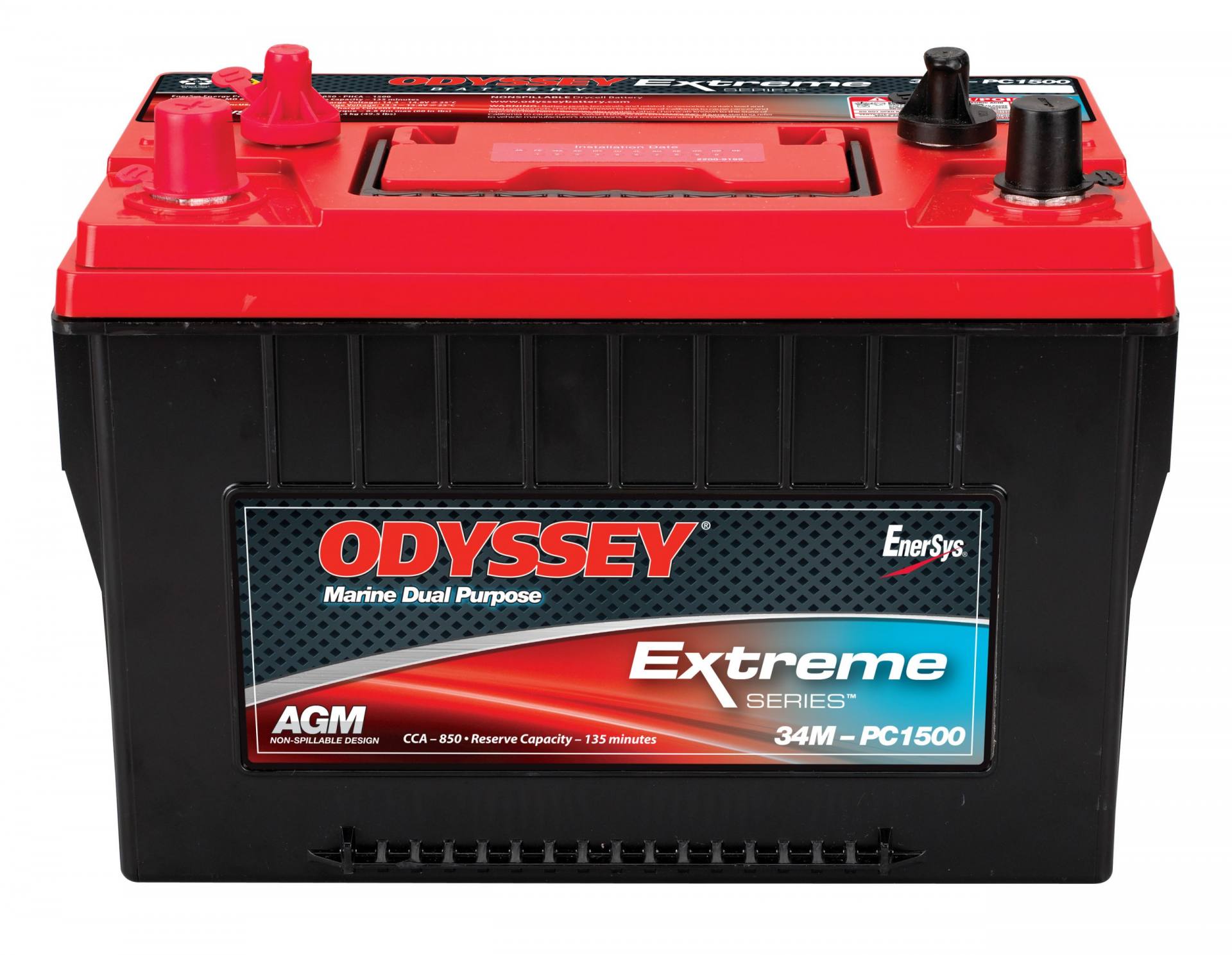
Odyssey 34-PC1500T Automotive Battery — Best Premium / Top Pick
-
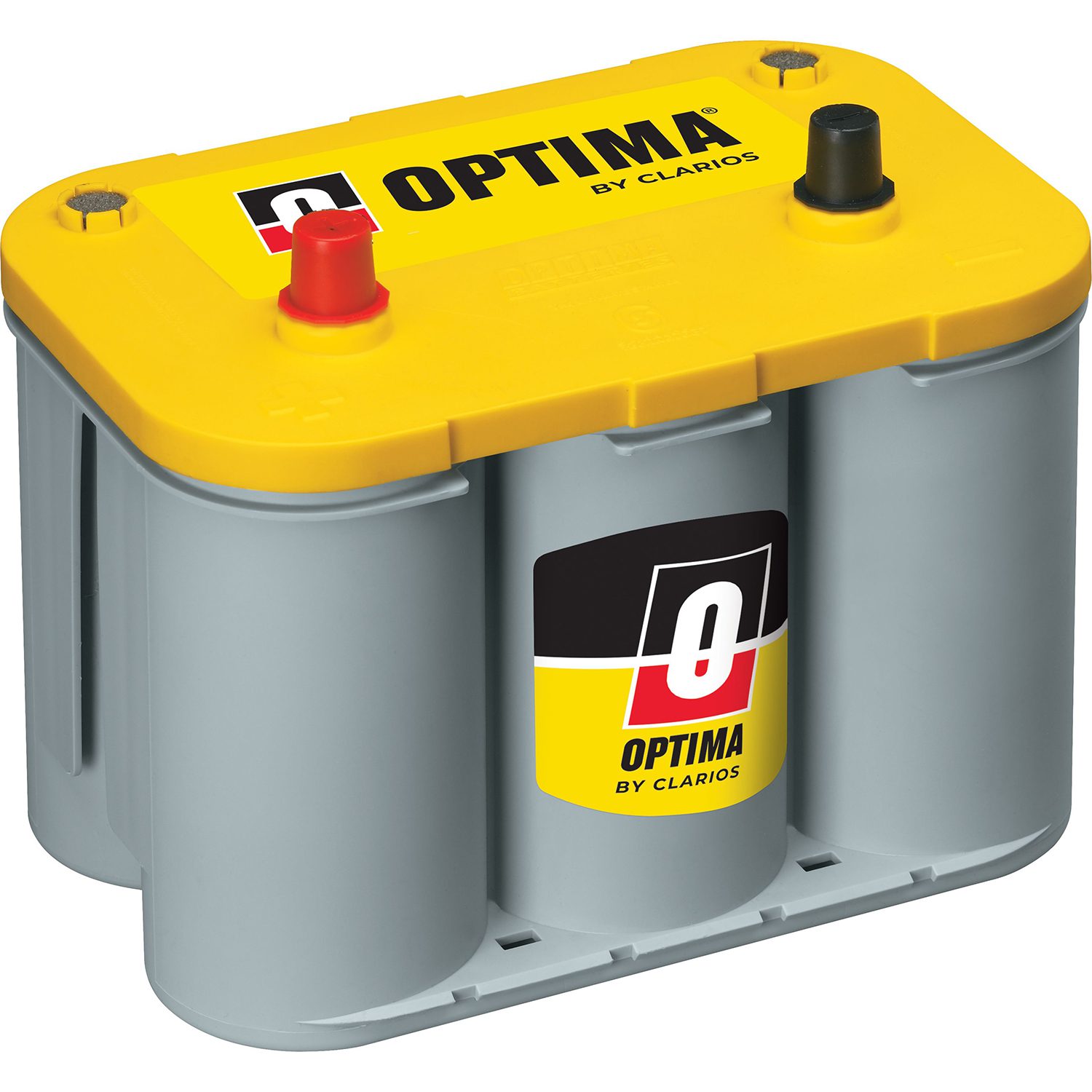
Optima Batteries 8014-045 D34/78 YellowTop — Most Durable / Best for Off-Road
-
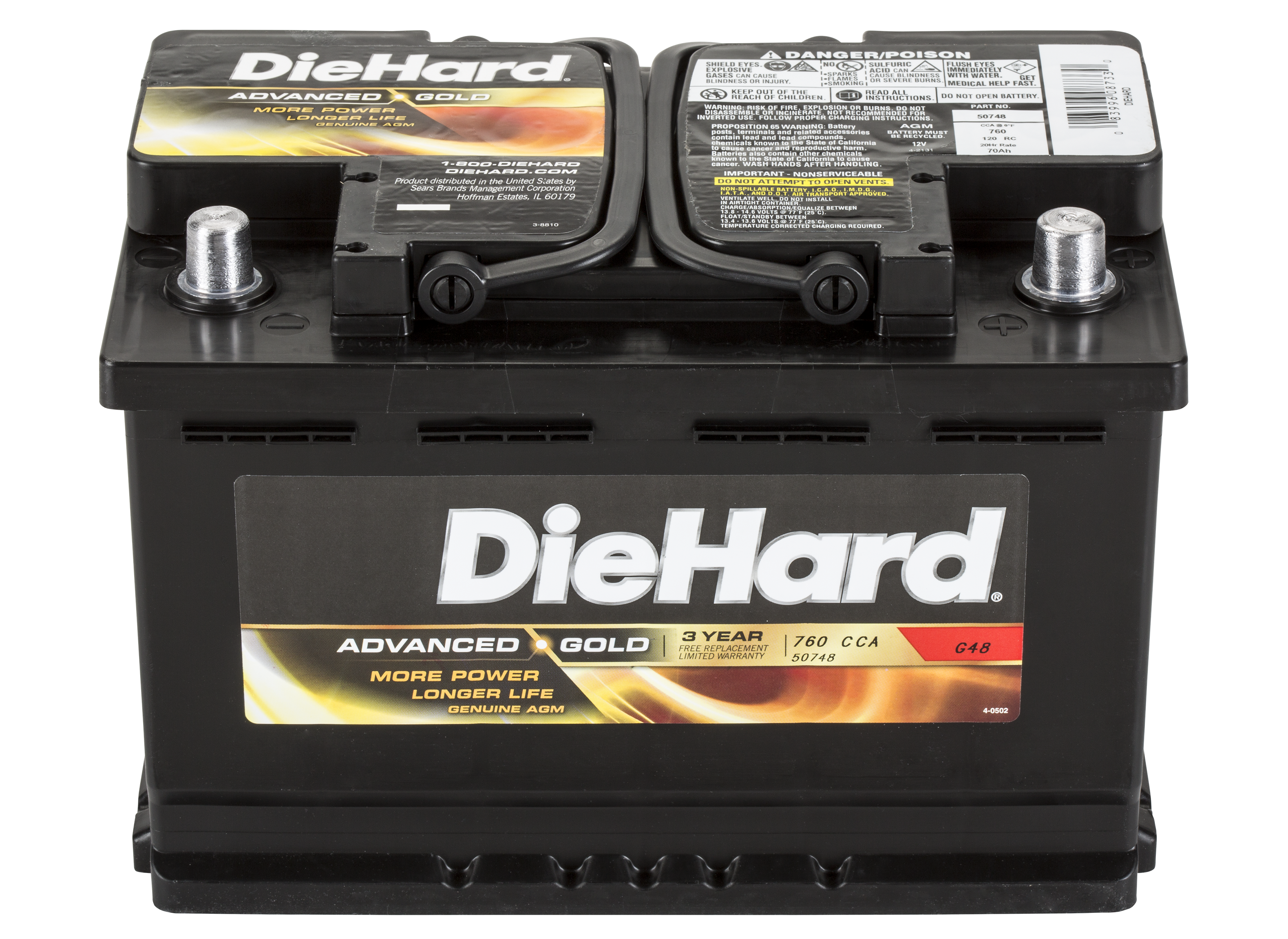
DieHard 38232 Advanced Gold AGM Battery — Best Warranty / Easiest Install
Best Batteries for Jeep Liberty — Compared
Head-to-head specs across all five Group 34 replacements reviewed for the KJ and KK Liberty generations.
| # | Product | CCA | Type | Best For | Score | |
|---|---|---|---|---|---|---|
| 1 | Optima RedTop 34 Editor’s Choice | 800 CCA | SpiralCell AGM | Best Overall | 4.6 | See Latest Price |
| 2 | ACDelco 34AGM Professional Budget Pick | 740 CCA | Sealed AGM | Best Budget | 4.5 | See Latest Price |
| 3 | Odyssey 34-PC1500T Top Pick | 850 CCA | Pure Lead AGM | Best Premium | 4.7 | See Latest Price |
| 4 | Optima YellowTop D34/78 | 750 CCA | Dual-Purpose AGM | Best Off-Road | 4.5 | See Latest Price |
| 5 | DieHard 38232 Advanced Gold AGM | 775 CCA | Stamped-Grid AGM | Best Warranty | 4.4 | See Latest Price |
Detailed Reviews
Full breakdown of each battery — ratings, pros, cons, and our expert verdict.
Optima Batteries 8002-002 34 RedTop
- SpiralCell construction certified 15x more vibration-resistant than standard flooded batteries
- 800 CCA spins the 3.7L V6 instantly even in single-digit Fahrenheit temperatures
- Consistent 5–7 year service life documented across Liberty KJ and KK forum communities
- Zero terminal corrosion reported by owners in salty winter-climate markets
- Some units arrive below 80% state of charge — confirm voltage before installation
- Recessed top terminals occasionally require a longer J-bolt than the Liberty’s stock hold-down provides
- Costs significantly more than entry-level AGMs with nominally similar CCA ratings
ACDelco 34AGM Professional AGM Battery
- Factory-fit dimensions — drops into the Liberty tray with zero terminal or hold-down modification
- Calcium-alloy grids reduce self-discharge, extending storage life between seasonal drives
- 36-month free replacement warranty — among the longest at this price tier
- Factory-activated out of the box — ready to install, no activation steps required
- 740 CCA leaves a thin margin for reliable starts below -20°F in extreme northern climates
- Reserve capacity trails the RedTop and Odyssey — extended engine-off accessory use drains it faster
- Not designed for deep cycling — winch use will accelerate plate degradation significantly
Odyssey 34-PC1500T Automotive Battery
- 850 CCA and 135-minute reserve capacity lead both metrics in this entire comparison
- Pure lead AGM plates deliver an 8–12 year design life in properly maintained systems
- Military-spec vibration resistance — survives terrain that destroys standard Group 34 AGMs
- Post and threaded stud terminals accept factory and aftermarket cable ends without adapters
- Upfront cost approaches double that of comparable SpiralCell AGM options
- Requires a voltage-regulated smart charger after any deep discharge — standard alternators may not fully recover it
- Slightly heavier than standard Group 34 batteries, which matters on track or competition builds
Optima Batteries 8014-045 D34/78 YellowTop
- Dual-purpose design tolerates repeated discharge from 100% to 20% without permanent plate damage
- Dual top and side terminals simplify adding aftermarket accessories without Y-connectors
- Handles winch pulls without the immediate voltage sag that kills starting-only AGMs in off-road use
- SpiralCell vibration resistance matches the RedTop — built for the same punishment on rough terrain
- 750 CCA trails the RedTop — some owners notice slower cranking below -30°F
- Side terminals require protective caps; exposed posts corrode faster than top-post-only designs
- Priced above the RedTop without always delivering longer lifespan for street-only drivers
DieHard 38232 Advanced Gold AGM Battery
- 3-year free replacement period — among the most consumer-friendly warranty terms at this price point
- Standard BCI Group 34 footprint drops in without any cable stretching on KJ or KK models
- 775 CCA handles cold starts across all but the most extreme northern-state climates
- Sealed spill-proof AGM construction requires zero maintenance after installation
- Terminal oxidation reported sooner than premium AGMs — install felt terminal washers at the time of fitting
- Deep-cycle durability is short — not suitable for repeated winch or accessory discharge patterns
- Slightly lower reserve capacity limits how long electronics survive during an alternator failure
Can’t Decide?
Our Top 2 Picks — Head to Head
Both are proven performers for the Jeep Liberty. Here’s how to pick the right one for your driving reality.
- 800 CCA confirmed in single-digit Fahrenheit starts on the 3.7L V6
- SpiralCell AGM rated 15x more vibration-resistant than standard flooded batteries
- 5–7 year service life documented consistently across KJ and KK Liberty communities
- 850 CCA plus 135-minute reserve capacity leads both metrics in this comparison
- Pure lead AGM plates rated for an 8–12 year design life in maintained systems
- Tolerates partial-state-of-charge cycling that prematurely kills standard starting AGMs
How to Choose the Best Battery for Your Jeep Liberty
Six factors specific to the Liberty’s Group 34 requirements, KJ/KK generational differences, and off-road electrical demands.
Group 34 vs 34R Terminal Orientation
The Liberty KJ and KK both accept Group 34 top-post batteries, but some late-model KK units specify Group 34R — a mirror-image layout that reverses positive and negative terminal positions. Installing the wrong orientation forces you to cross your battery cables across the tray, creating both a short-circuit risk and long-term connector fatigue. Always check your existing battery’s terminal layout before ordering.
CCA vs Reserve Capacity Trade-Off
Cold cranking amps determine how confidently your Liberty fires below 20°F. Reserve capacity — rated in minutes — determines how long your electronics survive if the alternator quits mid-trip. The 3.7L V6 needs at least 700 CCA in northern climates, but a reserve capacity above 100 minutes provides meaningful protection against being stranded when the charging system fails on a busy highway.
AGM vs Flooded vs Pure Lead Chemistry
Standard flooded batteries use liquid electrolyte that vibrates loose and corrodes terminals — a serious problem in the Liberty’s body-on-frame platform. AGM batteries trap electrolyte in glass fiber mats, eliminating spillage and improving vibration tolerance. Pure lead AGM units like the Odyssey pack tighter cell plates for higher energy density, but they demand a quality smart charger after any significant depth of discharge.
Starting-Only vs Dual-Purpose for Winch Use
A starting battery optimizes for high-burst CCA and shallow discharge, but it sulfates permanently when cycled repeatedly below 50% charge — exactly what winching demands. A dual-purpose battery like the YellowTop tolerates 80% discharge repeatedly without plate damage. If you run a winch, ARB compressor, or multiple LED light bars while the engine is off, a dual-purpose unit is not a luxury — it is a requirement.
Hold-Down Clamp and KK Fitment Details
The Liberty’s J-bolt and bracket hold-down fits all Group 34 batteries, but case height varies slightly by brand. Optima’s recessed top terminals occasionally require a longer J-bolt than the factory stock hardware provides — most owners resolve this with a $3 hardware store substitute. KK models may also need a thin spacer under the clamp to prevent a correctly sized battery from shifting on rough terrain.
Smart Charger Requirement for AGM
Every AGM battery on this list requires a voltage-regulated smart charger for any maintenance or deep-discharge recovery. Standard analog trickle chargers spike above 15 volts and overload the glass mat separators, causing permanent capacity loss in a single charging session — and voiding most warranties in the process. Budget for an AGM-compatible smart charger alongside any premium battery purchase; the two are inseparable tools.
Pro Tips
Quick Buying Checklist for Jeep Liberty Battery Replacements
Disconnect the negative terminal first. KK-generation Libertys have multiple sensitive electronic modules. Cutting power without following the proper sequence can trigger unnecessary fault codes that appear on your next emissions inspection.
Verify Group 34 vs 34R before checkout. The reversed-terminal 34R variant looks identical on the shelf. Installing a standard 34 in a 34R tray forces you to cross the battery cables — a genuine fire risk that no amount of cable slack resolves safely.
Never use an analog trickle charger on an AGM. All five batteries on this list require voltage-limited smart charging below 14.8V. Old manual chargers routinely spike above that and cook the internal separators in the first charging session, voiding the warranty.
Clean the battery tray before installing. The Liberty’s body-on-frame construction transmits road spray into the battery compartment. Old acid residue left in the tray corrodes fresh terminal connections within months — five minutes with baking soda and water prevents this entirely.
Torque the hold-down clamp fully after installation. A loose J-bolt lets the battery shift on rough roads and off-road trails. That movement fatigues internal plate welds and causes premature failure — recheck the clamp at your next oil change after any off-road use.
Frequently Asked Questions
What battery group size does a Jeep Liberty use?
The Jeep Liberty uses a Group 34 battery. Some late-model KK Libertys (2008–2012) may specify Group 34R, which reverses the positive and negative terminal positions compared to the standard 34. Always check your existing battery’s label and verify which terminal sits on the left before ordering a replacement.
How long do AGM batteries last in a Jeep Liberty?
Most AGM batteries last four to seven years in a Jeep Liberty. Frequent short trips that prevent the alternator from fully recharging the battery shorten that range significantly, as does sustained high ambient heat above 110°F, which degrades the glass mat separator faster than normal charge cycling.
Is an AGM battery worth the extra cost for a Liberty?
Yes, for most Liberty owners. The body-on-frame platform generates substantially more vibration than a unibody vehicle, and AGM batteries handle that stress far better than standard flooded batteries. AGMs also resist acid leaks, self-discharge more slowly during winter storage, and typically deliver two to three additional years of service life.
Can I install a larger battery in my Jeep Liberty?
The factory tray fits Group 34 securely without modification. Some owners adapt the tray to fit Group 31 or Group 27 batteries for additional reserve capacity, but that requires a custom hold-down bracket and extended cable runs. It is not a direct swap and carries real fitment risk without precise measurements and proper hardware.
Do I need a deep cycle battery if I run a winch on my Liberty?
A dual-purpose or deep-cycle battery is strongly recommended for regular winching. Standard starting batteries tolerate occasional short pulls but suffer irreversible plate sulfation from repeated discharge below 50% charge — the exact pattern winching creates. The Optima YellowTop is purpose-designed for this use case and survives the cycling patterns that kill starting AGMs in one or two seasons.
Are current Optima batteries reliable after their manufacturing changes?
Current Optima production shows more consistent quality than some mid-run batches from several years ago, based on recent Amazon review patterns and Jeep forum feedback. The SpiralCell design and warranty claims process have both stabilized. Most current buyers report normal 4–6 year service lives without the quality complaints that circulated in earlier production years.
Will replacing my battery reset the Jeep Liberty’s computer?
Disconnecting the battery clears the engine control module’s adaptive memory. Transmission shift behavior and idle quality may feel noticeably different for the first 30 to 50 miles after reconnection — this is normal. The ECU relearns your driving patterns quickly without requiring a dealer scan tool or any manual reset procedure.
Final Verdict
Our Top Recommendations for 2026
The Optima RedTop 34 is the right choice for the overwhelming majority of Jeep Liberty owners — 800 CCA, SpiralCell vibration resistance that directly addresses the body-on-frame platform’s biggest battery killer, and a documented track record of 5–7 year service across both KJ and KK communities. Off-road enthusiasts who run winches or high-draw accessories should move to the YellowTop D34/78 instead, where deep-cycle tolerance matters more than raw CCA. For Liberty owners who want the absolute ceiling of performance and plan to keep the truck long-term, the Odyssey 34-PC1500T’s pure lead AGM technology justifies the significant premium through lower lifetime replacement cost.