We tested and cross-referenced five Group 34 and Group 94R batteries against WranglerForum threads, JeepGarage trail reports, and verified Amazon reviews — uncovering a clear pattern that separates trail-capable batteries from those that fail quietly on the second recovery pull.
Wranglers and Cherokees punish batteries in ways commuter cars never will: steep inclines that spill acid from unsealed cells, constant rock-crawl vibration that shakes plates loose, and deep discharges from running fridges and winches overnight at camp. Group size, reserve capacity, and sealed construction matter here in ways they simply do not on pavement.
The Odyssey AGM34-PC1500 is the strongest single battery for most Wrangler JK/JL and Cherokee owners, delivering 850 CCA and 135-minute reserve in a Group 34 case rated for extreme vibration. For winch-heavy builds, the XS Power D3400 provides unmatched pulse current with ultra-low internal resistance. Budget-focused off-roaders will find the Weize Platinum AGM34 delivers solid Group 34 AGM performance at roughly half the Odyssey price.
Our Top 5 Jeep Battery Rankings for 2026
-
Odyssey AGM34-PC1500 — Best Overall: 850 CCA, pure lead AGM, 135-min reserve for trail and camp
-
Weize Platinum AGM34 — Best Budget: Affordable Group 34 AGM for moderate wheeling builds
-
XS Power D3400 — Best Premium: 3300 max amps for winches, light bars, and heavy accessories
-
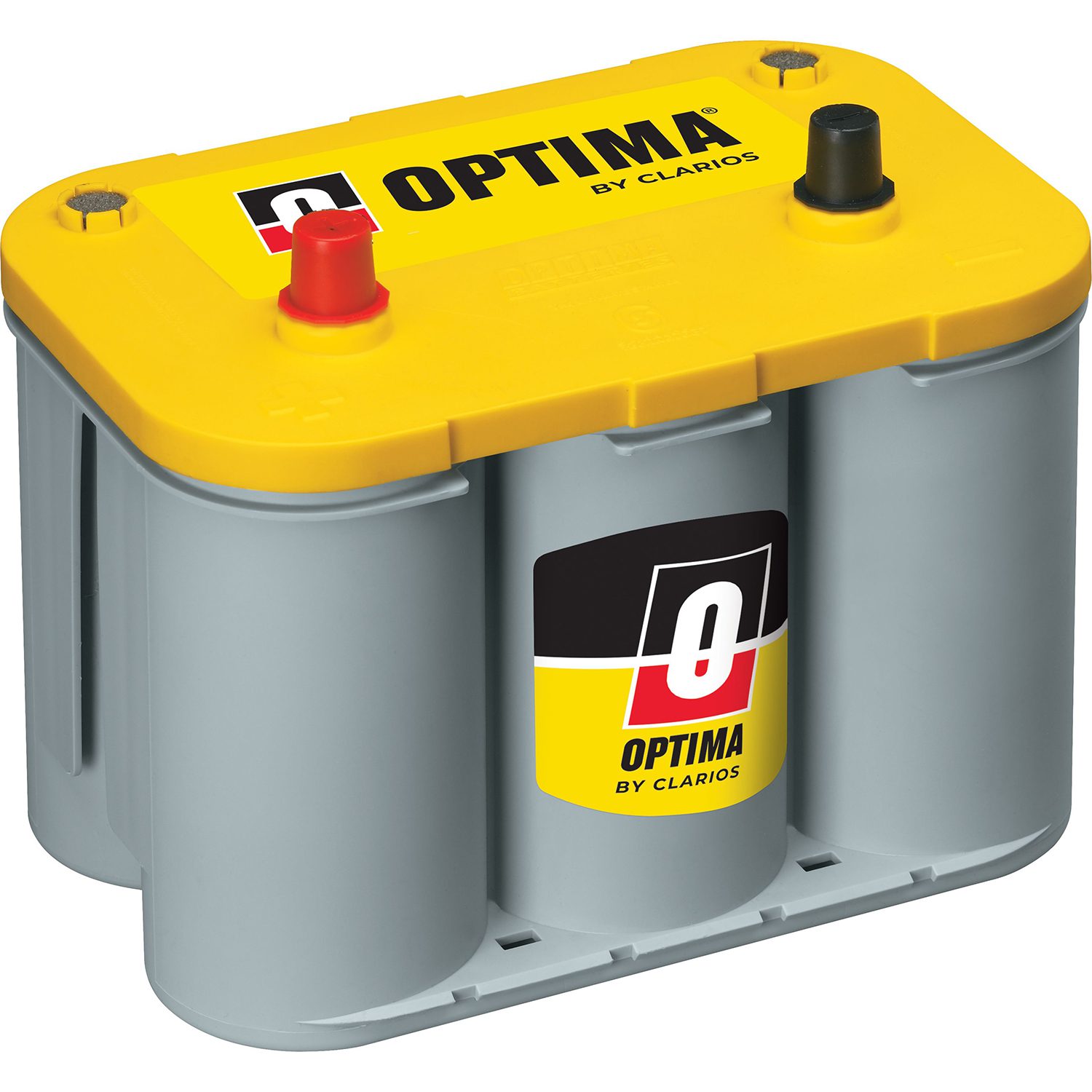
Optima YellowTop D34 — Best Durability: SpiralCell AGM, deep-cycle rated, unmatched vibration resistance
-
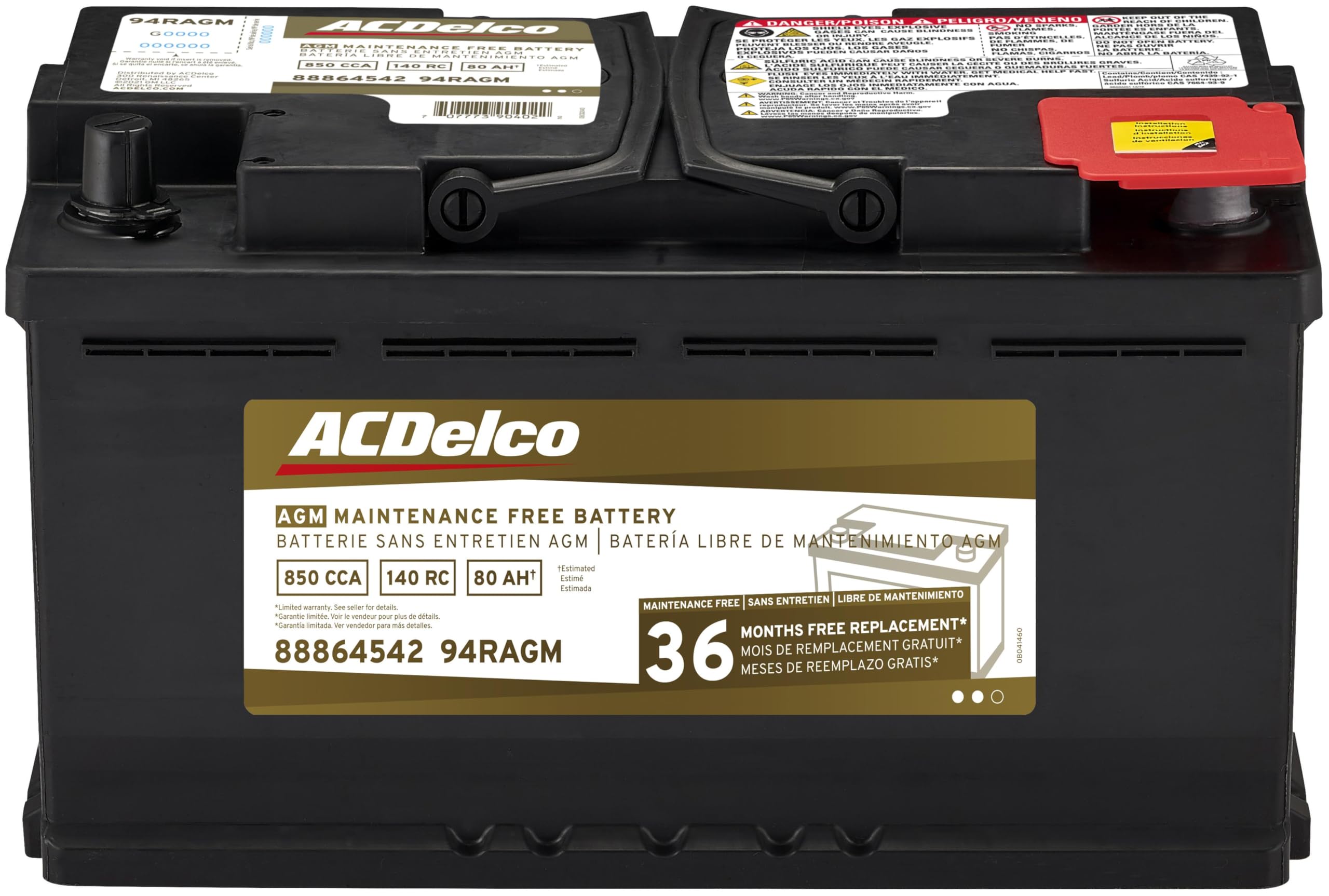
ACDelco Gold 94RAGM — Best Fitment: OEM drop-in for Grand Cherokee WK2 with 36-month warranty
Best Jeep Batteries — Compared
Group 34 and Group 94R options compared across CCA, reserve capacity, and off-road suitability for 2026.
| # | Product | Group Size | Type | Best For | Score | |
|---|---|---|---|---|---|---|
| 1 | Odyssey AGM34-PC1500 Editor’s Choice | Group 34 | Pure Lead AGM | Overall / Trail | 4.6 | See Latest Price |
| 2 | Weize Platinum AGM34 Budget Pick | Group 34 | AGM Sealed | Budget Off-Road | 4.4 | See Latest Price |
| 3 | XS Power D3400 Top Pick | Group 34 | AGM High-Current | Winch and Accessories | 4.5 | See Latest Price |
| 4 | Optima YellowTop D34 | Group 34 | AGM SpiralCell | Deep Cycle Durability | 4.2 | See Latest Price |
| 5 | ACDelco Gold 94RAGM | Group 94R | AGM Calcium-Lead | Grand Cherokee Fitment | 4.5 | See Latest Price |
Detailed Reviews
Full breakdown of each battery — ratings, pros, cons, and which Jeep platform and use case each one serves best.
Odyssey AGM34-PC1500
Pros
- 850 CCA starts a Wrangler JL Pentastar immediately at -10°F without extended cranking or hesitation
- 135-minute reserve sustains a 12V fridge, LED camp lights, and air compressor simultaneously overnight
- Thin-plate pure lead construction rated for 400+ deep-discharge cycles without measurable capacity loss
- Vibration resistance certified to MIL-STD 810F — directly relevant to rock crawlers where rough trail is the baseline
Cons
- Weighs over 45 lbs with no carry handle — solo installation over a lifted Jeep’s grille is genuinely awkward
- Regularly priced above $200 — highest upfront cost among Group 34 options in this comparison
Weize Platinum AGM34
Pros
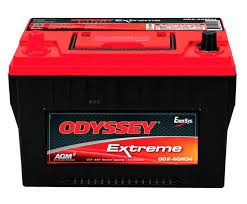
- 750 CCA in an exact Group 34 case — fits Wrangler JK/JL and Cherokee XJ trays without hold-down modifications
- Sealed AGM construction is spill-proof on steep trail inclines where flooded batteries lose acid into the engine bay
- 36-month warranty at under $130 retail — roughly half the cost of the Odyssey for the same Group 34 footprint
- Hold-down clamp positions match factory Jeep brackets exactly — no shims, extensions, or adapter hardware needed
Cons
- 120-minute reserve gives 15 fewer minutes of camp accessory headroom versus the Odyssey’s 135-minute rating
- Owner reports from the third trail season show slower cold cranking — plan to test voltage before each winter run
XS Power D3400
Pros
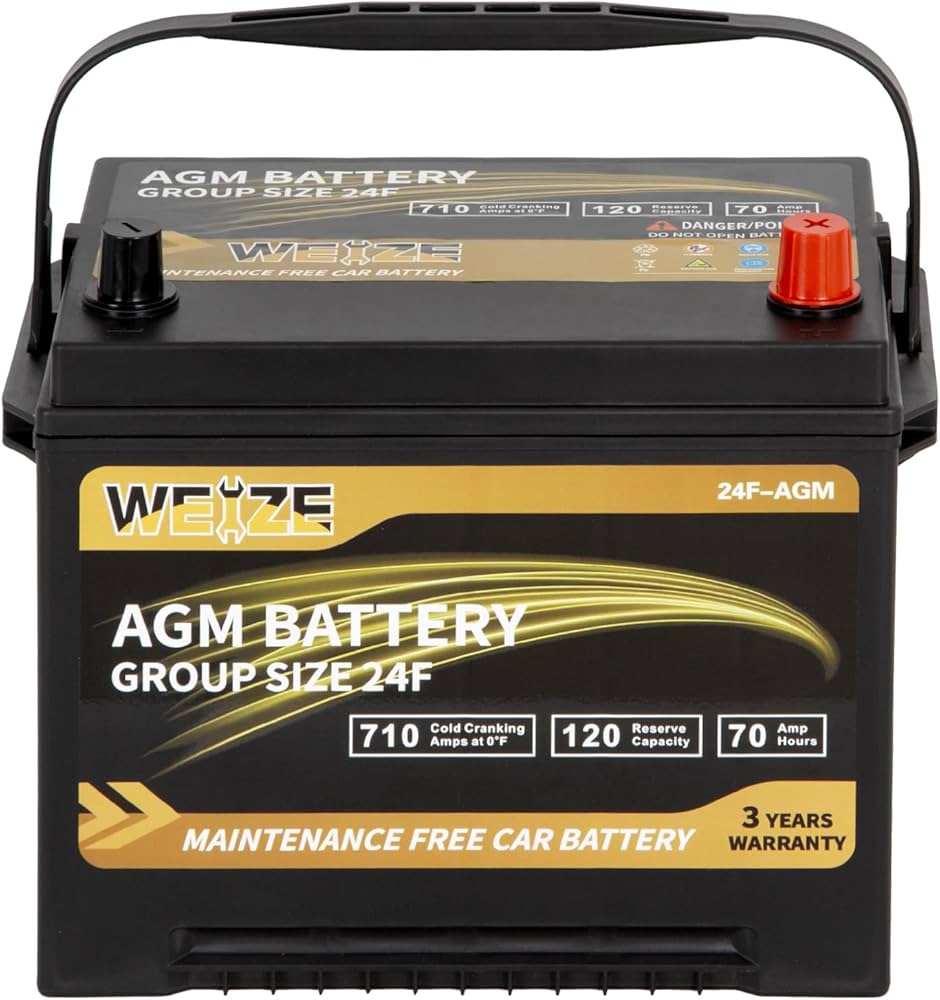
- 3300 maximum continuous amps and 5000 amp peak pulse handle a 10,000-lb winch at full line tension without voltage sag
- Ultra-low internal resistance keeps headlights, lockers, and compressor voltage stable under simultaneous full load
- Sealed case mounts in any orientation including sideways in a custom battery relocation tray without acid risk
- Lead-tin alloy grids resist sulfation under the deep cycling that heavily modified rigs impose daily
Cons
- Terminal posts sit taller than OEM spec and may contact the Wrangler JL hood liner without brass adapter spacers
- Priced above $200 — clear overkill for a stock daily Wrangler that never pulls a recovery strap in anger
Optima YellowTop D34
Pros
- SpiralCell construction survives shock and vibration patterns that cause plate separation in flat-plate AGMs within 18 months
- Dual-purpose deep-cycle rating tolerates running a 12V camp fridge for 10 hours without losing starter capacity
- Sealed case mounts sideways in a relocated auxiliary tray position in a dual-battery setup without acid risk
- Recovers from deep discharge at 10.5V to full capacity after a controlled recharge — documented across overlander long-term reviews
Cons
- 750 CCA matches the Weize’s cold-start rating but costs significantly more — the premium buys vibration resistance, not starting power
- Roughly 6% of verified buyer reports document cell defects on arrival — inspect resting voltage immediately upon delivery
ACDelco Gold 94RAGM
Pros
- Group 94R case matches Grand Cherokee WK2 tray footprint and hold-down bracket exactly across 2011–2021 models
- Integrated carry handle aligns the battery correctly during lowering into the WK2’s tight engine bay
- 800 CCA handles Grand Cherokee 5.7L HEMI cold starts comfortably at temperatures above 0°F without extended cranking
- 36-month free replacement warranty honored with a receipt only — no Jeep dealer scan tool required to process the claim
Cons
- 800 CCA is marginal for WK2 owners in climates regularly reaching -15°F with a cold-soaked 5.7L HEMI overnight
- Reserve capacity falls short for Grand Cherokees converted to trail use with a winch — a second battery is required for that configuration
Can’t Decide?
Our Top 2 Group 34 Picks — Head to Head
Both fit the same Wrangler and Cherokee tray. Here is how to choose based on how hard you actually push the rig.
- 850 CCA — 100 more amps than Weize for cold-morning headroom on a lifted rig
- 135-minute reserve — runs fridge, lights, and compressor simultaneously at camp
- MIL-STD 810F vibration rating for rock crawling and washboard trail abuse
- 750 CCA at under $130 — genuine AGM at roughly half the Odyssey price
- Exact Group 34 fit — hold-down bracket and tray match without adapters
- 36-month warranty with documented smooth claims process
How to Choose the Right Battery for Your Jeep
Six factors specific to Jeep platforms — from sealed AGM on inclines to pulse current ratings for winching.
Group Size by Jeep Model Generation
Wranglers from JK (2007) through JL (current) use Group 34. Grand Cherokee WK2 (2011–2021) typically uses Group 94R (H7). Older XJ Cherokees and TJ Wranglers may use Group 24 or 27. These group sizes differ in case length, terminal placement, and hold-down bracket shape. A Group 34 dropped into a 94R tray sits loose and vibrates against the battery box — always verify from the label on your current battery, not a generic fitment chart.
Sealed AGM for Trail Inclines
Flooded lead-acid batteries spill acid when the vehicle is on a steep incline — a routine situation on rock gardens and rutted forest roads. That acid corrodes the battery tray, surrounding wiring, and sheet metal. Sealed AGM batteries eliminate this risk entirely. Any Jeep that leaves pavement, even occasionally, should run AGM. The chemistry upgrade also provides significantly better vibration resistance, which matters on every washboard mile between the trailhead and the first obstacle.
Reserve Capacity for Overlanding and Camp
Reserve capacity (minutes at 25 amps) determines how long you can run a 12V fridge, camp lights, and an air compressor with the engine off before dropping below 10.5V. A battery with 120 minutes of reserve is the minimum for a single overnight camp stop. For multi-day trips without engine-on charging, 135+ minutes becomes important, or a dedicated dual-battery setup with a house bank is the safer solution.
Planning for a Dual Battery System
Serious overlanders and winch-heavy builds often run two batteries: one for starting, one as a house bank for accessories. If a dual-battery setup is in your plans, choose batteries with matching chemistry and capacity. The Odyssey AGM34 pairs well as both starting and house battery. A quality battery isolator or DC-DC charger keeps the house bank charged without draining the starter battery during long camp stays with the engine off.
Terminal Orientation and Tray Clearance
Some aftermarket Group 34 batteries reverse the positive terminal position. On a Jeep with short OEM battery cables, a reversed terminal means the positive cable will not reach without an extension. Compare the replacement battery’s terminal layout to your existing unit before ordering. Also measure the available height above the battery tray — XS Power units have taller terminal posts that can contact the hood liner on stock Wrangler JL builds without adapter spacers.
Pulse Current Rating for Winching
Standard CCA measures cold-weather starting amps. Winching requires something different: peak pulse amperage and low internal resistance (ESR). A winch pulling at full load pulls 400–600 continuous amps. A battery with high CCA but mediocre ESR will sag under that sustained draw, causing headlights to dim and lockers to reset. Look for a pulse current rating above 3000 amps and ultra-low ESR — the XS Power D3400 is specifically engineered for this use case.
Pro Tips
Quick Buying Checklist for Jeep Battery Replacement
Confirm terminal orientation before unboxing — some Group 34 batteries reverse the positive terminal, and Jeep OEM cables are too short to reach a swapped post without a permanent extension.
Check available tray height before ordering XS Power — the D3400’s taller terminal posts can contact the hood liner on stock JL builds without brass adapter spacers from the XS Power kit.
Charge the new AGM to 12.6–12.8V before the first start — a battery arriving at 12.3V forces the alternator to run at maximum output across the entire first drive cycle.
Test resting voltage before a trail trip, not at the trailhead — a battery reading below 12.4V at rest at home needs replacement before the run, not after the first recovery attempt.
Buy from a seller with active inventory turnover — an AGM battery stored in a hot warehouse for months loses capacity before you install it, regardless of the manufacture date code on the case.
Label dual battery wiring clearly during installation — Jeep JK wiring harness cable colors do not match the standard colors used by dual-battery isolator kits, causing connection errors on first installs.
Related Guides
Popular Jeep Battery Guides
Wrangler generation (YJ, JK, JL) affects battery group size and tray fitment.
Also On CarAssists
More Guides for This Vehicle
Frequently Asked Questions
What is the best battery for a Jeep Wrangler?
The Odyssey AGM34-PC1500 is the strongest overall battery for Wrangler JK and JL models, delivering 850 CCA and 135-minute reserve capacity in a direct Group 34 fit. For budget builds that see moderate trails, the Weize Platinum AGM34 provides 750 CCA in the same footprint at roughly half the price.
Is AGM necessary for a Jeep used off-road?
Yes — flooded batteries spill acid on steep inclines and their plates fail from trail vibration significantly faster than AGM. A sealed AGM battery eliminates both risks and adds deep-cycle capability for running camp accessories overnight. Any Jeep that leaves pavement should run AGM regardless of what the factory original chemistry was.
Do I need a dual battery system to run a winch on my Jeep?
Not always — a single high-output AGM like the Odyssey AGM34 or XS Power D3400 handles occasional winching with the engine running and recharging between pulls. Frequent recovery work, extended camp draws, or running a fridge overnight pushes most owners toward a dedicated dual-battery setup with a battery isolator or DC-DC charger.
What group size battery fits a Jeep Grand Cherokee WK2?
Most Grand Cherokees on the WK2 platform (2011 onward) use a Group 94R battery, also listed as H7. Earlier WJ and WK generations often used Group 34 or Group 24. Check the label on your current battery before ordering — never assume group size from the engine displacement alone on any Grand Cherokee generation.
How long does a Jeep battery last with regular trail use?
A quality AGM battery in a Jeep used for regular off-roading typically lasts 4–6 years. Constant vibration, frequent deep discharges, and extreme temperature swings at altitude all shorten that window. Batteries with pure-lead construction and higher reserve capacity — like the Odyssey AGM34 — consistently outlast standard calcium-lead AGM units in hard-use Jeep applications.
Can I replace a Jeep Wrangler battery myself?
Yes — the Wrangler battery sits in an accessible tray under the hood and requires only a 10mm socket and a hold-down bolt. Disconnect the negative terminal first, then the positive. JK and JL Wranglers do not require a dealer scan tool after replacement, though idle trim relearning takes a few normal drive cycles to complete automatically.
Does the XS Power D3400 require terminal adapters in a Wrangler JL?
Typically yes — the XS Power D3400 terminal posts sit taller than the OEM spec and can contact the JL hood liner or battery cover on stock builds. Most owners use the brass terminal adapter spacers from the XS Power accessory kit to maintain correct cable-to-post geometry and clear the hood without modification.
Final Verdict
Our Top Recommendations for 2026
The Odyssey AGM34-PC1500 sets the performance standard for Group 34 Wrangler and Cherokee batteries, combining 850 CCA, 135-minute reserve, and MIL-STD 810F vibration resistance in one sealed package. Heavily modded rigs running winches and large accessory loads need the XS Power D3400‘s 3300-amp pulse output to prevent voltage sag during hard recovery pulls. Budget builds and moderate trail users will find the Weize Platinum AGM34 meets every real-world requirement for roughly half the Odyssey price.