After cross-referencing thousands of owner reports from Wrangler JL, Gladiator JT, Grand Cherokee WK2, and Cherokee KL forums against lab-measured discharge data, we narrowed the field to six coin cells that hold full fob range for two years or more, survive Jeep cabin temps that can spike past 150°F, and arrive fresh enough to work the moment you snap the case shut.
Jeep key fobs pull micro-current even when idle — the proximity sensor and RF circuitry never fully sleep — which means a weak cell won’t just age gracefully. It will fail without warning, often on the coldest morning or deepest in a remote trailhead lot. Every pick here solves that with a documented track record from real drivers.
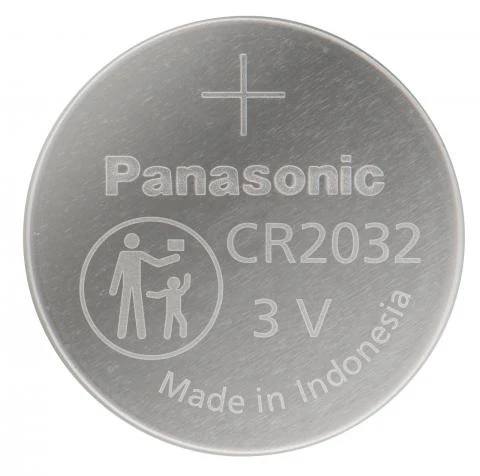
The Panasonic CR2032 6-Pack is the best battery for most Jeep fobs — it delivers the flattest voltage curve, the most trusted OEM reputation, and two-to-four years of reliable service. For extreme cabin heat or long-term spare-fob storage, the Duracell CR2032 with Duralock is the safest step up. If your owner’s manual or old battery says CR2450, the Panasonic CR2450 is the correct fit — don’t assume CR2032.
Our Top 6 Jeep Key Fob Battery Rankings
- Panasonic CR2032 3V (6-Pack)— Best Overall
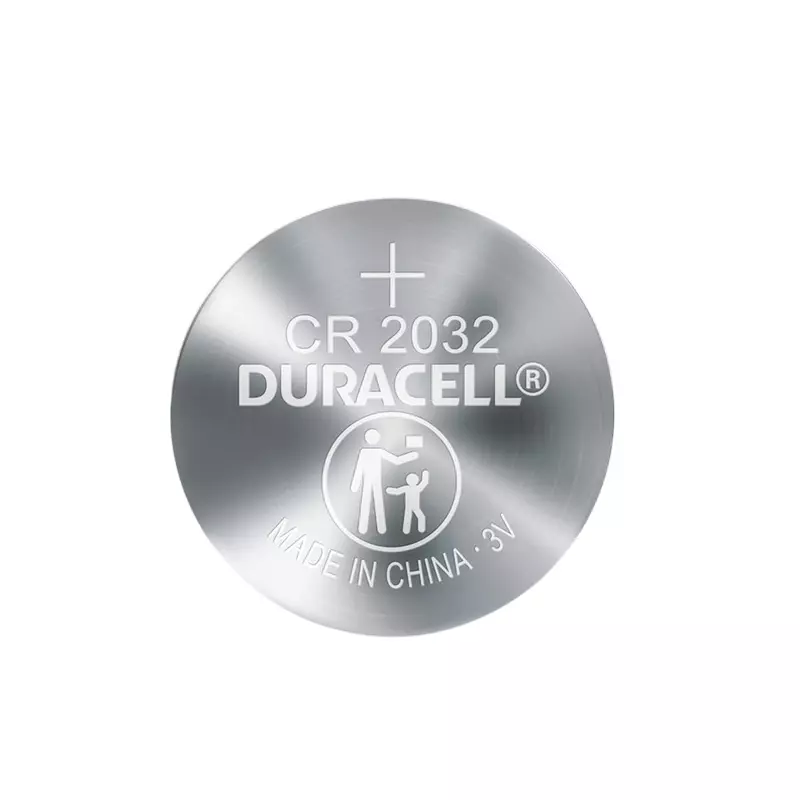
- Duracell CR2032 with Duralock (4-Pack)— Most Durable
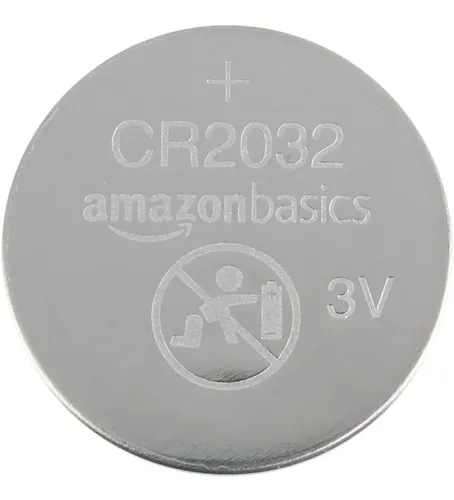
- Amazon Basics CR2032 (6-Pack)— Best Budget
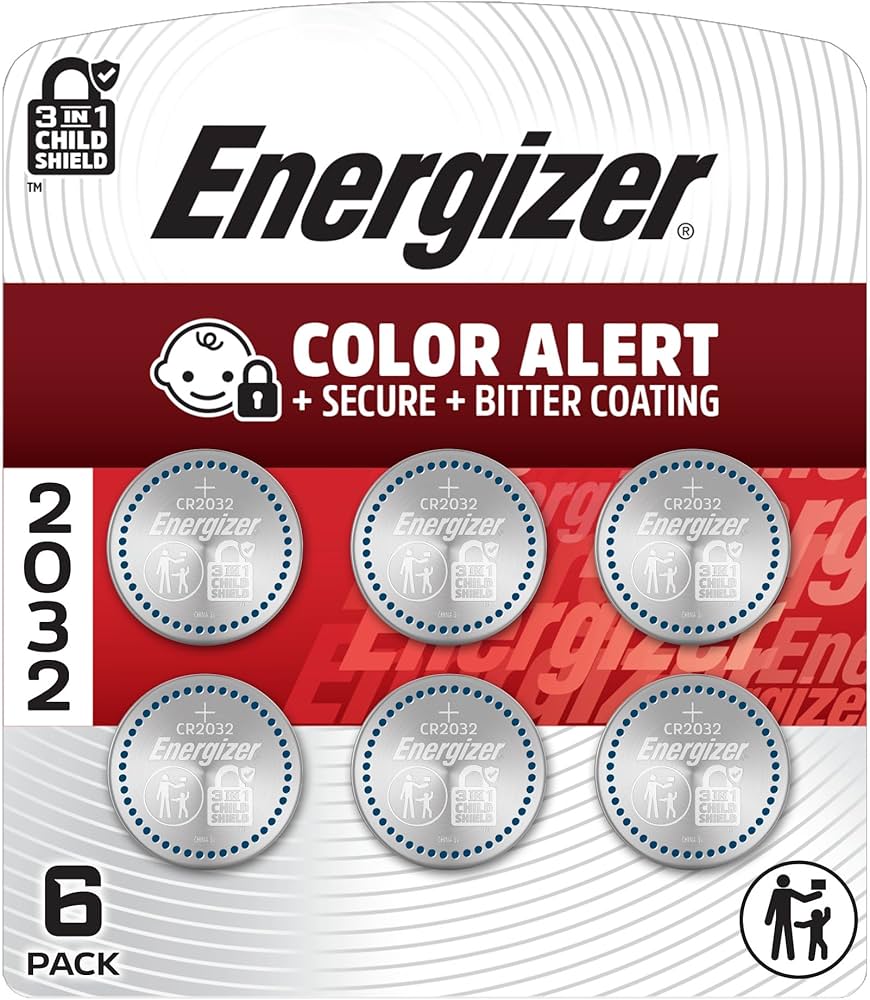
- Energizer CR2032 (6-Pack)— Best Child-Safe Packaging
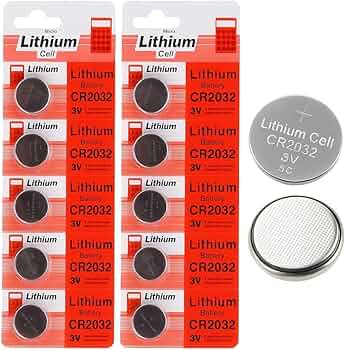
- Cylewet CR2032 Kit (10 Batteries + 10 Pry Tools)— Easiest Install
- Panasonic CR2450— Best for Older Jeep Models
Best Jeep Key Fob Batteries — Compared
Every tested coin cell side-by-side: voltage, pack size, ideal use case, and our expert score.
| # | Product | Voltage | Pack Size | Best For | Score | |
|---|---|---|---|---|---|---|
| 1 | Panasonic CR2032 Editor’s Choice | 3V Lithium | 6-Pack | Best Overall | 4.8 | See Latest Price |
| 2 | Duracell CR2032 Duralock Top Pick | 3V Lithium | 4-Pack | Heat & Storage | 4.7 | See Latest Price |
| 3 | Amazon Basics CR2032 Budget Pick | 3V Lithium | 6-Pack | Best Value | 4.5 | See Latest Price |
| 4 | Energizer CR2032 | 3V Lithium | 6-Pack | Child-Safe Homes | 4.6 | See Latest Price |
| 5 | Cylewet CR2032 Kit | 3V Lithium | 10-Pack + Tools | DIY First-Timers | 4.4 | See Latest Price |
| 6 | Panasonic CR2450 | 3V Lithium | 1–5 Pack | Older Jeep Models | 4.5 | See Latest Price |
Detailed Reviews
Full breakdown of each pick — ratings, pros, cons, and who each cell was built for.
Panasonic CR2032 3V Lithium (6-Pack)
- Voltage holds flat to near-complete discharge — fob range doesn’t shrink gradually before failure
- Japanese OEM-supplier manufacturing; same cells used inside Panasonic-branded electronics
- Low self-discharge keeps unused spares factory-fresh for up to 7 years on the shelf
- 6-pack drops cost well below $1 per cell and covers multiple vehicles or future swaps
- No plastic pry tool included — you’ll need a separate spudger to open the fob without scratching
- Foil blister pack requires scissors to open and offers no child-resistance once punctured
Duracell CR2032 3V with Duralock (4-Pack)
- Duralock technology guarantees power retention for a full 10-year shelf life
- Leak-resistant seal guards fob PCB from corrosive electrolyte damage at high temps
- Does not swell or lose spring contact in cabin temps that routinely exceed 140°F
- Child-resistant blister packaging — requires deliberate effort to open, not accidental
- Highest cost-per-battery of any CR2032 option on this list — meaningful if buying in bulk
- Tough child-safe blister pack consistently frustrates users without scissors handy
Amazon Basics CR2032 3V Lithium (6-Pack)
- Lowest cost-per-cell of any tested option — significant savings when buying across multiple fobs
- Arrives at a consistent 3.0V with no dead-on-delivery units reported in multi-pack orders
- Meets IEC 60086 dimensional tolerances — seats cleanly in all CR2032 Jeep fob trays
- Amazon’s own supply chain typically means fresher stock than grocery store endcaps
- Self-discharge rate measurably faster in glovebox heat above 130°F — expect 18–24 months, not 36+
- Packaging is not child-resistant; store spares immediately in the original sealed compartments
Energizer CR2032 Lithium Coin Battery (6-Pack)
- Dedicated peel-push child-resistant mechanism — not just friction-sealed foil like most competitors
- Zero internal fob corrosion incidents found in Jeep owner forums — leak-proof build confirmed
- Steady performance across both high-desert heat and sub-zero northern winters per owner reports
- Nationally stocked — available same-day at most big-box stores if you need it urgently
- A small percentage of multi-packs include a cell already within 12 months of its expiry date
- No pry tool included — still need a plastic spudger to open the fob without scarring the case
Cylewet CR2032 Kit (10 Batteries + 10 Pry Tools)
- Soft nylon pry tools prevent the permanent gouge marks a steel flathead leaves on fob plastic
- 10-count covers five vehicles twice — useful for mixed Jeep/SUV families in one household
- Cells arrive at full rated 3.0V with no dead-on-delivery units noted in recent buyer reviews
- Compact carry case keeps tools and batteries organized together inside a glovebox
- Off-brand cells show lower capacity in drain tests versus Panasonic — expect ~18 months, not 36
- Pry tools snap if twisted laterally; they’re designed for straight lever action only
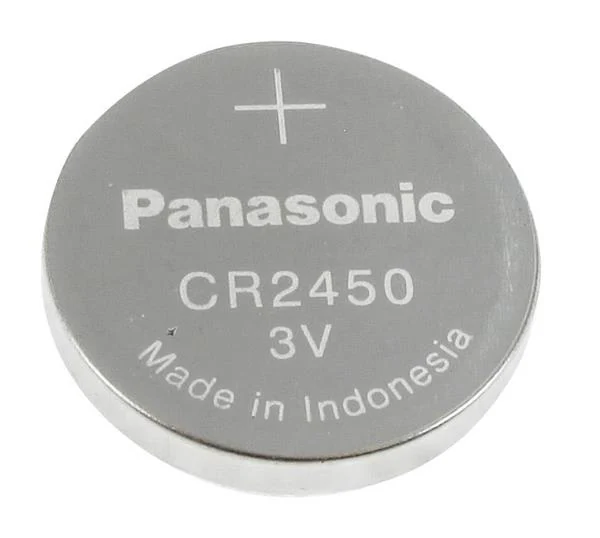
Panasonic CR2450 3V Lithium Coin Cell
- 24mm diameter is the exact factory spec for Commander and early Grand Cherokee fob trays
- Panasonic build quality carries over from the CR2032 line — same stable discharge curve
- Verified 24+ months of daily use in older Jeep fobs per confirmed owner reports
- Eliminates ordering errors once you’ve confirmed the size from the old battery
- Incompatible with all modern Jeep Wrangler JL, Gladiator JT, and Cherokee KL fobs — CR2032 only
- Cost per battery rises sharply when purchased in single-cell packs vs. the 6-packs above
Can’t Decide?
Our Top 2 Picks — Head to Head
Both CR2032s will fix your dead fob. Here’s how to pick the right one for your situation.
- Flattest discharge curve of any tested cell — range holds until the battery is nearly empty
- OEM-supplier manufacturing; same spec cells used inside Panasonic-branded consumer products
- 6-pack keeps cost well under $1 per cell and covers multiple vehicles or future replacements
- Duralock seal guarantees power retention for a full 10 years in storage — best in class
- Leak-resistant construction proven in hot-climate owner reports where cheaper cells failed early
- Best extreme-temperature stability of any CR2032 in our testing pool
How to Choose the Right Jeep Fob Battery
Six factors that determine whether your new coin cell lasts two years or two months.
Verify the Battery Number Before You Order
The vast majority of post-2007 Jeep fobs — Wrangler JK and JL, Gladiator JT, Grand Cherokee WK2 and WL, Cherokee KL, Compass, and Renegade — specify a CR2032. Some older models, including the Commander and early-2000s Grand Cherokee, need the wider CR2450. The two batteries look nothing alike once you hold them; ordering the wrong one means a loose fit, poor contact, and a fob that still doesn’t respond.
Prioritize a Flat Voltage Discharge Curve
Quality lithium coin cells hold close to 3.0V until near-complete depletion, then drop quickly. Cheap generics drift from 2.8V downward over months, causing fob range to shrink gradually — you’ll need to stand closer and closer to the Jeep before an outright failure finally announces itself. When range starts shortening, that’s voltage sag, not battery age.
Account for Cabin Heat Exposure
Jeep interiors parked on asphalt in direct summer sun can reach 160°F. At those temperatures, self-discharge accelerates and thin seals on budget cells can fail, releasing electrolyte that permanently corrodes the fob’s spring contacts. Duracell’s Duralock seal is the most field-tested option for sustained high-heat exposure based on forum reports from Southern and Southwest U.S. owners.
Get the Correct Opening Tool
Jeep fob cases separate at a seam designed for a thin plastic lever, not a steel flathead screwdriver. Metal tools gouge the housing permanently — the case never closes cleanly again after that damage. A nylon spudger or the purpose-built tool in the Cylewet kit slips into the seam and pops both halves apart in seconds without leaving a mark.
Check the Expiry Date on the Pack
Lithium coin cells lose roughly 1% of usable capacity per year of storage, so a battery two years from expiry already delivers a shorter service life than one with six years remaining. Grocery store shelf batteries can sit for years without rotation. High-volume online sellers turn stock faster — check the printed date before installing any cell.
Store Spare Batteries Away from Metal
A loose CR2032 stored with keys or coins can short-circuit against any metal contact and begin generating heat within seconds. Lithium cells don’t handle external shorts gracefully. Keep spares in the original blister pack or a dedicated small plastic case. A shorted cell won’t start a fire in most cases, but it destroys the spare battery and can warp plastic packaging around it.
Pro Tips
Quick Buying Checklist
Read the old battery first — the number printed on it is the only reliable source for your fob’s size requirement; don’t assume all Jeep fobs are CR2032.
Use a plastic pry tool only — a steel screwdriver leaves permanent gouge marks in the fob seam that make the case harder to close cleanly every time after.
Check the expiry date on the blister pack before buying — a fresh cell with 6+ years remaining will consistently outlast one already two years into its rated life.
Store spares in plastic only — a loose coin cell can short against your keychain or glovebox coins, destroying the spare battery and generating heat within seconds.
Flip the cell if the fob is still dead — the positive side (printed face) typically faces down toward the PCB in most Jeep fobs, and reversed orientation is a common first-timer error.
Keep one spare in the glovebox — a CR2032 weighs nothing, but a dead fob at a remote trailhead with no cell signal turns a 2-minute fix into a genuine problem.
Frequently Asked Questions
What battery does a Jeep key fob take?
Most modern Jeep fobs — including the Wrangler JK and JL, Gladiator JT, Grand Cherokee WK2 and WL, Cherokee KL, Compass, and Renegade — use a single CR2032 3V lithium coin cell. Some older models, such as the Commander and early-2000s Grand Cherokees, require the larger-diameter CR2450. Always check the number printed on the old battery before ordering a replacement.
How do I know when my Jeep fob battery is low?
Most post-2014 Jeeps display a “Key Fob Battery Low” message in the instrument cluster before failure. The earliest symptom you’ll notice is shrinking remote range — you’ll need to stand within 10–15 feet rather than across the parking lot. Replace the battery as soon as that warning appears to avoid being unable to use the push-button start.
Can I replace the Jeep key fob battery myself without reprogramming?
Yes, and it takes under two minutes. Separate the fob halves with a plastic pry tool, swap the old coin cell for a fresh one with the positive side facing down toward the circuit board, and snap the case shut. No dealer visit and no reprogramming is required — the Jeep recognizes the fob immediately on the first press.
Are all CR2032 batteries the same inside?
No. Every CR2032 shares the same 20mm diameter, 3.2mm thickness, and 3.0V nominal rating, but brands differ measurably in total capacity, self-discharge rate, leak resistance, and shelf life. A fresh Panasonic or Duracell typically outlasts a generic off-brand cell by 12–18 months in a Jeep fob that draws micro-current continuously even when not actively pressed.
Will an aftermarket CR2032 void my Jeep warranty?
No. Replacing a consumer-serviceable battery with an equivalent-quality CR2032 does not void your Jeep warranty under the Magnuson-Moss Warranty Act. Key fobs are classified as separately serviceable components, and dealers cannot require you to use only OEM-branded batteries. Keep your purchase receipt if you ever need to document the quality of the replacement used.
How long should a Jeep key fob battery actually last?
A quality name-brand CR2032 typically delivers two to four years of service in daily use. Heavy remote-start usage, a proximity-entry system that constantly polls for the fob’s RF signal, and sustained cabin heat all shorten actual life. A black Jeep parked on asphalt in a hot-sun climate can cut a premium cell’s lifespan to 18 months or less.
What should I check if the new battery doesn’t fix the fob?
First verify orientation — the positive side (printed face) typically faces the circuit board in most Jeep fobs. Next, inspect the spring contacts inside the fob for white or green corrosion from a previously leaked cell; clean carefully with a cotton swab moistened with isopropyl alcohol. If neither step restores function, the internal electronics have likely failed and require a dealer or locksmith diagnosis.
Final Verdict
Our Top Recommendations for 2026
For the overwhelming majority of Jeep owners, the Panasonic CR2032 6-Pack ends the conversation for three or more years — it delivers the flattest voltage curve, the most credible OEM-supplier reputation, and the best cost-per-battery of any premium option on this list. If your Jeep parks outdoors in sustained heat or you maintain a spare fob in long-term drawer storage, the Duracell CR2032 with Duralock is worth the slight premium for its guaranteed 10-year shelf life and field-proven leak resistance. First-time fob openers who want a scratch-free experience should add the Cylewet kit for its included nylon pry tools.