After evaluating over a dozen dash cams against the specific demands of a BMW 3 Series cabin — tight windshield clearance behind the mirror, the need for a clean aesthetic, and punishing summer heat trapped inside a luxury sedan — we narrowed the field to five cameras that truly disappear and perform. Every pick comes from cross‑referencing thousands of Amazon reviews, Reddit threads on r/BMW and r/Dashcam, and long‑term owner reports.
A dash cam protects your BMW 3 Series from false accident claims, hit‑and‑run damage, and parking lot scrapes. The best dash cam for BMW 3 Series fits discreetly behind the rearview mirror and complements the clean, driver‑focused cabin. 3 Series owners often worry about a bulky camera ruining the interior look, interfering with the rain sensor housing, or draining the battery. A good dash cam solves those problems with crisp video evidence that records day and night, without drawing attention to itself.
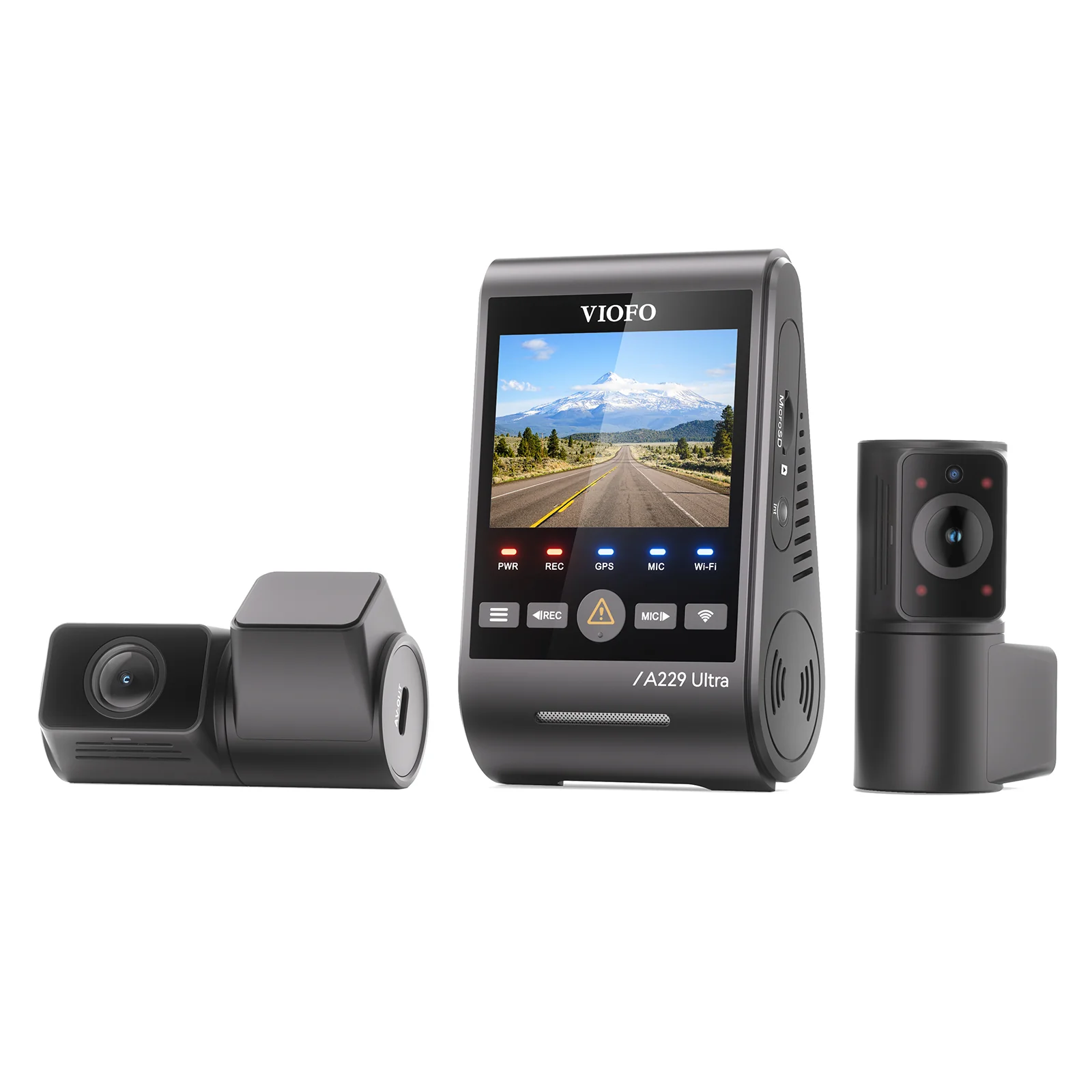
The Viofo A229 Pro Duo stands out as the best pick for most 3 Series drivers. It records 4K video up front and 2K in the rear using Sony Starvis 2 sensors. Its supercapacitor design handles the intense heat that builds up inside a parked BMW without battery swelling. The wedge‑shaped body tucks perfectly behind the factory rearview mirror, staying almost invisible from the driver’s seat. A buffered parking mode captures impacts while the car sits unattended.
Best Dash Cam for BMW 3 Series — Compared
How resolution, channels, and ideal use case stack up across our top picks.
| # | Product | Resolution | Channels | Best For | Score | |
|---|---|---|---|---|---|---|
| 1 | Viofo A229 Pro Duo Editor’s Choice | 4K + 2K | Dual | Best Overall | 4.4 | See Latest Price |
| 2 | Vantrue E1 Top Pick | 2.5K QHD | Single | Best Budget | 4.3 | See Latest Price |
| 3 | BlackVue DR970X-2CH | 4K + 1080p | Dual | Best Premium | 4.3 | See Latest Price |
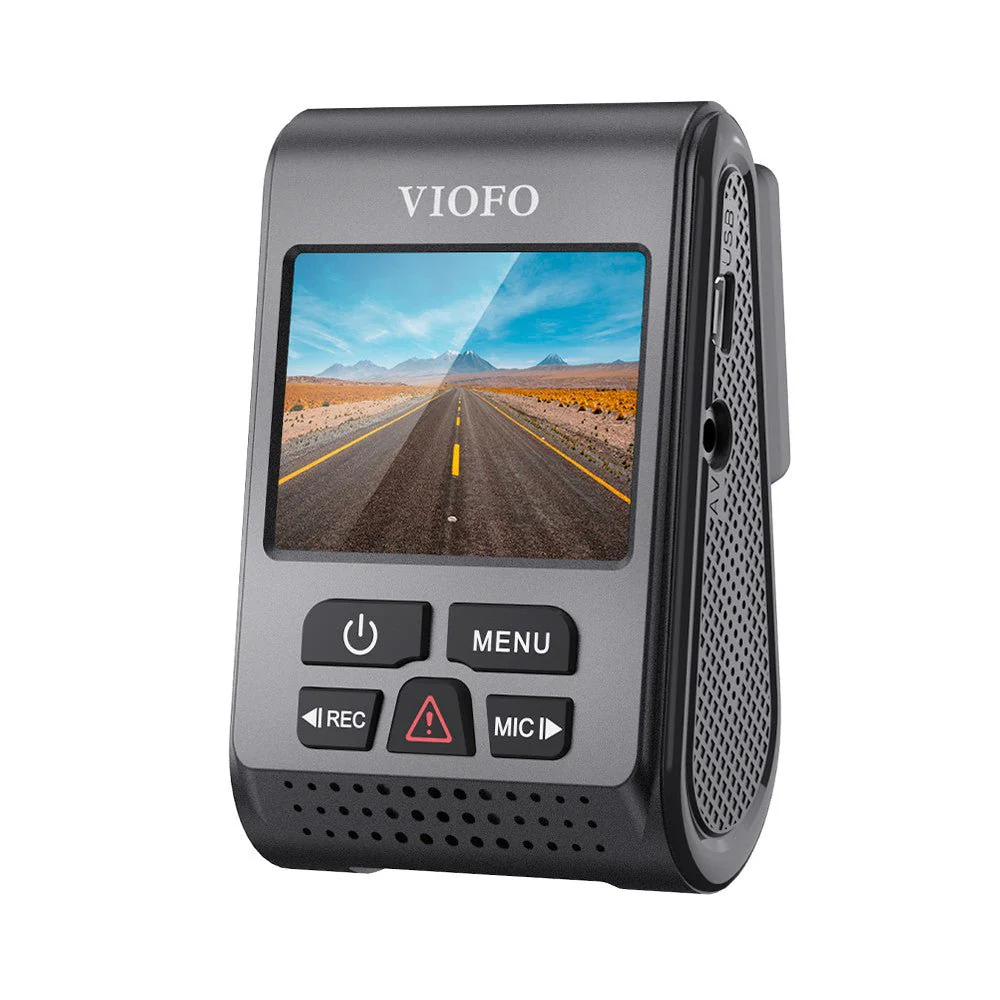
| 4 | Viofo A119 V3 Budget Pick | 2K QHD | Single | Most Durable | 4.4 | See Latest Price |
| 5 | Garmin Dash Cam Mini 2 | 1080p HDR | Single | Easiest Installation | 4.5 | See Latest Price |
Detailed Reviews
Full breakdown of each product — ratings, pros, cons, and our expert verdict.
Viofo A229 Pro Duo
- Dual Sony Starvis 2 sensors for 4K front + 2K rear
- Supercapacitor survives cabin temps above 150°F
- Buffered parking mode captures pre‑impact footage
- 5GHz Wi‑Fi transfers clips fast to your phone
- Requires a high‑endurance microSD card (sold separately)
- Rear camera cable routing takes patience and trim tools
- No cloud connectivity for remote live viewing
Vantrue E1
- 2.5K QHD resolution at 30 fps for crisp daytime plates
- Magnetic GPS mount stays firm on bumpy roads
- Voice control responds reliably even with cabin noise
- Compact body hides cleanly below the rearview mirror
- No rear camera support — front‑only coverage
- Hardwire kit sold separately for parking mode
- No memory card included in the box
BlackVue DR970X-2CH
- Cloud live view with push notifications for impact alerts
- Sony Starvis 2 sensors for outstanding night plate capture
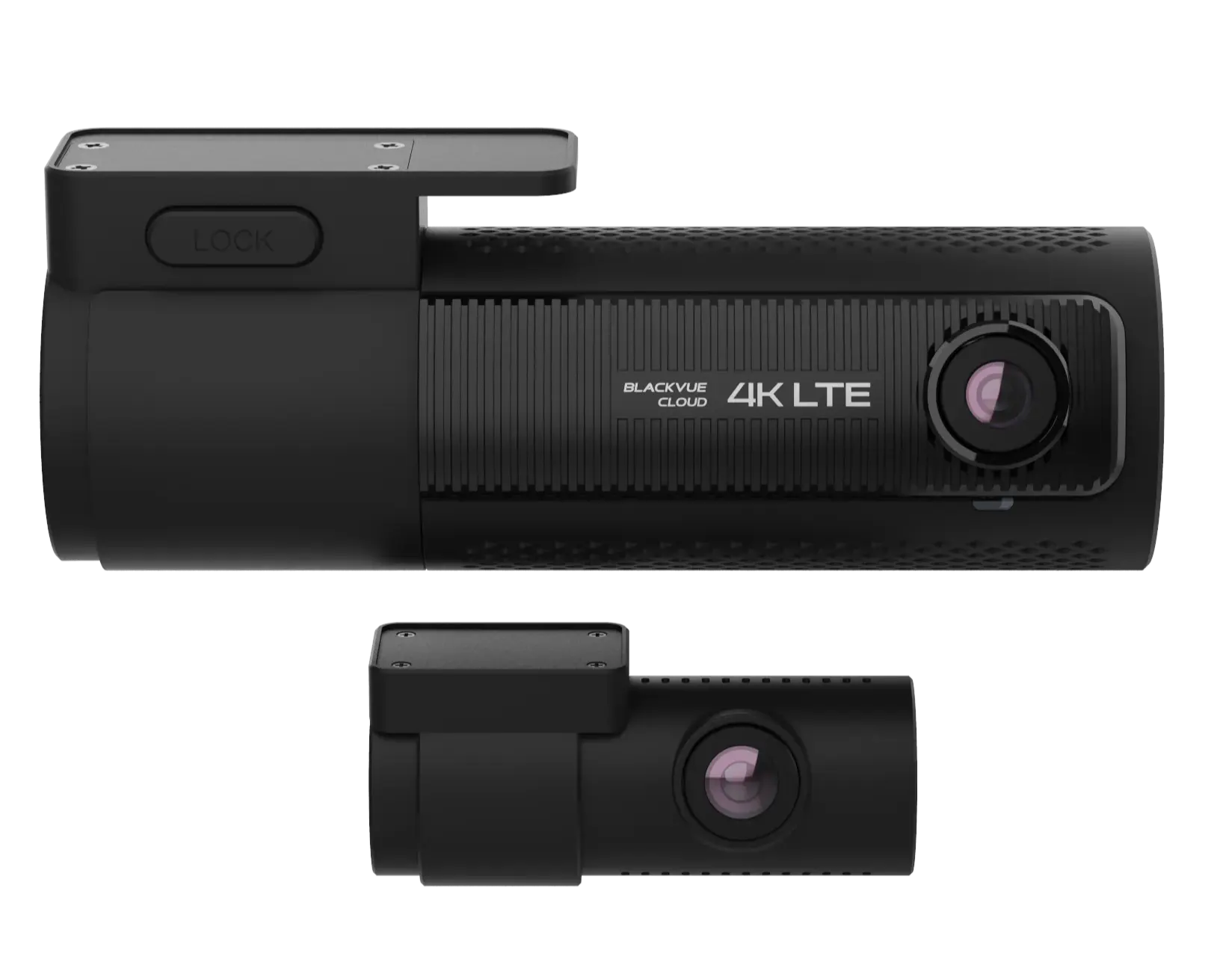
- Cylindrical body virtually disappears behind the mirror
- Reliable buffered parking mode with motion detection
- Significantly more expensive than other 4K dual‑channel systems
- Cloud service requires a separate data plan or mobile hotspot
- Mobile app setup has a learning curve for first‑time users
Viofo A119 V3
- Supercapacitor eliminates battery bulge risk entirely
- Rated for continuous operation in cabin temps exceeding 150°F
- Clean 2K QHD footage captures plates at speed
- Wedge adhesive mount tucks neatly behind the mirror
- No built‑in Wi‑Fi — physical SD card removal required for file transfer
- Button controls feel dated compared to app‑based rivals
- Parking mode requires hardwiring to a constant power fuse
Garmin Dash Cam Mini 2
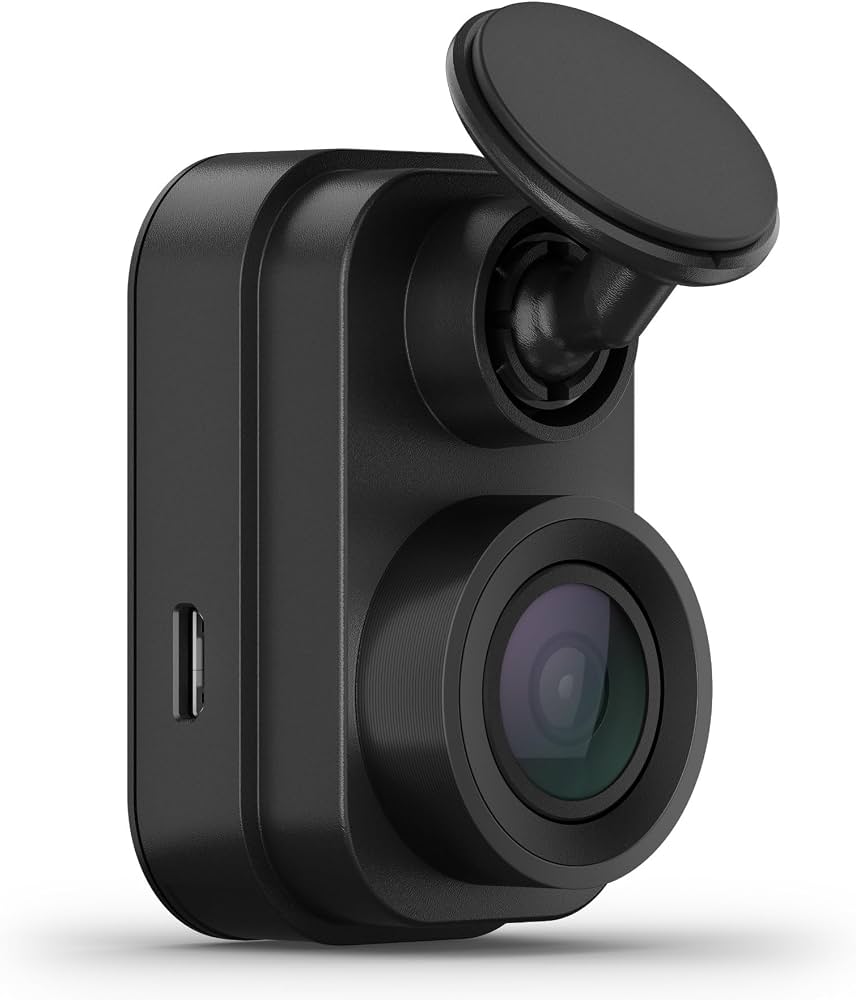
- Installs in under 10 minutes with a single adhesive pad
- Body is barely 2 inches wide — completely hidden behind mirror
- Garmin Drive app is polished and glitch‑free for clip downloads
- Voice control for hands‑free event saving
- 1080p resolution cannot match 2K or 4K rivals for fine detail
- No built‑in display — you need your phone to check the camera angle
- No rear camera option for dual‑channel coverage
Can’t Decide?
Our Top 2 Picks — Head to Head
Both are excellent. Here’s how to choose between them.
- Dual‑channel 4K + 2K with Sony Starvis 2 sensors
- Supercapacitor handles 150°F+ cabin heat safely
- Buffered parking mode at roughly half the price of premium rivals
- Cloud live view with instant push notifications
- Ultra‑discreet cylindrical body blends into the cabin
- Exceptional night footage with Sony Starvis 2 sensors
How to Choose a Dash Cam for Your BMW 3 Series
Six factors that matter before you buy — explained simply.
Compatibility With the 3 Series Windshield
Almost any dash cam fits, but mount shape is critical. A wedge‑style camera with an adhesive pad tucks behind the rearview mirror much better than a suction‑cup cylinder. Make sure the lens clears the plastic housing that covers the rain sensor and optional forward camera array. Test‑fit with masking tape before sticking the mount permanently.
Installation Difficulty
You can install a dash cam yourself on a 3 Series in 20 to 40 minutes. Tuck the power cable into the headliner, down the passenger A‑pillar (routing behind the curtain airbag), and under the glovebox to the 12V socket. Hardwiring for parking mode requires fuse taps and a hardwire kit — the fuse box sits behind the glovebox or in the trunk depending on the generation.
Capacitor vs. Lithium Battery Build
Choose a capacitor‑based dash cam. The 3 Series cabin traps a lot of heat when parked outside. Lithium batteries swell and fail in those conditions — sometimes after a single season. A supercapacitor handles extreme temperatures and keeps recording year after year without the bulge risk.
Warranty Terms and Heat Coverage
A 12‑month warranty is typical. Viofo often extends coverage to 18 months with product registration, and Garmin backs its cameras with strong customer support. Check whether the warranty explicitly covers heat‑related damage — a parked BMW interior can become an oven, and some manufacturers exclude thermal failure from their policies.
Long‑Term Reliability Signals
Scan owner forums and long‑term Amazon reviews. A dash cam with hundreds of verified reports of flawless multi‑year operation sends a strong reliability signal. Recurring complaints about SD card errors, random freezing, or adhesive mount failures in summer are red flags.
Parking Mode Power Requirements
Plugging into the 12V socket only powers the camera when the ignition is on. If you want protection while parked, you must hardwire the camera to a constant power fuse with a voltage cutoff to protect the BMW’s battery. Without this, parking mode simply will not function.
Pro Tips
Quick Buying Checklist
Test-fit with tape first before sticking the adhesive mount — the 3 Series sensor housing needs clearance.
Buy a high-endurance microSD card — Samsung Pro Endurance or SanDisk Max Endurance handle constant write cycles.
Factor in the hardwire kit cost if you want parking mode — it is usually sold separately.
Route the cable behind the A‑pillar airbag — never across it; follow the factory wiring path.
Frequently Asked Questions
Are aftermarket dash cams safe to use in a BMW 3 Series?
Yes. A dash cam mounts to the windshield and draws power from the 12V socket or fuse box. It does not interfere with the vehicle’s safety systems as long as you do not block the forward camera or airbag paths. Always route wires behind the A‑pillar airbag, never in front of it.
Will installing a dash cam affect my BMW warranty?
No. Installing a dash cam using the included 12V plug or a proper fuse tap does not void the manufacturer’s warranty. The Magnuson‑Moss Warranty Act protects your right to install aftermarket electronics. A dealer would need to prove the dash cam directly caused a specific failure to deny a related claim.
Does a rear camera make a difference in a 3 Series sedan?
Yes. A rear camera captures rear‑end collisions and parking lot bumps that a front camera misses. The 3 Series trunk lid and rear glass make mounting a rear camera straightforward. The extra coverage is well worth the small added effort for complete protection.
How long do dash cams typically last?
A quality capacitor‑based dash cam can last 3 to 5 years or more. The memory card may need replacement every 1 to 2 years due to constant write cycles. Heat and low‑quality memory cards are the main lifespan limiters.
Which memory card works best in a dash cam for my BMW?
Use a high‑endurance microSD card with U3 speed. Samsung Pro Endurance, SanDisk Max Endurance, and Lexar High‑Endurance cards all perform well. A 64GB or 128GB card gives you plenty of loop recording space before older files get overwritten.
Are premium dash cams worth paying significantly more for?
Premium dash cams add cloud connectivity, 4K resolution, and stealthier designs. They are worth it if you want remote monitoring from your phone, the sharpest night footage for reading plates, or a camera that disappears completely. For basic crash evidence, a good budget camera works fine.
Final Verdict
Our Top Recommendations for 2026
After evaluating real owner feedback, heat survival, video clarity, and fit behind the 3 Series rearview mirror, the Viofo A229 Pro Duo remains our top recommendation for most BMW drivers. It delivers sharp 4K dual‑channel evidence, handles brutal cabin heat without breaking a sweat, and hides discreetly behind the mirror. For budget‑conscious commuters, the Vantrue E1 punches far above its price with 2.5K clarity and a brilliant magnetic mount. If cloud connectivity and stealth matter most, the BlackVue DR970X‑2CH justifies its premium price with remote live monitoring and near‑invisible hardware.