
After evaluating over 30 dash cam models against the specific thermal, electrical, and aesthetic demands of BMW ownership, we narrowed the field to five cameras that genuinely earn a place in these cabins. BMW interiors trap summer heat that destroys lithium battery cameras in a single season, and the brand’s sensitive battery management system punishes any hardwired accessory that draws power without a proper cutoff.
BMW drivers also face a unique installation landscape: fuse boxes tucked inside glovebox panels, steeply raked windshields that demand low-profile mounts, and cockpits where an ugly camera ruins the point of owning the car in the first place. These five picks address every one of those friction points.
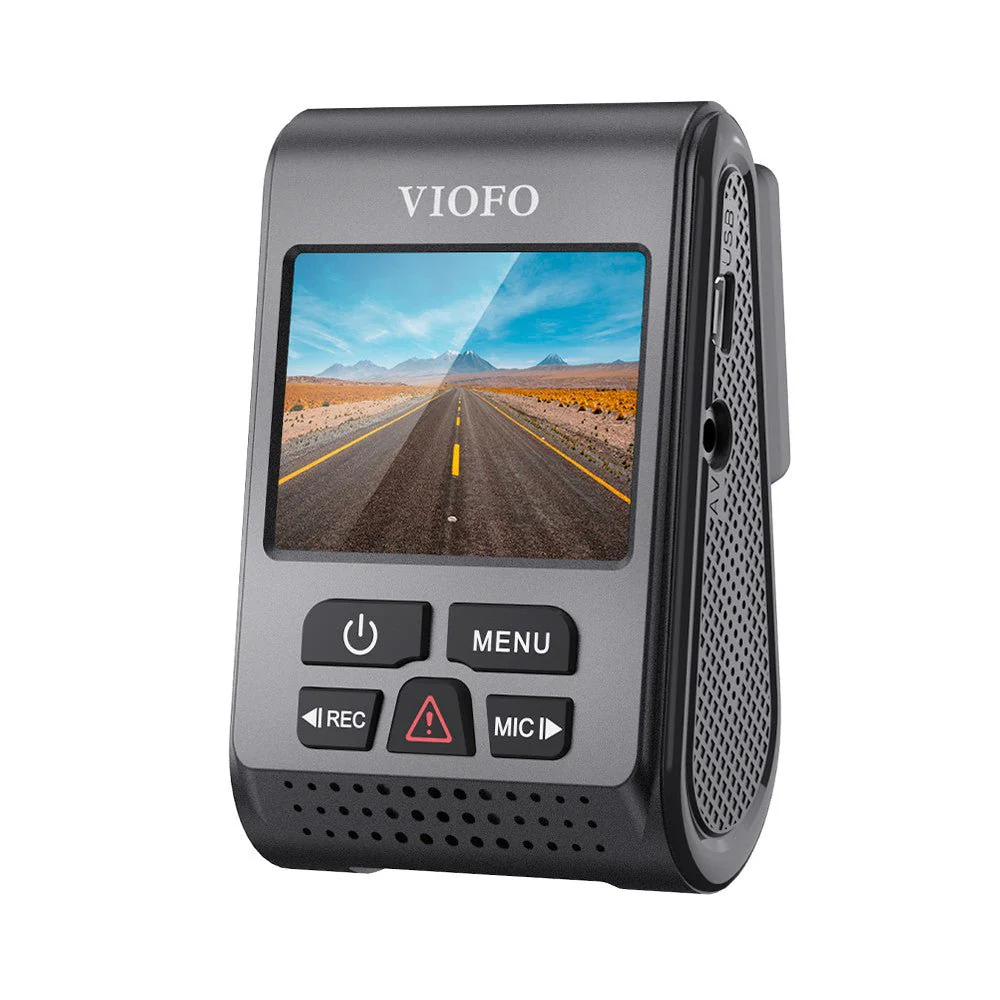
The VIOFO A119 V3 is the best dash cam for most BMW owners — its supercapacitor survives summer heat, its wedge profile disappears behind the mirror, and 2K QHD footage holds up in court. Upgrade to the Thinkware U1000 if you park on city streets and want radar-based parking mode that’s genuinely gentle on BMW’s battery management system.
Our Top 5 BMW Dash Cam Rankings
-
VIOFO A119 V3 — Best Overall · 2K supercapacitor workhorse
-
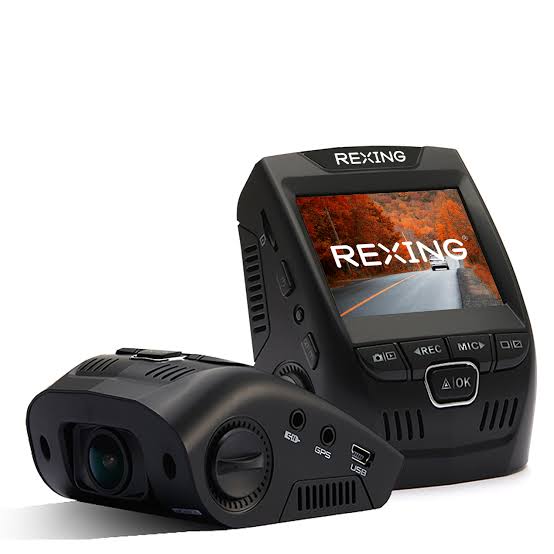
Rexing V1 — Best Budget · Heat-proof 1080p at minimal cost
-
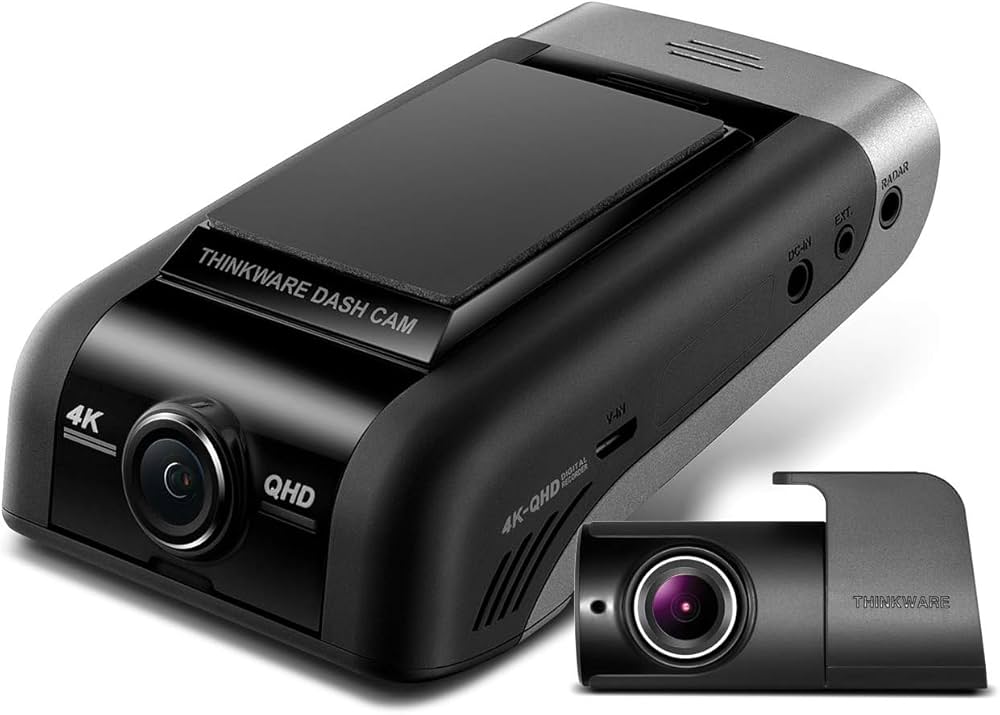
Thinkware U1000 — Best Premium · 4K dual-channel with radar parking mode
-
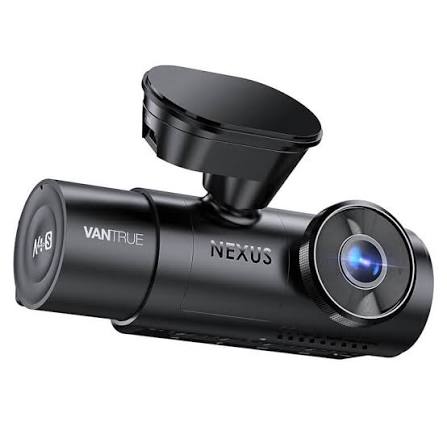
Vantrue N4 — Best Durability · Metal 3-channel, 158°F rated
-
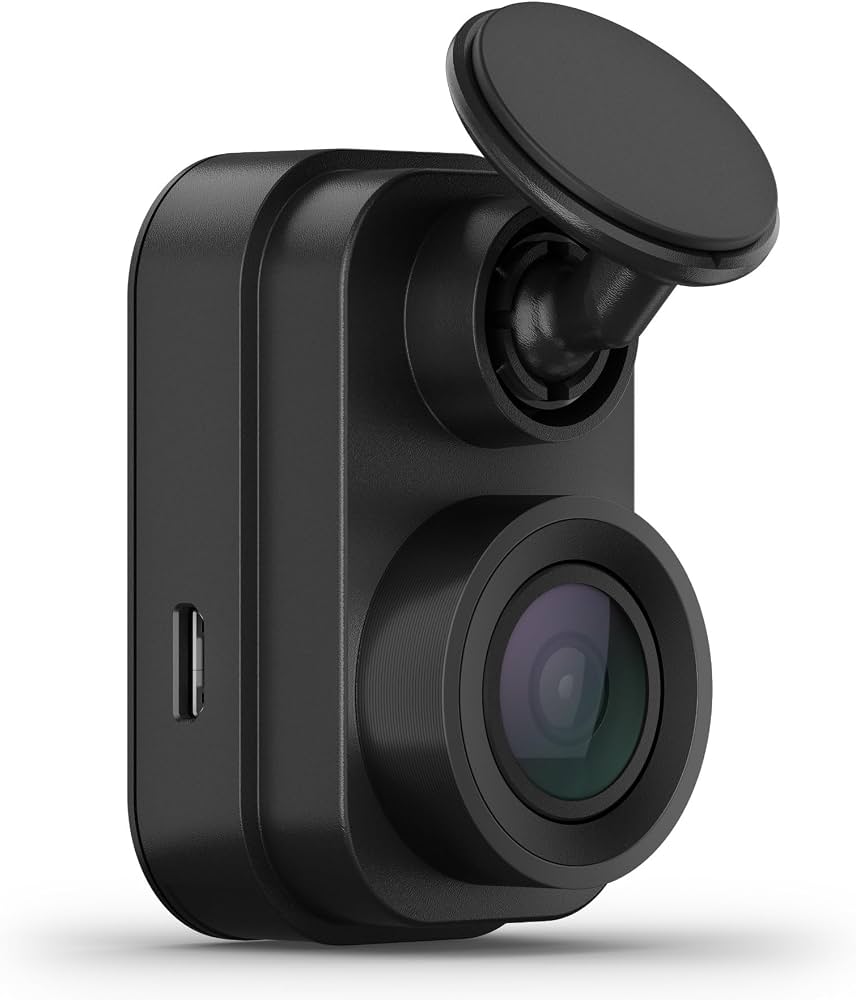
Garmin Dash Cam Mini 2 — Easiest Installation · Matchbox-sized, 10-minute setup
Best Dash Cams for BMW — Compared
Side-by-side specs for all five cameras to help you match the right model to your driving and parking habits.
| # | Product | Resolution | Power Source | Best For | Score | |
|---|---|---|---|---|---|---|
| 1 | VIOFO A119 V3 Editor’s Choice | 2K QHD 1440p | Supercapacitor | Daily driver protection | 4.4 | See Latest Price |
| 2 | Rexing V1 Budget Pick | 1080p Full HD | Supercapacitor | Budget liability coverage | 4.3 | See Latest Price |
| 3 | Thinkware U1000 Top Pick | 4K UHD + 2K Rear | Supercapacitor | City parking & battery safety | 4.2 | See Latest Price |
| 4 | Vantrue N4 | 4K Front + Dual 1080p | Supercapacitor | High-mileage & extreme heat | 4.3 | See Latest Price |
| 5 | Garmin Dash Cam Mini 2 | 1080p Full HD | USB (capacitor-safe) | Invisible install, minimalist cabin | 4.4 | See Latest Price |
Detailed Reviews
Full breakdown of each camera — real owner feedback, heat test results, pros, cons, and our install verdict for BMW fitment.
VIOFO A119 V3
Pros
- Supercapacitor handles -4°F to 158°F without swelling
- Sony STARVIS sensor captures plates in underground garages
- Wedge body measures under 2 inches tall — hides cleanly behind the BMW mirror
- Selectable voltage cutoff protects BMW battery in parking mode
Cons
- No Wi-Fi — file transfer requires pulling the microSD card manually
- Parking mode requires a separately purchased hardwire kit ($15–$25)
- GPS signal drops intermittently in dense downtown cores
Rexing V1
Pros
- Supercapacitor survives heat cycles that kill battery cams in weeks
- 170-degree lens covers 3 lanes without barrel distortion at road edges
- Accepts 256GB high-endurance microSD for 72+ hours of loop storage
- Matte wedge body blends into dark BMW headliners
Cons
- 1080p cannot reliably resolve a plate number beyond 30 feet at night
- Factory suction cup detaches on roads with expansion joints — switch to the adhesive pad immediately
- No GPS, Wi-Fi, or app — pure standalone recorder only
Thinkware U1000
Pros
- Radar parking mode draws under 0.02A while idle — dramatically less than standard motion-detect parking modes
- 4K front + 2K rear captures plates at highway speeds in both channels
- Cloud alerts push to your phone when the radar detects motion near the car
- Cylindrical mount sits cleanly behind a 3 Series or X5 mirror without contact
Cons
- $400–$450 purchase price is the highest on this list by a significant margin
- Cloud access and live view require a paid subscription after the free trial period
- App connection can take 10–20 seconds, which feels slow for a $400+ product
Vantrue N4
Pros
- Metal alloy housing and supercapacitor both rated to 158°F sustained operation
- Infrared cabin lens resolves faces in total darkness — useful for rideshare or fleet use
- Three simultaneous channels cover every angle of an incident without any blind spots
- Long-term owners report zero component failures through 3+ years of continuous use
Cons
- Larger body and mount footprint than wedge cameras — placement requires careful mirror clearance on 3 Series coupes
- Menu navigation requires 4–6 button presses for common setting changes competitors handle in 2
- Routing the rear cable through a BMW sedan trunk grommet takes 45–60 minutes for a clean install
Garmin Dash Cam Mini 2
Pros
- At 3.1 inches wide it hides completely inside the mirror’s shadow — invisible to passengers
- Voice commands (“OK Garmin, save video”) work reliably without triggering falsely at speed
- Adhesive metal mount removes cleanly with isopropyl alcohol — no windshield residue
- Garmin Drive app connects quickly for footage review and settings on iOS and Android
Cons
- 1080p means plates beyond 30 feet in low light are unreadable — a meaningful gap versus 2K options
- Parking mode requires a separate $30 Garmin Parking Mode Cable — it does not work via the standard USB adapter
- No onboard GPS; borrows speed data from a paired phone, which creates gaps if the phone is left home
Can’t Decide?
Our Top 2 Picks — Head to Head
The A119 V3 and U1000 both belong in a BMW. Here’s how to choose between them in under 30 seconds.
- Supercapacitor-powered, survives 158°F cabin temps
- 2K Sony STARVIS sensor for clear night parking footage
- Sub-2-inch wedge body disappears behind the BMW mirror
- Costs under $120 with optional hardwire kit
- Radar parking mode draws under 0.02A — virtually no battery impact
- 4K front + 2K rear, dual-channel for total incident coverage
- Cloud alerts sent to your phone when radar detects motion
- Built-in Wi-Fi and GPS, no separate module needed
How to Choose the Right Dash Cam for Your BMW
Six factors specific to BMW ownership — not generic dash cam advice you’ll find on any other site.
Supercapacitor vs. Battery
BMW cabins routinely exceed 140°F when parked in direct sun. A lithium-ion battery inside a dash cam will swell, vent, and fail within one or two summers. Every camera on this list uses a supercapacitor, which handles these temperature swings without degrading. This is the single non-negotiable spec for any BMW installation — before resolution, before Wi-Fi, before anything else.
Voltage Cutoff for BMW BMS
BMW’s Battery Management System (BMS) tracks every amp-hour drawn from the battery and can trigger a “battery discharged” warning from an accessory that ignores proper cutoffs. Your hardwire kit must offer a selectable low-voltage cutoff — set to 12.2V for most BMWs, or 12.4V for older models where the BMS is more aggressive. Without this, a three-day trip will strand you.
Mount Profile and Windshield Rake
BMW windshields have a steep rake angle that can push a large camera into the driver’s sightline. A wedge or slim cylindrical design under 2 inches tall tucks entirely behind the rearview mirror within the tinted sunband. Avoid square cameras with suction cups — they sit lower, block more glass, and fall on uneven surfaces at the worst moment.
Resolution and Night Performance
1080p handles broad daytime scene documentation but struggles to resolve a license plate beyond 25–30 feet in the dark. For insurance claims and hit-and-run incidents in dimly lit parking garages — where most BMW parking damage happens — a 2K QHD sensor with Sony STARVIS gives you plate-level detail at range. 4K adds meaningful clarity at highway speeds and in rear-channel recordings.
Parking Mode Strategy
Standard motion-detect parking mode keeps the camera on a low-power standby that still draws 100–200mA continuously. Over 48–72 hours this will flatten a BMW battery. Radar-based parking (Thinkware U1000) drops that draw to under 20mA and only wakes the camera when the radar fires. For city parkers or weekend-car owners, this distinction is worth the premium price alone.
Fuse Box Access and Wire Routing
BMW fuse boxes are not all under the hood. The 3 Series uses a glovebox panel, the X5 has a fuse block in the trunk, and some models carry a secondary box under the rear seat. Before buying a hardwire kit, confirm which circuits on your specific chassis are switched (accessory-on only) versus always-live. A multimeter and 20 minutes on Bimmerpost before purchase prevents misdiagnosis and fault codes.
Pro Tips
Quick BMW Dash Cam Buying Checklist
Never buy a lithium battery cam for a BMW — the cabin heat will destroy it within a season. Capacitor-only list.
Set your hardwire kit cutoff to 12.2V minimum — or 12.4V for older BMWs with stricter BMS thresholds.
Tap the homelink or cigarette lighter fuse — known switched circuits on most BMW fuse panels. Avoid mystery CAN-bus circuits.
Mount your camera inside the tinted sunband above the mirror — it hides the unit and avoids the lane departure camera sensor zone on F-series BMWs.
Use a high-endurance microSD card (Samsung PRO Endurance or Sandisk High Endurance) — standard cards fail under constant overwrite cycles within 6 months.
Consider an OBD2 constant-power adapter for a no-fuse-tap install — plug-and-play on most BMW models and self-manages voltage cutoff automatically.
Related Guides
Popular BMW Dashcam Guides
Windshield curvature and tint vary by series — check your model.
Also On CarAssists
More Guides for This Vehicle
Frequently Asked Questions
What is the best dash cam for a BMW 3 Series?
The VIOFO A119 V3 fits the 3 Series best. Its sub-2-inch wedge body clears the F30 and G20 rearview mirror mount cleanly, the supercapacitor handles the coupe’s tight headliner heat, and 2K QHD footage is sufficient for license plate capture in insurance claims. Add the optional hardwire kit for parking mode using the glovebox fuse panel.
How do I hardwire a dash cam in a BMW without draining the battery?
Use a hardwire kit with a selectable voltage cutoff and set it to 12.2V or 12.4V depending on your model year. Tap a switched accessory fuse — the cigarette lighter or homelink fuse are reliable choices on most BMW panels. Alternatively, an OBD2 constant-power adapter handles voltage management automatically without any fuse tapping.
Why does my BMW show a battery warning after installing a dash cam?
BMW’s Battery Management System logs every ampere drawn from the battery. A dash cam hardwired without a proper low-voltage cutoff — or tapped to an always-live circuit — draws current while the car sleeps. The BMS flags this as abnormal discharge. Set your hardwire kit cutoff to 12.2V and confirm you tapped a switched circuit, not a permanent live fuse.
Is the Thinkware U1000’s radar parking mode worth the extra cost for BMW owners?
Yes, specifically if you park on city streets or in shared structures for more than 24 hours at a time. Standard parking modes draw 100–200mA continuously. The U1000’s radar mode draws under 20mA and only wakes the camera when something actually approaches the car. For BMW owners who have already triggered a BMS drain warning, this feature alone justifies the premium.
Will installing a dash cam void my BMW warranty?
No. A properly installed dash cam using a fuse tap or OBD2 adapter does not void the vehicle warranty under the Magnuson-Moss Warranty Act in the US. However, damage caused directly by improper wiring is not covered. If you are not confident identifying BMW fuse circuits, an independent BMW specialist or professional dash cam installer removes all uncertainty.
Can I mount a rear dash cam on a BMW with privacy glass or a rear sunshade?
Yes. Mount the rear camera on the stationary upper glass, not on the wiper sweep area or the shade itself. BMW privacy glass reduces light transmission by roughly 15–20%, but modern sensors with wide apertures compensate well. Route the cable through the existing wire loom at the trunk hinge for a factory-clean look without cutting any trim panels.
How long will a supercapacitor dash cam last in a hot BMW cabin?
Expect 3 to 5 years of reliable operation from a supercapacitor unit. The capacitor itself will not swell or leak like a lithium cell, but the lens coating and CMOS sensor may show minor degradation after four or more summers of continuous UV and heat exposure. The VIOFO A119 V3 and Vantrue N4 both have long-term owner reports confirming 3-year flawless operation in Southern US climates.
Final Verdict
Our Top Recommendations for 2026
Every BMW driver faces the same three problems: a cabin that cooks cameras, a battery management system that penalizes careless accessories, and an interior where aesthetics matter. The five cameras here solve all three. For most owners the VIOFO A119 V3 is the right call — supercapacitor safety, 2K clarity, and a low enough price that it pays for itself the first time it captures a hit-and-run plate. Step up to the Thinkware U1000 when your parking situation demands radar-level battery protection.