Factory run-flat tires on a Mercedes ride firm and wear fast, and most owners don’t realize how much of that harshness is the tire, not the car. We pulled owner threads from MBWorld, Benzworld, and r/Mercedes to find all-season tires that actually restore the ride quality these cars were engineered for.
The catch with Mercedes fitments is staggered wheels, run-flat requirements, and speed ratings that climb into V, W, and Y territory on sedans built for the Autobahn. We cross-referenced owner reports across the C-Class, E-Class, GLC, and GLE to find tires that actually respect those constraints instead of ignoring them.
The Michelin CrossClimate2 balances year-round traction, ride comfort, and tread longevity better than any other option for Mercedes sedans and SUVs. Drivers who prioritize sporty handling should look at the Continental ExtremeContact DWS 06 Plus, while budget-conscious owners consistently choose the General Altimax RT45 for a quiet, long-lasting ride without a premium price tag.
Our Top 6 All-Season Tire Rankings
- Michelin CrossClimate2— Best Overall
- Continental ExtremeContact DWS 06 Plus— Best Premium / Performance
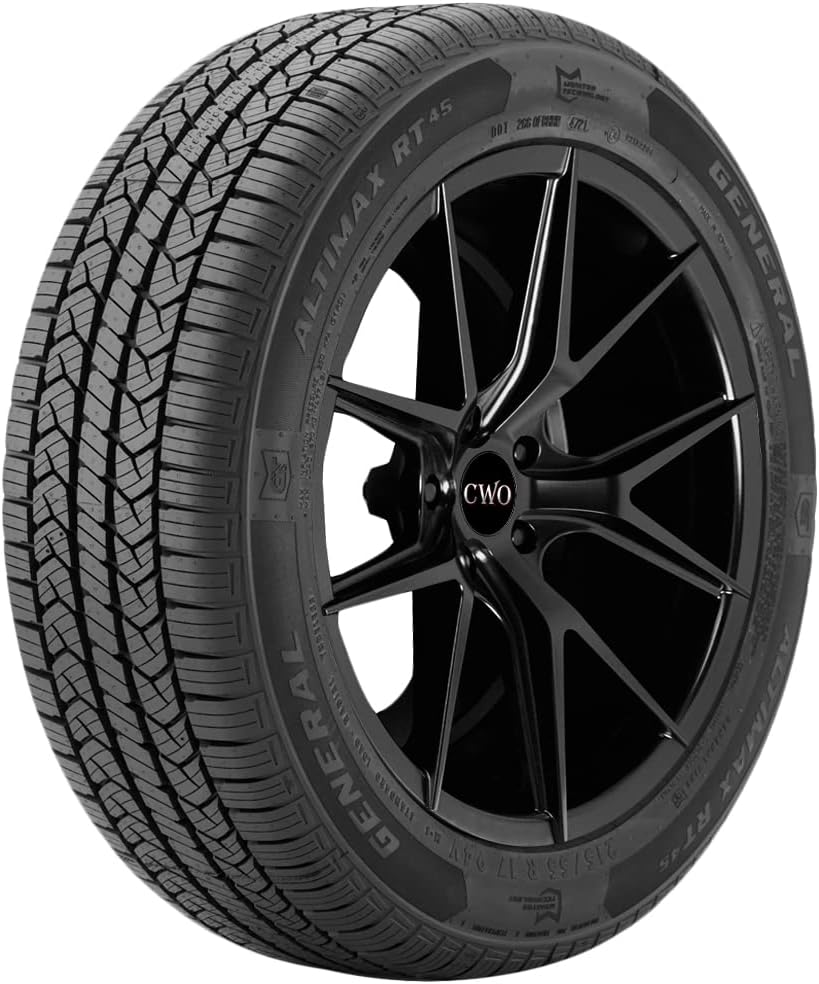
- General Altimax RT45— Best Budget
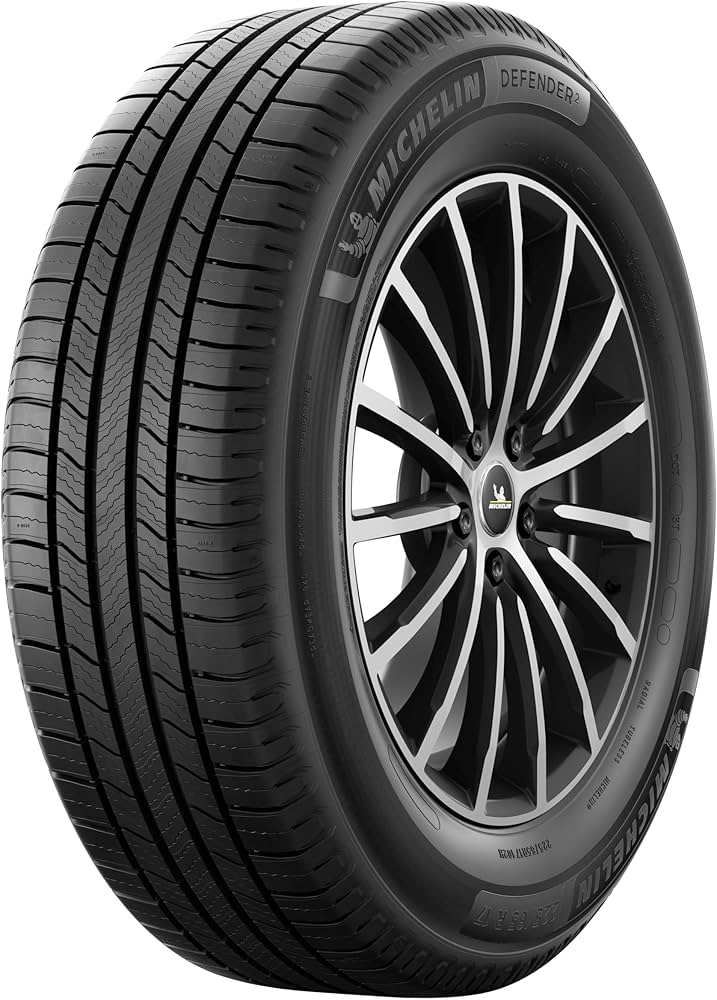
- Michelin Defender2— Most Durable
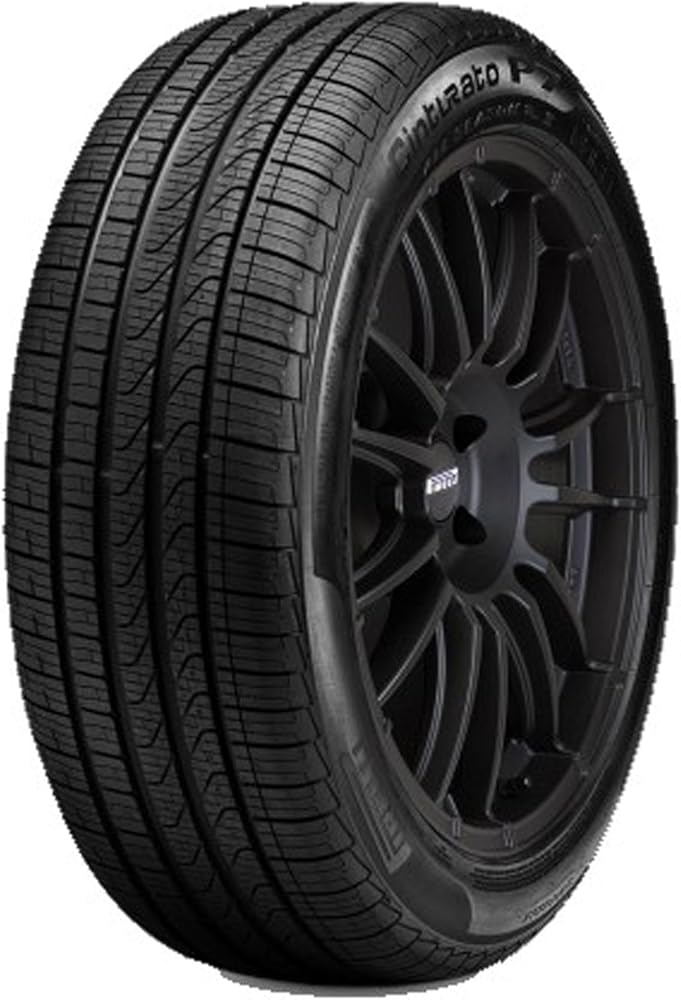
- Pirelli Cinturato P7 All Season Plus II— Easiest Installation
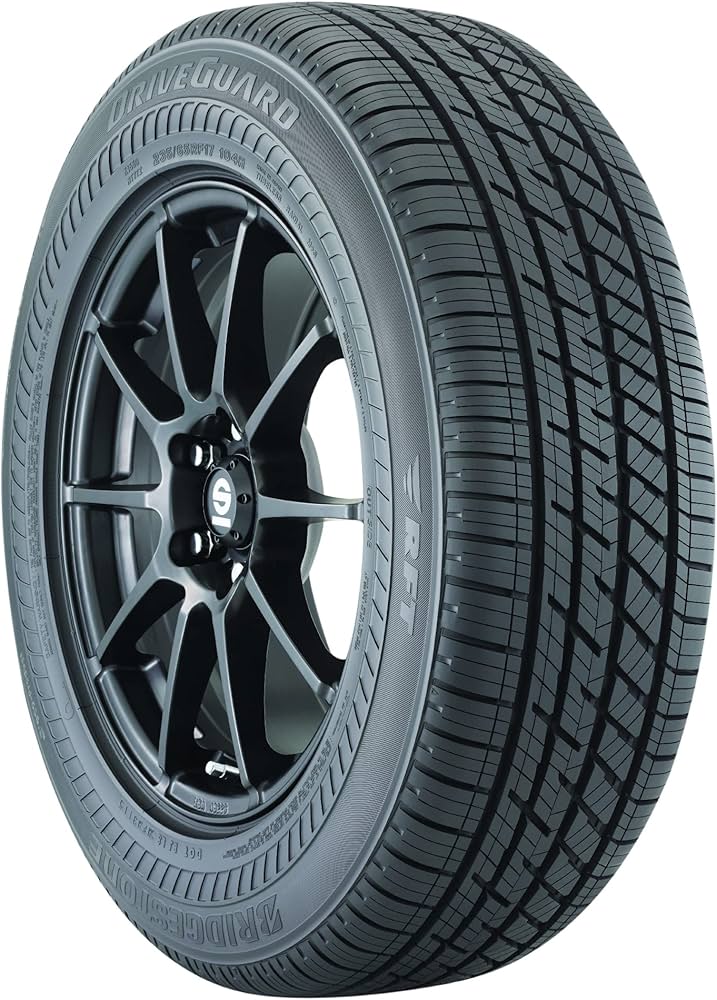
- Bridgestone DriveGuard— Best Run-Flat Option
Best All-Season Tires for Mercedes-Benz — Compared
Six all-season tires that consistently earn praise from real Mercedes owners, compared side by side.
| # | Product | Speed Rating | Type | Best For | Score | |
|---|---|---|---|---|---|---|
| 1 | Michelin CrossClimate2 Editor’s Choice | H/V | All-Weather (3PMSF) | Year-round snow versatility | 4.7 | See Latest Price |
| 2 | Continental ExtremeContact DWS 06 Plus Top Pick | V/W | Ultra-High-Performance | Sharp handling & wet grip | 4.8 | See Latest Price |
| 3 | General Altimax RT45 Budget Pick | T/H | Standard Touring | Budget quiet comfort | 4.4 | See Latest Price |
| 4 | Michelin Defender2 | T/H/V | Touring | Maximum tread life | 4.6 | See Latest Price |
| 5 | Pirelli Cinturato P7 All Season Plus II | H/V | Grand Touring | Foolproof installation | 4.5 | See Latest Price |
| 6 | Bridgestone DriveGuard | H/V | Run-Flat Touring | Run-flat comfort upgrade | 4.3 | See Latest Price |
Detailed Reviews
Full breakdown of each tire — ratings, pros, cons, and our expert verdict.
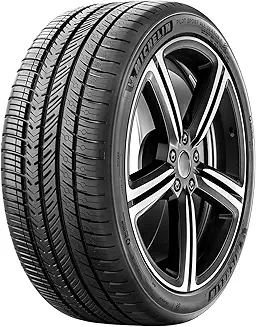
Michelin CrossClimate2
- 3PMSF snow rating for genuine year-round versatility
- V-shaped tread clears water and resists hydroplaning
- Tread wear noticeably slower than factory Continental or Pirelli tires
- Ride quality is slightly firmer than grand-touring alternatives
- Directional tread limits rotation patterns on staggered setups
Continental ExtremeContact DWS 06 Plus
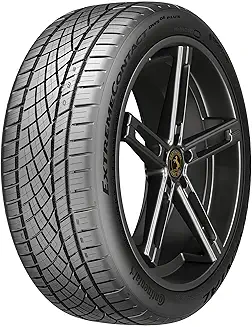
- SportPlus technology delivers immediate, communicative steering response
- QuickView indicators show exactly when Dry, Wet, or Snow capability fades
- Wet grip holds tenaciously, even in heavy rain
- Light snow traction can’t match the CrossClimate2’s snow bite
- Road noise increases slightly after 25,000 miles
General Altimax RT45
- Cabin noise drops dramatically after replacing worn factory run-flats
- 75,000-mile treadwear warranty despite the low price
- Tread wear remains even after multiple rotations and alignments
- Steering feel is less connected, with a slight dead spot on center
- Light snow traction is adequate only on plowed roads
Michelin Defender2
- MaxTouch 2.0 contact patch spreads forces evenly for slow, even wear
- 80,000-mile treadwear warranty, class-leading for this category
- Smooth, composed ride at sustained highway speeds
- Steering feel is less direct than the CrossClimate2 or DWS 06 Plus
- Snow traction only adequate for a very light dusting
Pirelli Cinturato P7 All Season Plus II
- Symmetric, non-directional tread eliminates mounting-position guesswork
- Wet braking feels secure with no ABS pulsing in heavy rain
- Road noise stays unobtrusive from the first mile to the last
- Steering response is slower than performance-oriented tires
- Snow grip fades faster than the CrossClimate2 as tread wears
Bridgestone DriveGuard
- Reinforced sidewalls support the vehicle up to 50 miles at 50 mph after air loss
- Ride comfort improves noticeably over factory run-flats
- Tread life outlasts the original equipment run-flat set
- Ride remains firmer than a non-run-flat touring tire
- Replacement cost runs higher than standard all-season tires
Can’t Decide?
Our Top 2 Picks — Head to Head
Both are excellent. Here’s how to choose between them.
- 3PMSF snow rating for genuine year-round versatility
- V-shaped tread clears water and resists hydroplaning
- Long tread life backed by a 60,000-mile warranty
- SportPlus technology delivers immediate, communicative steering
- QuickView indicators show exactly when capability fades
- Exceptional wet braking that holds up in heavy rain
How to Choose All-Season Tires for Your Mercedes-Benz
Six factors that matter before you buy — explained simply.
Staggered Fitments & Correct Sizing Per Axle
Mercedes sedans and SUVs often run wider tires in the rear than the front, so the size on your driver’s door placard isn’t a single number — it’s two, one per axle. Order the wrong one for either position and you’ll rub on the wheel well or leave load capacity on the table.
Run-Flat or Standard: The Core Decision
If your Mercedes left the factory with no spare, stick with a run-flat all-season like the Bridgestone DriveGuard, or switch to standard tires and carry a compressor and plug kit instead. Standard tires typically ride softer and cost less, but never mix the two types across axles.
Speed Ratings Climb Fast on Mercedes Sedans
Mercedes sedans frequently call for V, W, or even Y speed ratings straight from the factory, well above what most other brands require. Installing a lower-rated tire to save money compromises high-speed stability on cars built to sustain those speeds — check the door placard before you buy.
Non-Directional Tread for Rotation Flexibility
A staggered setup with directional front and rear tires can’t be rotated side to side, which shortens the interval before you’re buying a full new set. Choosing a symmetric, non-directional tire like the Pirelli Cinturato P7 keeps rotation options open and can meaningfully extend how long the set lasts.
TPMS Sensor Age Matters More Than the Light
TPMS sensor batteries typically last five to seven years regardless of whether the tires themselves still have tread. If your Mercedes is getting up there in age, it’s worth replacing the sensors during installation rather than waiting for a battery failure that forces a second shop visit later.
Alignment & Rotation Cadence on Staggered Setups
New tires wear unevenly fast on a Mercedes with an out-of-spec alignment, and staggered setups make the problem worse since you can’t always rotate your way out of it. Request a four-wheel alignment at installation and rotate every 5,000 to 7,500 miles if your tread pattern allows it.
Pro Tips
Quick Buying Checklist
Never mix run-flat and standard tires on the same Mercedes — the sidewall stiffness mismatch creates unpredictable handling.
Double-check your staggered sizing — front and rear tires are almost never the same size on a performance-trim Mercedes.
Match your speed rating to the factory spec — Mercedes sedans often require V, W, or Y ratings, not just H.
Replace aging TPMS sensors during installation if your Mercedes is several years old — battery life is roughly 5 to 7 years.
Budget for a four-wheel alignment with every new set — staggered setups punish misalignment faster than square ones.
Frequently Asked Questions
Are aftermarket all-season tires safe for my Mercedes?
Yes. Reputable all-season tires from Michelin, Continental, Pirelli, and Bridgestone meet or exceed the safety and performance standards of Mercedes’ original equipment tires. Just confirm you’re ordering the correct size, load index, and speed rating for your specific model, since staggered fitments make this easy to get wrong.
Will switching from run-flat tires to standard tires void my Mercedes warranty?
No, replacing run-flat tires with standard tires doesn’t void your Mercedes-Benz warranty. You just need to make sure the new tires meet the required load and speed specifications on your door placard. You’ll also become responsible for handling a flat tire yourself, since no spare is provided.
Can I mix all-season tires with summer or winter tires on my Mercedes?
Don’t mix tire types across axles on a Mercedes. Different compounds, tread patterns, and sidewall stiffness between all-season, summer, and winter tires create dangerous handling imbalances, especially in wet or snowy conditions. Always install a matched set of four tires from the same product line front and back.
Do I need to replace TPMS sensors when I install new all-season tires?
Not necessarily — if your existing TPMS sensors still function and the valve stems are in good shape, you can reuse them. But sensor batteries typically last only five to seven years, so if your Mercedes is getting older, it’s worth replacing them during installation rather than risking a second visit later.
What speed rating do I need for a Mercedes E-Class or S-Class?
Mercedes sedans like the E-Class and S-Class frequently require V, W, or even Y speed ratings straight from the factory — noticeably higher than what most other brands spec. Check your door jamb placard for the exact minimum, since a lower-rated tire can compromise high-speed stability on cars built for sustained autobahn speeds.
Can I rotate staggered tires on my Mercedes the same way as a square setup?
Only if your tread pattern is non-directional. A staggered setup already prevents front-to-rear rotation since the sizes differ, but a directional tread pattern also blocks side-to-side swaps. Choosing a symmetric, non-directional tire like the Pirelli Cinturato P7 keeps every rotation option open within your staggered fitment.
Final Verdict
Our Top Recommendations for 2026
After comparing owner feedback, fitment constraints, and real noise reports across six Mercedes-compatible all-season tires, the Michelin CrossClimate2 stands out as the safest all-around pick for 2026 thanks to its 3PMSF snow rating and long tread life. Drivers who prioritize steering feel should reach for the Continental ExtremeContact DWS 06 Plus, while the General Altimax RT45 remains the smartest budget buy.