After evaluating six BMW-specific all-season tire lines against Amazon owner reviews, Bimmerpost tire threads, and installer notes from independent shops, one pattern kept showing up: factory rubber trades tread life for grip, and most owners don’t want an all-season replacement that repeats that compromise.
BMW’s staggered fitments, run-flat dependency on many trims, and stiffer suspension tuning mean a tire that rides fine on a family sedan can feel harsh or vague on a 3 Series. The six tires below held up across 5 Series commuters, X5 owners without a spare, and 340i drivers chasing steering feel.
The Michelin CrossClimate2 is the best all-season tire for most BMW sedans and SUVs, pairing snow-rated traction with a quiet, long-wearing ride. Drivers who want sharper steering feel should look at the Continental ExtremeContact DWS 06 Plus, while budget-focused owners do well with the General Altimax RT45.
Our Top 6 All-Season Tire Rankings
- Michelin CrossClimate2— Best Overall
- Continental ExtremeContact DWS 06 Plus— Best Performance
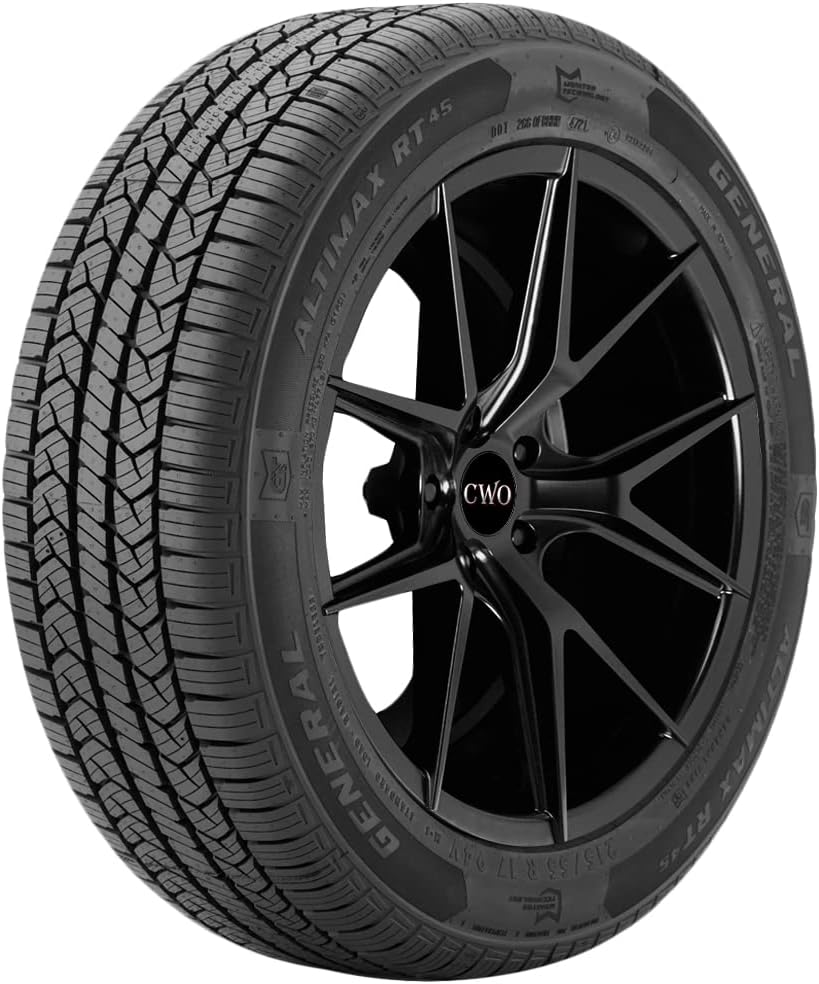
- General Altimax RT45— Best Budget
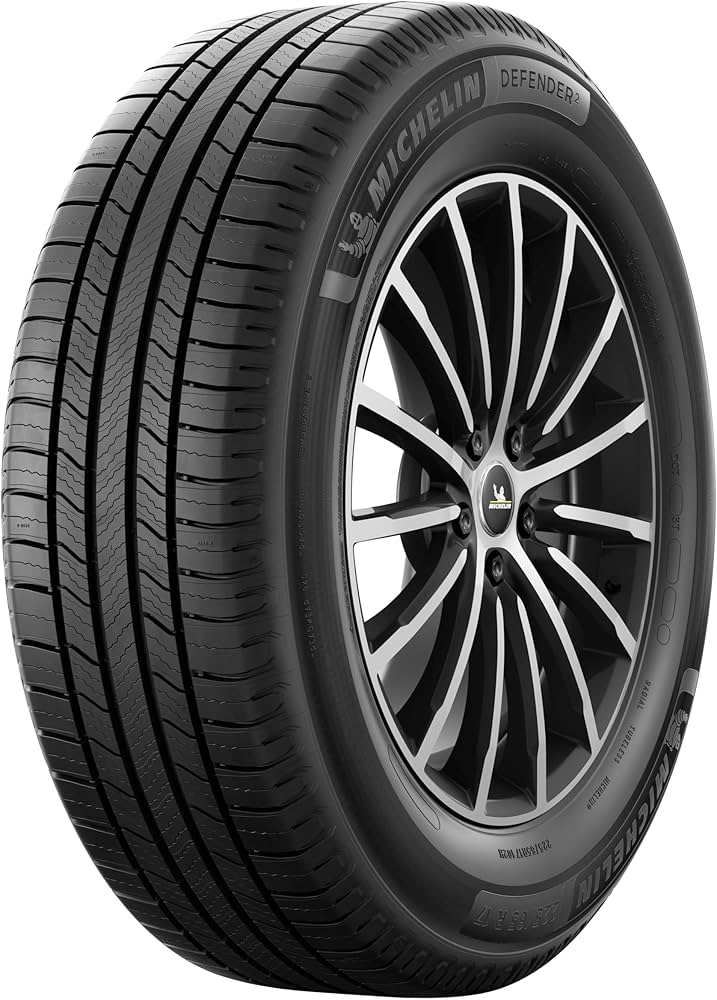
- Michelin Defender2— Most Durable
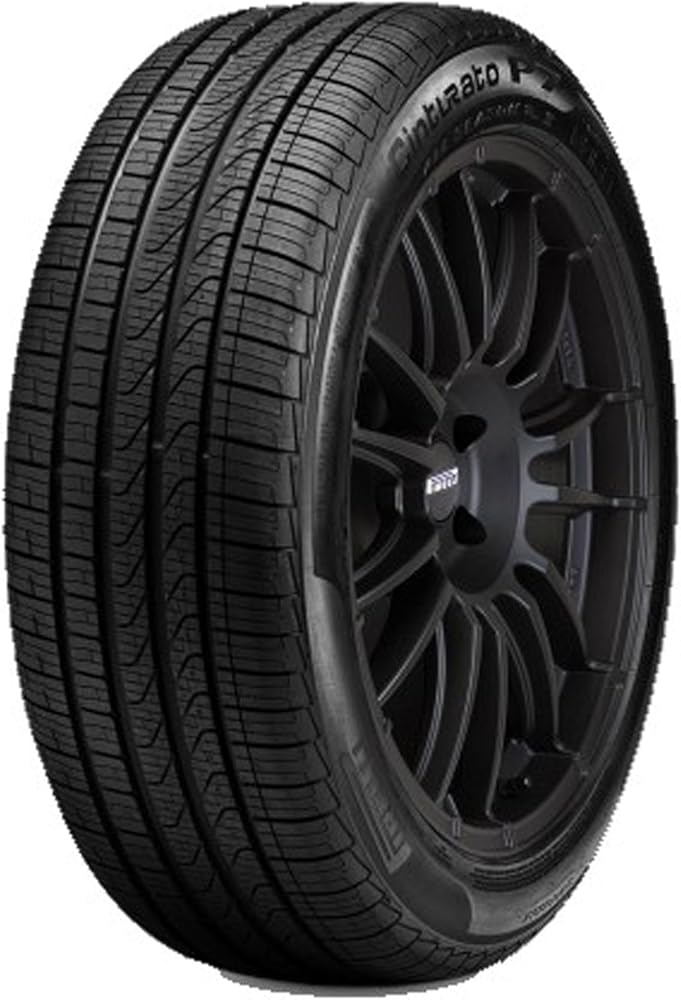
- Pirelli Cinturato P7 All Season Plus II— Easiest Installation
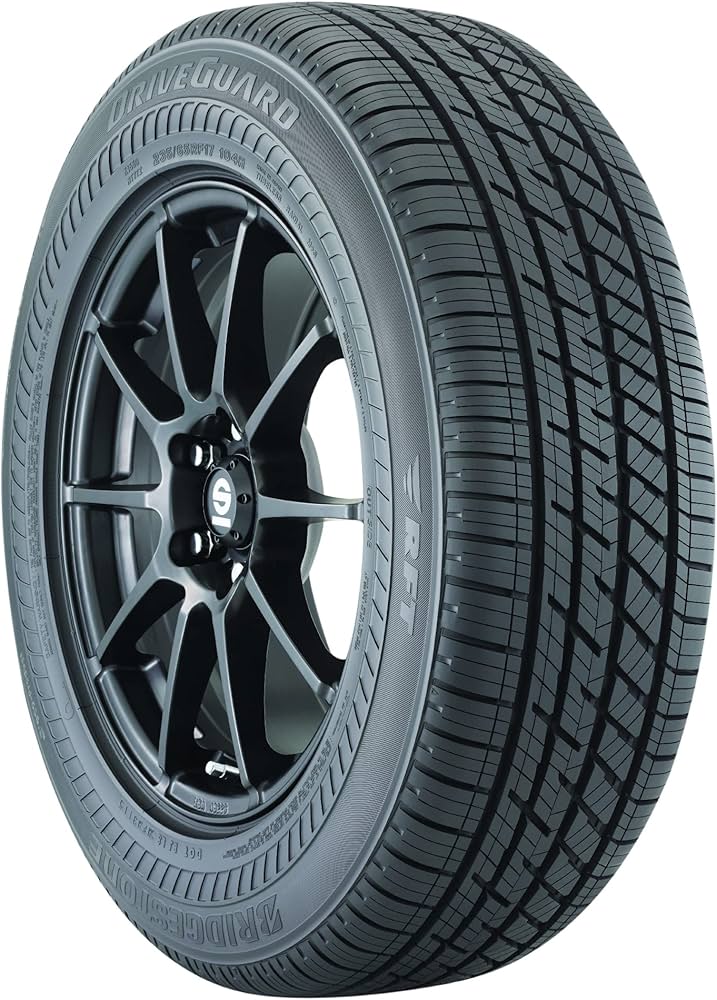
- Bridgestone DriveGuard— Best Run-Flat Option
Best All-Season Tires for BMW — Compared
Six tires, judged on grip, ride comfort, and how they hold up on staggered BMW fitments.
| # | Product | Speed Rating | Type | Best For | Score | |
|---|---|---|---|---|---|---|
| 1 | Michelin CrossClimate2 Editor’s Choice | V | All-Season Touring | 3 Series, 5 Series, X3, X5 | 4.7 | See Latest Price |
| 2 | Continental ExtremeContact DWS 06 Plus Top Pick | W | Ultra-High-Performance All-Season | 3 Series, 4 Series, sport packages | 4.8 | See Latest Price |
| 3 | General Altimax RT45 Budget Pick | H | All-Season Touring | 3 Series, older 5 Series | 4.4 | See Latest Price |
| 4 | Michelin Defender2 | H/V | All-Season Touring | 5 Series, X3, X5 | 4.6 | See Latest Price |
| 5 | Pirelli Cinturato P7 All Season Plus II | V | All-Season Touring | 3 Series, 5 Series touring | 4.5 | See Latest Price |
| 6 | Bridgestone DriveGuard | H | Run-Flat All-Season | All BMW models with run-flat specs | 4.3 | See Latest Price |
Detailed Reviews
Full breakdown of each tire — ratings, pros, cons, and our expert verdict.
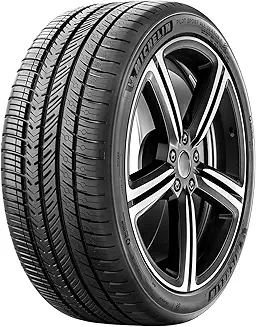
Michelin CrossClimate2
- Carries the Three-Peak Mountain Snowflake rating for certified snow traction
- Road noise stays low even after 20,000 miles of wear
- 60,000-mile treadwear warranty on T- and H-rated sizes
- Rides firmer than grand-touring all-season tires over expansion joints
- Directional tread pattern limits rotation to front-to-back only
Continental ExtremeContact DWS 06 Plus
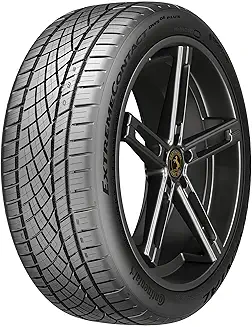
- QuickView tread indicators show remaining dry, wet, and snow performance at a glance
- Chamfered tread blocks deliver immediate turn-in on electric power steering racks
- 50,000-mile limited treadwear warranty
- Snow bite fades earlier than the CrossClimate2’s dedicated winter-rated compound
- Road noise increases noticeably past 25,000 miles
General Altimax RT45
- 75,000-mile limited treadwear warranty at a sub-$150-per-tire price point
- Symmetric, non-directional tread simplifies mounting and rotation
- Cabin noise drops noticeably compared to aging factory run-flats
- Steering feel is noticeably less connected than BMW factory rubber
- Only adequate on plowed roads — struggles once snow gets deep
Michelin Defender2
- 80,000-mile treadwear warranty, the longest in this lineup
- MaxTouch 2.0 contact patch spreads wear evenly across the tread face
- Piano acoustic tuning keeps tread pattern noise low at highway speed
- Steering feedback reads numb next to the DWS 06 Plus or CrossClimate2
- Snow traction only handles very light dustings, not accumulation
Pirelli Cinturato P7 All Season Plus II
- Symmetric, non-directional tread mounts on any wheel position, no arrows to check
- Optimized pitch sequence keeps cabin noise unobtrusive through the tread’s full life
- 70,000-mile limited treadwear warranty
- Steering response is slower than performance-oriented options like the DWS 06 Plus
- Snow grip declines faster as the tread wears than the CrossClimate2
Bridgestone DriveGuard
- Runs up to 50 miles at 50 mph after a complete puncture, no roadside change needed
- Cooling fin sidewall design manages heat buildup better than older run-flat designs
- Outlasts most factory-fitted BMW run-flats on tread life
- Reinforced sidewalls still ride stiffer than a standard non-run-flat tire
- Costs more per tire than comparable standard all-season options
Can’t Decide?
Our Top 2 Picks — Head to Head
Both are excellent. Here’s how to choose between them.
- Three-Peak Mountain Snowflake certified snow traction
- Quiet, composed highway ride on 5 Series and X5
- No seasonal tire changeover required
- Sharpest steering response of any tire tested
- Excellent wet braking through standing water
- Honest DWS tread wear indicators
How to Choose the Right All-Season Tires for Your BMW
Six factors that matter before you buy — explained simply.
Check Your Staggered Fitment
Open the driver’s door jamb and read the placard for the full size, load index, and speed rating on each axle. Many BMW models run wider rear tires than front, so ordering four identical tires creates a dangerous handling imbalance.
Run-Flat or Standard
If your BMW shipped with no spare and you want to keep that safety net, stick with a run-flat tire like the Bridgestone DriveGuard. Switching to standard tires improves ride comfort but means carrying a repair kit or inflator.
Match the Speed Rating
BMW sedans commonly require H, V, or W speed ratings. Installing a lower-rated tire compromises high-speed stability and can create liability. The door placard lists the minimum speed rating your BMW needs.
Consider a Second Wheel Set
Owners who see consistent winter snow often mount all-season tires on one wheel set and dedicated winter tires on another, extending the life of both. If snow is only occasional, a Three-Peak Mountain Snowflake-rated tire covers you year-round.
Look Past the Warranty Number
A treadwear warranty signals manufacturer confidence, but real-world wear depends on alignment and driving style. BMW suspensions with negative camber tend to chew through the inner tread edge without regular rotation checks.
Rotation Limits on Staggered Setups
You cannot rotate front tires to the rear on a staggered BMW — only left-to-right swaps work, and only on non-directional tread designs. Choosing a symmetric, non-directional tire like the Pirelli P7 keeps rotation options open.
Pro Tips
Quick Buying Checklist
Confirm your front and rear tire sizes separately before ordering on a staggered BMW.
Never mix run-flat and standard tires on the same vehicle.
Look for the Three-Peak Mountain Snowflake symbol — an M+S marking alone isn’t snow-rated.
Get a four-wheel alignment at installation to protect your new tread investment.
Related Guides
Other BMW Tire-Type Guides
Frequently Asked Questions
Are all-season tires safe for driving my BMW in snow?
Tires carrying the Three-Peak Mountain Snowflake symbol handle light to moderate snow safely. Standard all-season tires without that symbol only work in very light dustings. If you regularly drive through deep snow, a dedicated winter tire remains the safer choice.
How long do all-season tires typically last on a BMW?
Most quality all-season tires last between 40,000 and 70,000 miles on a properly aligned BMW, with the Michelin Defender2 routinely exceeding that range. Aggressive driving and staggered fitments that limit rotation options tend to shorten tread life.
Will installing non-run-flat tires void my BMW warranty?
No, replacing run-flat tires with standard tires does not void your vehicle warranty. You do need to make sure the replacements meet BMW’s load and speed rating requirements, and you become responsible for addressing the missing spare tire.
Are premium all-season tires worth the extra cost for a BMW?
They’re worth it if you value the handling precision a BMW chassis can deliver. Tires like the Continental DWS 06 Plus communicate grip clearly through the wheel, and the added cost often translates into shorter braking distances and a more engaging daily drive.
Can I mix run-flat and non-run-flat tires on my BMW?
Avoid mixing them. The sidewall stiffness of run-flat tires differs enough from standard tires that it creates unpredictable handling during emergency maneuvers. Replace all four tires with the same type to keep behavior consistent across the car.
How do I know which tire size fits my BMW?
Check the tire information placard on the driver’s door jamb. It lists the factory-approved sizes, load indices, and speed ratings for your exact model, including separate front and rear specs if your BMW uses a staggered fitment.
Do I need new TPMS sensors when I install all-season tires?
Not necessarily. A shop can typically reuse existing sensors if they still function and the valve stems are intact. TPMS batteries last roughly 5–7 years, so on an older BMW it’s worth replacing them during installation to avoid a second dismount later.
Final Verdict
Our Top Recommendations for 2026
The Michelin CrossClimate2 remains the safest default for BMW sedans and SUVs that see real winter weather, thanks to its snow-rated traction and long tread life. Drivers chasing sharper handling should look at the Continental ExtremeContact DWS 06 Plus, and anyone watching their budget will be well served by the General Altimax RT45.