BMW owners running xDrive all-wheel-drive face a specific tire problem: swapping wheels twice a year eats storage space and cash, yet skipping winter rubber leaves staggered fitments and stiff run-flats struggling once snow hits. After evaluating dozens of 3PMSF-rated options against real BimmerPost threads, Amazon verified purchases, and independent tire-shop feedback, five tires consistently stood out from the rest of the field.
Not every all-weather tire tolerates a BMW’s weight, power, and razor-sharp steering. Some genuinely improve the ride the moment you ditch a factory run-flat; others feel vague on turn-in or drone on coarse pavement at highway speed. This guide breaks down which tires actually handle snow, rain, and daily BMW driving without forcing you into a compromise you’ll regret by the second winter.
For most BMW drivers who want year-round confidence without a second set of wheels, the Michelin CrossClimate 2 delivers the strongest blend of snow grip, tread life, and ride comfort. Budget-focused owners get real winter traction from the Vredestein Quatrac Pro, while performance-minded drivers lean toward the sharper-steering Pirelli Cinturato WeatherActive. Higher-mileage X5 and X7 owners should look at the Bridgestone WeatherPeak for its long-wear compound, and commuters chasing a quieter cabin will want the Toyo Celsius. All five picks below carry the 3PMSF certification and fit common BMW sedan and SUV sizes.
Best All-Weather Tires for BMW — Compared
A side-by-side look at speed rating, tread type, and where each tire earns its keep before you scroll into the full reviews below.
| # | Product | Speed Rating | Type | Best For | Score | |
|---|---|---|---|---|---|---|
| 1 | Michelin CrossClimate 2 Editor’s Choice | H/V/W | Grand Touring All-Weather | Year-round all-rounder | 4.6 | See Latest Price |
| 2 | Vredestein Quatrac Pro Budget Pick | H/V | Touring All-Weather | Budget snow traction | 4.5 | See Latest Price |
| 3 | Pirelli Cinturato WeatherActive Top Pick | V/W | Performance All-Weather | Sporty handling + snow safety | 4.4 | See Latest Price |
| 4 | Bridgestone WeatherPeak | H/V | Touring All-Weather | High-mileage durability | 4.5 | See Latest Price |
| 5 | Toyo Celsius | H/V | Comfort All-Weather | Quiet daily commuting | 4.4 | See Latest Price |
Detailed Reviews
Full breakdown of each tire — ratings, pros, cons, and who each one actually fits.
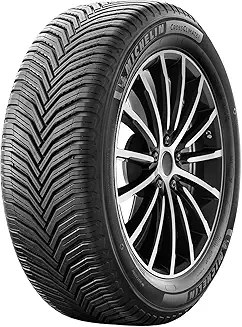
Michelin CrossClimate 2
- Exceptional snow and wet braking confidence, even on unplowed side streets
- Long, even treadwear reported across thousands of owners with 30,000+ miles logged
- Quiet enough to keep a BMW cabin serene at highway speed on coarse asphalt
- Broad size availability across 3 Series, 5 Series, X3, and X5 staggered setups
- No run-flat construction — you’ll need a mobility kit, spare, or roadside plan
- Staggered rear fitments cost more per axle on wider 5 Series and X5 models
- Directional tread limits rotation to front-to-rear only, so watch wear patterns closely
Vredestein Quatrac Pro
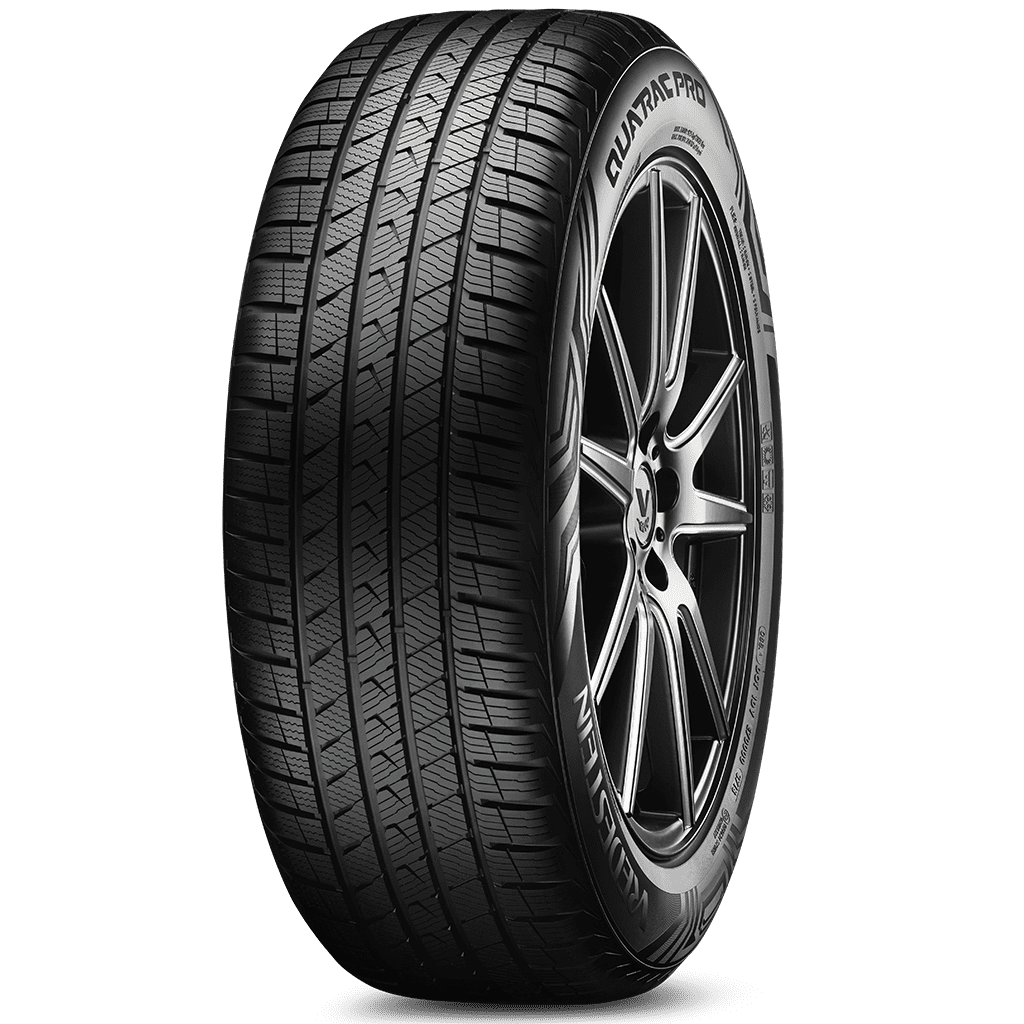
- Genuine 3PMSF winter traction, often $50+ cheaper per tire than premium rivals
- Noticeably quiet over rough concrete highways and expansion-joint seams
- Wet braking feels secure and predictable in sudden downpours
- Built-in rim protector lip guards against curb rash on tight parallel-parking spots
- Steering turn-in feels softer than Michelin or Pirelli alternatives at speed
- Treadwear can accelerate in consistently hot climates like Texas or Arizona
- Limited availability in 20-inch and larger SUV sizes for X5 owners
Pirelli Cinturato WeatherActive
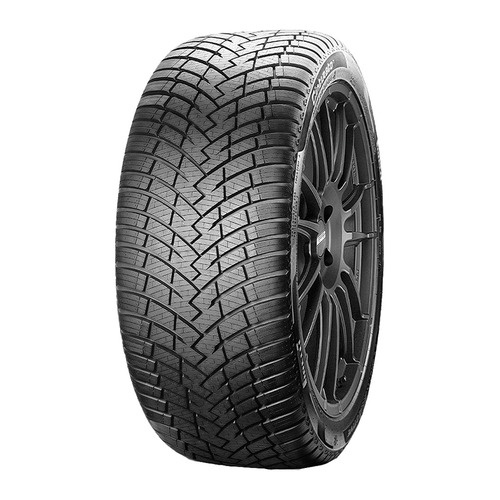
- Maintains BMW-worthy steering precision through fast, off-camber corners
- Certified 3PMSF snow traction without compromising dry-road grip
- High V/W speed ratings suit turbocharged and factory-tuned trims
- Minimal road hum when new, even on coarse concrete highways
- Tread noise increases noticeably after 15,000–20,000 miles of wear
- Smaller size catalog excludes some older E90 3 Series and select X-model trims
- Sits at the premium end of the all-weather price range compared to Vredestein
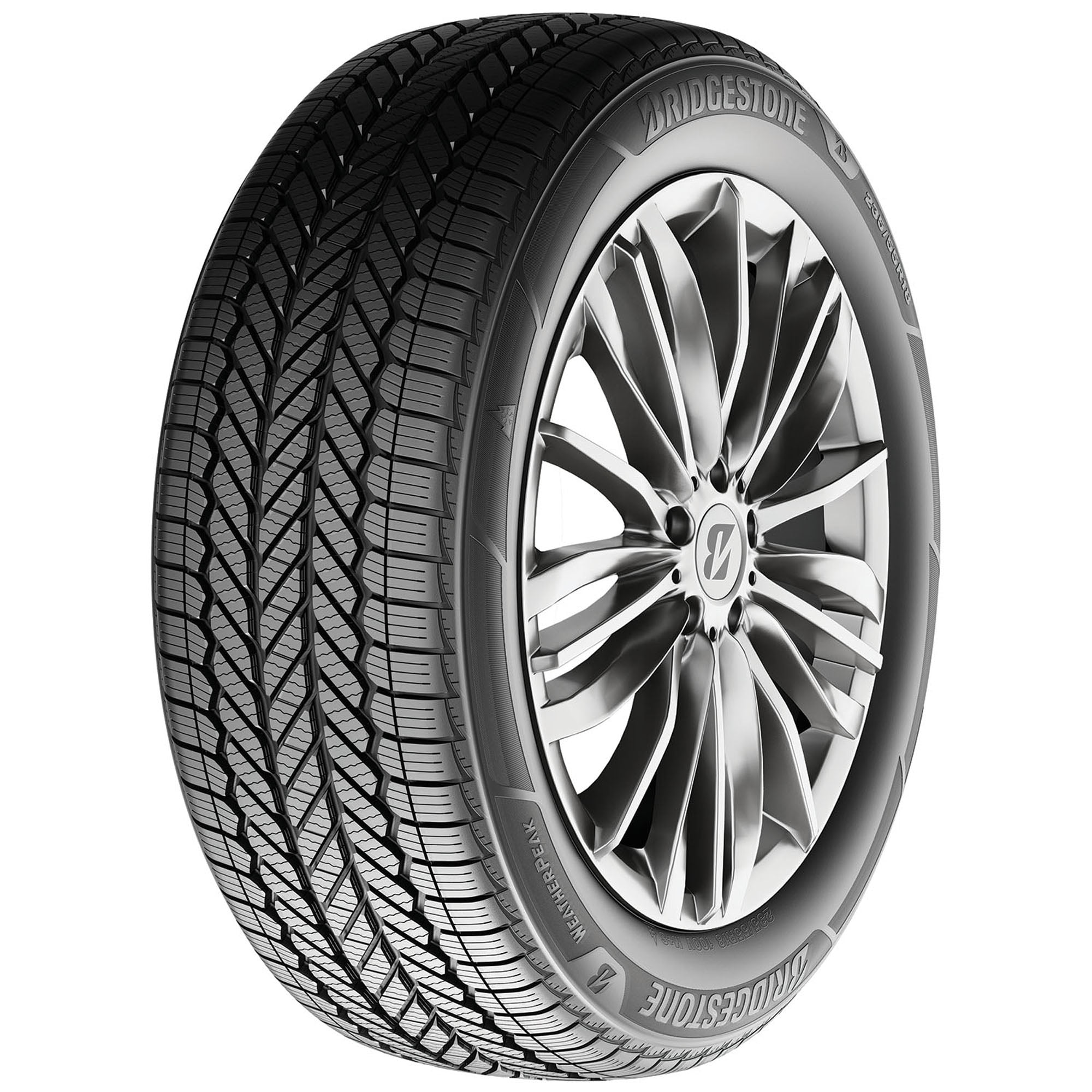
Bridgestone WeatherPeak
- Outstanding treadwear consistency, backed by a 70,000-mile limited warranty on select sizes
- Comfortable, plush ride without excessive highway float on longer trips
- Excellent hydroplaning resistance in heavy rain thanks to open shoulder slots
- Long-wear compound reduces long-term cost per mile compared to sportier rivals
- Steering response feels less sharp than Pirelli or Michelin alternatives
- Popular sizes can go backordered during peak fall buying season
- Deep snow and ice grip falls slightly short of the class leaders
Toyo Celsius
- Class-leading quietness and bump absorption on the highway grind
- Capable snow and wet performance without a harsh, jarring ride
- Rim protection bar helps preserve expensive BMW alloy wheels
- Attractive price point for a genuinely premium-feeling ride
- Dry cornering limits are noticeably lower than the CrossClimate 2
- Tread life can shrink to around 40,000 miles in southern heat
- Less steering feedback than performance-oriented alternatives like the Pirelli
Can’t Decide?
Our Top 2 Picks — Head to Head
Both are excellent, certified all-weather tires — the real difference comes down to whether you prioritize effortless daily competence or a sharper connection to the road.
- 3PMSF-certified snow traction that outperforms typical all-season tires
- 60,000-mile treadwear warranty backed by real owner mileage reports
- Quietest ride among the directional-tread options we compared
- Widest size availability across BMW sedan and SUV lineups
- High-silica compound holds a confident line through fast corners
- Reinforced shoulder blocks improve overall cornering stability
- V/W speed ratings suit turbocharged and factory-tuned BMWs
- Modern tread pattern that suits BMW’s wheel aesthetic
How to Choose the Right All-Weather Tire for Your BMW
Six factors that matter before you buy — explained simply.
Check Your Size and Load Index First
Open your BMW’s driver-door jamb sticker and confirm the exact tire size, load index, and speed rating stamped there before you shop. Staggered setups mean front and rear sizes differ by width, so verify the all-weather tire you want actually comes in both fitments. A lower load index than specified can compromise handling, braking distance, and long-term safety, especially on heavier X5 and X7 models.
Run-Flat vs. Non-Run-Flat Trade-Offs
Most BMWs leave the factory riding on run-flat tires, but true all-weather run-flats remain genuinely rare across every major manufacturer. Switching to a standard-construction tire like the Michelin CrossClimate 2 means giving up roughly 50 miles of puncture mobility — you’ll need to carry a mobility kit, a compact spare, or lean on a roadside assistance plan. In exchange, most owners report a noticeably smoother and quieter ride almost immediately after the swap.
Match Your Winter Severity to the Tire
All-weather tires bridge the gap between standard all-season rubber and a dedicated winter tire, but they aren’t a perfect substitute for either. In regions with deep, sustained snow and prolonged ice, a true dedicated winter tire still out-grips any all-weather option in extreme conditions. If your winters bring occasional snow events and mostly cold, wet rain, an all-weather tire removes the seasonal wheel swap entirely while still keeping you safe on the road.
Decide What You’ll Feel Every Day
A tire with class-leading snow grip that drones on dry pavement will annoy you eleven months out of twelve, since snow only shows up a handful of weeks a year for most BMW owners. Rank what actually matters most to your daily commute — sporty steering feel, long tread life, cabin quietness, or upfront price — before you start comparing spec sheets. No single all-weather tire wins every category at once, so let your real driving pattern guide the final call.
Read the Treadwear Warranty
Treadwear warranties reveal how confident a manufacturer actually is in its own rubber compound, not just marketing copy. A 60,000-mile warranty, like Michelin offers on the CrossClimate 2, sets a real, tested benchmark for expected life under normal driving conditions. Keep in mind that staggered rear fitments on many BMW models often carry shorter warranty mileage than the fronts, so read the fine print carefully before comparing prices across brands.
Match Speed Rating to Your BMW’s Trim
Many BMW trims left the factory on W- or Y-rated performance tires, while some all-weather options top out at H or V speed ratings instead. Dropping speed rating too far below the factory spec can affect insurance standing in certain states and meaningfully change how the car handles and brakes at its limits during hard driving. Confirm your specific trim’s minimum acceptable rating before you narrow your shortlist down to a final choice.
Pro Tips
Quick Buying Checklist
Look for the 3PMSF snowflake symbol stamped on the sidewall itself — standard all-season tires don’t qualify as true all-weather rubber, no matter what the box says.
Replace all four tires together on xDrive models to avoid straining the transfer case with mismatched tread depth between axles.
Request a road-force balance at installation — BMW suspensions amplify even small wheel imbalances into noticeable highway-speed vibration.
Rotate directional-tread tires every 5,000–7,000 miles, front-to-rear only, to keep wear even on rear-biased BMW suspensions.
Meet or exceed your BMW’s factory speed rating to stay within insurance guidelines and preserve expected handling limits.
Frequently Asked Questions
Are all-weather tires safe for BMW xDrive models?
Yes — all-weather tires work safely with xDrive as long as every wheel carries the same model, size, and tread depth. Mismatched tires can strain the transfer case and confuse the all-wheel-drive system’s traction sensors over time. Always replace the full set of four at once rather than swapping tires in pairs to stay safe.
How do all-weather tires compare to dedicated winter tires on a BMW?
Dedicated winter tires still out-grip all-weather tires in deep, sustained snow and on solid ice. All-weather tires trade a slice of that extreme-condition performance for year-round convenience, since you skip the twice-yearly wheel swap entirely. For most drivers in regions with occasional snow rather than months of it, that trade-off usually makes practical sense.
Can I get run-flat all-weather tires for my BMW?
True run-flat all-weather tires remain rare across the entire market; nearly every 3PMSF-rated option, including all our top picks here, uses standard non-run-flat construction. If run-flat capability is genuinely non-negotiable for you, expect to choose a premium all-season run-flat instead and accept somewhat reduced snow performance in exchange.
Do all-weather tires wear out faster on a BMW in summer heat?
Some all-weather rubber compounds soften and wear faster during sustained heat, especially on heavier X5 and X7 models carrying more weight per tire. Long-wear options like the Bridgestone WeatherPeak resist this better than softer touring compounds designed primarily for comfort. Regular rotation and correct tire pressure both help extend tread life through hot summers.
Will switching to all-weather tires make my BMW ride harsher?
Most owners report the opposite happens once they make the switch. BMWs originally fitted with stiff factory run-flat tires often ride noticeably smoother and quieter after moving to a non-run-flat all-weather tire. The Toyo Celsius and Vredestein Quatrac Pro get the most consistent praise across owner forums for transforming ride comfort.
How long do all-weather tires typically last on a BMW?
Expect somewhere between 40,000 and 60,000 miles depending on your driving style, vehicle weight, and how consistently you rotate the tires. Rear-wheel-drive BMWs with staggered fitments tend to wear rear tires noticeably faster than the fronts over time. Following your alignment specs and rotating on schedule gets you closer to the top end of that range.
Are premium all-weather tires worth the extra cost for BMW owners?
If steering precision, high-speed stability, and long tread life matter most to you, premium options like the Michelin CrossClimate 2 and Pirelli WeatherActive repay their higher price with better daily engagement over years of ownership. Budget picks like the Vredestein Quatrac Pro still deliver genuine, certified winter safety if a lower upfront cost matters more to your decision.
Final Verdict
Our Top Recommendations for 2026
Choosing the best all-weather tire for your BMW comes down to balancing winter safety, daily ride quality, steering feel, and budget — no single tire wins every category outright. Each pick below earns its spot through consistent owner feedback gathered across thousands of real-world miles, not spec-sheet claims alone, so you can match the tire to how you actually drive rather than how it looks on paper.