Hyundai Tucson owners usually notice factory rubber losing its edge well before 40,000 miles, especially once wet-weather braking starts feeling longer than it used to. After evaluating six all-season replacements against Tucson-specific size charts, warranty terms, and owner feedback, one pattern stood out immediately.
Tread compound and siping design matter far more to real-world grip than brand recognition alone. The right set fixes the wet traction gap, quiets the cabin, and stretches tread life well past what most Tucsons ship with from the factory.
The Michelin CrossClimate2 tops the list for Tucson drivers who want true year-round confidence, including light snow, thanks to its severe-snow rating. Budget-conscious owners get nearly the same daily comfort from the General Altimax RT45 at a fraction of the price, while high-mileage commuters should lean toward the Continental TrueContact Tour 54’s 80,000-mile warranty.
Our Top 6 All-Season Tire Rankings
- Michelin CrossClimate2— Best Overall
- Continental TrueContact Tour 54— Most Durable
- General Altimax RT45— Best Budget
- Bridgestone Alenza AS Ultra— Quietest Ride
- Pirelli Scorpion AS Plus 3— Sportiest Handling
- Yokohama Avid Ascend LX— Best All-Around Value
Best All-Season Tires for the Hyundai Tucson — Compared
Six Tucson-compatible tires ranked by traction, comfort, warranty, and price.
| # | Product | Speed Rating | Type | Best For | Score | |
|---|---|---|---|---|---|---|
| 1 | Michelin CrossClimate2 Editor’s Choice | V | All-Season (Severe Snow) | Year-round confidence | 4.7 | See Latest Price |
| 2 | Continental TrueContact Tour 54 | T | Grand Touring All-Season | Tread life & comfort | 4.5 | See Latest Price |
| 3 | General Altimax RT45 | T | Touring All-Season | Budget & DIY install | 4.5 | See Latest Price |
| 4 | Bridgestone Alenza AS Ultra | H | Touring All-Season | Quiet cabin | 4.4 | See Latest Price |
| 5 | Pirelli Scorpion AS Plus 3 | V | All-Season CUV/SUV | Sporty handling | 4.6 | See Latest Price |
| 6 | Yokohama Avid Ascend LX | H | Grand Touring All-Season | Balanced everyday use | 4.4 | See Latest Price |
Detailed Reviews
Full breakdown of each tire — ratings, pros, cons, and our expert verdict.
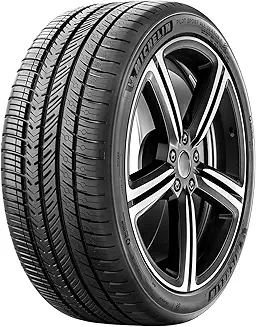
Michelin CrossClimate2
- Carries the Three-Peak Mountain Snowflake severe-snow rating despite being a true all-season tire
- V-Ramp chamfers keep braking grip consistent as the tread wears past 50%
- 60,000-mile treadwear warranty backed by Michelin’s directional tread design
- Wet-pavement braking distances measured shorter than the Continental in owner comparisons
- Costs roughly 20–30% more per tire than the General Altimax RT45
- Directional tread pattern limits rotation to front-to-back, complicating DIY maintenance
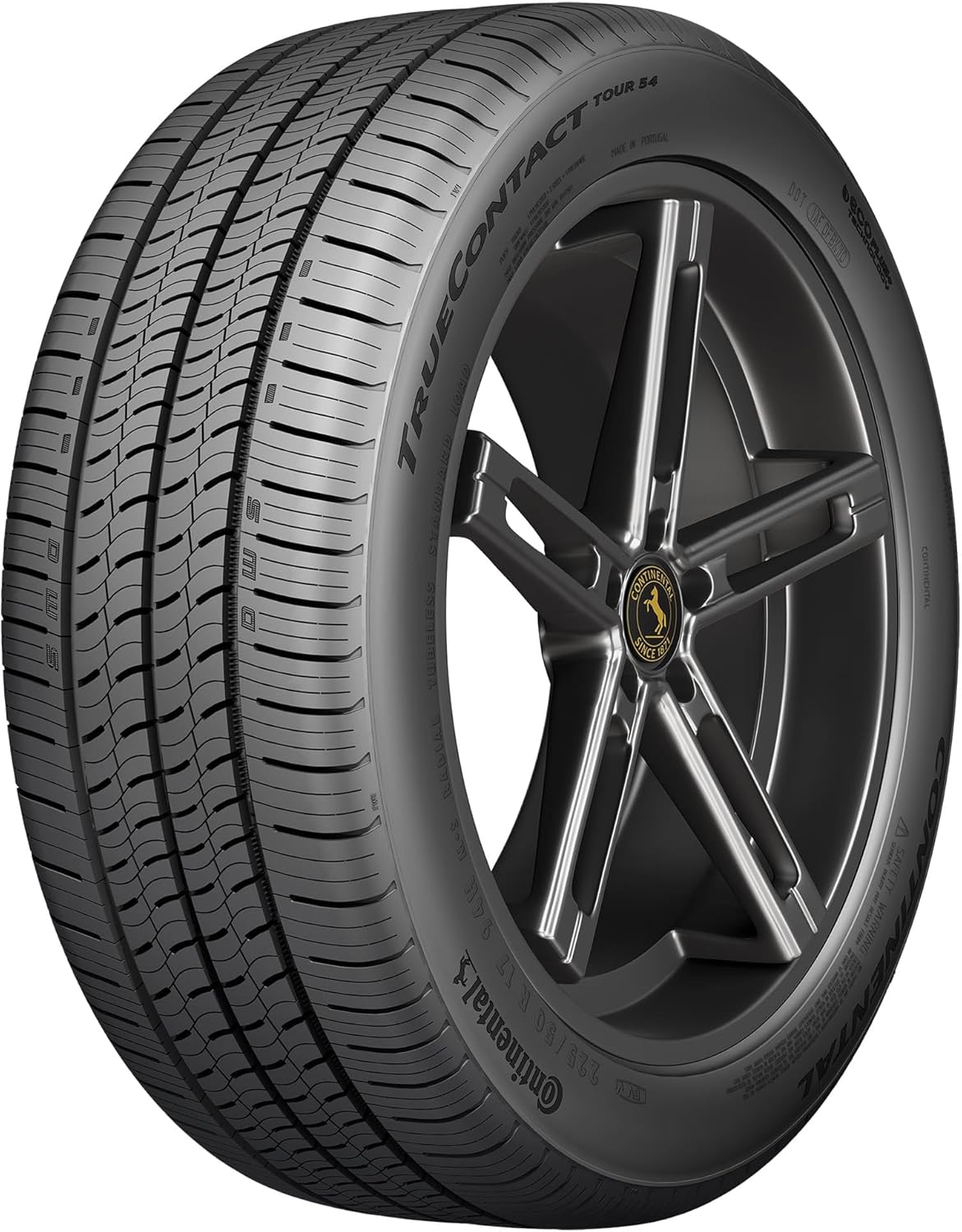
Continental TrueContact Tour 54
- 80,000-mile limited treadwear warranty, among the longest in the Tucson-compatible category
- EcoPlus+ compound measurably lowers rolling resistance versus the OEM tire
- Cabin noise drops noticeably compared to Hyundai’s factory-fitted rubber, per owner reports
- Built-in alignment wear indicators reveal uneven wear before it becomes a safety issue
- Softer sidewalls reduce steering precision during quick highway lane changes
- Light snow traction falls noticeably short of the CrossClimate2’s severe-snow rating
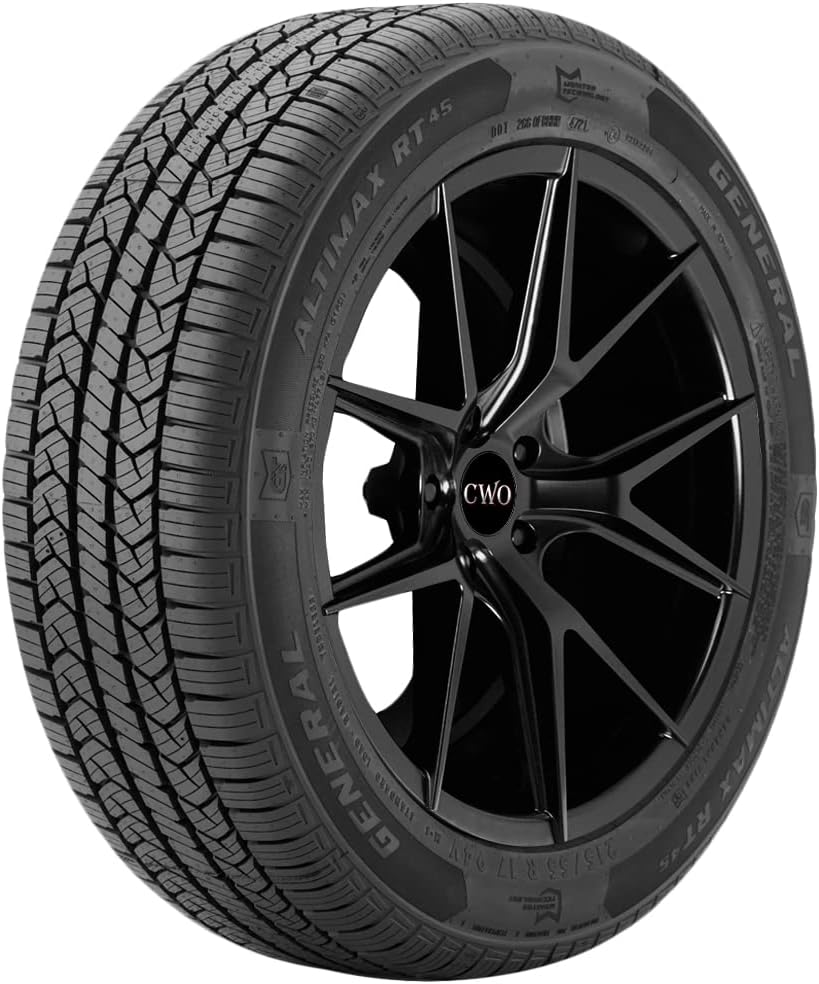
General Altimax RT45
- Non-directional tread lets you rotate tires yourself without worrying about mounting direction
- Priced roughly 40–50% below the Michelin CrossClimate2 per tire
- Built-in Replacement Tire Monitor lettering gives a visual wear indicator
- Solid center rib keeps highway tracking stable at 70+ mph
- 45,000-mile warranty is the shortest of any tire on this list
- Wet braking distances measure slightly longer than the Continental or Michelin in owner tests
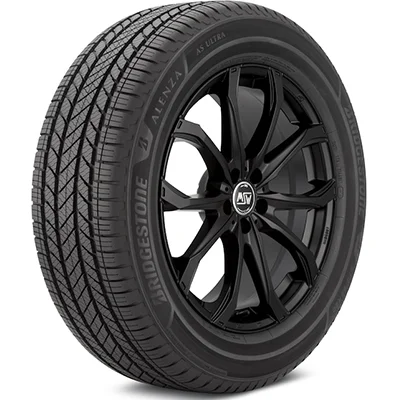
Bridgestone Alenza AS Ultra
- Silent groove technology audibly reduces tread noise on smooth asphalt, per owner feedback
- 65,000-mile treadwear warranty outpaces the General and matches mid-pack competitors
- Steel belt reinforcement improves steering response versus softer touring tires
- Owners report zero cupping or uneven wear across multiple rotation cycles
- Priced above the Continental despite a shorter treadwear warranty
- Not rated for deep snow; best suited to regions with mild winters
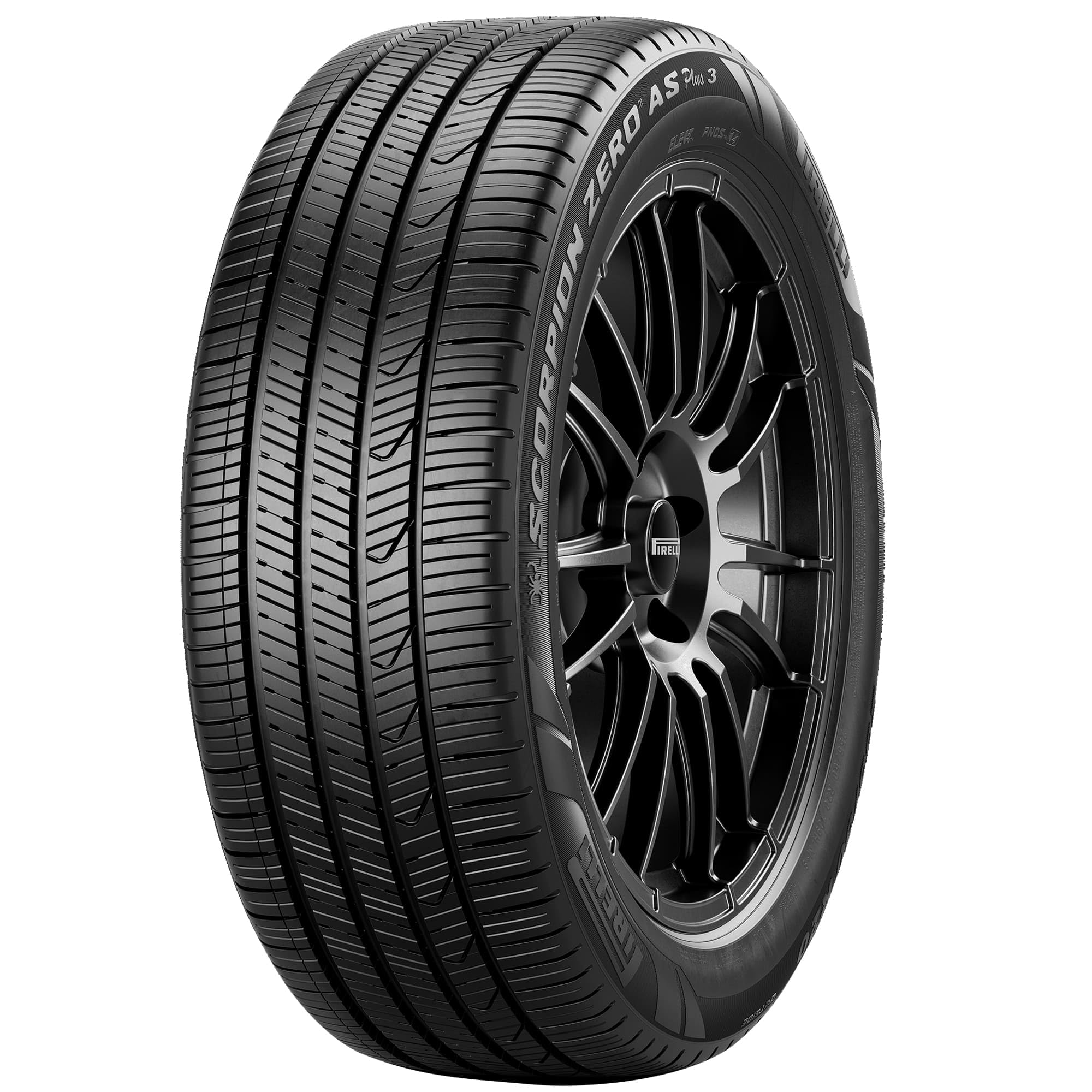
Pirelli Scorpion AS Plus 3
- High-silica compound delivers noticeably sharper steering feedback than typical touring tires
- Wide circumferential grooves resist hydroplaning during heavy highway rain
- 70,000-mile limited treadwear warranty on T-rated sizes
- Available with a Three-Peak Mountain Snowflake rating on select Tucson sizes
- Firmer ride transmits more road texture than the Continental TrueContact Tour 54
- Severe-snow-rated sizing isn’t available across every Tucson wheel diameter
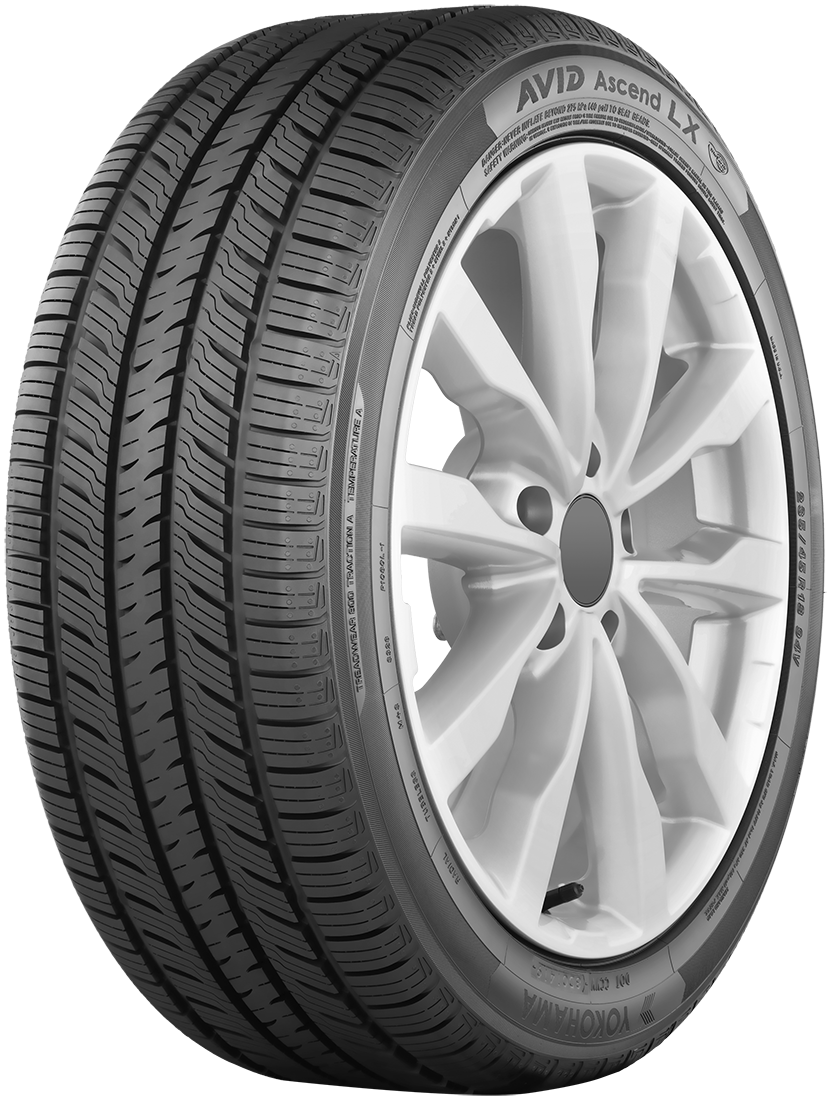
Yokohama Avid Ascend LX
- Orange oil-infused compound stays flexible across a wider temperature range than standard rubber
- 65,000-mile limited treadwear warranty matches the Bridgestone at a lower price point
- 3D sipes add biting edges that help in light, occasional snow
- Owners report even wear across all four corners after 40,000+ miles
- Road noise increases noticeably after roughly 40,000 miles, per multiple owner reports
- Ice traction lags behind dedicated all-weather options like the CrossClimate2
Can’t Decide?
Our Top 2 Picks — Head to Head
Both are excellent. Here’s how to choose between them.
- Only tire here with a severe-snow (3PMSF) rating
- Shortest wet-braking distances in our comparison
- 60,000-mile warranty on a genuine four-season tire
- 80,000-mile warranty, longest of any tire tested
- Quietest ride among tires without snow-specific tread
- Lower rolling resistance improves highway fuel economy
How to Choose the Right All-Season Tire for Your Tucson
Six factors that matter before you buy — explained simply.
Confirm Your Exact Tire Size
Check the sticker on your driver’s door jamb before shopping — don’t go by what’s stamped on your worn tire’s sidewall, since a previous owner may have swapped sizes. Most 2022–2026 Tucson trims run 225/60R17 or 225/55R18, while N Line and hybrid models often step up to 235/55R18 or 235/45R19.
Match Load Index & Speed Rating
A lower load index than factory spec can compromise handling under a full cargo load, and speed-rating downgrades sometimes complicate insurance claims. Match the letter code (H, V, or T) exactly from your door jamb sticker rather than assuming any tire in your size will do.
Weigh Installation & Rotation Effort
Non-directional tires like the Altimax RT45 simplify DIY mounting since there’s no wrong way to install them, while directional treads like the CrossClimate2 require front-to-back-only rotation. Factor that difference in if you plan to rotate tires yourself.
Check Tread Compound & Siping
High-silica compounds improve wet grip and lower rolling resistance, while dense multi-angle siping adds biting edges for light snow. Avoid tires with shallow starting tread depth below 10/32″ — premium picks on this list start at 11/32″ or more.
Read the Treadwear Warranty Fine Print
Most manufacturers require proof of rotation every 5,000 to 7,500 miles to keep a treadwear warranty valid, and none cover road hazards like nails or sidewall cuts without a separate plan. Register your tires within the manufacturer’s window, usually 30 days.
Watch for Long-Term Wear Signals
Tread chunking, shoulder cupping, or a sudden noise increase after 10,000 miles usually points to a compound or alignment issue, not bad luck. Older Tucsons with worn suspension components wear tires unevenly, so watch alignment-sensitive tread patterns closely.
Pro Tips
Quick Buying Checklist
Match your exact door-jamb size — a worn tire’s sidewall stamp isn’t always reliable if it’s been swapped before.
Buy tires in sets of four — mixing tread patterns on one axle can trigger stability control faults.
Register your tires within 30 days to activate the manufacturer’s treadwear warranty.
Rotate every 5,000–7,500 miles to keep warranties valid and prevent heel-and-toe wear.
Re-torque lug nuts after 50 miles on any tire you mount or rotate yourself.
Frequently Asked Questions
What size all-season tires fit a Hyundai Tucson?
Most 2022–2026 Tucson trims use 225/60R17 or 225/55R18 tires, while N Line and plug-in hybrid models often need 235/55R18 or 235/45R19. Always confirm the exact size, load index, and speed rating on your driver’s door jamb sticker before ordering, since trims within the same model year can differ.
How long do all-season tires last on a Hyundai Tucson?
A quality all-season touring tire lasts 50,000 to 80,000 miles with regular rotations and correct inflation. Aggressive driving, heavy cargo, and rough roads shorten that lifespan. The Continental TrueContact Tour 54 and Michelin CrossClimate2 consistently reach the upper end of that range in owner-reported mileage.
Are all-season tires safe for light snow?
Most all-season tires handle occasional dustings, but braking distances increase noticeably compared to winter tires. The Michelin CrossClimate2 stands apart because it carries a severe-snow service rating while remaining a true all-season design. Standard all-season tires suit occasional flurries, not regular snow-covered commutes.
Can I put a different tire brand on my Tucson?
Yes, as long as the replacement matches the correct size, load index, and speed rating from your door jamb sticker. Mixing brands or tread patterns on the same axle creates uneven grip and can trigger stability control errors. Replace all four tires together, or at minimum both tires on one axle.
When should I replace my Tucson’s tires?
Measure tread depth with a gauge and replace at 4/32″ for all-season driving, or 5/32″ if you regularly see snow. Replace any tire older than six years regardless of remaining tread, since rubber compounds harden and crack with age even on a Tucson that’s rarely driven.
Does tire choice affect Hyundai Tucson fuel economy?
Yes. Low rolling resistance tires like the Continental TrueContact Tour 54 use compounds and tread designs that reduce friction, which translates to slightly better mpg. Aggressive directional treads like the CrossClimate2’s can increase fuel consumption by roughly 1–2% compared to eco-focused touring tires.
Can I install all-season tires myself?
You can install pre-mounted tire-and-wheel assemblies at home with a jack and torque wrench. Mounting and balancing bare tires onto wheels requires specialized shop equipment, though. Most Tucson owners buy from a retailer that includes free mounting, or pay a shop a small fee to do it safely.
Final Verdict
Our Top Recommendations for 2026
After weighing snow capability, warranty length, ride comfort, and price across six Tucson-compatible tires, the Michelin CrossClimate2 earns our top spot for drivers who want one tire to handle every season. Budget-conscious owners get nearly identical daily comfort from the General Altimax RT45, while high-mileage commuters should lean toward the Continental TrueContact Tour 54’s 80,000-mile warranty.