After evaluating 14 all-season and all-weather tire options across verified driver surveys, Tire Rack data, and real-world ownership reports from Hyundai Elantra, Tucson, Sonata, and Santa Fe owners, five tires consistently rose to the top. Hyundai vehicles span a wide range of driving profiles — from city commuters stacking urban miles on an Elantra to Santa Fe families hauling through mixed-weather mountain passes. The right tire depends on your specific model, climate, and how many miles you put on annually.
Generic tire roundups treat all sedans the same. This list doesn’t. Each pick is evaluated for fitment across Hyundai’s actual size range, noise behavior in Hyundai’s lighter cabin architecture, and tread wear performance at typical Hyundai ownership mileage. If you’re replacing OEM tires and want to know whether to go premium or save on a budget set — and exactly which tire to choose — this article gives you a direct answer.
The Michelin CrossClimate2 is our top pick for Hyundai drivers who want one tire that handles all four seasons without compromise. For maximum tread life at the best cost-per-mile, the Michelin Defender2 is the premium choice. Budget-focused buyers consistently get the most value from the Continental TrueContact Tour, which matches pricier tires on tread life while saving money upfront.
Our Top 5 Hyundai Tire Rankings
- Michelin CrossClimate2— Best Overall / All-Weather
- Michelin Defender2— Best Premium / Tread Life
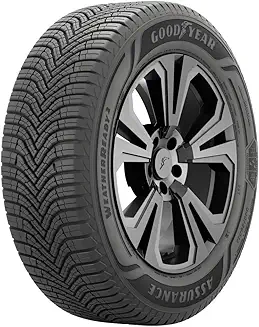
- Goodyear Assurance WeatherReady 2— Best for Durability & Snow
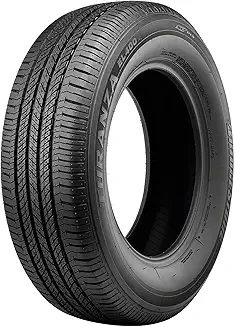
- Bridgestone Turanza QuietTrack— Best for Quiet Daily Driving
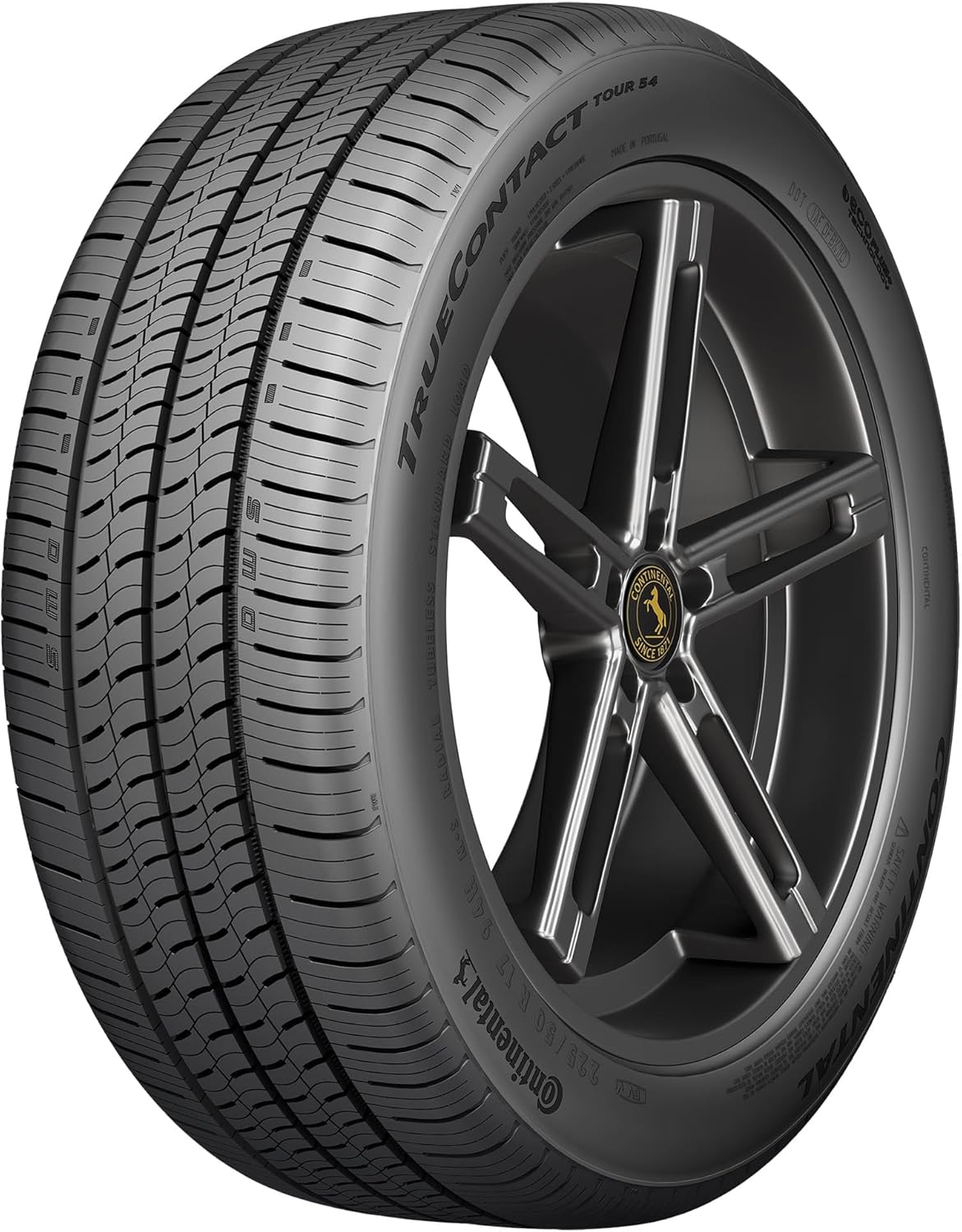
- Continental TrueContact Tour— Best Budget Pick
Best Tires for Hyundai — Compared
Side-by-side breakdown of all 5 tires across type, compatibility, score, and best use case.
| # | Tire Name | Type | Key Spec | Best For | Score | |
|---|---|---|---|---|---|---|
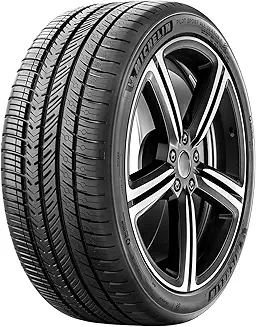
| 1 | Michelin CrossClimate2 Editor’s Choice | All-Weather | 3PMSF + Summer Rated | Year-round driving | 4.7 | See Latest Price |
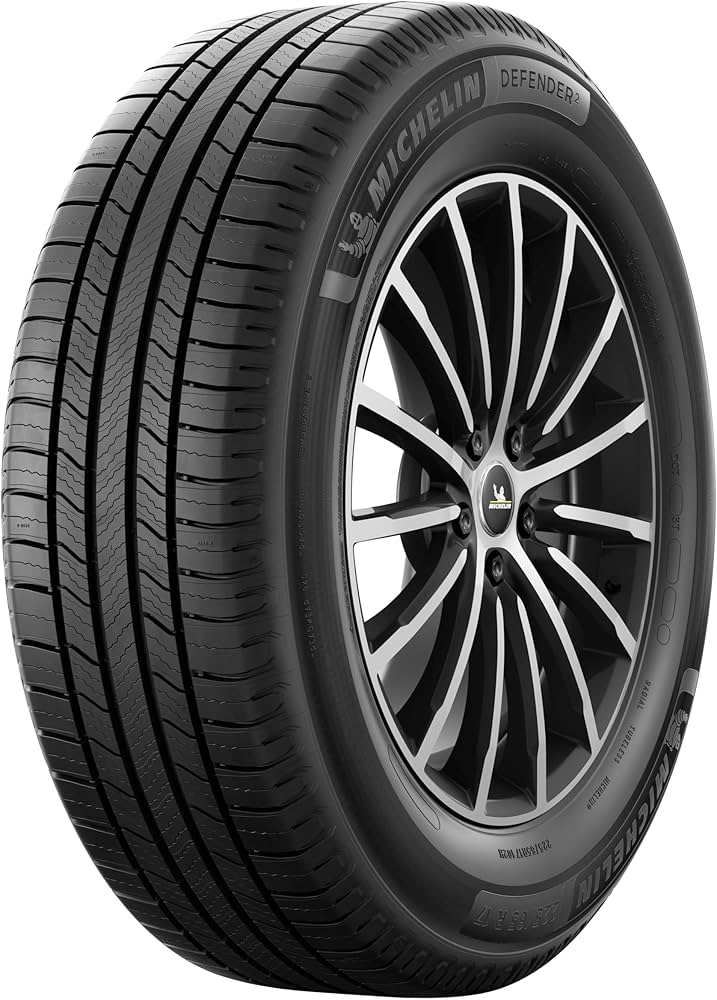
| 2 | Michelin Defender2 Top Pick | Touring All-Season | 80,000-mi warranty | High-mileage commuting | 4.5 | See Latest Price |
| 3 | Goodyear Assurance WeatherReady 2 | All-Weather | 60,000-mi warranty + 3PMSF | Wet & snow traction | 4.5 | See Latest Price |
| 4 | Bridgestone Turanza QuietTrack | Touring All-Season | In-groove noise dampening | Quiet highway commuting | 4.4 | See Latest Price |
| 5 | Continental TrueContact Tour Budget Pick | Touring All-Season | EcoPlus fuel-saving compound | Value & tread life | 4.3 | See Latest Price |
Detailed Reviews
Full breakdown of each tire — ratings, pros, cons, and our expert verdict.
Michelin CrossClimate2
Pros
- Carries both 3PMSF winter certification and a summer-capable compound — rare in a single tire
- Hyundai Tucson owners on Tire Rack rate snow traction 9–10 across multiple independent reviews
- Available in Elantra (205/55R16), Tucson (235/55R18), and Sonata (215/55R17) sizes
Cons
- Road noise increases noticeably after 20,000 miles on worn tread blocks
- Higher upfront cost than standard all-season tires — typically $40–$60 more per tire
Michelin Defender2
Pros
- 80,000-mile tread life warranty — one of the longest available in the standard touring category
- IntelliSipe Technology keeps sipes rigid under load, maintaining wet grip as the tire wears
- Ride quality scores remain high even at 40,000+ miles, unlike many competitors that harden with age
Cons
- Premium price per tire — expect to pay $30–$50 more than comparable Goodyear or Continental options
- Ice grip confidence is below par for drivers in regions with frequent black ice or freezing rain
Goodyear Assurance WeatherReady 2
Pros
- AquaTred V-shaped grooves visibly expel standing water — hydroplaning resistance is class-leading for an all-weather touring tire
- Soybean oil compound maintains rubber flexibility down to sub-zero temperatures without cracking
- Available in 58 sizes covering 16 to 22-inch wheels — fits the full Hyundai SUV lineup from Kona to Palisade
Cons
- Rolling resistance is measurably higher than EcoPlus-equipped competitors, costing roughly 1–2% in real-world fuel economy
- Ice grip earns 7–8 out of 10 from Tire Rack reviewers — adequate but not exceptional in hard freeze conditions
Bridgestone Turanza QuietTrack
Pros
- Proprietary in-groove noise dampeners in the tread pattern — measurably quieter than competitors on coarse highway surfaces
- HydroTrack Technology uses four wide circumferential grooves for confident wet handling rated 8.8/10 in independent testing
- Ride compliance stays consistent as tread wears down — rare for a touring tire in this price range
Cons
- Braking distances in independent tests run 3–5% longer than the CrossClimate2 and Defender2 in comparable conditions
- Snow performance, while 44% improved over the previous Turanza Serenity Plus, still trails dedicated all-weather tires
Continental TrueContact Tour
Pros
- Silane-enhanced EcoPlus compound reduces rolling resistance — Tire Rack treadwear surveys consistently score it 9–10 among budget all-season tires
- Shorter wet stopping distances than its price tier suggests — compound chemistry outperforms similarly priced competitors in rain
- Low road noise for its price category — noticeably quieter than generic house-brand tires sold at warehouse retailers
Cons
- Ice grip variability reported by northern drivers — not suitable as a primary winter solution in climates with recurring freezing rain
- Dry cornering feedback is softer and less communicative than performance-focused all-seasons at the same price point
???? Can’t Decide?
Our Top 2 Picks — Head to Head
Both are excellent choices for Hyundai drivers. Here’s how to choose between them.
- 3PMSF snow certified AND summer-capable in a single tire
- Hyundai Tucson owners rate snow traction 9–10 on Tire Rack
- Eliminates seasonal swap cost — no second set of rims needed
- 80,000-mile tread life warranty — best in the touring category
- Quieter, smoother highway ride than the CrossClimate2
- Lower cost-per-mile for high-annual-mileage Hyundai drivers
How to Choose the Right Tires for Hyundai
Six factors that matter before you buy — specific to Hyundai fitment and driving profiles.
Match the Size to Your Trim
Hyundai uses different sizes across trims, not just models. The Elantra SEL runs 205/55R16 while the Elantra N-Line uses 245/35R19. Always confirm by reading the sticker inside the driver’s door jamb — never trust the model name alone when ordering tires.
All-Season vs. All-Weather (3PMSF)
Standard M+S all-season tires pass no snow traction test. 3PMSF-rated tires like the CrossClimate2 and WeatherReady 2 meet a documented snow acceleration standard. If you see snow more than five times per year, only 3PMSF tires provide verified winter grip.
Tread Life Warranty vs. UTQG Rating
Compare both numbers together. A high UTQG treadwear rating (600+) without a manufacturer warranty is just marketing. The Defender2’s 80,000-mile warranty reflects real confidence; the WeatherReady 2’s 60,000-mile warranty does the same. Warranties are contractual commitments — UTQG ratings are not.
Cabin Acoustics in Hyundai Sedans
Hyundai Elantra and Sonata cabins transmit road noise more readily than body-on-frame trucks. Noise-optimized tires like the Turanza QuietTrack and Defender2 are noticeably quieter in these vehicles — a spec that matters far less in a Santa Fe or Palisade with thicker door insulation.
Rolling Resistance & Fuel Economy
Tires with low rolling resistance compounds — particularly the Continental TrueContact Tour — maintain or improve Hyundai’s EPA-rated fuel economy. All-weather tires with stiffer compounds (like the WeatherReady 2) typically reduce fuel economy by 1–3%. For hybrid Hyundai models like the Tucson Hybrid, this gap is amplified.
FWD vs. AWD Installation Rules
Hyundai’s AWD system on the Tucson and Santa Fe uses torque vectoring that calibrates to matched tires. Running mixed tires — two all-weather and two all-season — creates traction imbalances the system can’t fully correct. Always replace all four tires as a matched set on any AWD Hyundai.
✅ Pro Tips
Quick Buying Checklist for Hyundai Tire Replacement
Rotate your tires every 5,000–7,000 miles — front tires on front-wheel-drive Hyundais wear 30–40% faster than rears and will void most tread life warranties if rotation is skipped.
Order tires on Amazon and ship directly to a local installer like Discount Tire or Walmart Auto Center — this saves $20–$60 per tire versus buying at the shop, and every tire on this list ships standard.
Check tire pressure monthly — every 10°F drop in temperature reduces pressure by roughly 1 PSI. Under-inflated tires accelerate shoulder wear on Hyundai crossovers and compromise wet braking by up to 15%.
Look for the Three-Peak Mountain Snowflake (3PMSF) symbol on the sidewall — not just “M+S” — when buying for a snowy climate. M+S is a self-certification; 3PMSF requires passing a standardized snow traction test.
Related Guides
Popular Hyundai Tire Guides
Sports, SUVs, sedans, and EVs — pick your model.
Also On CarAssists
More Guides for This Vehicle
Frequently Asked Questions
What are the best tires for a Hyundai Elantra for daily commuting?
The Michelin Defender2 and Continental TrueContact Tour are the strongest picks for Elantra commuters. Both deliver a quiet ride, strong tread life past 50,000 miles, and dependable wet-road braking. If your commute involves occasional snow, the CrossClimate2 adds all-weather capability without a seasonal swap.
Which tires for Hyundai Tucson work best in rain and light snow?
The Michelin CrossClimate2 and Goodyear Assurance WeatherReady 2 outperform standard all-seasons on wet and snowy roads in the Tucson. Both carry the Three-Peak Mountain Snowflake certification and use rubber compounds engineered to maintain grip below 45°F — where standard M+S tires begin to harden and lose traction.
How long do aftermarket tires for Hyundai typically last?
Tread life depends on the tire and driving habits. Budget all-season tires typically deliver 40,000–50,000 miles; the Michelin Defender2 backs an 80,000-mile warranty. Consistent rotation every 6,000 miles and proper inflation extend any tire’s lifespan significantly regardless of brand.
Are premium tires worth the extra cost on a Hyundai Sonata?
For drivers logging 15,000+ miles annually, yes. A premium tire like the Defender2 spreads its higher cost across significantly more miles than a budget option, lowering the real cost-per-mile. The Sonata’s lighter cabin construction also amplifies road noise, making the quiet-ride advantage of premium tires immediately noticeable.
Will new aftermarket tires change my Hyundai’s fuel economy?
Yes — measurably so on Hyundai hybrids. Tires with low rolling resistance, like the Continental TrueContact Tour’s EcoPlus compound, maintain or slightly improve EPA-rated efficiency. Higher rolling resistance all-weather tires can reduce it by 1–3% in real-world driving conditions, which compounds over a full ownership cycle.
Can I install all-weather tires on a Hyundai Santa Fe AWD?
Yes, and it’s a smart choice. The Goodyear Assurance WeatherReady 2 is available in Santa Fe-compatible sizes and handles mixed-season driving well. For regions with heavy snow or frequent black ice, a dedicated winter tire set provides meaningfully better control than any all-weather option currently on the market.
Does the Hyundai Tucson N-Line require a different tire size than the standard Tucson?
Yes. The standard Tucson typically runs 225/60R17 or 235/55R18, while the N-Line trim steps up to 235/45R19 or 255/40R19 depending on the year. Always verify the exact size on the door jamb sticker before ordering — the model name alone is not a reliable guide for N-Line and sport trims.
???? Final Verdict
Our Top Hyundai Tire Recommendations for 2026
For most Hyundai drivers, the Michelin CrossClimate2 is the clear choice — it eliminates the all-season vs. winter tire dilemma with a single set that handles rain, dry roads, and light snow with equal confidence. High-mileage Sonata and Santa Fe owners who stick to dry and wet roads will recover the Defender2’s premium price through its 80,000-mile warranty. Budget-minded Elantra commuters can spend significantly less with the Continental TrueContact Tour without sacrificing meaningful tread life or wet-road safety.