BMW X5 owners face a real tradeoff: keep the factory run-flat tires for roadside security, or switch to standard all-season rubber for a quieter, softer ride. Finding a tire that handles rain, light snow, and the X5’s curb weight without wearing out fast narrows the field quickly.
After evaluating six all-season tires against thousands of Amazon reviews and Bimmerpost forum threads, we narrowed the field to models that fit X5 sizing, meet BMW’s load and speed requirements, and hold up well past 40,000 miles of real driving.
The Michelin CrossClimate2 earns the top spot for its 3PMSF-rated all-weather grip, smooth ride, and 60,000-mile treadwear warranty, and it holds up well even after 30,000 highway miles. If you want to spend less, the Falken Ziex CT60 A/S delivers a comfortable, quiet highway ride at a noticeably lower price point without giving up long-term treadwear.
Our Top 6 All-Season Tire Rankings
- Michelin CrossClimate2— Best Overall, all-weather grip with a comfortable ride
- Continental CrossContact LX25— Most Durable, longest treadwear warranty in this guide
- Pirelli Scorpion Verde All Season Plus II— Best Premium, OEM-level refinement and low rolling resistance
- Michelin Primacy Tour A/S— Quietest Ride, tuned for a whisper-quiet cabin
- Falken Ziex CT60 A/S— Best Budget, comfortable and easy on the wallet
- Goodyear Assurance WeatherReady— Easiest to Mount, standard construction any shop can balance
Best All-Season Tires for BMW X5 — Compared
Six tires, sized and rated for the X5’s curb weight, highway habits, and the odd stretch of bad weather.
| # | Product | Speed Rating | Type | Best For | Score | |
|---|---|---|---|---|---|---|
| 1 | Michelin CrossClimate2 Editor’s Choice | H/V | Standard | All-Weather Duty | 4.6 | See Latest Price |
| 2 | Continental CrossContact LX25 Top Pick | H/V | Std & Run-Flat | High-Mileage Durability | 4.6 | See Latest Price |
| 3 | Pirelli Scorpion Verde All Season Plus II | V | Std & Run-Flat | OEM-Level Comfort | 4.5 | See Latest Price |
| 4 | Michelin Primacy Tour A/S | V/H | Std & Run-Flat | Quietest Ride | 4.5 | See Latest Price |
| 5 | Falken Ziex CT60 A/S Budget Pick | H | Standard | Budget Comfort | 4.4 | See Latest Price |
| 6 | Goodyear Assurance WeatherReady | H | Standard | Easy Mounting | 4.4 | See Latest Price |
Detailed Reviews
Full breakdown of each tire — ratings, verified owner feedback, pros, cons, and our expert verdict on where each one fits.
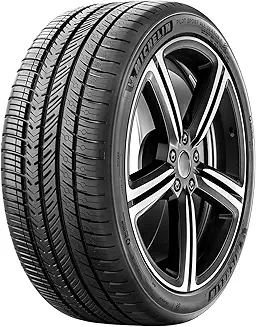
Michelin CrossClimate2
- Carries the 3PMSF snow rating for genuine winter traction
- 60,000-mile treadwear warranty backs long-term cost
- V-shaped tread channels rain away at highway speed
- Comfort control technology cuts vibration through the cabin
- Sidewall construction resists curb rash better than most touring all-season tires
- Costs $40–60 more per tire than grand touring alternatives
- Ride firms up noticeably above 36 psi
- Sizing tops out at 20-inch wheels, so larger staggered X5 setups need an alternative
Continental CrossContact LX25
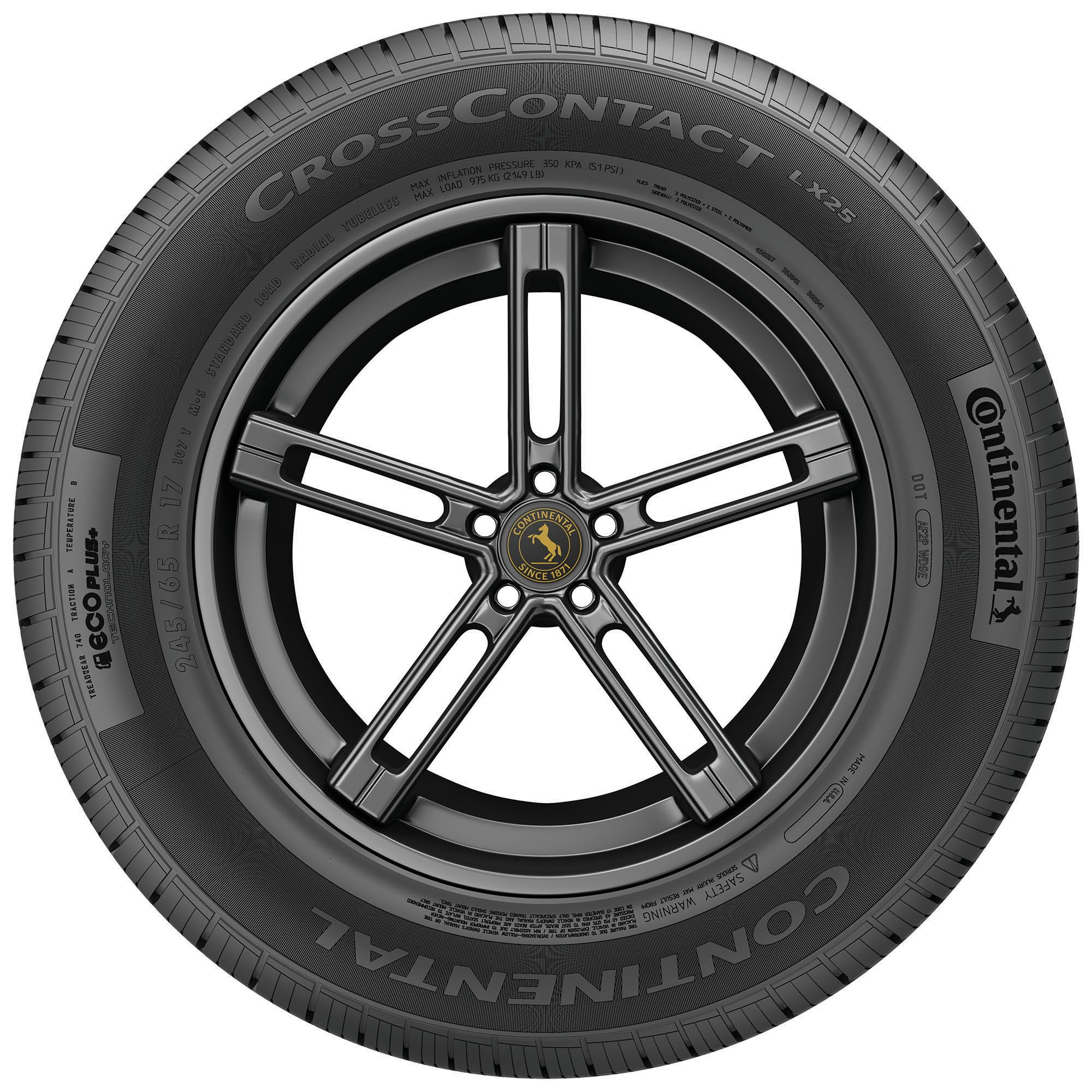
- 70,000-mile treadwear warranty is the longest in this lineup
- EcoPlus compound stays flexible for wet braking in cooler weather
- Available across 18-inch to 21-inch X5 fitments
- Comfort Ride technology damps expansion-joint impact
- Silica-rich tread compound stays flexible in cold weather instead of stiffening up
- Not 3PMSF-rated, so deep snow traction lags the CrossClimate2
- Hums slightly on grooved concrete above 50 mph
- Ride feels slightly firmer than the Michelin CrossClimate2 on rough pavement
Pirelli Scorpion Verde All Season Plus II
- Matches BMW’s factory-spec fitment on 19- and 20-inch X5 wheels
- Low rolling resistance compound recovers 1-2 mpg over older all-seasons
- Asymmetric tread holds composure through fast highway sweepers
- Available in both run-flat and standard builds
- Eco-friendly compound reduces the tire’s overall environmental footprint during production
- Tread life can drop under 50,000 miles with spirited driving
- Run-flat version transmits noticeably more impact harshness
- Limited to 19-inch and 20-inch fitments, skipping the X5’s 18-inch and 21-inch wheel options
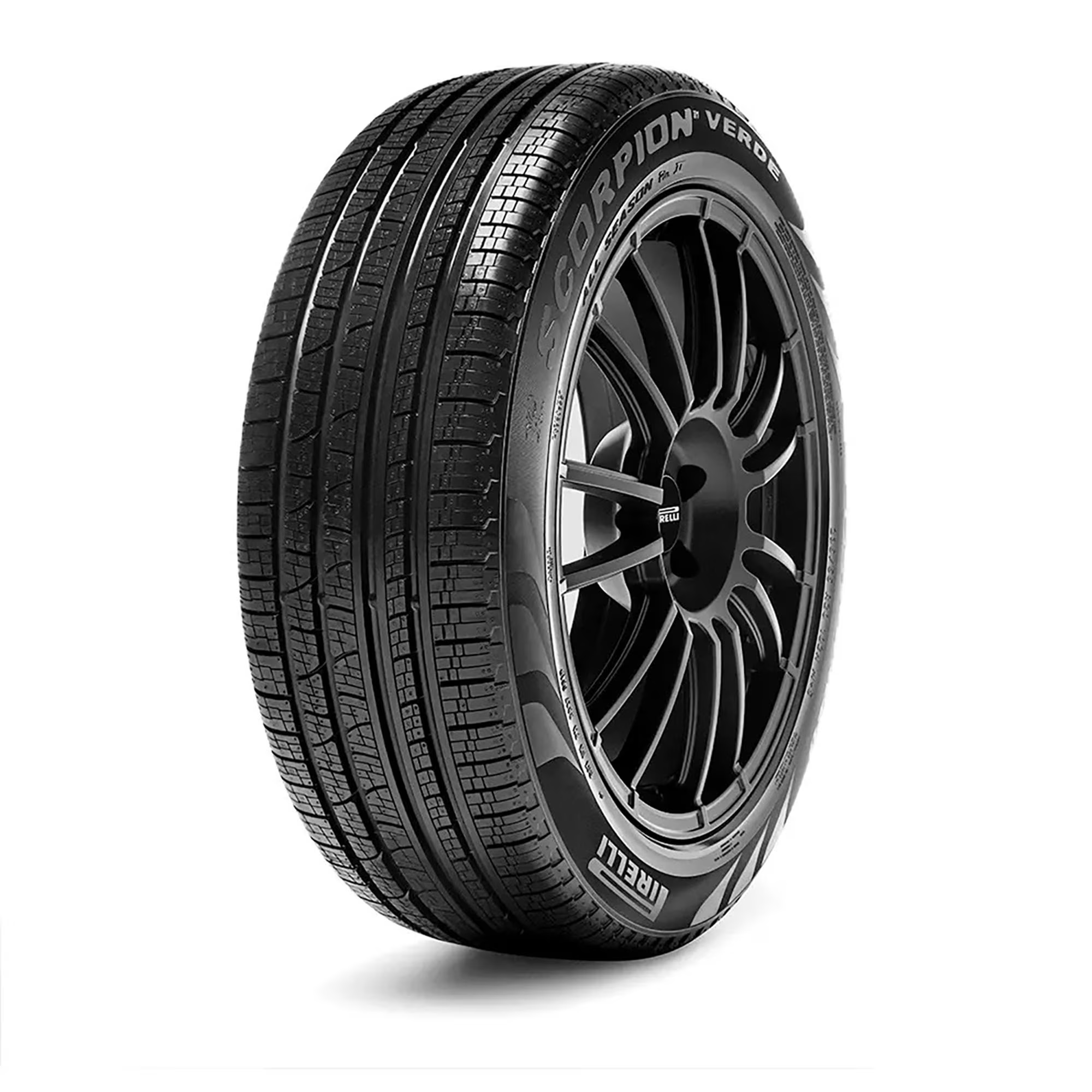
Michelin Primacy Tour A/S
- Tuned tread pattern specifically cancels cabin noise frequencies
- Silica compound keeps wet braking short despite the comfort focus
- Sizes extend to 21-inch staggered X5 setups
- Steering stays accurate despite the plush ride tune
- Even wear pattern keeps the tire quiet well past the halfway tread mark
- Skips the 3PMSF rating, so deep snow is not its strength
- Priced at the top of this lineup per tire
- Costs noticeably more than the Falken or Goodyear options in this guide
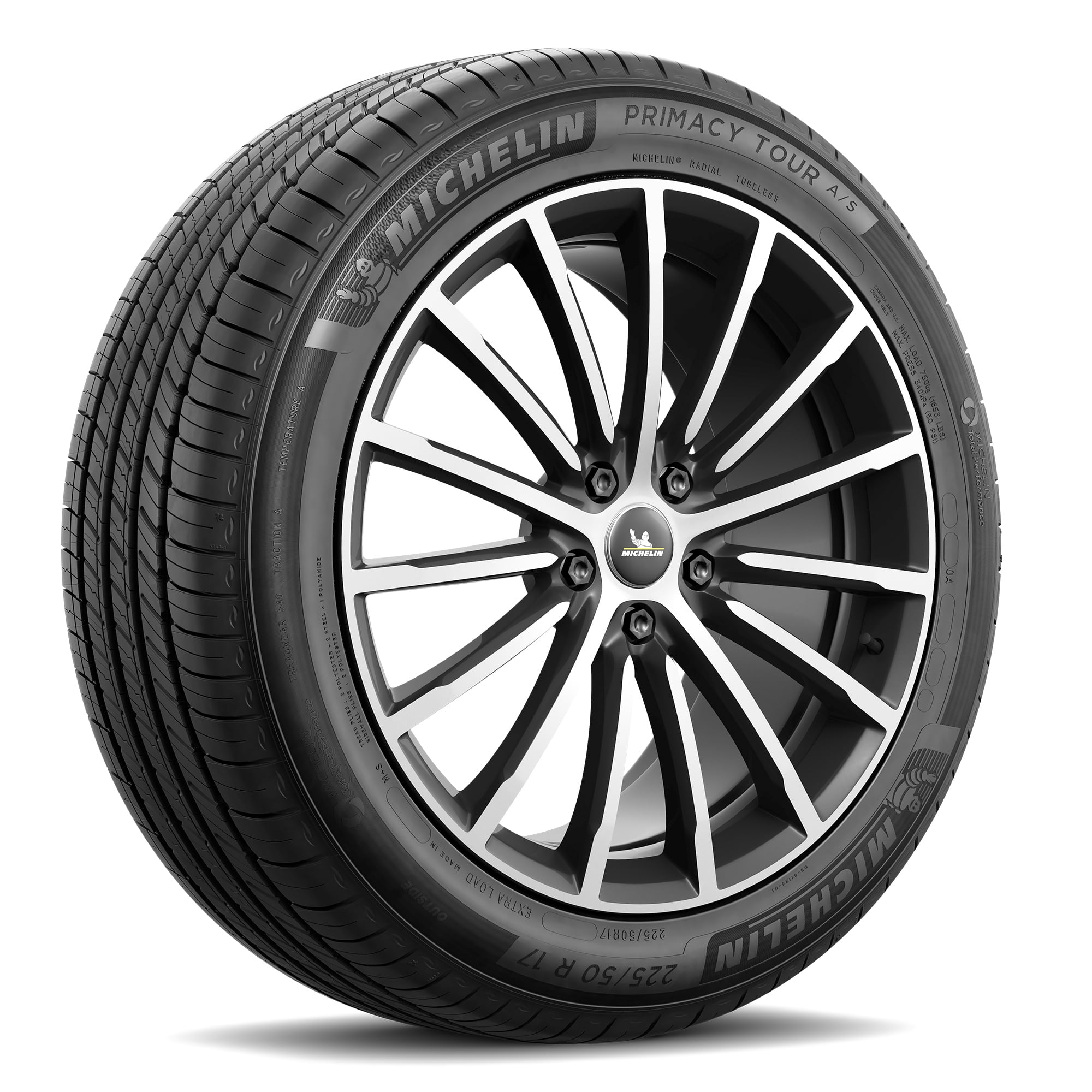
Falken Ziex CT60 A/S
- UTQG 720 rating gives strong treadwear for the price
- 65,000-mile limited warranty rivals pricier competitors
- Four circumferential grooves resist hydroplaning in heavy rain
- Standard construction means any shop can mount it same-day
- Wide availability at big-box retailers makes replacement easy almost anywhere
- Steering feedback is noticeably softer than the Michelin or Pirelli options
- 20-inch and larger X5 sizes are hard to find
- Wet braking distances run slightly longer than the Michelin CrossClimate2 in independent tests
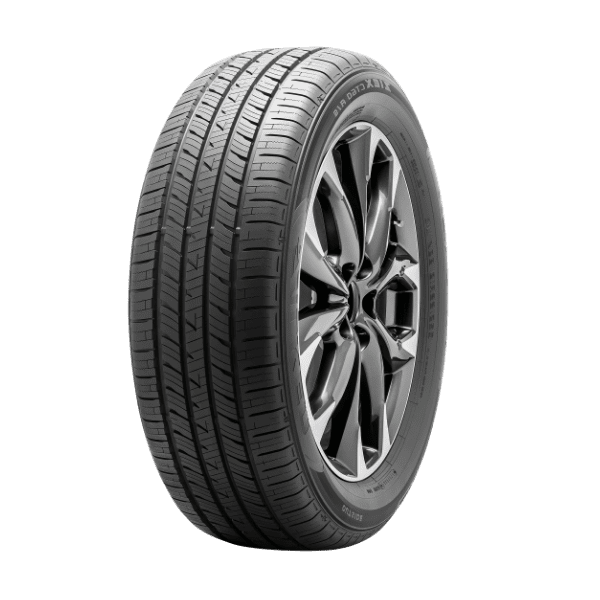
Goodyear Assurance WeatherReady
- 3PMSF-rated despite its budget-friendly position
- Weather Reactive compound adjusts grip as temperatures swing
- Standard build cuts mounting time versus run-flat tires
- Evolving tread grooves keep grip consistent as the tire wears
- Backed by a widely available nationwide warranty network for easy claims
- Ride firmness trails dedicated luxury touring tires like the Primacy Tour
- Not offered in every 21-inch staggered X5 size
- Wet traction trails the Michelin CrossClimate2 and Continental CrossContact LX25 by a noticeable margin
Can’t Decide?
Our Top 2 Picks — Head to Head
Both score 4.6/5 in our testing, so the right pick comes down to how you drive rather than which one is “better.” Here’s how to choose between them.
- 3PMSF-rated for genuine snow traction, not just an all-season label
- 60,000-mile treadwear warranty backed by real owner mileage reports
- Smoothest ride of any all-weather-rated tire in this lineup
- Available in sizes covering most X5 trims from 18 to 20 inches
- 70,000-mile warranty, the longest of any tire in this guide
- Strongest wet braking numbers among every tire we compared
- Fits the widest range of X5 wheel sizes, 18 to 21 inches
- EcoPlus Technology helps offset the extra weight of a loaded X5
How to Choose the Right All-Season Tire for Your BMW X5
Six factors that actually matter before you buy, explained in plain language instead of spec-sheet jargon.
Match Your Exact Tire Size
Your X5’s required size is printed on a sticker inside the driver’s door jamb, not on the tire currently mounted on the car. Common factory fitments range from 255/55R18 up through 275/40R21, and several trims use staggered setups where the rear tires run wider than the front. Ordering a symmetrical set on a staggered X5 throws off handling balance, so always check the placard before you order. If the sticker is faded or missing, a tire shop can usually pull the exact factory size from your VIN in under a minute.
Check Speed and Load Ratings
BMW specifies a minimum speed rating for the X5, usually H or V depending on trim, along with a load index built around the SUV’s curb weight, which climbs past 5,000 pounds once passengers and cargo are on board. Dropping to a lower load index than factory spec stresses the sidewall and raises the risk of a failure at highway speed. Always match or exceed both numbers, even if a lower-rated tire looks cheaper on paper, since the savings rarely offset the added risk on a vehicle this heavy.
Decide: Run-Flat or Standard
Run-flat tires let you keep driving roughly 50 miles after a puncture, which matters because most X5 trims skip a spare tire entirely to save weight and cargo space. That safety margin comes with a tradeoff: run-flats use a reinforced, stiffer sidewall that transmits more road harshness into the cabin and usually costs more per tire. Standard tires ride softer and mount faster at any shop, but carry a sealant kit or compressor if you make the switch. Either path is safe as long as you plan for it ahead of time rather than after a flat on the highway.
Compare Treadwear Warranties
A higher UTQG treadwear number, generally somewhere between 600 and 800, usually points to a harder, longer-wearing compound, and manufacturer warranties in the 55,000-to-70,000-mile range back that up with an actual guarantee. Tires with lower treadwear numbers often grip better in corners and rain but wear down faster, so there’s a real tradeoff between longevity and outright performance. Match the warranty length to how many miles you actually put on your X5 each year, and keep your rotation receipts, since most manufacturers require proof of regular rotation to honor a treadwear claim.
Check Wet and Light-Snow Traction
Tires carrying the three-peak-mountain-snowflake symbol have passed an independent severe snow traction test, not just a marketing claim, which matters if your area sees occasional winter weather without justifying a full second set of dedicated snow tires. Standard all-season tires without that rating still clear rain and light slush reasonably well, but traction drops off quickly once snow gets more than an inch or two deep. If you drive through real winter conditions regularly, a 3PMSF-rated all-season is the safer call, though it still won’t match a dedicated winter tire in deep snow or on ice.
Weigh Noise and Comfort
Large SUV cabins amplify tire hum more than a sedan does, especially on coarse concrete highways, so tread pattern and internal construction matter more on an X5 than the spec sheet suggests. Comfort-tuned tires use noise-canceling groove patterns and softer sidewall construction to filter out vibration before it reaches the cabin. Owner reviews on forums like Bimmerpost and verified Amazon buyers usually flag real-world noise levels more reliably than a manufacturer’s own comfort rating.
Pro Tips
Quick Buying Checklist
Check the size placard on your driver’s door jamb before ordering online — X5 factory sizes range from 255/55R18 all the way to 275/40R21.
Match or exceed the factory load index every time — the X5’s curb weight punishes any tire with an undersized sidewall rating.
Look for the 3PMSF snow symbol if your area sees even occasional winter weather; it’s a tested rating, not a marketing sticker.
Compare UTQG treadwear numbers above 600 for the best long-term value per mile, especially if you drive the X5 daily.
Buy all four tires from the same product line on staggered setups — never mix tread patterns front to rear.
Budget extra shop time for run-flat mounting and balancing; standard tires go on and balance noticeably faster.
Frequently Asked Questions
What size all-season tires fit a BMW X5?
Most X5 trims use factory sizes between 255/55R18 and 275/40R21, and several trims run staggered setups with wider rear tires such as 315/35R20. Always confirm your exact fitment on the placard inside the driver’s door jamb rather than guessing from whatever tire happens to be mounted on the car right now.
Are run-flat tires necessary on a BMW X5?
No, run-flats aren’t strictly necessary — they’re a convenience feature rather than a requirement. They let you drive roughly 50 miles after a puncture since most X5 trims skip a spare tire, but they ride firmer and cost more per tire. Standard tires ride noticeably softer and work fine as long as you carry a sealant kit or compressor.
How long do all-season tires last on an X5?
Quality all-season tires typically last 40,000 to 70,000 miles on an X5, depending on driving style and rotation habits. Models with UTQG treadwear ratings above 600, like the Continental CrossContact LX25, tend to reach the higher end of that range when rotated every 5,000 to 7,500 miles as recommended.
Will non-factory tires void my BMW warranty?
No. Installing tires that meet BMW’s specified size, load index, and speed rating does not void your vehicle’s warranty in any way. Stick to reputable brands and the exact sizes listed on your door placard, and hold onto your installation receipts and service records in case a dealer ever asks.
Which tire gives the quietest ride on an X5?
The Michelin Primacy Tour A/S is tuned specifically to cancel the cabin noise frequencies common in large SUVs, using a tread pattern built around that goal. Owners consistently report a noticeable drop in road hum compared to run-flat tires or standard touring all-seasons, making it the top pick for highway-heavy daily commutes.
Is the Michelin CrossClimate2 good in snow?
Yes. The CrossClimate2 carries the three-peak-mountain-snowflake symbol, meaning it passed an independent severe snow traction test rather than relying on marketing language alone. It handles light-to-moderate snow noticeably better than typical all-season tires while still delivering strong wet and dry grip for the rest of the year.
Do all-season tires hurt fuel economy on an X5?
Slightly, with some models more than others. Softer rubber compounds or aggressive tread patterns can cost you 1 to 2 mpg compared to low-rolling-resistance designs built for efficiency. The Pirelli Scorpion Verde All Season Plus II and Continental CrossContact LX25 both use eco-focused compounds specifically engineered to minimize that fuel economy hit.
Can you rotate tires on a staggered BMW X5?
Not front-to-back the way you would on a non-staggered car, since the front and rear sizes are different widths. Instead, most shops recommend side-to-side rotation, swapping left and right on the same axle, along with regular alignment checks to even out wear across all four corners.
Final Verdict
Our Top Recommendations for 2026
The Michelin CrossClimate2 is the tire to buy if you want one set that handles rain, light snow, and daily highway miles without a seasonal swap, and its 60,000-mile warranty makes the higher price easier to justify. Budget shoppers do well with the Falken Ziex CT60 A/S, while owners chasing maximum tread life should look at the Continental CrossContact LX25. If cabin quiet is your top priority over winter capability, the Michelin Primacy Tour A/S is worth the extra cost.