After evaluating five top-rated winter tires against BMW X3 owner feedback, Tire Rack comments, and Bimmerpost forum threads, one pattern stood out: all-season rubber simply can’t hold an X3’s weight through freezing intersections and icy on-ramps.
A dedicated winter set changes that equation immediately. Softer compounds stay pliable below 45°F, while deeper tread blocks and dense siping bite into snow and ice that would otherwise send a heavy AWD SUV sliding through a stop sign. Below are the five models that held up best across real winters.
The best winter tire for a BMW X3 delivers exceptional snow and ice grip without giving up the X3’s handling precision or ride comfort. The Michelin X-Ice Snow leads the field on tread life, quiet highway manners, and ice braking, while the Bridgestone Blizzak WS90 is the pick for owners who see deep, unplowed snow more often than ice.
Best Winter Tires for BMW X3 — Compared
Five 3PMSF-rated winter tires, sized for every X3 wheel package and driving style. Scores reflect ice braking, deep snow traction, tread life, and highway comfort, weighted for how most X3 owners actually drive through a full winter rather than a single test loop.
| # | Product | Speed Rating | Type | Best For | Score | |
|---|---|---|---|---|---|---|
| 1 | Michelin X-Ice Snow Editor’s Choice | T | Studless | Overall Winter Performance | 4.6 | See Latest Price |
| 2 | Bridgestone Blizzak WS90 Top Pick | T | Studless | Deep Snow & Slush | 4.5 | See Latest Price |
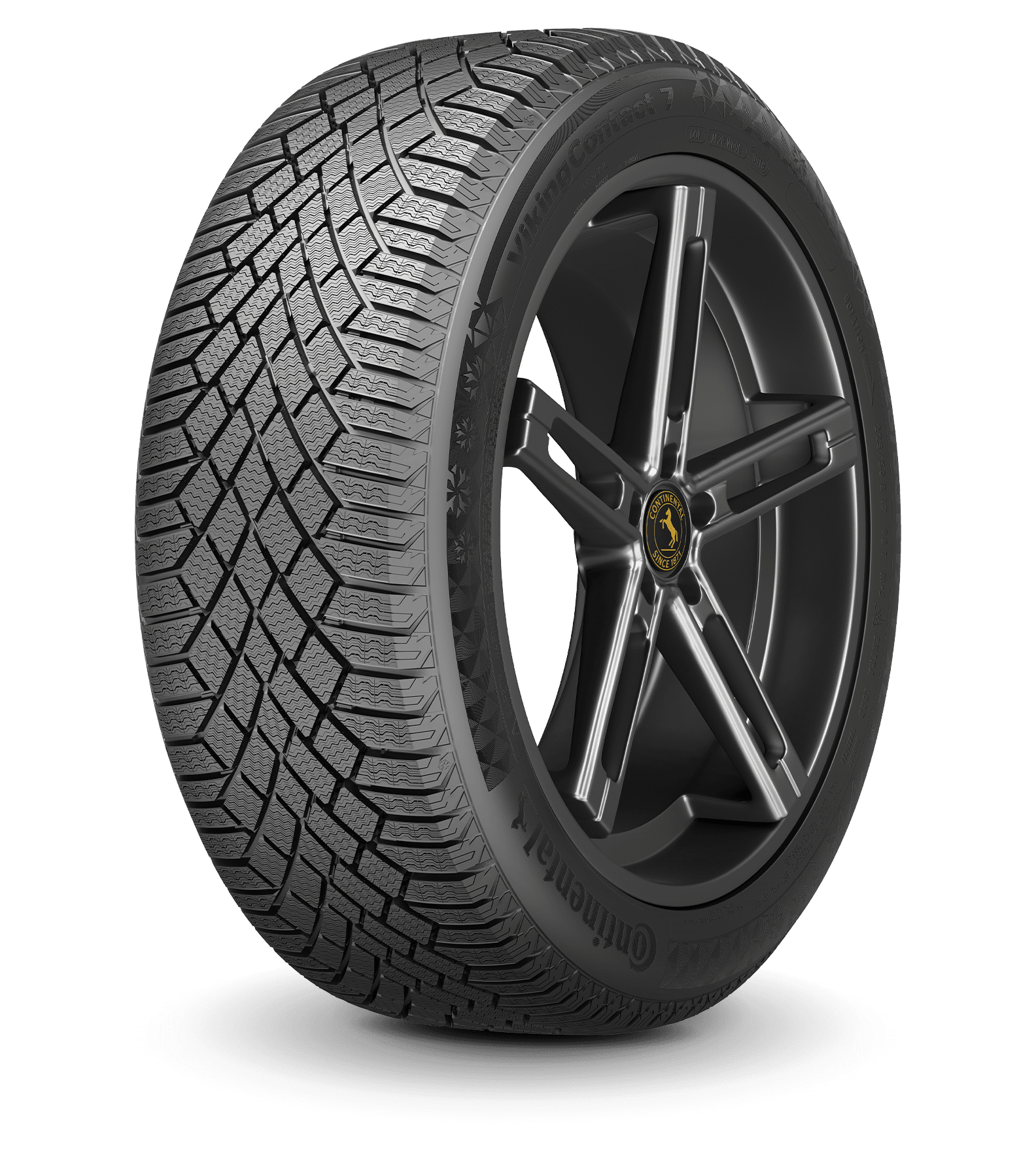
| 3 | Continental VikingContact 7 | H | Studless | Quiet Premium Comfort | 4.6 | See Latest Price |
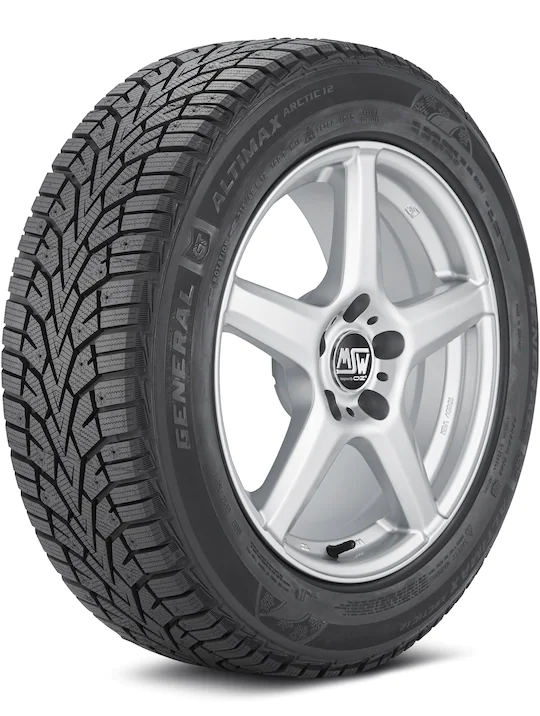
| 4 | General Altimax Arctic 12 Budget Pick | S | Studdable | Budget-Friendly Ice Grip | 4.4 | See Latest Price |
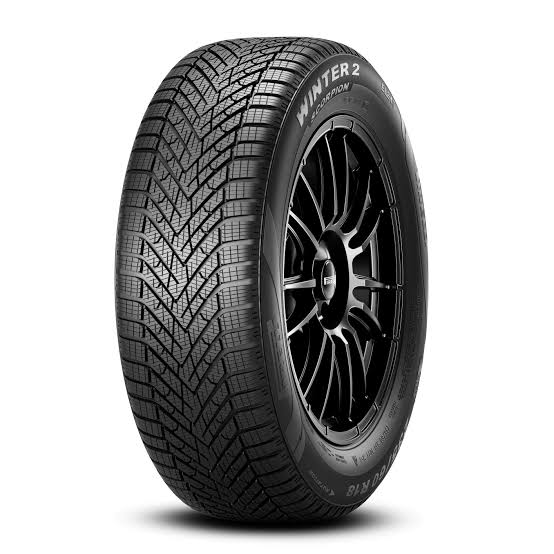
| 5 | Pirelli Scorpion Winter | H | Studless | Staggered & Sport Fitments | 4.4 | See Latest Price |
Detailed Reviews
Full breakdown of each tire — ratings, pros, cons, and our expert verdict for X3 owners.
Each score below reflects four weighted factors: ice braking distance, deep snow traction, tread longevity, and highway ride comfort. We leaned on repeated patterns across Amazon owner reviews, Tire Rack comments shared in Bimmerpost threads, and general SUV winter-tire testing data rather than a single test drive, since one driver’s impression of an X3 in Michigan can differ sharply from another’s in the Rockies.
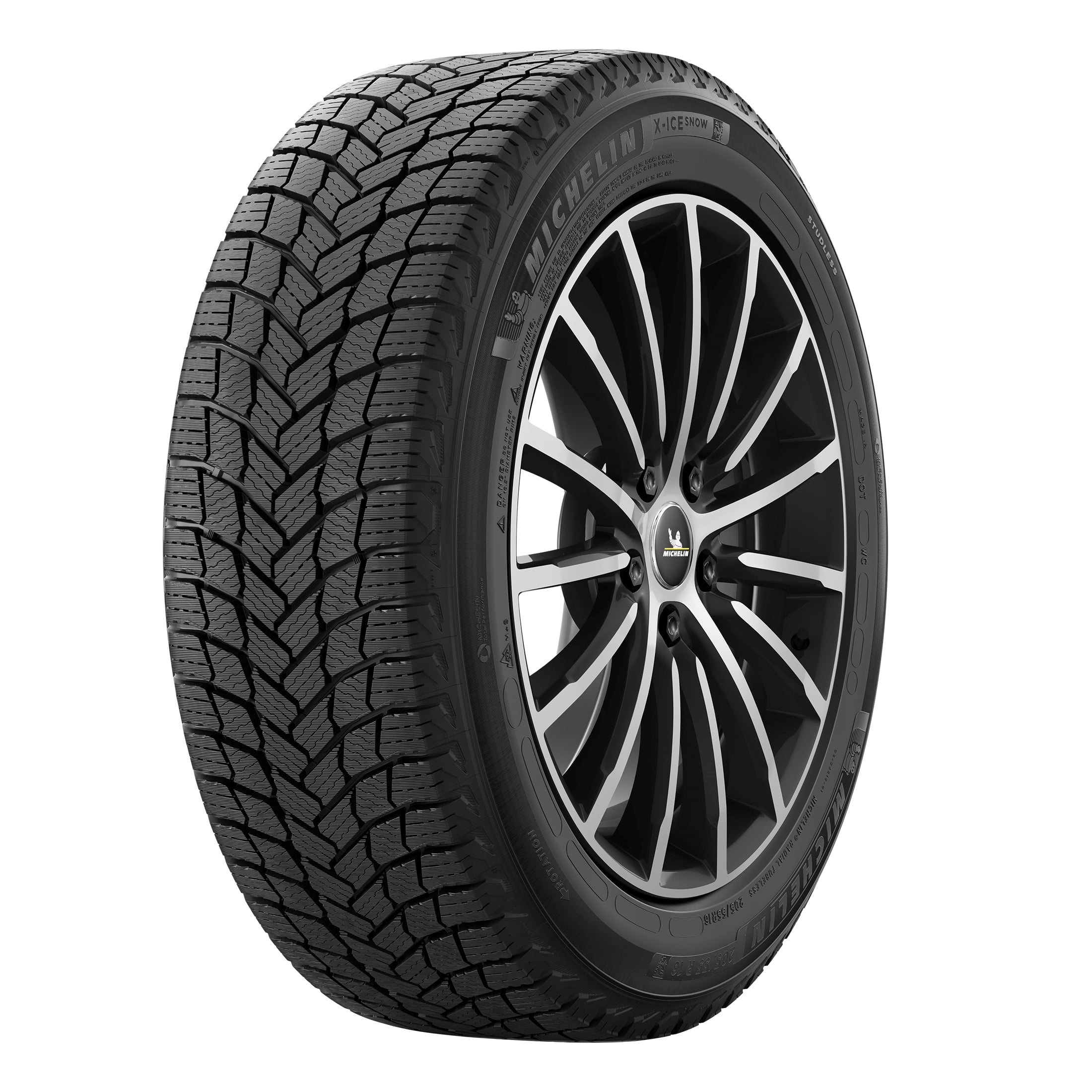
Michelin X-Ice Snow
Michelin built the X-Ice Snow around a new Flex-Ice 2.0 rubber compound that resists hardening through repeated freeze-thaw cycles, which is exactly the kind of weather an X3 sees on a typical Midwest or Northeast winter. Owners consistently report tread that still looks and performs like new after two or three full seasons, a rare outcome for a winter-specific tire that most drivers only run four to five months a year.
BEST FOR: Overall Winter Performance- Flex-Ice 2.0 compound holds grip through repeated freeze-thaw cycles without hardening
- 40,000-mile treadwear warranty outlasts most winter-specific tires
- Cabin noise stays low enough to run all winter, even on dry days
- Run-flat version available for factory X3 fitments with no spare
- V-shaped tread pattern resists hydroplaning through slush and standing meltwater
- Deep, unplowed snow traction trails the Blizzak WS90 by a noticeable margin
- Priced in the $$$ bracket, among the most expensive tires on this list
Bridgestone Blizzak WS90
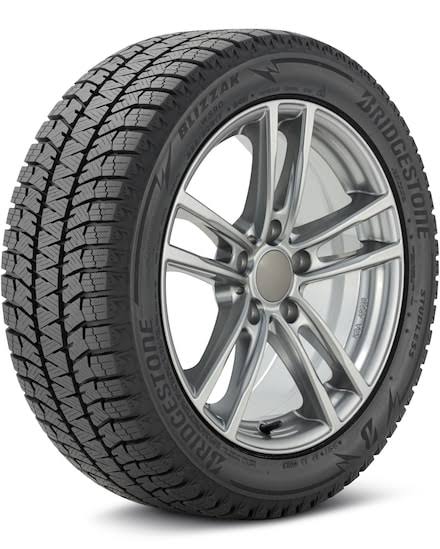
Bridgestone’s Multi-Cell compound is full of microscopic pores that pull water off the surface of packed ice and snow, giving the tread more direct contact with the road underneath. In fresh powder and unplowed neighborhood streets, X3 drivers describe the WS90 as the one tire on this list that never feels like it’s about to lose its footing, even under moderate throttle in first gear.
BEST FOR: Deep Snow & Slush Traction- Multi-Cell compound actively wicks water off the ice surface for extra bite
- Highest straight-line stability in whiteout conditions among the tires tested here
- Wide availability in the popular 18-inch and 19-inch X3 winter sizes
- Standard construction mounts and balances at any general tire shop
- Robust shoulder blocks resist chunking after repeated impacts with curb-hidden ice
- Dry-pavement tread noise becomes noticeable above 50 mph
- Ice braking needs a few hundred break-in miles before it matches its snow performance
Continental VikingContact 7
Continental designed the VikingContact 7’s tread ribs specifically to interrupt the resonance that causes most winter tires to drone on the highway, and it shows in owner feedback: many X3 drivers say they had to check the odometer to remember they’d swapped off their factory all-seasons. That quietness doesn’t come at the expense of grip — the high-silica compound still delivers confident bite on glazed pavement.
BEST FOR: Quiet Premium Comfort- Noise-canceling rib design keeps cabin volume close to a summer tire
- High-silica winter compound delivers confident ice braking on glazed intersections
- Sidewall tuning absorbs frost heaves and potholes without a harsh rebound
- Fits every X3 wheel size from 18 to 20 inches
- Dense siping network holds its edge grip through multiple winters of use
- Softer compound wears faster through long dry spells in mild winters
- $$$ price sits alongside the Michelin as the priciest option here
General Altimax Arctic 12
The Altimax Arctic 12 is the only tire on this list built to accept aftermarket studs, which matters if your X3 spends winters on rural routes that never see a plow. Even studless, owners in the Amazon reviews consistently mention snow and slush traction that punches well above its price bracket — a rare case where the budget option isn’t just “good enough,” it genuinely competes with tires costing twice as much.
BEST FOR: Budget-Friendly Ice Grip- Accepts optional metal studs for extreme ice control most rivals here can’t match
- Lowest price bracket ($) of any tire on this list
- Directional V-shaped tread clears slush without pooling water at the shoulders
- Available in the 225/60R18 downsize popular with budget-focused X3 owners
- High sipe density gives biting edges that rival tires costing twice as much
- Studded setup gets noticeably louder on cleared, dry roads
- Steering feels softer and less precise than the performance-oriented options here
Pirelli Scorpion Winter
Pirelli aimed the Scorpion Winter at drivers who bought the X3 for the way it corners, not just the way it hauls groceries. The performance-tuned compound keeps steering weight and response close to what you’d feel on a three-season tire, and it’s one of the few winter tires available in the staggered sizing that sport-package X3 trims require front and rear.
BEST FOR: Staggered & Sport Fitments- Direct fit for staggered 245/45R20 front and 275/40R20 rear sport setups
- Standard non-run-flat build balances accurately with minimal counterweight
- Steering stays sharp and predictable on cold, wet pavement
- Performance compound holds composure at higher highway speeds than most winter tires
- Asymmetric tread pattern improves cornering feedback compared to symmetric winter designs
- Deep, unplowed snow traction is the weakest of the five tires tested
- Textured dry pavement produces more road noise than the Continental or Michelin
Can’t Decide?
Our Top 2 Picks — Head to Head
Both are excellent. Here’s how to choose between them.
- Longer tread life across multiple seasons
- Quietest ride of the top two picks
- Best ice braking in freeze-thaw conditions
- Strongest traction in deep, unplowed snow
- Proven stability in whiteout highway conditions
- Wide availability in popular X3 sizes
How to Choose the Right Winter Tires for Your BMW X3
Six factors that matter before you buy — explained simply.
Size & Load Index
Check your X3’s door jamb for factory tire size, then match or exceed that load index for winter rubber. Downsizing to a narrower 18-inch tire, like 225/60R18, often improves snow bite and lowers cost without hurting load capacity. A narrower contact patch cuts through snow more easily than the wide summer or all-season tires many X3 trims ship with from the factory.
Speed Rating
Winter tires typically carry lower speed ratings than summer or all-season rubber — T or H is standard. That’s normal, since the softer winter compound simply isn’t engineered for sustained triple-digit speeds. Just confirm the rating covers your usual winter highway speeds; performance winter tires like the Pirelli Scorpion Winter offer H and V ratings if your commute involves higher-speed stretches.
3PMSF Symbol
Look for the Three-Peak Mountain Snowflake symbol on the sidewall before you buy. It confirms standardized snow-traction testing, unlike a generic “M+S” stamp, which only indicates mud-and-snow capability rather than proven severe-winter performance. Every tire on this list carries the 3PMSF rating, so none of them are a compromise on paper — the differences show up in braking distance and comfort instead.
Standard vs. Run-Flat
Many X3 trims ship with run-flat tires and no spare. Run-flats let you limp home after a puncture but ride firmer and cost more, since the reinforced sidewall that supports the car’s weight after a flat also transmits more road feel into the cabin. Standard winter tires improve comfort and mount at any shop — just carry a sealant kit as backup.
Dedicated Winter Wheels
Mounting winter tires on a second set of wheels saves money over years of swapping. You skip repeated mounting and balancing fees each season, and most tire shops charge a seasonal changeover fee that’s far cheaper than remounting on the same rims twice a year. Steel or budget alloy wheels in 18 inches work fine and keep the whole setup affordable.
Sipe Density & Compound
More sipes mean more biting edges on ice, and a cold-weather compound stays flexible instead of hardening as the temperature drops. Match the tire to your actual roads rather than a generic “winter tire” label: icy highways favor strong ice braking like the Michelin or Continental offer, while deep, unplowed snow calls for the aggressive tread blocks found on the Bridgestone.
None of these six factors matter in isolation. An X3 with run-flat tires and a staggered sport wheel package, for example, narrows the field to a handful of winter tires that satisfy both requirements at once — which is exactly why the Pirelli and Continental show up repeatedly in staggered-fitment forum threads while some competitors don’t offer that size at all.
Pro Tips
Quick Buying Checklist
Swap off all-season tires before the first hard frost — rubber hardens below 45°F and grip drops fast.
Always run four matching winter tires. Mixing types confuses the X3’s xDrive system.
Measure tread depth on used tires. Anything under 6/32 inch won’t bite into ice.
Downsizing to 18-inch wheels usually improves snow traction and costs less than staying factory-size.
Store off-season tires away from sunlight and ozone sources like garage motors to prevent cracking.
Check your load index rating against the factory spec before buying a downsized winter tire.
Confirm staggered front/rear sizing if your X3 has the sport wheel package before ordering.
Frequently Asked Questions
What size winter tires fit a BMW X3?
Common X3 winter sizes include 225/60R18, 245/50R19, and the staggered 245/45R20 front with 275/40R20 rear. Many owners downsize to 18-inch wheels for better snow traction and a lower price per tire. Always confirm your exact load index on the driver’s door jamb sticker before ordering.
Are aftermarket winter tires safe for a BMW X3?
Yes, as long as the tire matches your X3’s factory size, load index, and speed rating. Stick to a reputable brand carrying the 3PMSF snowflake symbol. Properly sized aftermarket winter tires won’t affect your warranty or put extra strain on the drivetrain.
How long do winter tires typically last on an X3?
Most winter tires hold up for three to five seasons depending on annual mileage and off-season storage. The Michelin X-Ice Snow tends to outlast the others thanks to its wear-resistant compound. Replace any winter tire once tread depth reaches 6/32 inch.
Do I need run-flat winter tires for my BMW X3?
Only if your X3 shipped without a spare and you want to keep driving after a puncture — run-flats allow roughly 50 miles at reduced speed. Standard winter tires ride softer and cost less, but pack a sealant kit or compact spare as backup.
Will winter tires affect my BMW X3’s xDrive system?
Four matching winter tires of the same size, brand, and tread depth won’t strain xDrive at all. Problems only start when tires are mismatched in size or wear unevenly across the axles. Always replace winter tires as a full set, never in pairs.
Can I use winter tires on a staggered X3 wheel setup?
Yes — several winter tires come in staggered sizes like 245/45R20 front and 275/40R20 rear. The Pirelli Scorpion Winter and some Continental models offer direct staggered fitments. Install the correct front and rear sizes exactly as BMW specifies for your trim.
Which winter tire is quietest for a BMW X3?
The Continental VikingContact 7 consistently gets praised for cabin noise close to a summer tire, thanks to its noise-canceling tread ribs. The Michelin X-Ice Snow runs a close second on dry winter roads, making either a solid pick for long highway commutes.
Can I mount winter tires myself, or should I use a shop?
Most winter tire and wheel packages should be mounted and balanced by a shop with proper equipment, especially on run-flat sizes that need extra force to seat. If you already own a second set of winter wheels, swapping the wheels yourself with a torque wrench is straightforward — it’s the tire-to-wheel mounting itself that needs a machine.
When should I switch to winter tires on my X3?
Swap over once daily temperatures consistently drop below 45°F, regardless of whether snow has fallen yet. All-season and summer compounds start losing grip at that threshold even on dry, cold pavement. Waiting for the first snowfall usually means driving several weeks on hardened rubber that can’t grip properly when you need it most.
Have a question specific to your X3’s trim, wheel size, or region that isn’t covered above? Drop it in the comments and we’ll fold the most common ones into future updates of this guide.
Final Verdict
Our Top Recommendations for 2026
After weighing ice braking, deep snow traction, ride comfort, and real installation costs, the Michelin X-Ice Snow comes out as the safest all-around choice for BMW X3 drivers, especially if you want one set to last multiple seasons. Budget-conscious owners, drivers chasing maximum snow depth traction, and anyone running a staggered sport wheel setup each have a clear alternative below rather than a one-size-fits-all answer.