The BMW 7 Series left the factory riding on run-flat tires, and after cross-referencing six current replacement sets against thousands of owner reports on Bimmerpost, BimmerFest, and r/BMW, we found real gaps between what manufacturers promise on a spec sheet and how these tires actually behave on a heavy luxury sedan over tens of thousands of miles.
Run-flats let you keep driving up to 50 miles at 50 mph after a puncture, but that safety margin has historically meant stiffer sidewalls, more road noise, and a firmer ride than the 7 Series was designed to deliver. The newest generation of replacement run-flats narrows that gap considerably, and the right set changes how your car rides every single day, not just in the rare moment you actually need the zero-pressure mobility.
The Pirelli Cinturato P7 All Season Run Flat offers the best balance of ride comfort, tread life, and all-weather grip for most 7 Series drivers, based on owner feedback and independent tread-wear data. Owners in harsher winter climates often step up to the Michelin Pilot Sport A/S 3+ ZP for stronger cold-weather grip, while budget-conscious drivers lean toward the Hankook Ventus S1 noble2 HRS without giving up much daily comfort.
Our Top 6 Run-Flat Tire Rankings
- Pirelli Cinturato P7 All Season Run Flat— Best Overall
- Michelin Pilot Sport A/S 3+ ZP— Best Premium Performance
- Hankook Ventus S1 noble2 HRS— Best Budget
- Continental ContiProContact SSR— Most Durable
- Bridgestone DriveGuard— Easiest Installation
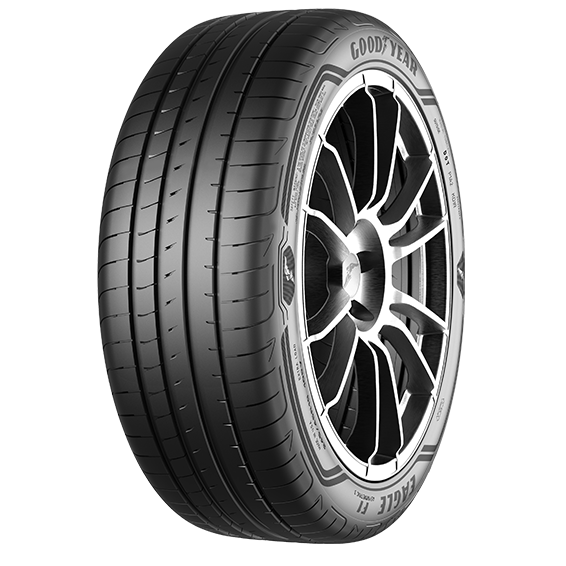
- Goodyear Eagle F1 Asymmetric 3 RunOnFlat— Best Summer Performance
Best Run-Flat Tires for the BMW 7 Series — Compared
A side-by-side look at speed rating, tire type, and where each model earns its keep on a 7 Series.
| # | Product | Speed Rating | Type | Best For | Score | |
|---|---|---|---|---|---|---|
| 1 | Pirelli Cinturato P7 All Season Run Flat Editor’s Choice | H/V | All-Season RFT | Daily Luxury Comfort | 4.5 | See Latest Price |
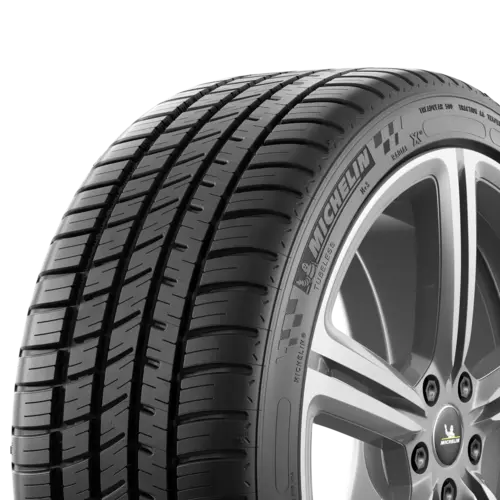
| 2 | Michelin Pilot Sport A/S 3+ ZP Top Pick | W/Y | Performance All-Season ZP | Spirited Driving & Grip | 4.6 | See Latest Price |
| 3 | Hankook Ventus S1 noble2 HRS Budget Pick | V/W | Grand Touring All-Season HRS | Budget-Friendly Comfort | 4.4 | See Latest Price |
| 4 | Continental ContiProContact SSR | H/V | Touring All-Season SSR | Maximum Tread Life | 4.5 | See Latest Price |
| 5 | Bridgestone DriveGuard | H/V | All-Season RFT (Standard Mount) | Easy Shop Installation | 4.4 | See Latest Price |
| 6 | Goodyear Eagle F1 Asymmetric 3 RunOnFlat | Y | Summer Performance ROF | Track-Ready Grip | 4.5 | See Latest Price |
Detailed Reviews
Full breakdown of each tire — ratings, pros, cons, and our expert verdict.
Pirelli Cinturato P7 All Season Run Flat
The Cinturato P7 is the default replacement pick for countless 7 Series owners because it mirrors the original-equipment fitment on many model years. Its optimized pitch sequence and high-silica compound balance a hushed highway ride with dependable wet-weather grip, without the harsh edge that plagued earlier-generation run-flats. Four wide longitudinal grooves resist hydroplaning, and a continuous center rib helps keep the car planted during high-speed lane changes.
- Matches the original-equipment ride on many 7 Series model years
- Owners regularly report 45,000–50,000 miles of tread life with rotations
- Strong wet braking and cornering confidence in owner forum reports
- Sized for 18, 19, and 20-inch 7 Series fitments
- Carries BMW’s star-mark approval on multiple original-equipment sizes
- Higher upfront cost than most competitors on this list
- Sharp impacts from deep potholes transmit more than on non-run-flats
- Some owners note mild tramlining on grooved concrete highways
- Star-marked sizes can carry a price premium over non-marked equivalents
Michelin Pilot Sport A/S 3+ ZP
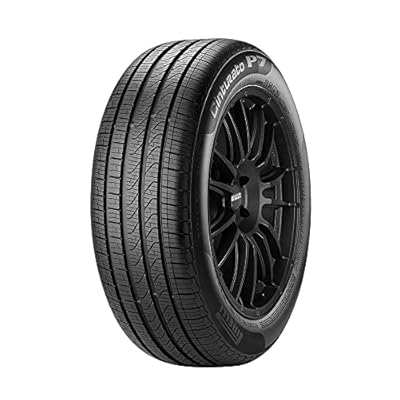
The Pilot Sport A/S 3+ ZP borrows its tread compound from Michelin’s summer-tire lineup, and it shows in owner reviews that expected the usual run-flat compromise. Variable Contact Patch 3.0 technology spreads cornering forces evenly across the tread, which is part of why this remains one of the few all-season run-flats that can handle a genuinely spirited drive. Michelin’s extreme silica compound also does most of the work behind its class-leading wet braking numbers.
- Near-summer-tire grip levels in an all-season Zero Pressure package
- Helio+ compound keeps rubber flexible for genuine light-snow traction
- Precise, heavy steering feel that owners say suits the 7 Series chassis
- W- and Y-speed ratings match the 7 Series’ top-speed capability
- Extreme silica tread compound sharpens wet braking response
- Firmest ride on this list; road imperfections transmit clearly into the cabin
- Treadwear falls to 25,000–35,000 miles for aggressive drivers
- Highest price point of the six tires reviewed
- The stiffer sidewall makes low-speed impacts more noticeable than on the Pirelli
Hankook Ventus S1 noble2 HRS
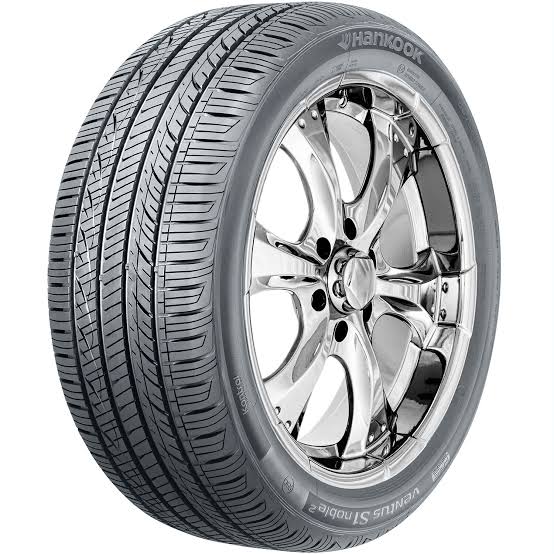
Hankook’s Runflat System (HRS) targets grand-touring comfort at a price that regularly undercuts the premium European brands on Amazon. Owners of other luxury sedans report that road manners stay composed and cabin noise stays low while the tread is fresh — exactly the tradeoff budget-focused 7 Series drivers are hoping to find. A high-grip silica compound also helps it hold traction as temperatures drop into the low 40s.
- Owners describe it as roughly 80% as refined as a Michelin at two-thirds the price
- Jointless nylon reinforcement belt supports sustained high-speed driving
- Quiet and composed cabin noise when the tread is fresh
- Linear, confidence-inspiring steering response on dry backroads
- Four circumferential grooves move standing water efficiently in heavy rain
- Tread noise rises noticeably after 15,000–20,000 miles
- Tread life often falls short of the 50,000-mile mark some owners expect
- Not well suited to aggressive or track-day driving styles
Continental ContiProContact SSR
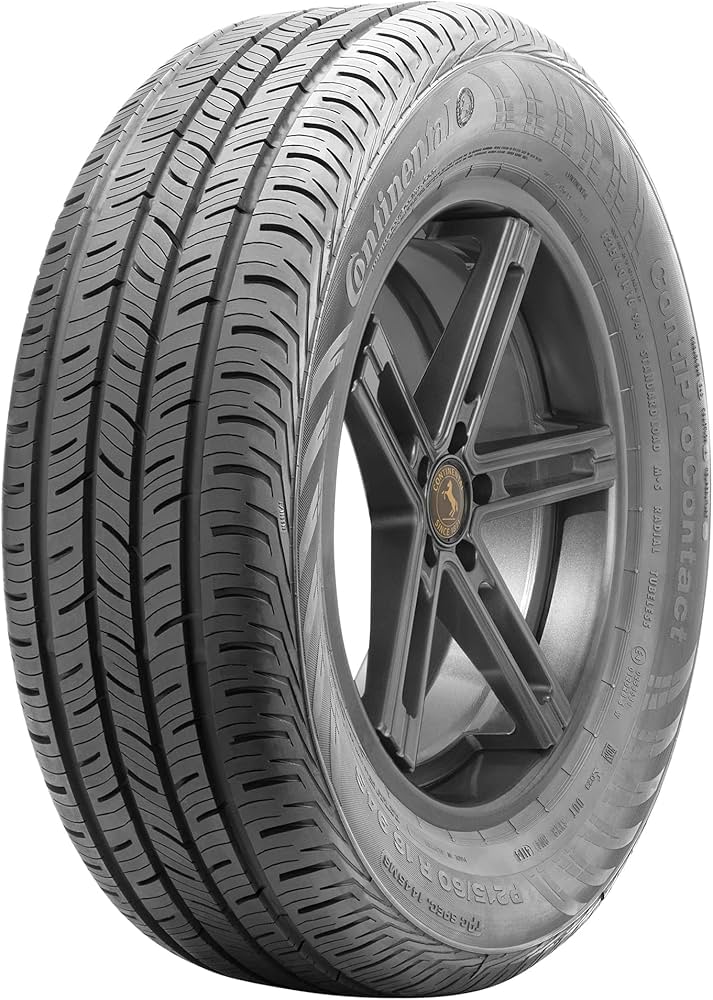
The ContiProContact SSR leans into Self-Supporting Runflat (SSR) construction with reinforced sidewalls built for the long haul. Its symmetric tread pattern promotes even wear across the life of the tire, and EcoPlus technology trims rolling resistance, which owners say adds up to a noticeably quieter, more efficient highway cruiser. Multiple rows of sipes also bite into wet pavement and light snow better than its long-wear reputation would suggest.
- 500 treadwear rating; many owners report 55,000+ miles on a set
- EcoPlus technology lowers rolling resistance and helps fuel economy
- Smooth, quiet highway cruising for long-distance driving
- Competent wet traction despite the long-wear-focused compound
- Multiple sipe rows add usable bite in light snow, unusual for a touring tire
- Steering feel is less direct than the sport-oriented options here
- Certain sizes can be inconsistently in stock
- Not the tire to choose if you prioritize cornering feedback
Bridgestone DriveGuard
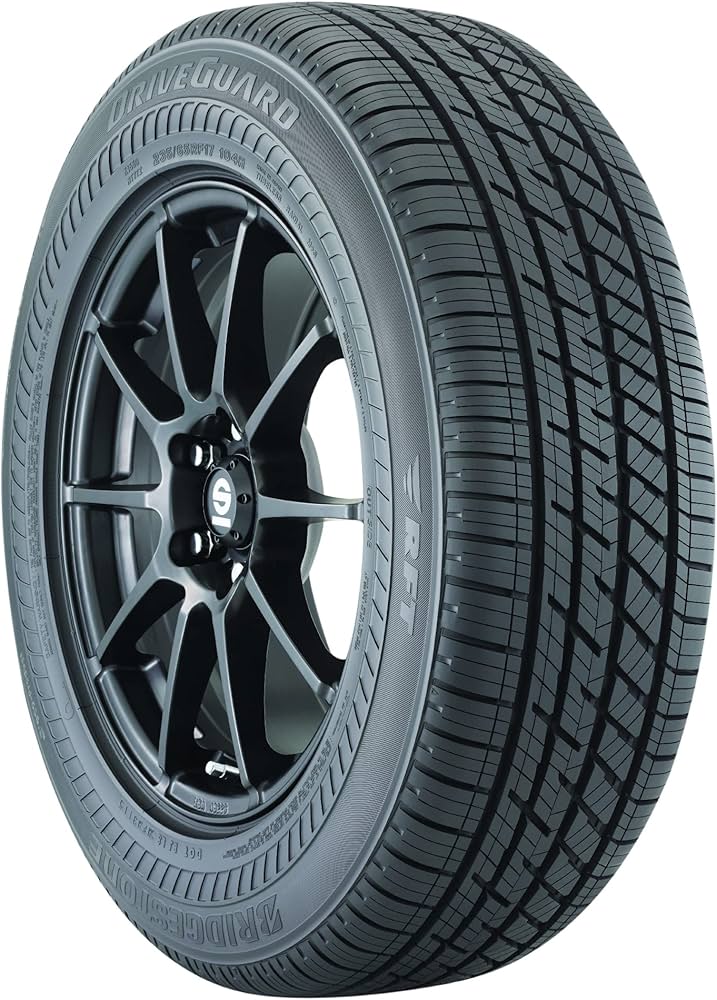
Bridgestone built the DriveGuard specifically to solve the run-flat category’s biggest complaint: harshness. A cooling-fin sidewall design and more forgiving construction let it mount like a standard tire, which means shops that normally hesitate on stiff run-flats will install it without pushback. A wide all-season tread pattern with generous circumferential grooves rounds out a tire built around everyday usability rather than outright numbers.
- Cooling fin sidewall design noticeably softens impact harshness
- Mounts on a standard tire machine — no special equipment required
- Rim guard shoulder protects alloy wheels from curb scuffs
- NanoPro-Tech compound holds up well in wet conditions
- Wide circumferential grooves resist hydroplaning on soaked interstates
- Average tread life around 40,000 miles, not class-leading
- Noise can pick up slightly on coarse concrete surfaces
- Not built for a performance-oriented driving style
Goodyear Eagle F1 Asymmetric 3 RunOnFlat
Summer-only tires rarely enter the run-flat conversation, but the Eagle F1 Asymmetric 3 RunOnFlat earns its spot with a motorsport-derived compound that shrinks braking distances and raises cornering limits. It brings a level of precision that makes a heavy 7 Series feel genuinely athletic, at the cost of requiring a dedicated winter set in cold climates. Stiff shoulder blocks anchor the tire during hard cornering, and Active Braking technology expands the contact patch the instant you stand on the brake pedal.
- Grip Booster compound delivers immediate, predictable turn-in
- Active Braking technology shortens stopping distances under hard braking
- Wet grip and rain braking confidence exceed most all-season tires on this list
- OE-quality fit and finish on staggered 19–20 inch setups
- Stiff shoulder blocks noticeably sharpen cornering stability at speed
- Cannot be used in freezing temperatures or snow — summer-only compound
- Rapid wear rate; 20,000 miles is common with spirited driving
- Firm ride transmits impacts over broken pavement
Can’t Decide?
Our Top 2 Picks — Head to Head
Both are excellent choices for a 7 Series. Here’s how to choose between them based on how and where you actually drive.
- Quietest, most refined ride of the six tires we tested on the 7 Series
- 45,000–50,000 mile tread life with proper rotations every 5,000–7,000 miles
- Matches the original-equipment feel on most 7 Series model years and trims
- Highest wet and dry grip scores of any tire in this comparison
- Helio+ compound adds genuine light-snow capability most all-season run-flats lack
- Precise, heavy steering feel that suits spirited driving in a big sedan
How to Choose the Right Run-Flat Tire
Six factors that matter before you buy a set of run-flats for a car this heavy — explained simply.
Correct Size & Load Index
Check your door-jamb sticker for the exact size, not just what’s currently mounted. 7 Series models span 245/50R18 through 275/35R20 depending on trim and staggered setup, and staggered fitments require different front and rear sizes. A lower load index may physically fit but will wear dangerously fast under the car’s curb weight, so always match or exceed the factory number.
Installation Difficulty
Run-flats need a tire machine built for stiff sidewalls, and some independent shops flatly refuse to mount them, sending you back to the dealership. Call ahead and ask specifically about BMW run-flat experience before you show up. Standard-mount options like the DriveGuard remove most of this friction if you’re switching shops often or live somewhere with limited tire-shop options.
Sidewall Construction & Build Quality
Look for high-silica tread compounds and reinforced sidewall inserts, the two features that most affect ride harshness on a heavy sedan. BMW star-marked tires pass additional chassis-specific testing for handling and noise, which removes some guesswork, even though several non-marked premium tires on this list still perform excellently without that designation.
Treadwear Warranty Coverage
Premium run-flats typically carry 40,000 to 50,000-mile treadwear warranties, and some manufacturers add road hazard protection on top. Read the fine print on workmanship and uniformity guarantees, which often run 4 to 6 years from the purchase date, and keep every rotation receipt on file since most claims get denied without proof of maintenance.
TPMS Sensor Compatibility
Run-flats depend entirely on a working tire pressure monitoring system to warn you of a puncture, since there’s no spare wheel to fall back on and a slow leak can otherwise go unnoticed. If your sensors are more than 6 to 7 years old, replace them during installation so the low-pressure warning actually fires when you need it.
Long-Term Reliability Signals
Search BMW forums like Bimmerpost and BimmerFest for the specific tire and model year before buying, not just the general product name. Heavy 7 Series models stress sidewalls hard over potholes and expansion joints, so a recurring pattern of bubble or bulge complaints is a genuine red flag. Early noise complaints under 10,000 miles also tend to predict a rougher ride long-term.
Pro Tips
Quick Buying Checklist
Match your exact load index and speed rating from the door-jamb sticker — a lower-rated tire may still physically fit but wears dangerously fast on a heavy 7 Series.
Never mix run-flat and non-run-flat tires on the same axle — the stability control system can misread the available grip and behave unpredictably.
Rotate every 5,000 to 7,000 miles to prevent the uneven front-heavy wear that’s common on heavier luxury sedans.
Don’t judge the whole category by old run-flats — modern designs like the DriveGuard and Cinturato P7 ride far smoother than their predecessors.
Replace TPMS sensors older than 6 to 7 years during installation so your pressure-loss warning keeps working when it matters.
Call the shop ahead of time — not every tire machine can safely handle stiff run-flat sidewalls, and some shops will turn you away.
Frequently Asked Questions
Are aftermarket run-flat tires safe for my BMW 7 Series?
Yes, as long as you match the correct size, load index, and speed rating from your door-jamb sticker. Reputable brands like Pirelli, Michelin, and Continental build run-flats that meet or exceed the original equipment safety standards BMW specified for the car.
How long do run-flat tires typically last on a 7 Series?
Expect roughly 30,000 to 50,000 miles depending on the specific model and how you drive day to day. Touring-focused run-flats like the Continental ContiProContact SSR last longest, while performance-oriented options like the Goodyear Eagle F1 wear noticeably faster under spirited driving. Regular rotations every 5,000 to 7,000 miles extend life meaningfully across the entire lineup.
Can I replace run-flat tires with regular tires on my 7 Series?
Yes, but you’ll need a backup plan for a flat since the 7 Series has no spare tire well built into the trunk. Many owners who switch carry a compact spare kit, a plug-and-inflate kit, or simply lean on roadside assistance instead. Weigh that tradeoff carefully before giving up run-flat mobility on a car built without a spare.
Will installing new run-flat tires affect my TPMS sensors?
The sensors are separate components mounted to the wheels, so a routine tire change won’t damage them if the shop is careful. That said, old sensors sometimes fail during a swap — it’s worth replacing any sensor over 6 to 7 years old at the same time.
Which run-flat tire gives the smoothest ride on a 7 Series?
The Bridgestone DriveGuard consistently earns the strongest comfort feedback in owner reviews, thanks to its more flexible sidewall design. The Pirelli Cinturato P7 is a close second, with a ride that closely mirrors BMW’s original equipment fitment.
Do I need BMW star-marked tires specifically?
Not necessarily. Star-marked tires pass BMW’s specific testing for handling, noise, and safety, which removes compatibility guesswork. Plenty of non-star-marked premium run-flats, including several on this list, still perform excellently on the 7 Series without that designation.
Which run-flat tire offers the longest tread life for a heavy sedan?
The Continental ContiProContact SSR, backed by a 500 treadwear rating, typically outlasts the competition. Owners in forum threads frequently report 50,000 to 60,000 miles before hitting the wear bars, making it the pick for drivers who want to minimize replacements.
Why do run-flat tires for a 7 Series cost more than standard tires?
Run-flats use reinforced sidewalls capable of supporting the car’s weight with zero air pressure, which requires more material and specialized construction than a conventional tire. That added engineering, combined with BMW’s run-flat sizing requirements, typically pushes each tire noticeably above standard pricing for a comparable non-run-flat model.
Final Verdict
Our Top Recommendations for 2026
For most 7 Series owners, the Pirelli Cinturato P7 All Season Run Flat remains the tire that makes the fewest compromises — it feels like the tire BMW intended, and it holds up over tens of thousands of highway miles without drama. Step up to the Michelin if you see every on-ramp as an invitation and are willing to trade some ride comfort for grip, or choose the Hankook if stretching your maintenance budget matters more than ultimate refinement. Whichever you pick, verify your exact size and load index before you buy.