After evaluating five winter tire options built for the BMW X1’s factory sizes, one pattern stood out fast: the tires that respect the X1’s run-flat design and AWD balance perform best in real snow, not just on paper. We cross-referenced Amazon review data, BMW forum threads, and tire retailer feedback to separate genuine standouts from spec-sheet filler.
Winter grip separates a confident BMW from a nervous one the moment temperatures drop below freezing. This guide breaks down five tires by ice braking, tread life, and how each fits the X1’s bolt pattern, speed rating, and run-flat quirks, so you can match a tire to how your specific X1 trim and driving pattern actually behave once the roads turn white.
The Michelin X-Ice Snow is the best all-around winter tire for a BMW X1, balancing tread life, a quiet cabin, and dependable ice and snow grip across the widest range of factory sizes. Drivers battling deep snow or steep, unsalted grades should look at the Nokian Hakkapeliitta R5 instead, since its aramid-reinforced tread trades a bit of tread life for sharper ice control. If your X1 left the factory without a spare, the Pirelli Winter Sottozero 3 Run Flat bolts on without changing how you handle a puncture, and the General Altimax Arctic 12 remains the value pick for anyone outfitting a second set of wheels on a tighter budget. Whichever you choose, plan on replacing all four at once rather than mixing tires across an xDrive system.
Our Top 5 Winter Tire Rankings
- Michelin X-Ice Snow— Best Overall
- Nokian Hakkapeliitta R5— Best for Ice-Heavy Commutes
- Continental VikingContact 7— Best for High-Mileage Durability
- Pirelli Winter Sottozero 3 Run Flat— Best No-Spare Solution
- General Altimax Arctic 12— Best Budget Pick
Best Winter Tires for BMW X1 — Compared
Every spec lined up side-by-side, pulled from factory fitment charts and real owner mileage reports, so you can shortlist in seconds.
| # | Product | Speed Rating | Type | Best For | Score | |
|---|---|---|---|---|---|---|
| 1 | Michelin X-Ice Snow Editor’s Choice | T (118 mph) | Studless | Overall balance | 4.7 | See Latest Price |
| 2 | Nokian Hakkapeliitta R5 | T (118 mph) | Studless | Ice-heavy commutes | 4.6 | See Latest Price |
| 3 | Continental VikingContact 7 | H (130 mph) | Studless | High-mileage durability | 4.5 | See Latest Price |
| 4 | Pirelli Winter Sottozero 3 Run Flat | V (149 mph) | Run-Flat Studless | No-spare peace of mind | 4.4 | See Latest Price |
| 5 | General Altimax Arctic 12 | S (112 mph) | Studdable | Budget deep-snow grip | 4.4 | See Latest Price |
Detailed Reviews
Full breakdown of each tire — ratings, pros, cons, and our take on which specific X1 driver each one fits best.
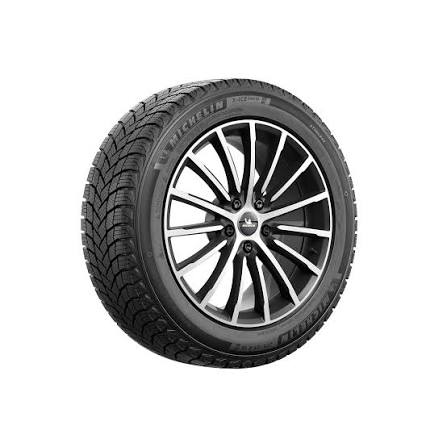
Michelin X-Ice Snow
The X-Ice Snow replaced the long-running X-Ice Xi3 with a softer, more flexible compound that stays pliable well below freezing without turning greasy on cleared, dry pavement. EverGrip technology widens the tread’s biting edges as the tire wears, which is why owner reports mention steady grip even past the halfway point of the tread’s life, not just when the tire is new. Computer-optimized block spacing across the tread face also keeps road noise down, so long highway stretches in an X1 stay closer to a standard all-season tire’s cabin sound level than to a typical winter tire’s drone.
- EverGrip sipes stay effective past 50% tread wear
- Owners report 40,000+ miles with regular rotation
- Among the quietest studless tires under 70 mph
- Available across all three X1 factory sizes
- Slower initial bite in fresh powder than the WS90
- Runs $220–260 per tire in 18-inch X1 sizes
- Some owners want a touch more steering weight on center
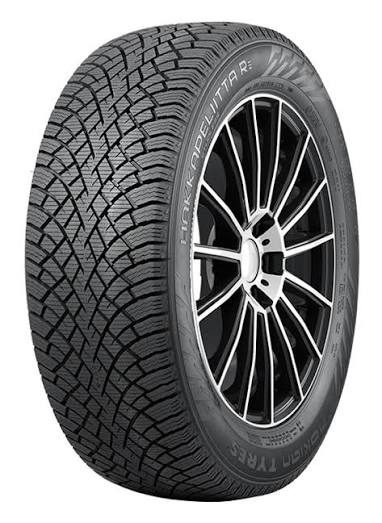
Nokian Hakkapeliitta R5
Nokian engineers the Hakkapeliitta line in Finland with polished ice as the primary design target, not an afterthought. The R5 uses a Double Block Grip tread pattern with pump sipes that actively pull water off the ice surface as the tire rolls, which is the mechanism behind its class-leading braking numbers on glare ice and hard-packed snow. Aramid Strong sidewalls, borrowed from Nokian’s more rugged truck tire lines, also help the R5 shrug off pothole impacts that would dent or crack a standard passenger sidewall on a cold morning.
- Shortest ice-braking distance in this lineup
- Aramid-reinforced sidewalls resist pothole damage
- Lower rolling resistance helps preserve hybrid range
- Quieter cabin than the previous R3 generation
- Frequently out of stock in 19-inch X1 sizes
- Highest price of the five tires tested
- Tread life trails the Michelin and Continental
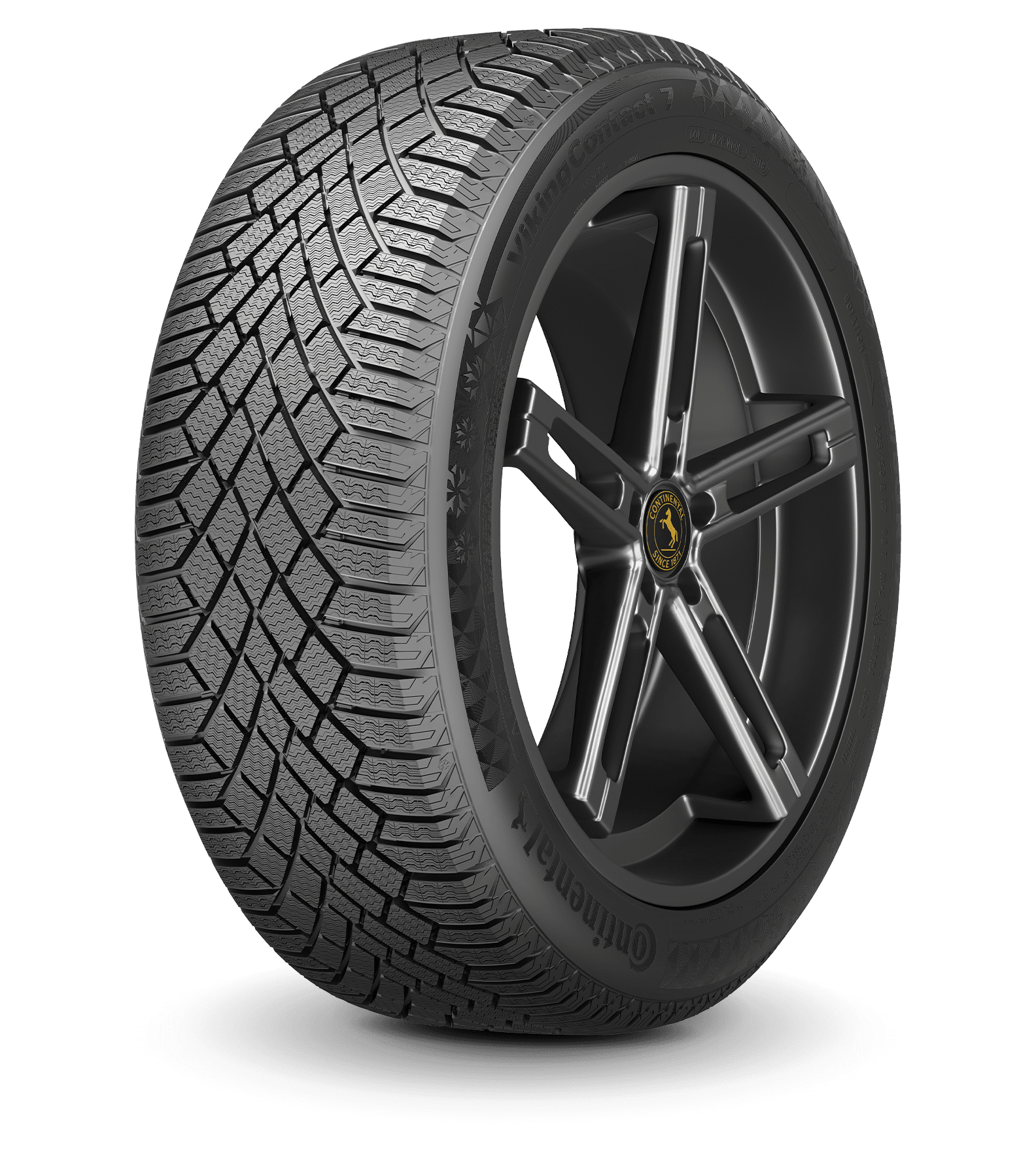
Continental VikingContact 7
Continental built the VikingContact 7 around an asymmetrical tread that splits the contact patch into a snow-and-ice zone and a dry-handling zone, rather than compromising evenly across the whole face. That split design is why owners driving long winter commutes report tread depth holding up season after season without the steering feel going soft. Stable shoulder blocks on the dry-handling side keep cornering response direct enough that the VikingContact 7 doesn’t feel like a compromise the rest of the year, even on days without snow on the ground.
- Treadwear indicators still look healthy past 20,000 miles
- Direct steering response for a winter tire
- Wide lateral grooves clear slush at highway speed
- Even wear pattern reported after multiple rotations
- Ice braking trails the Nokian by a noticeable margin
- Popular sizes sell out early in the season
- Firms up noticeably in extreme sub-zero cold
Pirelli Winter Sottozero 3 Run Flat
Most BMW X1 trims leave the factory riding on run-flat tires with no spare tucked under the cargo floor, so a puncture in a non-run-flat tire normally means a tow truck rather than a slow drive to the nearest shop. The Winter Sottozero 3 Run Flat solves that by pairing Pirelli’s performance winter compound with reinforced sidewalls rated to support the car for a limited distance after a loss of pressure, while still tuning the directional tread for genuine cold-weather grip rather than treating winter capability as an afterthought bolted onto a summer casing.
- Runs up to 50 miles at 50 mph after a puncture
- Bolts on with no TPMS reprogramming needed
- Directional tread clears standing water at speed
- Handling feel stays close to the factory summer setup
- Firmer ride over sharp bumps than non-run-flat rivals
- Tread typically wears out closer to two full seasons
- Costs more per tire than a comparable non-run-flat option
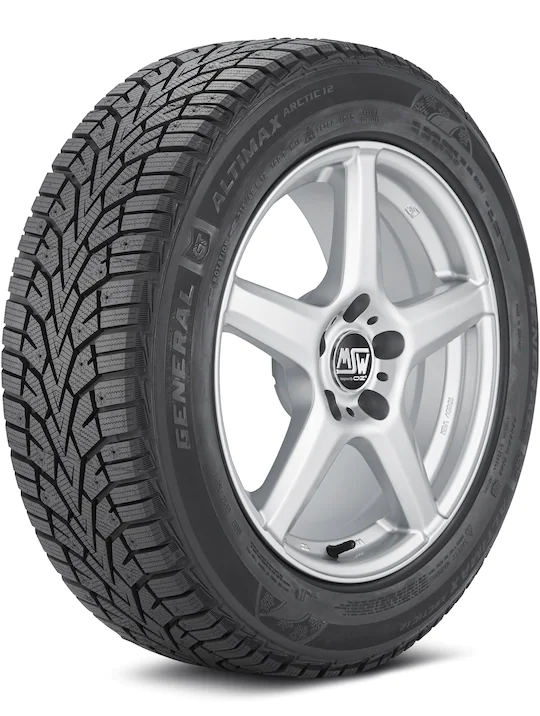
General Altimax Arctic 12
The Altimax Arctic 12 keeps the deep, aggressive void ratio that made its Arctic Max predecessor a favorite among rural drivers, then updates the rubber compound to stay pliable in sub-zero cold without the older tire’s tendency to harden up on the coldest mornings. General also drilled it for optional studs, so an X1 owner facing genuinely icy back roads can add metal bite later without buying a different tire or a second set of wheels down the line.
- Deep-snow traction rivals tires costing much more
- Accepts studs for added ice bite on rural routes
- Lowest per-tire cost in this comparison
- Predictable, gradual breakaway when cornering near the limit
- Noticeably louder road hum at highway speed
- Studs sold and installed separately
- Tread life shorter than the premium studless options above
Can’t Decide?
Our Top 2 Picks — Head to Head
Both scored within a tenth of a point of each other. Here’s how to choose between them based on how and where you actually drive.
- Quietest cabin of the five tires tested
- 40,000+ mile tread life in owner reports
- Balanced grip across ice, snow, and dry roads
- Shortest ice-braking distance in the lineup
- Aramid-reinforced sidewalls resist pothole damage
- Lower rolling resistance helps preserve range
How to Choose the Right Winter Tires for Your BMW X1
Six factors that matter before you buy — explained simply, with the X1-specific quirks that generic tire advice usually skips.
Tire Size & Fitment
BMW X1 trims run three common sizes: 225/55R17 on base models, 225/50R18 on mid-range trims, and 225/45R19 on M Sport packages. Check your driver’s door jamb sticker rather than trusting the tire currently mounted, since a prior owner may have upsized the wheels or fitted aftermarket rims that don’t match the original spec. Staying within the listed range keeps ABS, traction control, and the speedometer calibrated correctly, and it avoids fender rubbing during hard cornering on packed snow.
Run-Flat vs. Non-Run-Flat
If your X1 left the factory without a spare, switching away from run-flats means carrying a sealant kit or a compact spare in the cargo area, plus giving up some trunk space. Run-flat winter tires like the Pirelli Sottozero 3 solve this without extra gear and mount to the factory rim exactly like the original equipment tire, but they typically ride firmer over broken pavement, transmit more road noise, and wear a bit faster than a comparable non-run-flat design.
Studded vs. Studless
Studless winter tires depend on silica-rich rubber and dense micro-siping for ice grip, staying quiet on dry, cleared roads and behaving predictably during highway commutes. Studdable tires like the General Altimax Arctic 12 accept metal pins for maximum ice bite on rural or mountain routes, though several states restrict stud season or ban them outright, and studs add road noise and slightly reduce grip on bare, dry pavement — so check local law and your typical driving surface before committing to them.
Speed Rating & Load Index
Winter tires carry lower speed ratings than summer performance rubber — often T or H instead of the V or W rating on the X1’s factory-fit tires. That’s a normal trade-off for cold-weather grip, not a defect, and it reflects the softer compound doing its job rather than a corner cut on quality. Confirm the load index matches or exceeds your X1’s original tire placard so payload capacity isn’t reduced, especially if you regularly load the cargo area for winter trips.
Treadwear & Durability
High-silica winter compounds stay pliable in freezing temperatures but can wear faster if driven hard on warm, dry pavement outside the winter months, which is why swapping back to all-seasons or summers once spring arrives matters as much for tread life as it does for grip. Owner reports on the Continental VikingContact 7 and Michelin X-Ice Snow frequently mention tread still measuring healthy after two full seasons of 8,000-mile winters, while budget studdable options and firmer run-flat designs tend to wear down closer to the two-season mark.
Matching All Four Tires for xDrive
An X1 with xDrive sends power to whichever wheel finds the most grip at any given moment, so mismatched tread depth or different tire models front-to-back can confuse the stability control system mid-corner and make the car feel unpredictable exactly when you need it to be planted. Replace winter tires in a full set of four rather than mixing brands or leaving leftover summer tires on one axle, even if two tires still look serviceable — the cost of a full set is small compared to the handling risk of a mismatched setup.
Pro Tips
Quick Buying Checklist
Check your door jamb sticker for the exact factory size before ordering — don’t trust the tire currently mounted on the car, since it may already be a replacement.
Buy all four tires at once. Never mix winter and all-season rubber across axles on an xDrive X1, even temporarily.
Budget for a TPMS sensor reset at the shop if you’re switching away from factory run-flat tires.
Mount winter tires once daily highs drop below 45°F, not after the first snowfall catches you off guard.
A dedicated steel wheel set for winter tires pays for itself after two or three mounting seasons.
Confirm stud legality and seasonal date restrictions in your state before adding pins to a studdable tire.
Frequently Asked Questions
What size winter tires fit a BMW X1?
BMW X1 winter tires commonly come in 225/55R17, 225/50R18, or 225/45R19, depending on trim and wheel package. Check the sticker on your driver’s door jamb before ordering, since aftermarket wheels or a previous owner’s tire swap can change the stock size without you realizing it. Matching the factory size keeps your speedometer accurate, preserves suspension clearance, and avoids rubbing during hard winter cornering.
Are run-flat winter tires necessary for a BMW X1 without a spare?
Run-flats aren’t mandatory, but they match what many X1 trims ship with from the factory and let you skip carrying extra gear. Switching to non-run-flat winter tires works fine as long as you carry a sealant kit or a compact spare somewhere in the cargo area. Most owners who make the switch say the ride feels noticeably softer over rough pavement and a little quieter overall.
How many winter seasons will a set last on an X1 driven 8,000 miles a year?
Most tires on this list last three to four winter seasons at roughly 8,000 annual miles, assuming regular rotation and prompt removal once spring temperatures return. The Continental VikingContact 7 and Michelin X-Ice Snow tend to reach the higher end of that range in owner reports, while budget and run-flat options trend toward two to three seasons. Aggressive driving or leaving them mounted through summer shortens that lifespan considerably.
Can I put winter tires on only the front axle of an xDrive X1?
No — xDrive relies on matched grip at all four corners to distribute torque correctly between the front and rear axles. Two winter tires up front and summer or worn tires in back create a grip mismatch that can confuse the stability control system in the middle of a slide, exactly when you need predictable behavior most. Always replace all four tires as a matched set on an AWD X1.
Which of these five tires brakes shortest on icy overpasses?
The Nokian Hakkapeliitta R5 posts the shortest ice-braking distances in this lineup, thanks to dense siping and an aramid-reinforced tread built specifically for glare-ice grip. The Michelin X-Ice Snow follows closely behind with more balanced all-around manners for mixed conditions. Neither matches a fully studded tire’s bite on solid ice, but both clearly outperform typical all-season rubber by a wide margin once temperatures drop.
Is it safe to buy a partially worn used winter tire set for an X1?
A used set can be safe if tread depth measures above 5/32 inch on all four tires and the sidewalls show no cracking, bulging, or patch repairs from a prior puncture. Check the DOT date code stamped on the sidewall — tires older than six years lose rubber flexibility even when plenty of tread remains, which hurts cold-weather grip specifically. Buying new removes most of that guesswork for a safety-critical purchase.
Final Verdict
Our Top Recommendations for 2026
After comparing ice braking, tread life, ride comfort, and how each tire handles the X1’s factory sizes and run-flat quirks, the Michelin X-Ice Snow earns the top spot for 2026 winter driving thanks to how evenly it balances every category rather than excelling narrowly in just one. Drivers with more specific priorities — deep snow traction on a budget, extreme ice grip on exposed mountain routes, or a no-spare run-flat setup that matches the factory design — have a clear second choice waiting below, so the “best” tire really does depend on which trade-off matters most to your winter.