After cross-referencing BMW forum threads, tire shop feedback, and hundreds of verified owner reviews, we narrowed the winter tire field down to five sets that actually preserve the 3 Series’ balance instead of numbing it, not just the ones with the biggest marketing budget.
Rear-wheel-drive sedans expose weak winter rubber fast — a tail-happy 3 Series on cold pavement is a very different car than the same chassis on the right compound, and the gap only grows once temperatures drop toward freezing. This guide breaks down which winter tires protect ice grip, cabin quiet, and steering feel for 3 Series owners specifically, whether you daily-drive an xDrive wagon or track-day an M340i on weekends when the roads finally clear.
For most 3 Series owners facing real winter, the Michelin X-Ice Snow delivers the strongest mix of ice grip, cabin quiet, and tread life, backed by a genuine 40,000-mile warranty that most winter tires can’t match. Drivers who bought their 3 Series for the steering feel should look at the Pirelli Winter Sottozero 3 instead, since it trades a little deep-snow bite for dry-road composure and OE run-flat compatibility. If budget matters more than refinement, the General Altimax Arctic 12 clears deep snow for a fraction of the price and can even accept studs.
Best Winter Tires for BMW 3 Series — Compared
A side-by-side look at speed rating, tread type, and where each tire earns its keep — use it to shortlist two or three before reading the full breakdown below.
| # | Product | Speed Rating | Type | Best For | Score | |
|---|---|---|---|---|---|---|
| 1 | Michelin X-Ice Snow Editor’s Choice | T (118 mph) | Studless Winter | Ice grip & quiet comfort | 4.6 | See Latest Price |
| 2 | Pirelli Winter Sottozero 3 Top Pick | H (130 mph) | Performance Winter | Sporty steering & run-flat OE fit | 4.5 | See Latest Price |
| 3 | Continental VikingContact 7 | T (118 mph) | Studless Winter | Effortless balance & silent ride | 4.5 | See Latest Price |
| 4 | General Altimax Arctic 12 Budget Pick | Q (99 mph) | Studdable Winter | Deep snow on a budget | 4.4 | See Latest Price |
| 5 | Cooper Evolution Winter | Q (99 mph) | Studdable Winter | High-mileage durability | 4.3 | See Latest Price |
Detailed Reviews
Full breakdown of each product — ratings across ice and snow grip, ride comfort, tread life, and dry-road handling, plus honest pros, cons, and our expert verdict for each one, drawn from owner feedback across multiple winter seasons.
Michelin X-Ice Snow
- Flex-Ice 2.0 compound stays pliable well below zero
- Emerging Grooves widen as the tread wears to maintain snow evacuation
- 40,000-mile treadwear warranty, rare for a premium winter tire
- Cross Z-Sipes lock together under cornering for sharper dry-road steering
- Available in run-flat sizes for factory-equipped BMWs
- 3PMSF rated for genuine ice braking performance without needing studs
- Price sits noticeably above mid-pack options like General or Cooper
- Deep, unplowed snow clearing lags behind aggressive studdable patterns
- Premium cost makes a second dedicated wheel set feel necessary
- No studdable option for drivers who want maximum ice insurance
- Rural drivers with frequent heavy dumps sometimes want more aggressive bite
Pirelli Winter Sottozero 3
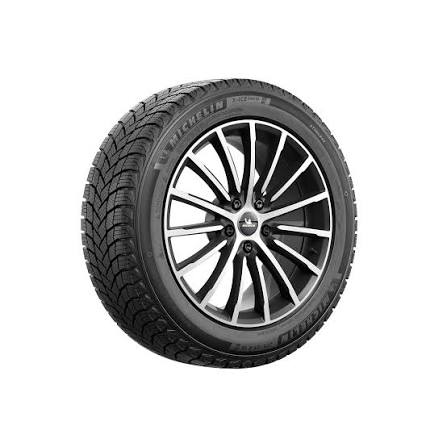
- Asymmetric tread with large outboard shoulder blocks sharpens cornering
- Run-flat variants carry the BMW star marking for OE-spec fitment
- H- and V-speed ratings match the 3 Series’ highway capability
- Wide circumferential grooves resist hydroplaning in slush
- Steering feel stays close to a summer performance tire on cold dry roads
- Asymmetric pattern resists tramlining on grooved concrete highways
- Deep-snow acceleration and braking trail dedicated Nordic-style tires
- Run-flat and 19-inch sizes carry premium pricing
- Tread life runs shorter than the Michelin or Cooper’s warranty-backed life
- Not the first choice for drivers facing frequent heavy snowfall
- Run-flat sidewall stiffness firms up the ride over frost heaves
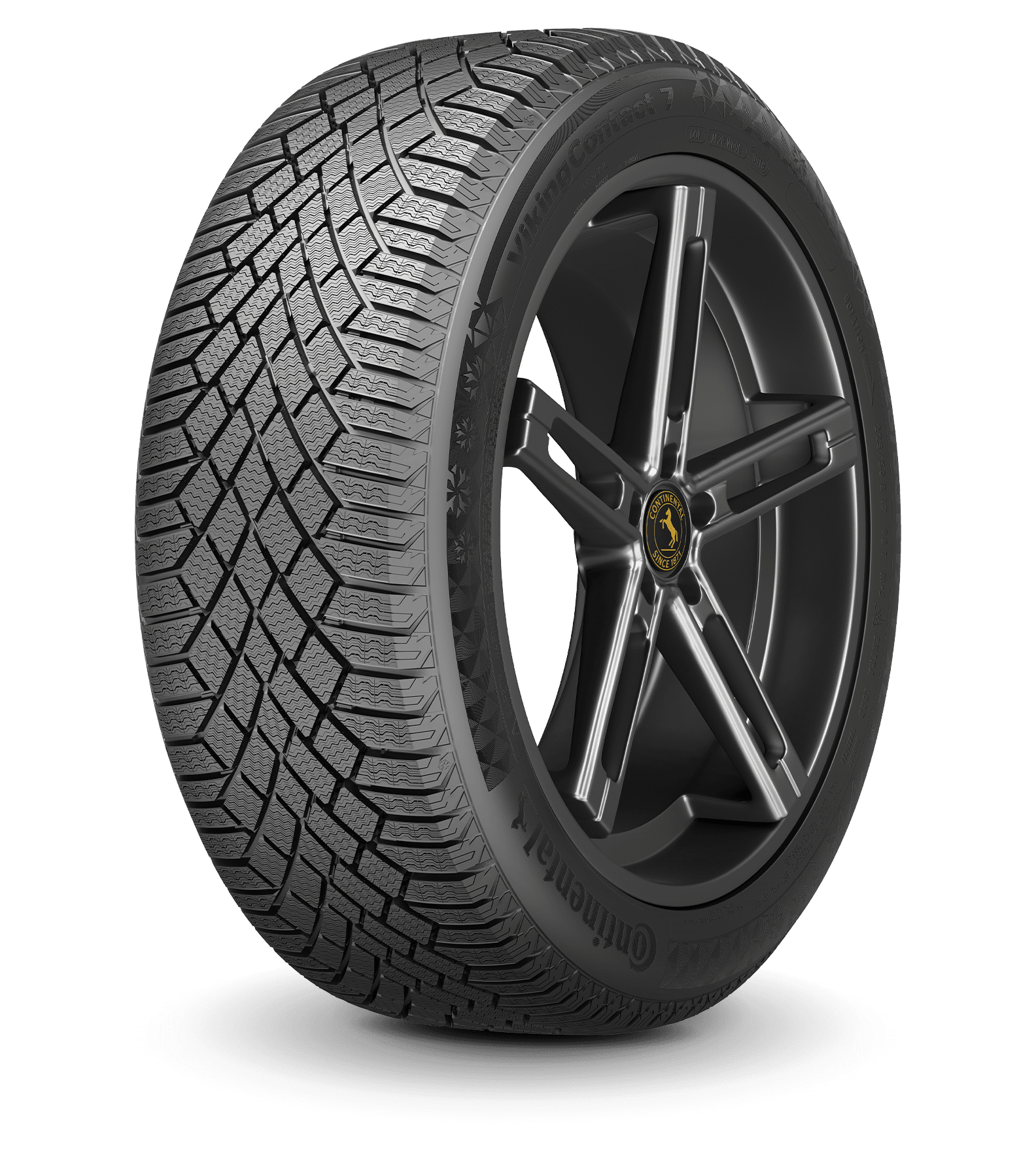
Continental VikingContact 7
- Canute stud technology mimics metal-stud grip without the noise
- Typically needs less than an ounce of balancing weight per wheel
- Acoustically optimized rib design keeps cabin noise near all-season levels
- Low rolling resistance construction helps preserve winter fuel economy
- Stepped grooves clear slush quickly on wet interstates
- PolarPlus+ compound retains flexibility down to extreme sub-zero temperatures
- Tread longevity falls slightly short of the Michelin’s warranty-backed life
- Certain 19-inch staggered BMW sizes can be hard to source late season
- Ice grip trails the Michelin once temperatures drop well below zero
- No studdable version for drivers who want maximum ice insurance
- Some drivers report needing replacement a season sooner under hard use
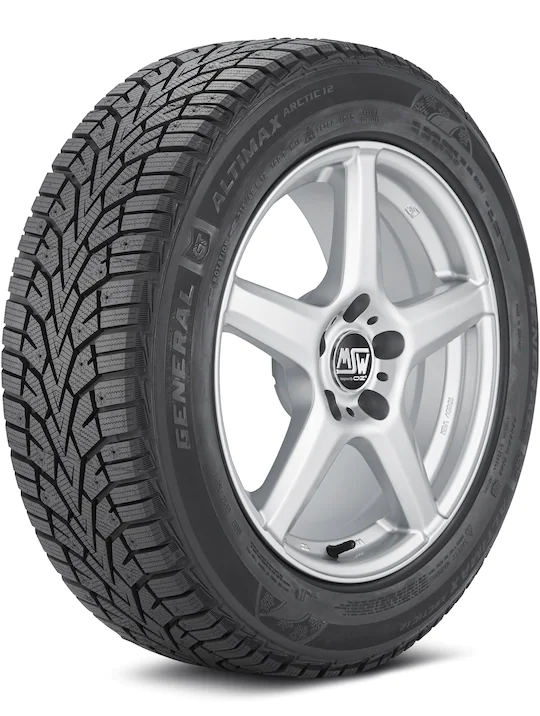
General Altimax Arctic 12
- Studdable pin holes allow maximum grip on hard ice and packed snow
- Directional V-shaped tread throws snow and slush outward efficiently
- Cold-weather compound stays pliable down to -40°F
- Wide footprint adds stability plowing through deep ruts
- Price leaves room for a second set for a garage-mate’s car
- High-density siping adds thousands of extra biting edges across the tread
- Dry-road hum is noticeably louder than studless premium options
- Turn-in response feels softer and less connected than the Pirelli or Michelin
- Steering precision takes a real step back on cleared highways
- No treadwear warranty backing the tire’s expected mileage
- Floaty sensation at highway speed compared to a higher-speed-rated tire
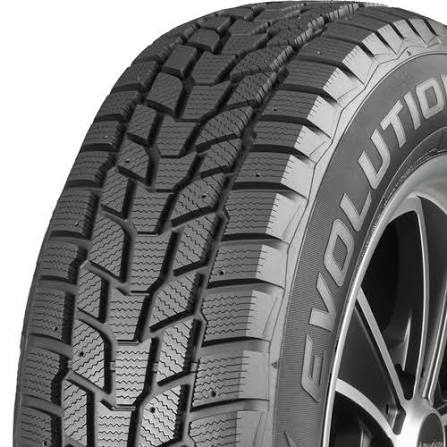
Cooper Evolution Winter
- 40,000-mile treadwear warranty, among the longest in the winter category
- Deep, interlocking sipes stabilize tread blocks under braking and cornering
- Snow-groove technology traps and packs snow for better snow-on-snow grip
- Reinforced internal structure improves impact resistance on frost-heaved roads
- Studdable tread available for drivers who want added ice insurance
- Absorbs expansion joints and frost heaves without harshness in the cabin
- Ice traction without studs lags behind the Michelin X-Ice Snow
- Some sets need extra balancing weights on certain BMW wheel setups
- Highway noise is a step up from the Continental or Michelin
- Least aggressive dry-road handling of the tires in this lineup
- Black ice and frozen rain call for more bite than this tire offers
Can’t Decide?
Our Top 2 Picks — Head to Head
Both are excellent, and the wrong choice usually comes down to what you bought the 3 Series for in the first place — daily-driven refinement or weekend driving enjoyment. Here’s how to pick between them without guessing.
- Flex-Ice 2.0 compound built for real ice and deep cold
- 40,000-mile warranty paired with class-leading cabin quiet
- Confident stops on packed snow and black ice
- Asymmetric tread built to preserve cornering precision
- BMW-star run-flat sizes for factory-equipped cars
- Steering feel closer to a performance summer tire
How to Choose Winter Tires for Your BMW 3 Series
Six factors that matter before you buy — explained simply.
Size & Staggered Fitment Compatibility
Your 3 Series door jamb sticker lists the correct tire size — common fitments include 225/50R17, 225/45R18, and 225/40R19. M Sport models run a staggered setup with wider rears, like 255/35R19, so you cannot buy one size for all four corners. Always purchase winter tires in the factory diameter unless you’re intentionally downsizing wheels for a narrower, taller sidewall that improves snow bite. Mixing sizes front to rear on a staggered car requires special attention to rotation, since you can’t cross-rotate front to back like a square setup — most shops rotate side to side instead on these cars.
Winter Wheel & Tire Package vs. Seasonal Swaps
Mounting and balancing the same set of tires twice a year strains both the rubber beads and your wallet over several seasons. A second set of dedicated winter wheels — steel or inexpensive alloy — makes the swap faster and keeps road salt off your factory wheels. Downsizing one inch, say from 18-inch to 17-inch, often lowers tire cost and gives you a taller, more forgiving sidewall in snow. Many shops offer seasonal storage for your off-season set, which saves trunk space if you don’t have a garage.
Run-Flat Requirements
Many 3 Series models leave the factory without a spare tire and rely on run-flat construction. If your car came with run-flats, you can switch to standard winter tires, but you need to carry a spare or a mobility kit as backup. The Pirelli Winter Sottozero 3 and Michelin X-Ice Snow both offer run-flat variants, so match the tire type to your actual emergency plan rather than skipping the question. Non-run-flat winter tires often ride slightly softer too, which some owners actually prefer over frost-heaved roads, though you give up the peace of mind of driving on a flat to the nearest exit.
Ice Grip vs. Deep-Snow Clearance
Studless ice-focused tires like the Michelin X-Ice Snow and Continental VikingContact 7 dominate on packed snow and glare ice, which is what most commuters actually drive on during a typical winter. Studdable or deep-snow tires like the General Altimax Arctic 12 bite harder in fresh, unplowed powder. Choose based on the winter conditions you actually face on your commute, not the worst-case storm you picture once a year. A driver who mostly deals with cleared highways rarely benefits from the extra deep-snow bite that costs quiet and steering precision elsewhere, while a rural driver on unplowed roads gains far more from it than the noise costs.
Severe Snow Rating (3PMSF)
Every tire in this guide carries the Three-Peak Mountain Snowflake rating, which confirms it passed a regulated snow-traction test rather than a self-certified void-ratio check. Don’t settle for an all-season tire marked only “M+S,” since that designation requires far less real snow performance. The 3PMSF symbol on the sidewall is the fastest way to confirm a tire is a genuine winter compound, and it also correlates with better cold-flex rubber even on days without any snow on the ground.
Speed Rating Awareness
Winter tires often carry lower speed ratings than your factory summer tires — a Q- or T-rated winter tire is completely safe and legal, but it caps your top speed below what the car is capable of on a clear highway. Sustained triple-digit speeds on a lower-rated winter tire risk tread separation, so check the sidewall marking and respect it, especially on tires like the General or Cooper that trade speed capability for ice grip. The Pirelli’s H- and V-ratings exist precisely because performance-minded owners refused to accept a lower ceiling, even in the dead of winter.
Pro Tips
Quick Buying Checklist
Install a full set of four — winter tires only on the rear create a dangerously unbalanced 3 Series that oversteers on ice and understeers in snow. This applies to xDrive models too, since all-wheel drive doesn’t help you brake or corner.
Don’t trust summer tires below 45°F — the compound hardens and loses grip on cold, dry pavement even without any snow on the ground. Summer rubber can also crack in sustained freezing temperatures.
Respect the speed rating — a Q- or T-rated winter tire is safe for daily driving, but sustained high speeds risk tread separation. Check the sidewall before your next highway trip.
Order before the first snowfall — winter tire inventory shrinks fast by November, so shop in September or early October for your exact size. Popular staggered sizes sell out first.
Reset your TPMS after swapping — do it through the iDrive menu, or a real pressure loss later can hide behind a stale warning light. Check pressures again a week after the swap.
Frequently Asked Questions
What size winter tires fit a BMW 3 Series?
Common sizes include 225/50R17, 225/45R18, and 225/40R19. Staggered-fitment cars like M Sport models use wider rear sizes than front, so you can’t buy a single size for all four corners. Always match the size on your driver’s door jamb sticker, or consult a tire calculator before downsizing wheels for winter.
Can I use all-season tires instead of winter tires on my BMW?
All-season tires compromise cold-weather grip. Below 45°F, their compound hardens and loses adhesion well before a winter tire does, even on completely dry pavement. In snow and ice, the difference in stopping distance is often measured in car lengths, so dedicated winter tires are the safer choice for anyone facing a real winter.
Are run-flat winter tires worth it for a 3 Series?
They’re worth it if your 3 Series left the factory without a spare and you can’t carry a mobility kit. Run-flat winter tires let you drive to a safe location after a puncture, though the trade-off is a firmer ride and higher cost. Pirelli and Michelin both offer run-flat sizes with the BMW-approved star marking.
How long do winter tires last on a 3 Series?
Most premium studless winter tires last 30,000 to 40,000 miles with proper rotation and off-season storage. The Cooper Evolution Winter and Michelin X-Ice Snow carry 40,000-mile warranties and often meet or exceed that figure. Hard cornering, frequent deep-snow use, and skipped rotations all shorten this noticeably.
Do winter tires affect fuel economy?
Yes, expect a small drop, typically one to two miles per gallon. Softer tread compounds and denser siping increase rolling resistance compared to a low-rolling-resistance all-season tire. The gap is usually modest enough that most owners don’t notice it day to day, especially against the safety tradeoff.
Can I install winter tires myself at home?
Mounting and balancing a tire onto a wheel requires a tire machine and a balancer, so most owners have a shop handle that step. You can swap complete wheel-and-tire assemblies yourself at home with a jack, torque wrench, and wheel chocks if you own a second set of wheels, which is the more common DIY route.
Which winter tire is quietest for the BMW 3 Series?
The Michelin X-Ice Snow and Continental VikingContact 7 consistently receive the highest marks for low cabin noise. Both rival quiet all-season touring tires on cleared highways and stay subdued even at 70 mph, which matters in a luxury cabin built for refinement rather than truck-like tread drone.
Does an xDrive 3 Series still need dedicated winter tires?
Yes. All-wheel drive helps you accelerate in snow, but it does nothing for braking or cornering grip on ice. An xDrive 3 Series on all-season tires can still slide through a stop sign or a curve exactly like a rear-wheel-drive model without winter rubber, since AWD only addresses one of the three ways a car can lose control.
Final Verdict
Our Top Recommendations for 2026
The Michelin X-Ice Snow remains the safest all-around pick for 3 Series owners who face real winter — the ice grip and cabin quiet alone justify the premium price for a daily-driven car that spends months on cold, unpredictable roads. If your 3 Series is an M Sport or M340i and steering feel matters as much as winter safety, the Pirelli Winter Sottozero 3 trades a little deep-snow bite for genuine dry-road composure. Budget-conscious drivers who battle frequent deep snow should look hard at the General Altimax Arctic 12, and anyone chasing maximum tread life over many winters should go straight to the Cooper Evolution Winter’s 40,000-mile warranty. Whichever set you choose, verify your exact staggered size and run-flat requirement before checkout, since a mismatched order is the single most common return reason shops report.