Hyundai Kona owners in snow-belt states know a compact crossover’s factory all-season tires give up fast once temperatures drop below 45°F. After cross-referencing owner threads, tread-wear reports, and severe-snow test data across six winter tire options and packages, the gap between a confident commute and a white-knuckle one comes down entirely to tire choice.
Some Kona drivers chase maximum ice traction for mountain passes and unpredictable freeze-thaw cycles. Others just need dependable grip for a plowed suburban commute on a tight budget. This guide breaks down which winter tire — or pre-mounted wheel package — actually earns its keep on a Kona, based on real owner feedback rather than spec-sheet claims alone.
The Michelin X-Ice Snow is the best all-around winter tire for a Hyundai Kona, balancing strong ice grip, low road noise, and a 40,000-mile treadwear warranty. Budget-focused drivers should look at the Cooper Evolution Winter, while anyone tired of biannual shop visits can bolt on a pre-mounted steel wheel package instead and skip the mounting fees entirely.
Our Top 6 Winter Tire Rankings for 2026
- Michelin X-Ice Snow— Best Overall
- Continental VikingContact 7— Best Premium Ice & Wet Grip
- Bridgestone Blizzak WS90— Most Durable
- Cooper Evolution Winter— Best Budget
- Pre-Mounted Winter Wheel & Tire Package— Easiest Install
- Firestone Winterforce 2— Best for Deep Snow & Studs
Best Winter Tires for Hyundai Kona — Compared Side by Side
Six winter tire options for the Hyundai Kona, ranked by real-world ice grip, snow traction, road noise, and owner-reported durability over multiple seasons.
| # | Product | Speed Rating | Type | Best For | Score | |
|---|---|---|---|---|---|---|
| 1 | Michelin X-Ice Snow Editor’s Choice | T | Studless Winter | Balanced all-around performance | 4.6 | See Latest Price |
| 2 | Continental VikingContact 7 Top Pick | T | Studless Winter (Nordic) | Ice storms & wet-slush highways | 4.5 | See Latest Price |
| 3 | Bridgestone Blizzak WS90 | T | Studless Winter | High-mileage winter durability | 4.5 | See Latest Price |
| 4 | Cooper Evolution Winter Budget Pick | S | Studdable Winter | Budget-conscious snow traction | 4.4 | See Latest Price |
| 5 | Pre-Mounted Winter Wheel & Tire Package | T | Wheel & Tire Package | DIY seasonal wheel swaps | 4.4 | See Latest Price |
| 6 | Firestone Winterforce 2 | S | Pinned Studdable Winter | Rural deep-snow & stud use | 4.3 | See Latest Price |
Detailed Reviews
Full breakdown of each winter tire — ratings, pros, cons, and our expert verdict for Kona owners driving through real snow-belt winters.
Michelin X-Ice Snow
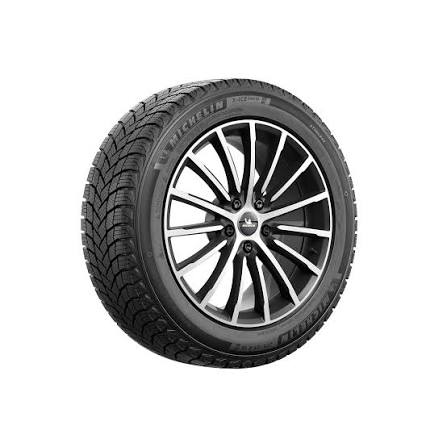
- EverGrip compound keeps sipes sharp even at 50% tread depth
- Backed by a 40,000-mile treadwear warranty when rotated on schedule
- Cabin noise stays close to all-season tire levels at highway speed
- V-shaped grooves clear slush without the tire feeling floaty on wet pavement
- Sidewall construction resists curb rash better than most competitors in this guide
- Performs consistently whether the Kona is loaded with cargo or driven solo
- Costs roughly 30-40% more than budget-tier winter tires
- Steering feels softer than all-seasons once temperatures climb above 50°F
- Not studdable, so drivers wanting metal-stud ice insurance need a different tire
- Harder to find in stock during peak season compared to budget competitors
Continental VikingContact 7
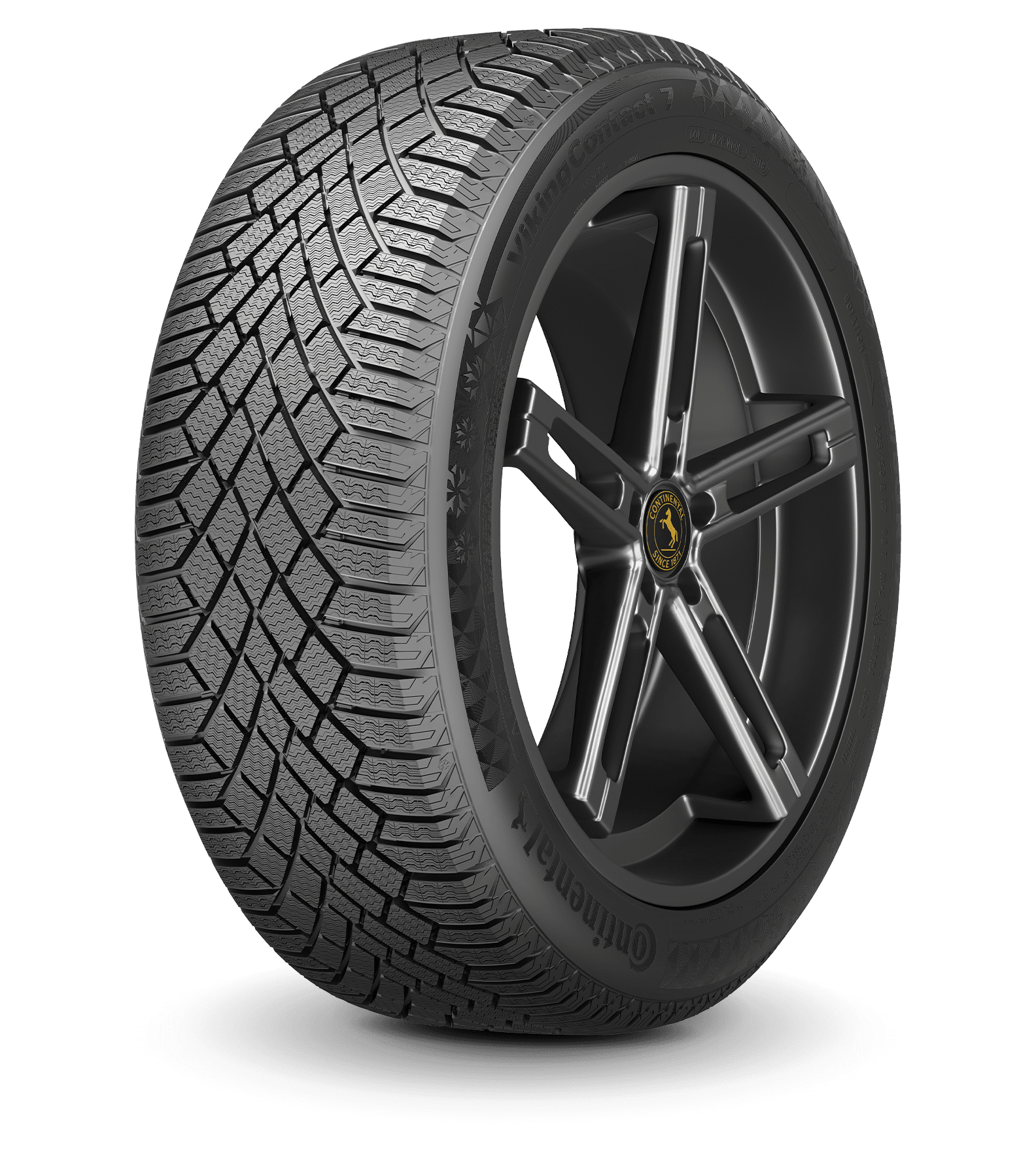
- Nordic silica compound stays flexible in sub-zero cold snaps
- Independent testing places its ice-braking distances among the shortest in class
- Asymmetric tread holds a stable line on wet freeway on-ramps
- Interlocking tread blocks reduce squirm during hard cornering
- Consistent grip carries through partial freeze-thaw cycles without a noticeable drop-off
- Sidewall stiffness helps the Kona feel planted during highway lane changes in snow
- One of the priciest studless winter tires sold for the Kona
- Aggressive drivers report tread wear closer to average than class-leading
- Not always in stock in every Kona-fitting size without a special order
- Feels slightly firmer over rough pavement than the softer Michelin compound
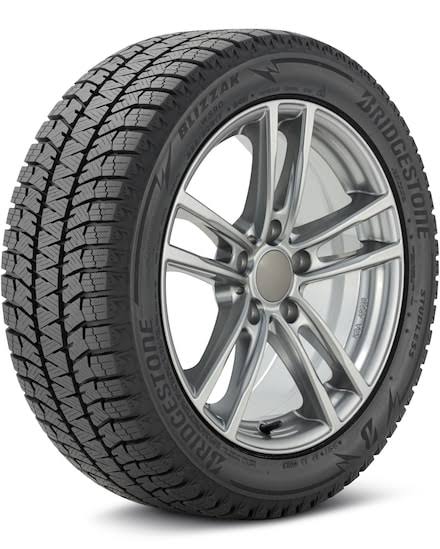
Bridgestone Blizzak WS90
- Multi-cell compound wicks the water film off ice for direct rubber contact
- Owners report even wear across all four corners past 15,000 miles
- Wide grooves handle standing slush without hydroplaning
- Sold in every common Kona fitment, so replacements are easy to find
- Owner forums cite consistent traction well into a tire’s third winter season
- Handles repeated freeze-thaw pothole impacts without chunking at the shoulder
- Road noise climbs noticeably once tread wears past the halfway mark
- Deep, loose slush grip trails directional tread designs slightly
- Directional slush performance trails Michelin’s V-groove design in standing water
- Mid-pack pricing sits above the Cooper and Firestone budget options
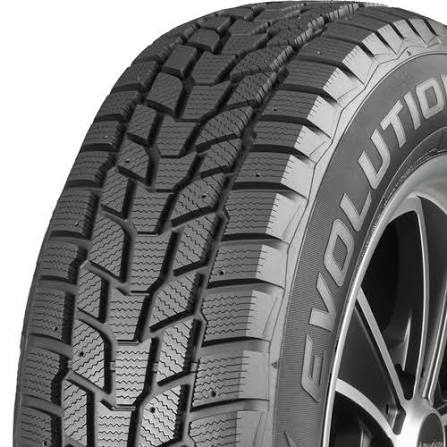
Cooper Evolution Winter
- Dense siping delivers real ice bite for a sub-$400 set of four
- Carries the 3PMSF severe-snow rating, not just an “M+S” stamp
- Accepts studs where local law allows for extra ice insurance
- Directional tread channels fresh powder and slush effectively
- Widely stocked at national tire chains, so replacements are easy to source
- A four-tire set typically costs less than a single premium tire from this guide
- Highway drone becomes noticeable above 60 mph
- Tread wears faster than premium tires if driven on warm, dry pavement often
- Sidewall flex feels softer than premium tires, so cornering feels less precise
- Tread life tends to fall short of the 30,000-mile mark under daily use
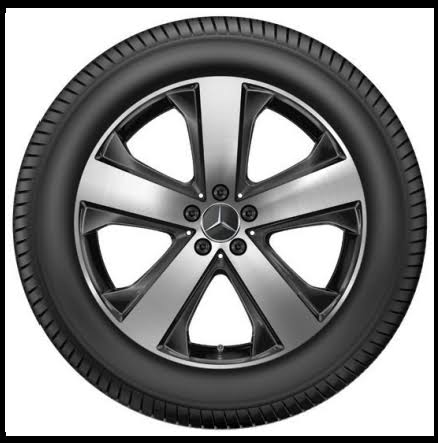
Pre-Mounted Winter Wheel & Tire Package
- Bolt-on install takes under 45 minutes with a jack and torque wrench
- Steel wheels resist road-salt corrosion better than the factory alloys
- Tires arrive pre-balanced, skipping the shop’s mount-and-balance fee twice a year
- Correct bolt pattern and offset guaranteed for Kona fitment
- Keeps your factory alloy wheels free of salt corrosion and curb damage all winter
- Eliminates the risk of a shop mismatching tire brands or sizes on install day
- Higher upfront cost than buying loose tires alone
- TPMS sensors are often sold separately, so the dash light may stay on
- Adds noticeable weight versus alloy wheels, slightly affecting fuel economy
- Steel wheels lack the styling of the Kona’s factory alloy option
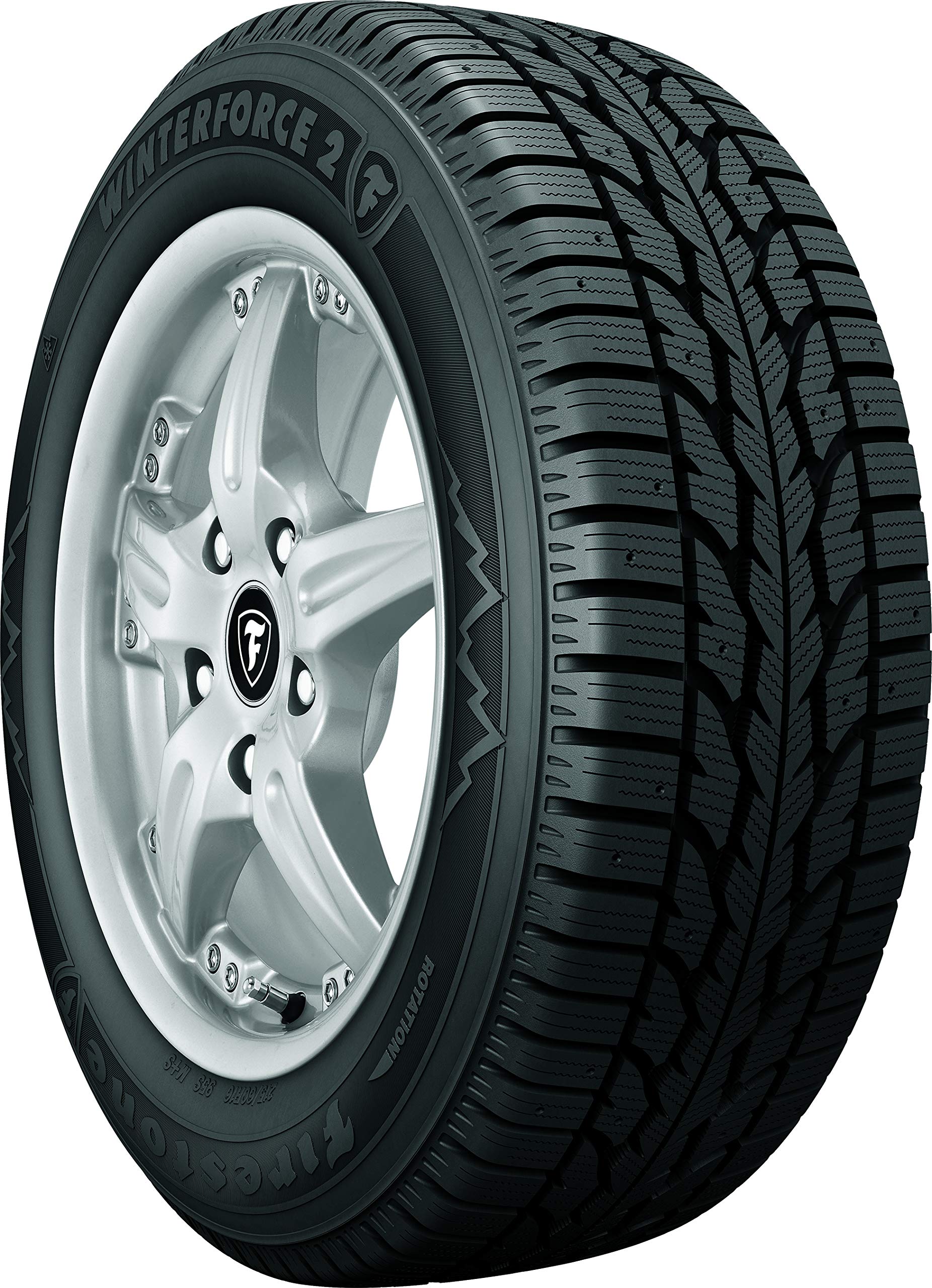
Firestone Winterforce 2
- Aggressive open tread throws loose snow clear instead of packing it in
- Pinned for TSMI #12 studs where winter driving laws permit them
- Reinforced shoulder blocks keep cornering stable in rutted snow
- Lowest price point of any 3PMSF-rated tire in this guide
- Rural owners report the tire clears unplowed driveways other tires get stuck in
- Reinforced casing shrugs off frost-heaved gravel roads better than street-focused tread designs
- Loud drone on cleared or dry highway stretches
- Tread wears quickly if driven on bare pavement above 40°F for long stretches
- Ride comfort on rough pavement is stiffer than studless competitors in this guide
- Unstudded ice grip lags behind the Continental and Michelin options here
Can’t Decide?
Our Top 2 Picks — Head to Head
Both are excellent winter tires for a Hyundai Kona, but they solve slightly different problems depending on your local weather pattern and how many miles you put on between November and March.
- EverGrip compound holds ice grip through 50% tread wear
- Quietest ride of any tire in this guide
- 40,000-mile treadwear warranty backs long-term value
- Low rolling resistance helps offset the winter-tire fuel economy penalty
- Shortest ice-braking distances in independent testing
- Nordic compound stays flexible in deep-freeze cold snaps
- Confident grip on wet, freeze-thaw pavement
- Asymmetric tread stabilizes lane changes on slushy on-ramps
How to Choose Winter Tires for Your Hyundai Kona
Six factors that actually matter before you buy a winter tire for your Kona — not generic tire-shopping advice recycled from a general buying guide.
Match Your Kona’s Factory Tire Size
Your Kona left the factory wearing 205/60R16, 215/55R17, or 235/45R18 tires depending on trim. Check the sticker inside the driver’s door jamb before ordering. Many owners intentionally downsize to the narrower 205/60R16 for winter — a taller sidewall bites through snow better, rides softer over frost heaves, and costs less to replace every few seasons. It also lowers the tire’s overall diameter slightly, which some owners find speeds up snow shedding.
Confirm the 3PMSF Severe-Snow Rating
Not every “all-weather” tire actually qualifies as a winter tire. Look for the three-peak mountain snowflake symbol molded into the sidewall — it means the tire passed independent severe-snow traction testing, unlike tires that only carry an “M+S” stamp based on tread pattern alone rather than lab-verified performance data. Run a finger over the sidewall if you can’t see it clearly in a listing photo.
Loose Tires vs. a Pre-Mounted Package
Buying tires alone means a shop visit twice a year to mount, balance, and dispose of the old set — typically $20-$30 per tire each way. A pre-mounted steel wheel package costs more upfront but turns the seasonal swap into a 45-minute driveway job, often paying for itself within two winters of skipped labor fees. It also protects your factory alloys from salt exposure all season long.
Check the Treadwear Warranty
Some manufacturers, like Michelin, back their winter tires with a mileage warranty — 40,000 miles for the X-Ice Snow — provided you rotate on schedule and keep records. Budget tires rarely offer this. A warranty signals the manufacturer expects the compound to hold up over multiple seasons rather than one hard winter, so it’s worth factoring into the total cost comparison.
Studdable vs. Studless
Metal studs improve grip on glare ice but are restricted or banned in several states and provinces during certain months. Confirm local rules before choosing a studdable tire like the Winterforce 2 or Evolution Winter. In most urban settings, a premium studless tire matches stud-level ice grip without the extra noise, and it won’t chip up bare pavement between storms.
Budget for a Post-Install Alignment
An alignment that’s drifted even slightly will chew through the soft compound of a winter tire faster than a harder all-season tire. If it’s been more than a year since your last alignment, get one when you mount winter tires — it protects the tread and keeps the Kona tracking straight on ice instead of pulling toward the shoulder during a white-knuckle commute.
Pro Tips
Quick Buying Checklist for Hyundai Kona Owners
Swap to winter tires once temps drop below 45°F consistently — rubber compounds harden and lose grip fast above that threshold, even on dry roads.
Never mix winter and all-season tires — always run four matching winter tires, not two, to avoid dangerous handling imbalances.
Downsize to 205/60R16 steel wheels for winter; the narrower, taller sidewall improves snow bite, ride comfort, and pothole absorption.
Check tire pressure monthly all winter — cold air drops roughly 1 PSI per 10°F temperature decline, which affects handling.
Book a post-install alignment if your last one was more than a year ago, before you mount new winter rubber.
Store off-season tires in a cool, dry space away from direct sunlight to prevent compound hardening over the summer.
Verify TPMS sensor compatibility before ordering a pre-mounted wheel package, or budget separately for new sensors.
Rotate winter tires at the halfway point of the season to even out wear across all four corners.
Ask about a tire storage service at the shop that mounts your tires if your garage space is tight.
Keep your receipt and DOT codes handy — treadwear warranty claims usually require proof of purchase and rotation history.
Frequently Asked Questions About Kona Winter Tires
What size winter tires fit a Hyundai Kona?
The Kona accepts 205/60R16, 215/55R17, and 235/45R18 depending on trim level and model year. Check your door jamb sticker for the exact factory size before ordering. Many owners downsize to 205/60R16 on 16-inch steel wheels for better snow traction, a cushier ride, and lower replacement cost each season.
Which winter tire is quietest for the Hyundai Kona?
The Michelin X-Ice Snow and Continental VikingContact 7 consistently earn praise for low road noise, thanks to tread patterns designed to minimize hum on dry highways at commuting speeds. Budget tires like the Cooper Evolution Winter and Firestone Winterforce 2 run noticeably louder above 60 mph.
Are studded winter tires better for a Kona?
Studs improve grip on hard-packed and glare ice, but they add road noise and accelerate wear on bare pavement between storms. Rural drivers facing persistent ice do well with a studdable option like the Firestone Winterforce 2. In cities, premium studless tires like the VikingContact 7 often match stud-level ice grip.
How long do winter tires last on a Hyundai Kona?
Typical tread life runs 20,000 to 40,000 miles, depending on driving style, ambient temperature, and how much dry pavement the tires see. The Michelin X-Ice Snow frequently reaches the higher end of that range, while budget winter tires may only last two to three seasons under moderate daily use.
Can I install winter tires myself?
Yes, if you buy a pre-mounted wheel and tire package — you just need a jack, lug wrench, and torque wrench to bolt it on and torque the lug nuts to spec. Mounting a bare tire onto an existing wheel requires a tire machine and balancer, so that job still belongs at a shop.
Do winter tires affect fuel economy on a Kona?
Winter tires typically carry higher rolling resistance than all-season rubber, so expect a modest 1-3 mpg drop during the cold months. The Michelin X-Ice Snow uses a low-rolling-resistance design specifically to minimize this fuel economy penalty compared to other studless winter tires in this guide.
Is the Blizzak WS90 a good winter tire for a Kona?
Yes — the Blizzak WS90 delivers durable ice traction and resists uneven wear better than most competitors in this guide. Kona owners who drive high winter mileage appreciate its long-lasting grip, though it does get noisier as the tread wears down over multiple seasons of use.
What’s the real difference between the Michelin X-Ice Snow and the Cooper Evolution Winter?
The X-Ice Snow costs more but delivers a quieter ride, longer tread life, and a manufacturer treadwear warranty. The Evolution Winter trades some comfort and longevity for a much lower purchase price. Low-mileage winter drivers save real money with Cooper; daily commuters get more long-term value from Michelin’s durability.
Final Verdict
Our Top Recommendations for 2026
For most Hyundai Kona owners, the Michelin X-Ice Snow earns its higher price with balanced ice grip, a quiet ride, and a treadwear warranty that stretches its value across multiple seasons. Budget-focused drivers get real snow security from the Cooper Evolution Winter, while anyone who’d rather skip shop visits can bolt on a pre-mounted wheel package instead and handle the seasonal swap themselves. Whichever option fits your driveway and your budget, matching the right tire to your actual winter conditions matters more than chasing the highest score on paper.