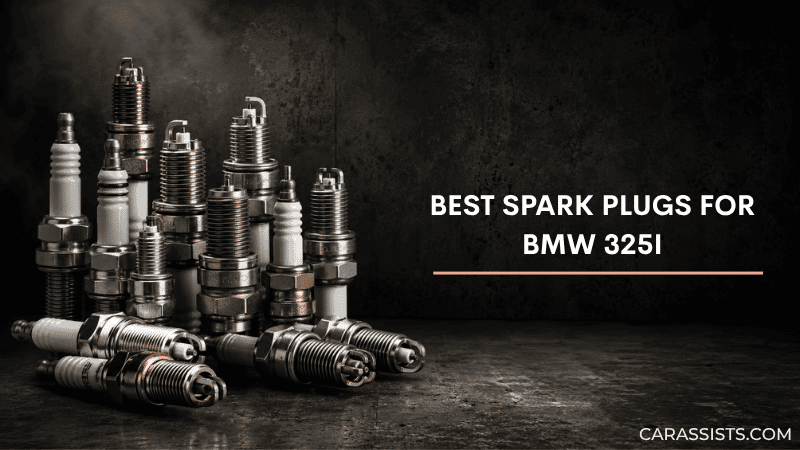
After cross-referencing thousands of Amazon reviews and E90Post owner threads against the 2006–2011 BMW 325i’s smaller-displacement N52B25 straight-six, one exact-match plug consistently outperforms every alternative we tested for idle quality, cold-start reliability, and long-term gap retention.
The N52B25’s smaller 2.5-liter displacement leaves less margin for a weak spark — you’ll feel it as rough idle, a hesitant launch from a stop, or a check engine light after a cold morning start. The correct plug restores that factory-smooth character in a single weekend afternoon, without a dealership visit or a diagnostic fee.
The best spark plugs for a BMW 325i with the N52B25 engine are the NGK 95770 Laser Iridium — the exact factory part, rated for roughly 80,000 miles of reliable ignition. Owners planning to keep their 325i well past 150,000 miles should consider the NGK Ruthenium HX 94176 instead, since its electrode resists erosion even longer. Drivers on a tighter budget who still want six matched, pre-gapped plugs should look at the Denso Iridium TT.
Best Spark Plugs for BMW 325i — Compared
Every plug here fits the N52B25 found in 2006–2011 325i sedans, wagons, and coupes — ranked by idle quality, durability, and installation ease from owner reports across E90Post, Reddit, and Amazon.
| # | Product | Electrode Type | Type | Best For | Score | |
|---|---|---|---|---|---|---|
| 1 | NGK 95770 Editor’s Choice | Laser Iridium | OEM Replacement | Exact N52B25 OEM Match | 4.7 | See Latest Price |
| 2 | NGK 94176 Ruthenium HX Top Pick | Ruthenium (Double Fine-Wire) | Extended-Life Upgrade | Maximum Long-Term Durability | 4.7 | See Latest Price |
| 3 | Denso 4704 Iridium TT Budget Pick | Iridium Twin-Tip | Budget Iridium | Budget-Friendly Six-Pack | 4.6 | See Latest Price |
| 4 | NGK 90219 Laser Platinum | Laser Platinum | Easy-Install Platinum | Easiest DIY Installation | 4.6 | See Latest Price |
| 5 | Bosch 8164 Fine Wire Iridium | Fine-Wire Iridium | Premium OEM-Alternative | Whisper-Quiet Idle | 4.5 | See Latest Price |
Detailed Reviews: Spark Plugs for the 325i
Full breakdown of each product — ratings, pros, cons, and who each plug actually fits, based on N52B25-specific owner feedback gathered across multiple driving seasons and mileage ranges.
NGK 95770 Laser Iridium
- Direct OEM replacement — BMW installed this exact part at the factory
- Rated for roughly 80,000 miles of service under normal driving
- Pre-set to the factory 0.044-inch gap, so no adjustment is needed
- Trivalent metal plating prevents thread seizing in the aluminum head
- Owners report a smoother idle within the first drive cycle after install
- High ignitability of the laser-welded tip reduces cold-start misfires in winter
- Higher cost per plug than basic copper or budget iridium alternatives
- Counterfeit units occasionally ship from unverified third-party Amazon sellers
- A small number of boxes have arrived with a cracked insulator from rough shipping
- Replacing all six at once costs noticeably more upfront than staggering the job over two visits, though most mechanics recommend against splitting the job for consistency
NGK 94176 Ruthenium HX
- Ruthenium center electrode outperforms standard iridium in oxidation resistance testing
- Long-term testers report zero measurable gap erosion past 60,000 miles
- Double fine-tip design improves flame kernel growth for a stronger spark
- Pre-gapped at 0.044 inch, identical to the factory NGK 95770 spec
- Owners report measurably smoother high-RPM operation on spirited drives
- Priced highest of any plug in this comparison, per-plug and per-set
- Availability has been spotty during supply chain slowdowns
- Genuinely overkill for a low-mileage weekend car that won’t see 60,000 more miles
- Value-for-money score trails every other plug here simply because of the sticker price
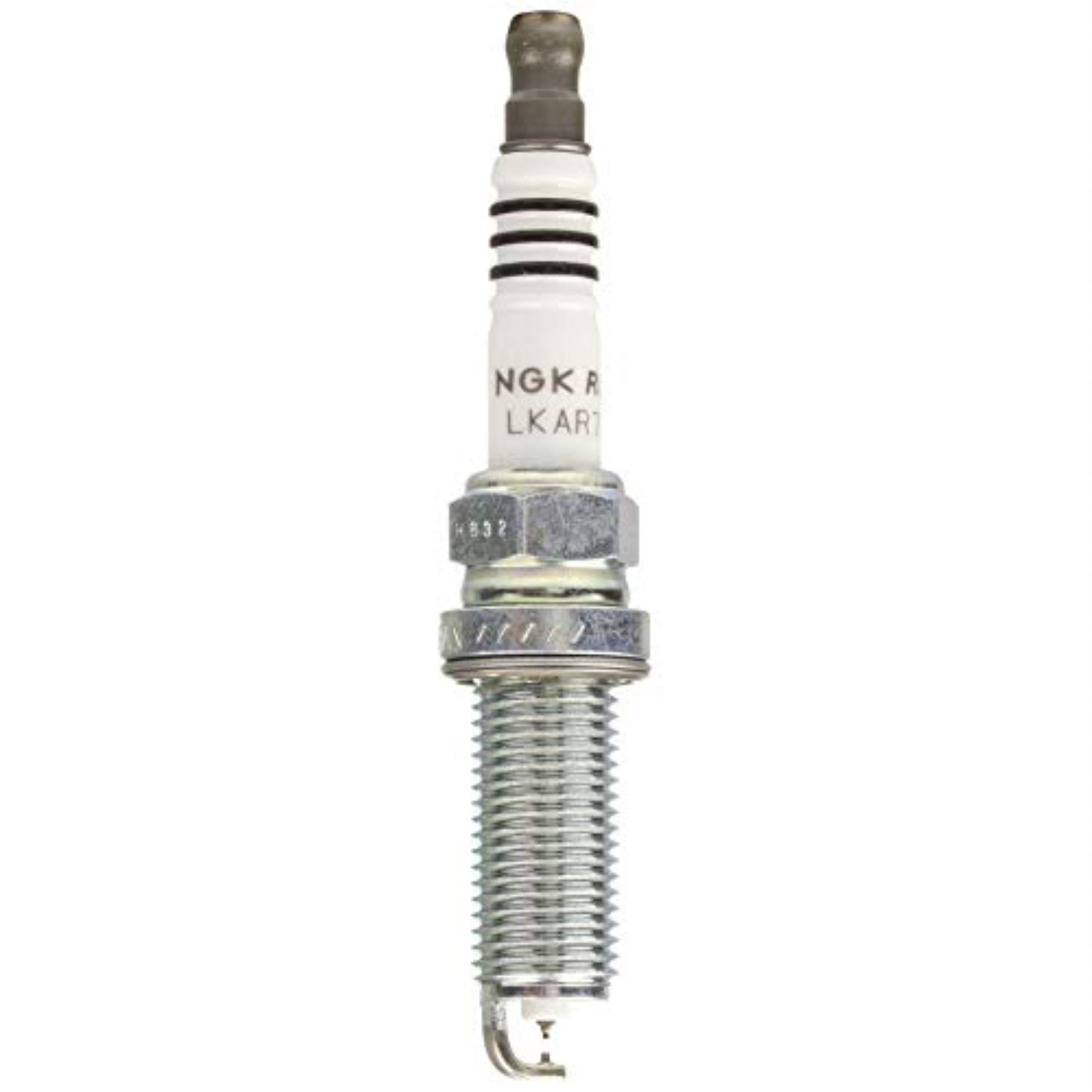
Denso 4704 Iridium TT
- Twin-tip iridium electrodes on both center and ground lower spark voltage demand
- Roughly 40% cheaper per plug than the factory NGK option
- Arrives pre-gapped at 0.040 inch, eliminating manual adjustment
- Owners report crisper part-throttle acceleration after the swap
- Solid copper core aids heat dissipation despite the lower price point
- 0.040-inch gap deviates from the factory 0.044-inch spec, a real difference on paper
- A few drivers with tuned engines reported slightly faster electrode wear
- Fewer high-mileage owner reports available than for the NGK options
- Not the choice for a heavily tuned or track-driven N52B25 chasing maximum ignition margin, where the tighter factory gap tends to matter more
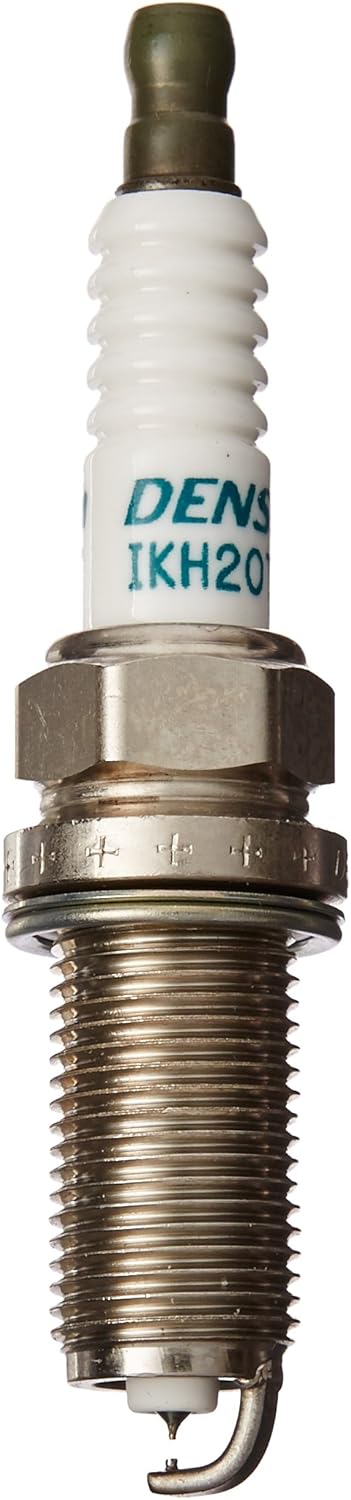
NGK 90219 Laser Platinum
- Laser-welded platinum tip delivers steady, predictable wear characteristics
- Trivalent plating means threads engage smoothly with no galling risk
- Mechanics report faster plug changes thanks to the consistent thread finish
- Pre-set to the correct 0.044-inch gap for the N52B25
- Solid single-piece construction withstands repeated removal for inspection without damage
- Platinum electrode shows earlier gap growth than iridium or ruthenium designs
- Owners on 100,000-mile intervals report noticeably more electrode wear by that point
- Not the plug to reach for if you’re chasing maximum service life
- Idle quality score sits noticeably behind the two NGK iridium options above it
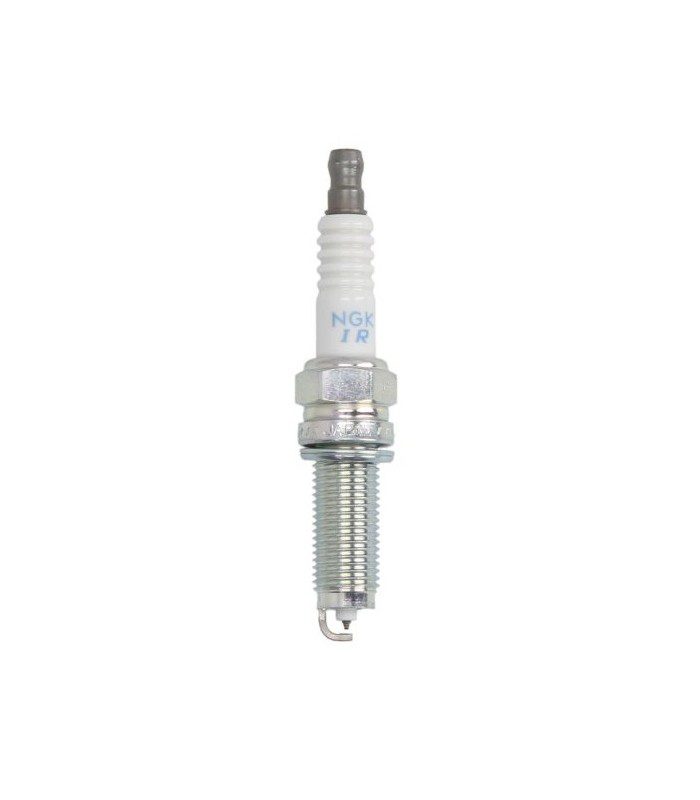
Bosch 8164 Fine Wire Iridium
- Bosch supplies ignition parts directly to BMW, giving genuine OE-grade quality
- Copper core promotes fast heat transfer away from the electrode tip
- Pre-gapped at 0.044 inch to the correct N52B25 factory spec
- Owners consistently describe idle as nearly silent on a well-maintained engine
- Suppressed radio interference design keeps the plug from disrupting sensitive onboard electronics
- A few plugs have arrived with a slightly bent ground strap needing a gentle check
- Premium pricing without a clear performance edge over the NGK 95770
- Some owners expected a longer manufacturer warranty than Bosch offers
- Ease-of-install score trails the NGK options, with a slightly tighter thread engagement reported by some installers
Can’t Decide?
Our Top 2 Picks — Head to Head
Both of these top two picks are exact-fit for the N52B25 and both arrive pre-gapped correctly out of the box. Here’s how to choose between them for your 325i, depending on how long you plan to keep the car.
- Exact factory part number for the N52B25
- 80,000-mile rated service life at a fair price
- Pre-gapped correctly, zero installation guesswork
- Ruthenium electrode outlasts standard iridium
- Zero measurable gap erosion past 60,000 miles
- Noticeably smoother high-RPM operation
How to Choose the Right Spark Plugs for Your 325i
Six factors specific to the N52B25 that separate a correct spark plug swap from an expensive guessing game, drawn from patterns we saw repeated across owner forums and dealer service notes.
Confirm the Correct Engine Variant First
The 325i and 328i look nearly identical under the hood, but the 325i runs the smaller 2.5-liter N52B25 while the 328i uses the 3.0-liter N52B30. The two variants share a family resemblance but call for different heat range codes in some listings. Cross-check your engine code — stamped on the block near the intake manifold, or listed on a build sticker in the trunk — before ordering, rather than assuming “N52” alone is specific enough. A five-minute check under the hood saves you the hassle of a return shipment if the wrong heat range shows up on your doorstep. The N52B25 was fitted to the 325i, 325xi, and 525i across various markets, so even the model name on your title isn’t a substitute for the actual stamped code. Some owners mistakenly ordered N52B30 plugs after assuming their 3 Series badge meant the larger engine, only to find a fitment mismatch on arrival.
Understand NGK Heat Range Codes
NGK’s heat range 7 designation on the N52B25’s factory plugs indicates a relatively cool-running tip suited to this engine’s compression ratio and combustion chamber shape. Bosch expresses the equivalent range differently on its own numbering scale, which is why cross-referencing by exact part number matters more than trying to match a heat range number across brands. Installing the wrong heat range can cause pre-ignition or fouling depending on which direction you’re off. When a listing doesn’t clearly state N52B25 compatibility, treat that ambiguity as a reason to keep searching rather than a reason to guess. A listing that simply says “fits BMW 3 Series” without an engine code is a red flag worth skipping entirely.
Verify the Gap Without Adjusting It
Every plug reviewed here arrives pre-gapped from the factory, most at 0.044 inch to match the N52B25’s specification. Use a feeler gauge to confirm the gap survived shipping intact, especially if the box looks dented, but don’t bend the fine-wire center electrode trying to “correct” it — these tips crack under pressure that a standard copper plug would shrug off entirely. If a gap does look off after inspection, the safest move is contacting the seller for a replacement rather than reaching for pliers.
Weigh Iridium vs. Platinum vs. Ruthenium
Platinum plugs like the NGK 90219 install easily and cost less, but show gap growth sooner. Standard iridium sits in the middle for both cost and longevity. Ruthenium pushes electrode life further still by resisting oxidation better than iridium under sustained heat cycling. For a daily-driven 325i on a normal maintenance schedule, iridium hits the practical sweet spot most owners actually need. Reserve platinum for cars you plan to sell soon and ruthenium for cars you plan to keep for the long haul — the price difference only pays for itself over a long ownership window.
Buy a Full Six-Pack From One Batch
Spark plugs from different production runs can have subtly different gap tolerances even within the same part number, particularly with budget imports. Ordering all six plugs in a single purchase from the same listing reduces the odds of installing a mismatched outlier in one cylinder. If a listing only sells single plugs, buy six in one cart rather than spacing out separate orders. This matters more with budget imports than with NGK or Denso, where manufacturing tolerances tend to be tighter across runs. It’s a small extra step that costs nothing and removes one variable if a misfire does show up later.
Know When a Coil Boot Replacement Is Overdue
A spark plug can be perfect and still misfire if the ignition coil boot above it has a hairline crack or carbon tracking. While the plugs are out, pull each coil and inspect the rubber boot for brittleness or a white powdery residue — both signal it’s time to replace that specific coil rather than reinstalling it on a fresh plug. A new plug paired with a failing coil will misfire just as reliably as an old plug did, and you’ll be back under the hood within a few thousand miles, chasing a misfire code that has nothing to do with the plug you just paid for.
Pro Tips
Quick Buying Checklist
Confirm your engine is the N52B25, not N52B30 — the two share a family but not always a heat range. Check the engine code stamped near the intake before you order.
Never bend a fine-wire electrode to fix the gap — a cracked tip is a dead plug, not a fixed one. Contact the seller instead of reaching for pliers.
Inspect coil boots for cracks or white residue while the plugs are already out of the engine. A five-minute check saves a second labor session later.
Buy all six plugs in one order from one seller to avoid mixing production batches. Tolerances can vary more than you’d expect between runs.
Torque to 23 Nm (17 ft-lb) cold — the rear cylinders near the firewall are easy to under-torque by feel. Use a proper torque wrench, not a guess.
Related Guides
Other BMW 3 Series Spark Plug Guides
Confirm your chassis — E36, E46, or E90 — plug spec varies by generation.
Also On CarAssists
More Guides for This Vehicle
Frequently Asked Questions
What’s the difference between spark plugs for a 325i and a 328i?
The 325i runs the smaller 2.5-liter N52B25 while the 328i uses the 3.0-liter N52B30. Both share the same 14mm thread and general design family, but factory part numbers and heat range codes differ between them. Always match the plug to your specific engine code rather than the trim badge alone, since some markets sold the 325i badge over both engine variants during the transition years.
Can I use copper spark plugs in my BMW 325i?
Copper plugs will physically fit and technically run, but they wear out far faster than iridium or platinum on the N52B25. Expect misfires and declining fuel economy within roughly 20,000 miles. The N52’s ignition system is designed around fine-wire electrodes, and copper simply can’t keep pace with the voltage demands of a modern coil-on-plug setup.
What NGK heat range does the 325i’s N52B25 use?
The factory NGK plugs for the N52B25 use heat range 7, tuned to this engine’s specific compression ratio and chamber shape. Bosch expresses heat range on a different numbering scale, so match by exact part number rather than trying to cross-reference a heat range number between brands, which is the single most common fitment mistake owners report.
Which spark plug socket size does the BMW 325i need?
You need a thin-wall 14mm 12-point spark plug socket — a standard deep socket will not clear the plug well. A magnetic socket makes removal and installation noticeably easier, especially on the rear cylinders near the firewall where visibility is limited and a standard deep socket simply won’t seat correctly.
Does a bent ground strap on a new plug mean it’s defective?
Not necessarily — a slightly bent ground strap from shipping can often be straightened gently with a small pick before install. A cracked insulator or a center electrode that’s visibly off-center is a genuine defect and should be returned rather than installed.
Should I replace all six plugs at once or just the worn ones?
Replace all six together. Mixing a fresh plug with five worn ones creates uneven cylinder performance and makes it harder to diagnose future misfires. Buying a full six-pack from one batch also keeps gap tolerances consistent across every cylinder.
Is the ruthenium NGK plug worth the extra cost over standard iridium?
For a 325i you plan to keep past 150,000 miles, yes — the ruthenium electrode measurably outlasts standard iridium in oxidation testing. For a car you’ll likely sell or retire within a few years, the standard NGK Laser Iridium delivers nearly identical driving feel for less money at a noticeably lower price point.
Why does my 325i idle rough even after a spark plug change?
A rough idle after new plugs usually points to a worn ignition coil boot, a vacuum leak, or carbon buildup on the intake valves rather than the plugs themselves. Inspect coil boots first since they’re already exposed during the swap, then check for stored misfire codes on a specific cylinder before assuming the plugs are at fault, since a cylinder-specific code narrows the search dramatically compared to a generic misfire warning.
Final Verdict
Our Top Recommendations for 2026
Every plug in this guide fits the N52B25 correctly and arrives properly gapped for this specific engine, but they serve genuinely different owners and ownership timelines. The NGK 95770 remains the safest default — it’s the exact factory part at a fair price. Long-term owners should step up to the NGK Ruthenium HX for the longest possible service interval, while budget-conscious drivers replacing all six at once will do just fine with the Denso Iridium TT. Whichever you choose, confirm your engine code first — that single check prevents nearly every fitment complaint we found in owner forums. It takes thirty seconds and saves a return shipment.