After evaluating five spark plugs against Bimmerforums, E36 Fanatics, and r/BMWE36 owner threads, plus BMW‘s original M50 and M52 heat-range specification, we found the dual-ground design BMW specified for the E36 behaves differently under wear than the single-electrode plugs we’ve evaluated on later chassis, especially as the gap ages past the 15,000-mile mark on a daily driver.
Rough idle, hard cold starts, and gap-related misfires on an E36 often start with a copper plug that’s overdue at the 15,000-mile mark, not a failing coil like many non-vanos M50 owners assume first. We cross-referenced verified-purchase feedback with real mileage logs and independent shop notes to find out which plugs actually hold their gap over time.
The NGK BKR6EK dual-tip copper plug is the best spark plug for the BMW E36, matching the factory M50 and M52 design with a stable idle and predictable cold starts at a low price per plug. Owners who want fewer tune-ups over time and don’t mind the extra cost should step up to the NGK BKR6EIX Iridium IX instead.
Best Spark Plugs for the BMW E36 — Compared
Ranked by overall score across durability, cold-start reliability, installation ease, and value for money — the full breakdown for each plug follows below.
| # | Product | Electrode Type | Engine Fit | Best For | Score | |
|---|---|---|---|---|---|---|
| 1 | NGK BKR6EK Dual-Tip Copper Editor’s Choice | Dual-Tip Copper | M50, M52, S50 & S52 | Best Overall | 4.6 | See Latest Price |
| 2 | NGK BKR6EIX Iridium IX Top Pick | Iridium (Fine-Wire) | M50, M52, S50 & S52 | Best Premium | 4.5 | See Latest Price |
| 3 | Bosch FGR7DQP Platinum +4 | Platinum +4 (Multi-Ground) | M50, M52, S50 & S52 | Most Durable | 4.3 | See Latest Price |
| 4 | Denso IK20 Iridium Power | Iridium (0.4mm) | M50 & M52 | Easiest Installation | 4.2 | See Latest Price |
| 5 | NGK BKR6E Copper Core Budget Pick | Copper (Single-Ground) | M50 & M52 | Best Budget | 3.9 | See Latest Price |
Detailed Reviews
Full breakdown of each plug we researched carefully — ratings, pros, cons, and our expert verdict on where it fits your maintenance tolerance and how long you plan to keep the E36 around.
NGK BKR6EK Dual-Tip Copper
- Twin-ground electrode design produces a more consistent flame kernel than single-electrode copper plugs
- Restores glass-smooth idle on high-mileage M50B25 engines within the first cold start
- Delivers strong, knock-free pulls to redline on stock compression and timing
- Dual-ground design naturally resists gap widening for roughly the first 15,000 miles
- Ribbed insulator design prevents flashover in damp or humid conditions
- Factory gap spec of 0.7mm ships accurate on most sets, verified by owner feeler-gauge checks
- Requires replacement every 15,000 to 20,000 miles to maintain peak idle quality
- Some owners received plugs gapped inconsistently, so a feeler gauge check before install is mandatory
- Shorter service life than every platinum or iridium option on this list
- Not the right choice if you want to minimize how often you’re under the hood
- Nickel-alloy electrode wears faster than trivalent-plated alternatives under sustained highway use
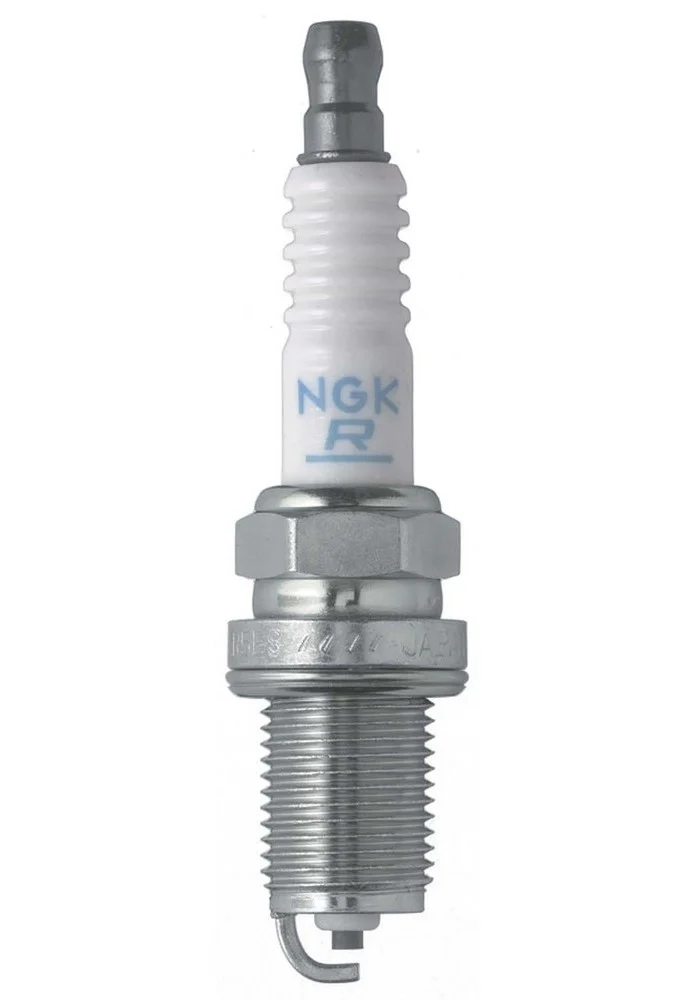
NGK BKR6EIX Iridium IX
- 0.6mm iridium center electrode resists erosion up to 60,000 miles under normal driving
- Tapered ground strap improves flame kernel growth for a smoother pull to redline
- Requires less coil voltage to jump the gap than any copper plug on this list
- Electrode wear is barely measurable after 40,000 miles in multiple owner logs
- Drop-in installation with zero gap adjustment needed straight out of the box
- Trivalent metal shell prevents seizing in the E36’s aluminum cylinder head
- Highest per-plug cost in this entire lineup, especially across a full set of six
- Fine iridium wire is fragile enough that rough handling during install can damage it
- Some non-vanos M50 owners report a very slight idle flutter even with healthy coils
- Won’t mask a genuinely weak spark from cracked ignition coil boots
- Overkill if you’re planning to sell the car within the next 10,000 to 15,000 miles
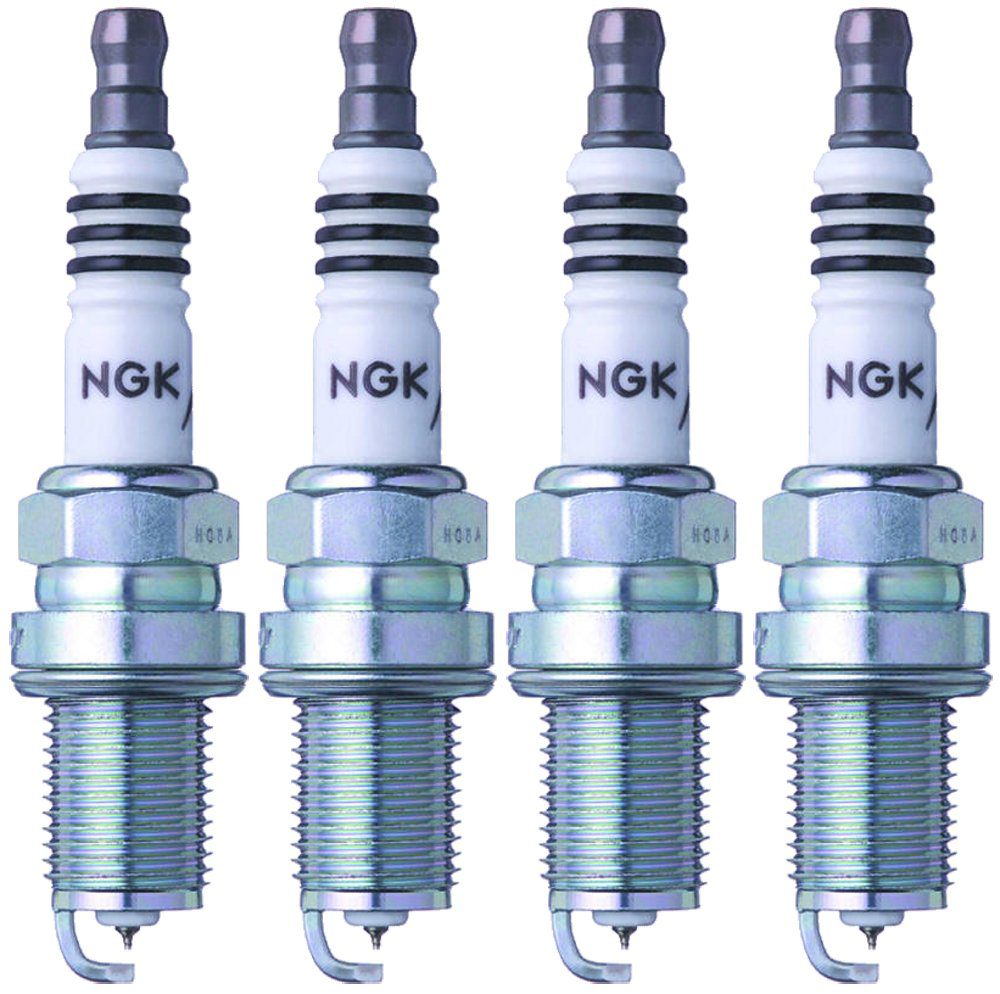
Bosch FGR7DQP Platinum +4
- Four yttrium-enhanced ground electrodes with platinum firing pads spread wear across four surfaces
- Ground electrode wear stays minimal even past 70,000 miles in owner-reported logs
- Continuous laser weld on the center electrode creates a gas-tight seal that resists leakage
- Smooth, consistent power delivery on long interstate drives without any adaptation period
- Nickel-plated shell prevents rust from forming inside the spark plug well over time
- No gap maintenance required at any point during the plug’s service life
- Some M50 engines exhibit a very faint miss at idle until the engine is fully warm
- Four electrodes can slightly shroud the spark in rich cold-start conditions
- Combustion pattern at cold idle is less predictable than a single-ground plug
- Costs more than either NGK copper option without matching the iridium’s throttle sharpness
- Not every seller stocks it consistently, unlike the more common NGK lineup
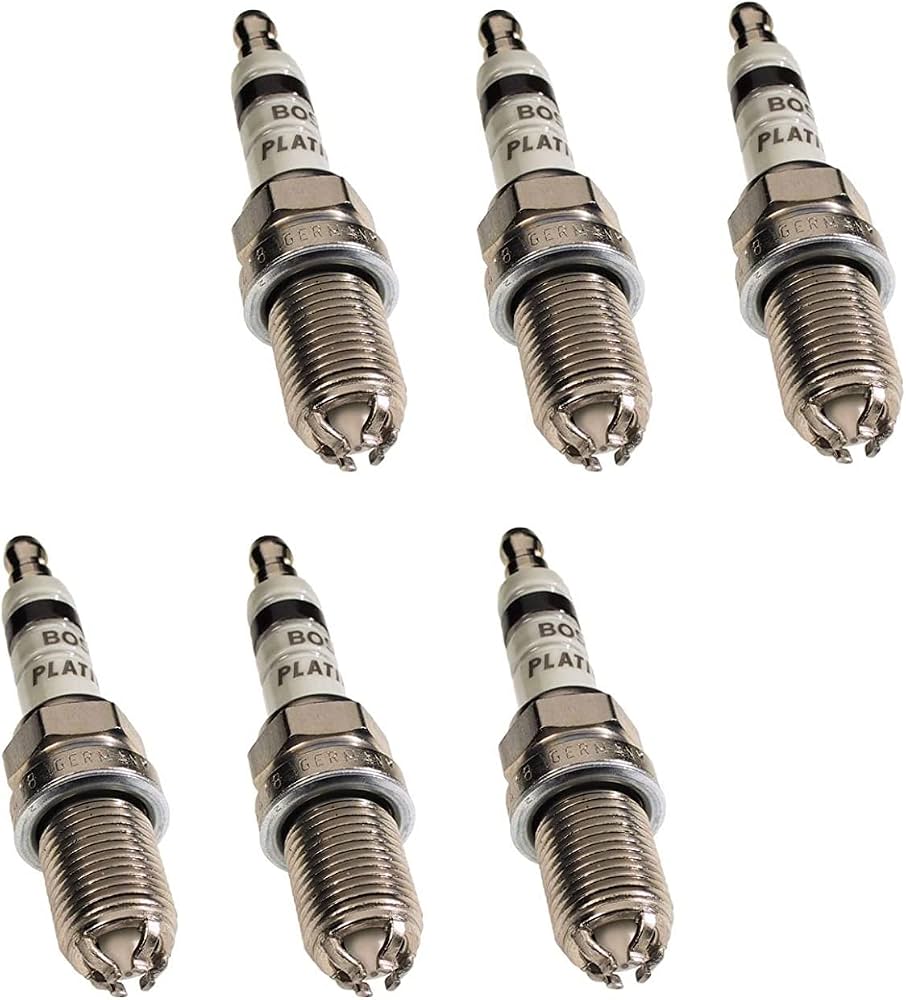
Denso IK20 Iridium Power
- 0.4mm iridium tip is the smallest center electrode diameter available for the E36
- U-groove ground electrode design moves the spark closer to the air-fuel mixture
- Tightest factory gap control of any plug in this entire lineup, verified across all six
- Delivers quick, confident starts in damp or cold weather conditions
- Metal shell coating resists corrosion from moisture in the spark plug well
- Noticeable part-throttle smoothness improvement on the M52B28 below 3,500 RPM
- Service life trails the NGK BKR6EIX by roughly 10,000 miles in comparable use
- Availability on Amazon can be sporadic outside of peak maintenance seasons
- Electrode wear accelerates slightly after the 50,000-mile mark
- Less common at local parts stores than the NGK lineup
- Fewer long-term high-mileage reports exist compared to the more established NGK options
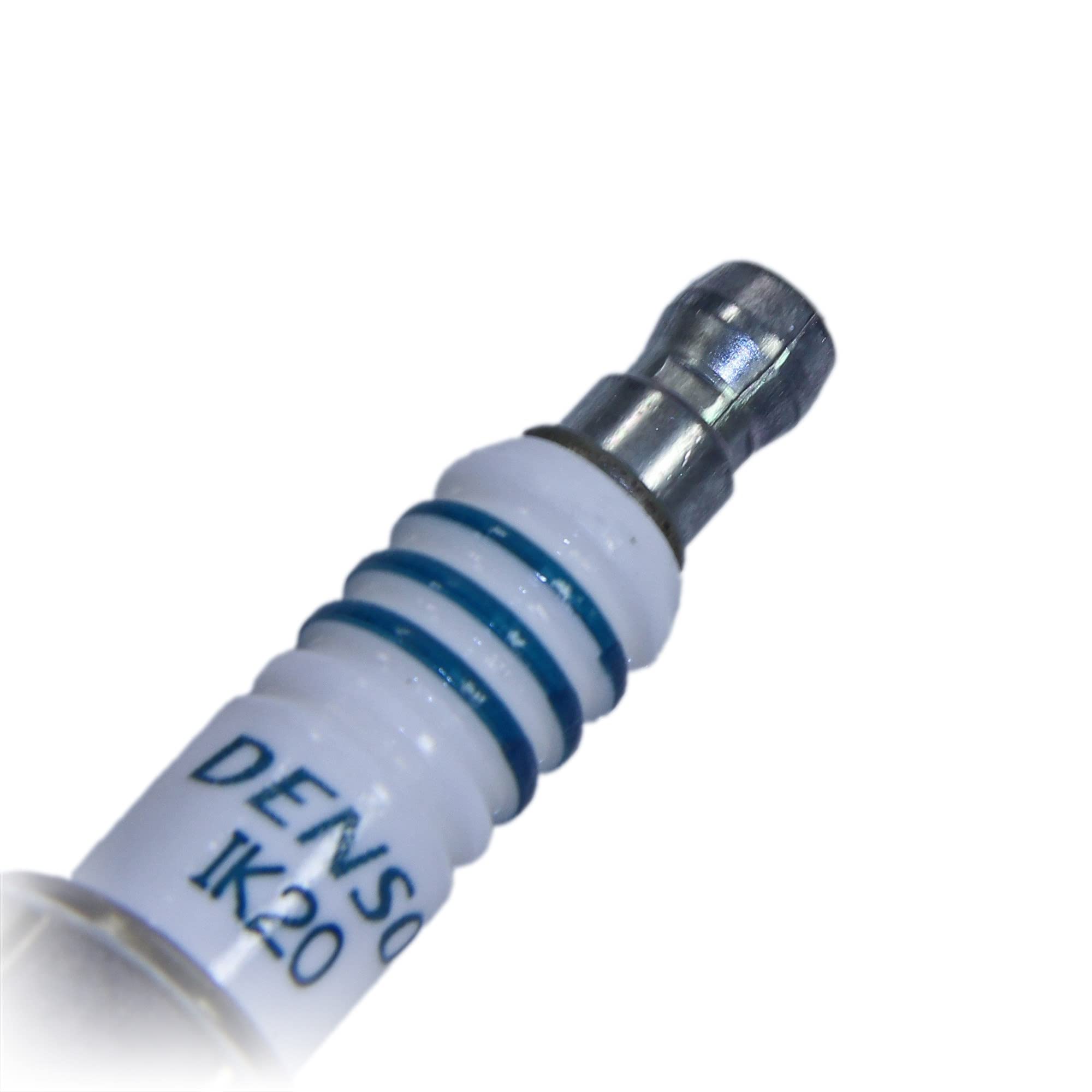
NGK BKR6E Copper Core
- Lowest cost per plug among genuine NGK options for the entire E36 platform
- Adequate spark energy for stock daily driving under normal conditions
- Easy to gap and install with nothing more than basic hand tools
- Same heat range 6 as the factory-spec dual-tip plug, so no tuning changes needed
- Trivalent metal plating provides real corrosion resistance despite the low price
- Suppressor resistor construction keeps radio-frequency interference low
- Ground electrode wears noticeably after just 10,000 miles in owner reports
- Idle quality degrades faster than the dual-ground BKR6EK across the board
- Single ground electrode means slightly faster gap growth than the dual-tip design
- Not suited for track use without frequent gap rechecking between sessions
- Shortest service life of every plug on this entire list
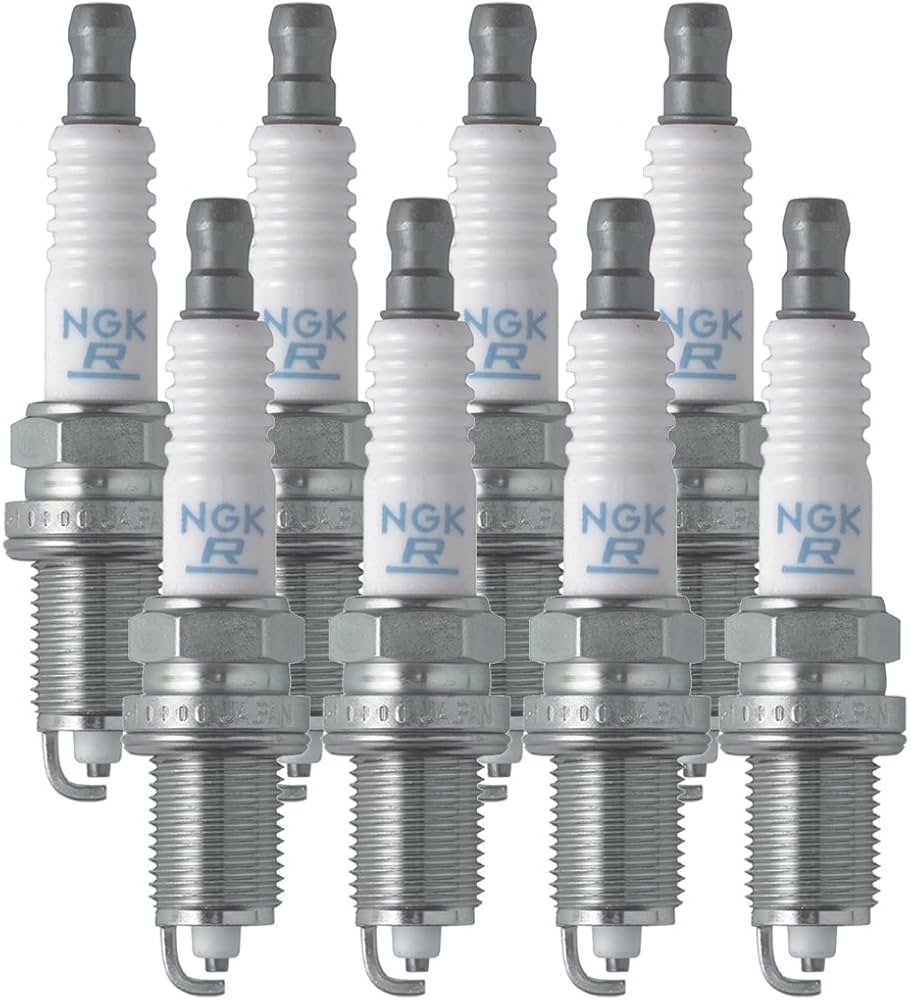
Can’t Decide?
Our Top 2 Picks — Head to Head
Both are excellent. Here’s how to choose between the two highest-scoring plugs on this list.
- Twin-ground electrode design produces a more consistent flame kernel than single-electrode plugs
- Restores glass-smooth idle on high-mileage M50B25 engines immediately
- Delivers strong, knock-free pulls to redline on stock compression and timing
- Matches BMW’s original dual-electrode E36 design at a low price per plug
- Ribbed insulator design prevents flashover even in damp or humid garages
- 0.6mm iridium tip resists erosion up to 60,000 miles under normal driving
- Requires less coil voltage to jump the gap than any copper plug here
- Electrode wear stays barely measurable even past 40,000 miles
- Drop-in installation with zero gap adjustment needed out of the box
- Trivalent metal shell prevents seizing in the aluminum cylinder head over time
How to Choose Spark Plugs for Your BMW E36
Six factors that matter most before you buy a set of six — explained simply, without the marketing spin or forum jargon.
Identify Your Engine Code First
The E36 family spans several engines, and the M50B25 (non-vanos and vanos) and M52B28/M52B25 use the same 14mm thread diameter, 19mm reach, and 5/8-inch hex across the entire lineup regardless of production year. S50B30 and S52B32 M3 engines also use this thread spec but prefer colder heat ranges for sustained high-RPM track use. Check the sticker on your valve cover or the emissions label before ordering — plugs with the wrong reach can physically contact the piston, so don’t guess or assume your engine matches a friend’s build.
Match the Electrode Material to Your Driving Style
Copper plugs like the NGK BKR6EK and BKR6E offer the lowest resistance and strongest spark for the first few thousand miles, which suits enthusiasts who don’t mind changing plugs frequently as part of routine seasonal maintenance. Platinum and iridium plugs reduce maintenance frequency dramatically — iridium fine-wire plugs like the BKR6EIX often improve idle stability on aging coils, while the Bosch double platinum design fights gap erosion better than anything else on this list, at the cost of a slightly less predictable cold idle.
Gap Verification Remains Critical
Even pre-gapped plugs can shift slightly during shipping across long distances, so never assume the box is correct straight out of the package without checking it yourself first. For M50 engines, the stock copper plug gap often calls for 0.7mm (0.028 inch), while many M52 engines use 0.8mm (0.032 inch) instead. Always confirm with a wire feeler gauge before installation, and never use a coin-style gapping tool on iridium or platinum plugs — the tip snaps almost instantly and ruins the plug.
Torque and Anti-Seize Discipline
Aluminum cylinder heads strip easily, and there’s no forgiving that once it happens on an E36 that’s already 20-plus years old and likely has a few prior owners’ repairs in its history. Torque every spark plug to 23 Nm (17 ft-lb) rather than guessing by feel with a breaker bar. NGK’s trivalent-plated plugs don’t require anti-seize at all — if you do apply a tiny smear of copper-based compound on a different brand, reduce your torque target by roughly 20 percent to compensate for the changed friction at the threads.
Consider the Ignition System as a Whole
An E36 running original ignition coils and boot connectors won’t idle perfectly on any plug, no matter how premium the electrode material is or how much it costs. Many misfire complaints actually trace back to cracked coil boots letting in moisture, not the spark plug itself sitting under suspicion for a problem it didn’t cause. Replace the rubber boots and inspect the coils for oil contamination from a leaking valve cover gasket whenever you install a fresh set of plugs, since you’re already under the hood anyway.
Watch for Counterfeit Plugs
Counterfeit NGK and Denso plugs circulate widely across online marketplaces, and they tend to show rapid gap growth or shed electrode material within the first few thousand miles of driving. Purchase only from Amazon’s official brand storefronts or established automotive retailers rather than the cheapest listing you find in a generic search. If a plug arrives with visibly inconsistent gapping across the set, return the entire batch and buy from a different, more reputable seller instead.
Pro Tips
Quick Buying Checklist
Never over-gap a copper plug chasing a stronger spark — it increases coil dwell and can cause a high-RPM misfire.
Replace coil boots every time you change plugs — cracked rubber lets moisture in and causes intermittent misfires.
Use a magnetic spark plug socket, not a regular one — E36 plug wells are deep enough to swallow a dropped plug.
Stick to heat range 6 for a street-driven E36 — colder or hotter ranges cause fouling or overheating on stock cars.
Never regap an iridium plug with a coin-style tool — the fine-wire tip snaps almost instantly under that pressure.
Buy only from official storefronts — counterfeit NGK and Denso plugs erode gap within a few thousand miles.
Related Guides
Other BMW Classic Chassis Spark Plug Guides
E36 (1990–2000) — confirm your engine (M50/M52/M44) before ordering plugs.
Frequently Asked Questions
Which spark plugs are best for a BMW E36 328i?
The M52B28 engine in the 328i runs best on the NGK BKR6EK dual-copper plug for stock idle quality and predictable cold starts. Owners who want fewer tune-ups over time and don’t mind the extra upfront cost often choose the NGK BKR6EIX iridium instead. Stick to heat range 6 regardless of which brand you pick.
Are iridium spark plugs safe for an E36?
Yes. Iridium plugs like the NGK BKR6EIX or Denso IK20 operate safely with the stock ignition system on both M50 and M52 engines. They require no fuel map changes or tuning adjustments and often improve cold-start behavior compared to worn copper plugs on the same car.
How often should I change spark plugs on my E36?
Copper plugs like the BKR6EK or BKR6E typically need replacement every 15,000 to 20,000 miles under normal driving. Platinum and iridium plugs can last 60,000 miles or more before performance drops off. Monitor idle quality and fuel economy closely for the earliest signs of electrode wear.
Do I need to replace ignition coils with spark plugs?
Not automatically, but E36 coil boots crack with age regardless of which plug you decide to install. Replace the boots and inspect coils for any oil contamination coming from a leaking valve cover gasket above them. A healthy ignition system helps any new plug perform to its full potential rather than masking a weak spark.
Is it difficult to change spark plugs on a BMW E36?
The job is straightforward for a home mechanic with basic tools on hand. You remove the plastic engine cover, unclip the coil wiring, pull the coils, and use a magnetic 5/8-inch spark plug socket to reach each well. Proper torque with an actual wrench is really the only skill that requires close attention here.
Can I use Bosch Platinum +4 plugs in an M50 engine?
Yes. The Bosch FGR7DQP fits the M50 mechanically without any modification needed to the engine or wiring. Some non-vanos M50 engines idle slightly rougher with the multi-ground design at first, but many drivers notice no real difference at all once the engine is fully warmed up.
What’s the difference between vanos and non-vanos M50 engines?
Vanos M50 engines use variable valve timing on the intake camshaft for better low-end torque and a smoother idle at stoplights, introduced partway through E36 production. Non-vanos M50 engines lack this system entirely and can be more sensitive to spark plug gap and idle quality issues as the plugs age over their service life.
Do S50 and S52 M3 engines need different spark plugs than the M50 or M52?
They use the same thread spec and reach as the standard sixes found across the E36 lineup, but S50B30 and S52B32 engines prefer a colder heat range for sustained high-RPM track use. All five plugs in this guide are heat range 6, which suits normal street driving — track-driven M3s should consult a heat range 7 option instead.
Final Verdict
Our Top Recommendations for 2026
Every plug on this list will restore smoother idle than a worn set, but the right choice for your E36 comes down to how much maintenance you’re willing to take on between changes and how long you realistically plan to keep the car in your garage. If you want the exact factory feel at the lowest cost per swap, the NGK BKR6EK duplicates BMW’s original dual-electrode design closely enough that most owners never think twice about it between routine changes.