After cross-referencing owner threads across Bimmerpost, E90Post, and Reddit for all three E90 3 Series engine codes, the right spark plug for your car depends entirely on which one is actually sitting under your hood — N52, N54, or N55 — not on which trim badge is bolted to the trunk lid.
Install a hot N52 plug in a turbocharged N54 or N55 and you risk pre-ignition under boost; install a cold turbo plug in an N52 and you’ll foul plugs on short trips. Matching the plug to your exact engine code — not just the “3 Series” badge — is the whole game.
The best spark plug for a BMW E90 depends on your engine code. Naturally aspirated N52 cars (325i, 328i, 330i) should run the NGK IZFR6H-11 Laser Iridium — BMW’s exact factory part. Turbocharged N54/N55 cars (335i) need the colder NGK 5992 Laser Platinum instead, since a hot N52-spec plug risks detonation under boost. Neither plug crosses over to the other engine, so confirming your engine code is the first and most important step before you buy.
Best Spark Plugs for BMW E90 — Compared
Covers every E90 engine code — N52, N54, and N55 — so check the Engine column before you buy, not just the Score — a 5.0-rated turbo plug is the wrong purchase for a naturally aspirated car, and vice versa.
| # | Product | Electrode Type | Engine | Best For | Score | |
|---|---|---|---|---|---|---|
| 1 | NGK IZFR6H-11 Editor’s Choice | Laser Iridium | N52 | N52 OEM Match | 5.0 | See Latest Price |
| 2 | NGK 5992 Top Pick | Laser Platinum | N54 / N55 Turbo | Turbo Ignition Stability | 5.0 | See Latest Price |
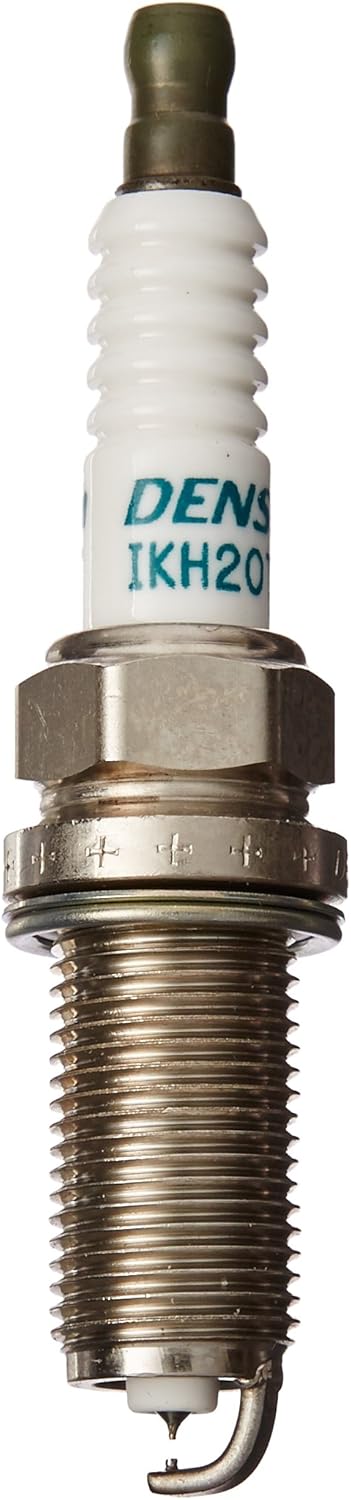
| 3 | Denso IKH20TT | Iridium/Platinum Twin-Tip | N52 | Smoothest N52 Idle | 4.5 | See Latest Price |
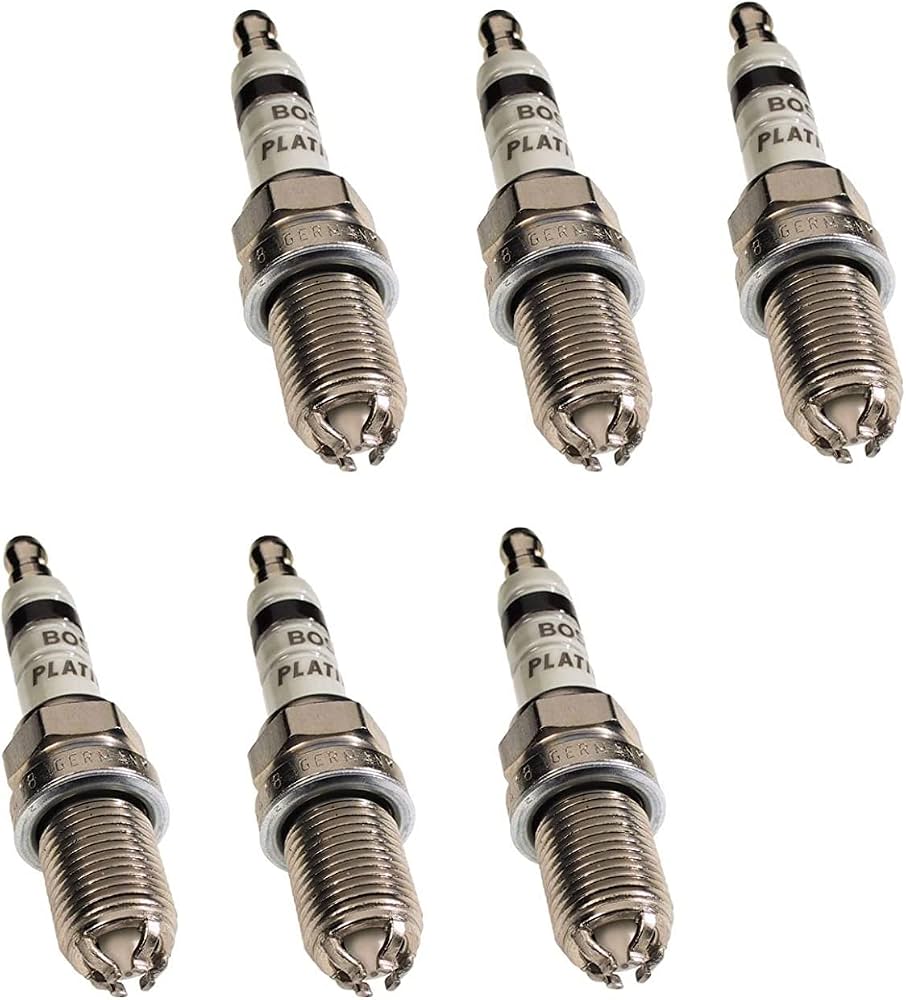
| 4 | Bosch FGR7DQP+ | Platinum+4 (4 Ground Electrodes) | N52 | N52 High-Mileage Durability | 4.0 | See Latest Price |
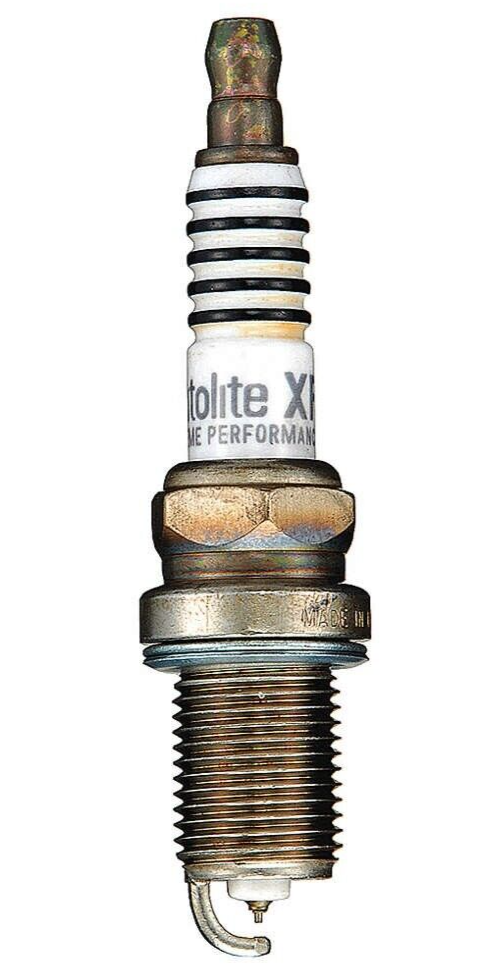
| 5 | Autolite XP5263 Budget Pick | Standard Iridium | N52 | Budget N52 Maintenance | 3.5 | See Latest Price |
Detailed Reviews: Spark Plugs for the E90
Full breakdown of each product — ratings, pros, cons, and which engine code each one actually belongs in, based on owner feedback gathered across both naturally aspirated and turbocharged E90 forums.
NGK IZFR6H-11 Laser Iridium
- Identical to what BMW installs at the factory on every N52-powered E90
- Rated for roughly 100,000 miles of service under normal driving
- Arrives pre-gapped to 0.040 inches — no gapping tool needed
- Trivalent plating prevents thread galling in the aluminum cylinder head
- Restores idle smoothness on high-mileage cars within the first drive
- Copper core dissipates heat efficiently during sustained highway driving
- Costs more per plug than budget iridium alternatives for the same engine
- Counterfeit listings occasionally appear — order from an authorized seller only
- Wrong choice entirely if your E90 is actually a turbo 335i
- Bulk multi-packs occasionally ship without a visible anti-counterfeit seal
NGK 5992 Laser Platinum
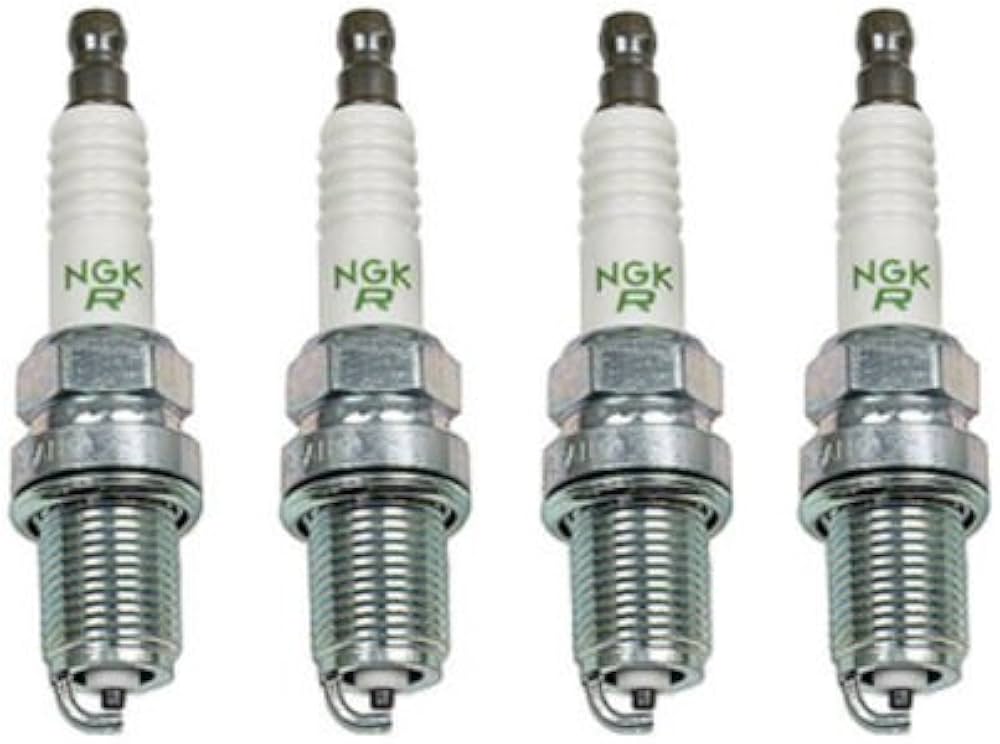
- Colder heat range 7 handles the higher cylinder pressures of forced induction
- Owners report eliminated high-RPM misfire under wide-open throttle
- Trusted as the standard swap within the N54/N55 tuning community
- Laser-welded platinum tip holds up under sustained high-boost driving
- Fits both stock and tuned 335i setups from 2007 through 2013
- Factory gap of 0.032 inches often needs tightening to 0.022–0.028 inches on tuned cars
- Priced higher than any N52 plug in this comparison
- Completely wrong for a naturally aspirated N52 car — it will run rich and foul quickly
- Fewer long-term reports exist for heavily modified engines running significantly more than stock boost

Denso IKH20TT Iridium TT
- 0.4mm twin-tip iridium/platinum design needs less voltage to fire cleanly
- Owners describe a noticeably smoother idle compared to worn factory plugs
- Enthusiast reports note cooler-running ignition coils after the swap
- Pre-gapped specifically for N52 applications
- Fine-wire design improves cold-start ignition on winter mornings
- Fewer documented reports past 80,000 miles compared to the NGK options
- A handful of owners noted a fuel trim relearn was needed after install
- Not sold in an N54/N55 turbo-compatible variant
Bosch FGR7DQP+ Platinum+4
- Four yttrium-enhanced platinum ground electrodes spread spark erosion instead of concentrating it
- Owners report minimal gap growth surviving past 90,000 miles
- Self-cleaning air-gap design resists fouling on short, stop-and-go trips
- Nickel-plated shell holds up well against corrosion over years of use
- OE supplier status means it meets the same standard Bosch validates for other European sixes
- Idle feels noticeably less refined than the NGK or Denso iridium options
- Four-electrode design can’t be re-gapped if a unit arrives off-spec
- No turbo-rated equivalent offered for N54/N55 owners in this lineup
Autolite XP5263 Iridium
- Roughly half the cost per plug compared to the factory NGK part
- Ran without misfires for 40,000 miles across many owner-reported N52 applications
- One-piece steel shell is straightforward and widely stocked online
- Reasonable choice for a car you plan to sell within a year or two
- Simple single-piece construction means fewer things that can go wrong versus multi-electrode designs
- Factory gap consistency varies — check with a feeler gauge before install
- Idle smoothness clearly trails NGK and Denso in owner comparisons
- Electrode wear accelerates noticeably after 50,000 miles per forum reports
Can’t Decide?
Our Top 2 Picks — Head to Head
These aren’t really competitors — they’re for two different engines, built around entirely different heat ranges and combustion pressures. Confirm yours first before you read a single word further of this comparison section.
- Exact factory part for 325i, 328i, 330i
- 100,000-mile rated service life
- No gapping or anti-seize needed
- Colder heat range built for turbo boost
- Trusted by the N54/N55 tuning community
- Handles stock or modified boost levels
How to Choose the Right Spark Plugs for Your E90
Six things that matter more on the E90 than on most cars, because one chassis hides three completely different engines under a handful of similar-looking trim badges.
Identify Your Exact Engine Code First
Pop the hood and find the engine code on the emissions sticker or valve cover — it will read N52, N54, or N55. The trim badge alone isn’t reliable enough to shop from, since production overlaps and regional variants mean a “328i” and a “335i” can share a hood shape but nothing about their ignition needs. Some parts counters and online listings will ask for this code directly, and having it ready before you start shopping saves a return shipment if you guess wrong. Write it down or snap a photo the first time you check, since you’ll want it again for coils, filters, and other maintenance down the road — it becomes the single reference point that every future parts order for this car should start from.
Understand Why Turbo Engines Need a Colder Plug
Forced induction raises cylinder pressure and combustion temperature well beyond what a naturally aspirated N52 ever sees. A “colder” plug like the NGK 5992 pulls heat away from the tip faster, preventing pre-ignition under boost. Installing an N52-spec plug in a 335i risks detonation, which can damage pistons over time. This isn’t a theoretical risk — it’s the single most common cross-shopping mistake we found reported repeatedly in E90Post threads, usually from owners who searched “E90 spark plugs” without specifying the engine and simply bought whatever product ranked first in the results. The heat range difference exists precisely because a turbocharger changes the thermal environment inside the cylinder so dramatically.
Know There Are Two Different Gap Specs
N52 plugs ship pre-gapped at 0.040 inches and should stay that way. N54/N55 turbo plugs ship closer to 0.032 inches, and tuned cars often need that tightened further to 0.022–0.028 inches to prevent the spark from blowing out under higher boost. Never assume one gap spec applies across the whole E90 lineup. A feeler gauge costs a few dollars and takes thirty seconds to use, and it’s worth checking any plug’s gap against its intended spec before install rather than after you’re already hearing a misfire on the highway. Fine-wire electrodes are fragile enough that you should never bend them to correct a gap — verify, don’t adjust.
Don’t Assume Trim Level Tells You the Engine
Model years and markets shuffled engines across trim names more than owners expect — some 328i variants ran different engine generations depending on year and region. Cross-check your actual VIN or engine code rather than ordering based on what the trim badge on the trunk lid says. This matters even more if you bought the car used, since a trunk badge can be swapped or simply inaccurate from a prior owner’s modification. A five-minute VIN lookup through a dealer parts department resolves any doubt before you spend money on the wrong plug entirely.
Budget More Time for Turbo Engine Access
N52 plug jobs are a straightforward hour with a 14mm 12-point thin-wall socket. N54/N55 turbo engines add extra hardware around the intake and charge piping that can add another 30–45 minutes to the job, especially on cars running aftermarket intercooler piping or a front-mount setup that adds extra clamps and hoses to route around. Budget a full afternoon rather than a single hour if this is your first time working under the hood of a turbo E90, and have a flashlight and a set of extensions on hand — the rear-most cylinders on both engine families sit close enough to the firewall that visibility becomes the real challenge, not the wrench work itself.
Expect Shorter Intervals on a Tuned Car
BMW’s 100,000-mile N52 interval and roughly 37,000–45,000-mile N54/N55 interval both assume stock tuning. A tuned 335i running higher boost or aggressive timing can burn through a set of plugs meaningfully faster — some tuners recommend inspecting turbo plugs every 20,000–25,000 miles once modified. Log your boost levels, ignition timing changes, and any tune revisions alongside your maintenance records, since a more aggressive tune directly shortens how long a given set of plugs will last before gap erosion starts affecting ignition timing under load.
Pro Tips
Quick Buying Checklist
Confirm your engine code — N52, N54, or N55 — before ordering anything, not just the trim badge. This one check prevents nearly every return we saw reported.
Never install an N52-spec plug in a turbo engine — the heat range mismatch risks real damage. It’s the most common cross-shopping mistake owners make, and one that’s entirely avoidable with a thirty-second check under the hood.
Tuned N54/N55 owners should re-check the gap — factory spec often needs tightening under higher boost. Ask your tuner for their exact recommendation.
Buy only from verified sellers — both NGK part numbers here have known counterfeit listings. If the price looks too good, it usually is.
Torque to spec on a cold engine — turbo engines add extra hardware, so budget extra time. Rushing the job risks stripped threads in an aluminum head.
Related Guides
Other BMW 3 Series Chassis Spark Plug Guides
Also On CarAssists
More Guides for This Vehicle
Frequently Asked Questions
Do the 325i and 328i use the same spark plug?
Yes — both run the naturally aspirated N52 engine and use the same NGK IZFR6H-11 Laser Iridium as their factory plug. The 330i also shares this engine family. Always confirm your exact engine code rather than assuming by trim name alone, since production years varied by market and a used car’s badge isn’t always a reliable indicator of what’s actually bolted to the engine bay.
Which spark plugs does the 335i take?
The 335i runs either the N54 (2007–2010) or N55 (2011–2013) turbocharged engine, both of which need a colder plug than the N52. The NGK 5992 Laser Platinum is the standard replacement for both engine generations, stock or tuned, and it’s widely trusted within the tuning community for its consistency under boost.
Can I accidentally put N52 spark plugs in a 335i?
Physically, yes — the thread size is compatible enough that it can be installed. Functionally, it’s a mistake: the N52’s hotter heat range can’t safely dissipate a turbo engine’s combustion heat, risking pre-ignition and detonation under boost. Always match the plug to your specific engine code rather than assuming any 14mm plug will do the job safely.
How do I find out which engine my E90 has?
Check the emissions sticker under the hood or the engine code stamped on the block — it will read N52, N54, or N55. Your VIN decoder or a quick call to a BMW parts counter with your VIN also confirms it in under a minute if the sticker is faded or missing, which happens often on cars that have seen an engine bay detail or repaint.
Does a tuned N54 need a different spark plug than a stock one?
The part number stays the same, but tuned N54 engines often need the factory 0.032-inch gap tightened to 0.022–0.028 inches to prevent the spark from blowing out under higher boost pressure. Check with your tuner for their specific gap recommendation before installing, since running too wide a gap on a heavily boosted engine invites a blown-out spark under load.
How often do turbo E90 engines need new spark plugs compared to N52 engines?
N52 engines go roughly 100,000 miles on factory NGK plugs, while N54 and N55 turbo engines typically need replacement every 37,000 to 45,000 miles under stock conditions. A tuned turbo engine running higher boost or more aggressive ignition timing can shorten that interval further, so inspect turbo plugs more frequently than you would on a stock N52, especially after any tune revision.
Is it actually dangerous to run the wrong heat range plug?
Yes, more than owners often realize. A plug that’s too hot for a turbo engine can trigger pre-ignition, which hammers pistons and can crack ring lands over time. A plug that’s too cold for daily short-trip driving fouls quickly and causes misfires. Match the heat range to your engine, not your preference.
Can I mix spark plug brands across the six cylinders on my E90?
Technically the engine will run, but it’s not recommended. Different brands can have subtly different gap tolerances and heat characteristics even within the same nominal spec, which makes diagnosing a future misfire harder since you’re no longer comparing six identical variables across cylinders. Stick to one brand and one part number across the full set, and buy all six in a single order to further reduce the odds of a batch-to-batch inconsistency.
Final Verdict
Our Top Recommendations for 2026
The single most important step for any E90 owner is confirming your engine code before you buy anything. Naturally aspirated N52 cars should default to the NGK IZFR6H-11 — it’s the exact factory part at a fair price. Turbocharged N54/N55 cars need the colder NGK 5992 instead, full stop, regardless of budget. Get that one decision right and every other choice on this page is just fine-tuning. Within the N52 lineup, Denso trades a bit of durability for a smoother idle, Bosch trades idle polish for the longest electrode life, and Autolite trades both for the lowest price — pick based on what you actually value most for your specific car and driving habits.