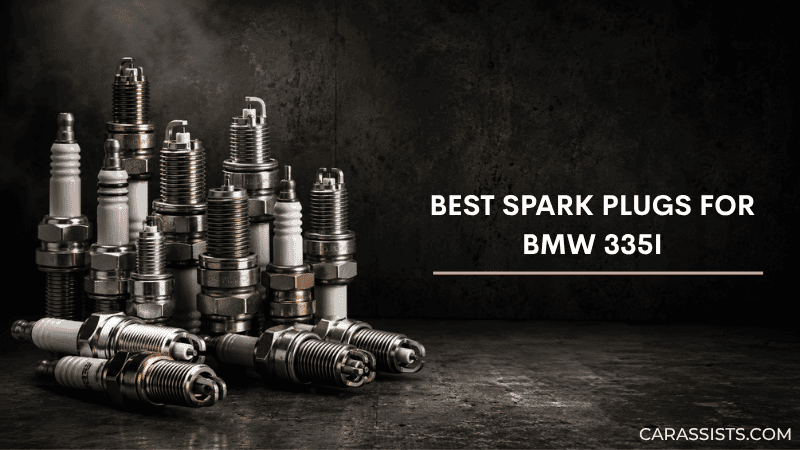
After evaluating five spark plugs against Bimmerpost and r/E90 owner threads, Amazon review data, and BMW‘s OEM heat-range specification, we found the N54’s twin-turbo and N55’s single-turbo inline-six architecture demand a different heat-range strategy than the naturally aspirated engines we’ve reviewed elsewhere, especially once a tune enters the picture and cylinder pressures climb.
Rough idle, hesitation under boost, and stored P0300-series misfire codes on a 335i often start with a plug that’s the wrong heat range for your actual power level, not a bad coil like most owners assume first. We cross-referenced verified-purchase feedback with tuner community logs from MHD and JB4 users to find out which plugs hold up at both stock and elevated boost.
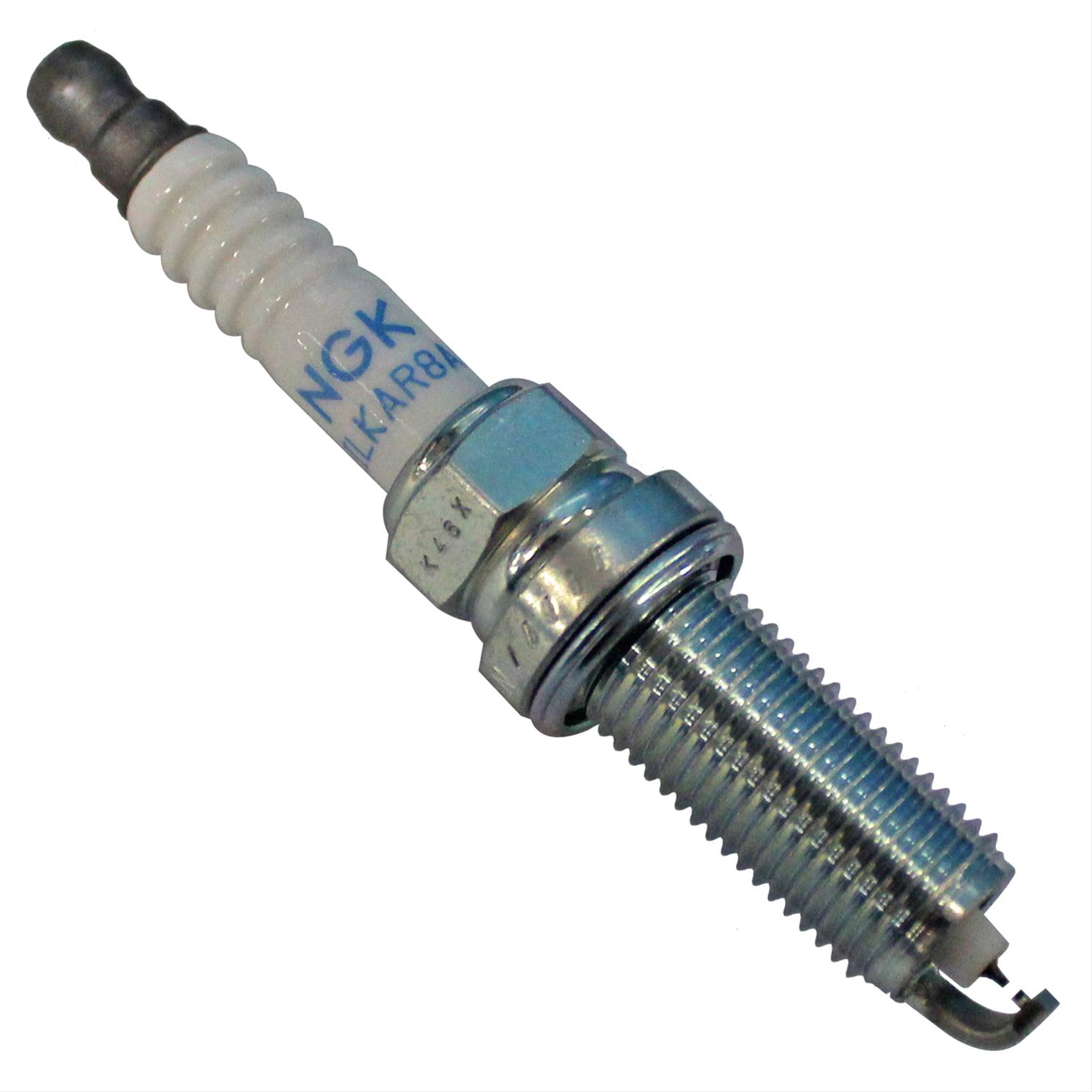
The NGK 5992 Laser Iridium is the best spark plug for a stock or mildly tuned BMW 335i, matching the N54 and N55’s factory heat range 7 with a laser-welded tip rated past 60,000 miles under normal driving conditions. Owners running a tune and higher boost should step up to the Denso IKH24 Iridium Racing or the step-colder NGK 95770 instead.
Best Spark Plugs for BMW 335i — Compared
Ranked by overall score across durability, cold-start reliability, installation ease, and value for money — the full ratings breakdown for each plug follows below.
| # | Product | Electrode Type | Engine Fit | Best For | Score | |
|---|---|---|---|---|---|---|
| 1 | NGK 5992 Laser Iridium Editor’s Choice | Laser Iridium | N54 & N55 | Best Overall | 4.7 | See Latest Price |
| 2 | Denso IKH24 Iridium Racing Top Pick | Iridium (Racing, Colder) | N54 & N55 (Tuned) | Best Premium | 4.6 | See Latest Price |
| 3 | NGK 95770 Laser Iridium | Laser Iridium (Step Colder) | N54 & N55 (Modified) | Best Step-Colder Alternative | 4.5 | See Latest Price |
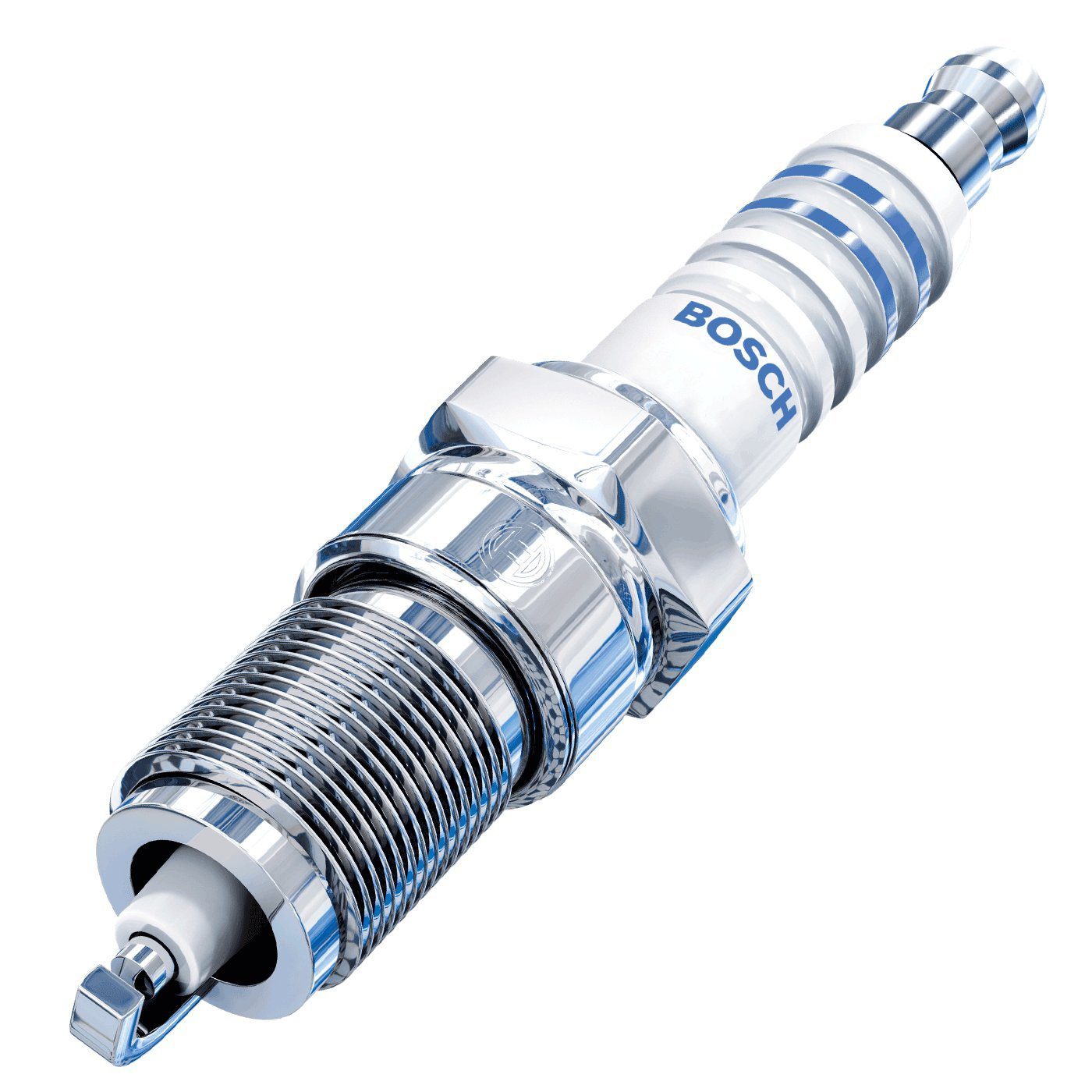
| 4 | Bosch ZGR6STE2 Double Platinum Budget Pick | Double Platinum | N54 & N55 | Best Budget | 4.4 | See Latest Price |
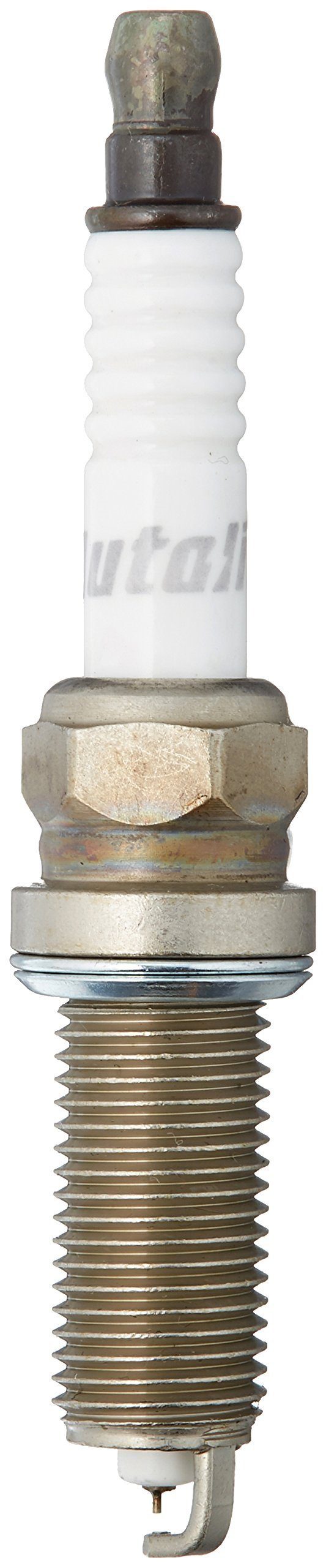
| 5 | Autolite XP5682 Iridium | Iridium (V-Trim) | N54 (2007–2010) | Most Durable | 4.2 | See Latest Price |
Detailed Reviews
Full breakdown of each plug we researched — ratings, pros, cons, and our expert verdict on where it fits your engine’s actual power level and driving habits.
NGK 5992 Laser Iridium
- Laser-welded iridium tip maintains a sharp edge for 60,000 to 100,000 miles under turbo boost
- Trivalent metal plating eliminates the need for anti-seize and prevents galvanic corrosion in the aluminum head
- Matches the exact OEM heat range 7, keeping the plug clean without overheating under boost
- Clears persistent P0300–P0306 misfire codes on otherwise healthy coil packs in owner reports
- Solid copper core pulls heat away from the electrode quickly during sustained highway pulls
- Direct fit for every N54 and N55 335i built from 2007 through 2013
- Counterfeit NGK plugs remain a known problem on Amazon, so seller reputation matters as much as the part number
- Premium price over basic platinum plugs like the Bosch option on this list
- The iridium tip is brittle enough that dropping the plug during install can ruin it
- A few buyers received plugs with damaged ceramic insulation during shipping
- Not the right heat range once you add a tune and raise boost beyond stock

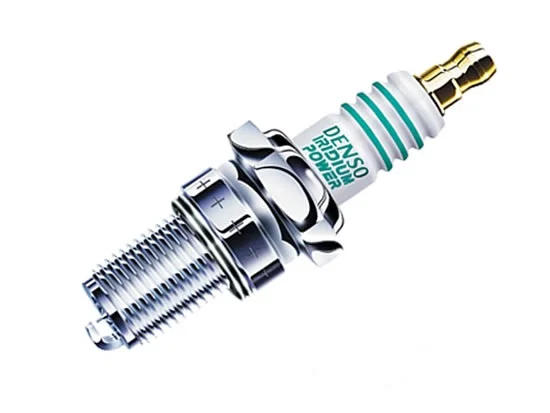
Denso IKH24 Iridium Racing
- One step colder than stock heat range sheds combustion heat faster under sustained boost
- 0.4mm iridium center electrode produces a strong, focused spark kernel even under load
- Platinum-tipped ground electrode slows gap erosion over a long service life
- Tapered cut ground strap unshrouds the spark for better flame travel through the chamber
- Eliminated timing corrections that previously appeared on stock heat range plugs, per tuner logs
- Proven consistent performance across multiple track sessions in owner-reported use
- Must be re-gapped smaller for high boost applications, since the out-of-box gap causes misfires at high load
- Highest per-plug cost of any option on this list
- Overkill for a bone-stock 335i, where the colder range can lead to fouling on short trips
- Requires gapping knowledge and a wire-style gauge rather than a simple drop-in install
- Not the right choice if you plan to return the car to a stock tune later
NGK 95770 Laser Iridium
- Direct step-colder version of the OEM 5992, dropping heat range from 7 to 8
- Same laser-welded iridium construction and precise factory build as its stock-heat sibling
- Trivalent plating keeps the plug from seizing in the cylinder head over time
- Feels identical to the NGK 5992 in idle quality once gapped correctly for boost
- Clean logs reported on MHD and JB4 monitoring after installation on tuned cars
- Widely documented and readily available within the N54/N55 tuning community
- Too cold for a fully stock engine and may cause carbon fouling on short trips
- Requires regapping to roughly 0.022–0.024 inch for boost levels above 18 psi
- Priced higher per plug than the standard heat range NGK 5992
- Not a beginner-friendly install if you’re unfamiliar with adjusting iridium gaps
- Narrower use case than the other plugs on this list — stock cars shouldn’t run this heat range
Bosch ZGR6STE2 Double Platinum
- This was the original factory-installed plug on many early N54 335i models
- Rolled threads self-align during installation, greatly reducing the chance of cross-threading
- Platinum center and ground electrode pads resist erosion during extended high-speed cruising
- A full set of six costs noticeably less than the NGK iridium option
- Nickel-plated shell fights corrosion from road salt and underhood moisture over time
- Smooth idle returns immediately on stock-tuned engines right after installation
- Electrode wear becomes noticeable sooner than iridium, often around the 45,000-mile mark
- Slightly more prone to misfire under heavy boost when paired with an aftermarket tune
- Shorter service life means budgeting for a second plug change sooner than with iridium
- Not rated for anything beyond stock boost levels
- Best suited to early N54 builds rather than every later N55 application
Autolite XP5682 Iridium
- Fine-wire iridium center electrode resists wear over a genuinely long service life
- V-trimmed ground electrode exposes more of the spark kernel, speeding up flame-front travel
- Nickel-plated shell stands up to corrosion from winter road salt and treatments
- Cured random light-load misfires on a budget in multiple owner reports
- Many owners report 50,000-plus trouble-free miles before any performance drop
- Full set of six costs meaningfully less than the premium NGK and Denso options
- Confirmed fitment only for N54 engines built 2007 through 2010, not every N55 application
- Some N55 owners report a slightly rougher idle compared to the NGK 5992
- The V-trimmed ground electrode can’t be adjusted if the gap ever needs correcting
- Brand recognition among BMW owners trails NGK, Bosch, and Denso by a wide margin
- Ceramic insulator packaging sometimes falls short of NGK’s protection during shipping
Can’t Decide?
Our Top 2 Picks — Head to Head
Both are excellent. Here’s how to choose between the two highest-scoring plugs on this list.
- Matches BMW’s exact OEM heat range 7 for stock and mildly tuned engines
- Trivalent plating means zero anti-seize and zero seizing risk
- Clears persistent misfire codes on otherwise healthy coil packs
- Direct fit across every N54 and N55 335i built from 2007 through 2013
- Widely available through NGK’s official Amazon storefront with fast shipping
- One step colder heat range resists pre-ignition under elevated boost
- 0.4mm iridium tip produces a stronger, more focused spark under load
- Eliminates timing corrections that appear on stock heat range plugs once tuned
- Proven consistent across multiple track sessions in owner-reported use
- Platinum-tipped ground electrode slows gap erosion over a long service life
How to Choose Spark Plugs for Your BMW 335i
Six factors that matter before you buy a set of six — explained simply, without the marketing spin or tuner-forum jargon.
Confirm Your Engine Type
The 2007–2010 335i uses the N54 twin-turbo engine, while the 2011–2013 335i (E90/E92/E93) switched to the single-turbo N55 for lower production cost and quicker throttle response. Both engines share the same spark plug thread size, heat range requirement, and gap specification, so every plug on this list fits either generation without modification. Always verify using the seller’s part finder tool with your specific model year before ordering a set of six.
Understand Heat Range and Tuning
A stock 335i needs an OEM heat range 7 plug like the NGK 5992 or Bosch ZGR6STE2. Once you add a tune that raises boost beyond stock, cylinder temperatures climb fast, and a step-colder plug like the Denso IKH24 or NGK 95770 sheds that extra heat and resists pre-ignition before it can trigger knock. A plug that runs too cold for your actual power level will foul on short trips instead, so match the heat range to what your engine is really producing right now — not what you’re planning to run someday, and not what a forum post from years ago recommended for a different setup.
Never Adjust the Gap on Iridium Electrodes
Fine-wire iridium tips are brittle, and using a coin-style gapping tool will snap the electrode almost instantly, ruining a plug you just paid a premium for. All quality plugs on this list arrive pre-gapped for stock applications straight from the factory. Some step-colder plugs need a tighter gap for high boost — if that applies to your setup, have the gap checked with a wire-style gauge and adjusted only by gently bending the ground strap, or buy pre-gapped from a performance vendor who specializes in tuned N54 and N55 builds.
Plan for the Installation Access
The N54 and N55 place their spark plugs under the engine cover in deep wells, and cylinder number six sits especially close to the firewall where clearance is tightest. You’ll want a thin-walled 12-point 14mm spark plug socket, a locking extension, and a torque wrench rated for low settings rather than a generic click-type unit. A wobble extension makes reaching the rear cylinder considerably easier without pulling extra components off the engine bay first.
Torque Correctly and Skip the Anti-Seize
Torque every plug to 23 Nm (17 ft-lb) rather than guessing by feel with a breaker bar, which is an easy way to overtighten in a rush. NGK and Bosch plugs with trivalent or nickel plating don’t need anti-seize at all — adding it on top of that coating changes the torque-to-clamp relationship and can lead to overtightening, which risks cracking the ceramic insulator or stripping the aluminum head threads underneath the coil bore where repairs get expensive fast.
Replace All Six and Inspect the Coil Packs
A fresh plug in one cylinder while the other five stay worn creates an ignition imbalance that often triggers a new misfire code almost immediately after the job is done, sending you right back under the hood. Buy a full set of six rather than spot-replacing the worst-looking ones based on a visual inspection alone. While the coils are already out, check each for swollen rubber, cracks, or white ash marks — a weak coil will destroy a brand-new plug within a few hundred miles.
Pro Tips
Quick Buying Checklist
Never use anti-seize on plated plugs — torque dry to 23 Nm (17 ft-lb) every time to avoid overtightening.
Don’t gap an iridium plug with a ramp-style tool — the thin tip snaps instantly under that kind of pressure.
Replace all six plugs together, never just three, or you’ll trigger a fresh misfire code on the untouched cylinders.
Match your heat range to your actual boost level — a step-colder plug on a stock engine will just foul on short trips.
Swap a suspect ignition coil to a different cylinder — if the misfire follows the coil, it’s the coil, not the plug.
Buy step-colder plugs pre-gapped from a performance vendor if you’re not comfortable bending the ground strap yourself.
Related Guides
Other BMW 3 Series Spark Plug Guides
335i uses the turbocharged N54/N55 — a different plug spec than the naturally aspirated 328i.
Also On CarAssists
More Guides for This Vehicle
- → Battery for the BMW 335i
- → Best Oil for BMW 335i— N54 vs N55 — check your year
- → Best Coolant for BMW 335i— top picks by engine variant
- → BMW 335i Tire Recommendations— performance-rated options
Frequently Asked Questions
What spark plugs does a BMW 335i use from the factory?
Early N54 335i models often came with Bosch ZGR6STE2 double platinum plugs straight from the assembly line. Later N54 and N55 models switched to the NGK 5992 (ILZKBR7A-8G) laser iridium plug instead. Both are correct OEM replacements depending on your specific build year and production run.
What is the correct spark plug gap for a BMW 335i?
The factory gap is 0.031 inch (0.8mm) for stock N54 and N55 engines across the entire model range and both body styles. Tuned engines running higher boost often require a tighter gap of 0.022–0.024 inch to prevent spark blowout at load, so always follow your tuner’s specific recommendation for your setup.
How often should I change spark plugs on a 335i?
BMW calls for replacement every 60,000 miles on stock engines under normal driving conditions. Many owners change them sooner, around 40,000 miles, to maintain crisp throttle response and avoid unnecessary stress on the ignition coils as the electrodes gradually wear down over time.
Are iridium spark plugs better than platinum for the N54?
Generally, yes, especially under sustained boost. Iridium plugs last longer and require less voltage to fire, which reduces coil wear and improves cold-start behavior on a turbocharged engine. For a stock daily driver, platinum plugs like the Bosch ZGR6STE2 still perform well if changed on schedule.
Do I need step-colder spark plugs for a tuned 335i?
Yes, once you increase boost beyond stock levels through a tune, downpipes, or an intercooler upgrade. A step-colder plug like the Denso IKH24 or NGK 95770 resists pre-ignition and helps keep timing corrections in check, since a stock heat range plug can overheat and cause knock under the extra combustion load.
Can I use Bosch spark plugs instead of NGK in my 335i?
Yes. The Bosch ZGR6STE2 meets all OEM specifications for both N54 and N55 engines and works well as a direct alternative to the NGK 5992, especially if you prefer a lower-cost replacement on a stock-tuned car with normal driving habits.
How hard is it to change spark plugs on a BMW 335i?
The job is moderately easy for a DIY mechanic with the right tools on hand. You’ll need a thin-walled 14mm 12-point spark plug socket, an extension, and a torque wrench rated for low settings. Accessing the rear cylinder near the firewall takes some patience, but most owners finish the full set of six in under two hours.
What’s the difference between the N54 and N55 engines?
The N54, used from 2007–2010, is a twin-turbo inline-six with two smaller turbochargers for reduced lag, while the N55, introduced for 2011, switched to a single twin-scroll turbocharger for quicker response and lower production cost. Both share identical spark plug thread size, heat range, and gap specifications, so every plug in this guide fits either engine.
Final Verdict
Our Top Recommendations for 2026
Every plug on this list will outperform a set that’s overdue for replacement, but the right choice for your 335i depends almost entirely on whether you’re running a tune and how much boost you’re pushing through the turbos on a regular basis, day in and day out. If your N54 or N55 is stock or mildly modified, the NGK 5992 gives you exact factory heat range performance and a proven service life past 60,000 miles without any gapping guesswork on your part or your mechanic’s.