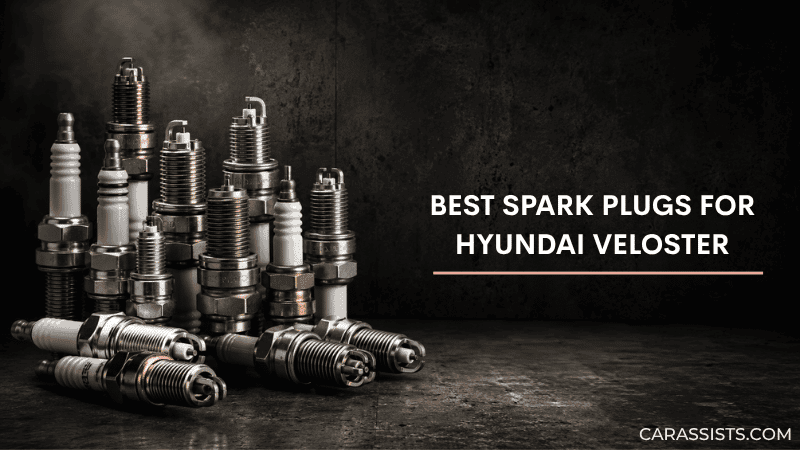
The Hyundai Veloster splits into two genuinely different engines rather than one engine with a footnote, and mixing up their spark plugs carries real consequences: the wrong heat range in the turbocharged 1.6L can trigger a knock sensor code within days of driving. After cross-referencing NGK’s OEM fitment charts against turbo and naturally aspirated owner reports separately, the shopping list for each engine turned out to be completely different from the other.
Look for “T-GDI” or plain “GDI” stamped on the engine cover to know which one you have. The turbo engine runs a tighter 0.028-inch gap against the naturally aspirated engine’s 0.044-inch spec, and a mismatched plug shows up as rough idle, hesitation, or a stubborn check engine light within the first week of driving on the wrong part.
For the turbocharged 1.6L Veloster, the NGK 9723 SILZKR7B11 Laser Iridium is the exact OEM plug, pre-gapped and ready to install. For the naturally aspirated 1.6L, the NGK 95350 LZKR6B10E delivers the same factory-matched fit. Confirm your engine badge before ordering — these two plugs are not interchangeable, and the wrong one can trigger a knock sensor or misfire code within days of driving on it.
Our Top 5 Spark Plug Rankings
- NGK 9723 SILZKR7B11 Laser Iridium— Best Overall (Turbo)
- NGK 95350 LZKR6B10E Laser Iridium— Best Overall (Naturally Aspirated)
- Bosch 96313 Double Iridium— Best Premium (Turbo)
- Denso 4701 Iridium TT— Most Durable (Turbo)
- Bosch 9629 FR7LDC+— Best Budget (Naturally Aspirated)
Best Spark Plugs for the Hyundai Veloster — Compared
All five plugs side by side, ranked by overall performance rather than price alone. Match the Engine Fit column to the badge stamped on your own engine cover before ordering anything.
| # | Product | Electrode | Engine Fit | Best For | Score | |
|---|---|---|---|---|---|---|
| 1 | NGK 9723 SILZKR7B11 Editor’s Choice | Laser Iridium / Platinum | 1.6L T-GDI (2013–2020) | Exact OEM turbo match | 4.7 | See Latest Price |
| 2 | NGK 95350 LZKR6B10E Top Pick | Laser Iridium / Platinum | 1.6L GDI (2012–2017) | Exact OEM NA match | 4.6 | See Latest Price |
| 3 | Bosch 96313 Double Iridium | Double Iridium | 1.6L T-GDI (2013–2020) | Long-haul daily driving | 4.5 | See Latest Price |
| 4 | Denso 4701 Iridium TT | Twin-Tip Iridium / Platinum | 1.6L T-GDI (2013–2020) | 100k-mile high-mileage use | 4.5 | See Latest Price |
| 5 | Bosch 9629 FR7LDC+ Budget Pick | Platinum / Yttrium | 1.6L GDI (2012–2017) | Low-cost routine maintenance | 4.4 | See Latest Price |
Detailed Reviews
Full breakdown of each plug — ratings, pros, cons, and exactly which Veloster engine it fits. Every card below draws on owner-reported mileage and misfire history, not spec-sheet numbers alone, since two owners of the “same” car can be driving completely different engines.
NGK 9723 SILZKR7B11 Laser Iridium
NGK supplies this exact plug to Hyundai for the T-GDI engine, matching Hyundai part 18846-11070 down to the heat range. The turbocharged 1.6L runs hotter combustion pressures than the naturally aspirated version, and this plug’s laser-welded iridium tip is built specifically to resist pre-ignition under that added boost rather than being a general-purpose plug pressed into turbo duty. It’s the plug Hyundai dealers order by default for any stock Turbo coming in for service.
BEST FOR: 1.6L T-GDI Veloster Turbo (2013–2020)- Matches the factory 0.028-inch gap exactly
- Identical to Hyundai OEM part 18846-11070
- Cleared cold-start misfires reported by multiple owners
- Trivalent coating prevents thread seizure in the aluminum head
- Only fits the turbocharged T-GDI engine
- A handful of packages arrived with a crushed insulator tip
- Not the right heat range for a tuned engine on higher boost
- Costs more per plug than the naturally aspirated equivalent
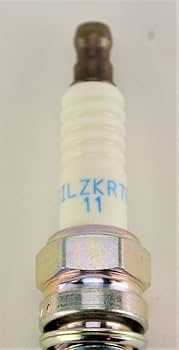
NGK 95350 LZKR6B10E Laser Iridium
The naturally aspirated Veloster runs a noticeably wider 0.044-inch gap than its turbo sibling, and this plug ships set to that exact spec rather than a generic middle-ground gap. NGK matches it to Hyundai part 18847-11160, so it’s built for the direct-injection GDI system’s specific fouling tendencies rather than adapted from a carbureted-era design that never had to deal with direct injection at all.
BEST FOR: 1.6L GDI Veloster (2012–2017)- Direct OE match for Hyundai part 18847-11160
- Regularly reaches 60,000 miles before replacement
- Sharper throttle response reported over worn factory plugs
- Platinum ground pad extends service life beyond basic iridium
- Trivalent coating resists corrosion in humid climates
- Only fits the naturally aspirated GDI engine
- A few units ship with the gap slightly off spec
- Insulator tips can touch in transit — inspect before installing
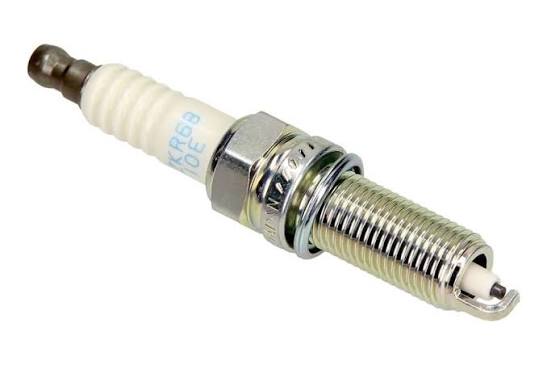
Bosch 96313 Double Iridium
Bosch puts iridium on both the center electrode and the ground strap here, which is a step up from the single-tip design most plugs on this list use. The 0.6mm fine-wire center needs less voltage to fire, easing the load on ignition coils that are already working harder in a turbocharged application than they would in the naturally aspirated engine. It’s the kind of upgrade that pays off most on a car you plan to keep past the first ignition coil failure.
BEST FOR: 1.6L T-GDI Veloster Turbo (2013–2020)- Double iridium construction extends service life past 80,000 miles
- Lower firing voltage reduces strain on aging coils
- Owners report a noticeably quieter, steadier idle
- 360° laser welding secures the electrode permanently
- Nickel-plated rolled threads reduce cross-threading risk
- Most expensive plug on this list per unit
- A few owners noticed a brief idle stumble during the first 50 miles
- Overkill for a stock engine driven gently
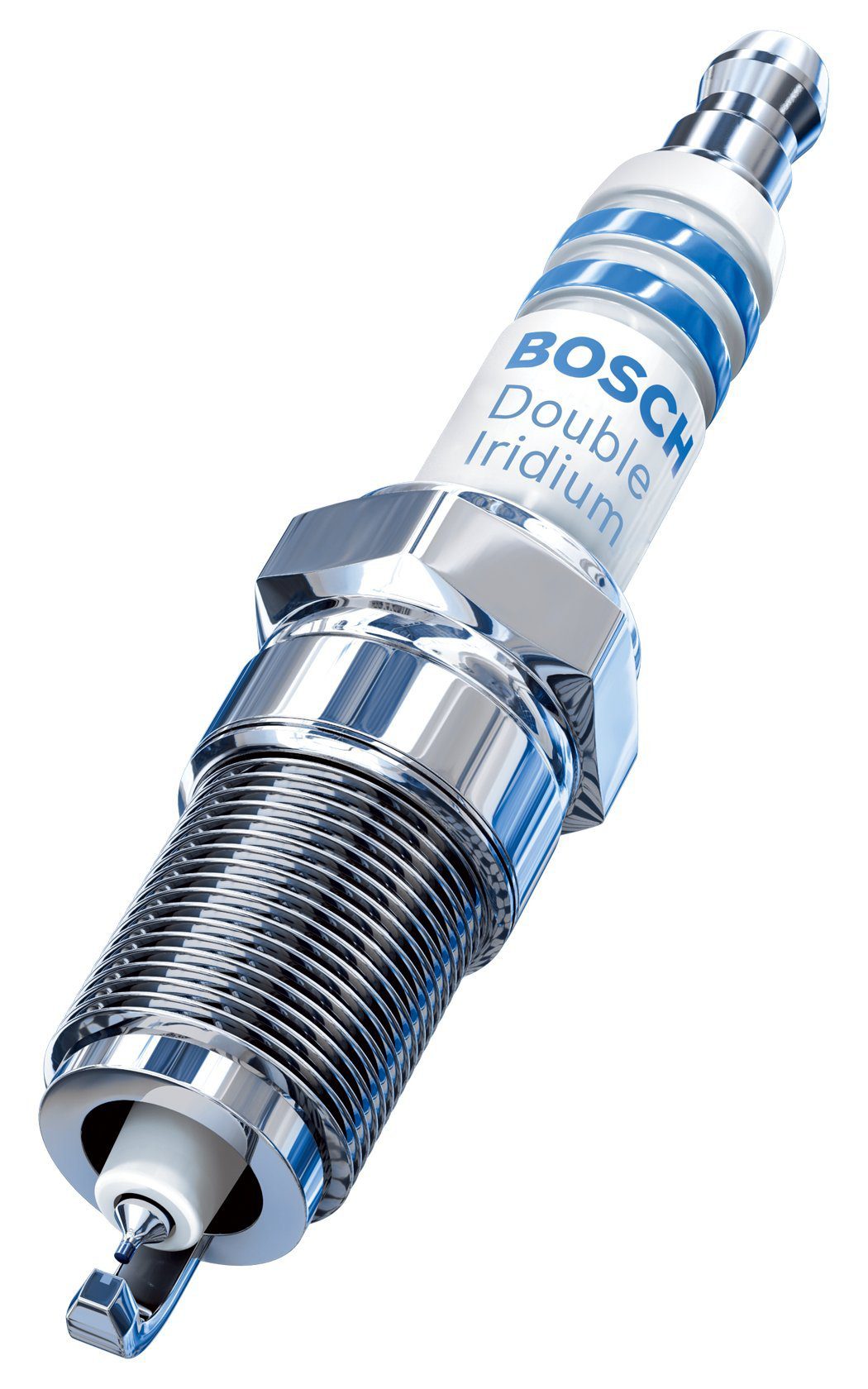
Denso 4701 Iridium TT
Denso’s Twin-Tip design pairs a 0.4mm iridium center electrode with a 0.7mm platinum ground tip, so both sides of the gap wear at a similar rate instead of one side eroding faster and widening the gap early. That balanced wear is exactly what lets owners routinely report plug life well past 90,000 miles in a turbo application that’s harder on ignition parts than a naturally aspirated one.
BEST FOR: 1.6L T-GDI Veloster Turbo (2013–2020)- 0.4mm twin-tip design wears evenly on both electrodes
- Owners routinely report performance well past 90,000 miles
- Noticeably sharper throttle response under partial load
- Quicker cold starts reported in winter conditions
- Priced above the standard NGK 9723
- Delicate tips can be damaged if the plug is dropped
- Doesn’t add power over stock, despite the premium price
- Overkill if you plan to trade the car in within a couple years
Bosch 9629 FR7LDC+
A platinum plug can’t match iridium for longevity, but the yttrium-enhanced ground electrode here gives it better wear resistance than a plain platinum design at nearly the same price. For a naturally aspirated Veloster that’s mostly doing commuter duty rather than spirited driving, that trade-off between cost and interval tends to make sense, especially across a full set of four plugs at once.
BEST FOR: 1.6L GDI Veloster (2012–2017)- A full set of four costs a fraction of the iridium options
- Nickel-plated shell resists corrosion in the aluminum head
- No fitment issues reported for the GDI engine
- Yttrium-enhanced ground electrode resists wear better than plain platinum
- Widely stocked and easy to find on short notice
- Bosch’s OEM supplier reputation backs the build quality
- Gap consistency is looser than NGK’s manufacturing tolerance
- Service life falls short of the iridium options above it
- Not rated for the turbocharged T-GDI engine
Can’t Decide?
Our Top 2 Picks — Head to Head
Both are genuine OEM-spec matches and both score highest on this list, but they fit opposite engines — confirm your engine badge before choosing either one, since neither plug is a safe substitute for the other.
- Fits the 1.6L T-GDI turbo engine only
- Pre-gapped to 0.028 inches, no adjustment needed
- Handles sustained boost pressure without pre-ignition
- Fits the naturally aspirated 1.6L GDI engine only
- Pre-gapped to 0.044 inches, a wider factory spec
- Built for the direct-injection GDI system’s fouling pattern
How to Choose the Right Spark Plug for Your Veloster
Six factors that matter before you buy — explained simply, with the specific numbers for both the turbo and naturally aspirated engines already worked in so you don’t have to look them up separately.
Identify Your Exact Engine First
Open the hood and check the engine cover: “T-GDI” means turbocharged, while plain “GDI” means naturally aspirated. Or run your VIN through a decoder site if the cover has been swapped or removed for aftermarket work. A turbo plug installed in a non-turbo engine will run too cold and foul the electrode within a few thousand miles, undoing the whole point of a fresh set.
Confirm the Correct Heat Range
The turbocharged 1.6L generates meaningfully more combustion heat than the naturally aspirated version, so a plug that’s too hot for the turbo application can trigger pre-ignition and a knock sensor code. Stick with the OEM-spec heat range for your specific engine unless a professional tuner has recommended a documented change based on your actual boost levels.
Verify the Pre-Gap for Your Engine
All five plugs on this list ship pre-gapped, but shipping vibration can still bend a ground electrode before it reaches your driveway. The turbo engine uses a tighter 0.028-inch gap, while the naturally aspirated engine runs a wider 0.044-inch gap — confirm the correct number with a feeler gauge before installing either one, and never assume the box got it right.
Platinum vs. Iridium for Your Driving Style
Platinum plugs like the Bosch 9629 cost less upfront and typically last around 60,000 miles. Iridium options like the NGK pairs and the Denso Twin-Tip run finer electrodes that often stretch to 80,000–100,000 miles. For a Veloster Turbo that sees regular daily driving, the iridium premium tends to pay for itself well before the second replacement interval arrives.
Torque to Spec on the Aluminum Head
Both Veloster engines use an aluminum cylinder head, which cracks or strips far more easily than iron. Torque spark plugs to the factory 15–22 ft-lb specification and stop there — guessing by feel is one of the fastest ways to turn a routine tune-up into an expensive head repair, and it’s not a mistake a torque wrench costing under thirty dollars should ever let happen.
Inspect Ignition Coils Before You Buy
A coil with a cracked boot or visible carbon tracking will stress a brand-new plug and shorten its life within a few thousand miles, which matters even more on the turbo engine’s higher electrical demand. If your Veloster has logged significant mileage, replace the coils in the same service visit as the plugs rather than waiting for a repeat misfire.
Pro Tips
Quick Buying Checklist
Confirm T-GDI vs. GDI before ordering — the heat range and gap are not interchangeable between them.
Check every gap with a feeler gauge — a dropped box in shipping can close it before it reaches your driveway.
Use a spark plug socket with a rubber grommet — a bare deep socket can crack the ceramic insulator.
Never guess the torque — over-tightening cracks the aluminum head just as easily as under-tightening leaks compression.
Inspect ignition coils at the same time — a failing coil strains a new plug the same way it strained the old one.
Replace all four plugs in one visit — mixing a worn plug with a new one just moves the misfire elsewhere.
Related Guides
Other Hyundai Spark Plug Guides
Also On CarAssists
More Guides for This Vehicle
Frequently Asked Questions
What spark plugs does a Hyundai Veloster use?
It depends on the engine. The 2012–2017 naturally aspirated 1.6L GDI uses the NGK 95350 LZKR6B10E. The 2013–2020 1.6L T-GDI turbo uses the NGK 9723 SILZKR7B11. Confirm your engine badge before ordering, since the heat range and gap differ significantly between the two and neither plug is a safe substitute for the other.
How do I tell if my Veloster has the turbo or naturally aspirated engine?
Check the engine cover under the hood: “T-GDI” indicates the turbocharged 1.6L, while plain “GDI” indicates the naturally aspirated version. If the cover has been removed or swapped, run your VIN through a Hyundai decoder site to confirm the engine code before ordering plugs, since guessing from the trim badge alone isn’t reliable.
What spark plug gap does a Hyundai Veloster use?
The turbocharged 1.6L T-GDI uses a tighter 0.028-inch gap. The naturally aspirated 1.6L GDI runs a wider 0.044-inch gap instead. All the plugs recommended here ship pre-set to the correct number for their engine, but verify with a feeler gauge before installing either one — shipping vibration is a common cause of a gap that’s slightly off.
Can I run a colder spark plug in a tuned Veloster Turbo?
Yes, but only if your tuner specifically recommends it. A one-step colder plug reduces knock risk under higher boost levels on a modified engine. For a stock Veloster Turbo, stick with the factory heat range — running colder than necessary on a stock tune tends to cause fouling and rough idle instead of any real benefit.
What happens if I put a turbo spark plug in the naturally aspirated engine?
A turbo-spec plug runs colder than the naturally aspirated engine needs, which typically leads to fouling, a rough idle, and eventually a misfire code rather than any performance benefit. The two engines were never meant to share a plug, despite both being called “Veloster” on the trunk lid and sharing the same 1.6L displacement.
How difficult is it to change spark plugs on a Veloster Turbo?
It’s a moderate DIY job. You’ll remove the engine cover and ignition coils, and on the turbo model you may need to shift the intercooler pipe slightly for clearance. A thin-wall 5/8-inch spark plug socket and a torque wrench are required, and most owners finish in under an hour with basic hand tools.
Are aftermarket spark plugs safe for a Hyundai Veloster?
Yes. NGK, Denso, and Bosch all meet or exceed Hyundai’s original specification for both Veloster engines. What matters most is matching the correct heat range and gap to your specific engine — a correctly matched aftermarket plug performs identically to the dealer-installed part in day-to-day driving.
How often should I change spark plugs in a Veloster?
Hyundai recommends 45,000 to 60,000 miles for both 1.6L GDI engines, with the turbo model sometimes benefiting from the shorter end of that range due to higher combustion heat. Iridium plugs like the Denso 4701 or Bosch 96313 can safely stretch toward 80,000 miles with regular inspection of the gap and electrode wear.
Will replacing my own spark plugs void my Veloster’s warranty?
No. Consumer protection law lets you perform your own maintenance using parts that meet the manufacturer’s specification, and a dealer cannot deny warranty coverage simply because you did the work yourself. Keep your receipts and a simple log noting the date, mileage, and part numbers used.
Why would a Veloster still misfire after a spark plug change?
The most common cause is a plug installed with the wrong gap for its engine, followed by a reused ignition coil boot that was already cracked before the service. Mixing a turbo-spec plug into the naturally aspirated engine, or the reverse, will also cause a misfire that a fresh set of plugs alone won’t fix.
Final Verdict
Our Top Recommendations for 2026
The Veloster’s spark plug choice starts and ends with one question: turbo or naturally aspirated? Confirm your engine badge first, then pick the plug engineered specifically for it — every option below is a genuine OEM-spec match for one engine, never a compromise that half-fits both. Getting this one decision right avoids the vast majority of misfire and knock sensor complaints owners report after a spark plug change.