Waking up to a full battery instead of a dead one hinges on picking a charger your panel can actually support — not just the fastest-looking spec sheet at the top of a listing. After cross-referencing verified installs on Amazon and long-term threads on r/electricvehicles, six chargers consistently avoided the breaker trips, firmware bugs, and weather failures that plague cheaper units, regardless of connector type.
Not every garage needs the same charger. A Tesla household has different priorities than someone charging a mixed fleet of J1772 EVs, and an older home’s electrical panel changes the calculus before amperage even enters the conversation. The picks below split by compatibility, durability, and install difficulty, based on which failure points came up most in long-term owner feedback rather than which charger claimed the fastest theoretical speed.
For most EV owners, the ChargePoint Home Flex offers the best mix of flexible amperage, broad compatibility, and reliable app scheduling for whatever car you drive today or buy next. Tesla households get a cleaner, faster charge from the dedicated Tesla Wall Connector, while anyone with a tight electrical panel should look at the Emporia’s built-in load management instead.
Best Home EV Chargers — Compared
Six home EV chargers compared on max amperage, installation type, and real owner ratings.
| # | Product | Max Amperage | Installation | Best For | Score | |
|---|---|---|---|---|---|---|
| 1 | ChargePoint Home Flex Editor’s Choice | 16A–50A | Plug-In or Hardwired | Flexible amperage & compatibility | 4.5 | See Latest Price |
| 2 | Tesla Wall Connector Top Pick | Up to 48A | Hardwired Only | Tesla owners | 4.7 | See Latest Price |
| 3 | Autel MaxiCharger | 40A–50A | Plug-In or Hardwired | Outdoor installs & energy data | 4.4 | See Latest Price |
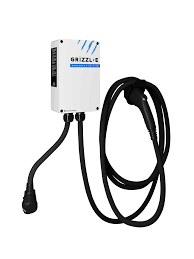
| 4 | Grizzl-E Classic | 16A–40A | Plug-In (NEMA 14-50) | Extreme weather durability | 4.4 | See Latest Price |
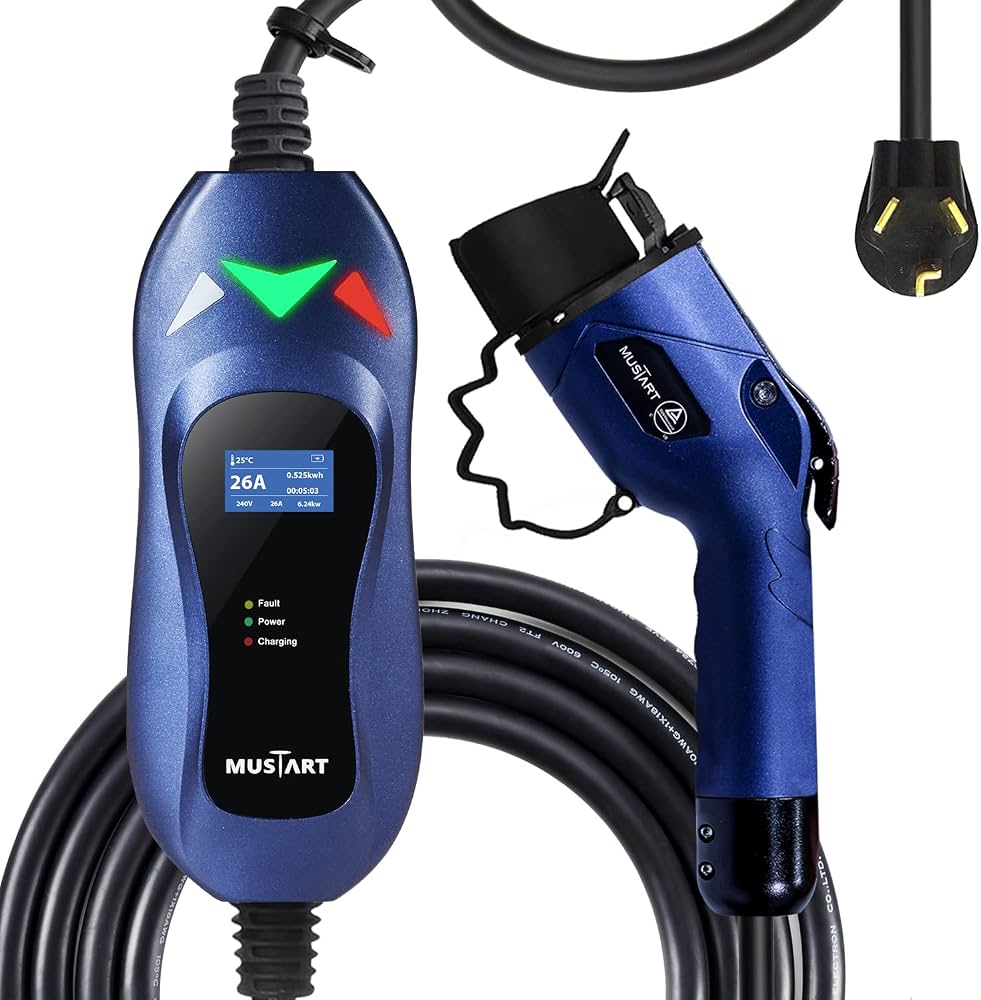
| 5 | MUSTART Level 2 Portable EV Charger | 32A | Portable Plug-In | Zero-install convenience | 4.3 | See Latest Price |
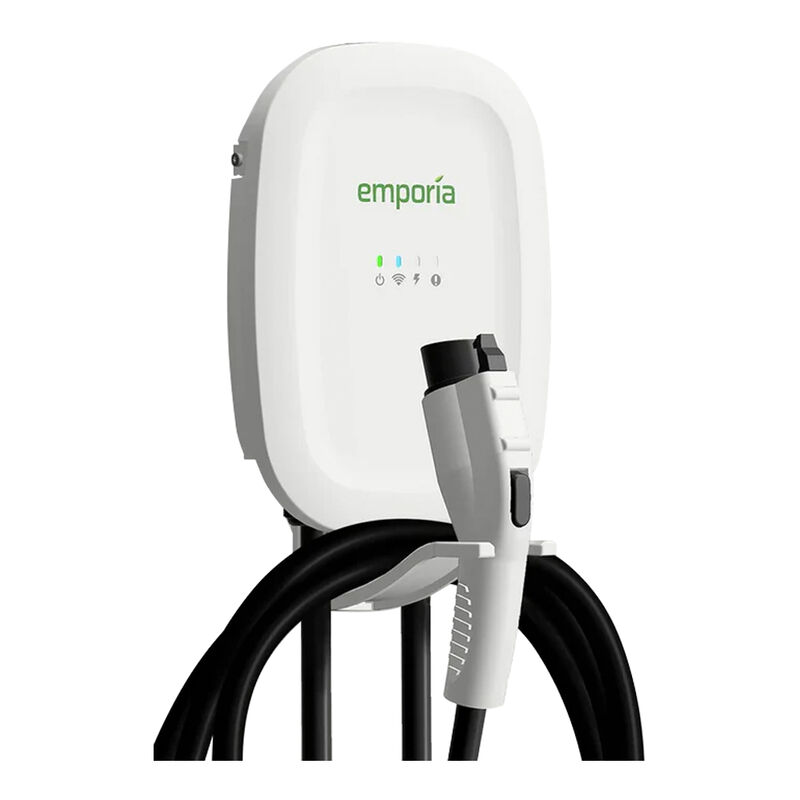
| 6 | Emporia Level 2 EV Charger Budget Pick | Up to 48A | Plug-In or Hardwired | Tight panel capacity | 4.5 | See Latest Price |
Detailed Reviews
A closer look at how each charger performed on charging speed, durability, and real-world installs — including where owner feedback disagreed with the marketing copy on the box.
ChargePoint Home Flex
- Selectable 16A to 50A amperage lets one unit match almost any home circuit without buying a different model
- 25-foot cable reaches across a two-car garage without an extension
- App-based scheduling for off-peak utility rates works reliably according to long-term owner reports
- UL listed and Energy Star certified, meeting the strictest safety bar in this category
- Available as a plug-in or hardwired unit, so the same charger fits a rental garage or a permanent install
- Wi-Fi connectivity drops occasionally and needs a manual reset to reconnect
- Costs more than simpler non-smart competitors for the same charging speed
- App dependency for scheduling adds friction for owners who just want to plug in and walk away
- Selecting the wrong amperage during setup means reconfiguring later, which isn’t always intuitive on first install
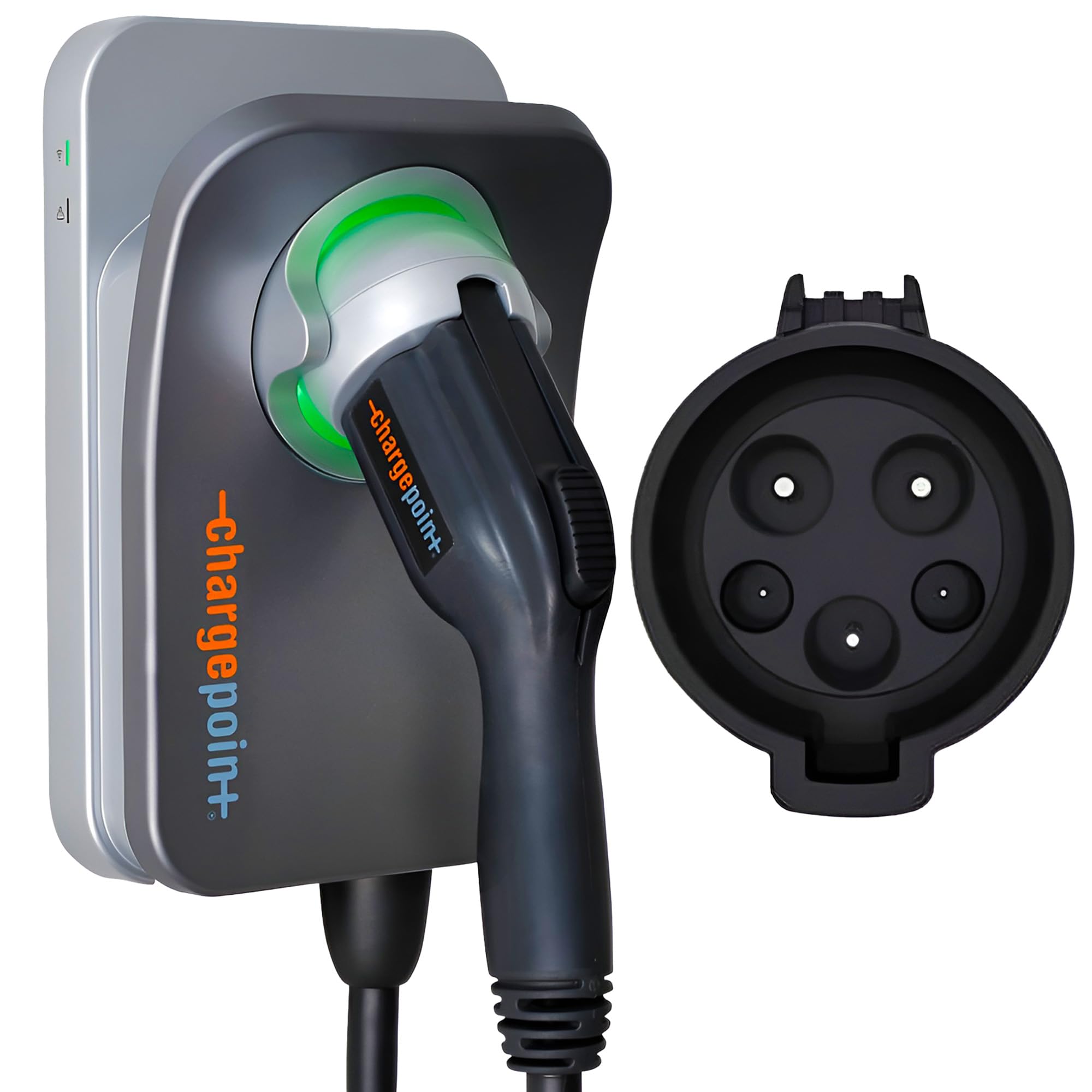
Tesla Wall Connector
- NACS connector clicks directly into Tesla vehicles with zero adapter fumbling in the dark
- 48A hardwired charging adds up to 44 miles of range per hour, among the fastest here
- Power-sharing links up to six Wall Connectors on one circuit, useful for multi-Tesla households
- Tesla app integration shows charge history and lets you schedule departures without a third-party app
- Glass-front design looks noticeably more finished than the industrial enclosures on most competitors
- Locked to Tesla vehicles unless you buy a separate third-party adapter for other EVs
- Hardwired installation only, with no plug-in option for renters or apartment dwellers
- Requires a licensed electrician and permit, adding real cost beyond the unit price
- Resale value of the charger drops sharply if you ever switch to a non-Tesla EV
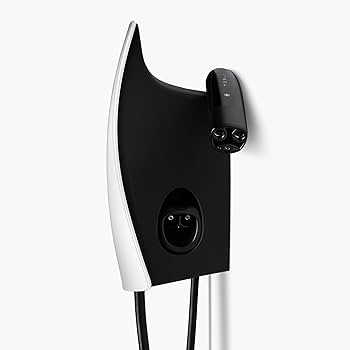
Autel MaxiCharger
- NEMA 4X enclosure handles rain, dust, and ice without hesitation for permanent outdoor mounting
- OCPP 1.6 support connects to third-party energy management and fleet platforms most competitors can’t touch
- Full-color LCD shows live voltage, current, kWh, and temperature right on the unit
- RFID card access is genuinely useful for shared driveways or multi-driver households
- 25-foot heavy-duty cable stays flexible in sub-zero conditions where cheaper cables stiffen
- Costs among the most of any charger reviewed here
- Firmware updates have occasionally reset custom amperage or scheduling settings
- Some app features are more than a casual single-EV household will ever use
- OCPP setup assumes some technical comfort that a first-time EV owner may not have
Grizzl-E Classic
- Die-cast aluminum NEMA 4X enclosure shrugs off pressure washing, ice, and direct sun without complaint
- Internal DIP switches set amperage in seconds, with no app or firmware to configure
- No Wi-Fi connection means no connectivity failures or firmware bugs to troubleshoot
- Owner reports describe units surviving Canadian winters and Florida hurricanes for years without a hiccup
- 24-foot premium cable stays flexible in cold weather rather than turning stiff and unwieldy
- No app means no scheduled off-peak charging unless your vehicle handles scheduling itself
- LED status indicator is hard to read in direct bright sunlight
- Industrial-looking enclosure won’t win any style points in a finished garage
- No energy usage tracking, which matters if you want cost data for tax or reimbursement purposes
MUSTART Level 2 Portable EV Charger
- Plugs straight into an existing NEMA 14-50 outlet with zero mounting or electrician visit required
- Included carrying case doubles the unit as a travel charger for road trips
- Built-in overvoltage, overcurrent, leakage, and ground fault protections match pricier hardwired units
- Delivers a genuine 32A Level 2 charge, roughly 25 miles of range per hour
- IP66-rated control box tolerates outdoor use even though it’s designed as a portable unit
- Cable stiffens noticeably in very cold weather compared to premium cold-rated cables
- Included wall hook feels flimsy and several owners replace it within the first year
- Lacks any app or smart scheduling, so charging time management falls entirely on the vehicle
- Requires an existing NEMA 14-50 outlet, which older homes may not already have installed
Emporia Level 2 EV Charger
- 48A hardwired output at a price that undercuts most 40A competitors by a wide margin
- Built-in load management prevents main breaker trips in homes with limited electrical capacity
- UL listed with the same safety testing rigor as chargers costing hundreds more
- App delivers clean, actionable energy data without ChargePoint’s steeper price tag
- Pairs with the Emporia Vue system for whole-home load balancing beyond just the EV circuit
- Plastic cable hanger feels noticeably less premium than the metal hardware on pricier units
- LED status light runs very bright at night with no dimming option
- App interface trails ChargePoint’s in polish, even if the core functionality works fine
- Brand has a shorter track record than ChargePoint, with fewer years of accumulated owner reviews
Can’t Decide?
Our Top 2 Picks — Head to Head
Both are excellent. Here’s how to choose between them.
- Works with every J1772 EV, plus Tesla via the included adapter
- Selectable 16A-50A amperage matches almost any home circuit
- Available as plug-in or hardwired, whichever fits your install
- Typically costs less than the Tesla Wall Connector at street pricing
- NACS connector clicks in natively, no adapter dangling off the cord
- 48A hardwired charging adds up to 44 miles of range per hour
- Power-sharing links up to six units on a single circuit
- Tesla app handles scheduling and charge history natively
How to Choose the Right Home EV Charger
Six factors that matter before you buy — explained simply, without the marketing jargon most spec sheets bury them in.
Connector Type: J1772 vs. NACS
Most non-Tesla EVs in North America use the J1772 connector, while Tesla vehicles use NACS. A J1772 charger works with every non-Tesla EV and can charge a Tesla using the adapter that ships with every Tesla. A dedicated NACS charger like the Tesla Wall Connector charges Teslas natively but needs a third-party adapter for anything else — match the connector to your actual driveway, not just your current car.
Plug-In vs. Hardwired Installation
A plug-in charger with a NEMA 14-50 plug uses an existing 240V outlet and needs no additional electrical work beyond that outlet. A hardwired charger connects directly to your panel, which removes the outlet as a failure point and unlocks higher amperage — up to 48A or 50A on most units. Hardwiring also sidesteps some GFCI nuisance-trip issues that plug-in units occasionally run into.
Amperage & Charging Speed
A 32A charger on a 40A circuit adds roughly 25 miles of range per hour; a 48A charger on a 60A circuit pushes that closer to 36-44 miles per hour. Most EVs fully charge overnight even at 32A, so higher amperage matters more for large battery packs or a short off-peak utility window than for daily commuting range.
Outdoor Durability Ratings
Chargers mounted outside need a real weather rating, not just a weatherproof-sounding name. NEMA 4X enclosures withstand hose-directed water and corrosion; NEMA 3R units handle rain and snow but not a pressure washer. Check that the cable itself carries a cold-weather flexibility rating too, since a stiff cable in freezing temperatures is a common long-term complaint.
Smart Features & Load Management
Wi-Fi-connected chargers add scheduling, energy tracking, and utility demand-response programs, while load management dynamically adjusts charging speed based on your home’s total power draw — often avoiding an expensive panel upgrade entirely. Decide honestly whether you’ll use an app daily or whether a simple plug-and-charge unit like the Grizzl-E actually fits how you’ll use the charger.
Safety Certifications
Buy only chargers carrying UL listing or ETL certification, which means an independent lab tested the unit for shock and fire risk under real electrical loads. Every charger on this list carries one of these marks, but plenty of unbranded units on marketplace sites don’t — checking for the certification logo takes seconds and matters more than any smart feature.
Pro Tips
Quick Buying Checklist
Run through these before you check out — they cover the mistakes and installation surprises that show up most often in owner reviews.
Check your panel capacity first — a 48A charger needs a full 60-amp circuit to run safely.
Match the connector to your car — J1772 for most EVs, NACS for Tesla (or the included adapter).
Confirm UL or ETL certification — it’s the difference between a tested product and a fire risk.
Get two electrician quotes — installation cost varies more than the charger price itself does.
Choose NEMA 4X for outdoor mounting — NEMA 3R handles rain but not a pressure washer.
Pull a permit for the install — skipping it can complicate insurance claims or a future home sale.
Frequently Asked Questions
What size breaker do I need for a home EV charger?
A 32A charger requires a 40-amp breaker, a 40A charger needs a 50-amp breaker, and a 48A charger draws a full 60 amps. This is because NEC code requires continuous loads like EV chargers to run at only 80% of the circuit’s rated capacity, not the full rating.
Do I need a hardwired charger or a plug-in one?
A plug-in unit with a NEMA 14-50 outlet offers flexibility and, in some cases, portability between homes. A hardwired unit provides a more robust connection and avoids the GFCI breaker compatibility issues that occasionally trip plug-in chargers. Hardwiring is generally preferred for permanent outdoor installs where reliability matters most.
Can I use a J1772 home charger with my Tesla?
Yes. Every Tesla ships with a J1772 adapter, so a J1772 charger like the ChargePoint Home Flex or Emporia works fine with any Tesla model. The reverse isn’t automatic — a Tesla Wall Connector’s NACS plug needs a separate third-party adapter to charge a non-Tesla EV.
How long does a home EV charger installation actually take?
A straightforward installation where a 240V outlet already exists takes an electrician roughly 2 to 4 hours for a hardwired unit, or zero install time for a plug-in charger. Complex jobs requiring a panel upgrade or a long conduit run can stretch into a full day.
Will charging my EV at home spike my electric bill?
It depends on mileage and local electricity rates, but home charging typically costs the rough equivalent of $1 to $2 per gallon of gasoline. Charging during off-peak utility hours, which most smart chargers can schedule automatically, reduces that cost further in areas with time-of-use electricity rates.
Why do some chargers need load management and others don’t?
Older homes with a 100-amp or 150-amp electrical panel often don’t have spare capacity for a 48A charger running alongside everything else in the house. Load management, built into chargers like the Emporia, dynamically reduces charging speed when total home demand spikes, which can avoid a costly panel upgrade entirely.
Do I need a permit to install a home EV charger?
In most municipalities, yes — a licensed electrician typically pulls the permit as part of the installation service. Skipping the permit on a DIY or unlicensed install can complicate a home insurance claim later or create problems if you sell the house and an inspector flags unpermitted electrical work.
Can I install a Level 2 charger myself instead of hiring an electrician?
Technically some plug-in units only require an existing outlet, so no electrical work is needed if that outlet is already in place. Running a new 240V circuit or hardwiring a unit to the panel, though, requires a licensed electrician in most areas — both for code compliance and because a mistake here carries real fire risk.
Final Verdict
Our Top Recommendations for 2026
Six chargers, six different driveways — but the ChargePoint Home Flex remains the safest first buy for most EV owners, since its selectable amperage adapts to whatever your panel can actually support instead of locking you into one fixed spec. Tesla households get a cleaner, faster experience from the dedicated Wall Connector, while tight electrical panels are better served by the Emporia’s load management. Outdoor installs in harsh climates favor the nearly indestructible Grizzl-E Classic, renters and new owners get zero-hassle charging from the MUSTART, and anyone building a broader home energy system should look at the Autel MaxiCharger’s OCPP support.