A bike that shifts and scrapes against the tailgate on every pothole isn’t just annoying — it’s usually a sign the rack was matched to the wrong hitch size or wheelbase from the start. After cross-referencing thousands of Amazon reviews and long-term threads on r/MTB and r/cycling, five racks consistently held bikes steady without the wobble, frame damage, or tailgate-blocking complaints that plague cheaper models, regardless of hitch size.
Not every rider needs the same rack. A weekly mountain biker with a carbon frame has different priorities than a family hauling four kids’ bikes to a campground, and a heavy e-bike changes the weight-capacity math entirely before you even look at price. The picks below split by durability, install ease, and budget, based on which failure points came up most in long-term owner feedback.
For most riders, the Kuat Sherpa 2.0 delivers the best mix of light weight, frame-safe wheel mounting, and tool-free install for a rack you’ll actually use every weekend. Serious mountain bikers who want a built-in repair stand should look at the Kuat NV 2.0 instead, while owners of heavy e-bikes need the reinforced steel frame on the Thule T2 Pro XTR.
Best Hitch Bike Racks — Compared
Five hitch bike racks compared on bike capacity, rack type, and real owner ratings pulled from thousands of verified purchases.
| # | Product | Bike Capacity | Type | Best For | Score | |
|---|---|---|---|---|---|---|
| 1 | Kuat Sherpa 2.0 Editor’s Choice | 2 bikes (add-on avail.) | Tray Rack | Frequent solo riders | 4.5 | See Latest Price |
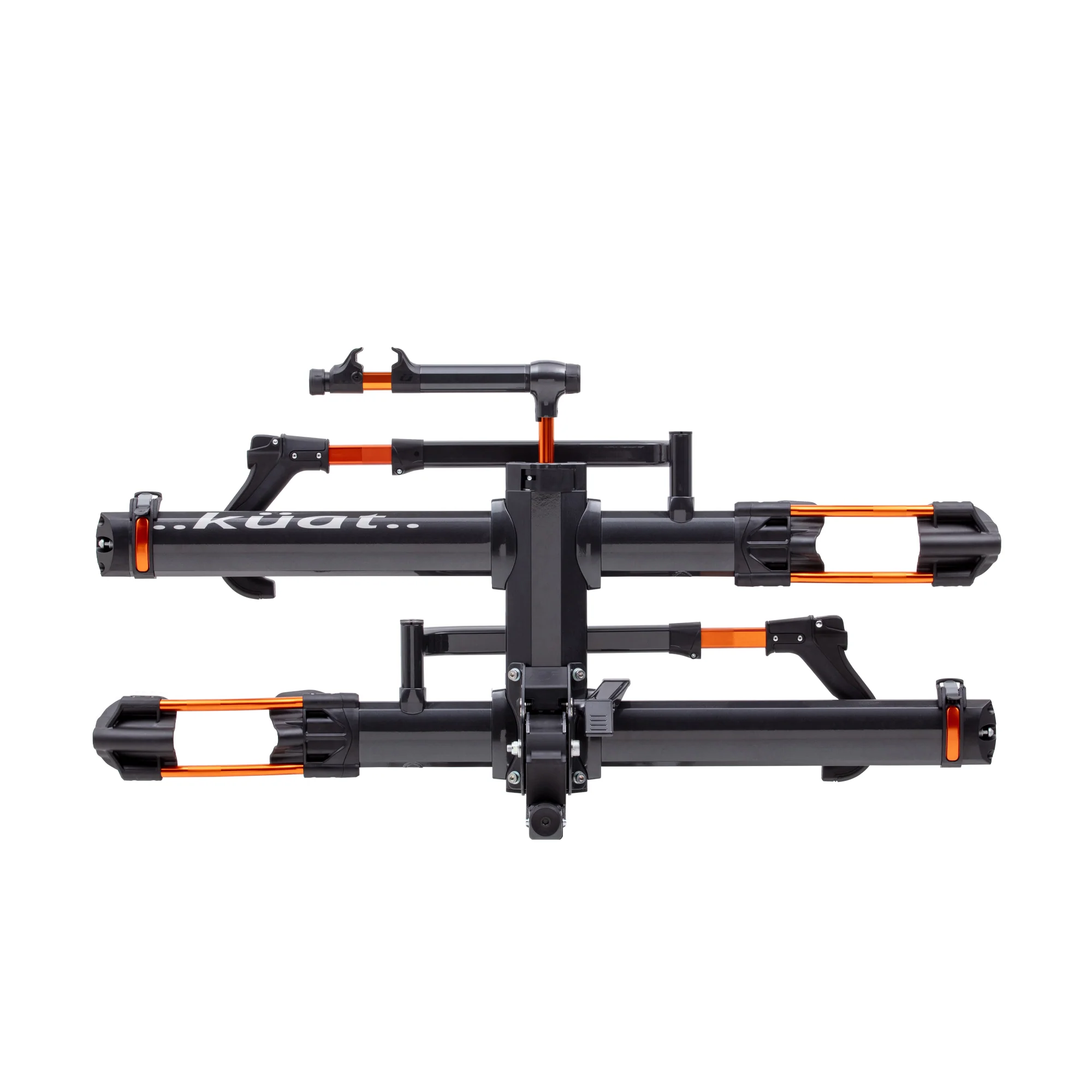
| 2 | Kuat NV 2.0 Top Pick | 2 bikes (4 w/ add-on) | Tray Rack (Premium) | Serious mountain bikers | 4.6 | See Latest Price |
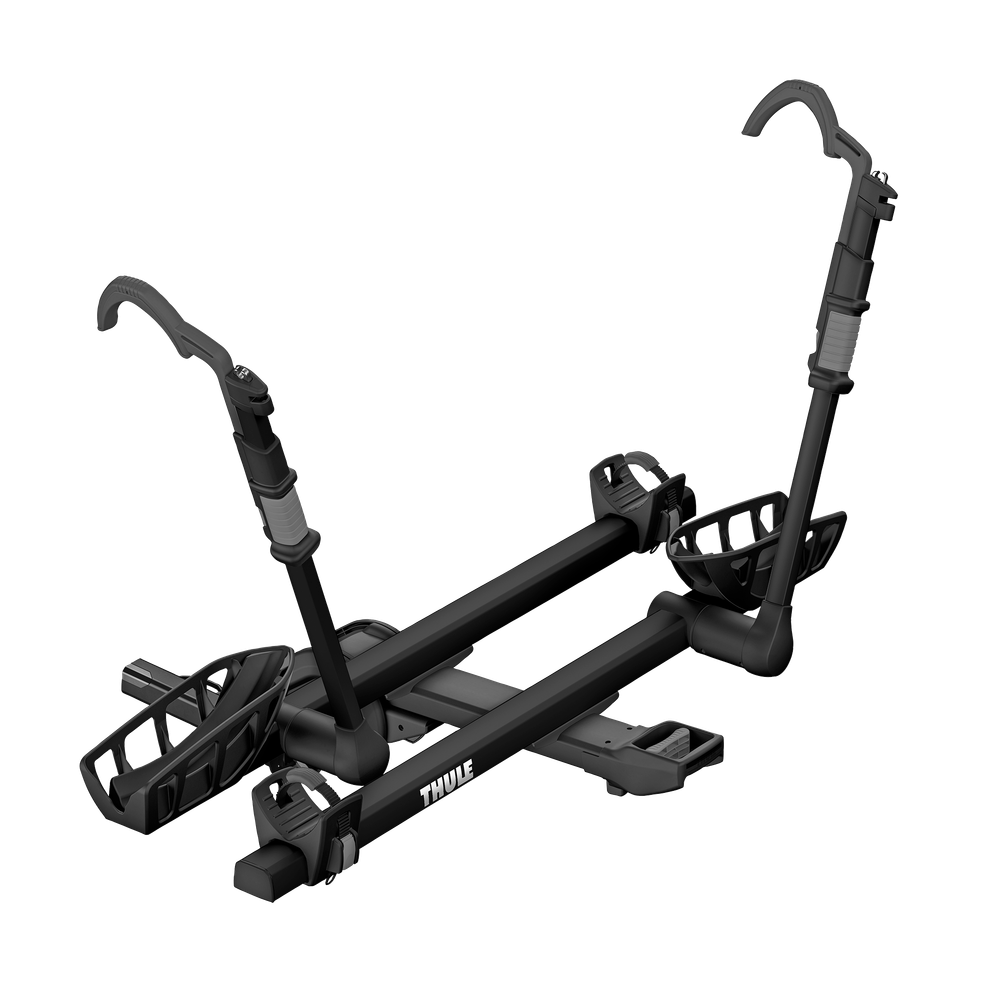
| 3 | Thule T2 Pro XTR | 2 bikes (4 w/ add-on) | Tray Rack (Heavy-Duty) | Heavy e-bikes & fat tires | 4.5 | See Latest Price |
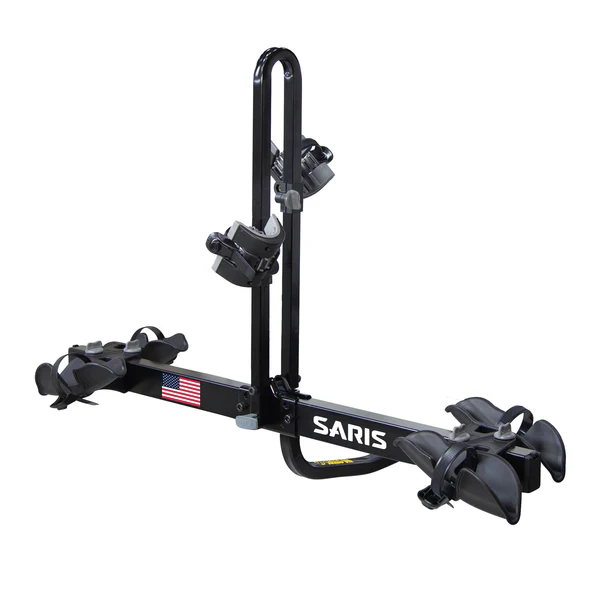
| 4 | Saris Freedom 2 | 2 bikes | Tray Rack (Lightweight) | Multi-vehicle households | 4.3 | See Latest Price |
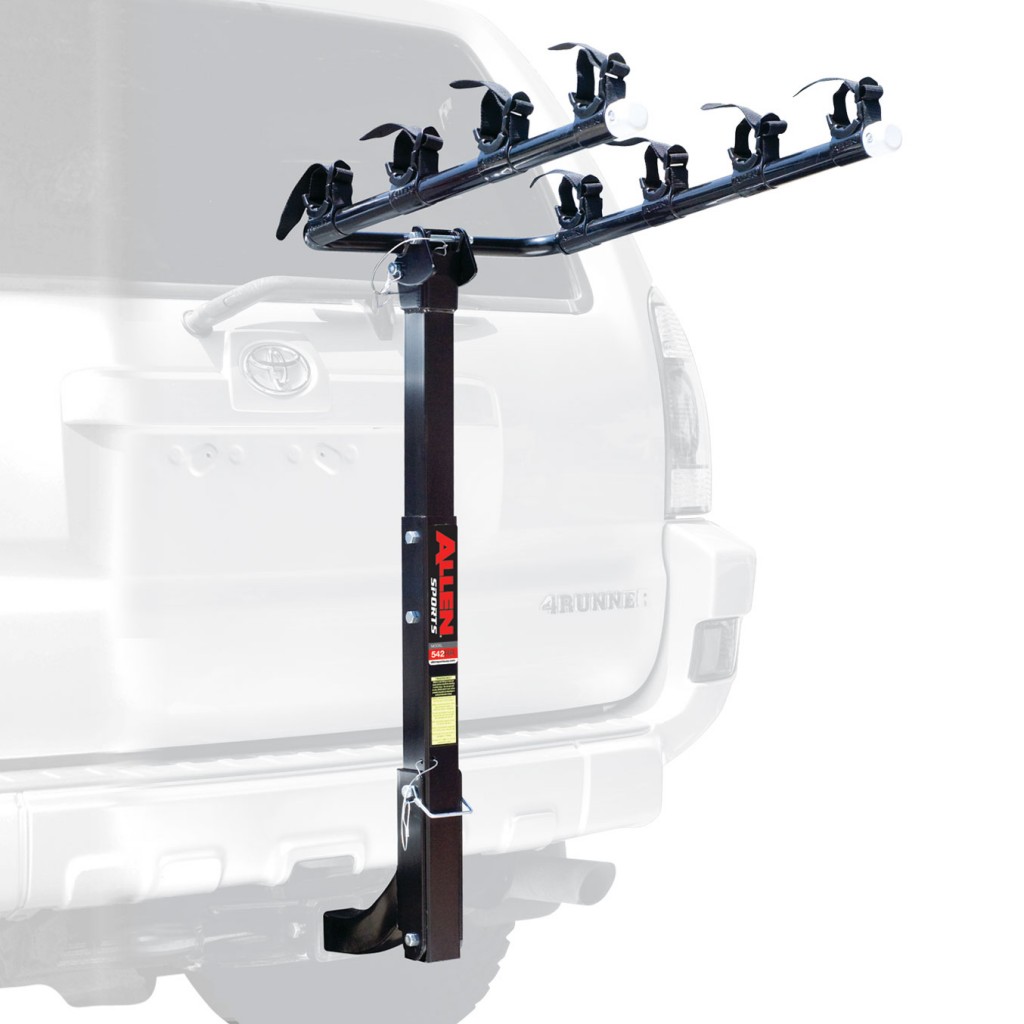
| 5 | Allen Sports Deluxe 4-Bike Budget Pick | 4 bikes | Hanging Rack | Family trips on a budget | 4.2 | See Latest Price |
Detailed Reviews
A closer look at how each rack performed on stability, bike protection, and real-world installs — including where owner feedback disagreed with the marketing copy on the box.
Kuat Sherpa 2.0
- At just 32 pounds, one person lifts it onto the receiver without straining a back or asking for help
- Front tire hook secures the bike without a single clamp ever touching the frame
- Ratcheting wheel cradles adjust tool-free for wheelbases up to 3-inch-wide fat tires
- Foot-activated tilt drops smoothly for tailgate access even with two bikes loaded
- Lifetime structural warranty backs the frame, with a separate 1-year finish warranty on top
- Plastic tray components show scuff marks after heavy repeated use, though structural failures stay rare
- Integrated cable lock reads more as a casual deterrent than real security against a determined thief
- Third-bike add-on kit costs extra, so 2 bikes is the practical limit out of the box
- Lighter overall weight means slightly less rigidity than the heavier steel racks on this list
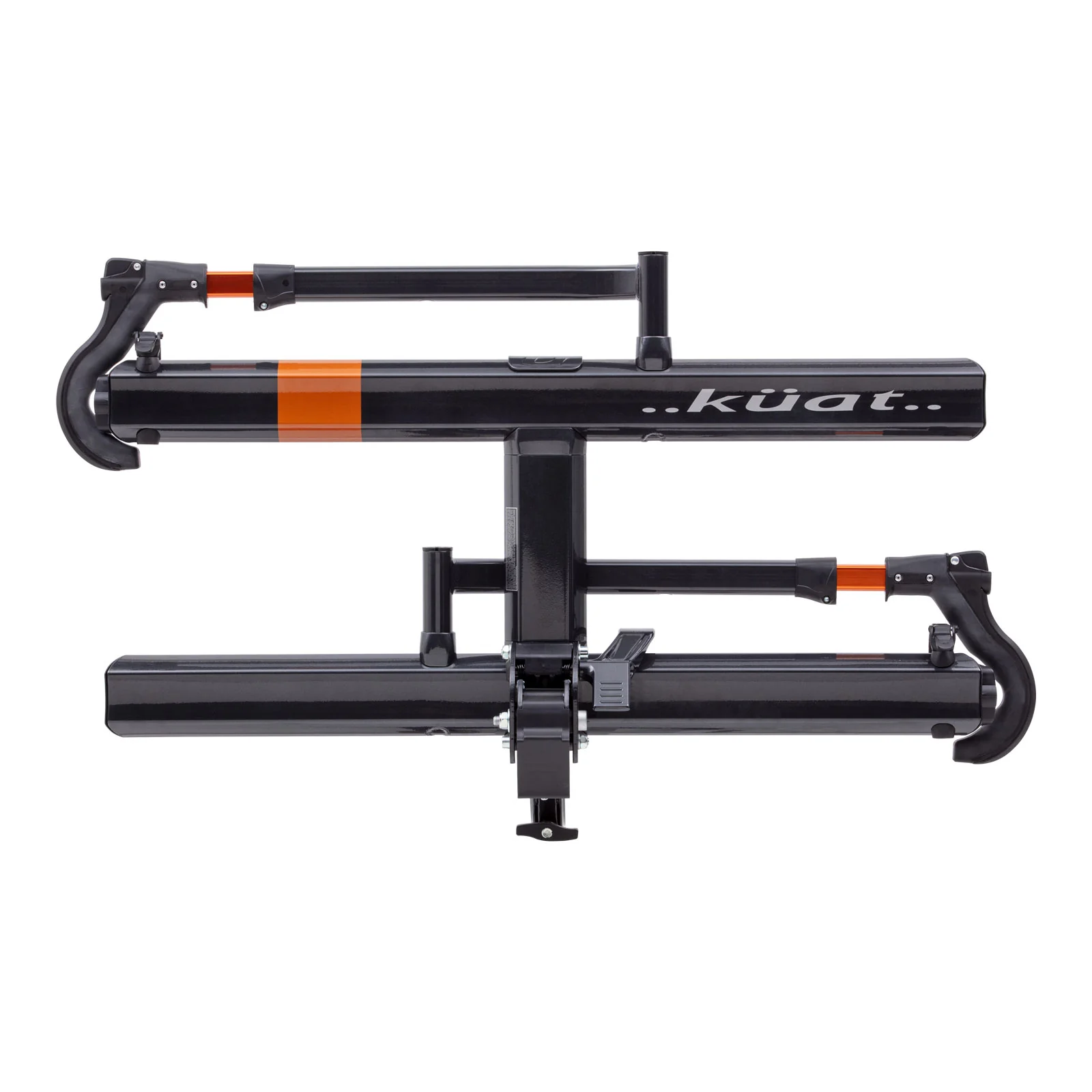
Kuat NV 2.0
- Built-in Trail Doc repair stand turns the rack into a mobile workshop for on-the-spot fixes
- All-metal aluminum and steel construction handles heavy e-bikes without the flex plastic cradles develop
- Three separate security points go well beyond the basic deterrents on cheaper racks
- Adjustable front tire cradle accommodates wheelbases from 38 to 50 inches
- Anodized aluminum accents and a premium finish draw compliments even from non-cyclists
- At 52 pounds, lifting it onto the hitch solo is genuinely difficult for a lot of owners
- Price climbs even higher once you add the third and fourth-bike expansion kit
- Bulk and weight make it a hassle to store when it’s not mounted on the vehicle
- Overkill for casual riders who just want a bike to the local trailhead once a month
Thule T2 Pro XTR
- Heavy-duty steel frame stays rigid on rough fire roads where lighter aluminum trays start to flex
- Fits tires up to 5 inches wide out of the box, covering nearly every fat tire bike
- Foot-pedal tilt lowers smoothly even with two 50-pound e-bikes loaded on the platform
- Thule’s customer service responds quickly according to repeated owner mentions in reviews
- Integrated cable lock and hitch pin lock ship in the box rather than as a separate purchase
- 52-pound weight makes installation and storage noticeably more effort than lighter racks
- Plastic ratchet covers can crack if forced, though replacement parts are readily available
- Overkill in weight and price for anyone only hauling standard road or commuter bikes
- Add-on kit for the third and fourth bike position adds meaningful cost on top of the base price
Saris Freedom 2
- Assembles fully by hand in under five minutes, with zero tools required for the entire setup
- At 27 pounds, it’s the lightest tray rack in this lineup, making vehicle swaps genuinely easy
- Anti-sway cradles hold bikes steady at highway speeds without ever touching the frame
- Fits both 1.25-inch and 2-inch receivers without needing a separate adapter purchase
- Reflectors built into the frame add visibility without needing a separate accessory light
- Plastic tilt lever feels noticeably less substantial than the metal levers on pricier racks
- 35-pound per-bike weight limit rules out most e-bikes and heavier downhill bikes
- Lighter construction may not hold up to years of daily heavy use the way steel racks do
- No add-on kit available to expand past 2 bikes if your needs grow later
Allen Sports Deluxe 4-Bike
- Carries four adult bikes for roughly a fifth of what a comparable tray rack setup would cost
- Folding mast drops down reliably year after year according to long-term owner reports
- Fits both 1.25-inch and 2-inch hitches out of the box with the included adapter
- Steel construction with a powder coat finish resists the elements better than a basic painted frame
- Included tie-down straps and security bar keep bikes from swaying into each other on the highway
- Bikes hang by the top tube, which several carbon frame manufacturers explicitly warn against
- No integrated lock ships with the rack, so cable locks become a separate required purchase
- Noticeable wobble in the receiver unless you add an aftermarket anti-rattle hitch pin
- Blocks the backup camera and tailgate access unless the whole rack is folded down with bikes removed
Can’t Decide?
Our Top 2 Picks — Head to Head
Both are excellent. Here’s how to choose between them.
- At 32 pounds, one person installs and removes it solo without strain
- Front tire hook keeps clamps off the frame entirely
- Costs roughly a third of what the NV 2.0 runs with its add-on kit
- Tool-free ratcheting cradles adjust in seconds
- Built-in Trail Doc repair stand turns the rack into a mobile workshop
- All-metal construction handles heavy e-bikes without flex
- Three separate security points go well beyond a basic cable lock
- Adjustable cradle fits wheelbases from 38 to 50 inches
How to Choose the Right Hitch Bike Rack
Six factors that matter before you buy — explained simply, without the marketing jargon most spec sheets bury them in, and without the upsell.
Hitch Receiver Size: 1.25″ vs. 2″
Most hitch racks are built for a 2-inch receiver, which handles more weight and wobbles less than a 1.25-inch setup. Some racks include an adapter for 1.25-inch receivers, but that adapter typically lowers the rack’s total weight rating. Measure your actual receiver opening before ordering rather than trusting a vehicle spec sheet, since aftermarket hitches sometimes differ from factory installs.
Tray vs. Hanging Rack Design
Tray racks cradle bikes by the wheels and never touch the frame, which matters if you own a carbon bike or anything with an unusual top tube shape. Hanging racks clamp bikes by the top tube instead, costing less and often carrying more bikes, but several carbon frame manufacturers specifically warn against that clamping pressure. Match the design to what’s actually hanging off your garage wall.
Weight Capacity & Bike Type
Standard hitch racks rate each bike at 35 to 40 pounds, which most road and commuter bikes clear easily. Heavy e-bikes, downhill mountain bikes, and fat tire bikes routinely exceed that number and need a rack specifically rated higher. Overloading a rack doesn’t just risk a scratch — it accelerates metal fatigue in the frame and hardware over repeated trips.
Tilt & Tailgate Clearance
A rack that tilts or swings away from the vehicle lets you open a hatch or tailgate without unloading bikes first, which matters more than it sounds like until you’re standing in a parking lot with two bikes in the way. Check the tilt angle against your specific vehicle’s rear door before buying, since some SUVs with large rear doors still make contact even when tilted.
Security Features
Integrated cable locks and locking hitch pins deter casual theft at a trailhead parking lot, but they won’t stop someone with an angle grinder and a few minutes alone with your car. For longer stops or overnight parking, a hardened chain lock adds real resistance that a coiled cable simply can’t match. Treat integrated locks as a deterrent, not a guarantee.
Warranty & Long-Term Reliability
Tray racks from Kuat, Thule, and Saris typically carry limited lifetime warranties on the structural frame, though finish and plastic components often get shorter separate coverage. Hanging racks from budget brands offer shorter warranties overall but tend to stay reliable simply because they have fewer moving parts to fail. Read the actual warranty terms rather than assuming “lifetime” covers everything on the rack.
Pro Tips
Quick Buying Checklist
Run through these before you check out — they cover the mistakes that show up most often in owner reviews.
Measure your hitch receiver yourself — don’t trust a spec sheet, since aftermarket hitches can differ.
Choose a tray rack for carbon frames — hanging racks clamp the top tube, which many manufacturers warn against.
Check the per-bike weight rating — most e-bikes exceed a standard 35-40 lb rack’s limit.
Test tilt clearance against your vehicle — some tailgates still hit the rack even when tilted.
Add an anti-rattle hitch pin — it’s the cheapest fix for the wobble most stock pins allow.
Read the warranty fine print — plastic and finish coverage is often shorter than the frame warranty.
Frequently Asked Questions
What size hitch receiver do I need for a bike rack?
Most hitch racks are built for a 2-inch receiver, which handles heavier loads with less wobble than a 1.25-inch setup. Some racks include an adapter for 1.25-inch receivers, though that typically lowers the total weight rating. Check your vehicle’s hitch label or measure the receiver opening directly before ordering, since two vehicles from the same manufacturer sometimes ship with different receiver sizes depending on trim.
Are hanging hitch bike racks safe for carbon frames?
Not always. Hanging racks clamp onto the top tube, and several carbon frame manufacturers specifically warn against that kind of side-load clamping pressure. Tray racks eliminate the risk entirely by holding the bike at the wheels instead, so if you own a carbon bike, a tray-style rack is the safer choice regardless of how much it costs upfront.
Can I open my tailgate with a hitch bike rack installed?
Most tray racks tilt away from the vehicle to allow tailgate or hatch access without removing the bikes first. Hanging racks usually require you to take the bikes off before folding the rack down. Check the tilt mechanism’s actual clearance against your specific vehicle before buying, since some large tailgates still make contact even in the fully tilted position.
Will a hitch bike rack fit any bike I own?
Not automatically. Kids’ bikes with small wheels, step-through frames, and long-wheelbase cargo bikes often need adapters or specialty racks built for their shape. Tray racks with adjustable wheel cradles accommodate the widest range of bikes, but always confirm the rack’s minimum and maximum wheelbase and tire width against your specific bike before ordering to avoid a frustrating return.
How do I stop my hitch bike rack from wobbling in the receiver?
An anti-rattle hitch pin or the rack’s built-in tightening knob usually solves this, since both clamp the rack firmly against the receiver tube. A loose rack isn’t just noisy — the constant movement can wear down the receiver and rack mounting points faster than normal use would, eventually creating play that no amount of tightening fully resolves.
Can I carry more than two bikes on a hitch rack?
Many tray racks support an add-on kit that expands capacity to three or four bikes, while hanging racks often carry four bikes right out of the box. Either way, check your vehicle’s tongue weight rating against the rack’s total loaded weight — exceeding either limit is a real safety issue, not just a rack durability concern, and it’s worth verifying both numbers before adding a fourth bike.
Do heavier e-bikes need a different kind of hitch rack?
Yes, in most cases. Standard racks rate each bike at 35 to 40 pounds, and a typical e-bike battery and motor easily push well past that number. Racks like the Thule T2 Pro XTR or Kuat NV 2.0 are built with reinforced frames and higher per-bike ratings specifically to handle that extra weight.
Can a hitch bike rack damage my vehicle’s hitch receiver over time?
A loose-fitting rack can, since constant micro-movement inside the receiver wears down both the rack shank and the receiver tube faster than normal use. This is almost always solved with an anti-rattle hitch pin or by fully tightening the rack’s built-in cam or knob system before every drive, not by any inherent flaw in the receiver itself.
Final Verdict
Our Top Recommendations for 2026
Five racks, five different priorities on the trail — but the Kuat Sherpa 2.0 remains the safest first buy for most riders, pairing genuinely light weight with frame-safe wheel mounting that works solo, every time, without asking for a second pair of hands. Serious mountain bikers who want a trailhead repair stand and don’t mind the extra weight get real value from the Kuat NV 2.0, while owners of heavy e-bikes or fat tire bikes need the reinforced steel the Thule T2 Pro XTR was built around. Budget-focused families and multi-vehicle households are well covered by the Allen Sports Deluxe 4-Bike and Saris Freedom 2, each solving a different part of the equation.