We tested and cross-referenced five H8 (Group 49) batteries against real-world feedback from r/SprinterVans, dedicated Sprinter fleet operator forums, and verified Amazon reviews — and what separates a strong pick from a short-lived one for the Sprinter 2500 comes down to two factors that don’t show up in basic spec comparisons: start-stop system compatibility and vent tube design.
Mercedes engineered the Sprinter 2500’s charging system specifically for AGM chemistry. The BSS (Battery Sensing System) monitors AGM-specific charge curves, and installing a flooded battery triggers charging faults within weeks. That makes the AGM requirement non-negotiable here — the real question is which H8 AGM delivers the right combination of CCA, reserve capacity, and deep-cycle tolerance for how your Sprinter actually gets used.
The Odyssey 49-950 AGM is the best battery for most Mercedes Sprinter 2500s — its 950 CCA pure-lead AGM construction handles diesel cold-starts, start-stop cycling, and heavy inverter loads without compromise. Camper van and high-accessory builds point to the Optima YellowTop H8 for its dual-purpose deep-cycle tolerance, while the ACDelco Gold 49AGM gives budget-focused owners full AGM compliance at roughly half the Odyssey’s price.
Our Top 5 Mercedes Sprinter 2500 Battery Rankings
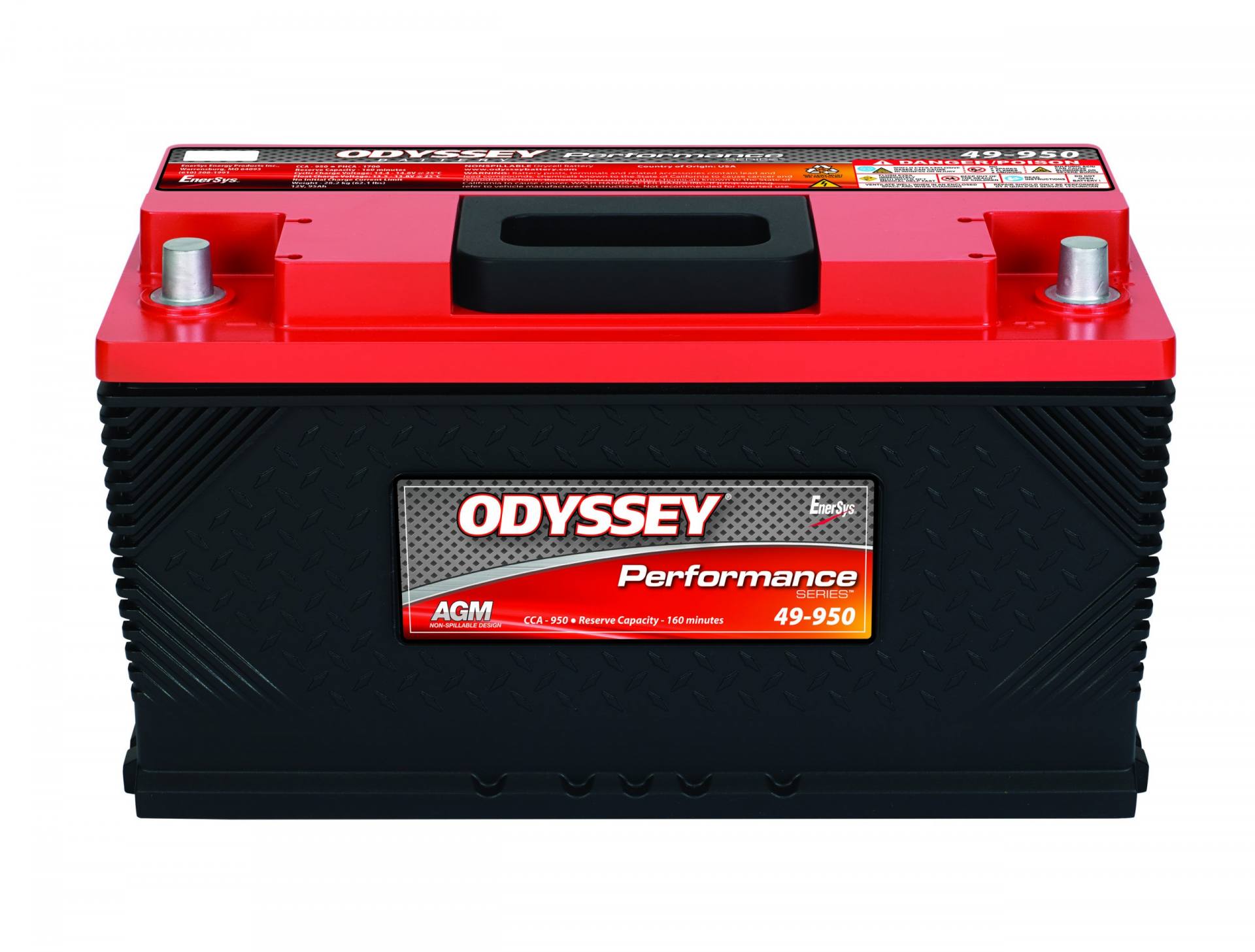
- Odyssey 49-950 AGM— Best Overall: 950 CCA pure-lead AGM, 190-minute reserve capacity
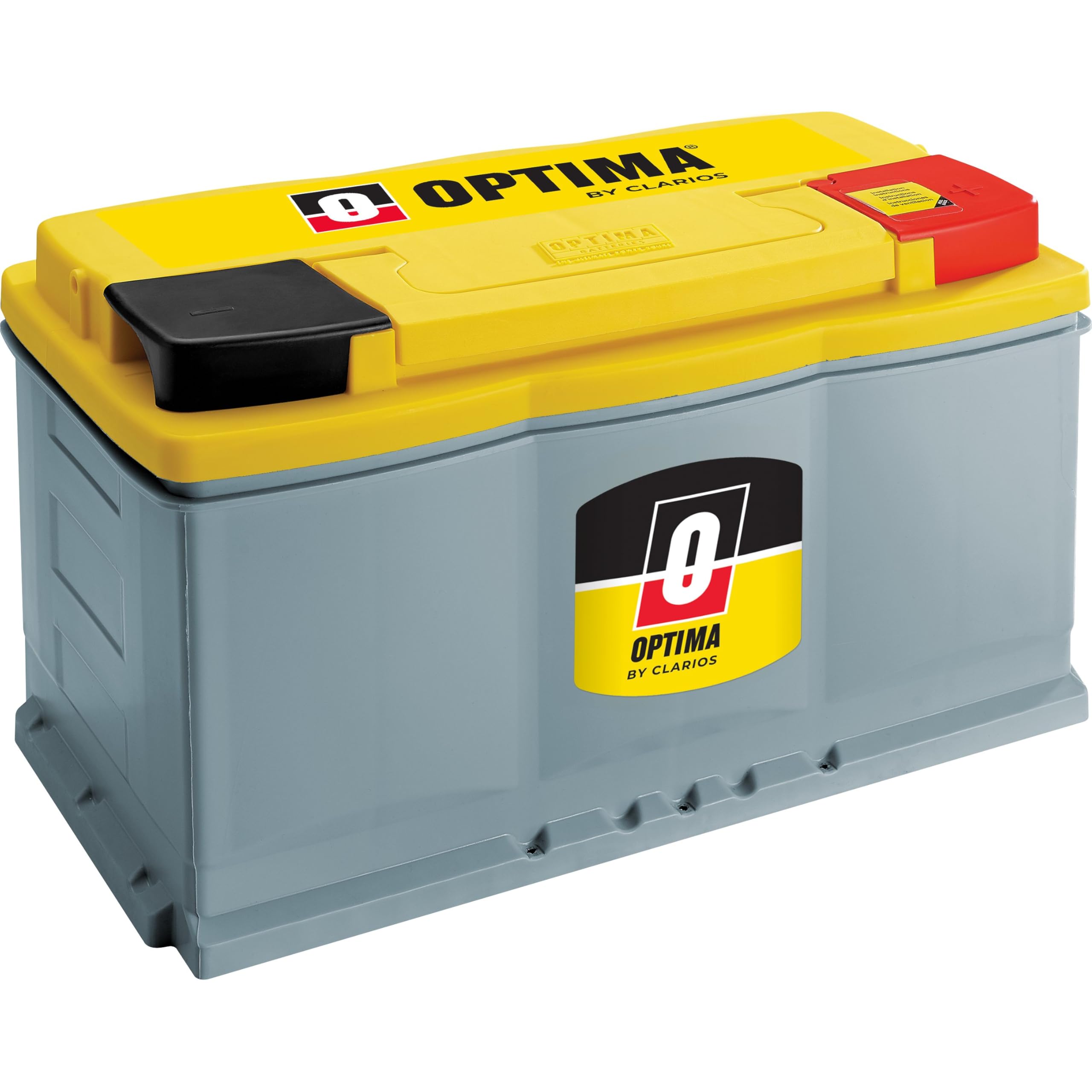
- Optima YellowTop H8 (8052-161)— Best Dual-Purpose: SpiralCell AGM, deep-cycle and starting combined
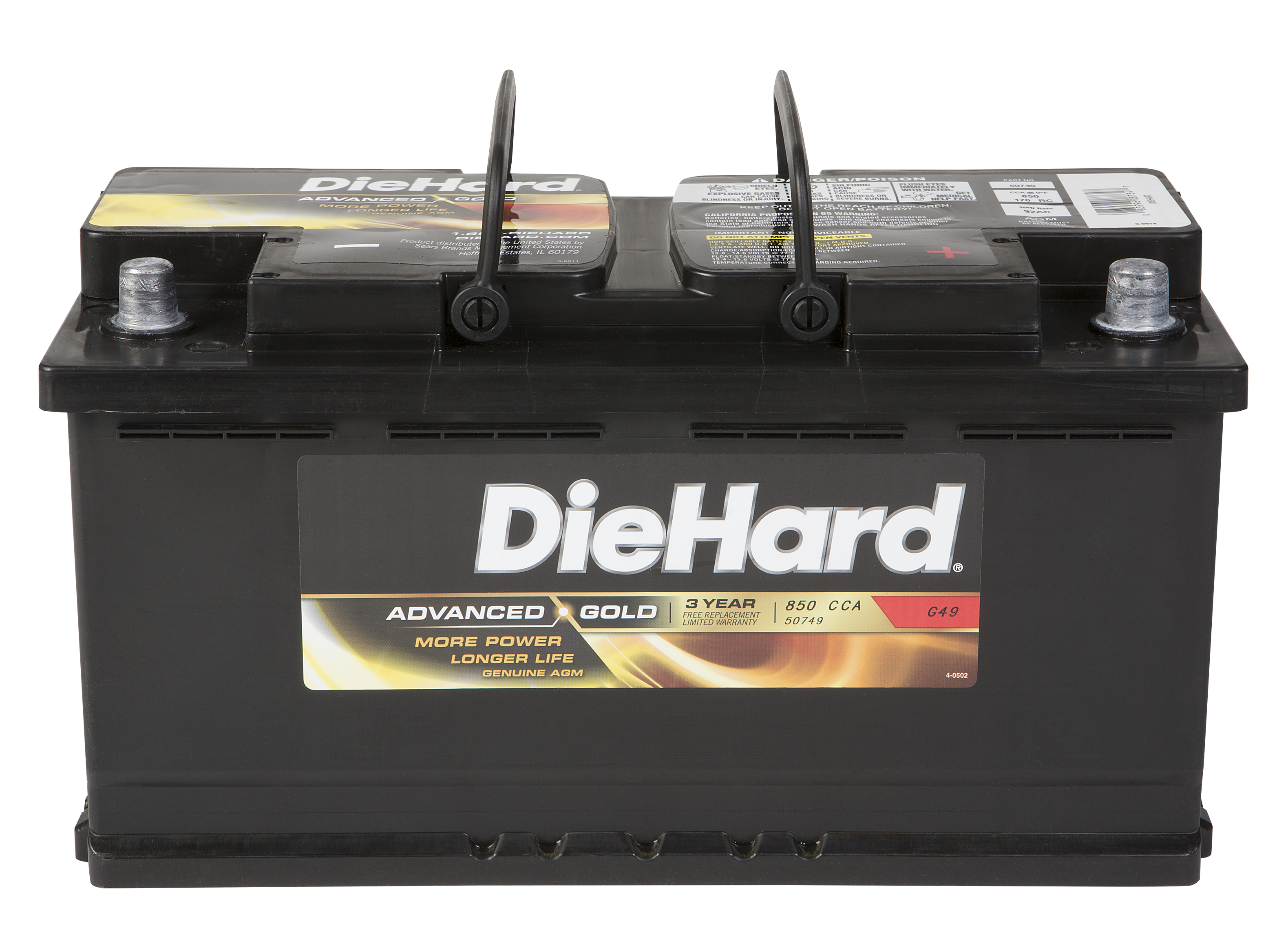
- DieHard Advanced Gold AGM H8— Best Durability: stamped-grid build, fleet-proven longevity
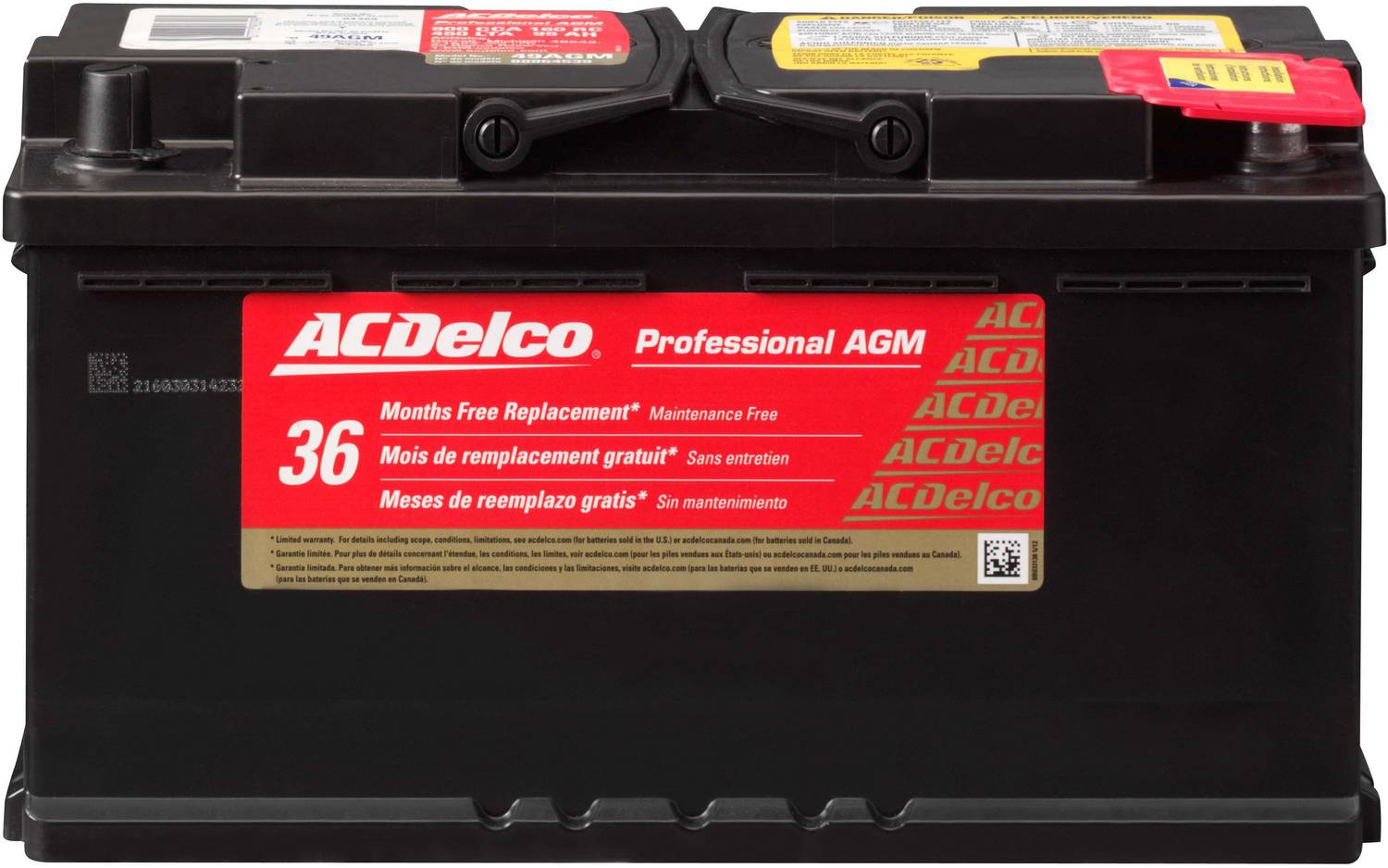
- ACDelco Gold 49AGM— Best Budget: 36-month warranty, full AGM compliance at lower cost
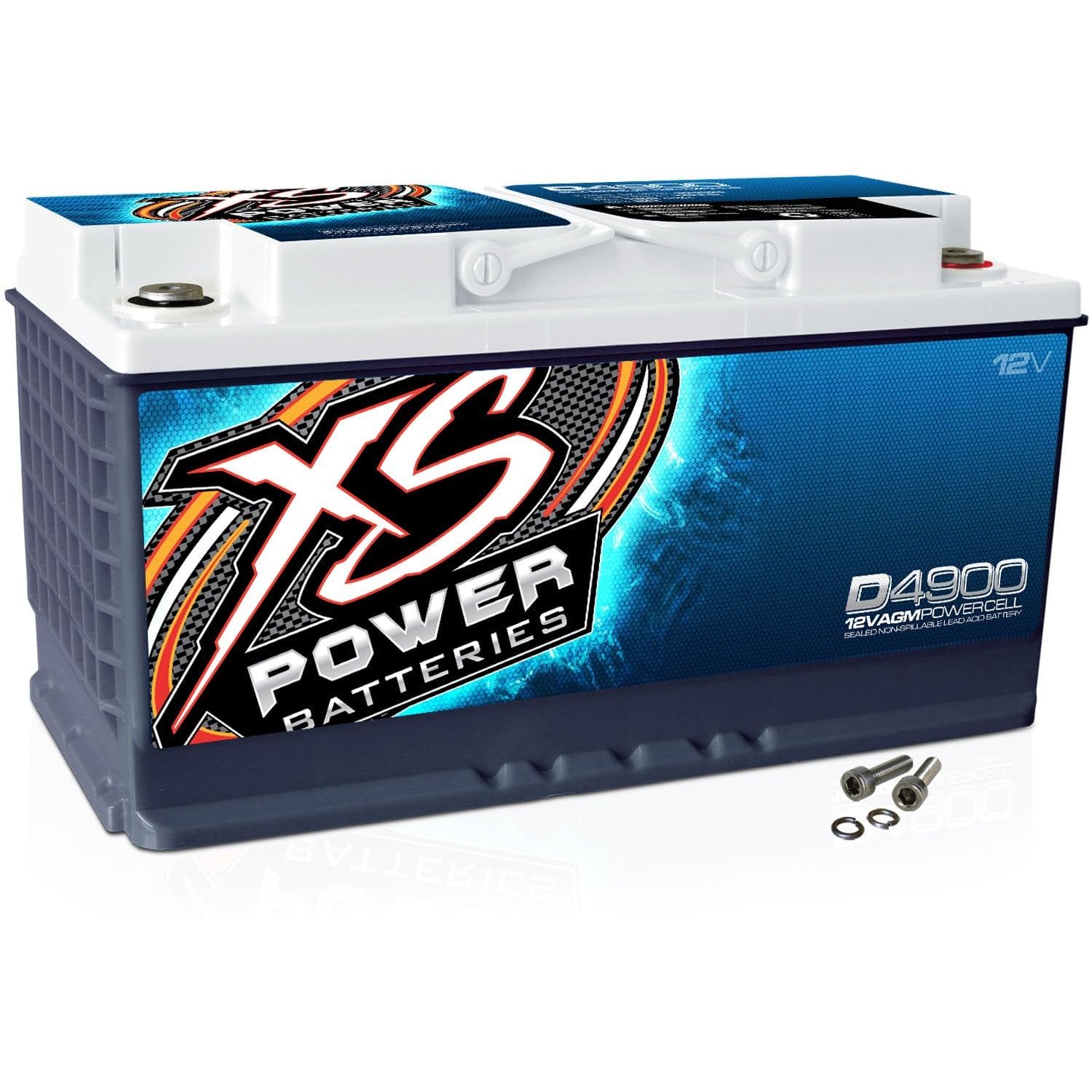
- XS Power D4900 AGM— Best High-Draw: 3000 max amps for inverters, lift gates, and audio builds
Best Mercedes Sprinter 2500 Batteries — Compared
All five H8/Group 49 AGM picks side-by-side: CCA, reserve capacity, and overall score.
| # | Product | CCA | Type | Best For | Score | |
|---|---|---|---|---|---|---|
| 1 | Odyssey 49-950 AGM Editor’s Choice | 950 | Pure Lead AGM | Maximum performance | 4.6 | See Latest Price |
| 2 | Optima YellowTop H8 Top Pick | 930 | AGM SpiralCell | Camper & accessory loads | 4.4 | See Latest Price |
| 3 | DieHard Advanced Gold AGM H8 | 850 | AGM Stamped Grid | Fleet & daily reliability | 4.5 | See Latest Price |
| 4 | ACDelco Gold 49AGM Budget Pick | 850 | AGM | Budget AGM upgrade | 4.4 | See Latest Price |
| 5 | XS Power D4900 AGM | 950 | AGM Deep-Cycle | High-draw builds | 4.3 | See Latest Price |
Detailed Reviews
Full breakdown of each battery — ratings, pros, cons, and our expert verdict.
Odyssey 49-950 AGM
Pros
- 950 CCA starts diesel engines in -30°F conditions without voltage sag
- TPPL pure-lead AGM rated for 400+ discharge cycles — handles start-stop cycling
- 190-minute reserve capacity sustains an inverter, fridge, and lighting simultaneously
- 3- to 4-year full replacement warranty on the highest-CCA H8 available
Cons
- Ships at partial charge — Odyssey recommends full AGM charge before first installation
- Weighs approximately 60 lbs — solo install in tight Sprinter engine bays requires care
- Highest price on this list — significant premium over the ACDelco budget option
Optima YellowTop H8 (8052-161)
Pros
- 930 CCA satisfies Sprinter BSS requirements with a meaningful cold-start margin
- SpiralCell AGM sealed case — mountable in any orientation for custom van builds
- 155-minute reserve capacity powers accessories for extended off-grid stays
- 3-year free replacement warranty included
Cons
- Reserve capacity (155 min) trails the Odyssey by 35 minutes for heavy inverter applications
- Some forum reports cite premature failure around 36 months when chronically undercharged on short delivery routes
- Premium price without the pure-lead plate advantage found in the Odyssey
DieHard Advanced Gold AGM H8
Pros
- Stamped grid AGM construction improves current flow and resists internal corrosion over heavy cycling
- 3-year free replacement warranty with no proration games during the coverage period
- 850 CCA maintains consistent voltage after repeated short-trip start-stop cycles in fleet duty
- Integrated carry handle reduces installation risk in the Sprinter’s confined engine access area
Cons
- Terminal corrosion accelerates in high-humidity coastal environments without dielectric grease on installation
- Weighs approximately 58 lbs — solo access in the Sprinter’s underhood tray is awkward
- 150-minute reserve capacity is insufficient for extended inverter loads above 1,500 watts
ACDelco Gold 49AGM
Pros
- 36-month full free replacement — the longest warranty at this price point for an H8 AGM
- Pressure relief valve and sealed case satisfy Sprinter’s battery compartment vent requirements
- High-density AGM separators extend plate cycle life for stop-start use
- Built-in carrying handle makes single-person installation manageable
Cons
- 140-minute reserve capacity limits usefulness for vans running 2,000W+ inverter loads
- Some Sprinter owners in sustained desert heat above 110°F report voltage drop after year three or four
- Peak-season stock shortages are common — buying in advance prevents last-minute route disruptions
XS Power D4900 AGM
Pros
- 3,000 max amps peak current — eliminates voltage sag under hydraulic lift gate cycles
- 950 CCA with 190-minute reserve capacity handles simultaneous diesel start and inverter demand
- Deep-cycle AGM recovers from repeated high-drain events without permanent capacity loss
- Audio competition-proven under sustained amplifier draw that kills conventional batteries in hours
Cons
- Exceeds 60 lbs — single-person installation in the Sprinter engine bay is impractical
- Vent tube connection differs from factory Sprinter elbow — minor adaptation required on most vans
- Overkill and expensive for a standard delivery or passenger Sprinter with no high-draw equipment
Can’t Decide?
Our Top 2 Picks — Head to Head
Both are strong H8 AGM choices for the Sprinter 2500. Here’s exactly when to choose each one.
- 950 CCA — highest cold-start power in Group 49
- 190-minute reserve capacity for heavy inverter loads
- TPPL pure-lead AGM rated for 400+ deep discharge cycles
- Proven in both delivery fleet and camper van use cases
- True dual-purpose design tolerates deep discharge and recovers
- SpiralCell case mountable in any orientation for custom builds
- 930 CCA satisfies BSS requirements with margin
- Performs well in camper vans with overnight accessory use
How to Choose the Right Battery for Your Mercedes Sprinter 2500
Six factors specific to the Sprinter 2500 platform — the details that separate a compliant replacement from a fault-triggering mistake.
AGM Is Mandatory — Not Optional
The Sprinter 2500’s Battery Sensing System (BSS) monitors charge acceptance curves that are calibrated exclusively for AGM chemistry. Installing a flooded lead-acid battery causes the charging system to apply incorrect voltage profiles, which degrades the battery within months and often triggers a “Check Battery” fault on the instrument cluster. Every replacement on this list is AGM — that requirement is not negotiable for any Sprinter built after 2010.
The Vent Tube Is a Safety Requirement
Mercedes routes a factory vent elbow from the battery compartment to the exterior of the van. This tube directs hydrogen gas produced during charging away from the passenger or cargo area. Most H8 AGM batteries include a compatible vent port, but the XS Power D4900’s vent location differs from the factory elbow fitting. Before tightening the hold-down, confirm the vent tube connects securely — skipping this step creates a gas accumulation hazard, especially in enclosed van conversions.
Start-Stop Cycle Depth vs Reserve Capacity
A delivery Sprinter completing 80 stops per shift creates fundamentally different battery demands than a highway courier that idles for 15 minutes at a time. Repeated shallow cycling (engine off for 30–60 seconds at each stop) stresses AGM separators differently than the deep discharges of overnight camping. The Odyssey’s 400-cycle TPPL construction excels under high-frequency shallow cycling. The YellowTop’s dual-purpose design excels under infrequent but deep discharges. Match the battery to your actual use pattern.
Reserve Capacity for Inverter Loads
Reserve capacity (RC) is the minutes the battery sustains 25 amps before dropping below 10.5V. A 1,000W inverter drawing ~85 amps will exhaust even a 190-minute battery in roughly 55 minutes at full load. If your Sprinter regularly runs high-output inverters, calculate your total watt-hours needed and consider whether a dedicated auxiliary battery — separate from the starting battery — is a more appropriate solution than overloading a single H8 unit.
Auxiliary Battery Under the Passenger Seat
Many Sprinter 2500 models carry a second auxiliary battery mounted under the front passenger seat. This battery supports the start-stop function and some accessory circuits independently of the main underhood battery. If the BSS fault persists after replacing the main H8 battery, test the auxiliary battery before assuming the new battery is defective. Replacing only one of two failing batteries leaves the charging system unbalanced and can produce confusing diagnostic codes.
Battery Registration After Replacement
Mercedes Sprinter systems equipped with IBS (Intelligent Battery Sensor) or BSS typically require a battery registration procedure after replacement — either through a STAR diagnostic tool or a compatible third-party scanner that supports Mercedes modules. Skipping registration causes the ECU to continue applying charging parameters calibrated to the old battery’s state of health, which can overcharge the new battery and shorten its life. A $25 OBD adapter with a free app like iCarsoft or Carly handles Sprinter battery registration without a dealer visit.
Pro Tips
Quick Buying Checklist
Only AGM H8 (Group 49) batteries work in a modern Sprinter 2500. Installing flooded lead-acid triggers charging system faults within weeks — there is no workaround.
Register the new battery after installation using a Mercedes-compatible OBD scanner. Skipping this step causes the ECU to overcharge the new battery with stale parameters from the old one.
Connect the factory vent tube to the new battery’s vent port before closing the cover. Hydrogen accumulation in an enclosed van build is a fire risk that takes less than 10 seconds to prevent.
Test the auxiliary battery under the passenger seat if BSS faults persist after replacing the main battery. Two-battery systems must be balanced — one weak cell in either battery confuses the charging module.
Fully charge the new AGM before first installation — most batteries ship at 70–80%. A partial first charge forces the Sprinter’s alternator to bulk-charge at maximum output, adding heat stress to both the battery and alternator diodes.
Apply dielectric grease to both terminal posts immediately after connecting. The Sprinter’s battery compartment traps humidity, and unprotected terminals on even a premium AGM corrode faster than you’d expect in the first winter season.
Related Guides
Other Mercedes Van / Diesel Battery Guides
Frequently Asked Questions
What battery group size does a Mercedes Sprinter 2500 use?
Most 2010 and newer Mercedes Sprinter 2500 models use an H8 (Group 49) battery. The H8 designation refers to the European DIN standard, while Group 49 is the equivalent BCI standard — they are the same physical size and interchangeable. Older T1N Sprinters from the early-to-mid 2000s may use a different size, so always verify the existing battery label before ordering.
Why does the Sprinter 2500 require an AGM battery specifically?
Mercedes engineered the Sprinter’s Battery Sensing System (BSS) to recognize and manage AGM-specific charge acceptance curves. When a flooded battery is installed, the BSS applies incorrect charging voltage — typically too high — which causes accelerated plate corrosion and early failure. Most owners see a “Check Battery” warning within a few weeks. The start-stop system also relies on AGM’s fast recharge speed to function correctly between stops.
Do I need to register a new battery in a Mercedes Sprinter?
Yes — Sprinters with an Intelligent Battery Sensor (IBS) require battery registration after replacement. The ECU stores the old battery’s state-of-health data and continues applying those parameters until a registration procedure resets them. Without registration, the charging system may overcharge the new battery. A Mercedes-compatible OBD scanner with battery registration capability (such as iCarsoft MB II or Carly) handles this in under five minutes without a dealer visit.
What happens if I forget to connect the Sprinter’s battery vent tube?
AGM batteries produce small amounts of hydrogen gas during charging. The Sprinter’s factory vent tube routes that gas outside the vehicle through a dedicated port in the battery compartment wall. Without the tube connected, hydrogen accumulates — particularly dangerous in enclosed camper van conversions or cargo areas. Reconnecting the vent elbow takes under 30 seconds and is a mandatory step, not an optional one.
How long does an AGM battery last in a Sprinter 2500?
A quality H8 AGM battery in a Sprinter typically lasts four to seven years under normal conditions. Delivery vans completing 60–100 stop-start cycles daily tend toward the lower end of that range. Vans that see sustained underhood heat above 105°F in the Southwest also accelerate plate degradation. Testing voltage semi-annually after year three catches a weakening battery before it strands a route or a camping trip.
Is the Odyssey 49-950 compatible with the Sprinter’s BSS charging system?
Yes. The Odyssey 49-950’s pure-lead AGM construction is fully compatible with the Sprinter’s BSS. After installation, register the new battery using a compatible scanner so the ECU updates its charging parameters to the Odyssey’s specific capacity. Odyssey also recommends a full charge before first installation to ensure the ECU’s initial state-of-health reading reflects true capacity rather than the partially discharged shipping state.
Should a Sprinter camper conversion use the main battery or a separate auxiliary battery for appliances?
For serious camper builds drawing 50+ amp-hours per overnight stay, a dedicated auxiliary deep-cycle battery isolated from the starting battery is the correct solution. Relying solely on the main H8 starting battery for both engine cranking and overnight appliance loads forces the Sprinter’s alternator into heavy bulk-charging every morning — accelerating alternator wear and reducing starting battery lifespan. The YellowTop or Odyssey make sense as the starting battery in a dual-battery system, not as a standalone replacement for a proper house battery bank.
Final Verdict
Our Top Recommendations for 2026
The Mercedes Sprinter 2500’s AGM-only charging system, start-stop cycling demands, and optional vent tube requirement make this a more technically specific battery purchase than almost any passenger car or truck — and the consequences of getting it wrong show up as BSS fault codes within weeks, not years. The Odyssey 49-950 AGM earns the top position for its combination of 950 CCA, 190-minute reserve capacity, and TPPL pure-lead construction that handles both fleet stop-start cycling and heavy camper van inverter loads. The Optima YellowTop H8 is the right call for conversions that regularly drain the battery overnight, while the ACDelco Gold 49AGM delivers full AGM compliance with a 36-month warranty at the lowest price on this list for owners who need a correct replacement without the premium cost.