Based on cross-referencing thousands of Bimmerpost forum threads, owner-submitted used oil analysis reports, and long-term F30 ownership accounts, we identified which oils genuinely protect the N20 timing chain, the N55 VANOS, and the newer B58’s twin-scroll turbo — and which ones fall short despite promising labels.
The BMW F30 3 Series spans two oil universes divided by engine generation. N20 and N55 engines demand BMW Longlife-01, while B46, B48, and B58 units require the thinner Longlife-17 FE+. Pouring the wrong spec isn’t just inefficient — it can shorten timing chain life, foul variable valve timing solenoids, and accelerate turbo bearing wear on otherwise healthy engines.
For the N20 (328i) and N55 (335i), Castrol Edge Euro 5W-30 earns the top spot: it holds verified BMW Longlife-01 approval, the Fluid Titanium additive strengthens the oil film under cold-start pressure spikes, and owner-submitted used oil analyses consistently show stable viscosity at 5,000-mile intervals. For B46, B48, and B58 engines (330i, 340i from 2016 onward), BMW TwinPower Turbo 0W-20 is the exact factory-specified LL-17 FE+ oil — there is no safer or more compatible choice for these tight-clearance engines.
Our Top 6 Engine Oil Rankings for BMW F30
-
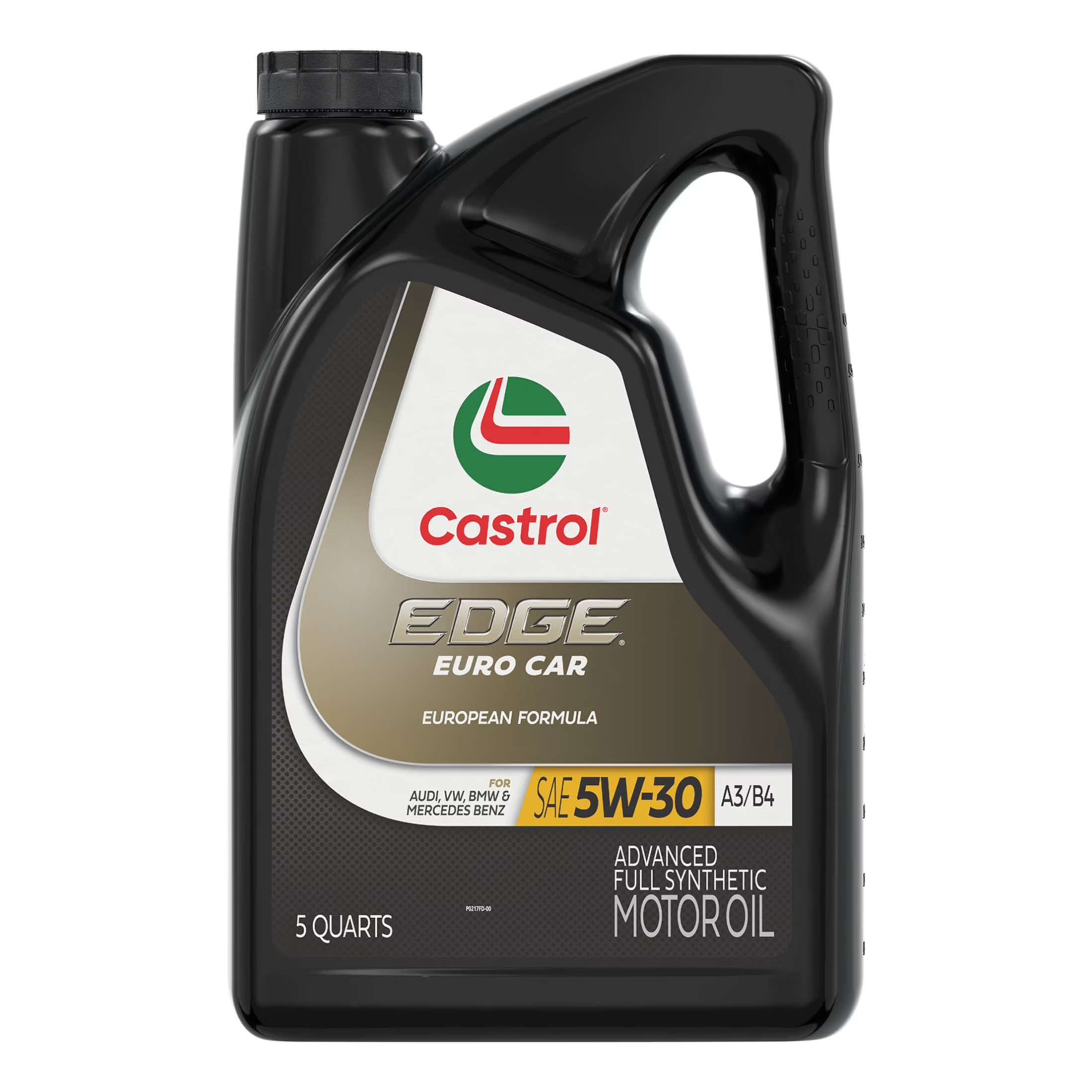
Castrol Edge Euro 5W-30 — Best Overall for N20 & N55 Engines
-
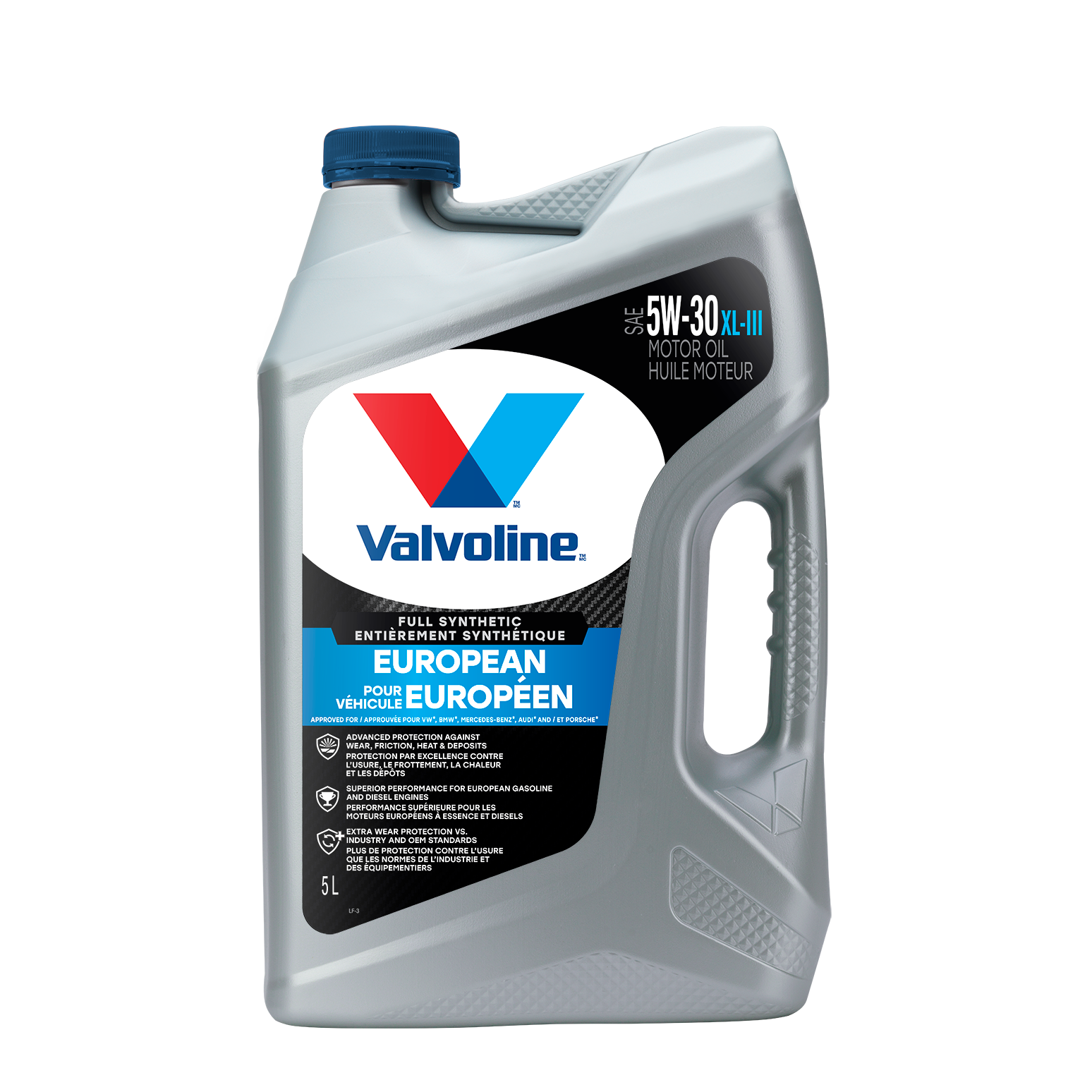
Valvoline European Vehicle Full Synthetic 5W-30 — Best Budget for N20 & N55 Engines
-
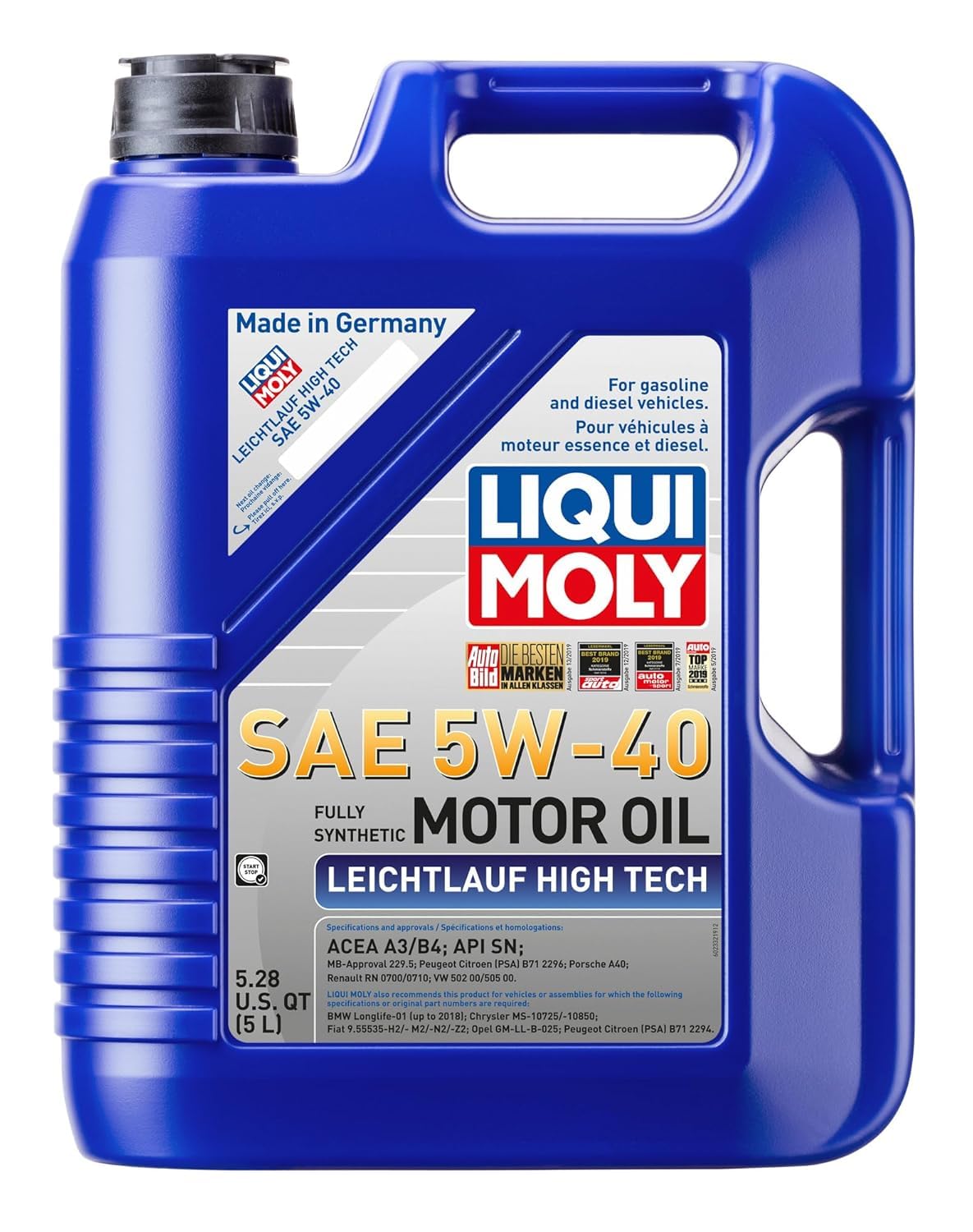
Liqui Moly Leichtlauf High Tech 5W-40 — Best Premium for Hot-Climate & High-Mileage N55
-
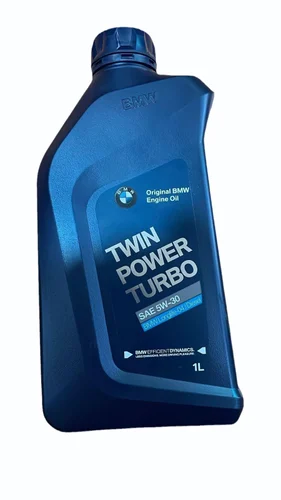
BMW TwinPower Turbo 5W-30 — Best OEM Peace-of-Mind for N20 & N55
-
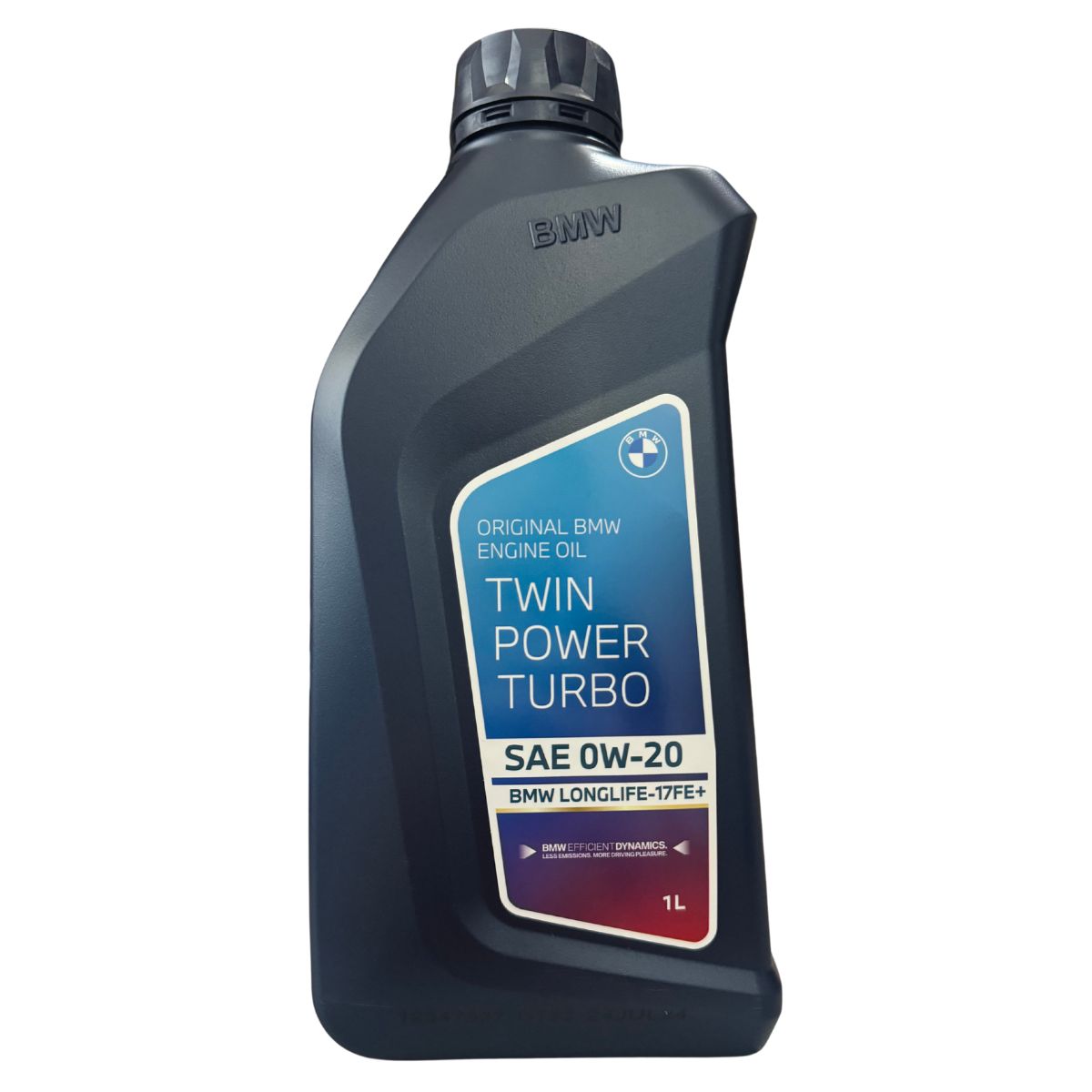
BMW TwinPower Turbo 0W-20 — Best for B46 / B48 / B58 Engines (2016+)
-
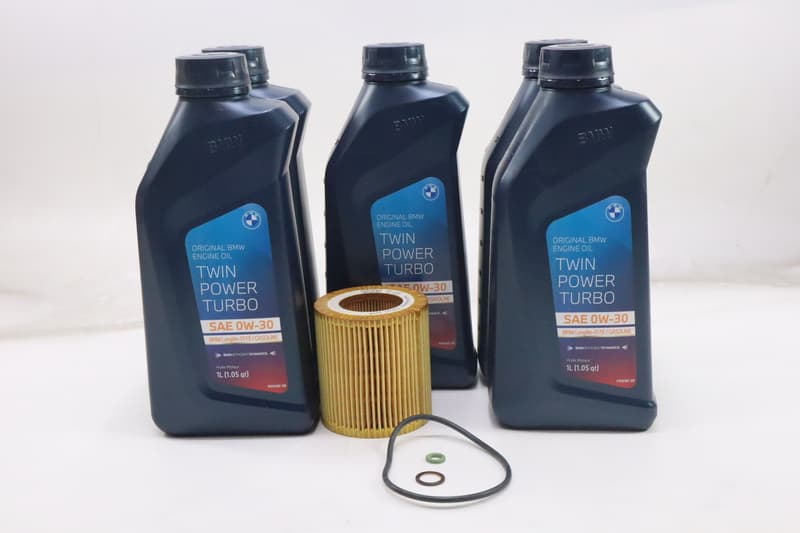
BMW F30 Oil Change Kit — Best All-In-One DIY Solution
Best Oil for BMW F30 — Compared
All six options ranked by engine fit, BMW Longlife approval, and our composite score.
| # | Product | Viscosity | BMW Approval | Best For | Score | |
|---|---|---|---|---|---|---|
| 1 | Castrol Edge Euro 5W-30 Editor’s Choice | 5W-30 | LL-01 | N20 / N55 Overall | 4.8 | See Latest Price |
| 2 | Valvoline European Vehicle 5W-30 Top Pick | 5W-30 | LL-01 | N20 / N55 Budget | 4.7 | See Latest Price |
| 3 | Liqui Moly Leichtlauf High Tech 5W-40 | 5W-40 | LL-01 | N55 Premium / Hot Climate | 4.8 | See Latest Price |
| 4 | BMW TwinPower Turbo 5W-30 Budget Pick | 5W-30 | LL-01 | N20 / N55 Warranty Cover | 4.8 | See Latest Price |
| 5 | BMW TwinPower Turbo 0W-20 | 0W-20 | LL-17 FE+ | B46 / B48 / B58 Engines | 4.7 | See Latest Price |
| 6 | BMW F30 Oil Change Kit | Varies | LL-01 / LL-17 FE+ | DIY All-In-One | 4.5 | See Latest Price |
Detailed Reviews
Full breakdown of each oil — engine fit, ratings, pros, cons, and our expert verdict.
Castrol Edge Euro 5W-30
Pros
- BMW Longlife-01 certification confirmed on rear label — not just front marketing copy
- Fluid Titanium technology maintains oil film thickness at the pressure spikes generated by the N20 timing chain tensioner during cold starts
- Owner-submitted used oil analyses show viscosity retention within SAE 30 grade limits at 5,000-mile intervals
Cons
- Per-quart price climbed noticeably over the past two years without a corresponding formula change
- The bottle’s integrated spout can drip if not held completely upright during pouring — a persistent design annoyance reported by multiple owners
Valvoline European Vehicle Full Synthetic 5W-30
Pros
- Verified BMW Longlife-01 approval — multiple owners have cross-checked this against the rear label’s specification list
- Moly-based anti-wear additive protects VANOS cam lobe surfaces across the N20’s operating RPM range
- Lowest per-quart cost among LL-01-certified oils on this list — makes 5,000-mile intervals economically painless
Cons
- Additive reserve depletes noticeably faster past 7,000 miles — used oil analysis shows TBN dropping below 3 at extended intervals
- The foil seal under the jug cap is aggressively bonded and tears unevenly during removal, leaving fragments that can contaminate the fill
Liqui Moly Leichtlauf High Tech 5W-40
Pros
- Molybdenum disulfide (MoS2) friction modifier measurably reduces cam lobe and VANOS solenoid wear — documented in independent used oil analyses at 7,500 miles
- 5W-40 HTHS viscosity holds film integrity when N55 oil temps spike during sustained boost events that would thin a standard 5W-30
- Integrated pour spout extension reduces mess during a tight-access N55 top fill — a practical design feature absent in competing bottles
Cons
- MoS2 additive darkens the oil within the first 500 miles — not a quality problem, but reliably triggers unnecessary concern from owners expecting cleaner-looking oil longer
- At $18–$22 per quart for a 5W-40, a full N55 fill of 6.9 quarts reaches $130+ per service — a significant premium over comparably rated alternatives
BMW TwinPower Turbo 5W-30
Pros
- Factory-engineered additive package precisely matched to the thermal load and clearance tolerances of N20 and N55 engines
- Backed by millions of BMW fleet miles — the most real-world-tested LL-01 oil for these specific engines
- Zero risk of warranty disputes regardless of which BMW service advisor inspects your maintenance records
Cons
- Sold predominantly in 1-liter bottles — filling a 6.9-quart N55 sump requires purchasing 7 separate containers, generating excessive plastic waste per service
- Amazon sellers sometimes charge a 20–35% premium above retail price for this oil when stock is limited; always verify the fulfilled-by-Amazon source
BMW TwinPower Turbo 0W-20
Pros
- BMW Longlife-17 FE+ — the most current and demanding approval tier, required for B46/B48/B58 engines and not available from most third-party brands
- Formulated to prevent LSPI (low-speed pre-ignition) — a catastrophic combustion event specific to small-displacement turbo direct-injection engines
- 0W cold rating fills the B58’s twin-scroll turbo bearings within seconds of ignition in temperatures as low as −35°C
Cons
- Not backward compatible with N20 or N55 engines that require LL-01 — using 0W-20 in these older engines provides insufficient HTHS protection under sustained boost
- Amazon stock fluctuates significantly; at times the price per liter exceeds $18, making a B58 fill one of the most expensive services on this list
BMW F30 Oil Change Kit
Pros
- Single Amazon order delivers BMW TwinPower Turbo oil, OEM filter element, drain plug, and crush washer — eliminates the multiple sourcing errors that can delay a Saturday oil change
- OEM filter element fits the F30 cartridge housing without the interference fit problems reported with generic-brand elements
- Pre-measured oil quantity matches the F30 sump’s exact capacity for the included engine variant — eliminates guessing on initial fill
Cons
- Buying components separately — Castrol Edge + a Mahle filter + a drain plug — typically runs $15–$25 less than the bundled kit price
- Some listings aggregate multiple engine variants under one ASIN, which occasionally ships the wrong oil spec for the buyer’s specific engine generation
Can’t Decide?
Our Top 2 Picks — Head to Head
Both lead the N20/N55 category. Here’s how to pick the right one for your situation.
- Fluid Titanium additive strengthens oil film during N20 cold-start pressure spikes
- Verified BMW Longlife-01 on the rear label — not front marketing copy
- Stable viscosity confirmed by owner-submitted used oil analyses at 5,000 miles
- Full LL-01 certification at the lowest per-quart price on this list
- Moly-based anti-wear package protects VANOS cam lobes during routine commuting
- Makes 5,000-mile intervals financially realistic for budget-conscious owners
How to Choose the Right Oil for Your BMW F30
Six engine-specific factors that separate the right choice from a costly mistake.
Confirm Your Engine Generation First
The F30 uses two fundamentally different oil specifications depending on build year. The N20 (328i) and N55 (335i) require BMW Longlife-01 — a high-shear standard designed for older-architecture turbocharged engines. The B46, B48, and B58 (330i, 340i from 2016) require Longlife-17 FE+, a low-viscosity specification tied to the tighter clearances and variable oil pump of the B-series architecture. Check your oil filler cap or iDrive service menu for the exact spec before purchasing.
HTHS Viscosity and Your Driving Profile
High-temperature, high-shear (HTHS) viscosity determines how thick the oil film remains when the N55 turbo is spinning at 200,000+ RPM under boost. A 5W-30 LL-01 oil meets the minimum HTHS requirement. A 5W-40 LL-01 oil like Liqui Moly provides a thicker film margin that benefits high-mileage engines, hot-climate drivers, and anyone who regularly pushes the car past 4,500 RPM. For the B-series, 0W-20’s HTHS is calibrated to the tighter clearances — do not substitute a thicker grade.
LSPI Risk in B-Series Direct-Injection Engines
Low-speed pre-ignition (LSPI) is a catastrophic combustion event unique to small-displacement turbocharged direct-injection engines — the B46 and B48 are specifically susceptible. LL-17 FE+ oils are formulated with LSPI-inhibiting additive packages that reduce the calcium detergent levels that trigger the event. Using an LL-01 oil in a B46 or B48 introduces a measurable LSPI risk because its additive chemistry was not engineered for this failure mode.
Drain Interval vs. Additive Depletion
BMW’s Condition-Based Service counter can stretch N55 intervals to 15,000 miles. Real-world used oil analyses from F30 owners on Bimmerpost consistently show TBN (total base number, a measure of acid-neutralizing additive reserve) falling below 2 before 10,000 miles under mixed stop-and-go and highway use. Independently of which oil you choose, a 5,000-to-7,500-mile interval meaningfully extends timing chain tensioner life and VANOS solenoid cleanliness compared to trusting the CBS counter blindly.
Oil Filter Element Collapse Resistance
The F30 uses a cartridge-style filter inside a top-mounted plastic housing. Low-cost economy filters occasionally use filter media and bypass-valve springs that collapse under the cold-start oil pressure spike — especially in below-freezing conditions. Once the media collapses, unfiltered oil bypasses directly to the engine. Mann, Mahle, Hengst, and Genuine BMW filters all meet the OEM collapse-resistance and bypass-valve pressure specifications. The $10–$15 price difference is not a meaningful saving against the risk.
Electronic Oil Level Sensor Precision
The F30’s iDrive system monitors oil level via an electronic sensor in the oil pan, not a traditional dipstick. The sensor is sensitive to overfills of as little as 0.3 quarts, which can cause the crankshaft counterweights to whip air into the oil and create foaming. Add oil in half-quart increments, wait 5 minutes for the oil to settle to the pan, and verify level via the iDrive menu before starting the engine. Never trust “how much came out” as the fill quantity — always verify electronically.
Pro Tips
Quick Buying Checklist for BMW F30 Oil
Verify the approval code on the rear label, not just the front. Several “European formula” oils list LL-01 only on their marketing website, not on the bottle.
Never use LL-01 oil in a B46, B48, or B58 engine. The higher calcium content in LL-01 formulas triggers LSPI in direct-injection turbocharged engines — a risk the B-series was specifically engineered to avoid.
Change at 7,500 miles maximum for N20 and N55 engines — independent used oil analysis data consistently shows additive reserves dropping below safe levels before BMW’s CBS counter suggests a change.
Always replace the cartridge filter element and o-ring at every service. The plastic housing’s o-ring hardens and can leak past its seating groove after multiple heat cycles without replacement.
Fill in 0.5-quart increments and check via iDrive — the F30’s electronic sensor can flag an overfill of as little as 300ml. Never rely on how much oil drained out as your fill reference.
Keep a 1-liter top-up bottle in the boot. N20 and N55 engines can consume 0.5–0.8 quarts between services, particularly during the first 500 miles after a fresh fill when the new oil is still cleaning residual deposits.
Related Guides
Other BMW 3 Series (F30 Platform) Oil Guides
Frequently Asked Questions
What is the difference between BMW Longlife-01 and Longlife-17 FE+ for the F30?
Longlife-01 is a high-temperature, high-shear specification for older turbocharged engines with conventional bearing clearances, like the N20 and N55. Longlife-17 FE+ is a fuel-efficiency-focused 0W-20 specification designed for B-series engines with tighter clearances and variable oil pumps. Using LL-01 in a B-series engine introduces LSPI risk; using LL-17 FE+ in an N20 provides insufficient film thickness under sustained boost.
How much oil does the BMW F30 328i (N20) take for a full oil change?
The N20B20 engine in the 328i holds approximately 5.0 quarts (4.75 liters) with a filter change. Add oil slowly in 0.5-quart increments and verify the level via the iDrive oil condition display — not by dipstick, which the F30 does not have. Overfilling by more than 300ml can cause the crankshaft to introduce air into the oil through foaming.
Can I use Liqui Moly 5W-40 instead of 5W-30 in my N55 335i?
Yes, if the oil carries BMW Longlife-01 certification, which Liqui Moly Leichtlauf High Tech 5W-40 does. A 5W-40 provides a thicker high-temperature film that benefits the N55 during sustained boost events, track use, or operation in climates regularly above 90°F. For typical daily driving in temperate climates, a 5W-30 LL-01 oil is sufficient and slightly more fuel-efficient.
Does using aftermarket oil void the BMW F30 warranty in the USA?
No. The Magnuson-Moss Warranty Act prevents BMW from voiding your warranty solely because you used a non-BMW-branded oil, provided the oil meets the required specification (LL-01 for N20/N55, or LL-17 FE+ for B-series). Keep receipts and bottle labels confirming the approval code. A BMW dealer cannot legally deny a warranty claim based on brand alone when the correct specification was used.
Why does my N20 timing chain rattle on cold starts — and will the right oil fix it?
The N20’s timing chain tensioner relies on immediate oil pressure to maintain chain tension during startup. A cold, thin oil film that takes too long to reach the tensioner allows momentary chain slap against the guide rail, producing a brief rattle. Switching to a Fluid Titanium or high-detergent LL-01 oil can shorten the rattle duration, but persistent rattling beyond 15 seconds warrants inspection of the tensioner and guide rails for wear.
What oil filter should I use for the BMW F30 alongside my oil change?
The F30 uses a paper cartridge element in a top-mounted plastic housing. Use a Mann HU 816 x, Mahle OC 576, Hengst E650H D208, or Genuine BMW element. These brands manufacture the OEM filter for BMW and meet the bypass-valve pressure and collapse-resistance specifications. Always replace the small o-ring that seals the housing lid at the same time — it is included in most quality filter kits.
How often should I change the oil on my BMW F30 if I drive mostly short trips?
Short trips — under 5 miles — prevent the engine from fully reaching operating temperature, which means water vapor and unburned fuel accumulate in the oil faster than during highway driving. For predominantly short-trip use, change the oil every 4,000 miles or 6 months regardless of what the Condition-Based Service counter says. The CBS algorithm assumes a mix of driving conditions and significantly underestimates oil degradation in urban stop-and-go use.
Final Verdict
Our Top Recommendations for 2026
The BMW F30’s split engine identity makes oil selection a two-track decision — and treating it as a single-answer question is the most common mistake F30 owners make. For N20 and N55 engines, Castrol Edge Euro 5W-30 combines verified LL-01 compliance with the Fluid Titanium film technology that specifically addresses cold-start timing chain wear. For every B-series F30 (330i and 340i from 2016 onward), BMW TwinPower Turbo 0W-20 is the only product that satisfies LL-17 FE+ while addressing the LSPI risk inherent to the B46 and B48’s direct-injection architecture. Use the right spec, change it on time with a quality filter, and these engines will deliver well over 150,000 miles of reliable service.