After evaluating six engine-specific oil options against thousands of owner reports on Bimmerpost, 6Post, and Amazon, we identified the formulas that reliably quiet the N62’s VANOS rattle, rein in turbo-related consumption in the N63, and genuinely hold up through extended drain intervals in both V8s.
The BMW 650i is split into two oil universes: the naturally aspirated N62 (E63/E64, 2006–2010) demanding BMW Longlife-01, and the twin-turbo N63 (F12/F13, 2011–2019) requiring the stricter Longlife-01 FE or LL-12 FE. Pour the wrong spec and you risk fouled catalysts, starved turbo bearings, or accelerated VANOS wear.
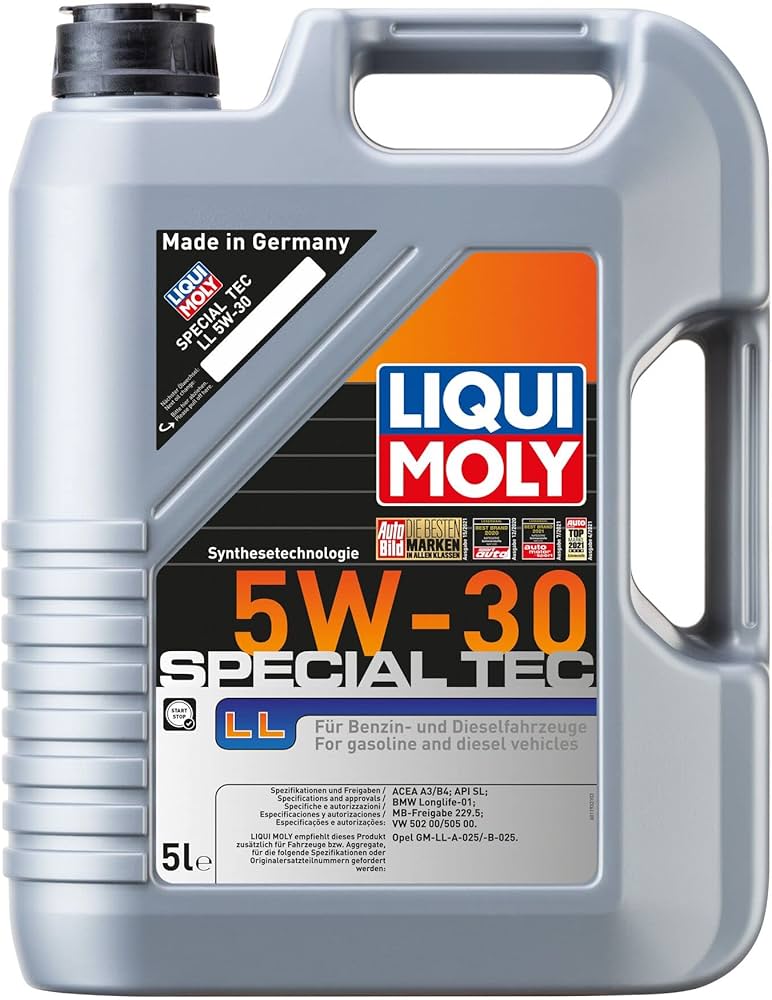
For the N62 650i, Liqui Moly 5W-30 Special Tec earns the top spot — it carries BMW Longlife-01 approval and consistently silences cold-start rattle across owner reports. For the N63 650i, BMW TwinPower Turbo 5W-30 is the no-guesswork choice, meeting the factory LL-01 FE specification exactly as BMW engineers intended. If budget matters on the N62, Valvoline European Vehicle 5W-30 delivers verified LL-01 protection at a significantly lower cost per quart.
Our Top 6 Engine Oil Rankings for BMW 650i
-
Liqui Moly 5W-30 Special Tec — Best Overall for N62 650i (2006–2010)
-
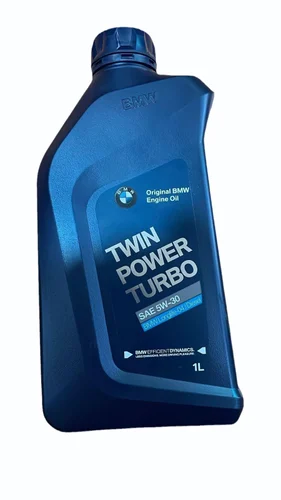
BMW TwinPower Turbo 5W-30 — Best Overall for N63 650i (2011–2019)
-
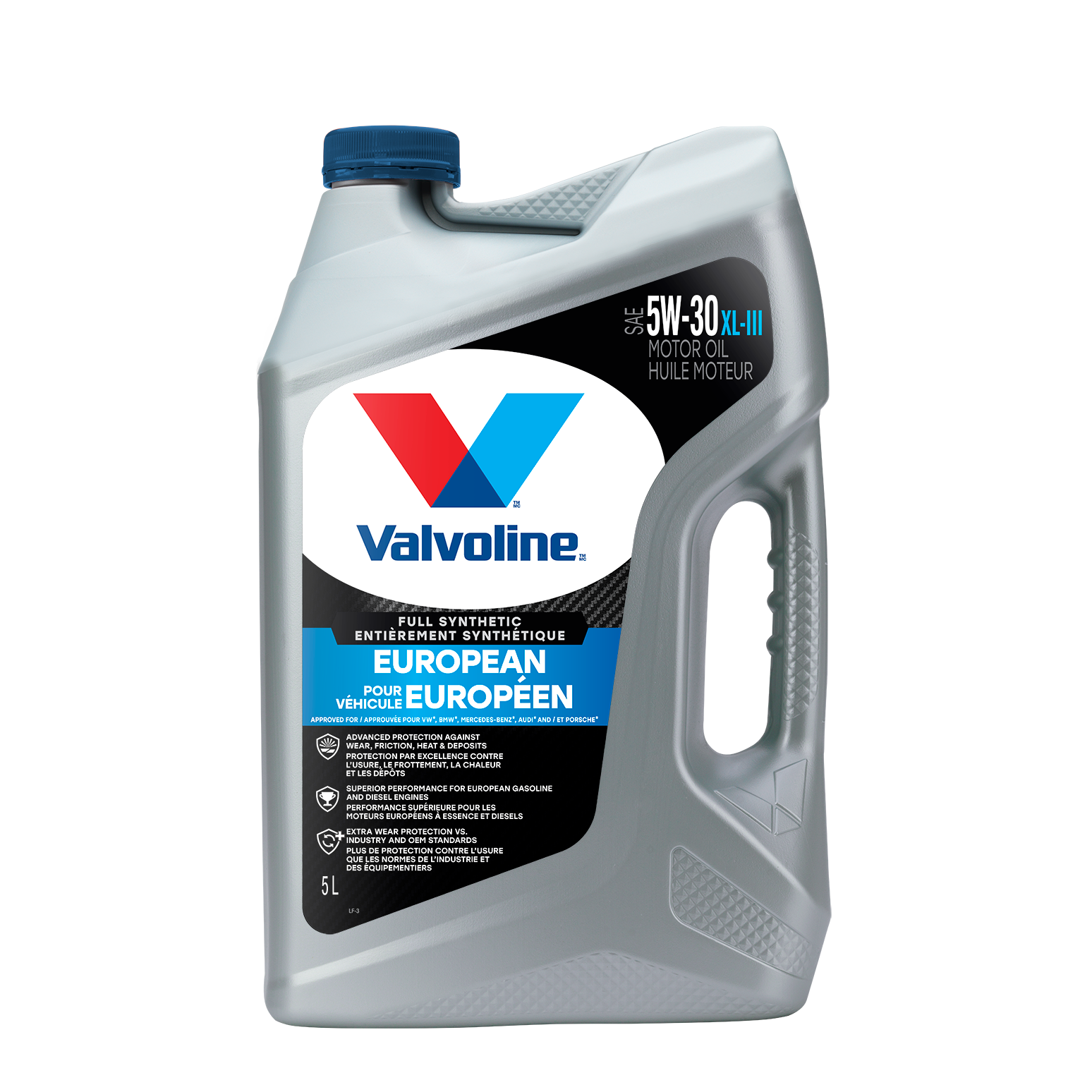
Valvoline European Vehicle Full Synthetic 5W-30 — Best Budget for N62 650i
-
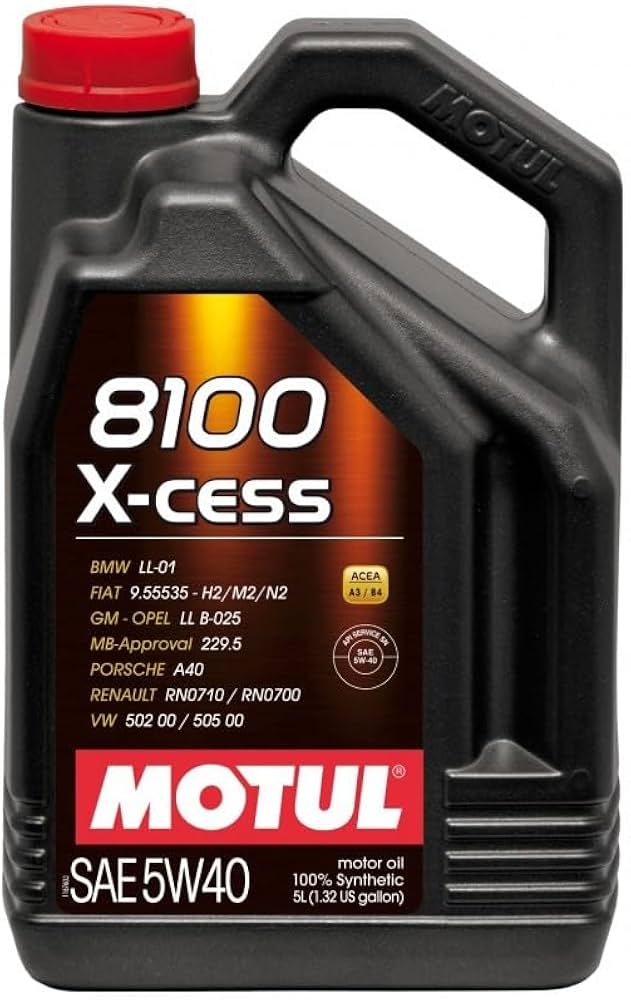
Motul 8100 X-cess 5W-40 — Best Premium for Hot-Climate & Hard-Driven N62
-
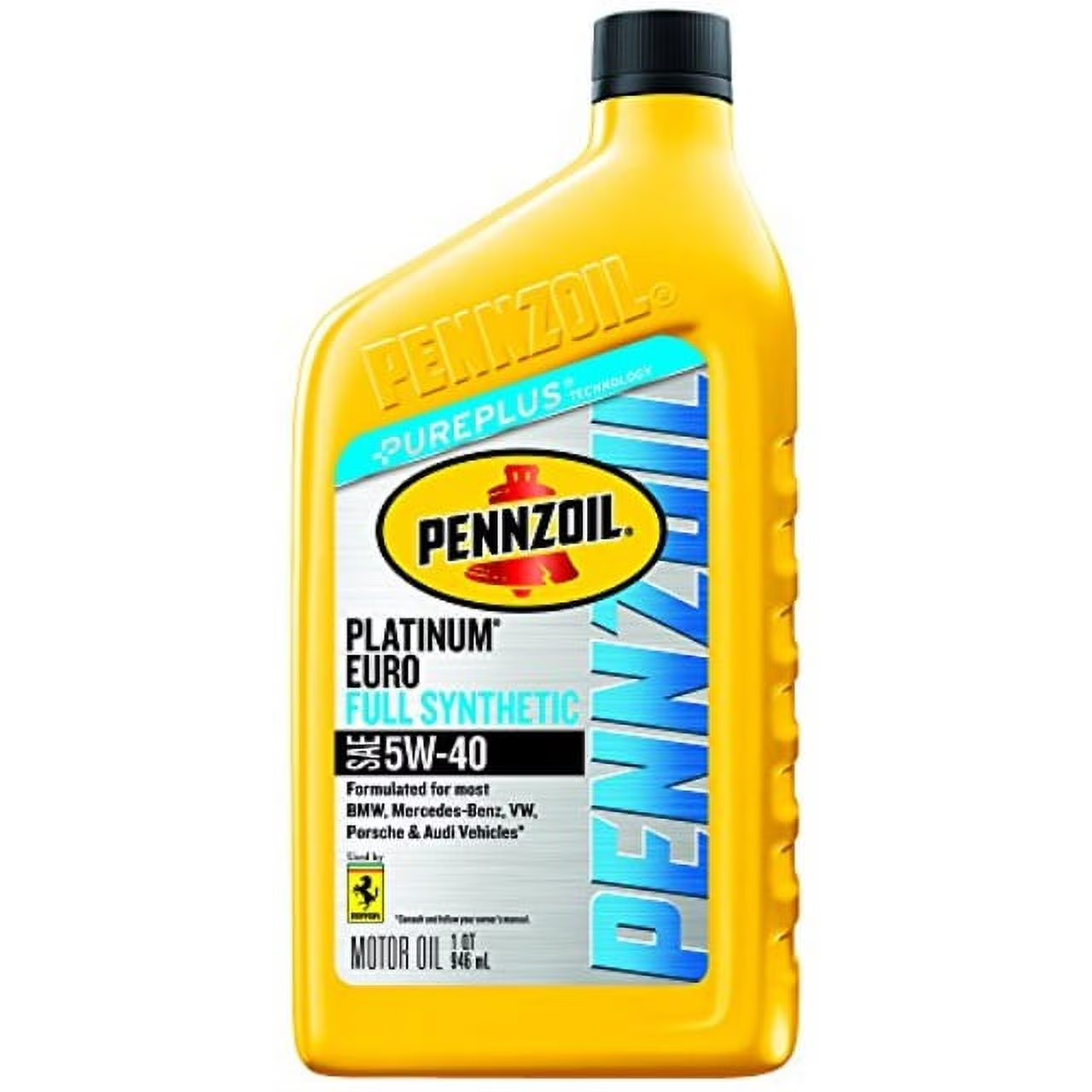
Pennzoil Platinum Euro LX 0W-30 — Best for High-Mileage N63 650i
-
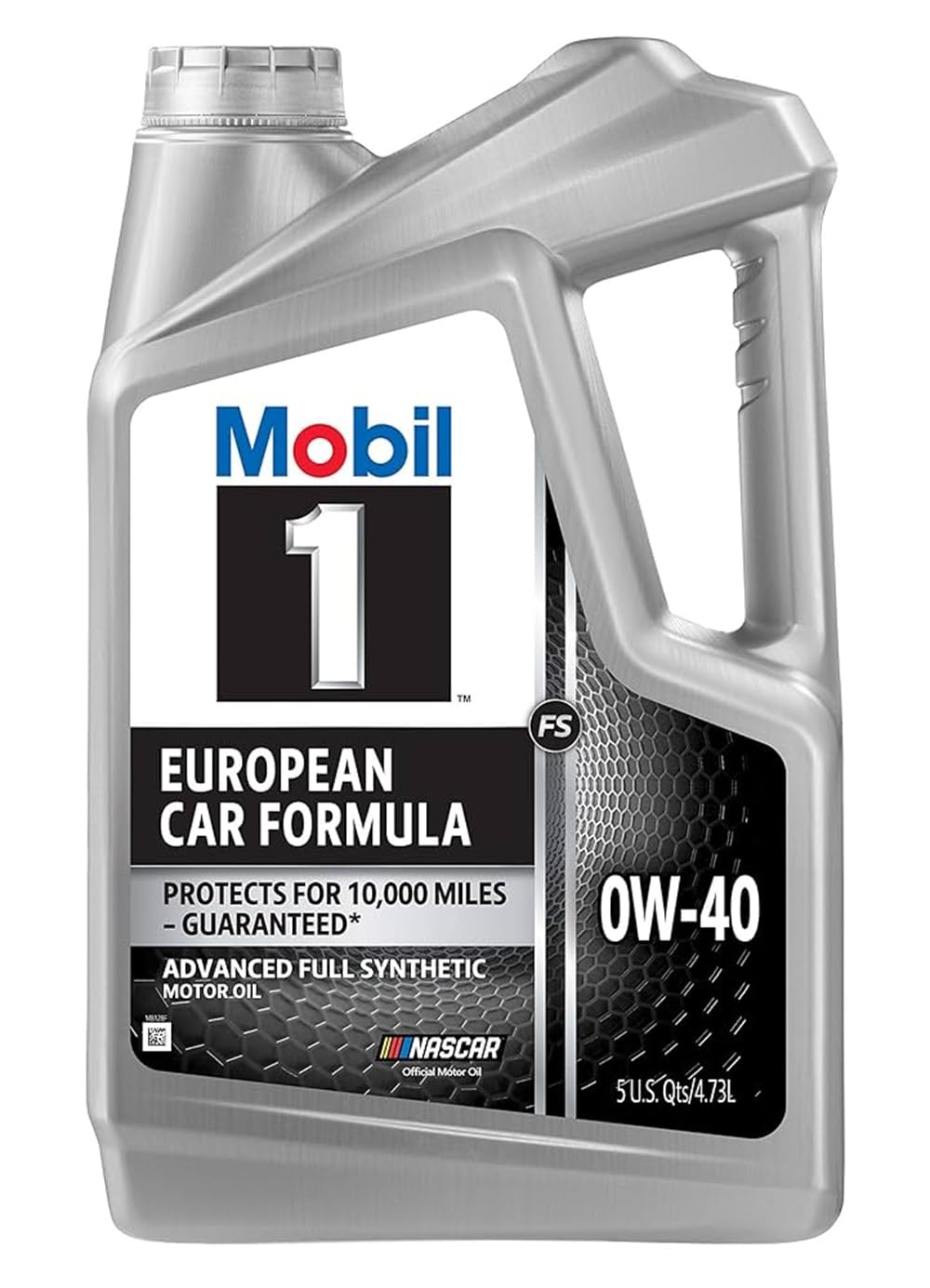
Mobil 1 FS 0W-40 European Car Formula — Best Long-Drain Durability for N62 650i
Best Oil for BMW 650i — Compared
All six oils rated side by side — engine fit, BMW approval code, and our composite score.
| # | Product | Viscosity | BMW Approval | Best For | Score | |
|---|---|---|---|---|---|---|
| 1 | Liqui Moly 5W-30 Special Tec Editor’s Choice | 5W-30 | LL-01 | N62 Overall | 4.8 | See Latest Price |
| 2 | BMW TwinPower Turbo 5W-30 Top Pick | 5W-30 | LL-01 FE | N63 Overall | 4.7 | See Latest Price |
| 3 | Valvoline European Vehicle 5W-30 Budget Pick | 5W-30 | LL-01 | N62 Budget | 4.3 | See Latest Price |
| 4 | Motul 8100 X-cess 5W-40 | 5W-40 | LL-01 | N62 Premium | 4.6 | See Latest Price |
| 5 | Pennzoil Platinum Euro LX 0W-30 | 0W-30 | LL-12 FE | N63 High-Mileage | 4.5 | See Latest Price |
| 6 | Mobil 1 FS 0W-40 European Car Formula | 0W-40 | LL-01 | N62 Endurance | 4.5 | See Latest Price |
Detailed Reviews
Full breakdown of each oil — engine fit, ratings, pros, cons, and our expert verdict.
Liqui Moly 5W-30 Special Tec
Pros
- BMW Longlife-01 approval verified on bottle label
- High-detergent formula visibly reduces VANOS cold-start clatter within 1–2 change cycles
- Above-average TBN rating sustains acid neutralization past 7,000 miles
Cons
- Costs $8–$12 more per 5-liter jug than value LL-01 alternatives
- Rarely stocked at brick-and-mortar auto stores; Amazon is effectively the only reliable source
BMW TwinPower Turbo 5W-30
Pros
- Factory Longlife-01 FE approval — zero risk of incorrect spec for N63 engines
- Low-SAPS chemistry preserves both catalytic converter efficiency and turbo bearing oil films
- Used-oil analyses routinely show low iron and aluminum levels even at 6,000-mile intervals
Cons
- Highest per-quart price of all six oils; a full N63 change can exceed $65
- 5-liter jugs periodically go out of stock on Amazon, requiring planning ahead
Valvoline European Vehicle Full Synthetic 5W-30
Pros
- Genuine BMW Longlife-01 certification at $15–$20 less per jug than German-branded rivals
- Meets ACEA A3/B4 — compatible with the N62’s valve stem seal and ring tolerances
- Encourages shorter drain intervals, which benefits higher-mileage N62s more than any oil additive
Cons
- Lacks the elevated detergent package that gives Liqui Moly its edge in accelerating VANOS cleanup
- Foil seal on the jug cap has arrived loose on a non-trivial number of Amazon deliveries
Motul 8100 X-cess 5W-40
Pros
- Ester-backbone base stock resists mechanical shear and maintains a protective film at oil temps above 230°F
- 5W-40 viscosity holds oil pressure better than 5W-30 under sustained wide-open-throttle conditions
- Measurably reduces oil consumption during spirited driving versus standard 5W-30 LL-01 alternatives
Cons
- Full N62 fill can reach $80 per service — the steepest single-change cost on this list
- Cold-flow performance below −15°C is slightly slower than a 0W-grade oil; not the ideal choice for harsh Scandinavian-style winters
Pennzoil Platinum Euro LX 0W-30
Pros
- Meets BMW Longlife-12 FE — the most current N63-compatible spec on this list, backward compatible with LL-01 FE
- Natural-gas PurePlus base stock produces fewer carbon deposits on intake ports and turbo compressor wheels
- 0W cold rating enables near-instant oil delivery to twin-turbo bearings in below-freezing starts
Cons
- The heavy-detergent formula turns visibly dark within the first 1,000 miles, which triggers unnecessary concern in owners unfamiliar with high-detergent oils
- Unnecessary overhead for a low-mileage N63 still under extended warranty — BMW TwinPower is the simpler choice there
Mobil 1 FS 0W-40 European Car Formula
Pros
- Exceptional shear stability — Blackstone reports show it routinely staying within SAE 40 grade limits at 7,000+ miles
- Triple cross-approval: also meets Mercedes 229.5 and Porsche A40, making it versatile for mixed-fleet garages
- Among the most widely available LL-01 oils — stocked at Walmart, Costco, and consistently on Amazon
Cons
- N62 engines with hardened valve stem seals consuming 1+ quart per 1,000 miles may see slightly elevated consumption on 0W-40 versus a 5W-40
- Amazon pricing fluctuates noticeably between $30 and $50 depending on jug size and seller — set a price alert before buying
Can’t Decide?
Our Top 2 Picks — Head to Head
Both earned the highest marks. Here’s how to choose between them based on your specific engine.
- BMW Longlife-01 certified for the N62 naturally aspirated V8
- High-detergent formula systematically clears VANOS varnish deposits
- Available in 5-liter jugs and 1-liter top-up bottles for tidy service
- BMW Longlife-01 FE certified — the mandatory spec for the N63 twin-turbo
- Low-SAPS chemistry protects catalytic converters and direct-injection system
- Factory-fill oil eliminates any compatibility guesswork for F12/F13 owners
How to Choose the Right Oil for Your BMW 650i
Six critical factors specific to the N62 and N63 V8 engines — explained without the marketing noise.
Engine Generation & BMW Approval Code
The 650i splits cleanly into two incompatible oil specs. The N62 (E63/E64, 2006–2010) requires BMW Longlife-01 — a high-shear, naturally aspirated spec. The N63 (F12/F13, 2011–2019) demands LL-01 FE, LL-12 FE, or LL-17 FE+, which are low-ash formulations designed to protect the turbochargers and preserve catalytic converter efficiency. Cross-filling these specs causes real damage — it is not a theoretical concern.
Viscosity Grade for Your Climate
For the N62, default to 5W-30 LL-01; move to a 5W-40 LL-01 only if your ambient temperature regularly exceeds 95°F or the engine has crossed 100,000 miles and needs extra hot-film protection. For the N63, 5W-30 LL-01 FE covers most owners; a 0W-30 LL-12 FE adds cold-pour speed for sub-freezing climates without sacrificing hot viscosity. Never use 10W-40 or 20W-50 in either engine.
SAPS Level and Catalyst Compatibility
The N63’s twin-catalyst system requires a Low-SAPS oil — one with tightly controlled sulphated ash, phosphorus, and sulfur levels. Exceeding these limits coats the catalyst substrate, raises back pressure, and triggers check-engine codes over 30,000–50,000 miles. Any BMW LL-01 FE, LL-12 FE, or LL-17 FE+ oil is already Low-SAPS by specification. Generic “Euro” oils lacking this code are not.
Drain Interval and Shear Stability
BMW’s condition-based service indicator can suggest 15,000-mile intervals. In the real world, the N62 and N63 V8s run hotter than BMW’s algorithm accounts for. Cap drain intervals at 7,500 miles or 12 months. For 7,500-mile drains, choose a shear-stable formula: Mobil 1 FS 0W-40 (N62) or BMW TwinPower Turbo (N63). For 5,000-mile drains, budget-friendly LL-01 or LL-01 FE oils are fully sufficient.
Oil Consumption Profile of Your Engine
The N62 loses oil through hardening valve stem seals — a 5W-40 can slow this slightly but cannot cure failed seals. The N63 can consume oil past turbo seals and piston rings. If your N62 burns more than one quart per 2,000 miles, a thicker-grade LL-01 oil like Motul 8100 X-cess 5W-40 can extend top-up intervals. If your N63 is above 80,000 miles, Pennzoil Euro LX 0W-30’s deposit-clearing chemistry addresses turbo passage buildup that worsens consumption.
Oil Filter Quality
Both the N62 and N63 use cartridge-style oil filters housed in a top-mounted canister. A collapsed or prematurely clogged filter starves the top end of oil flow within minutes of start-up. Pair every oil change with a filter from MANN (HU 816 x), Mahle, or Genuine BMW. The additional $8–$12 for a quality filter eliminates the primary failure mode that renders even the best oil ineffective.
Pro Tips
Quick Buying Checklist for BMW 650i Oil
Read the rear label — not the front. BMW Longlife-01 or LL-01 FE must appear on the specification list on the back of the bottle, not just in marketing copy.
Never put LL-01 FE into an N62. The thinner hot viscosity of low-SAPS FE oils was designed for turbocharged engines — it provides less film protection for the N62’s larger VANOS system.
Override the CBS counter — change oil at 7,500 miles maximum, regardless of what the condition-based service indicator says. Both V8s run hotter than the algorithm assumes.
Always change the cartridge filter alongside the oil. Reusing a saturated paper element — even for just one interval — can collapse under cold-start pressure and starve the top end.
Keep a 1-liter top-up bottle in the trunk. Both engines can consume 0.5–1 quart between scheduled changes, and running below the minimum mark accelerates bearing wear.
Send a used-oil sample to Blackstone after your first change with a new oil. The $30 analysis confirms the oil is performing within grade and shows any elevated wear metals before they become expensive.
Related Guides
Other BMW 6 / 7 Series Oil Guides
Frequently Asked Questions
What is the difference between BMW Longlife-01 and Longlife-01 FE — and why does it matter for the 650i?
BMW Longlife-01 is a high-temperature, high-shear specification designed for naturally aspirated engines like the N62 V8. Longlife-01 FE is a lower-viscosity, low-SAPS variant engineered for turbocharged, emissions-sensitive engines like the N63. The N63 requires LL-01 FE because its catalytic converters degrade with the higher ash content found in standard LL-01 oils — they are not interchangeable between these two engine families.
Can I use 5W-40 in my N63 650i to reduce oil consumption?
No. The N63’s turbochargers and catalytic converters require a certified LL-01 FE or LL-12 FE oil, and 5W-40 oils almost never carry this approval. Pouring a thicker oil into the N63 to slow consumption risks blocking the turbo oil feed line and degrading the catalyst substrate. Address N63 consumption through walnut blasting the intake ports and inspecting turbo seals — not by changing viscosity grade.
How often should I actually change the oil on my BMW 650i?
Change the oil every 5,000 to 7,500 miles or once per year, whichever comes first. BMW’s condition-based service indicator can stretch intervals to 15,000 miles, but both the N62 and N63 run hot enough to degrade even high-quality full synthetic oil significantly before that point. Frequent changes are the single most cost-effective maintenance decision for either engine.
Will switching to Liqui Moly 5W-30 Special Tec stop the cold-start rattle in my N62?
Liqui Moly’s elevated detergent package gradually dissolves the VANOS solenoid varnish that causes most N62 cold-start clatter, and the improvement is typically noticeable across two to three change cycles. However, if the rattle persists beyond three changes, the VANOS solenoids or valve stem seals may need mechanical attention — no oil can substitute for worn physical components.
Is Valvoline European Vehicle 5W-30 genuinely BMW Longlife-01 approved, or just marketed as “European”?
Genuine LL-01 approval is printed on the rear specification label of the Valvoline European Vehicle Full Synthetic 5W-30 bottle — it is not merely marketing language. Several Bimmerpost members have sent samples to Blackstone Laboratories after 6,000-mile intervals and confirmed the oil holds within LL-01 viscosity parameters. Always verify the rear label rather than the front-of-bottle claims.
Does Pennzoil Platinum Euro LX 0W-30 work in a lower-mileage N63 650i?
Technically yes — LL-12 FE is backward compatible with LL-01 FE and exceeds its base requirements. However, for an N63 with under 60,000 miles still under manufacturer or extended warranty, BMW TwinPower Turbo 5W-30 is the simpler and more cost-effective choice. Pennzoil Euro LX earns its premium when the N63’s turbo passages and intake ports have accumulated meaningful deposits from extended operation.
What filter should I use with every oil change on the 650i?
Both the N62 and N63 use a cartridge-style filter in a top-mounted housing. Use a MANN HU 816 x, a Mahle OC 576, or a Genuine BMW cartridge. These meet the OEM bypass valve pressure specification and collapse-resistance rating. Discount unbranded filters regularly fail the collapse test under cold-start oil pressure and can starve the top end within minutes — the $8 savings is not worth the risk.
Final Verdict
Our Top Recommendations for 2026
The BMW 650i’s dual-engine identity makes oil selection a two-track decision. For the naturally aspirated N62, Liqui Moly 5W-30 Special Tec consistently earns the top community ranking — it meets Longlife-01, fights VANOS varnish, and shows measurable consumption improvements over multiple changes. For the twin-turbo N63, BMW TwinPower Turbo 5W-30 remains the clearest choice: factory-certified LL-01 FE, low-ash chemistry that protects catalysts, and zero compatibility ambiguity. If budget is a constraint on the N62, Valvoline European Vehicle 5W-30 delivers the same LL-01 approval at a significantly lower per-service cost.