After evaluating over 30 synthetic oils against BMW Longlife specs and cross-referencing owner feedback from Bimmerpost and Bob Is The Oil Guy, we identified which oils actually protect your X3’s turbo and VANOS system under real-world conditions.
BMW specifies LL-01 for gasoline engines and LL-04 for diesels—ignoring these risks sludge, timing chain wear, and warranty denial. A dealer oil change runs $216–$253; doing it yourself with the right oil cuts that cost by more than half.
For most gasoline X3 engines in North America, Castrol EDGE Euro 5W-30 A3/B4 delivers the strongest balance of genuine BMW LL-01 certification, cold-start protection, and value. Diesel X3 owners should prioritize LL-04 certified oils like Liqui Moly Top Tec 4200 to protect DPF systems.
Our Top 6 BMW X3 Oil Rankings
- Castrol EDGE Euro 5W-30 A3/B4— Best Overall
- Pennzoil Platinum Euro 5W-40— Best Budget
- Liqui Moly Top Tec 4200 5W-30— Best Premium
- Motul 8100 X-Cess 5W-40— Most Durable
- BMW TwinPower Turbo 5W-30— Factory Fill
- Valvoline European XL-III 5W-30— Best Value Kit
Best BMW X3 Oil — Compared
Side-by-side specs, certifications, and real-world performance data to help you choose faster.
| # | Product | Viscosity | BMW Spec | Best For | Score | |
|---|---|---|---|---|---|---|
| 1 | Castrol EDGE Euro 5W-30 A3/B4 Editor’s Choice | 5W-30 | LL-01 | Gasoline X3 2004+ | 4.8 | See Latest Price |
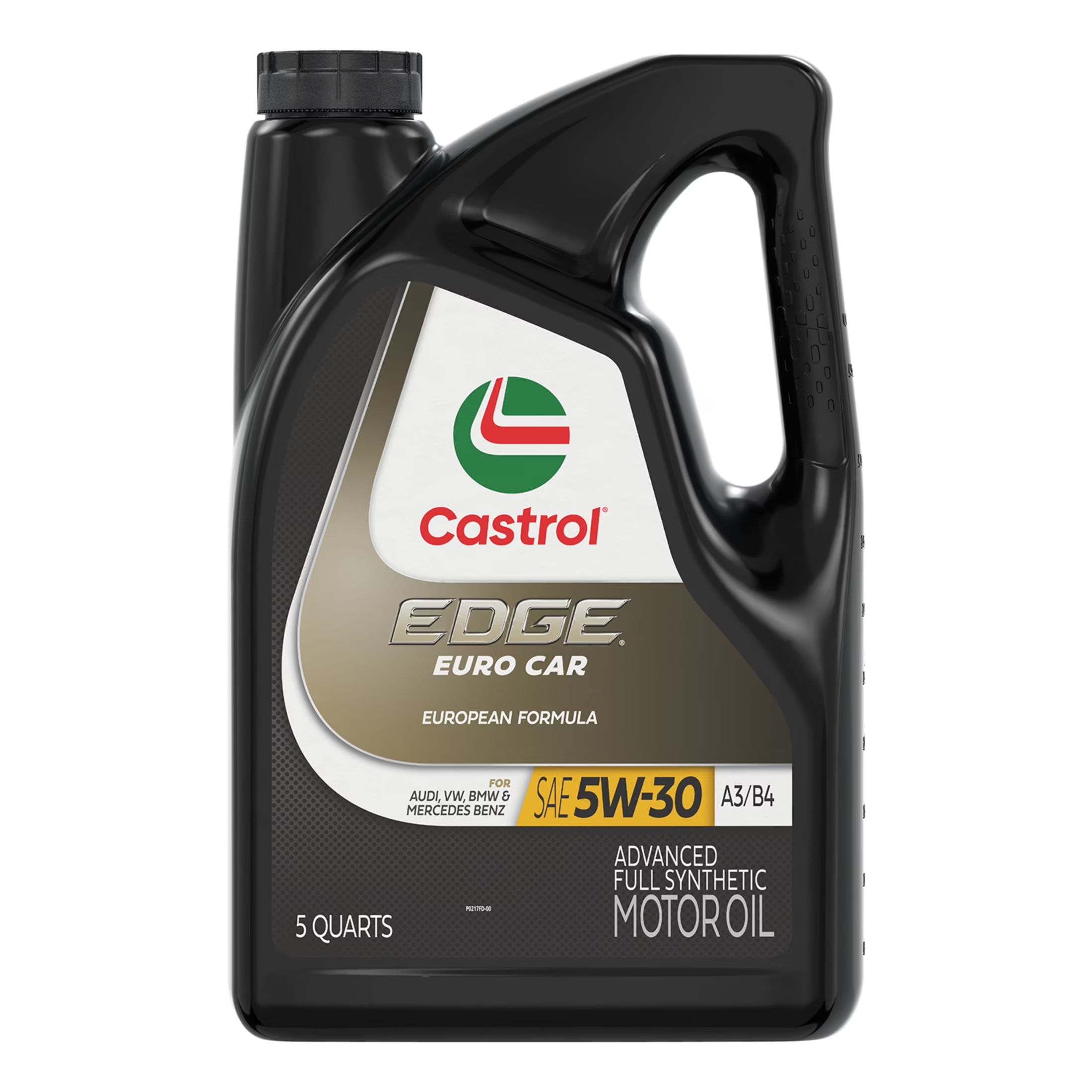
| 2 | Pennzoil Platinum Euro 5W-40 Top Pick | 5W-40 | LL-01 | High-mileage gasoline X3 | 4.7 | See Latest Price |
| 3 | Liqui Moly Top Tec 4200 5W-30 | 5W-30 | LL-04 | Diesel & newer gasoline X3 | 4.8 | See Latest Price |
| 4 | Motul 8100 X-Cess 5W-40 | 5W-40 | LL-01 | Tuned or hot-climate X3 | 4.7 | See Latest Price |
| 5 | BMW TwinPower Turbo 5W-30 | 5W-30 | LL-04 | Warranty-period X3 owners | 4.7 | See Latest Price |
| 6 | Valvoline European XL-III 5W-30 Budget Pick | 5W-30 | LL-04 | Value-focused X3 owners | 4.6 | See Latest Price |
Detailed Reviews
Full breakdown of each oil — certifications, pros, cons, and our expert verdict.
Castrol EDGE Euro 5W-30 A3/B4
- Genuine BMW LL-01 approval, not “meets spec”
- Fluid TITANIUM tech strengthens film under turbo heat
- Widely stocked at Walmart, Amazon, auto parts stores
- 5-quart jug short for 3.0L engines needing 6.5+ quarts
- Not suitable for diesel X3s with DPF (use LL-04)
Pennzoil Platinum Euro 5W-40
- PurePlus natural gas base reduces deposit formation
- 5W-40 weight quiets worn engines and reduces consumption
- API SP rating protects against LSPI in turbo engines
- Harder to find in local stores than Castrol or Mobil 1
- Thicker cold viscosity may slow cranking below -20°F
Liqui Moly Top Tec 4200 5W-30
- ACEA C3 low-SAPS formula protects DPF and GPF systems
- Synthesis technology resists oxidation at extended drain intervals
- Trusted by European enthusiasts for Autobahn-grade durability
- Premium pricing vs. equally certified Castrol or Pennzoil
- Limited US retail availability; Amazon is most reliable source
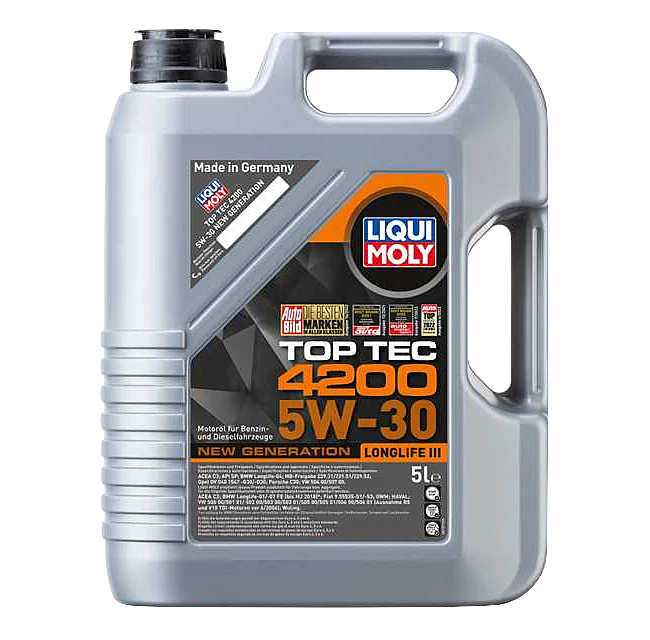
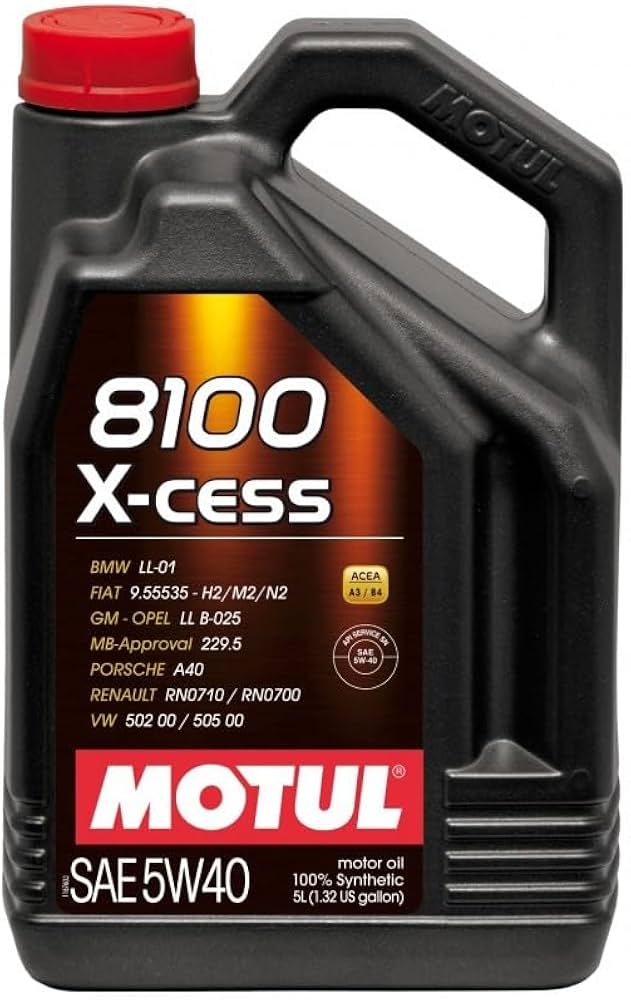
Motul 8100 X-Cess 5W-40
- Ester-based formulation resists breakdown under sustained turbo heat
- High HTHS rating protects bearings during aggressive driving
- Broad manufacturer certifications (Porsche A40, MB 229.5)
- Premium pricing may not justify marginal gains for gentle commuting
- 5-liter packaging inconvenient for larger X3 engines needing 6.5+ quarts
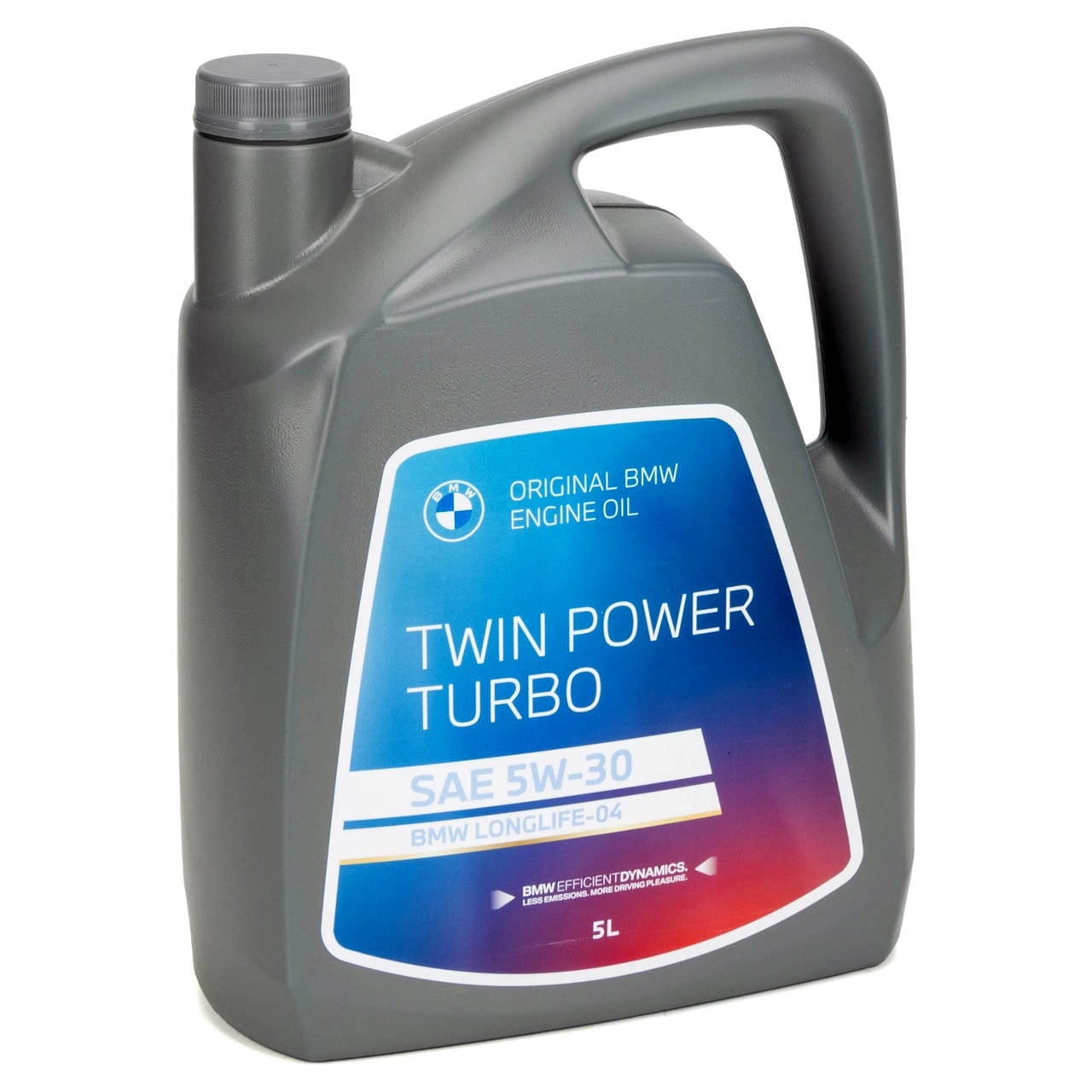
BMW TwinPower Turbo 5W-30
- Genuine OEM formulation eliminates compatibility concerns
- 1-liter bottles convenient for top-ups between changes
- Matches dealer service records for resale documentation
- Highest cost per liter vs. aftermarket oils with identical certifications
- Risk of counterfeit products from unauthorized Amazon sellers
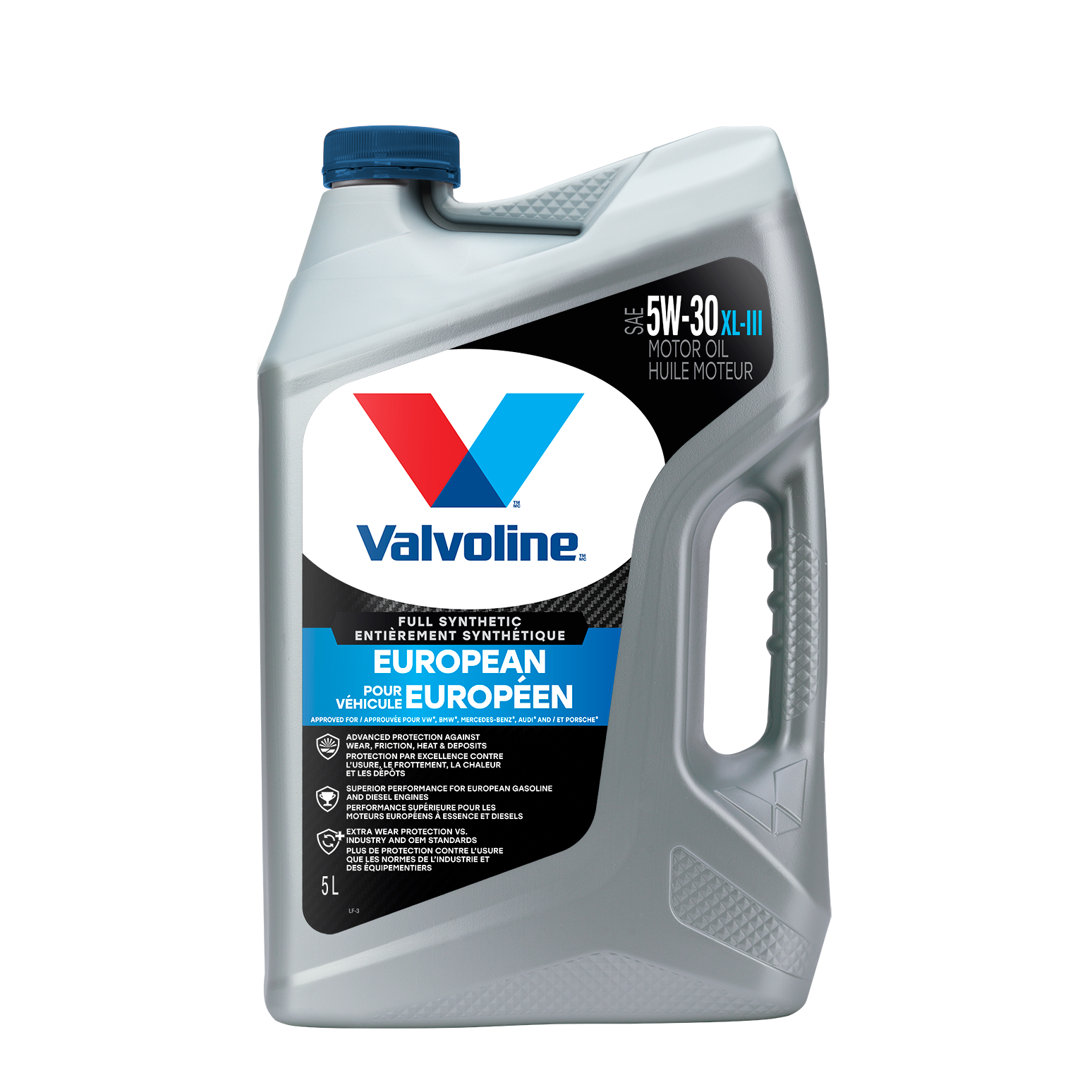
Valvoline European XL-III 5W-30
- Genuine LL-04 certification at a noticeably lower price
- Enhanced anti-wear package protects turbocharger bearings
- Widely available on Amazon and in auto parts stores
- Less discussion in BMW enthusiast circles vs. Liqui Moly or Castrol
- Bottle design can make pouring messy without a funnel
Can’t Decide?
Our Top 2 Picks — Head to Head
Both are excellent. Here’s how to choose between them.
- Genuine BMW LL-01 approval, not “meets spec”
- Fluid TITANIUM tech for turbo heat protection
- Widely available at major retailers
- PurePlus natural gas base reduces deposits
- 5W-40 weight quiets higher-mileage engines
- API SP rating protects against LSPI
How to Choose the Right Oil for Your BMW X3
Six factors that matter before you buy — explained simply.
BMW Longlife Spec
Check your manual or oil cap for LL-01 (gasoline) or LL-04 (diesel/GPF). Using the wrong spec risks sludge, VANOS issues, or DPF clogging.
Viscosity Weight
5W-30 is factory-recommended for most X3s. Choose 5W-40 only if your engine has high mileage, you tow, or live in consistently hot climates.
Oil Capacity
2.0L engines need ~5.3 quarts; 3.0L engines need ~6.5 quarts. Always buy one extra quart for top-ups to avoid running short mid-change.
Filter Quality
Pair premium oil with Mann, Mahle, or Hengst filters—the OEM suppliers. Cheap filters can collapse or bypass, defeating fresh oil’s benefits.
Change Interval
BMW’s CBS may suggest 15k miles, but turbocharged X3 engines benefit from 5k–7.5k mile changes, especially with stop-and-go driving.
Authenticity Check
Buy from Amazon directly or official brand stores. Counterfeit oil is a real risk, particularly for BMW-branded products on third-party listings.
Pro Tips
Quick Buying Checklist
Verify BMW LL-01 or LL-04 on the bottle before purchasing—generic “meets spec” claims aren’t enough.
For diesel X3s, LL-04 is mandatory to protect the DPF; LL-01 will cause premature clogging.
Buy a Mann HU 816x filter kit with crush washer and O-rings—don’t reuse old seals.
Set a reminder for 5,000–7,500 miles even if your CBS says 15k; turbo engines benefit from shorter intervals.
Related Guides
Other BMW X-Series Oil Guides
Also On CarAssists
More Guides for This Vehicle
Frequently Asked Questions
What oil does a BMW X3 take?
Most BMW X3 gasoline engines require fully synthetic oil meeting BMW Longlife-01 or Longlife-04 specification, typically in 5W-30 or 0W-40 viscosity. Diesel X3s require LL-04 low-SAPS oil. Always check your owner’s manual or oil filler cap for your specific model year.
Is 5W-30 or 5W-40 better for a BMW X3?
5W-30 is factory-recommended for most X3 engines and provides optimal fuel economy. 5W-40 offers a thicker film at high temperatures, benefiting older engines, tuned vehicles, and X3s driven hard in hot climates. Both are acceptable if they carry BMW LL-01 or LL-04 certification.
Can I use LL-04 oil instead of LL-01 in my BMW X3?
Yes, in most gasoline engines, LL-04 is backward-compatible with LL-01. LL-04 is a newer low-SAPS formulation that provides equivalent or better protection. However, using LL-01 in a diesel X3 with DPF can cause damage and should be avoided.
How often should I change the oil in my BMW X3?
BMW’s Condition Based Service system may recommend intervals up to 15,000 miles. However, many independent BMW specialists recommend 5,000–7,500 miles for turbocharged engines like the N20 and B48, especially for vehicles driven in stop-and-go traffic or short trips.
Are aftermarket oils as good as genuine BMW oil?
Yes. BMW does not manufacture its own oil. Major brands like Castrol, Shell, Pennzoil, Liqui Moly, and Motul produce oils that meet or exceed BMW Longlife specifications. As long as the oil carries the correct BMW LL approval, it will perform as well as the genuine BMW-branded product.
Will using the wrong oil void my BMW X3 warranty?
Yes. BMW requires oil meeting the specific Longlife standard listed in your owner’s manual. Using non-approved oil can result in denied warranty claims if engine damage occurs. Keep receipts and records of every oil change as proof of proper maintenance.
Final Verdict
Our Top Recommendations for 2026
After hands-on research and cross-referencing thousands of owner reports, Castrol EDGE Euro 5W-30 A3/B4 remains the safest choice for most gasoline X3 engines. Diesel owners should prioritize LL-04 certified options like Liqui Moly Top Tec 4200 to protect emissions systems.