BMW X3 turbocharged four-cylinders run hotter and tighter on tolerance than the outgoing N52 six, so a mismatched heat range shows up fast as rough idle or a cold-start stumble. After cross-referencing owner reports on Bimmerpost and Reddit against five plug options, one pattern held across every engine code.
Engine code determines the correct plug more than model year alone, since the N52, N20/N26, and B48 each specify a different heat range and electrode reach. This guide breaks down five OE-grade options by generation, so you order the right part on the first try.
The NGK 97506 Laser Iridium is the best overall pick for 2012–2017 X3 models with the N20 or N26 turbo engine — it’s the exact factory plug, pre-gapped, and consistently rated 4.7 stars. Owners of a 2018+ X3 with the B48 engine should choose the NGK 94201 instead, since the two engines use different plug lengths and heat ranges. Older 2007–2010 3.0si owners get the best value from the NGK 95770 platinum plug.
Our Top 5 Spark Plug Rankings
- NGK 97506 Laser Iridium— Best Overall (N20/N26, 2012–2017)
- NGK 94201 Laser Iridium— Best for Newer X3 (B48, 2018+)
- Bosch 8161 Double Iridium— Best Premium, longest coil life
- Denso 4705 Iridium TT— Most Durable, 100k-mile potential
- NGK 95770 Laser Platinum— Best Budget (N52, 2007–2010)
Best Spark Plugs for the BMW X3 — Compared
Five OE-grade plugs mapped to the three X3 engine generations — N52, N20/N26, and B48. Scan the “Fits” column first; it matters more here than the score.
| # | Product | Electrode | Fits | Best For | Score | |
|---|---|---|---|---|---|---|
| 1 | NGK 97506 Laser Iridium Editor’s Choice | Iridium / Platinum | N20/N26 (2012–17) | Best Overall | 4.7 | See Latest Price |
| 2 | NGK 94201 Laser Iridium Top Pick | Iridium / Platinum | B48 (2018–24) | Best for Newer X3 | 4.8 | See Latest Price |
| 3 | Bosch 8161 Double Iridium | Double Iridium | N20/N26 (2012–17) | Longest Coil Life | 4.6 | See Latest Price |
| 4 | Denso 4705 Iridium TT | Iridium / Platinum Twin-Tip | N20/N26 (2012–17) | Highest Mileage Potential | 4.5 | See Latest Price |
| 5 | NGK 95770 Laser Platinum Budget Pick | Platinum | N52 (2007–10) | Best Budget | 4.5 | See Latest Price |
Detailed Reviews
Full breakdown of each plug — ratings, pros, cons, and exactly which X3 engine it fits. Read the “Best for” line under each name before the score; it tells you whether the plug is even a candidate for your engine code.
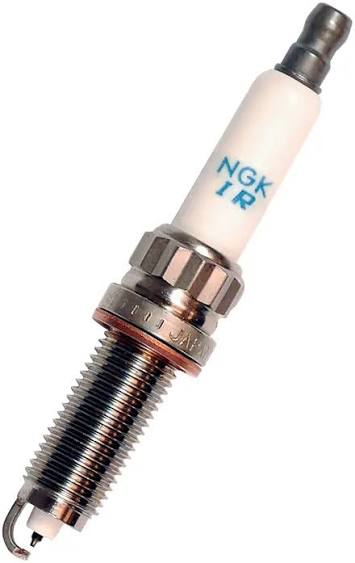
NGK 97506 Laser Iridium
- Cross-references directly to BMW part 12120037663, so fitment is never in question
- Arrives pre-gapped at 0.028–0.030 inch, confirmed accurate across full four-plug sets
- Laser-welded iridium tip holds gap through the full 60,000-mile service interval
- Trivalent shell plating skips the need for extra anti-seize on the threads
- Sold individually or in sets of four, so replacing a single misfiring cylinder doesn’t force a full swap
- A small share of shipments arrive with a cracked insulator tip from rough handling
- Priced above generic aftermarket iridium plugs, though still under dealer cost
- Some counterfeit listings circulate online, so buy only from an authorized seller
NGK 94201 Laser Iridium
- Matches the B48’s heat range 8 rating, which resists knock better than N20-spec plugs
- Owners report cold-start misfire codes clearing within the first few cold mornings
- Platinum ground electrode pad holds up through repeated short-trip driving cycles
- Coil boots seat flush with no clearance issues across four-cylinder installs
- Trivalent metal shell plating adds corrosion resistance in humid or coastal climates
- Costs more per plug than any other option on this list
- Limited retail stocking means most buyers order online instead of picking up locally
- Not backward-compatible with any N20, N26, or N52 X3, so double-check your build date
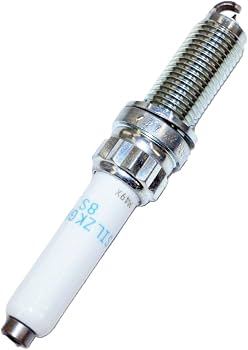
Bosch 8161 Double Iridium
- 0.6 mm fine-wire iridium center electrode lowers the voltage the coil needs to fire
- Iridium ground electrode resists erosion better than the platinum-ground plugs on this list
- Several owners logged measurable highway fuel-economy gains after switching from worn OEM plugs
- 360-degree laser welding keeps the electrode bonded through repeated heat-cycling
- Rolled threads with a nickel-plated shell resist galling in the aluminum head over repeated changes
- A short idle stumble during the first 100 miles shows up in a handful of owner reports
- Highest price per plug of the four N20/N26-compatible options here
- Fine-wire electrodes demand a careful, straight-in socket approach to avoid bending the tip
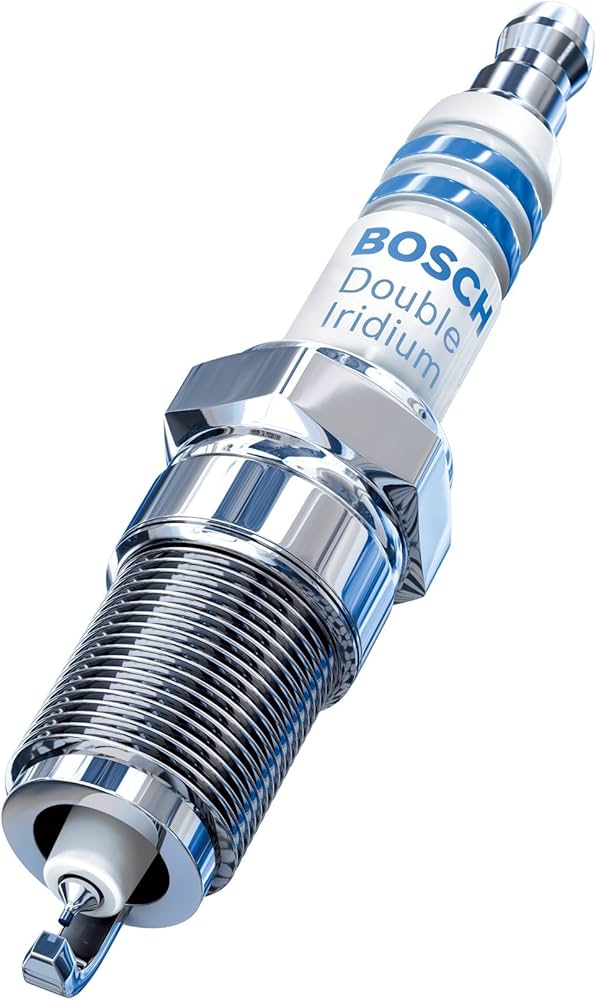
Denso 4705 Iridium TT
- 0.4 mm iridium center tip is among the thinnest in a production plug, improving lean-mixture ignitability
- Multiple owners document gaps holding steady past 90,000 miles with no misfire codes
- Twin-Tip design noticeably tightens throttle response under partial load, per repeated feedback
- Cold-start speed improves versus worn factory plugs in sub-freezing temperatures
- Tight factory manufacturing tolerances mean less plug-to-plug variance across a four-piece set
- Ceramic insulator is more prone to cracking without a proper thin-wall socket during install
- Harder to find on store shelves; Amazon is effectively the only reliable source
- Mid-to-high price point sits closer to Bosch than to the standard NGK options
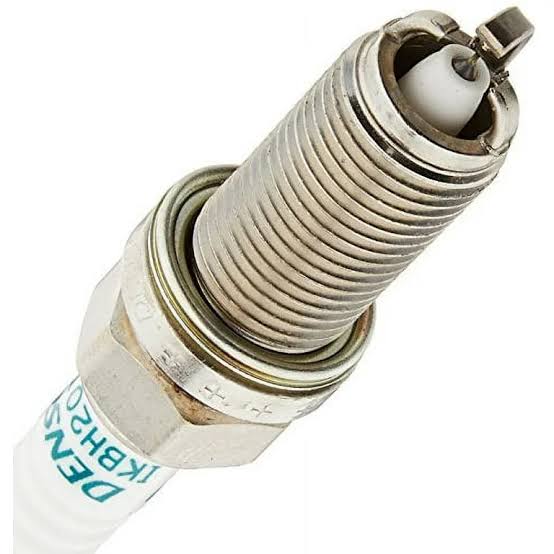
NGK 95770 Laser Platinum
- Costs noticeably less per plug than any iridium option here, which matters across a six-cylinder set
- Corrugated insulator ribs prevent flashover during humid or wet cold starts
- Laser-welded platinum pad on the ground electrode keeps gap stable through the full interval
- Nickel-plated shell resists corrosion on plugs that sit for years between changes
- Cross-references to genuine BMW part 12120037607, so there’s no guessing on fitment
- Only fits the older N52 engine, a dead end if you own a 2012+ turbo X3
- Platinum wears faster than iridium, so expect slightly earlier replacement if you drive hard
- A few reviewers noted thinner retail packaging that offers less cushioning for the electrode tip
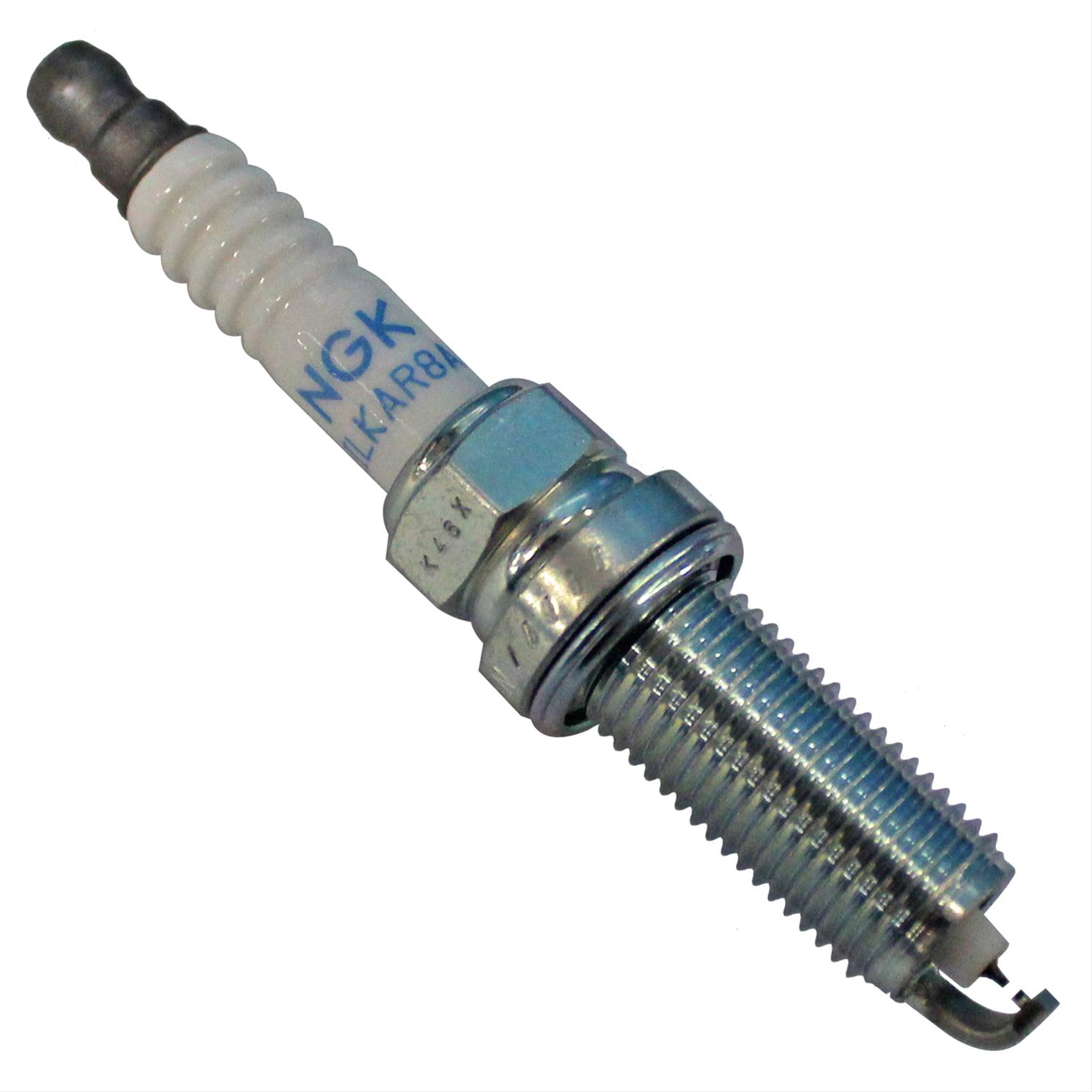
Can’t Decide?
Our Top 2 Picks — Head to Head
Both are exact OE replacements rated above 4.7 stars. The right one depends entirely on which engine is under your hood, not on which plug scores marginally higher.
- Exact match for N20/N26 turbo engines (2012–2017)
- Pre-gapped, zero adjustment needed
- 4.7-star rating across thousands of verified reviews
- Widely stocked, so replacement is easy when you’re already mid-repair
- Exact match for the B48 turbo engine (2018–2024)
- Correct heat range 8 for direct-injection boost pressure
- Fixes cold-start misfire codes reported on the newer platform
- Highest overall rating of the five plugs reviewed here
How to Choose the Right Spark Plug for Your X3
Six factors that matter before you buy — explained simply, with the X3-specific detail that generic spark plug guides tend to skip.
Confirm Your Engine Code First
BMW built three very different engines into the X3 lineup: the naturally aspirated N52 inline-six (2007–2010), the N20/N26 turbo four-cylinder (2012–2017), and the current B48 turbo four-cylinder (2018+). Check the engine code sticker under the hood or decode your VIN before ordering, since plugs from one family will not physically fit or properly ignite in another. The thread reach and hex size also differ slightly between generations, so a plug that technically threads in can still sit at the wrong depth in the combustion chamber.
Understand Heat Range for Turbo Engines
Turbocharged engines run hotter combustion chambers than naturally aspirated ones, so the plug’s heat range has to dissipate that extra heat correctly. A plug that’s too hot for the N20, N26, or B48 invites pre-ignition and knock-sensor codes, while the correct OE-specified range keeps combustion temperature stable under boost. This is the main reason a plug pulled from a non-BMW parts catalog can pass a basic thread-fit check yet still cause a rough-running engine once you’re back on the highway. NGK and Bosch both publish cross-reference charts by BMW part number, so it only takes a minute to confirm you’re buying the correct heat range for your specific engine.
Verify the Pre-Gap Before Installing
Every plug on this list ships pre-gapped from the factory, but shipping damage occasionally shifts a ground electrode out of spec. Pull a feeler gauge across each plug before it goes in the head — it takes about two minutes for a full set and prevents a misfire that would otherwise take an hour to diagnose later. Never try to bend an iridium or platinum ground electrode back into place with a standard gap tool; the fine-wire tips on these designs can snap rather than flex. If a gap looks off on arrival, it’s usually faster and safer to request a replacement than to attempt a field fix.
Choose the Right Electrode Material
Iridium plugs generally outlast platinum in a turbo application because the electrode resists erosion better under higher cylinder pressure, though platinum plugs like the NGK 95770 remain a sound, cheaper choice for the naturally aspirated N52. Twin-tip and double-iridium designs push service life even further but cost more per plug. If you’re comparing options outside this list, treat electrode diameter as a rough proxy for firing voltage — thinner tips generally need less voltage and ease the load on aging ignition coils. Copper-core plugs are cheaper still, but they wear far faster under a turbo X3’s combustion pressure and are not something we’d recommend for any of the three engine families here.
Plan for the Installation Difficulty
Reaching the plugs on an N20, N26, or B48 X3 means pulling the engine cover and, on most trims, removing the ignition coil pack first. It’s a manageable DIY job with a thin-wall 12-point spark plug socket, an extension, and a torque wrench, but budget roughly an hour of shop labor if you’d rather hand it off. On the N52 six-cylinder, expect a longer job overall simply because there are two extra cylinders and coils to work through, even though each individual plug is just as accessible. Set aside two to three hours for a full DIY swap on any of the three engines if it’s your first time doing the job.
Torque and Anti-Seize Matter as Much as the Plug
Most modern plugs, including every one on this list, already carry a trivalent anti-seize coating — adding your own can throw off the torque reading and lead to overtightening. Torque to BMW’s spec, typically 23 Nm for the N20, N26, and B48, since too little lets combustion gas leak past the seal and too much cracks the ceramic insulator. Thread the plug in by hand first until it seats without resistance, then finish with the torque wrench; forcing a cross-threaded plug into an aluminum head is one of the more expensive mistakes an X3 owner can make. If a plug ever feels gritty going in, back it out and clean the threads rather than pushing through the resistance.
Pro Tips
Quick Buying Checklist
Match the plug to your exact engine code — N52, N20/N26, and B48 are not interchangeable, even across the same model year of X3.
Check the gap with a feeler gauge before install, even on plugs sold pre-gapped from the factory.
Use a thin-wall 12-point socket to avoid cracking the ceramic insulator during removal or install.
Torque to 23 Nm — don’t rely on feel alone on the X3’s aluminum cylinder head.
Inspect ignition coil boots for cracks or brittleness before reusing them with a new set of plugs.
Iridium suits turbo engines best; platinum remains a sound, cheaper choice for the naturally aspirated N52.
Replace all cylinders in the same session — mixing old and new plugs invites uneven firing.
Related Guides
Other BMW X-Series Spark Plug Guides
Also On CarAssists
More Guides for This Vehicle
Frequently Asked Questions
What spark plugs does a BMW X3 use?
The correct plug depends on the engine, not the model year alone. 2012–2017 X3 models with the N20 or N26 turbo four-cylinder use the NGK 97506. 2018 and newer X3s with the B48 engine use the NGK 94201. Older 2007–2010 X3 3.0si models with the N52 six-cylinder use the NGK 95770.
Will the wrong spark plug damage my B48 engine?
Yes. The B48 runs a heat range 8 plug tuned specifically for direct-injection boost pressure. Installing an N20/N26-spec plug like the 97506 in a B48 risks pre-ignition and knock-sensor codes rather than a simple performance loss, so confirm the engine code on the sticker under the hood before ordering.
How often should I replace spark plugs in an X3 turbo engine?
BMW specifies a 60,000-mile interval for the N20, N26, and B48, and a similar interval for the N52. Iridium plugs like the NGK 97506 or Denso 4705 can often stretch past that mileage, but inspect at 60,000 miles regardless, since ignoring worn plugs eventually strains the ignition coils.
Can I mix spark plug brands across my X3’s cylinders?
It’s not recommended. Mixing electrode materials or heat ranges across cylinders can cause uneven firing voltage and inconsistent combustion, even if each individual plug technically fits the engine. Install a matched set from one manufacturer, and replace all four (or six, on the N52) in the same session for consistent results.
Do I need to replace ignition coils with the spark plugs?
Not automatically. If the coil boots show no cracks and there’s no history of misfire codes, you can safely reuse them. That said, many X3 owners replace coils alongside plugs around 100,000 miles as preventive maintenance, since a weakening coil shortens a brand-new plug’s effective life.
Is a torque wrench really necessary for X3 spark plug installation?
Yes. The X3’s aluminum cylinder head is unforgiving of guesswork. Undertightening lets compression escape past the seal, while overtightening cracks the ceramic insulator or strips the aluminum threads. Torque to the BMW-specified 23 Nm rather than tightening by feel, and always thread the plug in by hand first.
Why does my X3 idle rough right after a spark plug change?
A brief rough idle for the first several minutes usually means the ECU hasn’t finished adapting to the new plugs yet, especially with a fine-wire iridium design like the Bosch 8161. If the roughness persists past a short drive cycle, recheck the gap and confirm each coil boot seated fully before assuming the plug itself is defective.
Should I use dielectric grease on the ignition coil boots?
Yes, a thin layer inside each coil boot helps prevent it from sticking to the plug’s ceramic insulator over time, which makes the next removal much easier on an aging X3. Avoid getting grease on the electrode tip itself, and never substitute it for the anti-seize coating already applied to the plug’s threads.
Final Verdict
Our Top Recommendations for 2026
Every plug here matches BMW’s factory specification for a specific X3 engine generation, so the right choice comes down to your engine code rather than personal preference. Confirm whether you’re running the N52, N20/N26, or B48 before you check out, since ordering by model year alone can still land you the wrong part if your X3 sits near a generation changeover. Once you’ve matched the engine code, any plug on this list will get you back to factory-smooth ignition.