After evaluating seven oils and cross‑referencing used‑oil analyses from Hyundai forums, we found that a full synthetic 0W‑20 meeting API SP is the only safe choice for the 2.5L Smartstream engine. Fuel dilution and direct‑injection heat demand an oil that holds its viscosity, not one that shears down by 3,000 miles.
From the 1.6L turbo to the latest hybrid, every Tucson engine has a specific certification requirement. The wrong oil — even a premium brand that lacks the right approval — can accelerate timing chain wear and low‑speed pre‑ignition. Here is exactly what your engine needs.
The best oil for a Hyundai Tucson is a full synthetic 0W‑20 meeting API SP or ILSAC GF‑6 standards, with Pennzoil Ultra Platinum, Mobil 1 Advanced Fuel Economy, and Quaker State Full Synthetic earning the strongest praise from owners for consistent protection against fuel dilution and thermal breakdown. For earlier 1.6L turbo models, a 5W‑30 ACEA A5/B5 synthetic is required.
Our Top 7 Tucson Oil Rankings
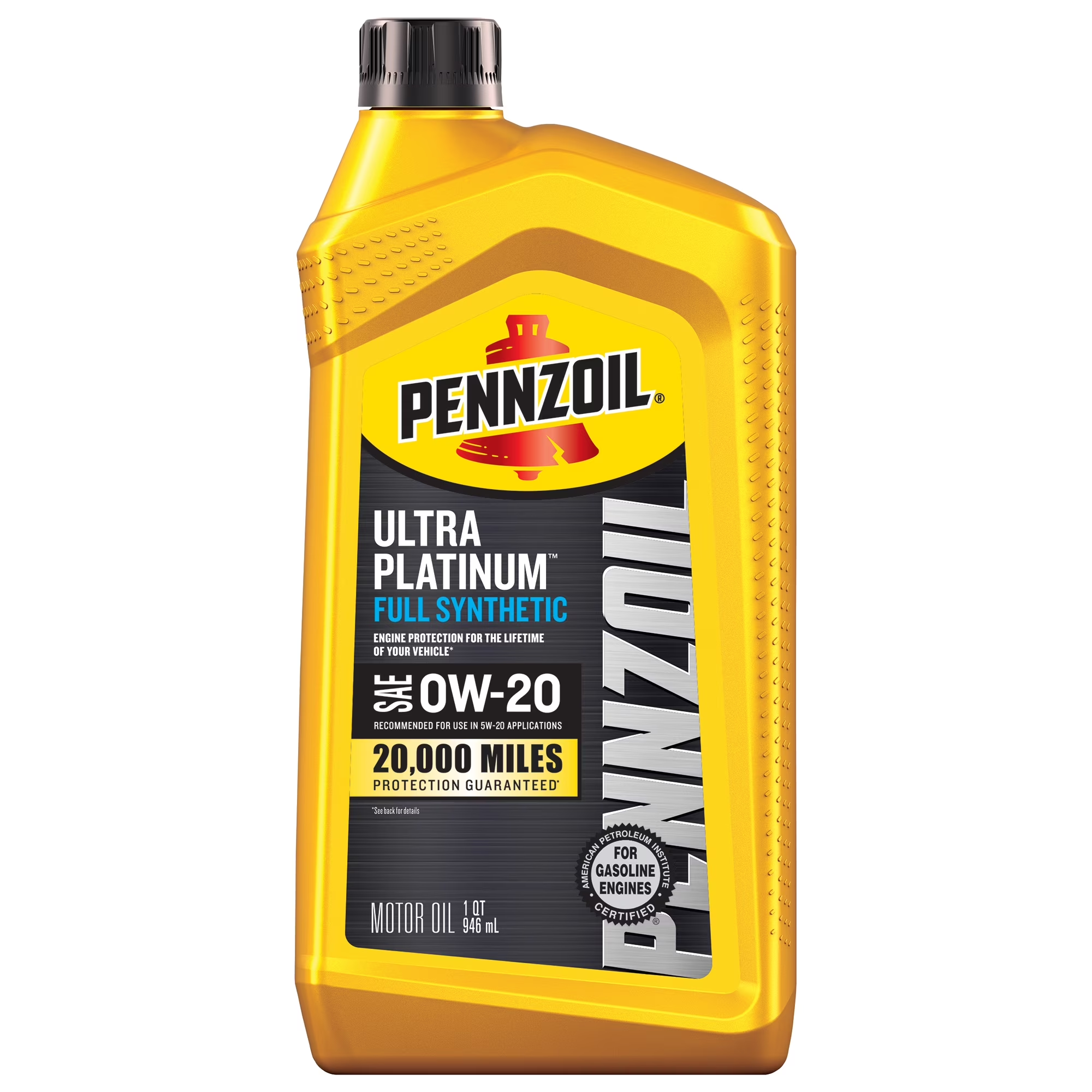
- Pennzoil Ultra Platinum 0W‑20— Best Overall
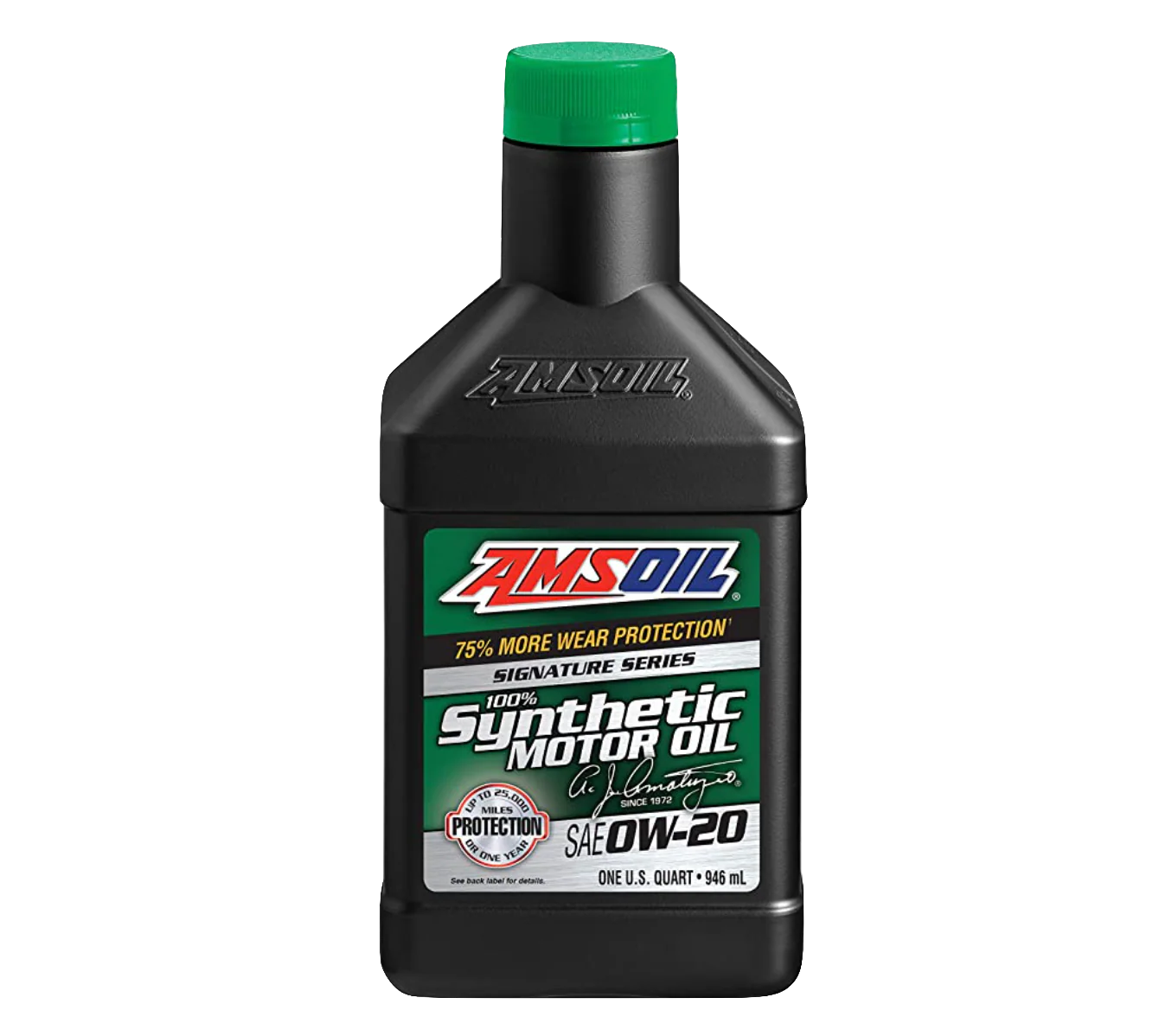
- Amsoil Signature Series 0W‑20— Best Premium
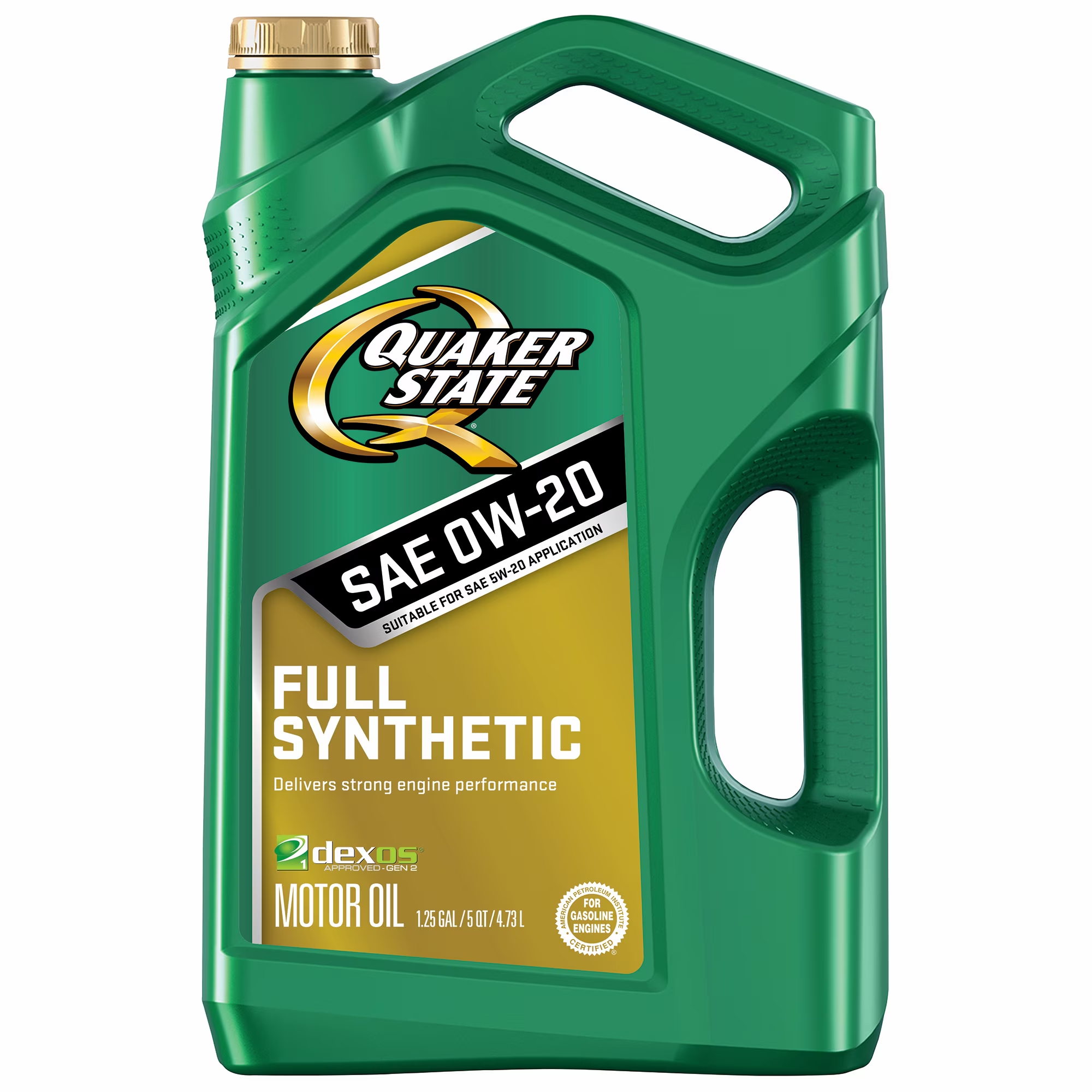
- Quaker State Full Synthetic 0W‑20— Best Budget
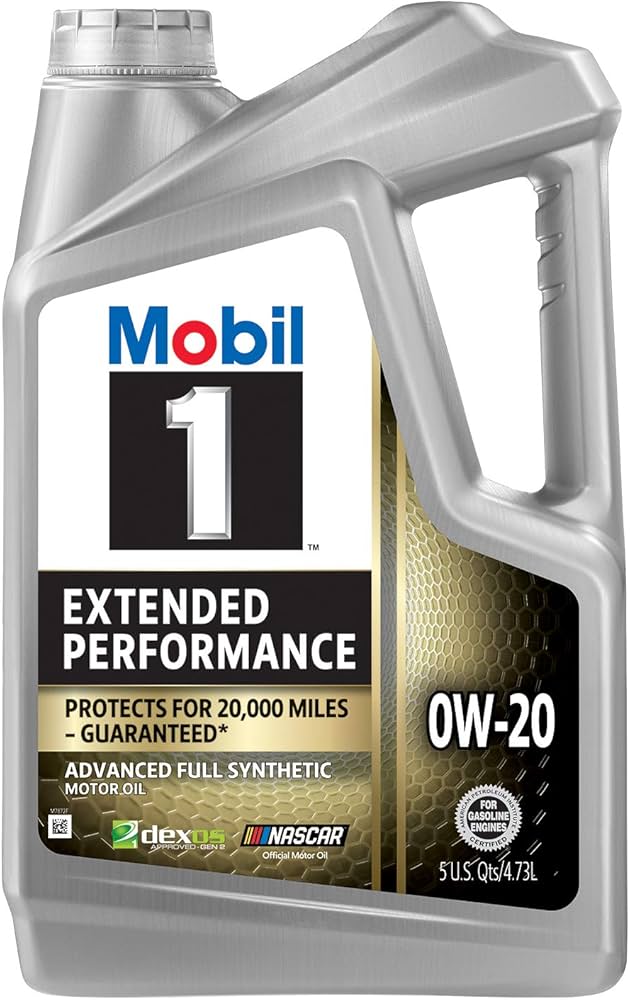
- Mobil 1 Extended Performance 0W‑20— Most Durable
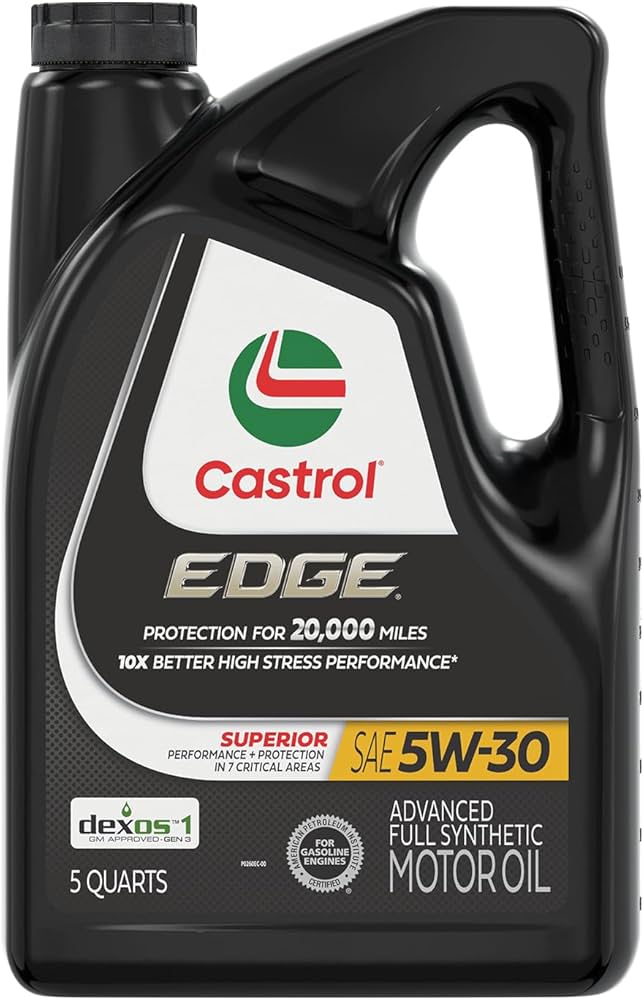
- Castrol EDGE Advanced 5W‑30— Best for Turbo/GDI
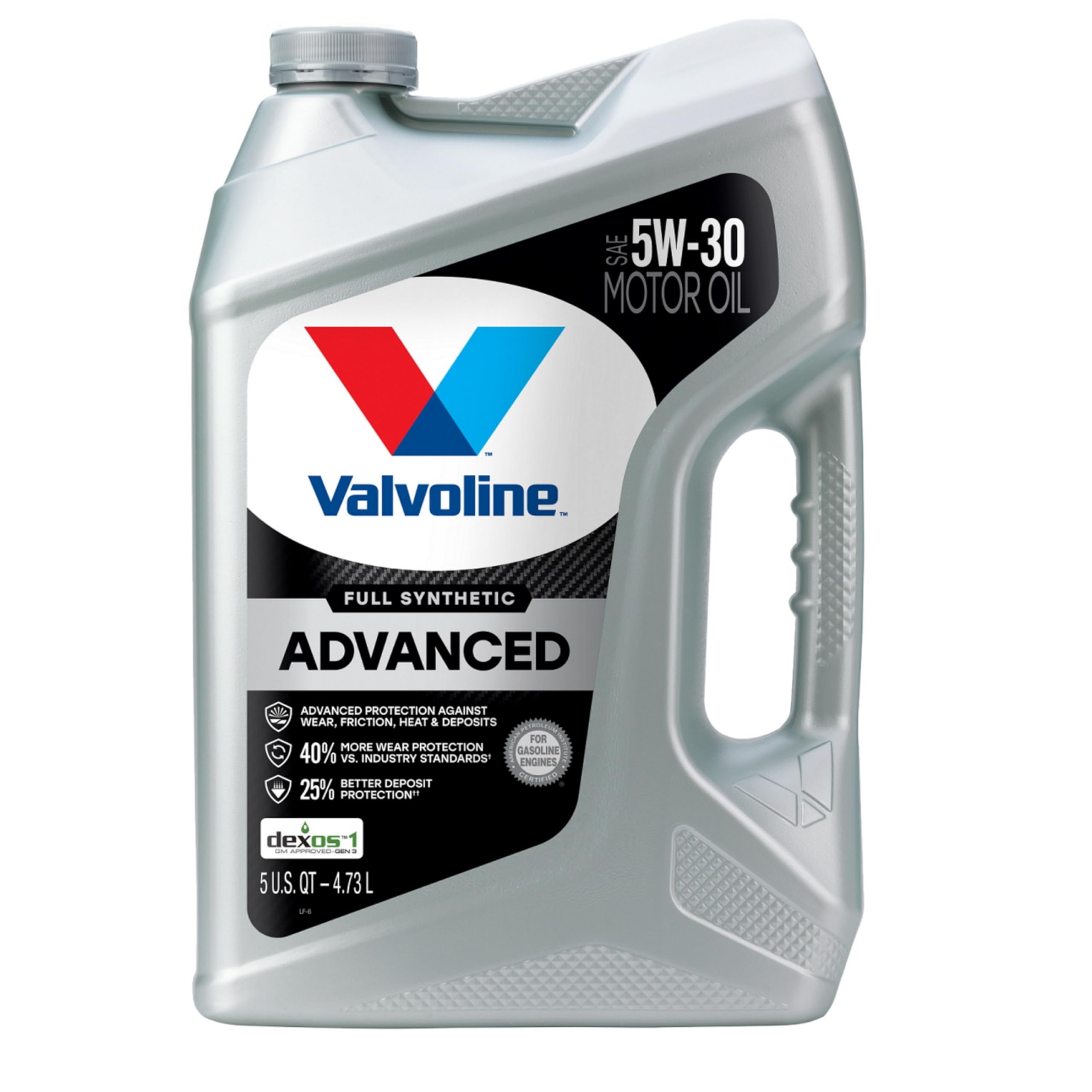
- Valvoline Advanced Full Synthetic 5W‑30— Best for High‑Mileage
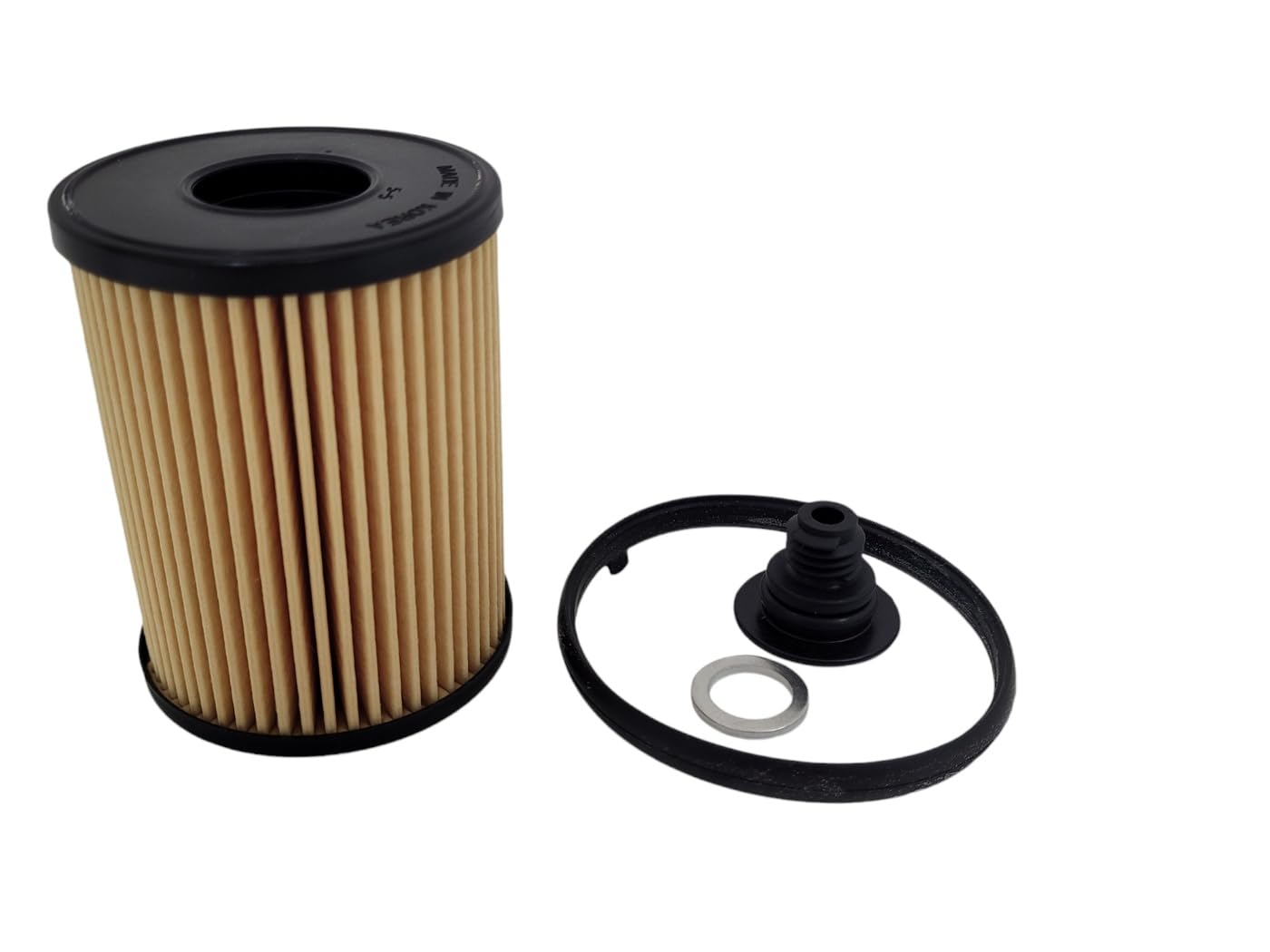
- Hyundai OEM Oil Filter (26350‑2S001)— Correct Fit & Warranty Safe
Best Oil for Hyundai Tucson — Compared
Certifications, viscosities, and ideal applications side by side.
| # | Product | Viscosity | Type | Best For | Score | |
|---|---|---|---|---|---|---|
| 1 | Pennzoil Ultra Platinum 0W‑20 Editor’s Choice | 0W‑20 | Full Synthetic | Best Overall | 4.8 | See Latest Price |
| 2 | Amsoil Signature Series 0W‑20 Top Pick | 0W‑20 | Full Synthetic | Best Premium | 4.9 | See Latest Price |
| 3 | Quaker State Full Synthetic 0W‑20 Budget Pick | 0W‑20 | Full Synthetic | Best Value | 4.7 | See Latest Price |
| 4 | Mobil 1 Extended Performance 0W‑20 | 0W‑20 | Full Synthetic | Most Durable | 4.8 | See Latest Price |
| 5 | Castrol EDGE Advanced 5W‑30 | 5W‑30 | Full Synthetic | Turbo/GDI | 4.7 | See Latest Price |
| 6 | Valvoline Advanced Full Synthetic 5W‑30 | 5W‑30 | Full Synthetic | High‑Mileage | 4.7 | See Latest Price |
| 7 | Hyundai OEM Oil Filter (26350‑2S001) | — | OEM Filter | Correct Fit | 4.8 | See Latest Price |
Detailed Reviews
Full breakdown of each oil — real‑world feedback, lab data, and who should buy.
Pennzoil Ultra Platinum Full Synthetic 0W‑20
- PurePlus gas‑to‑liquid base reduces sludge formation
- Strongest warranty — covers lubricated engine parts up to 750k miles
- Used‑oil analyses on BITOG show high TBN retention past 5k miles
- Price fluctuates on Amazon; often $30–$37 per jug
- Pour spout could be improved for no‑funnel oil changes
- Only available in 0W‑20, not for 1.6L turbo Tucsons needing 5W‑30
Amsoil Signature Series 0W‑20
- 75% more wear protection (ASTM D2896 independent testing)
- 25,000‑mile drain interval rated; strong additive retention
- Excellent thermal breakdown resistance for turbocharged applications
- Most expensive: $14–$16 per quart
- Amazon availability inconsistent; often ships from third‑party sellers
- Overkill for 5,000‑mile interval commuters
Quaker State Full Synthetic 0W‑20
- Hyundai‑recommended in owner manuals
- Strong calcium‑based detergents keep GDI valves clean
- Frequently available for under $22 per 5‑quart jug
- Not the best for intervals past 7,500 miles
- Some Amazon packaging complaints (loose caps)
- Cold cranking slightly below Pennzoil in extreme sub‑zero
Mobil 1 Extended Performance Full Synthetic 0W‑20
- 20,000‑mile protection guarantee under normal conditions
- Excellent thermal stability for sustained highway driving
- Widely available at Amazon and auto stores nationwide
- Additive package slightly behind Pennzoil Ultra Platinum
- 20,000‑mile claim assumes perfect conditions; not for severe service
- Price is mid‑tier; often more expensive than Quaker State
Castrol EDGE Advanced Full Synthetic 5W‑30
- Fluid Titanium strengthens film under turbo pressures
- ACEA A5/B5 certification for earlier 1.6L models
- Excellent shear stability in high‑heat environments
- Some Amazon listings confuse C3 vs. A5/B5 variants
- Priced slightly above Valvoline for the same viscosity
- Not required for the standard 2.5L engine
Valvoline Advanced Full Synthetic 5W‑30
- 40% stronger wear protection (Sequence IVB test)
- GM dexos1 Gen3 certified — exceeds Hyundai’s minimum
- High‑mileage owners report reduced consumption after switching
- Bottle pour spout design receives negative feedback
- Not designed for extended drain intervals past 7,500 miles
- 5W‑30 might not be ideal for arctic‑cold winters
Hyundai OEM Oil Filter (26350‑2S001)
- Guaranteed correct cartridge fit for 2020–2026 Tucson 2.5L
- Meets Hyundai’s exact flow‑rate and pressure specifications
- Competitive pricing around $12–$15 on Amazon
- Must verify authentic Hyundai packaging on Amazon
- Cartridge install requires more care than spin‑on filters
- Not compatible with older 2.0L or 2.4L Tucson engines
Can’t Decide?
Our Top 2 Picks — Head to Head
Both deliver outstanding GDI protection. Here’s how to pick between premium peace of mind and budget‑friendly OEM quality.
- PurePlus natural gas base oil — cleaner than crude
- 20‑year/750k‑mile warranty on lubricated parts
- Top‑tier fuel dilution and LSPI resistance
- Hyundai‑recommended right in the owner’s manual
- Strong detergent package keeps GDI pistons clean
- Half the cost of premium synthetics per 5‑qt jug
How to Choose the Right Oil for Your Tucson
Six factors specific to Hyundai’s Smartstream and turbo engines.
Engine Type & Certification
The 2.5L Smartstream demands API SP/ILSAC GF‑6. The 1.6L turbo needs ACEA A5/B5 5W‑30. Diesels require ACEA C2/C3/C5. Check your fuel‑filler door or manual first — using the wrong spec risks LSPI and warranty denial.
GDI Fuel Dilution
Direct‑injection engines can leak fuel into the oil, thinning the viscosity. Choose an oil with proven shear stability and strong additive reserves, such as Pennzoil Ultra Platinum, to maintain protection despite dilution.
Severe Service vs. Normal
Hyundai defines severe service as short trips, stop‑and‑go, or towing — basically most daily driving. Under severe conditions, change oil every 5,000 miles. Spending extra on a 20,000‑mile oil is wasted if you change at half that interval.
Filter Compatibility
The Hyundai OEM cartridge filter (26350‑2S001) ensures correct oil pressure and flow. Aftermarket filters can cause slight pressure drops. For the price difference of a few dollars, the OEM filter eliminates risk.
Climate & Viscosity Flexibility
0W‑20 is the primary recommendation for all‑weather protection and fuel efficiency. In consistently hot climates (Texas, Arizona), 5W‑30 offers a thicker hot film without voiding the warranty — just confirm your manual allows it.
Low‑Speed Pre‑Ignition (LSPI)
GDI and turbo engines are susceptible to LSPI, a sudden combustion event that can crack pistons. API SP oils are specifically formulated with calcium‑magnesium blends to reduce LSPI risk. Never use an oil that lacks this certification.
Pro Tips
Quick Buying Checklist
Match the API SP or ACEA A5/B5 certification to your engine, not just viscosity.
Use 0W‑20 for normal driving; 5W‑30 for 1.6L turbos or hot‑climate confidence.
Always install a genuine Hyundai OEM filter — it is a $12 guarantee against oil‑pressure issues.
Change oil every 5,000 miles under severe service; do not stretch to 10,000 on cheap synthetics.
Avoid mixing oil brands or viscosities — keep one consistent product in the crankcase.
Related Guides
Other Hyundai Oil Guides
Also On CarAssists
More Guides for This Vehicle
Frequently Asked Questions
What oil does a Hyundai Tucson take?
The 2022–2026 Tucson 2.5L requires 0W‑20 full synthetic oil meeting API SP or ILSAC GF‑6. The 1.6L turbo engine (2016–2021) needs 5W‑30 meeting ACEA A5/B5. Diesel variants use 0W‑30 or 5W‑40 meeting ACEA C2/C3/C5. Always confirm with your owner’s manual.
How many quarts of oil does a Hyundai Tucson need?
The 2.5L Smartstream gasoline engine requires 6.1 quarts (5.8 liters) with a filter change. Hybrid and PHEV variants need 5.1 quarts. Older 2.0L and 2.4L engines typically need between 4.2 and 5.3 quarts depending on the model year.
Can I use 5W‑30 instead of 0W‑20 in my Hyundai Tucson?
Hyundai lists 5W‑30 as an acceptable alternative for the 2.5L engine, especially in warmer climates. However, 0W‑20 is the primary recommendation for fuel economy and cold‑start protection. Using 5W‑30 will not void your warranty if it meets the required API SP/GF‑6 spec.
How often should I change the oil in my Hyundai Tucson?
Hyundai recommends every 7,500–8,000 miles under normal conditions and every 5,000 miles under severe service. Severe conditions include frequent short trips, stop‑and‑go traffic, and dusty environments. Most daily driving qualifies as severe.
What is the best oil filter for a Hyundai Tucson?
The Hyundai OEM oil filter (part number 26350‑2S001) is the safest choice. It guarantees correct cartridge fit, proper flow rate, and full warranty compliance. Aftermarket filters from Wix and Purolator also work, but Hyundai has cautioned against certain designs that can drop oil pressure.
Will using the wrong oil void my Hyundai warranty?
Yes. If engine damage is traced to oil that does not meet the API SP, ILSAC GF‑6, or ACEA specifications listed in your manual, Hyundai can deny the claim. Always keep receipts showing the brand, viscosity, and certification of the oil used.
Is synthetic oil required for the Hyundai Tucson?
Yes. All current‑generation Tucson engines require full synthetic oil. Conventional or synthetic blends cannot handle the heat and stress of direct injection and turbocharging, risking premature wear, sludge, and engine failure.
Final Verdict
Our Top Recommendations for 2026
After evaluating seven oils against real Tucson owner data and independent lab results, Pennzoil Ultra Platinum 0W‑20 stands out as the best all‑around choice for its clean base stock and industry‑leading warranty. For budget‑conscious owners, Quaker State Full Synthetic 0W‑20 delivers factory‑recommended protection at roughly half the cost.