After evaluating six tire options using BMW-specific forum data from 1addicts.com and Bimmerpost, independent braking scores from TyreReviews, and owner feedback tied directly to 128i and 135i driving conditions, the gap between what works and what fails on this rear-wheel-drive coupe becomes clear fast. The 128i’s staggered 205/50R17 front and 225/45R17 rear setup loads the rear tires hard under throttle. A vague sidewall, a compound that hardens below 7°C, or an underperforming wet-braking profile all show up quickly — costing grip when you need it most and wearing out prematurely when the rear-drive dynamics do their work.
Most 128i owners replace stock tires because OEM fitments are often run-flats — a construction that rides harshly, wears faster, and offers no mileage warranty. This list focuses specifically on tires where independent test scores, BMW forum consensus, and real-owner satisfaction data all align. Six tires made the final cut: a Michelin flagship for performance-first drivers, a Continental all-season for year-round versatility, a Bridgestone option for those who want near-premium grip at a lower price, a Pirelli OE replacement, a Goodyear built for high-mileage durability, and a Hankook that genuinely surprises at its price point.
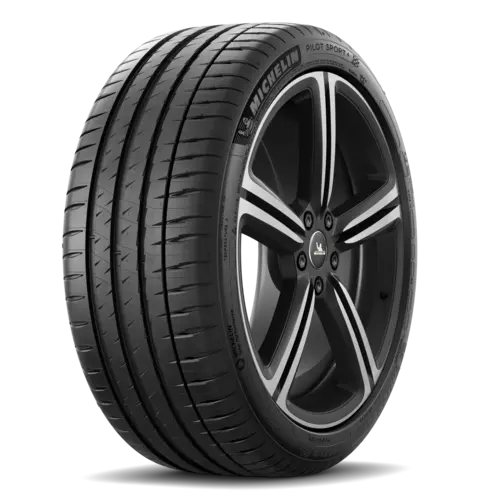
The Michelin Pilot Sport 4S is the strongest all-around choice for the 128i — best dry grip, confident wet traction, and predictable wear in a single package. Drivers who need year-round usability should choose the Continental ExtremeContact DWS06 Plus, which handles rain, frost, and dry roads in one set. Budget-conscious 128i owners get genuine UHP performance from the Hankook Ventus V12 Evo2 at 30–40% less than premium rivals.
Our Top 6 BMW 128i Tire Rankings
- Michelin Pilot Sport 4S— Best Overall
- Continental ExtremeContact DWS06 Plus— Best All-Season
- Bridgestone Potenza Sport— Best Performance Value
- Goodyear Eagle F1 Asymmetric 6— Best for Long Tread Life
- Pirelli P Zero— Best OE Replacement
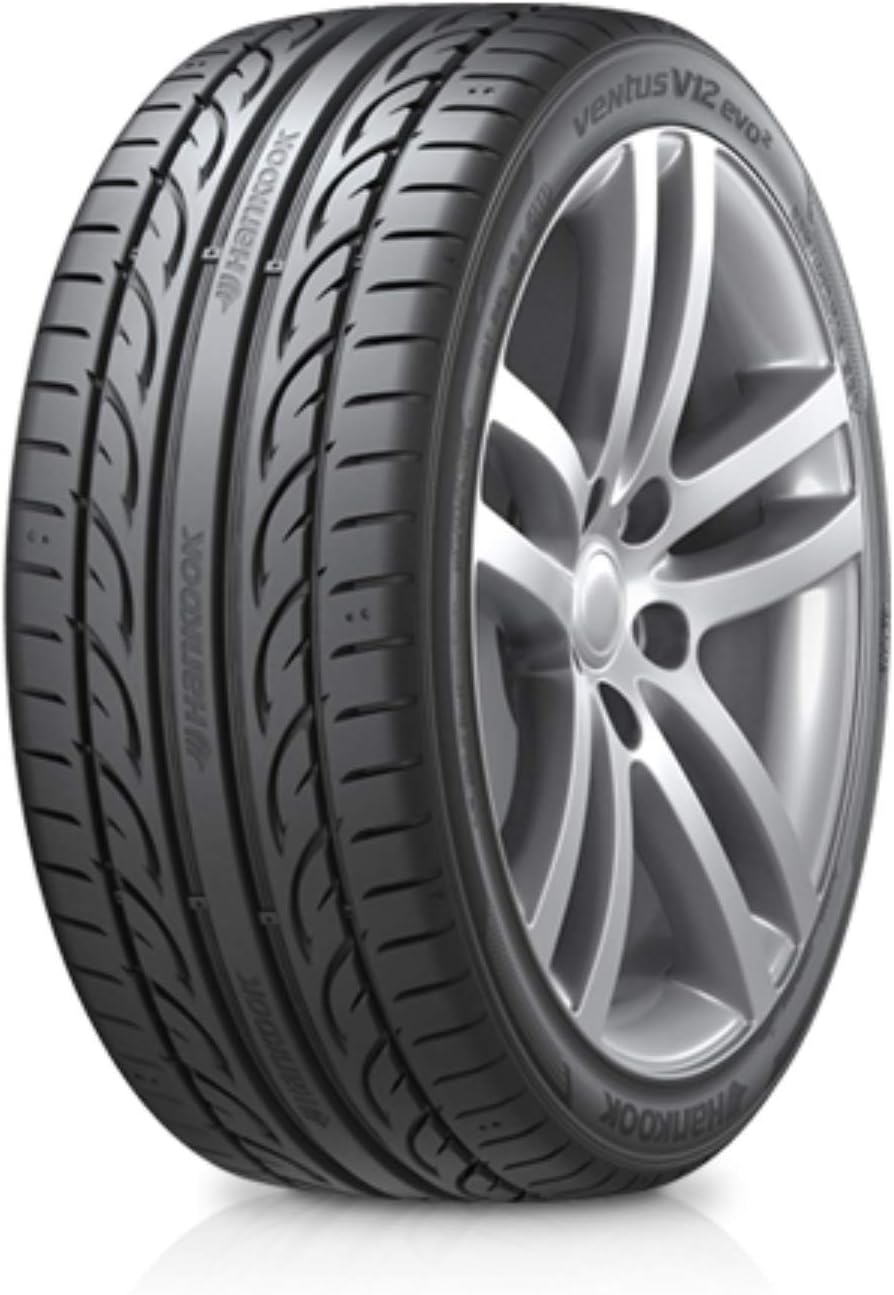
- Hankook Ventus V12 Evo2— Best Budget Pick
Best BMW 128i Tires — Compared
All six tires verified for 205/50R17, 225/45R17, and 205/55R16 fitments. Scores out of 5.
| # | Tire | Size | Type | Best For | Score | |
|---|---|---|---|---|---|---|
| 1 | Michelin Pilot Sport 4S Editor’s Choice | 205/50R17, 225/45R17 | Summer UHP | Overall Performance | 4.8 | See Latest Price |
| 2 | Continental ExtremeContact DWS06 Plus Top Pick | 205/50R17, 205/55R16 | All-Season UHP | Year-Round Use | 4.7 | See Latest Price |
| 3 | Bridgestone Potenza Sport | 205/50R17, 225/45R17 | Summer UHP | Performance Value | 4.6 | See Latest Price |
| 4 | Goodyear Eagle F1 Asymmetric 6 | 205/50R17, 205/55R16 | Summer / All-Season | Long Tread Life | 4.5 | See Latest Price |
| 5 | Pirelli P Zero | 205/50R17, 225/45R17 | Summer UHP | OE Replacement | 4.4 | See Latest Price |
| 6 | Hankook Ventus V12 Evo2 Budget Pick | 205/50R17, 225/45R17 | Summer UHP | Budget Performance | 4.4 | See Latest Price |
Detailed Reviews
Full breakdown of each tire — ratings, pros, cons, and our expert verdict for the BMW 128i.
Michelin Pilot Sport 4S
Pros
- Dual-compound asymmetric tread warms up within 1–2 km for near-immediate grip on cold starts
- Dynamic Response belt delivers sub-40ms steering response — noticeably sharper than the Potenza Sport in back-road flicks
- Confirmed 128i/135i fitment in 205/50R17 and 225/45R17 staggered sizes
Cons
- Compound hardens below 7°C — not safe for cold-season use without winter tires
- Costs 25–35% more per tire than mid-tier rivals including the Potenza Sport
Continental ExtremeContact DWS06 Plus
Pros
- Built-in tread wear indicators spell “D,” “W,” and “S” — when “S” vanishes, snow traction is gone; no guesswork on replacement timing
- SportPlus Technology improves wet cornering response compared to the previous DWS06 generation
- Available in 205/50R17 and 205/55R16 — covers both 17-inch and base 16-inch 128i fitments
Cons
- Dry cornering limit is measurably below a dedicated summer tire — not suitable for track days
- Steering feel is less tactile than the PS4S at speed, which can feel slightly disconnected on the 128i’s direct rack
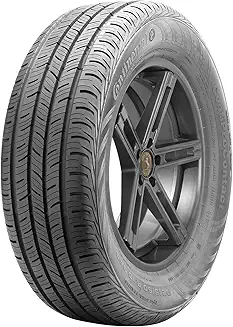
Bridgestone Potenza Sport
Pros
- Optimized tread block geometry delivers wet braking distances that match or beat the PS4S in independent TyreReviews testing
- Steering response is sharper and more direct than previous Potenza generations — M3/M4 forum owners noticed the upgrade immediately
- Priced 10–20% below Michelin PS4S while delivering comparable cornering grip at legal speeds
Cons
- Road noise on motorways is noticeably higher than both the PS4S and DWS06 Plus — audible at 110+ km/h
- Grip drops sharply when the tire hasn’t reached operating temperature — first corners on a cold morning require caution
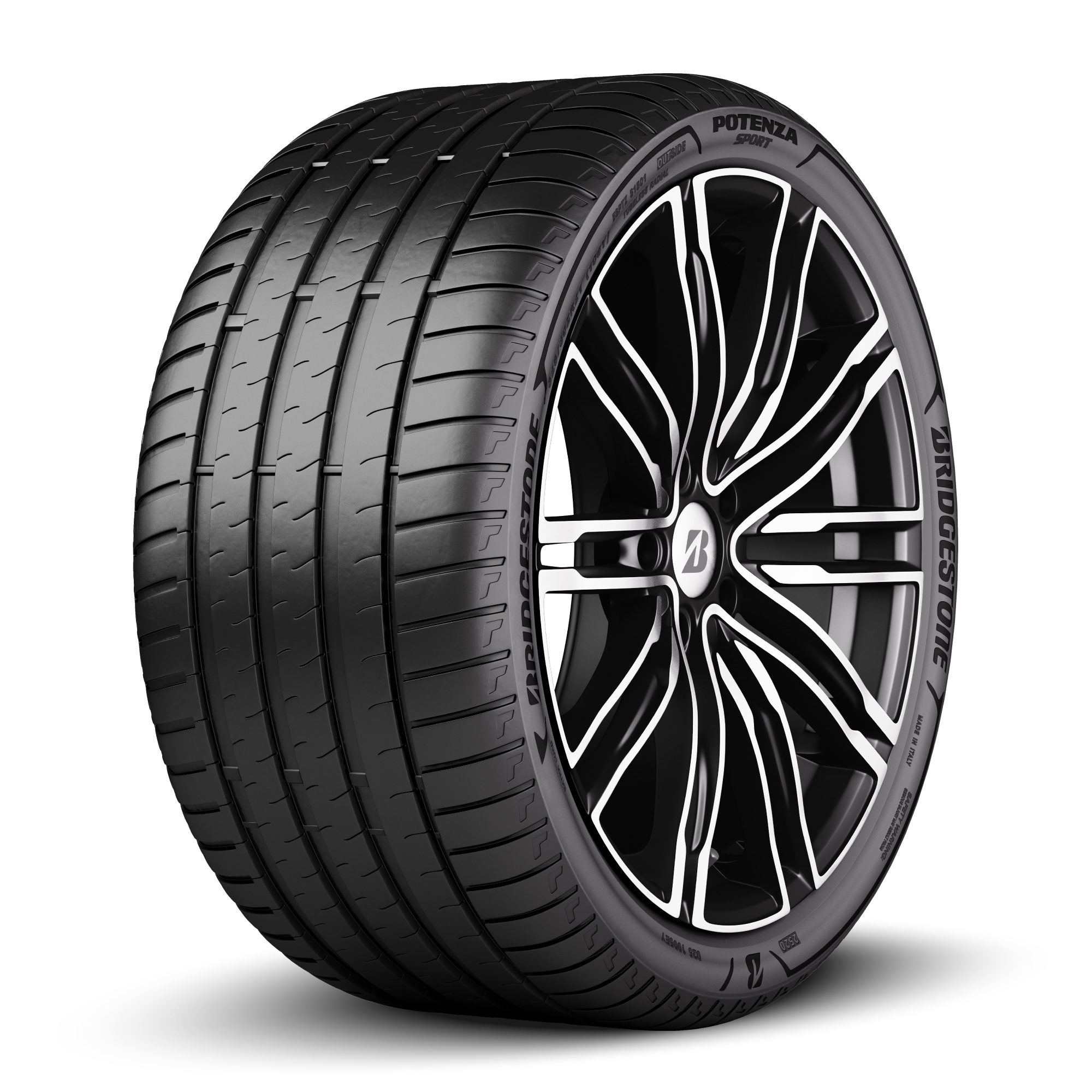
Goodyear Eagle F1 Asymmetric 6
Pros
- All-season variant carries a 45,000-mile treadwear warranty — the only tire on this list with a formal mileage guarantee
- Ranked top 3 in straight-line aquaplaning resistance in Auto Express’s 2025 multi-tire test, scoring 98.8% overall
- Quieter and more refined on motorways than the Bridgestone Potenza Sport
Cons
- Dry cornering at the limit is measurably behind the PS4S — not the right choice for spirited back-road driving
- Noise and refinement scores placed 9th in the same Auto Express test — falls short at the very top of the category
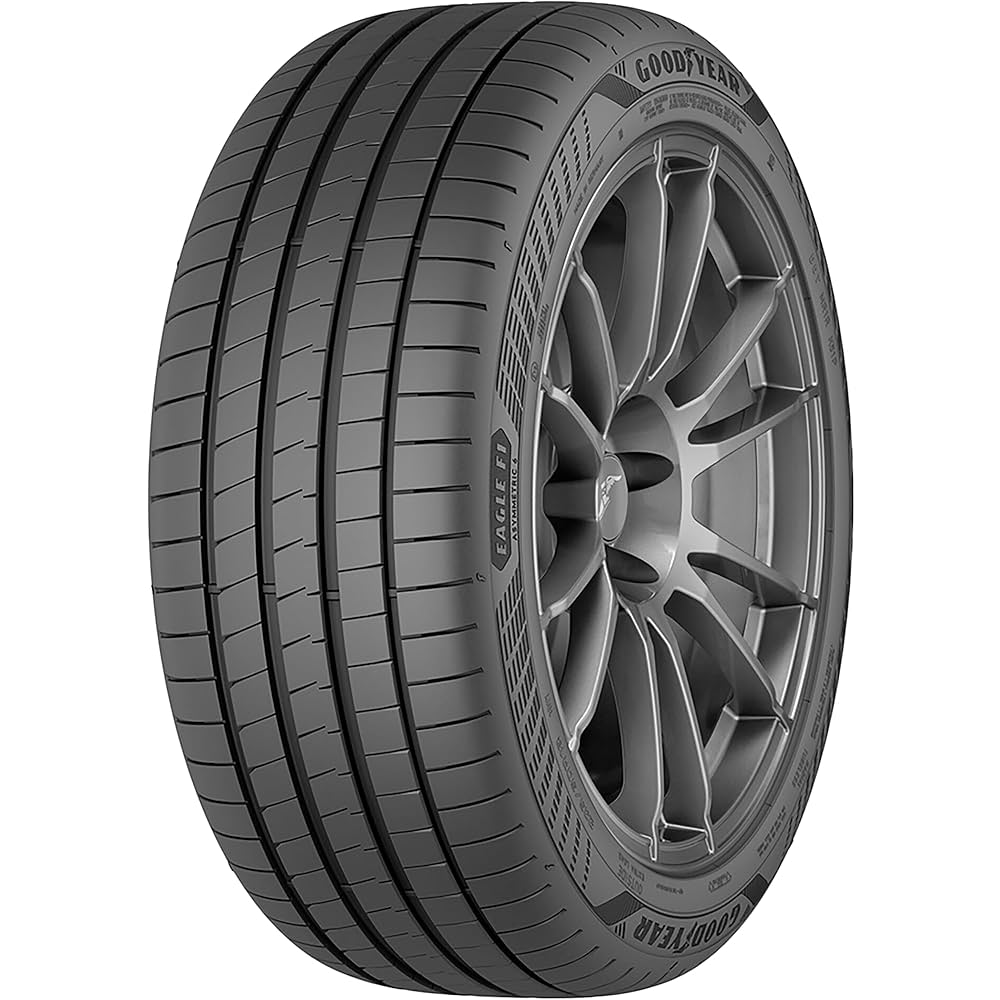
Pirelli P Zero
Pros
- BMW-specific OE variants are tuned for RWD handling balance — the 128i’s steering weight and breakaway feel is preserved
- Noticeably quieter than most performance UHP tires — a meaningful difference on the 128i’s stiff suspension
- Available in both standard and run-flat constructions in correct 128i staggered sizes
Cons
- Wet confidence is unreliable in cold rain — multiple owner reports describe understeer and reduced feel below 10°C
- Tread wear accelerates faster than Michelin and Continental rivals at a similar price point — outer shoulder wears unevenly under RWD loads
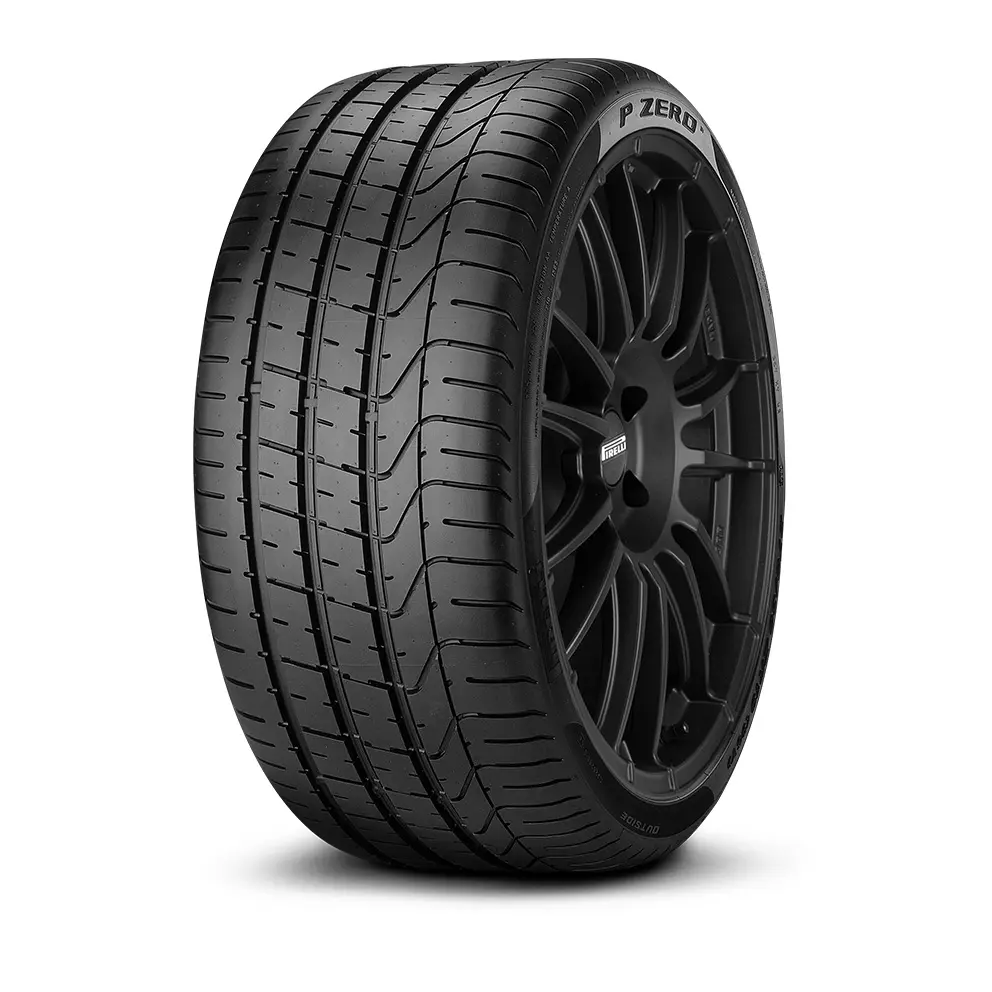
Hankook Ventus V12 Evo2
Pros
- BMW forum members on e90post and m3post confirmed it matches Michelin Pilot Sport 2 grip levels — a strong benchmark for the price bracket
- Typically 30–40% cheaper per tire than the PS4S or Potenza Sport, with wide Amazon Prime availability in 128i sizes
- Handling limit is predictable — no sudden breakaway, which matters on a RWD coupe with no mechanical LSD
Cons
- Softer sidewall introduces flex under hard lateral loading — steering precision degrades noticeably above 120 km/h in fast corners
- Road noise increases significantly once tread depth drops below 4mm — plan for replacement before wear indicators trigger
???? Can’t Decide?
Our Top 2 Picks — Head to Head
Both are excellent choices for the BMW 128i. Here’s how to choose between them.
- Top-rated dry grip and steering precision for RWD dynamics
- Dual-compound tread provides class-leading wet traction for a summer tire
- Wears more predictably than rivals under 128i rear-axle loading
- Covers all three seasons — rain, frost, and dry roads — in one set
- Visual DWS wear indicators remove guesswork on when to swap tires
- Longer tread life under mixed driving conditions
How to Choose the Right Tire for Your BMW 128i
Six factors specific to the 128i’s rear-wheel-drive staggered setup — explained simply.
Confirm Your Staggered Size
The 128i runs 205/50R17 front and 225/45R17 rear in staggered setups, or 205/55R16 on base 16-inch wheels. Check the door jamb sticker before ordering — installing the wrong width affects speedometer calibration and suspension geometry. Never assume a single size fits all four corners.
Summer vs. All-Season Compound
Summer compounds like the PS4S and Potenza Sport deliver sharper grip above 7°C — below that threshold, the rubber hardens and braking distances increase measurably. All-season tires like the DWS06 Plus handle near-freezing temperatures safely. Choose based on your lowest annual driving temperature, not your average.
Speed Rating for RWD Dynamics
The 128i requires a minimum H-rated (130 mph / 210 km/h) tire. All tires on this list carry V-rating (149 mph) or higher. Installing a lower speed-rated tire under a rear-wheel-drive car with active DSC management can cause instability at motorway speeds — never downgrade speed rating to save money.
Run-Flat vs. Standard Construction
Many stock 128i fitments are run-flat tires (RFT), which eliminate the spare but ride harshly and wear faster. Switching to standard tires improves ride quality significantly — but requires confirming your 128i carries a puncture repair kit or space-saver spare. The Pirelli P Zero is available in both RFT and standard versions.
Treadwear Rating and Replacement Cost
Performance summer tires typically carry treadwear ratings of 200–280, meaning replacement every 20,000–28,000 miles under normal use. Durability-focused tires like the Goodyear Eagle F1 Asymmetric all-season variant carry a 45,000-mile warranty. Factor replacement frequency into total cost of ownership — a cheaper tire replaced twice may cost more than one premium set.
Staggered Fitment Means No Rotation
The 128i’s different front and rear tire widths prevent front-to-rear tire rotation, so rear tires — which carry the drive and braking load — wear faster than fronts. Budget for replacing the rear pair independently of the fronts, and inspect rear tread depth every 8,000–10,000 miles regardless of how the fronts look.
✅ Pro Tips
Quick Buying Checklist for BMW 128i Tires
Always read the door jamb sticker for your exact tire size before ordering — a single trim or year difference on the 128i can mean different front and rear widths.
Align your wheels after every tire change. The 128i’s RWD setup is sensitive to camber — even a small misalignment accelerates inner shoulder wear and costs hundreds in premature replacements.
Replace rear tires in pairs, not individually. Mixing a new tire with a worn one on the same axle creates imbalanced braking forces — dangerous on a rear-drive car without a mechanical LSD.
If you drive below 7°C regularly, switch to winter or all-season tires. A Pilot Sport 4S at 3°C loses a measurable portion of its wet braking advantage — the compound was not designed for cold-season use.
Related Guides
Other BMW 1 Series Models
Also On CarAssists
More Guides for This Vehicle
Frequently Asked Questions
What tire size does the BMW 128i use?
The 128i typically uses 205/50R17 on the front and 225/45R17 on the rear in staggered setups. Base models with 16-inch wheels use 205/55R16. Always confirm your specific year and trim using the door jamb sticker before ordering — size varies by build date and optional wheel package.
Which tire is best for the BMW 128i in wet conditions?
The Continental ExtremeContact DWS06 Plus leads for year-round wet-weather confidence. For summer-only wet performance, the Michelin Pilot Sport 4S and Bridgestone Potenza Sport both score at the top of independent wet braking tests. All three outperform the Pirelli P Zero in cold rain conditions.
How long do performance tires last on a BMW 128i?
Summer performance tires on a RWD 128i typically last 20,000–30,000 miles depending on driving style and alignment. All-season options like the DWS06 Plus or Goodyear Eagle F1 Asymmetric can reach 40,000–50,000 miles under normal conditions. Aggressive driving, worn alignment, and under-inflation reduce these figures significantly.
Are aftermarket tires safe for the BMW 128i?
Yes — reputable brands including Michelin, Continental, Bridgestone, and Goodyear are safe and often outperform factory OEM fitments in wet and dry grip. Avoid unverified budget tires with no published speed rating. The 128i requires a minimum H-rated (130 mph) tire; all tires on this list carry V or higher.
Is the Michelin Pilot Sport 4S worth the premium price for a 128i?
For spirited driving and occasional track days, yes — the PS4S delivers measurably better wet grip and corner-entry precision than mid-tier alternatives. For pure commuting at legal speeds, the Hankook Ventus V12 Evo2 closes most of the gap at 30–40% less cost per tire.
Do I need to replace all four tires at once on a BMW 128i?
Not necessarily, but the staggered front/rear sizing prevents rotation, so rear tires wear faster. Replace the rear pair together to maintain balanced handling and braking. Mixing a brand-new tire with a significantly worn tire on the same axle creates asymmetric grip — a real hazard on a rear-drive car.
Can I use winter tires on a BMW 128i?
Yes, and it’s strongly recommended if you regularly drive below 7°C. Performance summer tires lose a meaningful portion of grip in cold weather — a dedicated winter set on steel rims is the safest and most cost-effective solution. All-season tires like the DWS06 Plus are a workable middle ground for mild-winter climates.
???? Final Verdict
Our Top BMW 128i Tire Recommendations for 2026
The Michelin Pilot Sport 4S is the benchmark choice for any 128i driver who puts cornering and wet confidence first — nothing on this list beats it at the limit. For year-round usability without swapping sets, the Continental ExtremeContact DWS06 Plus is the rational pick, covering rain, frost, and dry roads in a single tire with honest visual wear indicators. High-mileage commuters who need value without abandoning UHP standards will find the Hankook Ventus V12 Evo2 genuinely competitive at a fraction of the premium price.